
Do Both Refrigerant Lines Need Insulation?
The larger refrigerant pipe is usually insulated, but that shortcut does not work for every HVAC system. Suction, liquid and gas lines can have different insulation requirements depending on system design, operating conditions and the equipment manufacturer's piping instructions.
- Do Both Refrigerant Lines Need Insulation? Quick Answer
- Why Does the Suction Line Need Insulation?
- Condensation on a Cold Suction Line
- Heat Gain into the Suction Line
- Why Doesn't the Liquid Line Always Need Insulation?
- Why Do Some Mini-Split, Heat-Pump and VRF Systems Insulate Both Lines?
- Example: Some Mitsubishi Electric Systems
- Example: Daikin VRV-S
- Should the Two Refrigerant Lines Be Insulated Together or Separately?
- Don't Identify the Insulation Requirement by Pipe Size Alone
- What Should You Check Before Insulating Refrigerant Lines?
- Where Does Rubber Foam Pipe Insulation Fit?
- FAQ
Not always. On many conventional air-conditioning systems, the suction line is insulated while the liquid line is not. But that familiar arrangement is not a rule that can be applied to every refrigerant system.
Mini-splits, heat pumps and VRF/VRV systems may use different refrigerant piping arrangements and operate under different conditions. Some manufacturers specify insulation on both refrigerant lines. So instead of deciding by pipe diameter, identify the system and line function first, then check the installation manual for the actual equipment.
Do Both Refrigerant Lines Need Insulation? Quick Answer
| System / Line | Typical Insulation Approach | What to Check |
|---|---|---|
| Conventional AC suction line | Normally insulated | Line temperature, condensation risk and heat gain |
| Conventional AC liquid line | May not require insulation | OEM instructions and installation conditions |
| Mini-split | Often both lines | Installation manual for the specific model |
| Heat pump | System-dependent | Operating mode and OEM piping requirements |
| VRF / VRV | Commonly both lines | Manufacturer refrigerant piping specification |
| Commercial refrigeration | Depends on line function | Suction, liquid and discharge line conditions |
These are typical arrangements, not universal design rules. The equipment manual and project specification should take priority where they give a specific insulation requirement.
Why Does the Suction Line Need Insulation?
The suction line is normally the most obvious refrigerant line to insulate because its surface can operate well below the temperature of the surrounding air.
The 2026 ASHRAE Handbook—Refrigeration guidance on refrigerant piping identifies two main reasons for insulating suction lines: controlling surface sweating and limiting heat gain. It also calls for a properly sealed vapor barrier so moisture does not enter the insulation system.
Condensation on a Cold Suction Line
If the pipe surface falls below the dew point of the surrounding air, water can condense on the pipe. Insulation reduces this risk by increasing the temperature of the exposed insulation surface.
That does not mean one insulation thickness works for every suction line. Pipe diameter, refrigerant temperature, ambient temperature, relative humidity and insulation properties all affect the required thickness. For projects where condensation is the main design concern, the FUNAS guide to choosing insulation thickness for hot and humid conditions covers that calculation separately.
Heat Gain into the Suction Line
A cold suction line also absorbs heat from its surroundings. Insulation limits that unwanted heat gain as the refrigerant travels back toward the compressor.
This is why insulating the suction line is common practice across conventional air-conditioning and refrigeration systems even when the second refrigerant line is left uninsulated.
Why Doesn't the Liquid Line Always Need Insulation?
The common field rule is simple: insulate the large pipe and leave the small pipe bare. That often matches what installers see on conventional AC systems, but pipe size is not the actual reason.
The difference is the operating condition of the line.
In many conventional refrigeration systems, the liquid line does not operate at the same low surface temperature as the suction line. It therefore may not have the same condensation problem. ASHRAE describes the liquid line as ordinarily not requiring insulation, while also identifying situations where insulation is useful, such as a liquid line passing through a warmer area where heat gain needs to be limited.
A liquid line may therefore need insulation when:
- The equipment manufacturer specifically requires it.
- The refrigerant circuit operates differently from a conventional cooling-only system.
- The line passes through a hot space and heat gain needs to be controlled.
- Actual line temperature creates a condensation risk under the surrounding conditions.
- The project specification requires insulation on both refrigerant lines.
So “the liquid line usually does not need insulation” and “the liquid line never needs insulation” are not the same statement.
Why Do Some Mini-Split, Heat-Pump and VRF Systems Insulate Both Lines?
This is the main reason answers to this question seem contradictory.
A rule learned from a conventional split AC system is sometimes carried over to ductless, reversible heat-pump or VRF equipment. The refrigerant circuits are not necessarily operating in the same way.
Expansion-device location, refrigerant control, operating mode and line temperature can vary between systems. With reversible equipment, refrigerant conditions can also change when the system changes operating mode. The labels “large line” and “small line” do not tell you enough to determine the insulation requirement.
Example: Some Mitsubishi Electric Systems
For example, the installation manual for Mitsubishi Electric PAA-A18 through PAA-A42 series equipment includes refrigerant-line insulation requirements that apply to both the liquid and gas pipes. That is a requirement for the equipment covered by that manual, not evidence that every Mitsubishi Electric system uses the same insulation arrangement. The model-specific details are available in the Mitsubishi Electric installation manual.
Example: Daikin VRV-S
The same distinction appears in VRF equipment. Daikin's VRV-S R32 installation documentation instructs installers to insulate both gas and liquid lines for the system covered by the manual. See the Daikin VRV-S installation manual for the applicable piping instructions.
These examples explain why two installers can give different answers without either one necessarily describing the same system. One may be thinking about a conventional cooling system, while the other regularly works with mini-split, heat-pump or VRF equipment.
Should the Two Refrigerant Lines Be Insulated Together or Separately?
There is no useful universal rule here either.
Some equipment manuals show insulation around each refrigerant pipe individually. In those installations, the specified arrangement should be maintained rather than wrapping the two pipes together simply because it is easier on site.
Other refrigerant piping arrangements can permit suction and liquid lines to be insulated together. ASHRAE, for example, notes that the two lines can be insulated as one unit in installations where they are clamped together.
The practical answer is to follow the piping detail for the equipment. If both lines are separately insulated, keep the insulation continuous around each pipe and avoid unnecessary compression, exposed copper or poorly closed joints.
Those local details matter because a correctly selected insulation thickness can still fail at seams, fittings, supports or terminations. The FUNAS article on rubber foam installation mistakes that cause condensation covers those installation failures in more detail.
Don't Identify the Insulation Requirement by Pipe Size Alone
Pipe diameter matters when choosing the insulation size. It should not be used by itself to decide whether a refrigerant line needs insulation.
A better sequence is:
- Identify the HVAC or refrigeration system.
- Confirm the function of each refrigerant line.
- Check the equipment manufacturer's piping instructions.
- Review the expected operating temperatures and ambient conditions.
- Then select the insulation size and thickness.
This distinction matters especially on mini-splits, heat pumps and VRF systems. The familiar “large pipe insulated, small pipe bare” arrangement may describe one installation correctly and still be wrong for the next one.
For project-level selection beyond the refrigerant line itself, the FUNAS HVAC duct and pipe insulation guide covers refrigerant piping, chilled-water systems, ducts and equipment using operating temperature, pipe dimensions, ambient humidity and installation conditions as selection inputs.
What Should You Check Before Insulating Refrigerant Lines?
For contractors, MEP teams and project buyers, a request for “AC pipe insulation” usually does not provide enough information to confirm the correct product or size.
| Information to Confirm | Why It Matters |
|---|---|
| System type | Identifies which refrigerant piping arrangement applies |
| Line function | Confirms whether the pipe is suction, liquid, gas, discharge or another refrigerant line |
| Pipe outside diameter | Used to match the insulation inner diameter |
| Operating temperature | Affects heat gain and condensation risk |
| Indoor or outdoor installation | Changes the surrounding exposure conditions |
| Ambient temperature and humidity | Needed when reviewing condensation risk |
| OEM piping requirement | Confirms which refrigerant lines need insulation |
| Project specification | May add requirements beyond the equipment manual |
Outdoor pipework needs one more review after the thermal insulation has been selected: how the insulation surface will be protected from the actual exposure. This is a separate decision from determining which refrigerant line needs insulation. The FUNAS guide on aluminum foil facing for elastomeric insulation discusses exposed and outdoor applications without treating the facing as a substitute for the required insulation thickness.
Where Does Rubber Foam Pipe Insulation Fit?
Closed-cell NBR/PVC rubber foam is used on HVAC and refrigeration piping where thermal insulation and condensation control are required. Preformed tubes can be matched to the copper pipe outside diameter and the insulation wall thickness specified for the project.
FUNAS NBR/PVC rubber foam pipe insulation is available in regular wall-thickness options of 9, 13, 15, 20, 25 and 30 mm, with different inner-diameter and thickness combinations for HVAC and refrigeration piping.
Those available sizes do not determine whether one refrigerant line or both lines need insulation. That decision should already be established from the system design, operating conditions, OEM instructions and project specification. Product size comes afterwards.
FAQ
Does the small refrigerant line need insulation?
It depends on the system. On many conventional AC systems, the smaller liquid line may be left uninsulated. Some mini-split, heat-pump and VRF systems specify insulation on both refrigerant pipes. Check the manual for the actual equipment rather than relying on pipe diameter.
Why is only one AC line insulated on some systems?
Because the two pipes can operate at very different temperatures. The suction line is often cold enough to create condensation and absorb unwanted heat, while the liquid line may not have the same problem under normal operating conditions.
Do both mini-split refrigerant lines need insulation?
Many mini-split systems use insulation on both lines, but this should still be confirmed in the installation manual for the specific model. Do not assume that the piping arrangement from a conventional split AC system applies to a mini-split.
Should gas and liquid refrigerant lines be insulated separately?
If the equipment manufacturer specifies separate insulation, yes. Some other system designs may use a different arrangement, so the manufacturer's piping detail should take priority over a general installation rule. If you are preparing a refrigerant piping project or bulk insulation order, FUNAS can review the required pipe diameters, insulation thicknesses, quantities and project specifications for quotation or sample requests.
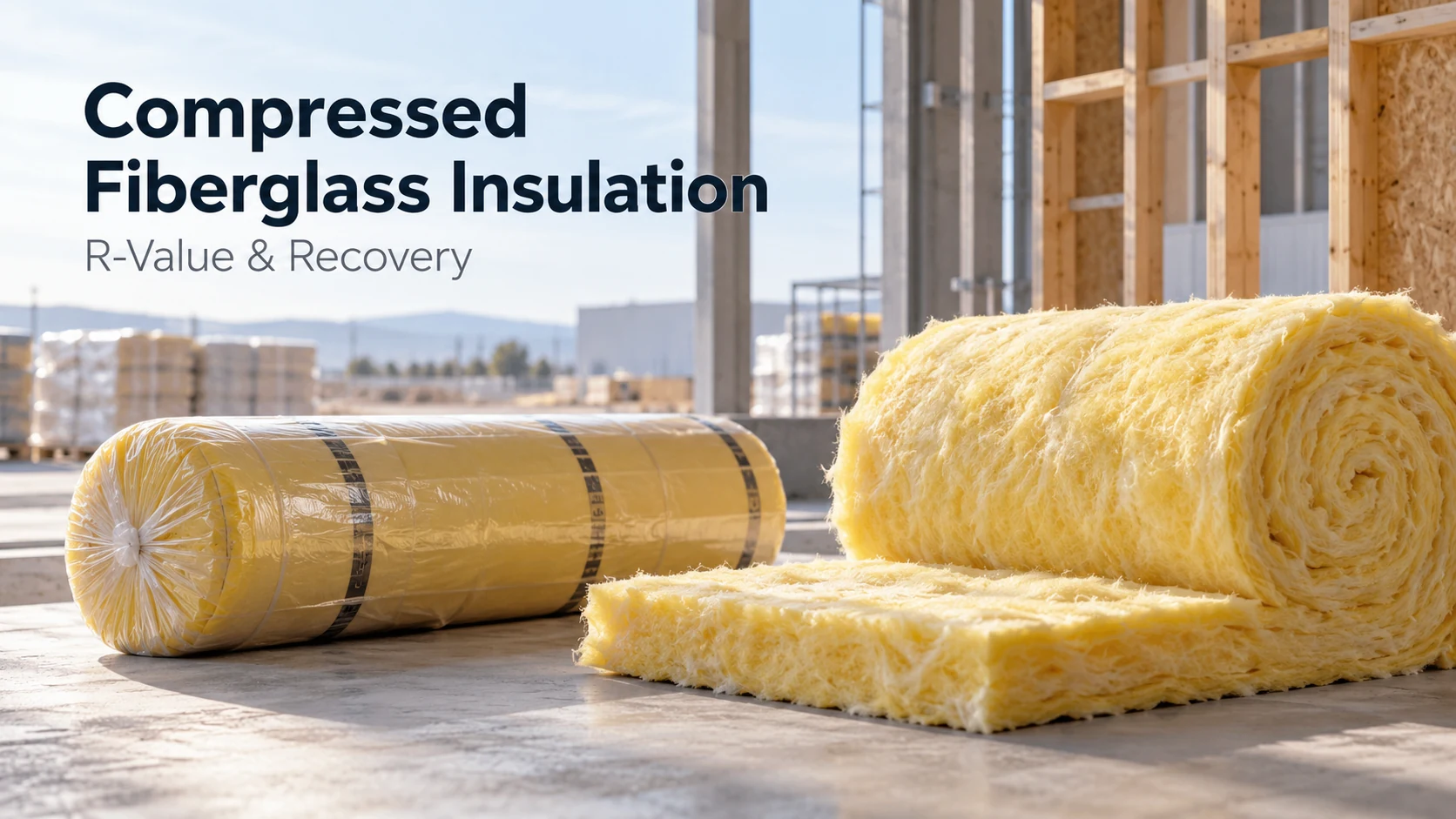
What Happens When Fiberglass (Glass Wool) Insulation Is Compressed?
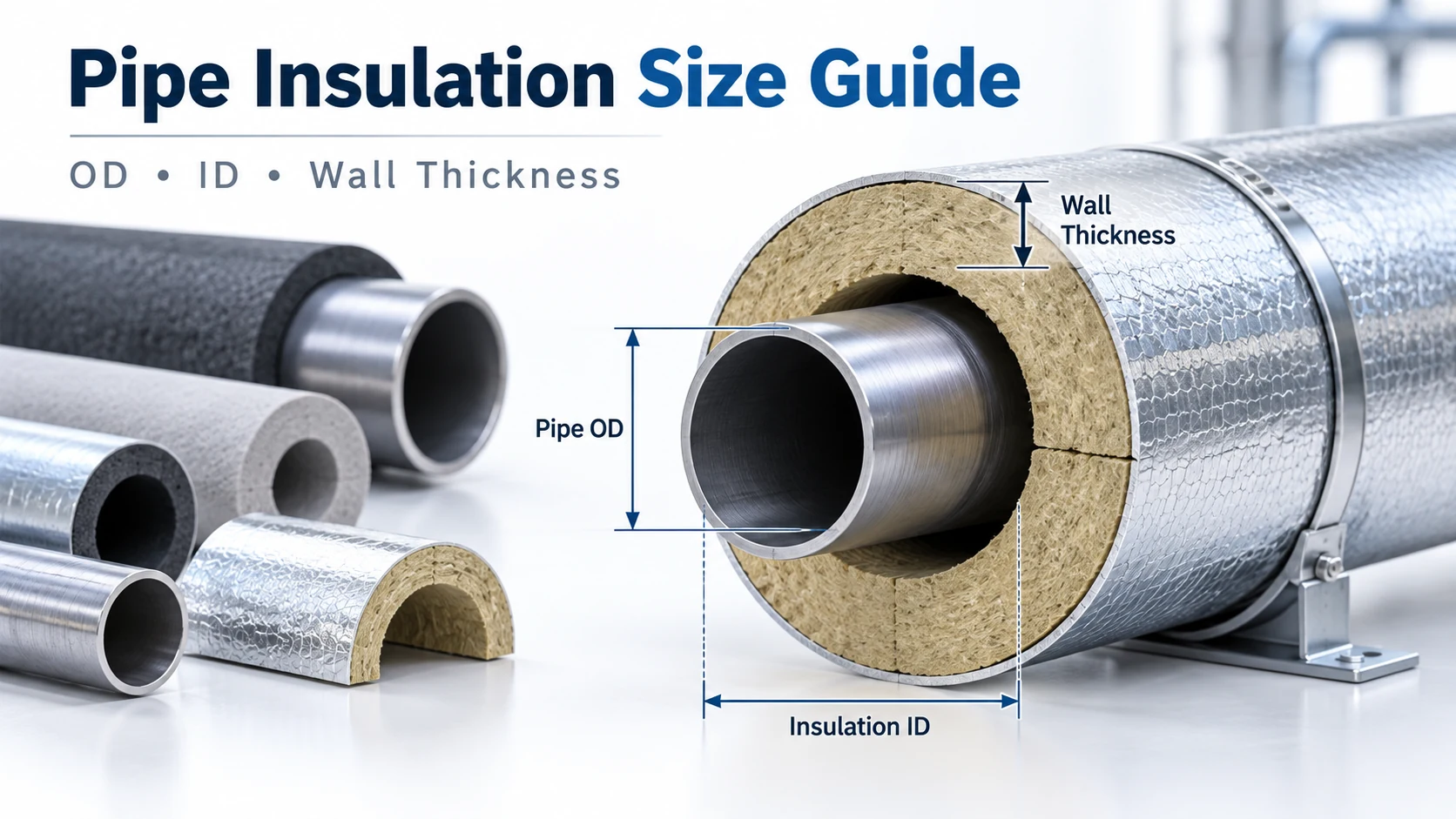
Pipe Insulation Size Guide: How to Match Pipe OD, Insulation ID and Wall Thickness
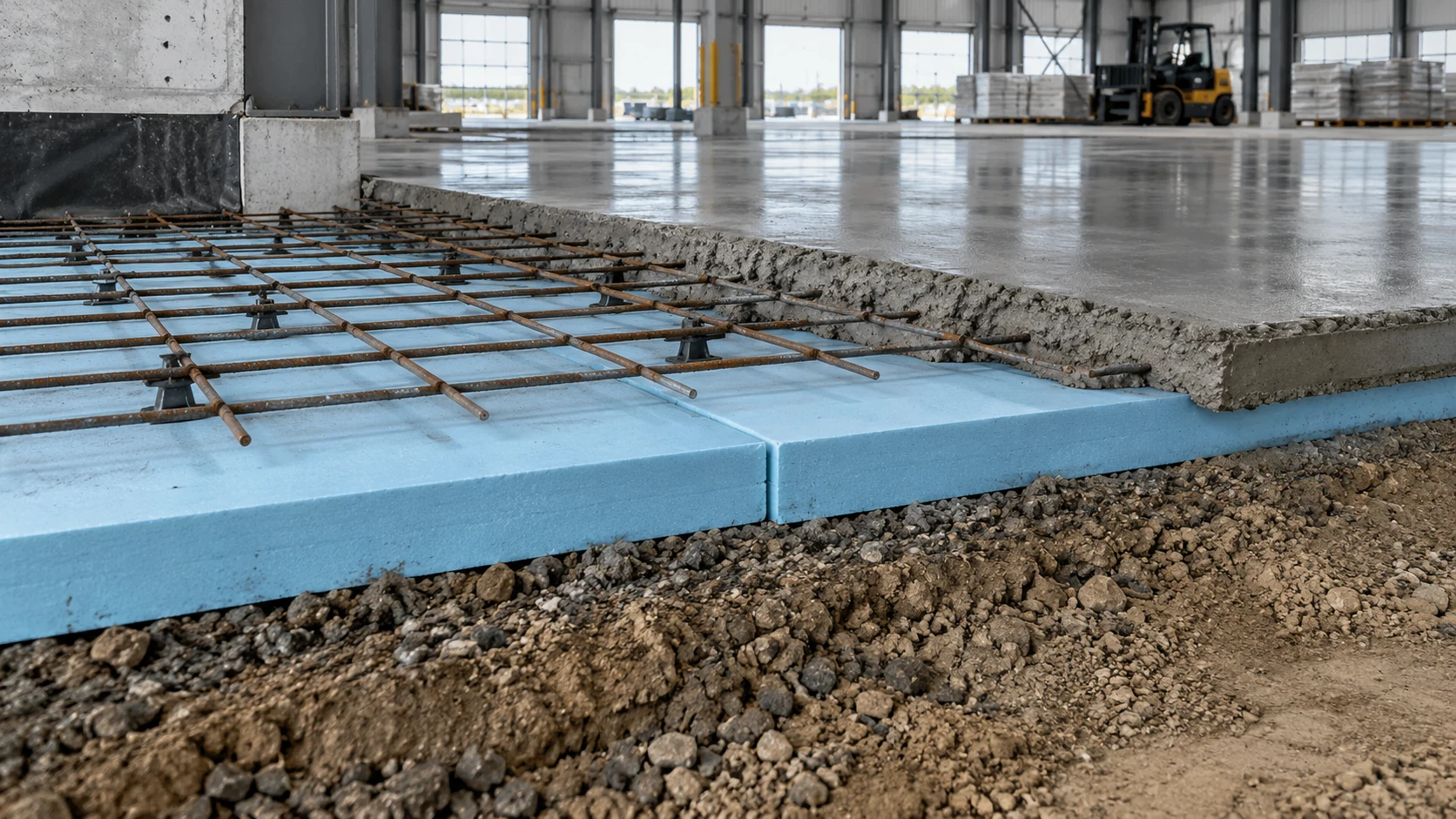
What XPS Compressive Strength Do I Need Under a Concrete Slab?
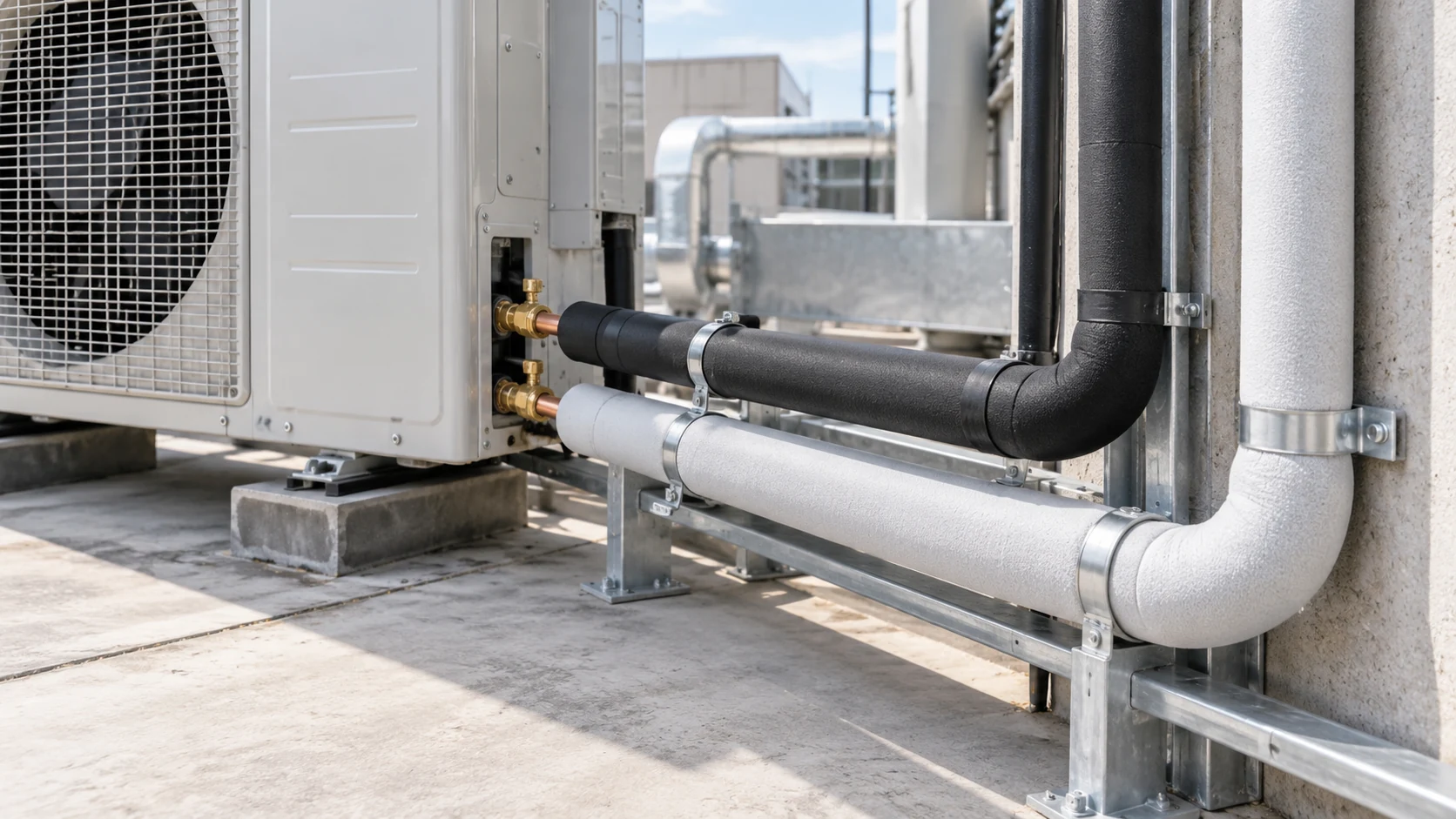
Rubber vs Polyethylene Foam for AC Refrigerant Lines
FAQ
Do you provide samples before bulk orders?
Yes, samples can be provided for quality checking before bulk purchase. Sample availability, size, and delivery cost may vary depending on the product and destination.
service
What certificates or test reports can you provide?
We can provide available certificates, test reports, and product documents according to the product type and project requirements. If your project requires a specific standard, please confirm with us before ordering.
Can you support OEM or private label orders?
Yes. We can support OEM and private label requirements such as customized packaging, labels, product specifications, and brand presentation for distributors, contractors, and project buyers.
What is your usual production and delivery time?
Delivery time depends on the product type, order quantity, customization requirements, and shipping destination. Standard products are usually faster to arrange, while customized or large-volume orders may require longer production time.
Leave a message
Have any questions or concerns about our products? Please leave us a message here and our team will get back to you promptly.
Your queries, ideas, and collaboration opportunities are just a click away. Let’s start a conversation.



















































FUNAS Insulation Material
funasinsulation
funasinsulation
Guangdong FUNAS Insulation Material Co.Ltd