
IXPE or NBR/PVC Rubber Foam? How HVAC Buyers Can Tell the Difference
IXPE and NBR/PVC rubber foam can look very similar when supplied as black closed-cell rolls, which can cause confusion during HVAC sourcing. This guide shows buyers how to distinguish the two materials through material identification, product form, technical documents and project requirements rather than appearance alone.
- IXPE vs NBR/PVC Rubber Foam: What Is the Basic Difference?
- Why Can IXPE and NBR/PVC Foam Look So Similar?
- Closed-Cell Foam Does Not Mean the Material Is IXPE
- How Can HVAC Buyers Tell IXPE and NBR/PVC Apart?
- Why Product Form Matters in HVAC Insulation
- Can Thermal Conductivity or Density Identify the Foam?
- What Should Buyers Check Before Comparing Quotations?
- What Should Buyers Include in an RFQ?
- Common Mistakes When Identifying Insulation Foam
- FAQ
Black closed-cell foam rolls can look remarkably similar in product photos. For HVAC buyers, this sometimes leads to NBR/PVC rubber foam being referred to as IXPE simply because the color, surface and roll format appear alike.
The two materials are not the same. IXPE is an irradiation-cross-linked polyethylene foam, while NBR/PVC rubber foam belongs to the flexible elastomeric foam family. Before comparing prices or approving a material, buyers should confirm what the foam is actually made from.
IXPE vs NBR/PVC Rubber Foam: What Is the Basic Difference?
The easiest place to start is the material family. Both products may have a closed-cell structure, but they use different polymers and should not be identified from appearance alone.
| Item | IXPE | NBR/PVC Rubber Foam |
|---|---|---|
| Material family | Cross-linked polyethylene foam | Flexible elastomeric foam |
| Base material | Polyethylene | Nitrile rubber and PVC |
| Foam structure | Closed-cell | Closed-cell |
| Common forms | Rolls, sheets and converted foam products | Pipe, sheet and roll insulation |
| How to confirm | Check the material specification | Look for NBR/PVC or elastomeric foam identification |
IXPE is one type of cross-linked polyethylene foam. Buyers may also encounter broader descriptions such as XPE, XLPE or cross-linked polyolefin foam, so the exact material name should always be checked against the supplier's technical documentation.
Why Can IXPE and NBR/PVC Foam Look So Similar?
Most of the confusion comes from the finished product rather than the polymer itself. Once a foam has been cut into a sheet or wound into a roll, many of the visual clues that distinguish the raw materials become less obvious.
A black NBR/PVC rubber foam roll, for example, may resemble another black closed-cell polyethylene foam in an online catalogue. Thickness, lighting, compression during packaging and surface finish can make the two appear even more alike.
Additional layers can make visual identification harder. Adhesive backing, release liners or aluminum foil facings describe the construction of the finished product, but they do not identify the foam underneath.
Closed-Cell Foam Does Not Mean the Material Is IXPE
This is one of the most useful distinctions for procurement teams. Closed-cell describes the structure of the foam, not the polymer used to manufacture it.
| Product Description | What It Actually Confirms |
|---|---|
| Closed-cell foam | Foam cell structure, not polymer type |
| Black foam roll | Color and product format |
| Self-adhesive foam | An adhesive system has been added |
| Foil-faced foam | A facing has been laminated to the product |
| NBR/PVC elastomeric foam | The base material has been identified |
| IXPE foam | The material is irradiation-cross-linked polyethylene foam |
A quotation that only says “closed-cell insulation foam” therefore leaves an important question unanswered. The buyer still needs to know whether the material is NBR/PVC, IXPE or another type of foam.
How Can HVAC Buyers Tell IXPE and NBR/PVC Apart?
Visual inspection can be useful for checking dimensions, surface condition and facing, but it should not be the main method used to identify the foam. A better purchasing process follows the product documents from the material name through to the applicable test reports.
1. Check the material description first. The technical data sheet or quotation should identify the base material. For NBR/PVC products, buyers may see descriptions such as NBR/PVC rubber foam, nitrile rubber/PVC foam or flexible elastomeric foam. IXPE documentation should identify polyethylene as the base material and indicate the cross-linked foam type.
2. Check the product form. Product format does not prove the polymer, but it helps confirm whether the quoted insulation is suitable for the job. NBR/PVC insulation is commonly supplied as preformed pipe insulation as well as sheet and roll products.
3. Check the technical values together with their test conditions. Thermal conductivity, density and moisture-related data can help evaluate a product, but they should not be treated as a material fingerprint. Similar numerical ranges can occur in different foam formulations.
4. Match test reports to the quoted product. The product name, manufacturer, model or specimen description on a test report should correspond to the material being offered. A report for one foam type should not be used as evidence for another simply because the two products look similar.
Why Product Form Matters in HVAC Insulation
For an HVAC project, identifying the polymer is only the first step. Buyers also need to check whether the product format suits the actual installation.
NBR/PVC elastomeric insulation is available in formats designed for different parts of a mechanical system. FUNAS supplies NBR/PVC rubber foam pipe insulation for insulated piping systems and NBR/PVC rubber foam sheet and roll insulation for ducts, tanks, equipment and larger surfaces.
This is particularly useful when a project contains both straight pipe runs and larger or irregular surfaces. The buyer can specify the appropriate product form without confusing the foam material with its shape.
The broader FUNAS NBR/PVC rubber foam range covers pipe, sheet and roll insulation. FUNAS does not supply IXPE as part of this rubber foam range, so an inquiry describing a FUNAS NBR/PVC product as “IXPE” should be clarified before quotation.
Can Thermal Conductivity or Density Identify the Foam?
Not by themselves. These values are useful for engineering evaluation, but a single technical number is not a reliable way to determine whether a sample is IXPE or NBR/PVC.
Thermal conductivity is a good example. The value needs to be read together with the test method and mean test temperature. Two products may show different values simply because they were tested under different conditions, while different materials may also produce overlapping values under similar conditions.
The same caution applies to density, water absorption, vapor performance and fire-test data. Buyers should review the whole technical data sheet rather than trying to identify a polymer from one figure.
For a more detailed document review, procurement teams can refer to the FUNAS guide on how to read an elastomeric insulation data sheet.
What Should Buyers Check Before Comparing Quotations?
A useful quotation comparison should separate material identification from project performance requirements. This prevents two visually similar products from being compared as though they were technically identical.
| Check | Information to Confirm | Reason |
|---|---|---|
| Material | IXPE, NBR/PVC or another foam | Confirms what is actually being quoted |
| Application | Pipe, duct, tank or equipment | Determines the suitable product form |
| Dimensions | Thickness, pipe OD, sheet or roll size | Required for specification and quantity review |
| Operating conditions | Service temperature and relevant ambient conditions | Supports insulation selection |
| Construction | Plain, self-adhesive or faced | Clarifies the required finished product |
| Technical documents | Required test reports or project documents | Confirms whether documentation matches the requirement |
For FUNAS rubber foam products, buyers can also review the available certifications and test reports when project documentation is required. The scope of each report should still be checked against the actual product being purchased.
What Should Buyers Include in an RFQ?
If the foam type is unclear, a useful RFQ does not need to become a long technical questionnaire. The buyer should provide enough information for the supplier to identify the intended material and product configuration.
Material and application: State the specified material name if one is available, together with the intended HVAC, refrigeration, duct, pipe or equipment application.
Dimensions: Provide insulation thickness and either pipe outside diameter or the required sheet or roll dimensions.
Operating conditions: Include the service temperature and any relevant ambient temperature or humidity information when condensation control is part of the design.
Product construction: Confirm whether the insulation should be plain, self-adhesive or faced, and specify aluminum foil or another facing where required.
Procurement information: Include quantity, destination, required technical documents and whether a sample is needed before bulk ordering.
If the project specification explicitly requires IXPE, that requirement should be stated clearly. NBR/PVC should not be treated as an automatic substitute simply because the finished products look similar.
Common Mistakes When Identifying Insulation Foam
Buying from the photo. A photograph can confirm color and general shape, but it cannot reliably identify the polymer used in the foam.
Using “closed-cell” as a material name. Closed-cell is a structural description shared by more than one foam material.
Assuming foil or adhesive identifies the foam. These are additional layers or product configurations, not the base polymer.
Comparing isolated test values. Technical figures need their test method, temperature and specimen information to be meaningful.
Accepting unrelated documents. A report should cover the material and product being quoted. Documentation for another foam should not be treated as equivalent evidence.
FAQ
Is NBR/PVC rubber foam a type of IXPE?
No. NBR/PVC is a flexible elastomeric foam based on nitrile rubber and PVC. IXPE is irradiation-cross-linked polyethylene foam. They can both have a closed-cell structure, but they are different material families.
Why can NBR/PVC rubber foam look like IXPE?
Both materials can be supplied as flexible sheets or rolls, and dark-colored products can look similar in photographs. Packaging, surface finish, adhesive backing and facings can make visual identification even more difficult.
Does FUNAS supply IXPE foam?
No. The FUNAS products discussed here are NBR/PVC rubber foam insulation. The current range includes pipe, sheet and roll products for HVAC and related mechanical insulation applications.
What is the quickest way to confirm whether a product is NBR/PVC?
Check the material designation on the technical data sheet, quotation or product specification. For project purchasing, match that information with the relevant technical documents supplied for the product.
Can IXPE and NBR/PVC be substituted for each other?
They should not be treated as automatic substitutes. Any proposed material change should be reviewed against the project specification, operating conditions, required product form, thermal and moisture requirements, fire requirements and project approval process. For NBR/PVC rubber foam projects, send FUNAS the application, required dimensions, insulation thickness, quantity, facing requirements, technical document requirements and destination for specification confirmation, sample requests or bulk quotation support.
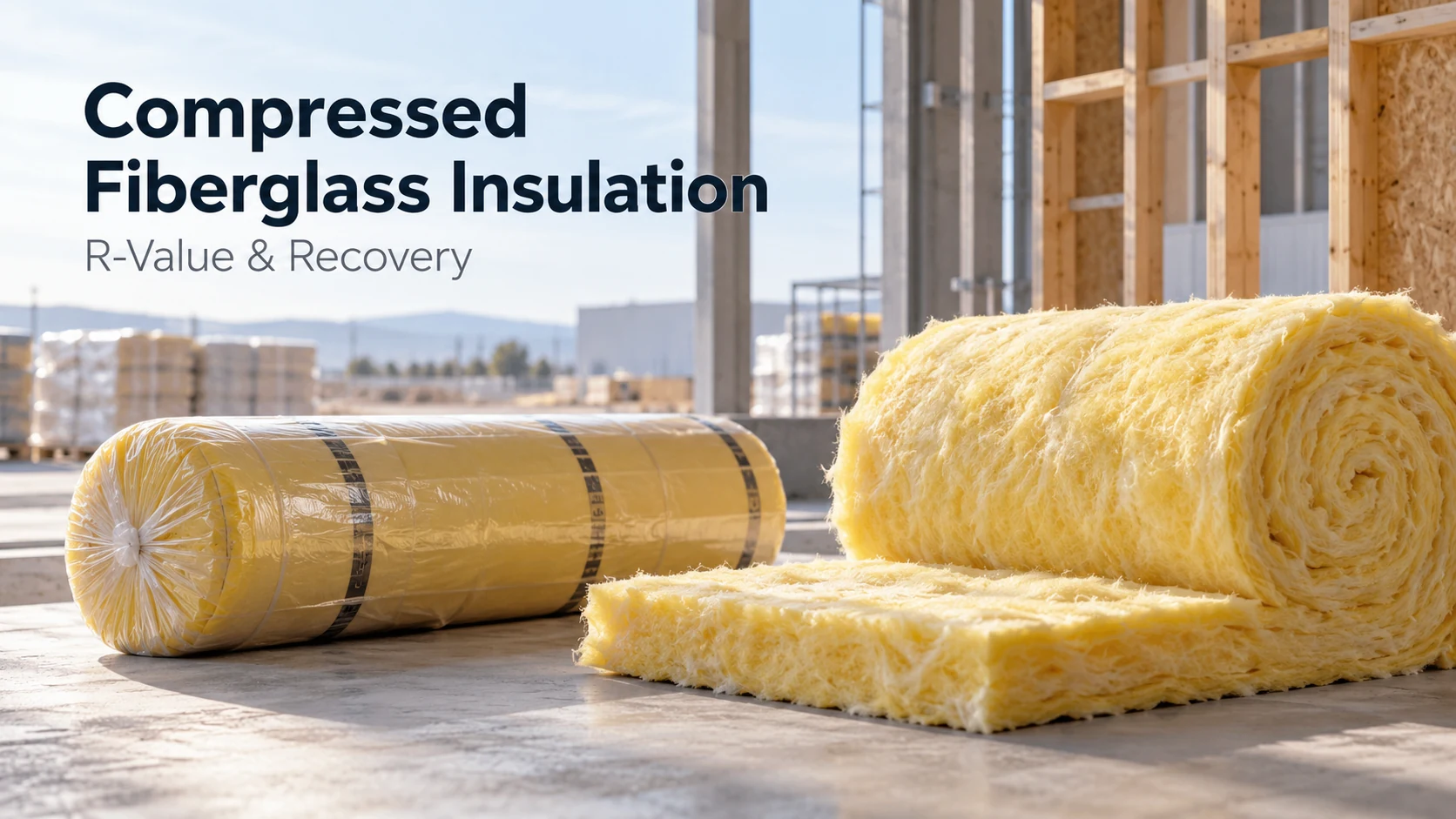
What Happens When Fiberglass (Glass Wool) Insulation Is Compressed?
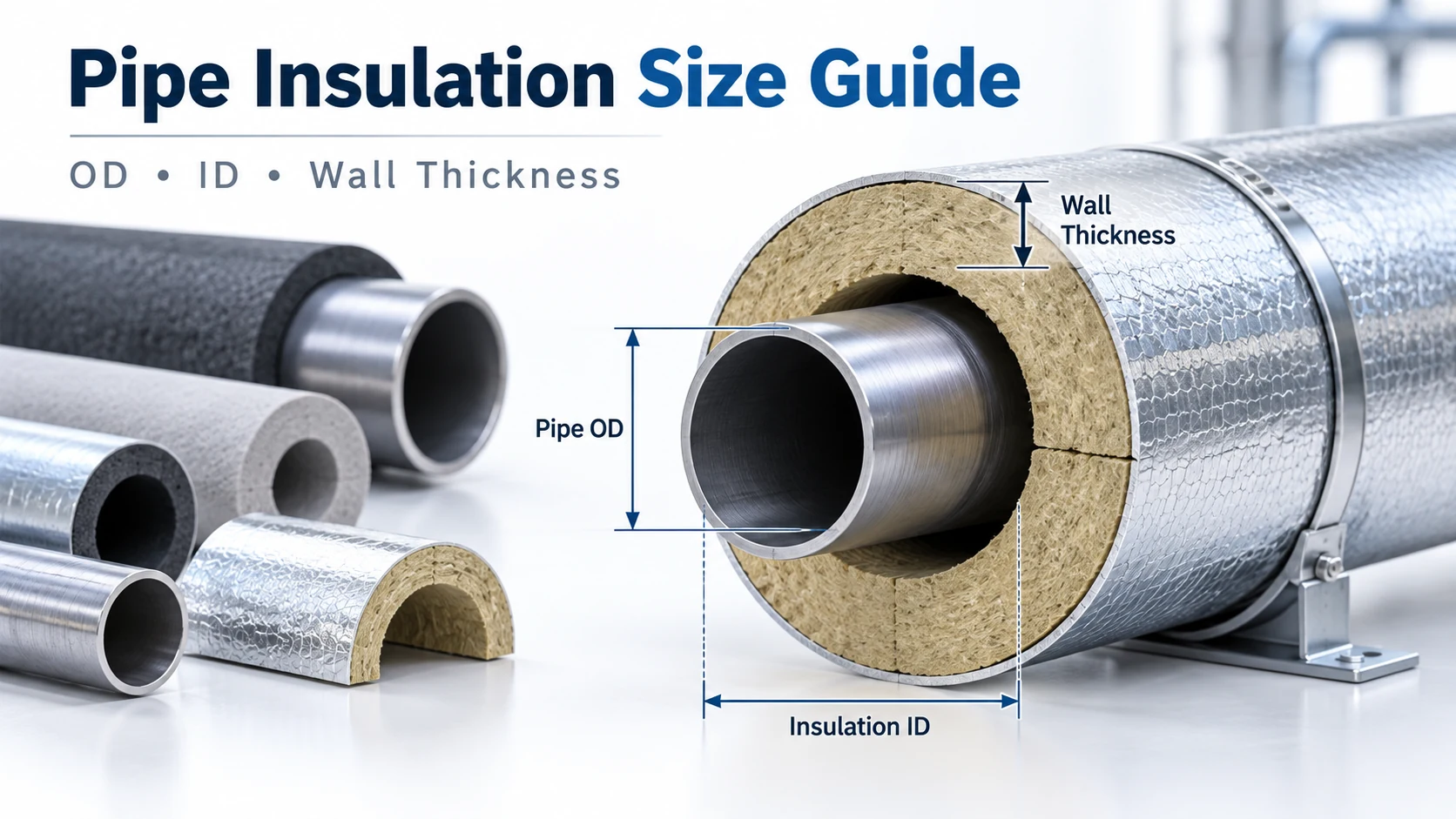
Pipe Insulation Size Guide: How to Match Pipe OD, Insulation ID and Wall Thickness
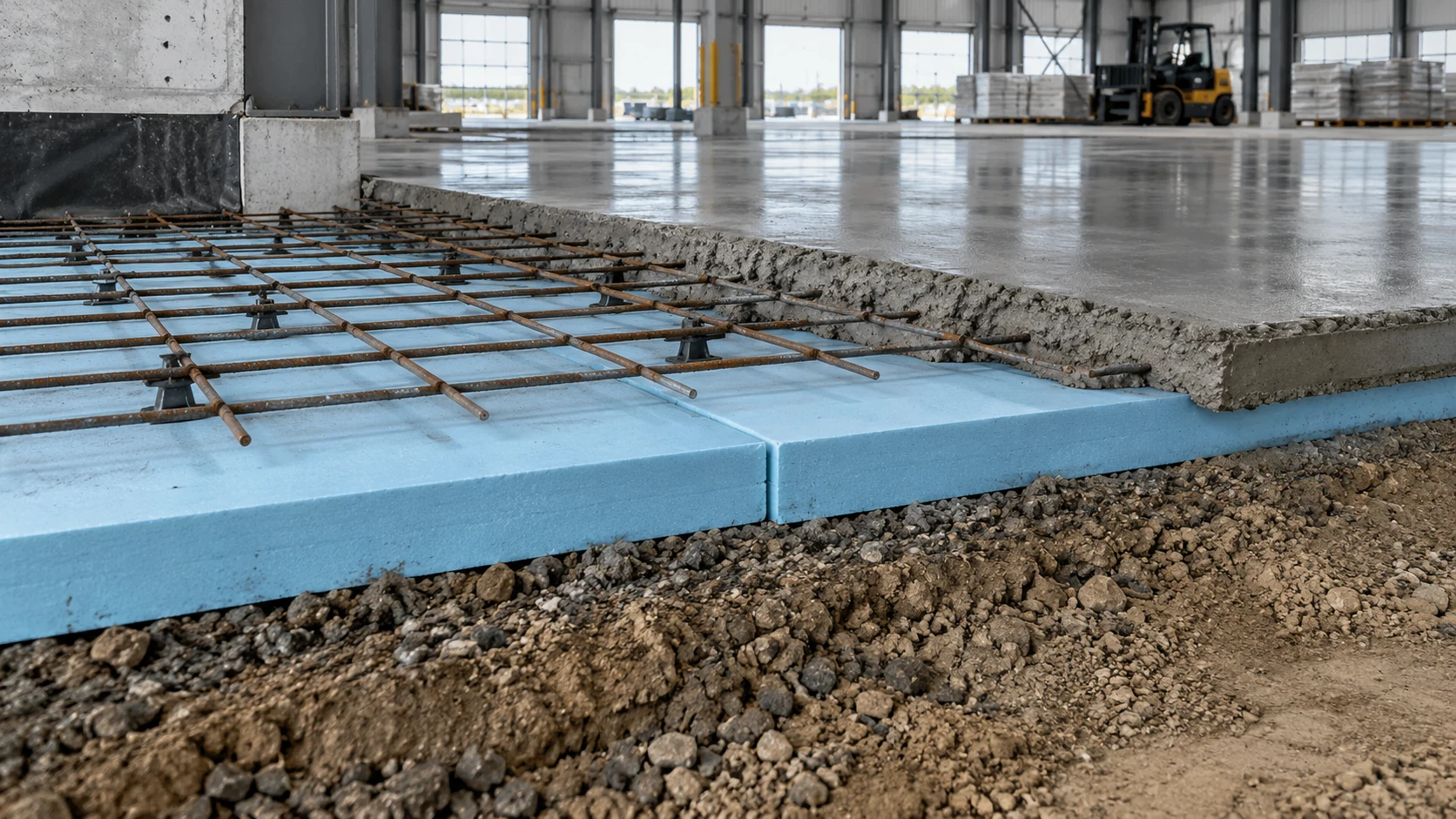
What XPS Compressive Strength Do I Need Under a Concrete Slab?
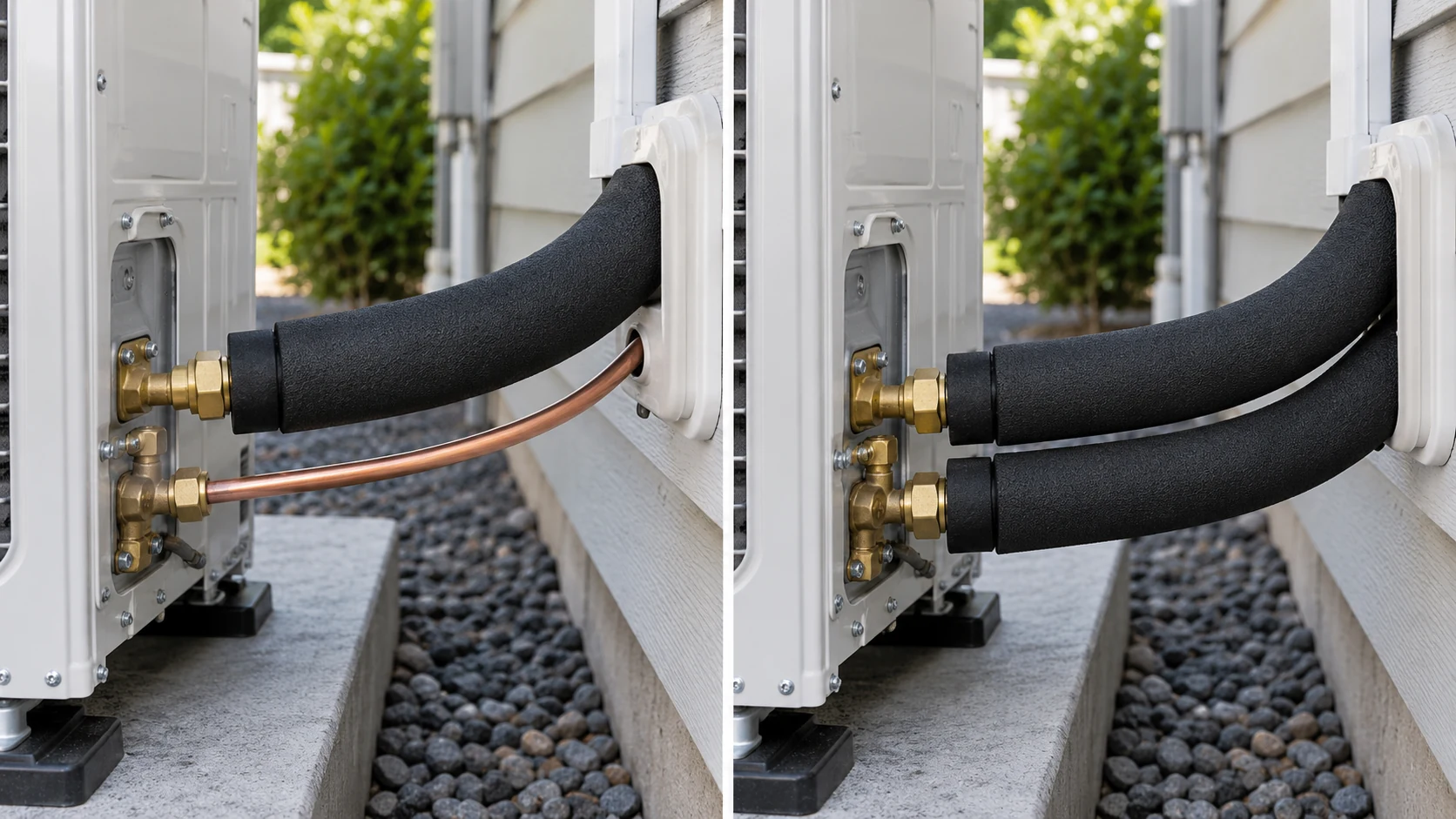
Do Both Refrigerant Lines Need Insulation?
Do you provide samples before bulk orders?
Yes, samples can be provided for quality checking before bulk purchase. Sample availability, size, and delivery cost may vary depending on the product and destination.
How do I choose the right insulation material for my project?
The right material depends on the application area, working temperature, fire rating requirements, thickness, density, moisture resistance, and acoustic or thermal performance needs. You can share your project use, size requirements, and installation environment, and our team will recommend suitable options.
What information should I provide to get a quotation?
To prepare an accurate quotation, please provide the product type, size, thickness, density or specification, quantity, application, destination port or country, and any special requirements such as fire rating, facing material, adhesive backing, or packaging.
How do you pack insulation products for export?
Products are packed according to material type and shipping requirements. Common options include plastic bags, cartons, woven bags, pallets, or customized export packaging to help protect the goods during transportation.
Leave a message
Have any questions or concerns about our products? Please leave us a message here and our team will get back to you promptly.
Your queries, ideas, and collaboration opportunities are just a click away. Let’s start a conversation.



















































FUNAS Insulation Material
funasinsulation
funasinsulation
Guangdong FUNAS Insulation Material Co.Ltd