
What Happens When Fiberglass (Glass Wool) Insulation Is Compressed?
Compressed fiberglass insulation can behave differently depending on where and why the material is compressed. This guide explains the difference between temporary compression packaging and installed compression, how thickness relates to thermal performance, and what project buyers should check after unpacking glass wool rolls.
- Does Compressing Fiberglass Insulation Reduce R-Value?
- Packaging Compression vs. Installed Compression: What Is the Difference?
- Why Are Glass Wool Rolls Compressed for Shipping?
- How Does Glass Wool Recover After Compression Packaging?
- How to Check Glass Wool After Unpacking
- Confirm the Product Label and Specification
- Check the Package and Material Condition
- Look for Uniform Expansion
- Verify the Recovered Thickness
- How to Verify Recovered Thickness Before Installation
- How Installed Thickness Affects Thermal Performance
- What Buyers Should Confirm When Ordering Glass Wool Rolls
- FAQ
Compressed fiberglass insulation is not always describing the same condition. A glass wool roll compressed temporarily for packaging and transport is different from insulation that remains compressed below its intended thickness after installation.
This distinction matters because thermal performance is evaluated in the installed condition. For contractors, distributors and project buyers, the practical questions are therefore not simply whether glass wool can be compressed, but why it is compressed, what should happen after unpacking, and what thickness is finally installed in the project.
Does Compressing Fiberglass Insulation Reduce R-Value?
When fiberglass insulation is installed at less than its intended thickness, its total thermal resistance can change. This is why insulation performance should be considered together with the final installed thickness rather than by looking at the material alone.
One point is often misunderstood: R-value per inch and total R-value are not the same thing. Compression changes both the thickness and the fiber concentration within a given space, so the relationship is not a simple calculation such as “20% compression means 20% less R-value.”
The North American Insulation Manufacturers Association provides guidance on compressed fiberglass insulation and R-values. Its published data show that uniformly compressed fiberglass batts can have a different total R-value when installed below their labeled thickness. The guidance also states that product-specific manufacturer data should take priority over general compression tables.
For this reason, a compression chart from one insulation product should not automatically be applied to another glass wool product. Where thermal resistance is part of the project specification, buyers and engineers should work from the required installed thickness and the technical information for the selected material.
Packaging Compression vs. Installed Compression: What Is the Difference?
The easiest way to understand fiberglass insulation compression is to separate temporary packaging from the final installed condition.
| Comparison Point | Packaging Compression | Installed Compression |
|---|---|---|
| Purpose | Reduce packed volume for handling, storage and transportation | Occurs when insulation is installed within a space that is shallower than its original thickness |
| Duration | Temporary before unpacking | Remains after installation |
| Main consideration | Expansion and recovered thickness after unpacking | Final installed thickness and thermal performance |
| What to verify | Product specification, package condition and recovered thickness | Project requirement, installed thickness and manufacturer data |
These two situations should not be treated as interchangeable. Compression packaging is a logistics method used for suitable fibrous insulation products. Installed compression, on the other hand, becomes part of the final insulation assembly and should be evaluated as such.
Why Are Glass Wool Rolls Compressed for Shipping?
Glass wool rolls contain a large volume of air within their fibrous structure. For suitable roll products, compression packaging can reduce the amount of space occupied before the material reaches the project site.
This can make bulk transport, warehouse storage and site handling more practical, particularly when a project requires a large quantity of insulation rolls. The packaging condition, however, is not the same as the intended installed condition.
Packaging specifications can vary by product, density, thickness, facing and order requirement. Buyers should therefore confirm the actual packing method during quotation rather than assuming that every glass wool roll uses the same compression ratio.
For current product forms and project supply options, buyers can refer to FUNAS glass wool insulation rolls.
How Does Glass Wool Recover After Compression Packaging?
Once the packaging restraint is removed, compressed glass wool can expand toward its intended form and thickness. This behavior comes from the resilient fibrous structure of the insulation rather than from a change in the material itself.
There is no universal recovery time that should be applied to every glass wool roll. Recovery behavior can vary with product construction, density, thickness, packaging condition and manufacturer instructions.
For procurement and receiving teams, the useful reference is the nominal product specification rather than an arbitrary number of hours after opening. If a project has specific unpacking or conditioning requirements, those requirements should be confirmed with the supplier before installation.
It is also better to distinguish normal packaging compression from the wider question of product selection. Different applications may use roll or board insulation depending on the required form and installation method. For that comparison, see the guide to glass wool roll and board selection.
How to Check Glass Wool After Unpacking
For commercial orders, unpacking inspection can be kept straightforward. The purpose is to confirm that the delivered material corresponds with the purchase specification and is ready for the next stage of the project.
Confirm the Product Label and Specification
Start with the product information on the package. Check the ordered product form, nominal thickness, density, dimensions, facing option and other agreed specifications before comparing the material with the project requirement.
Check the Package and Material Condition
Review the package condition when the shipment is received and after it is opened. The material should also be kept under the storage conditions specified for the project so that moisture exposure or unsuitable site storage does not interfere with receiving inspection.
Look for Uniform Expansion
After unpacking, the roll should be allowed to expand according to the supplier or manufacturer guidance. The useful observation is whether expansion is reasonably uniform across the material rather than judging the roll only by its appearance while it is still packaged.
Verify the Recovered Thickness
Where thickness is part of project acceptance, measurement should follow the applicable project specification, manufacturer method or recognized test method.
ASTM C167, for example, covers the determination of thickness and density for flexible fibrous insulation blankets, rolls and batts. It can serve as an industry reference for understanding why thickness measurement should be carried out in a defined way. Mentioning this standard does not mean that every glass wool product has been tested or certified to ASTM C167.
How to Verify Recovered Thickness Before Installation
A recovered glass wool roll should be evaluated against the specification supplied for that product rather than against another brand, another density or a general online compression chart.
A practical verification sequence is:
- Confirm the ordered nominal thickness and product specification.
- Check that the correct roll and package have been selected.
- Allow the material to expand according to the applicable handling guidance.
- Measure thickness using the method required by the project or product documentation.
- Record the result if the project has a formal receiving or quality-control process.
For large orders, agreeing on the relevant specification and inspection method before shipment can make receiving much easier. It also gives the buyer, contractor and supplier the same reference when the material reaches the warehouse or site.
How Installed Thickness Affects Thermal Performance
Once glass wool is installed, thickness becomes part of the thermal design. A material specified for one installed thickness should not automatically be assumed to provide the same total thermal resistance when it is permanently fitted at another thickness.
This does not mean that every amount of compression creates the same performance change. Uniform compression into a defined cavity is different from an installation with irregular thickness, gaps or inconsistent coverage. The actual assembly should be assessed according to its design and the technical data available for the selected insulation.
For broader information on thickness, density, facing and other factors that influence insulation performance, see the FUNAS guide to glass wool thermal performance.
Contractors should also avoid using a compression table published for one specific fiberglass product as a universal design table. If an unusual cavity depth or installation condition requires the insulation to remain below its nominal thickness, product-specific guidance is the better reference.
What Buyers Should Confirm When Ordering Glass Wool Rolls
Compression packaging is only one part of a glass wool order. For a useful quotation and fewer specification changes later, buyers should provide the information that defines the actual product and shipping requirement.
- Application, such as roof, ceiling, wall, HVAC duct or industrial insulation
- Required product form
- Nominal thickness and density
- Roll width and length
- Plain or faced material
- Required quantity
- Packaging requirement, including whether compression packing is needed
- Required certificates or test documents for the project
- Destination country or delivery location
- Sample requirement, if applicable before bulk procurement
FUNAS supplies both roll and board forms within its glass wool insulation product range. Exact specifications, packaging and applicable technical documents should be confirmed for the selected product and project before quotation.
FAQ
Can fiberglass insulation be compressed?
Yes. Fiberglass or glass wool may be compressed temporarily for suitable packaging applications, and it can also be installed at a reduced thickness in some construction conditions. These situations should be evaluated separately because packaging compression is temporary, while installed compression affects the final insulation thickness.
Does compressed fiberglass insulation lose R-value?
When fiberglass is permanently installed below its labeled or specified thickness, its total R-value can change. The relationship is not necessarily proportional, so manufacturer-specific thermal data should be used where available instead of applying a general percentage reduction.
Is shipping compression the same as compression during installation?
No. Shipping compression is used to reduce packed volume before the material is unpacked. Installation compression remains in the completed assembly, so the final installed thickness becomes part of the thermal performance assessment.
How long does compressed glass wool take to recover?
There is no single recovery time that applies to all glass wool products. Product construction, thickness, density and packaging can differ, so recovery should be assessed according to the manufacturer's product and handling information rather than a universal waiting period.
How can buyers check whether a glass wool roll has recovered properly?
Check the ordered specification first, allow the roll to expand under the applicable handling guidance, and then verify the recovered thickness using the project, supplier or recognized measurement method. For formal receiving inspection, keep the product label and measurement record together with the shipment documentation. For bulk glass wool roll requirements, send FUNAS your application, required thickness, density, roll size, facing, quantity, destination and required technical documents so the specification, packaging and quotation can be confirmed before ordering.
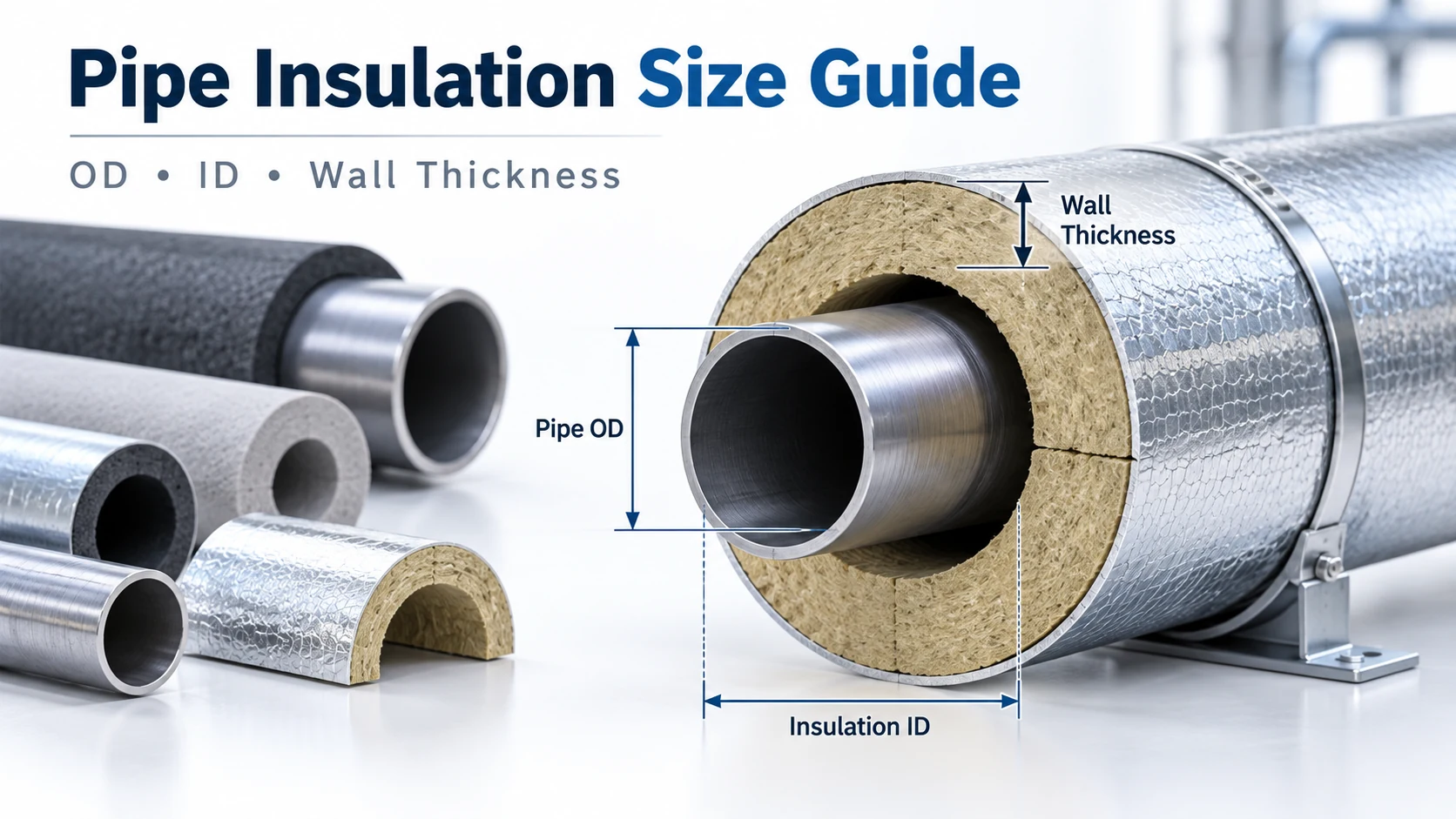
Pipe Insulation Size Guide: How to Match Pipe OD, Insulation ID and Wall Thickness
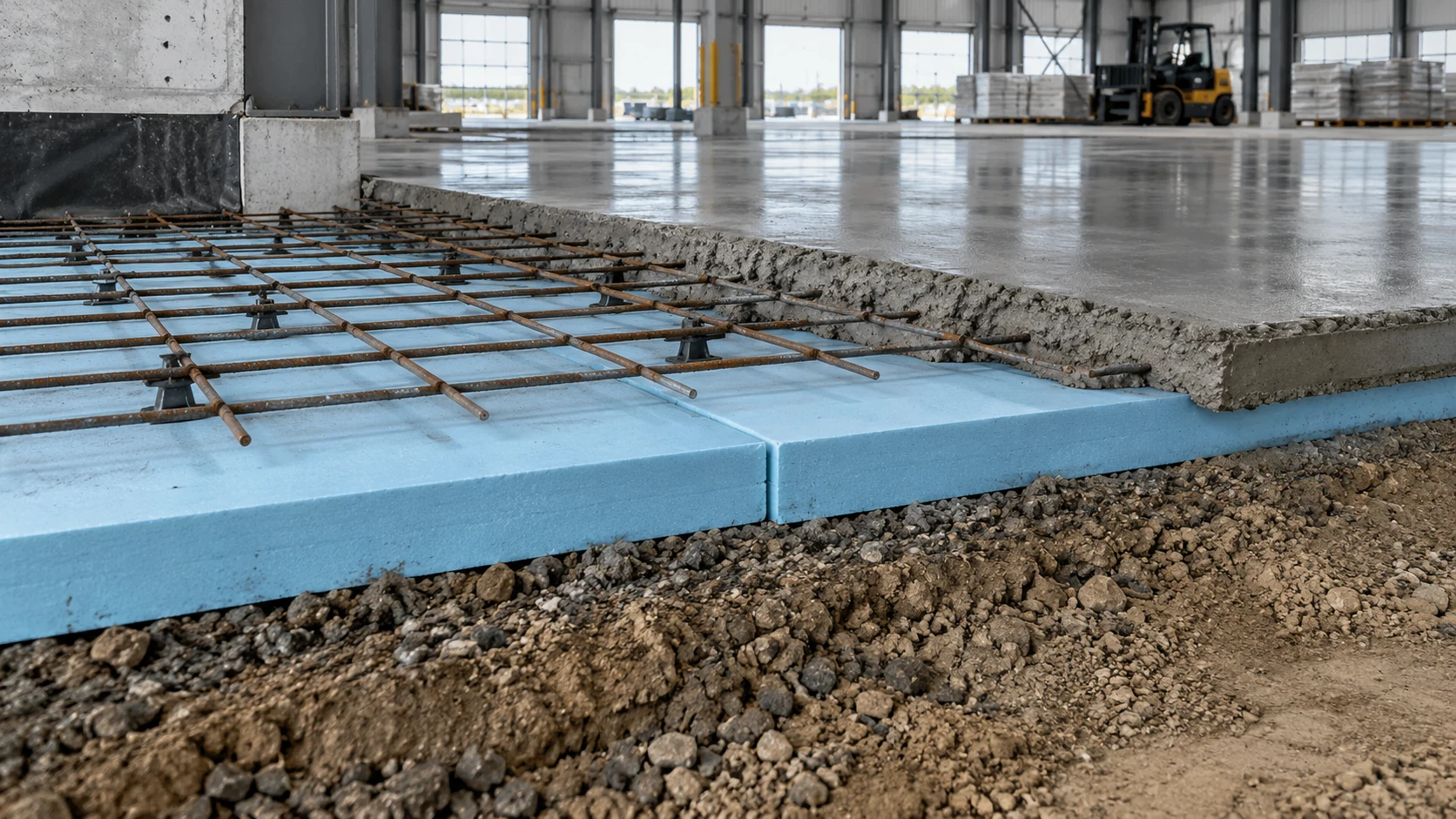
What XPS Compressive Strength Do I Need Under a Concrete Slab?
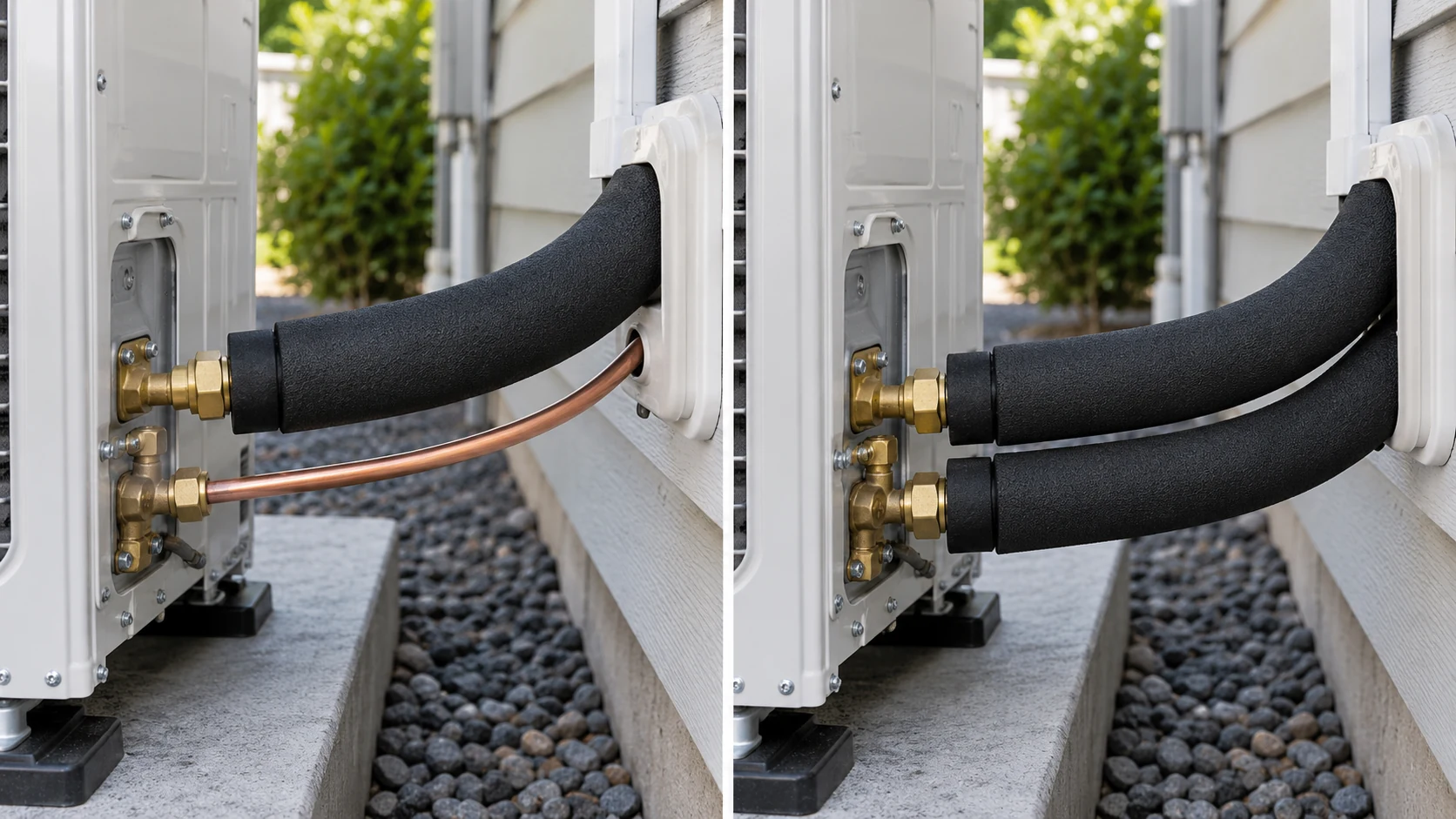
Do Both Refrigerant Lines Need Insulation?

Rubber vs Polyethylene Foam for AC Refrigerant Lines
Do you provide samples before bulk orders?
Yes, samples can be provided for quality checking before bulk purchase. Sample availability, size, and delivery cost may vary depending on the product and destination.
What insulation products do you supply?
We supply rubber foam insulation, glass wool insulation, rock wool insulation, XPS insulation boards, acoustic foam products, and thermal insulation adhesive. These products are commonly used in HVAC systems, construction projects, industrial equipment, and acoustic applications.
Can you provide customized insulation products?
Yes. We can support customized sizes, thicknesses, densities, aluminum foil facing, adhesive backing, colors, packaging, and other project requirements depending on the product type and order quantity.
What certificates or test reports can you provide?
We can provide available certificates, test reports, and product documents according to the product type and project requirements. If your project requires a specific standard, please confirm with us before ordering.
Leave a message
Have any questions or concerns about our products? Please leave us a message here and our team will get back to you promptly.
Your queries, ideas, and collaboration opportunities are just a click away. Let’s start a conversation.


FUNAS Insulation Material
funasinsulation
funasinsulation
Guangdong FUNAS Insulation Material Co.Ltd