


















































Best Heat Reflective Coatings for Cars 2026 Review
- Best Heat Reflective Coatings for Cars 2026 Review
- Understanding Heat Reflective Coatings and Car Thermal Insulation Materials
- Top Heat Reflective Coatings for Cars in 2026
- 1. Super Therm® Solar Heat Block Coating
- 2. Zircotec Ceramic Coatings
- 3. Nissan's Cool Paint Technology
- Benefits of Applying Heat Reflective Coatings
- How to Choose the Right Heat Reflective Coating
- FUNAS: Leading the Way in Thermal Insulation Materials
- Frequently Asked Questions (FAQ)
- Contact Us
Best Heat Reflective Coatings for Cars 2026 Review
As global temperatures rise, protecting your vehicle from excessive heat has become more crucial than ever. Heat reflective coatings, also known as car thermal insulation materials, offer an effective solution to mitigate heat absorption, enhance comfort, and preserve your car's interior. In this comprehensive review, we'll explore the top heat reflective coatings available in 2026, their benefits, and how they can transform your driving experience.
Understanding Heat Reflective Coatings and Car Thermal Insulation Materials
Heat reflective coatings are specialized paints or films applied to a vehicle's exterior to reflect a significant portion of solar radiation. By reducing heat absorption, these coatings help maintain a cooler interior temperature, protect the paintwork from UV damage, and improve overall comfort. Car thermal insulation materials, on the other hand, are designed to minimize heat transfer within the vehicle, further enhancing thermal comfort.
Top Heat Reflective Coatings for Cars in 2026
1. Super Therm® Solar Heat Block Coating
Overview:
Super Therm® is a high-performance ceramic coating that blocks approximately 96.1% of solar heat over 20 years. It's designed to reduce heat absorption, prevent thermal shock, and protect your vehicle's exterior.
Key Features:
- High Solar Reflectivity: Blocks a significant portion of solar heat, keeping your car cooler.
- Durability: Proven to last over 35 years, ensuring long-term protection.
- Environmental Safety: Water-based, low VOC, and USDA-approved for use around food preparation areas.
Application:
Super Therm® can be applied directly to your vehicle's exterior. For enhanced protection and a smooth finish, it's recommended to apply an epoxy topcoat. This combination not only maintains the coating's white appearance but also makes the surface easier to clean.
Source:
2. Zircotec Ceramic Coatings
Overview:
Zircotec offers a range of ceramic coatings, including the Performance White and Performance Colours, designed to reduce heat transfer and protect components from thermal damage.
Key Features:
- Thermal Barrier: Reduces surface temperatures by up to 25–33%, depending on the formulation.
- Aesthetic Options: Available in various colors, allowing customization to match your vehicle's appearance.
- Durability: Provides long-lasting protection against heat and abrasion.
Application:
These coatings are applied using a plasma spray process, forming a thin, solid ceramic layer that adheres to the vehicle's surface. The application process requires professional expertise to ensure optimal performance.
Source:
3. Nissan's Cool Paint Technology
Overview:
Nissan has developed a specialized paint that reportedly keeps cars cooler by up to 12°C. This innovative paint is six times thicker than standard car paint, enhancing its heat-reflective properties.
Key Features:
- Enhanced Heat Reflection: Significantly reduces both external and internal car temperatures.
- Thicker Application: The increased thickness improves the paint's durability and effectiveness.
Application:
While this technology is currently being tested and implemented by Nissan, it's expected to become more widely available in the near future. Vehicle owners interested in this technology should consult with Nissan dealerships for availability and application details.
Source:
Benefits of Applying Heat Reflective Coatings
- Improved Comfort: Maintaining a cooler interior temperature enhances driving comfort, especially during hot weather.
- Paint Protection: Reduces UV damage, preserving the vehicle's exterior appearance.
- Energy Efficiency: By keeping the interior cooler, the need for air conditioning is reduced, leading to potential fuel savings.
How to Choose the Right Heat Reflective Coating
When selecting a heat reflective coating, consider the following factors:
- Climate Conditions: Choose a coating suitable for your local climate to ensure optimal performance.
- Vehicle Type: Some coatings may be more suitable for specific vehicle types or materials.
- Durability: Consider the longevity of the coating to ensure long-term benefits.
- Application Method: Determine whether the coating requires professional application or if it's suitable for DIY installation.
FUNAS: Leading the Way in Thermal Insulation Materials
Founded in 2011, FUNAS is a comprehensive science and technology company specializing in the research, production, sales, and service of thermal insulation materials. With a 10,000-square-meter storage center in Guangzhou, FUNAS offers a wide range of products, including glass wool, rubber foam, and rock wool, catering to industries such as petroleum, petrochemical, electric power, metallurgy, and more.
Key Advantages of FUNAS Products:
- Diverse Product Range: Offers a variety of thermal insulation materials to meet different industry needs.
- Customization Services: Provides brand customization to meet customers' personalized requirements.
- Certifications: Holds certifications such as CCC, CQC, CE, ROHS, CPR, UL, and FM, ensuring product quality and safety.
- Quality Management: Passed ISO 9001 quality system certification and ISO 14001 environmental system certification.
For more information on FUNAS's products and services, visit their official website at (https://www.funasinsulations.com/).
Frequently Asked Questions (FAQ)
Q1: How do heat reflective coatings work?
Heat reflective coatings are designed to reflect a significant portion of solar radiation, reducing heat absorption by the vehicle's surface. This leads to a cooler interior and protects the exterior from UV damage.
Q2: Can I apply heat reflective coatings myself?
Some coatings are suitable for DIY application, while others require professional installation. It's essential to follow the manufacturer's guidelines to ensure optimal performance.
Q3: How long do heat reflective coatings last?
The durability of these coatings varies depending on the product and environmental conditions. Some coatings are designed to last over 35 years, while others may require reapplication sooner.
Q4: Are there any maintenance requirements for heat reflective coatings?
Regular cleaning and maintenance are recommended to preserve the coating's effectiveness. Specific maintenance guidelines are provided by the manufacturer.
Q5: Can heat reflective coatings be applied to any vehicle?
Most coatings are suitable for various vehicle types, but it's advisable to check the manufacturer's recommendations to ensure compatibility.
Q6: How do I choose the right heat reflective coating for my vehicle?
Consider factors such as climate conditions, vehicle type, durability, and application method when selecting a coating. Consulting with professionals or the manufacturer can provide personalized recommendations.
Q7: Does FUNAS offer heat reflective coatings for vehicles?
While FUNAS specializes in thermal insulation materials for various industries, it's advisable to contact them directly to inquire about products suitable for automotive applications.
Contact Us
For more information on heat reflective coatings and thermal insulation materials, or to explore our product offerings, please visit our website at (https://www.funasinsulations.com/). Our team is ready to assist you with your specific needs.
Note: The information provided in this article is based on available sources as of November 2025. For the most current and detailed information, please refer to the manufacturers' official websites or contact them directly.
Sources:- (https://www.funasinsulations.com/)
Comprehensive Guide to Rock Wool Blanket Suppliers by FUNAS
How to Insulate Outdoor Water Pipes: Step-By-Step Guide
Nitrile Rubber Insulation Price List in France: A Practical Buyer’s Guide
How to Insulate Pipes for Winter: Expert Guide (2024)
service
Can I request custom dimensions or properties for my insulation needs?
Yes, we specialize in custom solutions. Whether you need specific dimensions, thicknesses, densities, or additional coatings, we can work with you to manufacture insulation products tailored to your exact requirements of good materials for heat insulation.
Are your rubber foam products environmentally friendly?
Yes, our insulation products are designed with sustainability in mind. They help reduce energy consumption by minimizing heat loss and gain, and they are made from durable materials that have a long life cycle, reducing the need for frequent replacement.
FAQ
How do I choose the right insulation for my project?
Our team can help you choose the best material for heat insulation based on your specific needs, such as thermal resistance, acoustic properties, and environmental conditions.
What types of rubber foam insulation do you offer?
We offer a wide range of rubber foam insulation with different thicknesses and specifications. Thermal insulation material manufacturer FUNAS sleeves and sheets are suitable for different application scenarios.
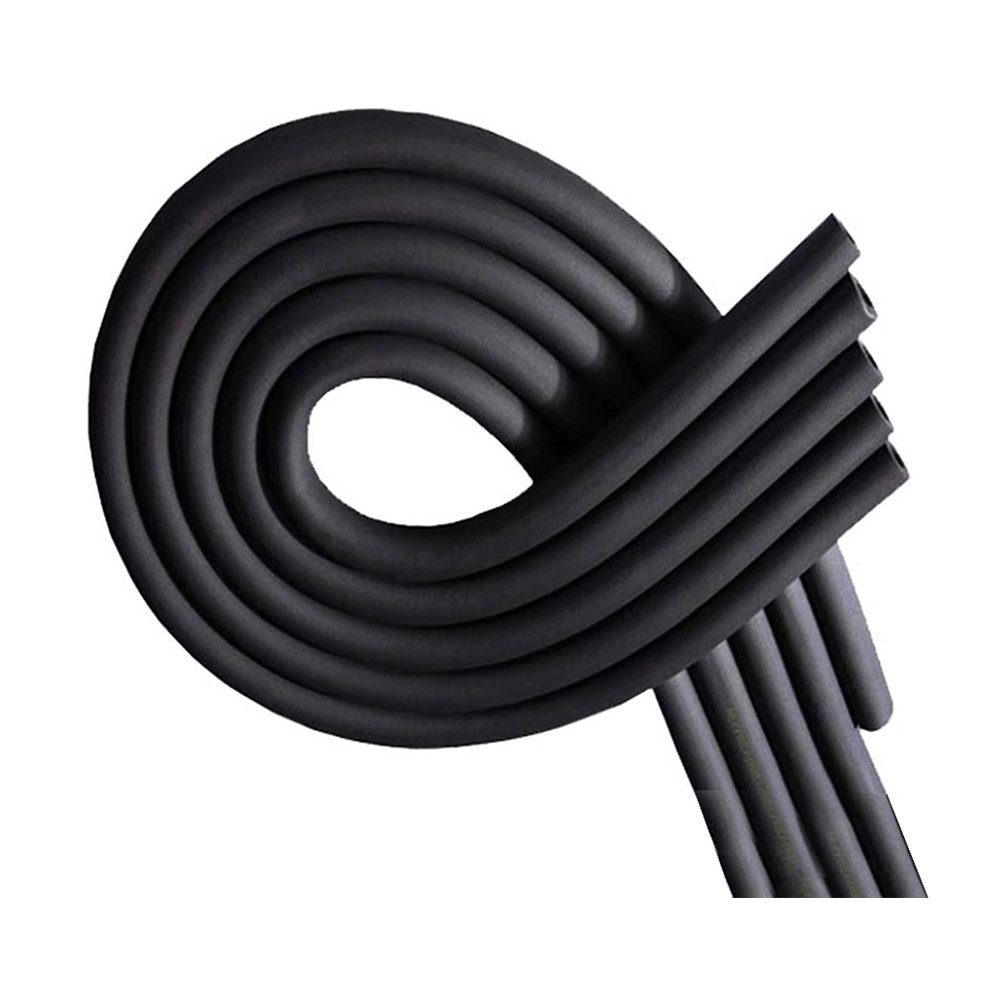
Wholesale Black nitrile rubber foam pipe rubber NBR foam tube rubber foam insulation tube for hvac system
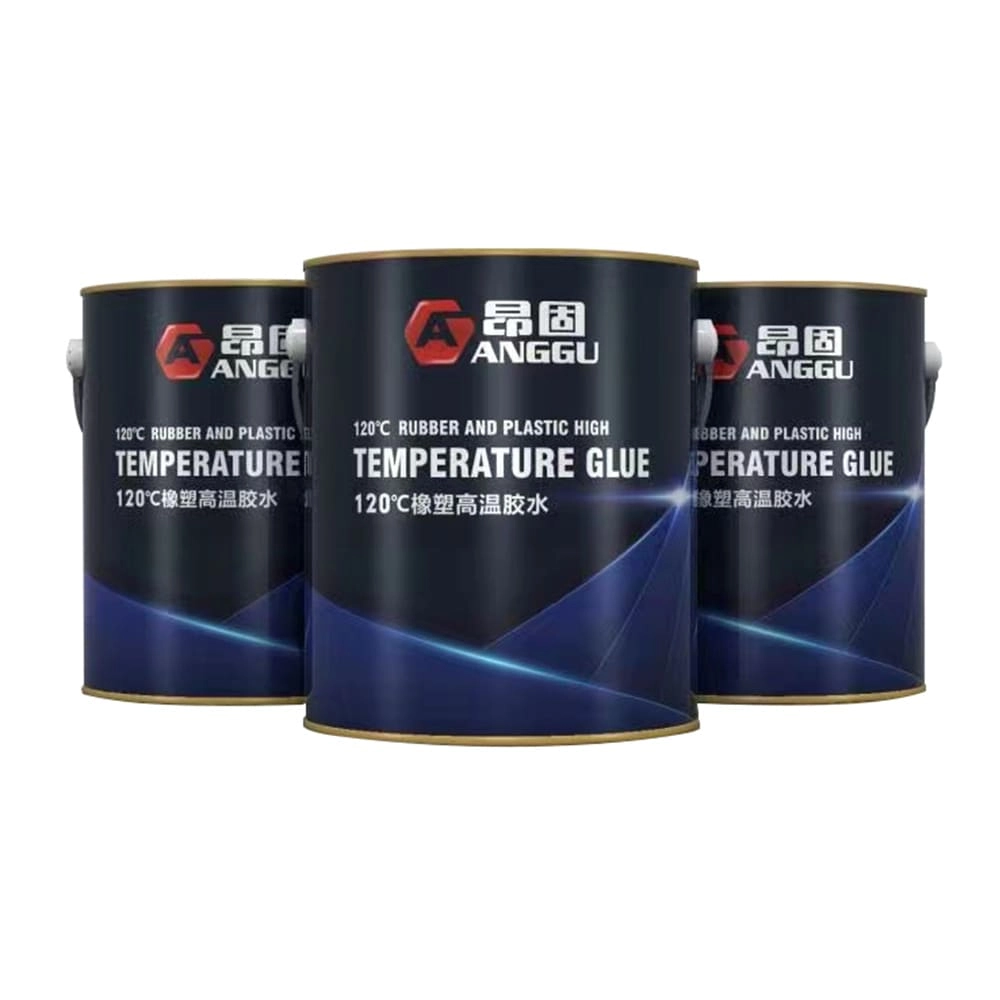
120°Rubber foam high-temperature adhesive
This product has passed the EU REACH non-toxic standard and the ROHS non-toxic standard. (The product is yellow glue.)
Anggu 120 ° rubber-plastic high-temperature glue is an extravagant product, mainly used for various intractable diseases, high temperatures, and harsh and demanding places. This product is a low-odor, high-strength quick-drying glue; table drying speed, long bonding time, no powder, non-toxic, wide range of applications, can be applied to most insulation materials.

Wholesale Rock Wool Mineral Wool Board Panel Sheet
High-performance rock wool board for superior thermal and acoustic insulation. A reliable choice for building projects.
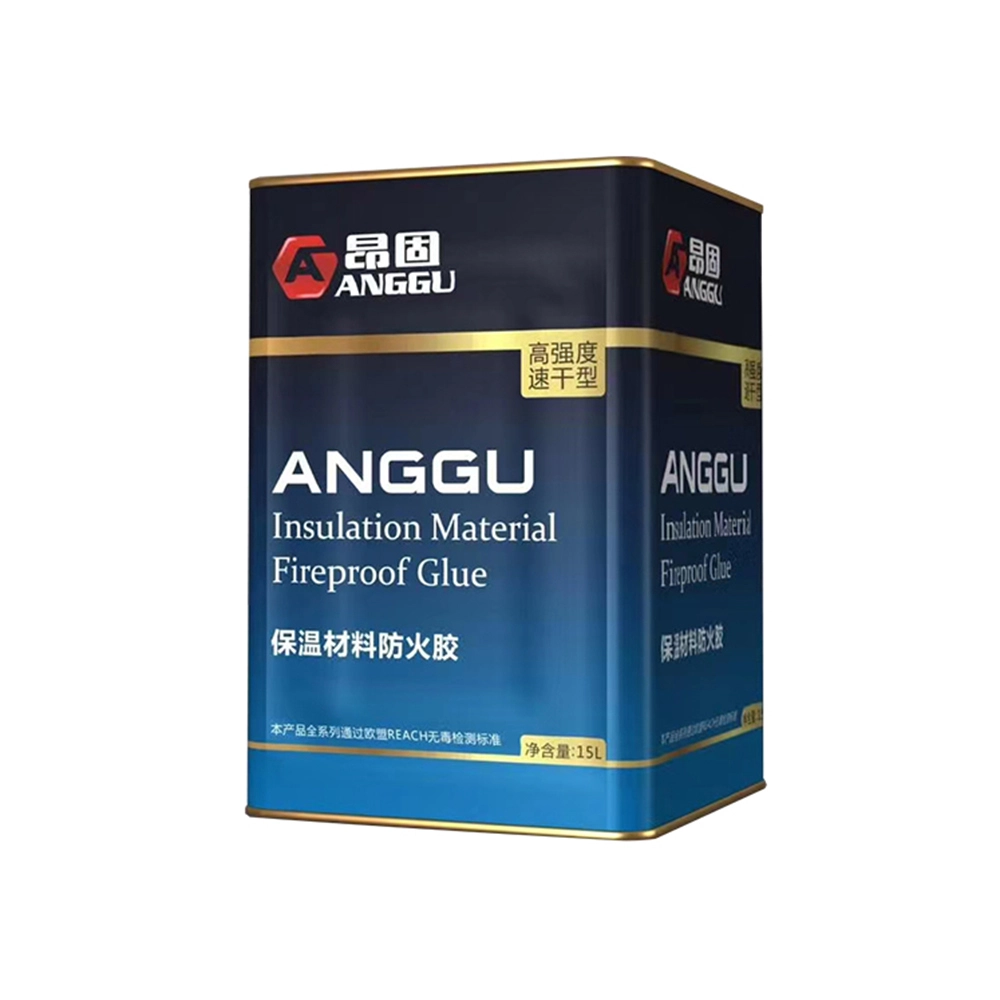
Thermal insulation material fireproof adhesive
Leave a message
Have any questions or concerns about our products? Please leave us a message here and our team will get back to you promptly.
Your queries, ideas, and collaboration opportunities are just a click away. Let’s start a conversation.
