
What Does Asbestos Pipe Insulation Look Like? A Detailed Guide by FUNAS
- What Does Asbestos Pipe Insulation Look Like? An Expert Overview
- Typical Appearance and Texture of Asbestos Pipe Insulation
- Signs and Characteristics to Identify Asbestos Pipe Insulation
- Health and Safety Risks Associated with Asbestos Pipe Insulation
- Modern Insulation Alternatives from FUNAS
- Why Choose FUNAS for Your Insulation Needs?
- Conclusion
What Does Asbestos Pipe Insulation Look Like? An Expert Overview
Asbestos pipe insulation was widely used in industrial and commercial buildings from the early 20th century until the late 1970s due to its excellent thermal insulating properties and fire resistance. However, because asbestos fibers pose serious health risks, recognizing what asbestos pipe insulation looks like is crucial for safety and proper handling. At FUNAS, we specialize in modern, safe insulation alternatives ensuring your projects comply with safety standards and environmental regulations.
Typical Appearance and Texture of Asbestos Pipe Insulation
Asbestos pipe insulation often appears as a white, grayish, or off-white layered material wrapped around pipes. It can look like a cement-like or fibrous substance that may be lumpy or rough to the touch. The insulation may be found as:
- Pipe wrap or tape: Sheets or strips of asbestos-containing material tightly wrapped around pipes, sometimes covered with a cloth or paper-based jacketing.
- Block insulation: Solid blocks molded to fit the shape of pipes and valves, having a dense and hard texture.
- Sprayed-on insulation: A textured, rough coating directly applied on pipe surfaces, often sandy or flaky in appearance.
Common asbestos insulation materials contain chrysotile, amosite, or crocidolite fibers embedded in a matrix of cement, magnesia, or another binding material.
Signs and Characteristics to Identify Asbestos Pipe Insulation
While visible inspection is not sufficient to confirm the presence of asbestos definitively, some visual signs help assess the risk:
- Age: Installation dates before the 1980s raise suspicion as asbestos use was banned or tightly regulated afterward.
- Color and texture: Asbestos insulation typically shows uniform light colors (white, gray, cream).
- Material condition: Intact asbestos insulation looks cement-like, whereas deteriorated insulation may appear crumbly or dusty, increasing fiber release risks.
- Location: Pipes in industrial, power plants, petrochemical, or older commercial buildings commonly used asbestos insulation.
Health and Safety Risks Associated with Asbestos Pipe Insulation
Asbestos fibers can cause severe respiratory diseases, including asbestosis, lung cancer, and mesothelioma when inhaled. Damaged or disturbed asbestos pipe insulation releases microscopic fibers into the air, posing a significant risk to humans. Therefore, it is strongly recommended to leave asbestos inspection, sampling, and removal to certified professionals rather than attempting any DIY handling.
Modern Insulation Alternatives from FUNAS
As industry leaders, FUNAS provides advanced, non-hazardous insulation products to replace asbestos pipe insulation safely. Our range includes:
- Rubber and plastic insulation: Flexible and durable options for pipes and HVAC systems.
- Rock wool products: High-temperature resistance with excellent sound absorption and fire-retardant properties.
- Glass wool products: Lightweight insulation with superior thermal efficiency and eco-friendly manufacturing processes.
With decades of expertise and ISO 9001 and ISO 14001 certifications, FUNAS ensures all products meet stringent quality and environmental standards. Our customized solutions cater to industries such as petrochemical, power generation, metallurgy, and more.
Why Choose FUNAS for Your Insulation Needs?
Founded in 2011, FUNAS integrates scientific research, production, sales, and service, supported by a 10,000-square-meter storage center based in Guangzhou. Our certifications include CCC, CQC, CE, ROHS, CPR, UL, and FM, which reflect our commitment to safety and compliance. Choosing FUNAS guarantees:
- Access to certified, high-quality insulation materials.
- Expert consultation to identify and replace any hazardous asbestos pipe insulation safely.
- Custom-designed insulation solutions tailored to your project requirements.
- Comprehensive after-sales service ensuring customer satisfaction and long-term reliability.
Conclusion
Understanding what does asbestos pipe insulation look like is essential for safety in older industrial and commercial settings. Recognizing the typical white or gray cement-like wrapping around pipes can help identify potential asbestos exposure risks. FUNAS is your reliable partner for transitioning from hazardous asbestos insulation to safer, modern alternatives with certified quality and expert support. Contact us today to learn more about our insulation solutions and services designed to protect people and the environment.
FAQs
Q: Can I visually confirm asbestos pipe insulation without a professional?
A: No, visual inspection is not sufficient to confirm asbestos; laboratory testing by certified professionals is necessary.
Q: Is asbestos pipe insulation still legally used today?
A: No, asbestos use in pipe insulation is banned or strictly regulated in most countries.
Q: What should I do if I suspect asbestos pipe insulation in my building?
A: Contact licensed asbestos inspectors or removal professionals immediately; avoid disturbing the material.
Q: What insulation materials does FUNAS offer as alternatives to asbestos?
A: We provide rubber and plastic insulation, rock wool, and glass wool products, designed for safety and high performance.
Q: How does FUNAS ensure product quality?
A: Our products hold CCC, CQC, CE, ROHS, CPR, UL, FM certifications and comply with ISO 9001 and ISO 14001 standards.
Is ROCKWOOL Heat Proof? An In-Depth Analysis by FUNAS
The wholesale foam rubber Cost Guide
How to Find Reliable NBR Rubber Manufacturers in Russia: A Buyer’s Guide
Regenerative Cooling and Insulation in Cars 2026
Do you provide samples before bulk orders?
Yes, samples can be provided for quality checking before bulk purchase. Sample availability, size, and delivery cost may vary depending on the product and destination.
What information should I provide to get a quotation?
To prepare an accurate quotation, please provide the product type, size, thickness, density or specification, quantity, application, destination port or country, and any special requirements such as fire rating, facing material, adhesive backing, or packaging.
How do I choose the right insulation material for my project?
The right material depends on the application area, working temperature, fire rating requirements, thickness, density, moisture resistance, and acoustic or thermal performance needs. You can share your project use, size requirements, and installation environment, and our team will recommend suitable options.
How do you pack insulation products for export?
Products are packed according to material type and shipping requirements. Common options include plastic bags, cartons, woven bags, pallets, or customized export packaging to help protect the goods during transportation.
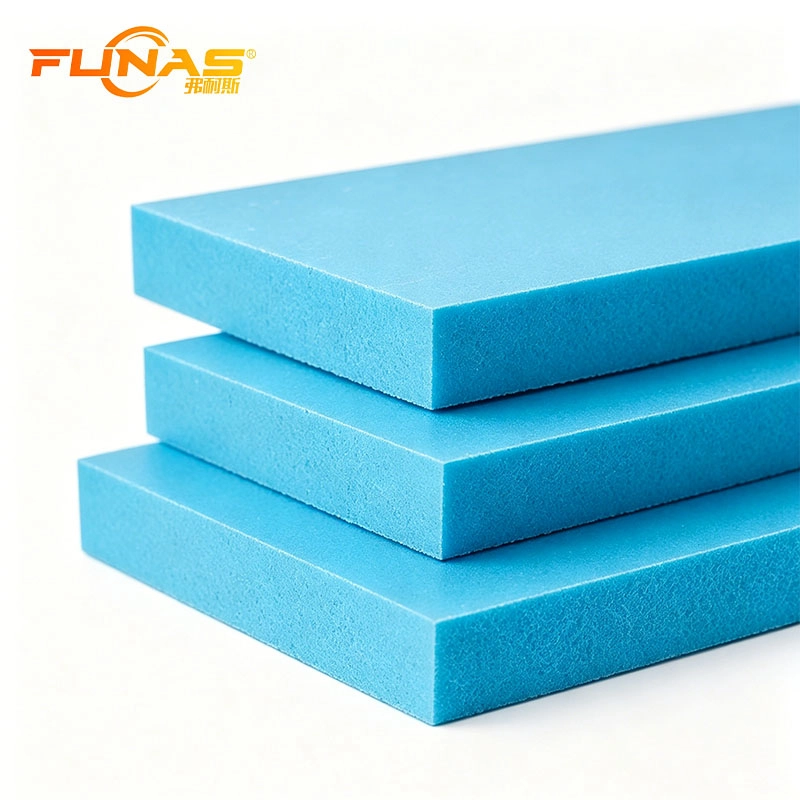
XPS Insulation Board – Extruded Polystyrene Foam Board
FUNAS XPS insulation board is a rigid extruded polystyrene foam board for building thermal insulation. Available in 30–100 mm thicknesses with approx. 300–400 kPa compressive strength options, it can be supplied for roof, wall, floor and under-slab insulation projects. Board dimensions, density and project specifications can be customized, with third-party test data available for compressive and thermal performance.
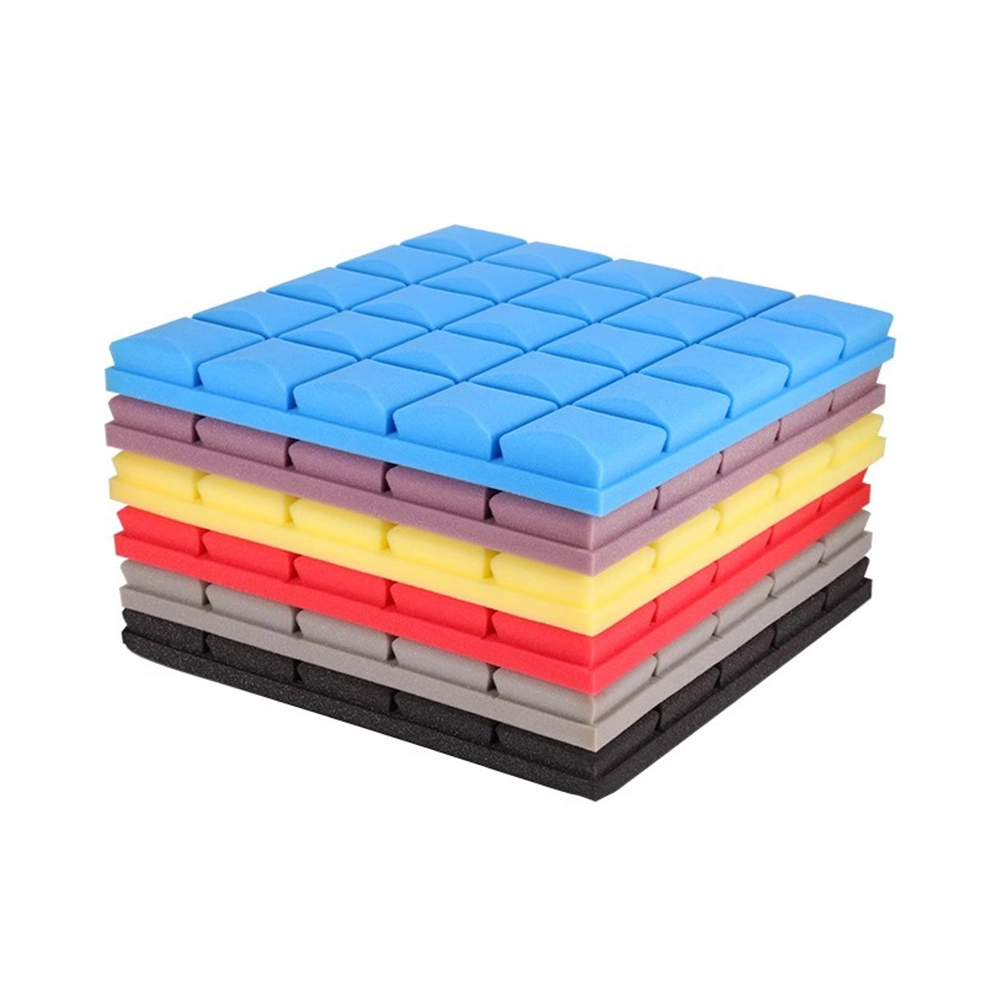
PU Pyramid Acoustic Foam Panel for Sound Absorption
FUNAS PU Pyramid Acoustic Foam Panel is a polyurethane sound absorption panel designed to reduce echo, reverberation and reflected noise in studios, offices, KTV rooms, cinemas and home theater spaces. Its pyramid surface helps increase the contact area for sound waves, supporting clearer indoor acoustics for decoration and acoustic treatment projects. Available in standard panel sizes and thicknesses, the foam can be supplied with adhesive backing upon request and customized for project requirements. It is suitable for contractors, distributors and commercial buyers seeking polyurethane acoustic foam panels for interior sound absorption applications.
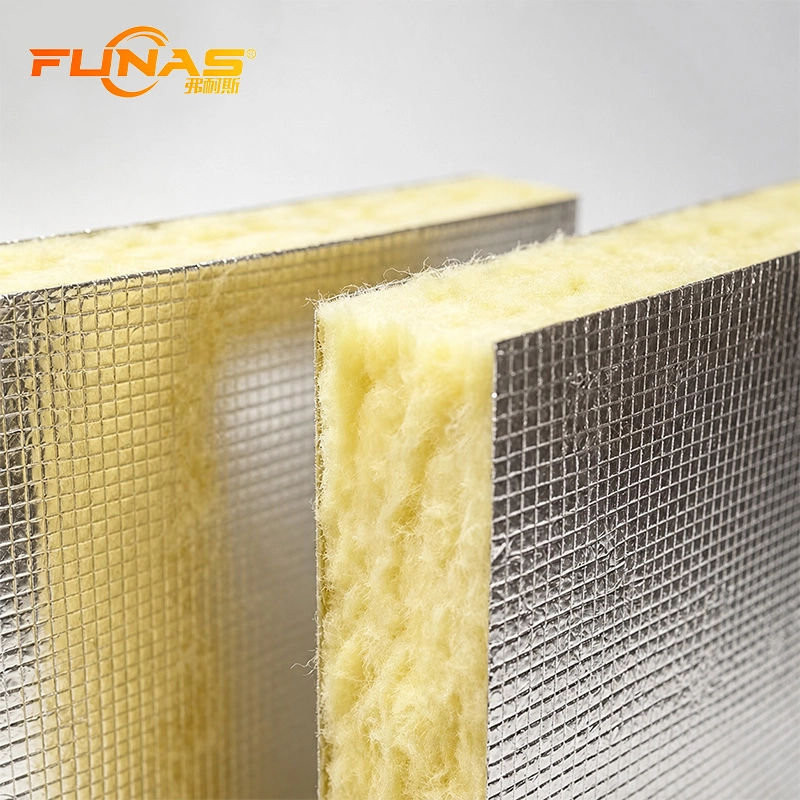
Glass Wool Insulation Board for Building & HVAC Applications
FUNAS glass wool insulation board is a lightweight fiberglass insulation board designed for thermal and acoustic insulation in building, HVAC and industrial projects. The board form provides stable coverage for walls, ceilings, ventilation systems and other areas where sheet-form insulation is required.
Standard options include 32 kg/m³ and 48 kg/m³ densities with 30 mm and 50 mm thicknesses. Each board measures 1.2 × 0.6 m, and aluminum foil facing can be added according to project requirements. Other specifications can be discussed for customized orders.
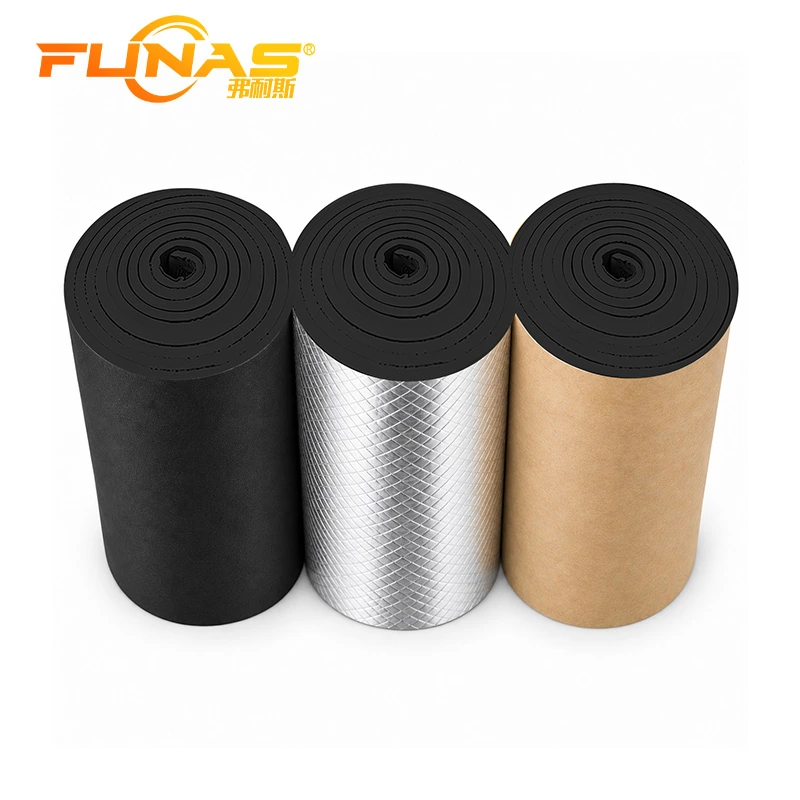
NBR/PVC Rubber Foam Sheet & Roll Insulation
FUNAS manufactures flexible closed-cell NBR/PVC elastomeric foam insulation in sheet and roll form for HVAC ducts, large-diameter piping, chilled-water systems, tanks, vessels and mechanical equipment. B1 and B2 grades are available in standard and custom sizes, with plain, self-adhesive and aluminum foil-faced options for distributors, contractors and project procurement.
Leave a message
Have any questions or concerns about our products? Please leave us a message here and our team will get back to you promptly.
Your queries, ideas, and collaboration opportunities are just a click away. Let’s start a conversation.



















































FUNAS Insulation Material
funasinsulation
funasinsulation
Guangdong FUNAS Insulation Material Co.Ltd