


















































What Material is Used for Automotive Wiring? Full Guide
- What Material is Used for Automotive Wiring? A Comprehensive Guide
- Understanding the Importance of Automotive Wiring Materials
- Common Conductor Materials Used in Automotive Wiring
- The Role of Insulation in Automotive Wiring
- Advanced Needs: Thermal and Acoustic Insulation in Wiring
- International Standards and Certifications for Automotive Wiring Materials
- Commercial and Customization Options Available
- Wiring Applications: Where Are FUNAS Materials Used?
- Export Strength: Supplying Global Automotive Markets
- Environmental Considerations and the Future of Automotive Wiring
- How to Choose the Right Automotive Wiring Material with FUNAS
- FAQs
What Material is Used for Automotive Wiring? A Comprehensive Guide
The automotive industry relies heavily on the performance, safety, and longevity of its electrical wiring. As vehicles become more technologically advanced, the choice of wire materials and insulation is increasingly vital. At FUNAS, we are industry leaders in thermal insulation materials, including rubber, plastic, glass wool, and rock wool products. we’ll explore what material is used for automotive wiring, why it matters, and how FUNAS provides optimized solutions for the automotive sector.
Understanding the Importance of Automotive Wiring Materials
Automotive wiring is the backbone of a vehicle's electrical system, carrying power and signals throughout the engine, lights, infotainment systems, safety controls, and more. The environment inside a car is harsh: wires must endure heat, cold, moisture, chemicals, vibrations, and mechanical stress.
Selecting the right wiring material is essential for:
- Safety: Preventing fire hazards and electrical shorts.
- Performance: Ensuring reliable power delivery and signal transmission.
- Durability: Prolonging the lifespan despite exposure to adverse conditions.
Common Conductor Materials Used in Automotive Wiring
Copper: The Gold Standard
When asking what material is used for automotive wiring?, copper is the industry favorite. Its advantages include:
- High Electrical Conductivity: Enables efficient power transmission.
- Ductility: Can be drawn into fine wires without breaking.
- Corrosion Resistance: Maintains performance even when exposed to automotive fluids and humidity.
Tinned copper is often used to further enhance corrosion resistance, especially in environments prone to moisture.
Aluminum: The Lightweight Alternative
Some manufacturers turn to aluminum as an alternative due to its lightweight nature and lower cost compared to copper. However, aluminum comes with trade-offs:
- Lower conductivity (more cross-sectional area needed to transmit the same current).
- Prone to oxidation, so it requires special connections and coatings.
Aluminum wiring is primarily found in high-voltage applications, such as electric vehicles (EVs) and power cables, where weight reduction is crucial.
The Role of Insulation in Automotive Wiring
What is Wire Insulation?
Insulation is the non-conductive material that surrounds and protects the metal core of automotive wires. It prevents electrical shorts, protects against wear and environmental hazards, and ensures safe operation.
Key Insulation Materials
When searching what material is used for automotive wiring insulation?, the most common types are:
- PVC (Polyvinyl Chloride): Affordable, flexible, and resistive to chemicals.
- XLPE (Cross-linked Polyethylene): Superior thermal stability and resistance to abrasion, suitable for high-temperature zones.
- PP (Polypropylene): Lightweight and moisture resistant, often used in wire harnesses.
- Rubber & Thermoplastic Elastomers (TPE): Provide flexibility under extreme conditions, ideal for moving parts.
- Glass Wool and Rock Wool Compounds: Used in specialty applications for enhanced thermal and acoustic insulation, available through industry leaders like FUNAS.
Advanced Needs: Thermal and Acoustic Insulation in Wiring
As vehicles evolve, particularly with the growth of EVs and hybrid vehicles, thermal insulation becomes critical to protect sensitive wiring from engine heat, battery packs, or onboard electronics.
At FUNAS, we provide:
- Rubber and Plastic Insulation Products: Designed for flexibility and long-term durability in confined spaces.
- Glass Wool and Rock Wool: For exceptional thermal and acoustic insulation, reducing noise and protecting wiring harnesses in high-heat areas.
International Standards and Certifications for Automotive Wiring Materials
To ensure safety and quality, automotive wires and insulation materials must meet rigorous standards:
- CCC & CQC Certifications (China)
- CE/ROHS/CPR Certifications (Europe)
- UL/FM Certifications (USA)
- ISO 9001 (Quality Management) & ISO 14001 (Environmental Management)
FUNAS’ products are fully certified, ensuring they comply with national and international regulations.
Commercial and Customization Options Available
Every vehicle manufacturer or wire harness supplier may have specific demands based on the end application. FUNAS offers brand customization services to meet unique requirements, including:
- Custom blends for increased chemical or thermal resistance.
- Color-coding and marking for easy installation.
- Flexible supply chain solutions and rapid delivery from our 10,000-square-meter Guangzhou storage center.
Wiring Applications: Where Are FUNAS Materials Used?
Our insulation products are found in various segments of the automotive industry, including:
- Engine Compartments: High-temperature, high-vibration environments.
- Cabin Wiring: Acoustic insulation enhances passenger comfort.
- EV Battery Packs: Specialized insulation prevents heat transfer and electrical leakage.
- Centralized Harnesses and Trunk Lines: Require high flexibility, resistance to abrasion, and long-term durability.
Export Strength: Supplying Global Automotive Markets
FUNAS is a trusted partner for customers in:
- Russia
- Indonesia
- Myanmar
- Vietnam
- Tajikistan
- Iraq
…and many other countries, providing products that perform reliably in different climates and regulatory environments.
Environmental Considerations and the Future of Automotive Wiring
Sustainability is becoming increasingly important. FUNAS invests in materials that are:
- Recyclable and eco-friendly
- Low in hazardous substances (ROHS compliant)
- Engineered for reduced environmental impact during manufacturing
Our ISO 14001 certification highlights our commitment to environmental responsibility.
How to Choose the Right Automotive Wiring Material with FUNAS
Whether you’re an automotive OEM, wiring harness manufacturer, or aftermarket service provider, you’ll benefit from:
- Technical expertise in insulation materials
- Wide product range (rubber, plastic, glass wool, rock wool)
- Brand customization and international certifications
- Fast global delivery and dedicated customer support
Contact FUNAS for more information on finding the best materials for your automotive wiring needs.
FAQs
What materials are most commonly used for automotive wiring?
Copper is the most common conductor, with PVC, XLPE, and PP as typical insulation materials. Specialized environments may require advanced insulation like rubber, glass wool, or rock wool, as offered by FUNAS.
Why is copper favored over other metals for automotive wires?
Copper provides high electrical conductivity, ductility, and corrosion resistance, ensuring safety and performance.
What insulation is best for high-temperature automotive wiring?
XLPE, rubber, and glass wool/rock wool are ideal for high-temperature zones due to their superior thermal resistance.
Does FUNAS supply materials for electric vehicles (EVs)?
Yes. FUNAS offers thermal and electrical insulation tailored for EV battery packs and high-voltage wiring systems.
Can insulation materials be customized for specific automotive applications?
Absolutely. FUNAS provides brand customization, including tailored insulation solutions, color-coding, and material blends.
Are FUNAS insulation materials environmentally friendly?
Yes, FUNAS’ products are ROHS-compliant, ISO 14001 certified, and developed with recyclability and sustainability in mind.
What certifications do FUNAS products carry?
Products are certified with CCC, CQC, CE, ROHS, CPR, UL, FM, ISO 9001, and ISO 14001, ensuring top-tier quality and compliance worldwide.
In summary, the materials used for automotive wiring are selected according to demanding performance, safety, and regulatory criteria. Copper remains the primary conductor, paired with advanced insulation such as PVC, XLPE, rubber, or specialty glass and rock wool materials. As a global expert in thermal insulation solutions, FUNAS is the ideal partner for automotive manufacturers and suppliers seeking certified, customizable, and innovative wiring insulation products. Contact us to learn how we can support your next automotive project.
Top 10 synthetic rubber Manufacturers and Supplier Brands
What Material is Used for Wire Insulation?
Comprehensive Guide to Nitrile Rubber Insulation Price List in United States
How to Insulate PVC Pipe: Best Methods & Materials
service
Are your rubber foam products environmentally friendly?
Yes, our insulation products are designed with sustainability in mind. They help reduce energy consumption by minimizing heat loss and gain, and they are made from durable materials that have a long life cycle, reducing the need for frequent replacement.
How does your technical support work?
Our technical support team is available to guide you through every stage of your project—from product selection and design to installation. We provide expert consultation to ensure that you get the best insulation solution for your needs and can assist with troubleshooting if needed.
Can I request custom dimensions or properties for my insulation needs?
Yes, we specialize in custom solutions. Whether you need specific dimensions, thicknesses, densities, or additional coatings, we can work with you to manufacture insulation products tailored to your exact requirements of good materials for heat insulation.
FAQ
What types of rubber foam insulation do you offer?
We offer a wide range of rubber foam insulation with different thicknesses and specifications. Thermal insulation material manufacturer FUNAS sleeves and sheets are suitable for different application scenarios.
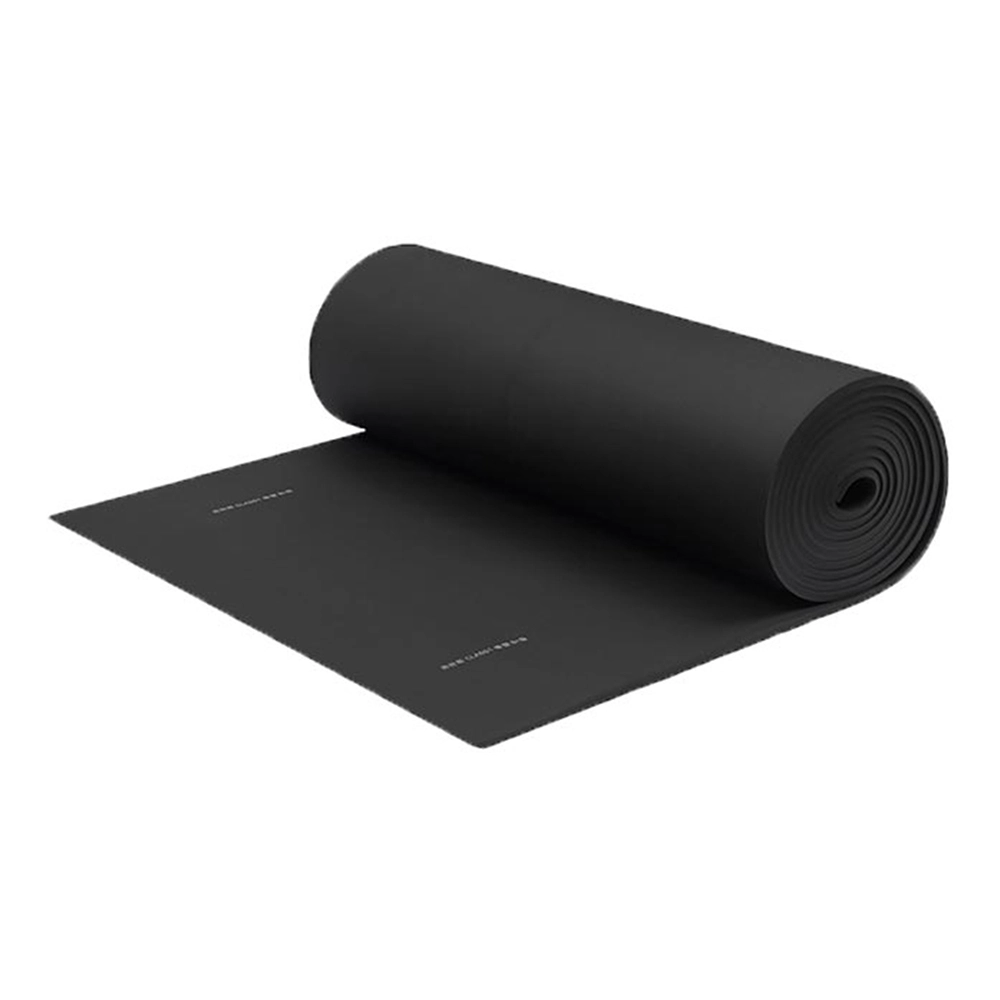
wholesale black nitrile rubber foam sheet rubber NBR foam sheet rubber foam insulation sheet for hvac system
NBR and PVC are the main raw materials, which are softthermal insulation and energy-saving materials foamedthrough special processes.
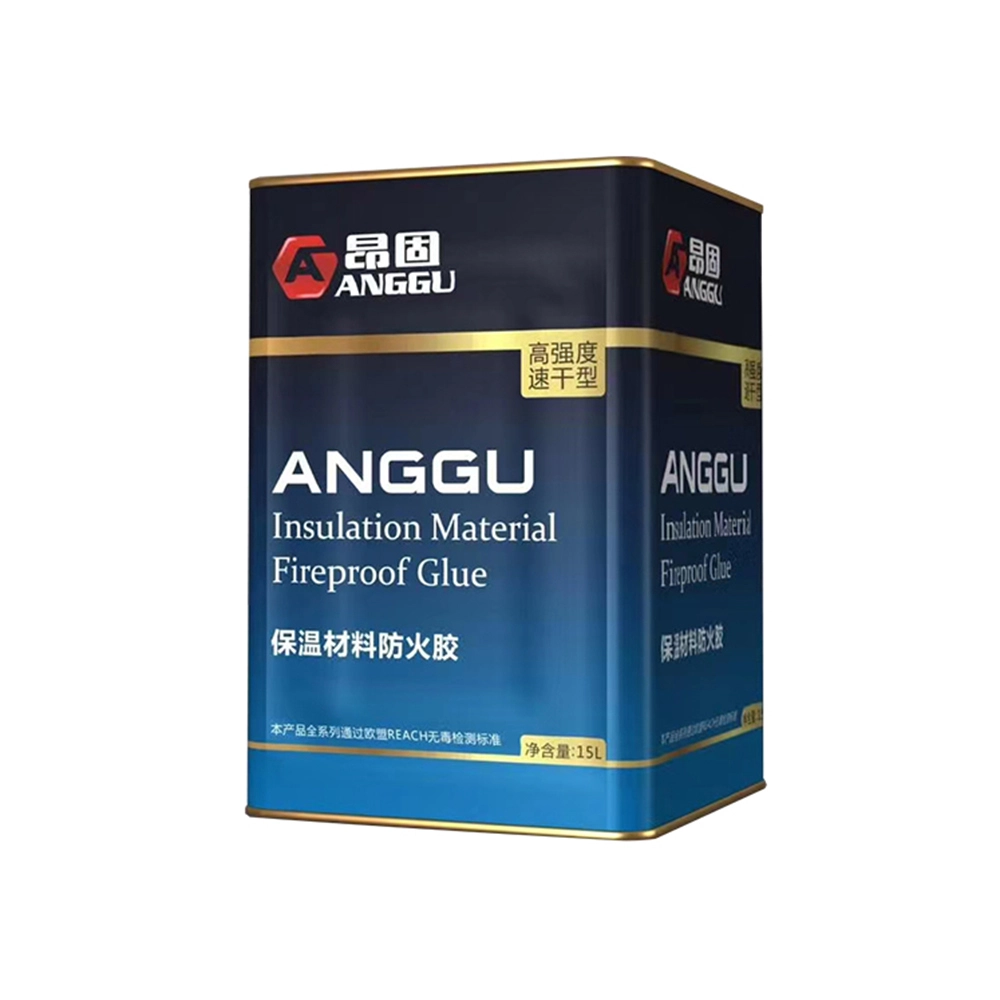
Thermal insulation material fireproof adhesive
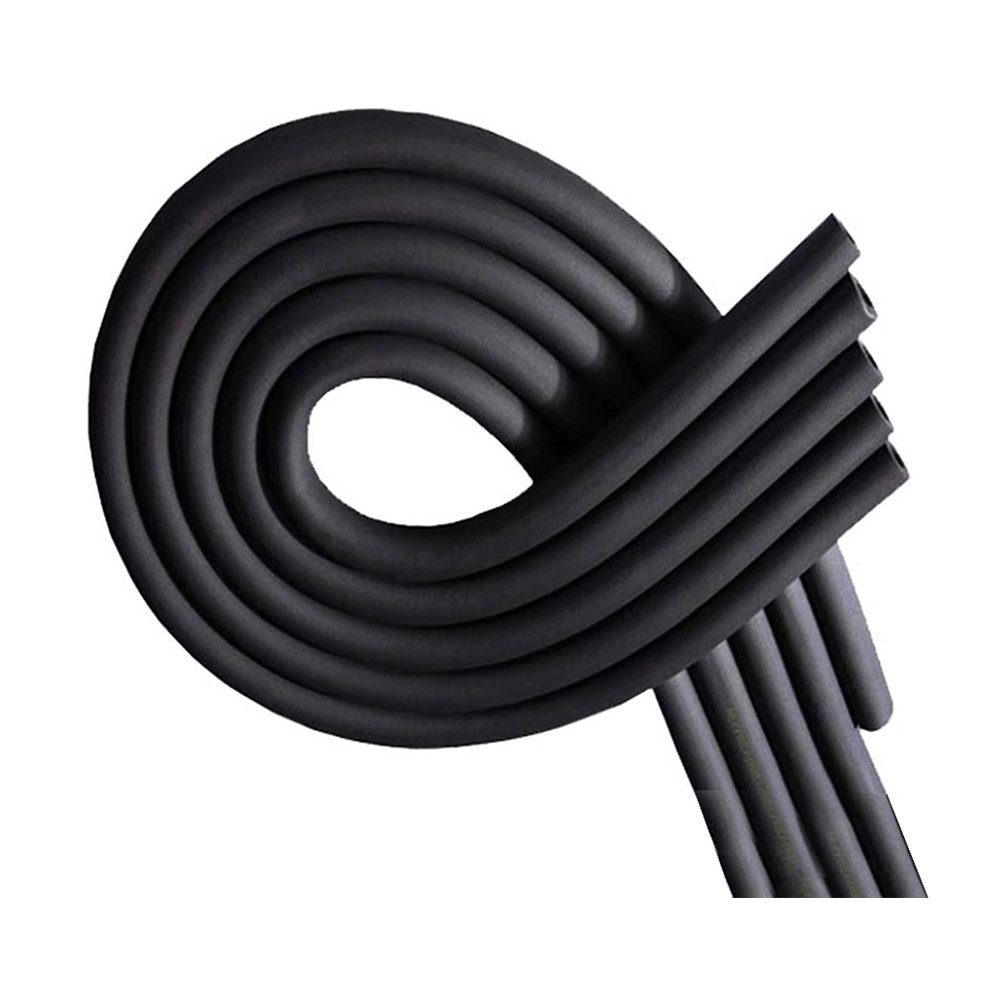
Wholesale Black nitrile rubber foam pipe rubber NBR foam tube rubber foam insulation tube for hvac system
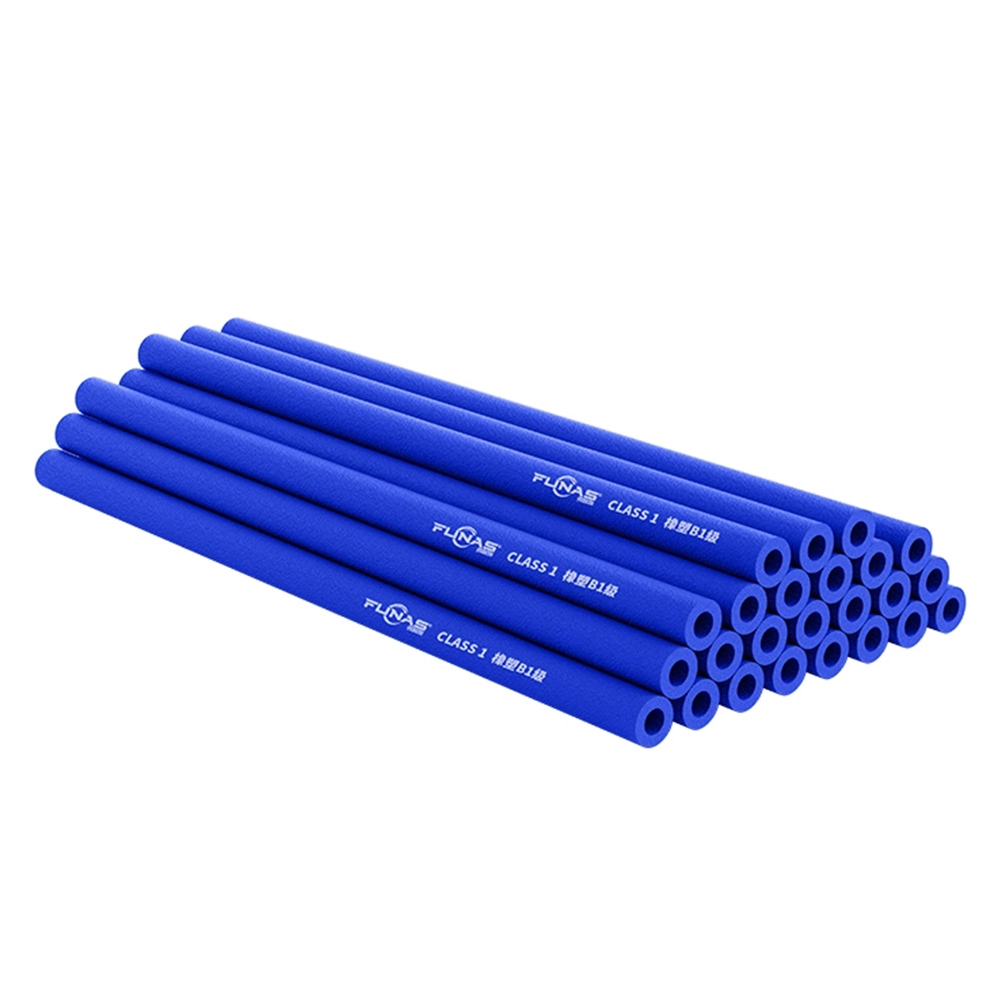
Blue Rubber-plastic Tube Rubber foam pipe wholesale
Leave a message
Have any questions or concerns about our products? Please leave us a message here and our team will get back to you promptly.
Your queries, ideas, and collaboration opportunities are just a click away. Let’s start a conversation.
