


















































Eco-Friendly Car Insulation Materials 2026 Buyers Guide
- Eco-Friendly Car Thermal Insulation Materials: 2026 Buyer's Guide
- Understanding Car Thermal Insulation Materials
- The Importance of Eco-Friendly Insulation
- Top Eco-Friendly Car Thermal Insulation Materials in 2026
- Factors to Consider When Choosing Insulation Materials
- FUNAS: Leading the Way in Eco-Friendly Insulation
- Conclusion
- Frequently Asked Questions (FAQ)
Eco-Friendly Car Thermal Insulation Materials: 2026 Buyer's Guide
As the automotive industry continues to prioritize sustainability and energy efficiency, selecting the right car thermal insulation materials becomes crucial. This guide explores eco-friendly options available in 2026, their benefits, and how to choose the best materials for your vehicle.
Understanding Car Thermal Insulation Materials
Car thermal insulation materials are designed to regulate the temperature inside a vehicle, enhancing comfort and energy efficiency. They prevent heat transfer from the engine and external environment into the cabin, ensuring a stable internal temperature.
The Importance of Eco-Friendly Insulation
Eco-friendly insulation materials offer several advantages:
- Sustainability: Made from renewable or recycled resources, reducing environmental impact.
- Energy Efficiency: Improved insulation leads to better temperature control, reducing the need for air conditioning and heating.
- Health and Safety: Non-toxic materials contribute to a healthier cabin environment.
Top Eco-Friendly Car Thermal Insulation Materials in 2026
Glass wool, also known as fiberglass, is a popular insulation material due to its excellent thermal properties and recyclability. It effectively reduces heat transfer and is made from recycled glass, making it an eco-friendly choice.
Rock Wool Insulation
Derived from volcanic rock, rock wool offers superior thermal and sound insulation. It is non-combustible and resistant to moisture, mold, and mildew, enhancing vehicle safety and durability.
Rubber foam provides excellent thermal insulation and is lightweight, contributing to overall vehicle efficiency. It is also resistant to moisture and has sound-dampening properties.
Aerogel Insulation
Aerogels are ultra-lightweight materials with low thermal conductivity. They offer high insulation performance while adding minimal weight to the vehicle, improving fuel efficiency.
Cellulose Insulation
Made from recycled paper products, cellulose insulation is an eco-friendly option that provides good thermal performance. It is biodegradable and can be treated to be fire-resistant.
Factors to Consider When Choosing Insulation Materials
When selecting insulation materials, consider the following factors:
- Thermal Performance: Ensure the material provides adequate insulation for your climate.
- Weight: Lighter materials contribute to better fuel efficiency.
- Durability: Choose materials that are resistant to moisture, mold, and wear.
- Environmental Impact: Opt for materials made from renewable or recycled resources.
FUNAS: Leading the Way in Eco-Friendly Insulation
FUNAS, established in 2011, is a comprehensive technology company specializing in the research, production, sales, and service of thermal insulation materials. Their product range includes:
- Glass Wool Insulation: Offers excellent thermal and sound insulation properties.
- Rock Wool Insulation: Provides superior fire resistance and durability.
- Rubber Foam Insulation: Lightweight and effective in reducing heat transfer.
FUNAS is committed to sustainability, utilizing high-quality raw materials and advanced production processes to minimize environmental impact. Their products are widely used in various industries, including petroleum, petrochemical, electric power, metallurgy, and more.
Conclusion
Selecting the right eco-friendly car thermal insulation materials is essential for enhancing vehicle comfort, energy efficiency, and environmental sustainability. By considering the options available in 2026 and evaluating factors such as thermal performance, weight, durability, and environmental impact, you can make an informed decision that benefits both your vehicle and the planet.
Frequently Asked Questions (FAQ)
1. What are the benefits of using eco-friendly car thermal insulation materials?
Eco-friendly materials offer sustainability, improved energy efficiency, and a healthier cabin environment.
2. How do glass wool and rock wool differ in insulation performance?
Glass wool is lightweight and effective in thermal insulation, while rock wool offers superior fire resistance and durability.
3. Is aerogel insulation suitable for all vehicle types?
Aerogel insulation is versatile and can be used in various vehicle types, especially where weight reduction is a priority.
4. How does rubber foam insulation contribute to vehicle efficiency?
Rubber foam insulation reduces heat transfer, enhancing energy efficiency and comfort.
5. Where can I purchase eco-friendly car thermal insulation materials?
Eco-friendly insulation materials can be purchased from specialized suppliers like FUNAS, which offer a range of products tailored to different vehicle needs.
For more information or to explore our product range, please visit our website at (https://www.funasinsulations.com/).
Comprehensive Guide to Nitrile Rubber Insulation Price List in Boston
Mineral Wool Insulation Suppliers — Choose the Right Rock & Glass Wool Partner
How to Insulate Outdoor Water Pipes DIY: A Comprehensive Guide by FUNAS
What is the Most Fireproof Material? Comprehensive Guide by FUNAS
FAQ
What is the typical delivery time for custom orders?
Our daily production capacity is 800 cubic meters. Delivery time varies depending on the complexity of the insulation material wholesale order, but we can deliver large quantities of customized products within 4-6 weeks after the approval date, and small quantities can be delivered within 15 days.
Can your insulation products be customized?
Yes, we offer customized solutions for insulation material wholesale to meet the specifications of your project, including custom specifications, sizes, foils and adhesives, colors, etc.
How do I choose the right insulation for my project?
Our team can help you choose the best material for heat insulation based on your specific needs, such as thermal resistance, acoustic properties, and environmental conditions.
service
Are your rubber foam products environmentally friendly?
Yes, our insulation products are designed with sustainability in mind. They help reduce energy consumption by minimizing heat loss and gain, and they are made from durable materials that have a long life cycle, reducing the need for frequent replacement.
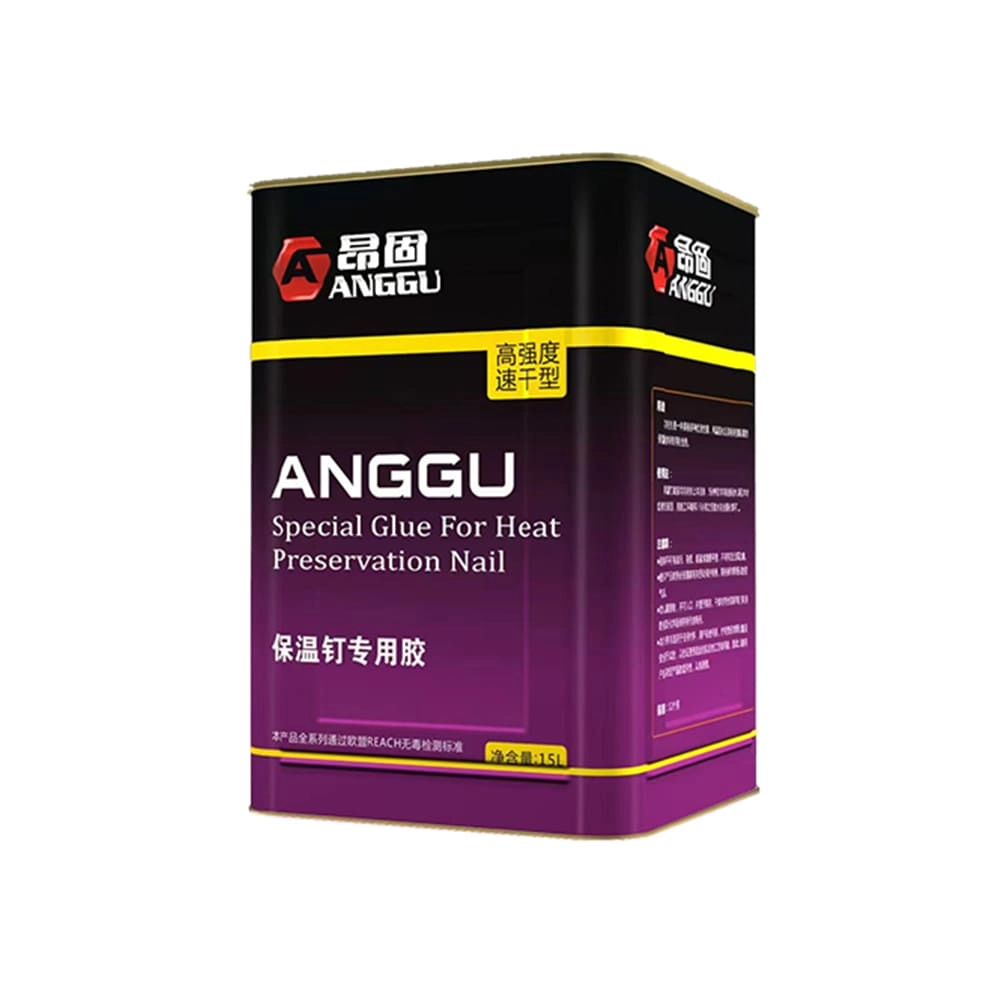
Special adhesive for insulation nail
This product has passed the EU REACH non-toxic standard and ROHS non-toxic standard. (This product is a yellow liquid).
Anggu insulation nail special adhesive is a adhesive with high viscosity, slow drying, aging resistance, high strength, and excellent brushing performance; The special adhesive for insulation nails has a slow drying speed and strong adhesion to the iron sheet. It can be flexibly moved during construction, and has a strong bonding force after curing, low odor.and is non-toxic.

Wholesale Rock Wool Mineral Wool Board Panel Sheet
High-performance rock wool board for superior thermal and acoustic insulation. A reliable choice for building projects.
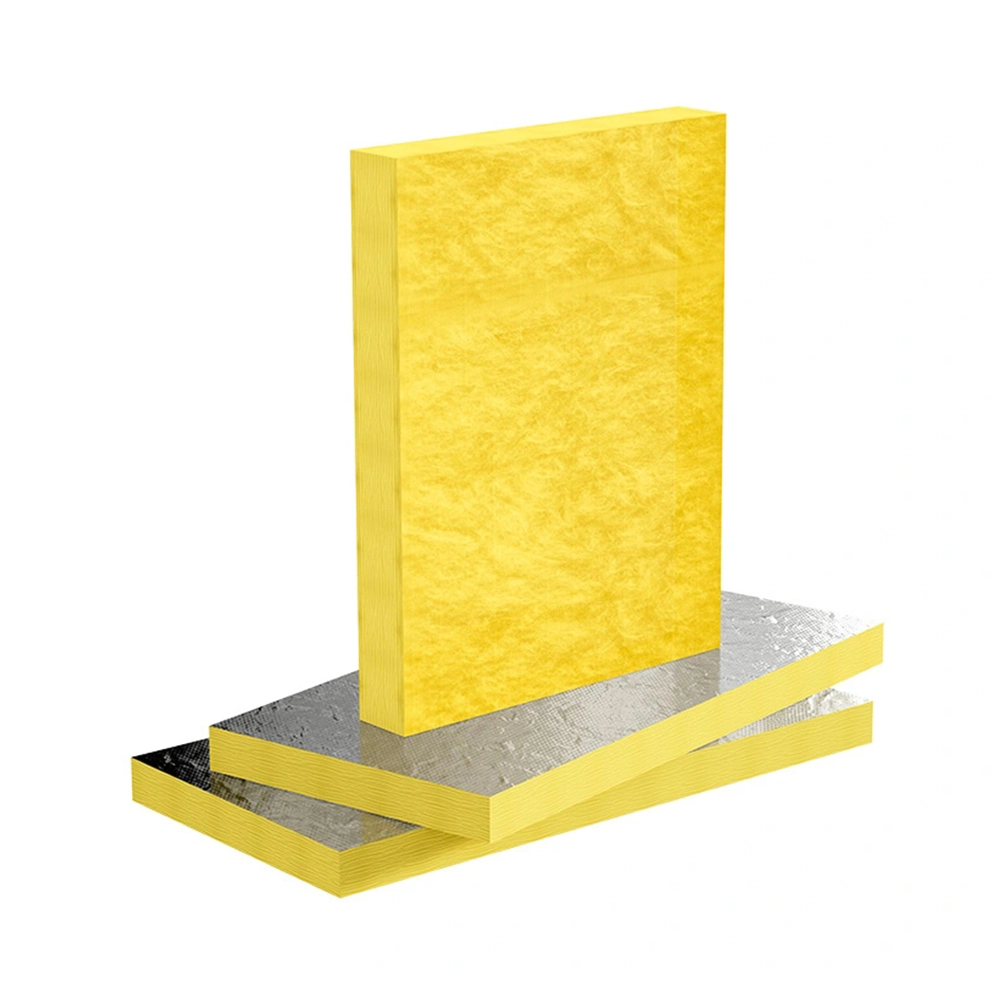
Wholesale Glass Wool Board Panel Sheet with or without aluminum foil
Premium glass wool board with excellent thermal insulation and sound absorption. Suitable for different construction needs.
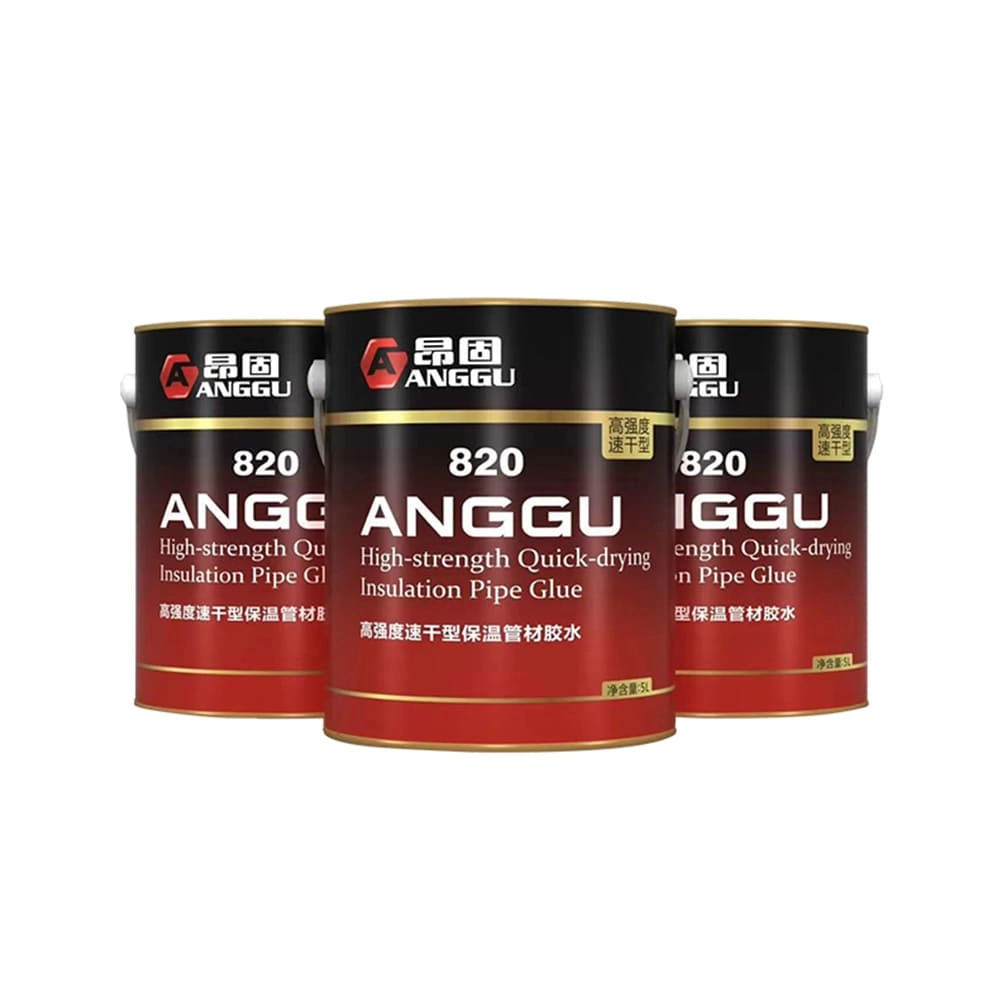
820 Pipe special adhesive
This product has passed the EU REACH non-toxic standard, ROHS non-toxic standard. (The product is black glue.)
Anggu 820glue is a low-odor, high-strength quick-drying glue; Fast drying speed, long bonding time, no powder, non-toxic.
Leave a message
Have any questions or concerns about our products? Please leave us a message here and our team will get back to you promptly.
Your queries, ideas, and collaboration opportunities are just a click away. Let’s start a conversation.
