


















































How to Insulate Water Pipes Outside: Complete Guide
- Assessing the Insulation Needs for Outdoor Pipes
- Choosing the Right Insulation Materials
- Preparation: What You Need Before Installation
- Step-by-Step: How to Insulate Water Pipes Outside
- Additional Tips for Reliable Outdoor Pipe Insulation
- Commercial and Industrial Applications
- Why Trust FUNAS for Your Insulation Needs?
- Frequently Asked Questions
Why External Pipe Insulation Matters
Outdoor water pipes are vulnerable to freezing and temperature fluctuations, especially in colder climates or during winter months. Understanding how to insulate water pipes outside is essential for homeowners and facility managers alike. Proper pipe insulation helps prevent burst pipes, water damage, and costly repairs. As an industry leader, FUNAS offers a comprehensive range of rubber and plastic insulation products, rock wool, and glass wool, all engineered for superior pipe protection. In this guide, we will explain the step-by-step process, recommend ideal materials, and demonstrate FUNAS’s expertise in delivering brand-customized insulation solutions.
Assessing the Insulation Needs for Outdoor Pipes
Evaluating Your Environment
The first step in how to insulate water pipes outside is to thoroughly evaluate your unique environment. Consider:
- Climate severity (temperature lows)
- Length, diameter, and material of pipes
- Pipe location (exposed walls, underground, above ground)
- Accessibility for installation and ongoing maintenance
Understanding these factors helps determine the right insulation thickness and materials compatible with your needs.
Identifying Critical Pipe Areas
Focus on the most exposed sections, such as those running along exterior masonry walls or in unheated outbuildings. Vulnerable areas require robust insulation and possibly additional protective measures.
Choosing the Right Insulation Materials
Overview of Pipe Insulation Materials
FUNAS offers high-quality, certified insulation materials suitable for various applications:
- Rubber and Plastic Insulation: Flexible, water-resistant, offers excellent thermal performance; ideal for curved or irregular pipework.
- Rock Wool Products: High temperature resistance, fire retardant, and excellent for industrial settings.
- Glass Wool Products: Lightweight with strong thermal and acoustic insulation properties.
Each provides unique advantages depending on your project’s requirements.
Advantages of FUNAS Certified Materials
By choosing FUNAS, you benefit from products with CCC, CQC, CE, ROHS, CPR, UL, and FM certifications. This ensures that your outside water pipe insulation adheres to international safety and quality standards. Our ISO-certified manufacturing process guarantees product consistency and performance reliability.
Preparation: What You Need Before Installation
Tools and Accessories
Gather the following for a smooth insulation process:
- Measuring tape and marker
- Utility knife or insulation cutter
- Insulation tape or adhesive
- Cable ties or fasteners (as required)
- Weatherproofing materials (optional: UV-proof tape or jackets)
Cleaning and Inspecting Pipes
Clean the surface of pipes thoroughly, removing dirt, dust, and existing moisture. Inspect for leaks and repair any damage prior to installing insulation. Proper surface preparation maximizes adhesion and ensures longevity.
Step-by-Step: How to Insulate Water Pipes Outside
Step 1: Measure and Cut Insulation
Measure the full length and diameter of all exposed outdoor pipes. Select insulation material slightly larger than the pipe’s outer diameter for a snug fit. Cut insulation tubing or sleeves to match the measured sections.
Step 2: Apply the Insulation Material
Open the pre-slit insulation tube or wrap the material around the pipe, ensuring the seam faces downward or sideways to minimize water ingress. For rigid sections and joints, custom-cut the material to fit elbows and connectors tightly.
Step 3: Seal Joints and Seams
Secure all seams using waterproof insulation tape or weather-resistant adhesive. Overlap tape slightly for enhanced moisture protection. In colder climates, consider double-layer insulation or using complementary products (e.g., a combination of rubber and rock wool).
Step 4: Fasten and Protect Insulation
Use cable ties or approved fasteners at 30-50 cm intervals to keep insulation in place. For added protection, especially against UV rays, rodent activity, or heavy precipitation, add a weatherproof jacket or aluminum cladding over the insulation.
Additional Tips for Reliable Outdoor Pipe Insulation
Preventing Common Issues
- Condensation: Choose closed-cell insulation like FUNAS rubber or plastic for areas prone to high humidity.
- Sun Exposure: UV-stabilized coatings or jackets extend insulation lifespan.
- Rodent Protection: Hard cladding deters animal damage.
Regular Maintenance Guidance
Inspect annually for signs of wear, cracking, or displacement. Repair or replace any damaged sections promptly to maintain insulation effectiveness.
Commercial and Industrial Applications
FUNAS: Your Partner in Large-Scale Projects
Our insulation materials are widely used in petroleum, petrochemical, electric power, metallurgy, polysilicon, the coal chemical industry, and large-scale HVAC systems. We support contractors and facility managers with tailored solutions and brand customization, ensuring seamless integration into your infrastructure.
Customized Branding Service
Collaborate with our R&D and technical teams to create insulation products with your specifications or branding – a unique service to distinguish your business in competitive markets.
Why Trust FUNAS for Your Insulation Needs?
- Over a decade of research and experience since 2011
- 10,000 m² storage center in Guangzhou for rapid delivery
- Exported to Russia, Indonesia, Myanmar, Vietnam, Tajikistan, Iraq, and many more
- Multiple international certifications and ISO standards
- Full suite of customer service from pre-sale consultation to after-sales support
Frequently Asked Questions
What is the best material for insulating outdoor water pipes?
For most climates, closed-cell rubber or plastic insulation provides the best protection against moisture and temperature extremes. For high heat or industrial settings, consider rock wool or glass wool.
How thick should pipe insulation be for outdoor use?
A minimum of 12-25mm thickness is usually recommended, but it depends on the severity of local winters and pipe diameter. FUNAS helps clients select optimal thickness for their specific conditions.
Can I install pipe insulation myself?
Yes, many FUNAS insulation products are DIY-friendly, but for complex or industrial systems, professional installation is advised.
How long does outdoor pipe insulation last?
With proper installation and regular maintenance, high-quality insulation can last 5-10 years or more outdoors.
Do I need to insulate all outdoor pipes?
Prioritize those most exposed to cold or direct weather impact. Consulting with an expert is the surest way to cover all vulnerability points.
By following these detailed steps on how to insulate water pipes outside, you will help prevent freezing, minimize maintenance, and protect your valuable plumbing investment. FUNAS stands ready with superior insulation materials, customizable service, and industry expertise to ensure your project’s success. For technical support or customized solutions, contact our knowledgeable team today.
How to Insulate Outdoor Water Pipes DIY: A Comprehensive Guide by FUNAS
Acoustic vs Thermal Insulation for Cars 2026 Comparison
Top 10 mineral wool insulation Manufacturers and Supplier Brands
Comparing Automotive Insulation Types 2026: Foam vs Fiberglass
service
What types of rubber foam insulation products do you offer?
We offer a wide range of rubber foam insulation products, including custom shapes and sizes, thermal and acoustic insulation solutions, and options with specialized coatings such as flame retardancy and water resistance. Our products are suitable for applications in HVAC, automotive, construction, and more.
How does your technical support work?
Our technical support team is available to guide you through every stage of your project—from product selection and design to installation. We provide expert consultation to ensure that you get the best insulation solution for your needs and can assist with troubleshooting if needed.
FAQ
Can your insulation products be customized?
Yes, we offer customized solutions for insulation material wholesale to meet the specifications of your project, including custom specifications, sizes, foils and adhesives, colors, etc.
What is the typical delivery time for custom orders?
Our daily production capacity is 800 cubic meters. Delivery time varies depending on the complexity of the insulation material wholesale order, but we can deliver large quantities of customized products within 4-6 weeks after the approval date, and small quantities can be delivered within 15 days.
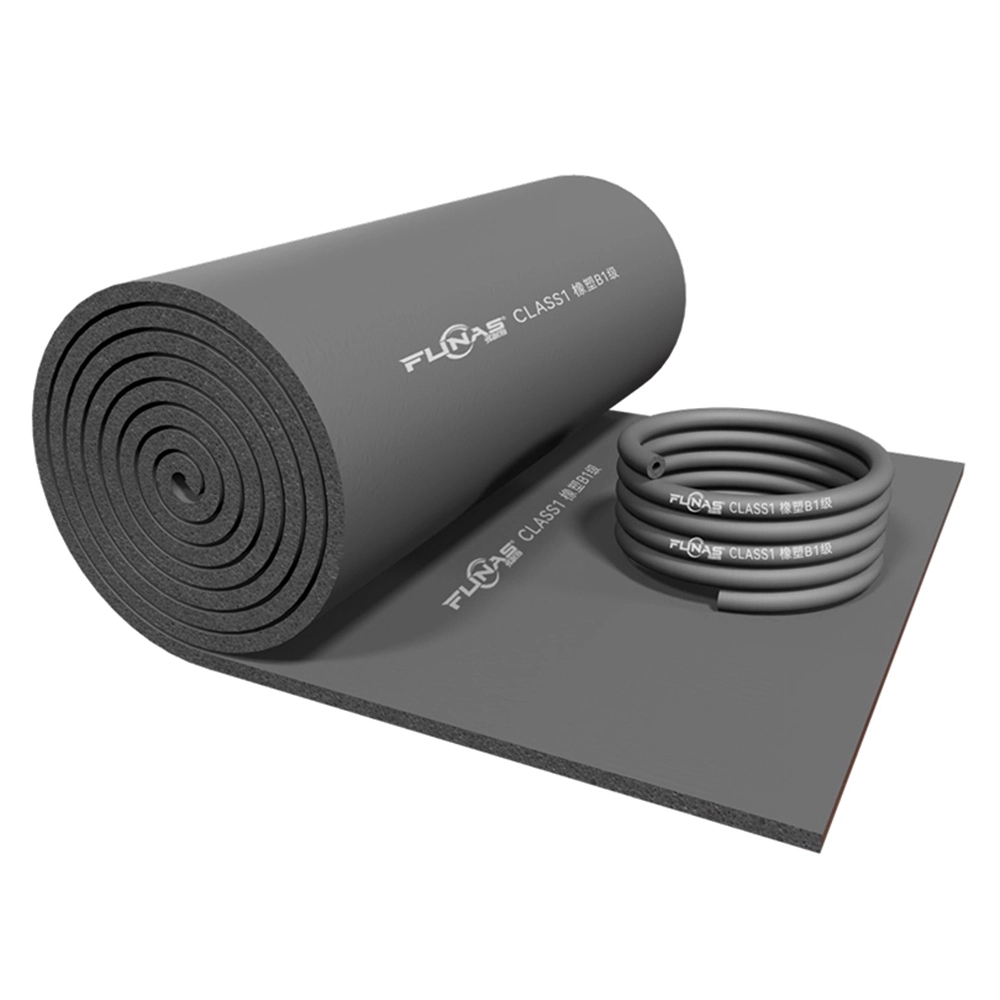
Wholesale black Rubber-plastic Board Rubber foam panel sheet
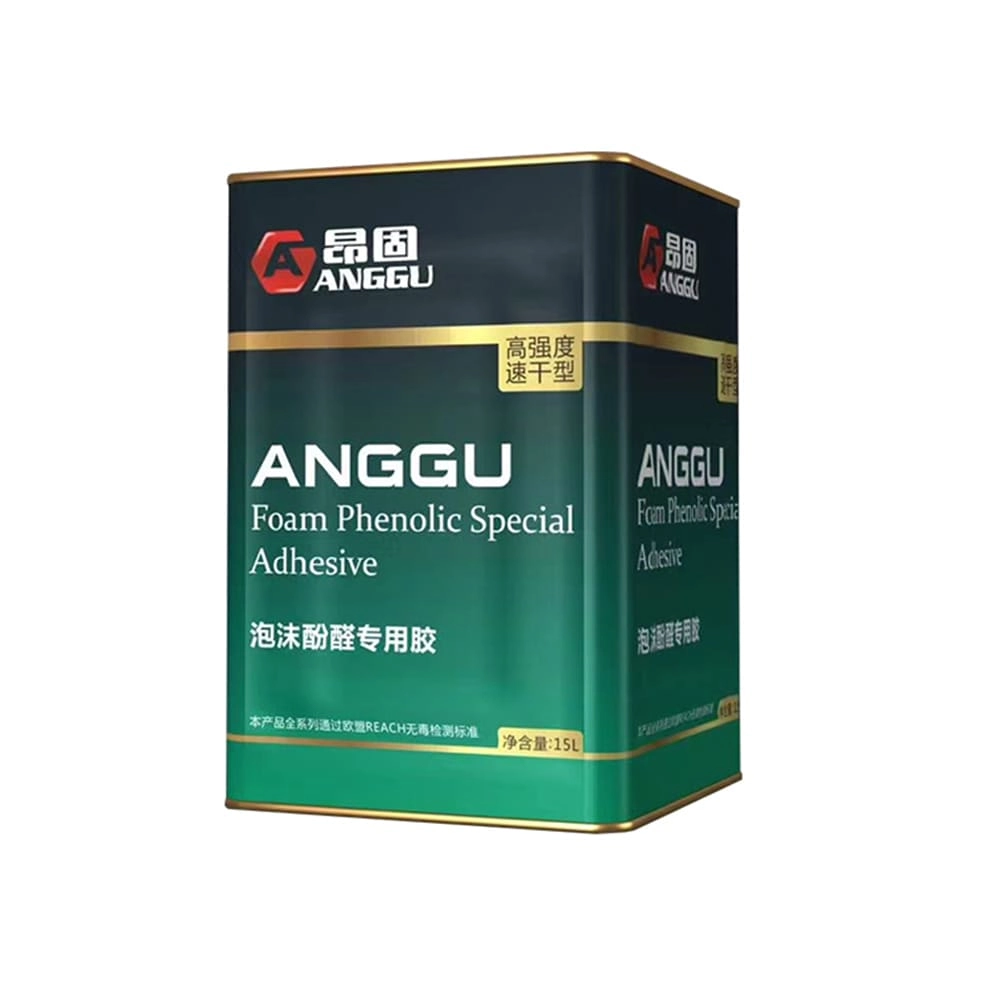
Foam Phenolic Adhesive
This product has passed the national GB33372-2020 standard and GB18583-2008 standard. (The product is a yellow liquid.)
Anggu foam phenolic glue is a kind of glue with corrosion resistance, low odor, high strength and excellent brushing property. Can be sprayed for construction with fast surface drying speed, long bonding time, no chalking and convenient operation.
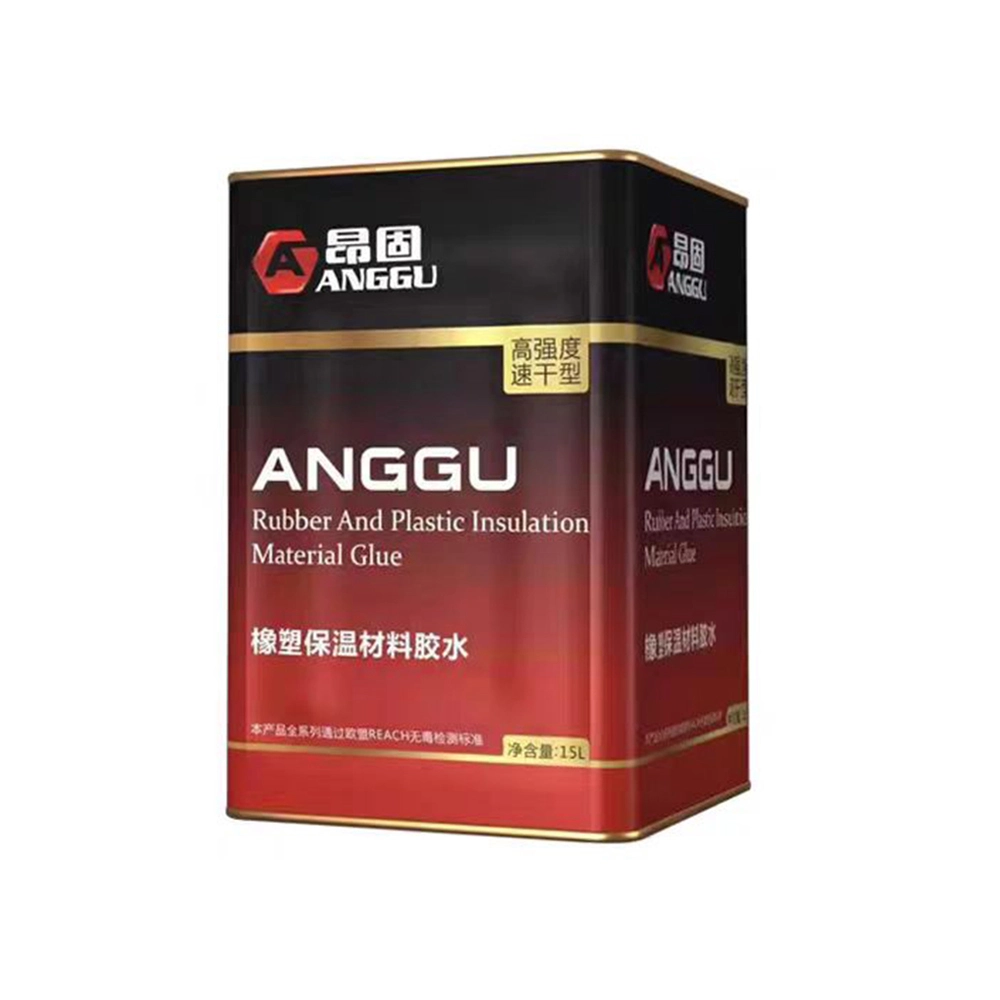
Rubber Plastic insulation Material Glue
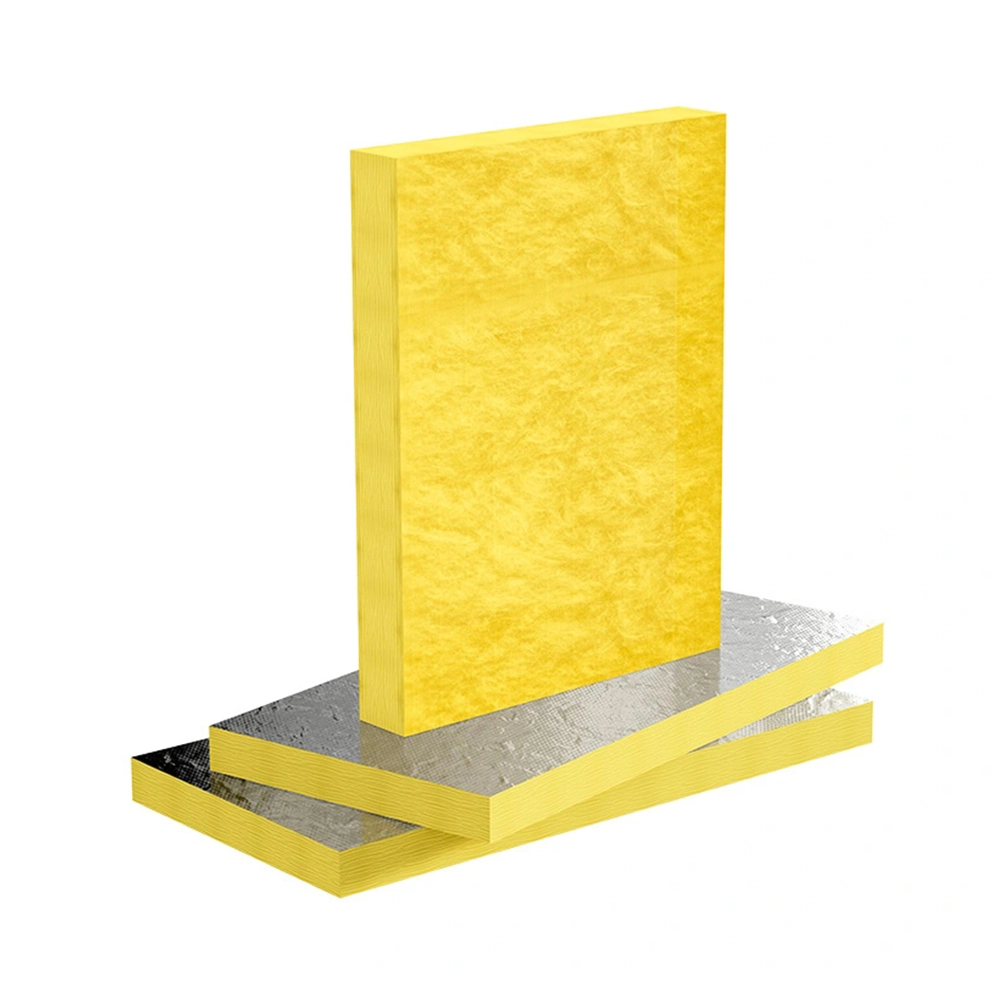
Wholesale Glass Wool Board Panel Sheet with or without aluminum foil
Premium glass wool board with excellent thermal insulation and sound absorption. Suitable for different construction needs.
Leave a message
Have any questions or concerns about our products? Please leave us a message here and our team will get back to you promptly.
Your queries, ideas, and collaboration opportunities are just a click away. Let’s start a conversation.
