
Light Truck and SUV Insulation Needs 2026 Guide
- Light Truck and SUV Insulation Needs 2026 Guide
- Understanding the Importance of Car Thermal Insulation
- Types of Thermal Insulation Materials
- Advancements in Thermal Insulation Materials for 2026
- Top Thermal Insulation Products for Light Trucks and SUVs in 2026
- How to Choose the Right Thermal Insulation for Your Vehicle
- Conclusion
- Frequently Asked Questions (FAQ)
Light Truck and SUV Insulation Needs 2026 Guide
As the automotive industry evolves, enhancing vehicle comfort and performance remains a top priority for manufacturers and consumers alike. One critical aspect often overlooked is the thermal insulation of light trucks and SUVs. Proper thermal insulation not only improves comfort but also contributes to energy efficiency and vehicle longevity. This guide delves into the importance of car thermal insulation materials, the latest advancements as of 2026, and how to choose the right solutions for your vehicle.
Understanding the Importance of Car Thermal Insulation
Thermal insulation in vehicles serves multiple purposes:
Temperature Regulation: Maintains a comfortable interior temperature by reducing heat transfer from the engine and external environment.
Energy Efficiency: Minimizes the workload on heating and cooling systems, leading to better fuel economy.
Noise Reduction: Dampens road and engine noise, enhancing the driving experience.
Component Protection: Shields sensitive components from extreme temperatures, extending their lifespan.
Types of Thermal Insulation Materials
Several materials are commonly used for thermal insulation in vehicles:
Rubber Foam Insulation: Known for its flexibility and durability, rubber foam provides excellent thermal and acoustic insulation. It's widely used in various industries, including automotive, for its resistance to heat and sound. ((https://www.funasinsulations.com/products.html?utm_source=openai))
Glass Wool: Lightweight and effective, glass wool offers high thermal resistance and is often used in automotive applications to reduce heat and noise.
Rock Wool: Also known as mineral wool, rock wool is fire-resistant and provides good thermal insulation, making it suitable for automotive applications where fire safety is a concern. ((https://www.funasinsulations.com/solutions.html?utm_source=openai))
Ceramic Coatings: Applied as a spray-on solution, ceramic coatings create a thermal barrier that reduces heat transfer. They are particularly effective in high-temperature areas like engine compartments.
Advancements in Thermal Insulation Materials for 2026
The year 2026 has seen significant advancements in thermal insulation materials:
Eco-Friendly Solutions: Manufacturers are increasingly focusing on sustainable materials that offer high thermal resistance while minimizing environmental impact. ((https://www.funasinsulations.com/?utm_source=openai))
Enhanced Performance: New materials provide better heat resistance and durability, ensuring long-term effectiveness in various driving conditions.
Customization Options: Companies are offering tailored insulation solutions to meet specific needs, such as noise reduction or fire resistance.
Top Thermal Insulation Products for Light Trucks and SUVs in 2026
Here are some leading thermal insulation products suitable for light trucks and SUVs:
LizardSkin Ceramic Insulation
A spray-on coating that reduces interior temperatures by up to 30°F, providing a cooler and more comfortable ride.
Heatshield Products Stealth Shield
A 1/8-inch thick mat designed to reduce heat from inside the vehicle, capable of withstanding temperatures up to 1,800°F.
Dynamat Xtreme
A self-adhesive sound deadener that also reduces heat, enhancing both comfort and performance.
FUNAS Rubber Foam Insulation
An elastic closed-cell material offering excellent properties such as softness, bending resistance, cold resistance, heat resistance, flame retardancy, waterproofness, low thermal conductivity, shock absorption, and sound absorption. ((https://www.funasinsulations.com/products.html?utm_source=openai))
FUNAS Glass Wool Insulation
A lightweight and effective material that offers high thermal resistance, commonly used in automotive applications to reduce heat and noise.
How to Choose the Right Thermal Insulation for Your Vehicle
Selecting the appropriate thermal insulation involves considering:
Vehicle Type: Ensure the material suits the specific requirements of light trucks and SUVs.
Performance Needs: Determine whether you need insulation primarily for heat reduction, noise suppression, or both.
Environmental Conditions: Consider the typical driving conditions and climate to choose a material that offers optimal performance.
Installation Method: Decide between DIY-friendly options like spray-on coatings or professional installation products.
Conclusion
Investing in quality thermal insulation materials is essential for enhancing the comfort, efficiency, and longevity of your light truck or SUV. By understanding the available options and advancements as of 2026, you can make an informed decision that best suits your vehicle's needs.
Frequently Asked Questions (FAQ)
1. What is the primary benefit of thermal insulation in vehicles?
Thermal insulation primarily helps in regulating interior temperatures, improving comfort, and enhancing energy efficiency by reducing the load on heating and cooling systems.
2. Can I install thermal insulation materials myself?
Many thermal insulation products are designed for easy DIY installation, such as spray-on coatings and adhesive-backed sheets. However, for complex applications, professional installation is recommended.
3. How do I know which thermal insulation material is best for my vehicle?
Consider factors like the specific insulation needs (heat reduction, noise suppression), driving conditions, climate, and whether you prefer a DIY solution or professional installation.
4. Are there eco-friendly thermal insulation options available?
Yes, manufacturers are increasingly offering sustainable materials that provide high thermal resistance while minimizing environmental impact.
5. How long does thermal insulation last?
The lifespan of thermal insulation materials varies depending on the type and quality. High-quality products can last for many years, maintaining their effectiveness over time.
For personalized recommendations or to explore our range of thermal insulation products, please contact our customer service team or visit our product page.
Automotive Insulation Standards and Certifications 2026
How to Insulate Water Pipes Outside: Complete Guide
How to Choose NBR Rubber Manufacturers in Atlanta: A Buyer’s Guide for Insulation and Industrial Applications
How to Insulate Pipe Elbows: A Comprehensive Guide for Optimal Thermal Efficiency
service
How do you pack insulation products for export?
Products are packed according to material type and shipping requirements. Common options include plastic bags, cartons, woven bags, pallets, or customized export packaging to help protect the goods during transportation.
What is your usual production and delivery time?
Delivery time depends on the product type, order quantity, customization requirements, and shipping destination. Standard products are usually faster to arrange, while customized or large-volume orders may require longer production time.
FAQ
How do I choose the right insulation material for my project?
The right material depends on the application area, working temperature, fire rating requirements, thickness, density, moisture resistance, and acoustic or thermal performance needs. You can share your project use, size requirements, and installation environment, and our team will recommend suitable options.
Do you provide samples before bulk orders?
Yes, samples can be provided for quality checking before bulk purchase. Sample availability, size, and delivery cost may vary depending on the product and destination.
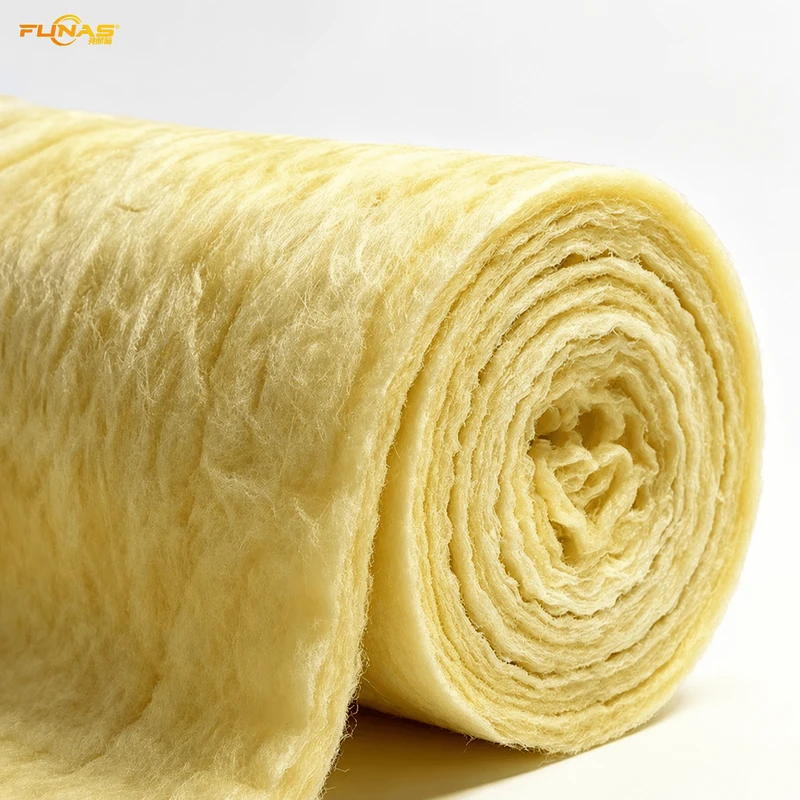
Glass Wool Insulation Rolls for Thermal & Acoustic Insulation
FUNAS glass wool insulation rolls are flexible fiberglass insulation rolls designed for thermal and acoustic insulation in metal roofs, steel buildings, warehouses and HVAC duct systems. The lightweight roll form is easy to cut, wrap and install over large areas, making it suitable for both building and industrial insulation projects.
Available as plain or foil-faced glass wool rolls, the product can be supplied in different densities, thicknesses, widths and roll lengths according to project requirements. Standard options include 32 kg/m³ and 48 kg/m³ density with 30 mm and 50 mm thicknesses.
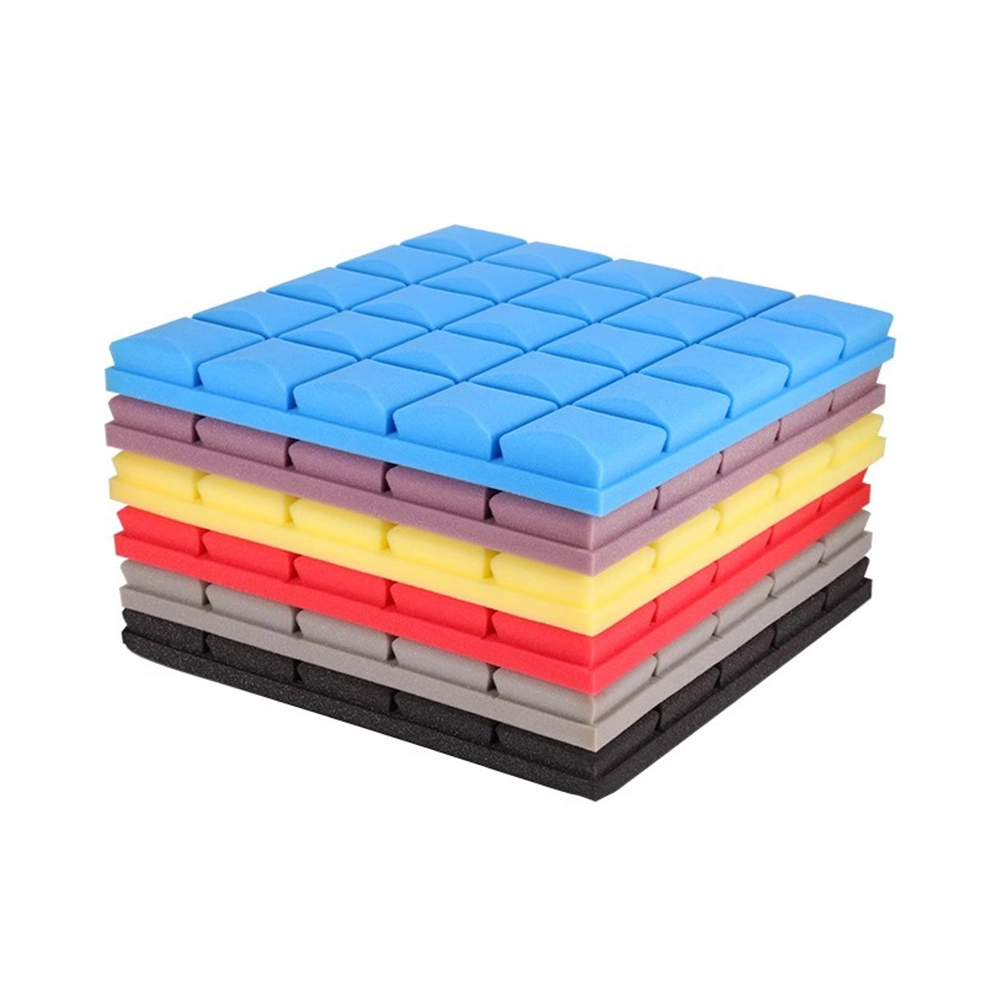
PU Pyramid Acoustic Foam Panel for Sound Absorption
FUNAS PU Pyramid Acoustic Foam Panel is a polyurethane sound absorption panel designed to reduce echo, reverberation and reflected noise in studios, offices, KTV rooms, cinemas and home theater spaces. Its pyramid surface helps increase the contact area for sound waves, supporting clearer indoor acoustics for decoration and acoustic treatment projects. Available in standard panel sizes and thicknesses, the foam can be supplied with adhesive backing upon request and customized for project requirements. It is suitable for contractors, distributors and commercial buyers seeking polyurethane acoustic foam panels for interior sound absorption applications.
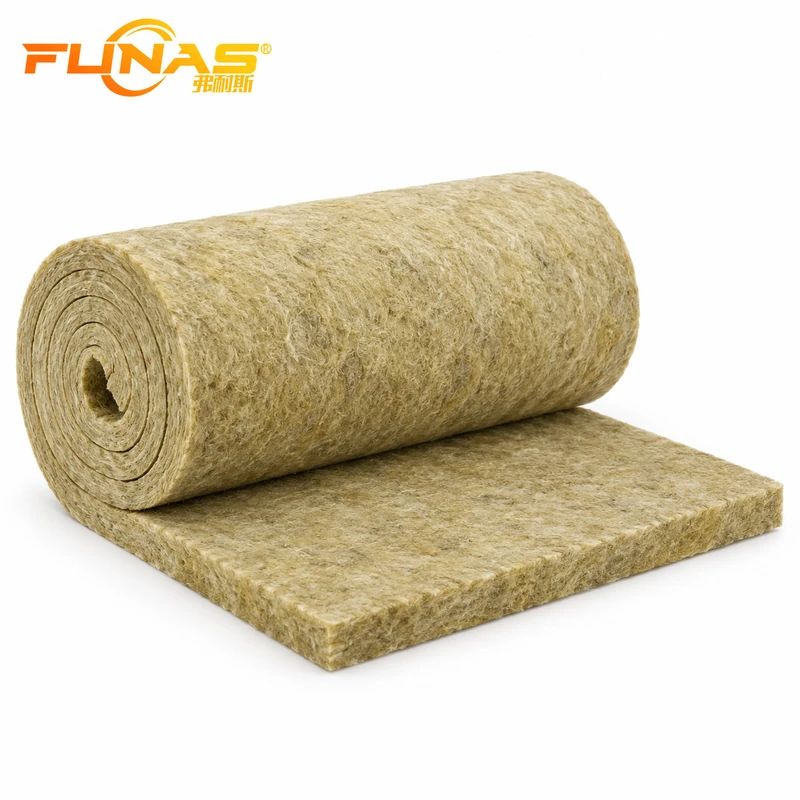
Rock Wool Blanket Roll for Thermal and Acoustic Insulation
FUNAS Rock Wool Blanket Roll is a flexible rock wool blanket supplied in continuous roll form for thermal and acoustic insulation. As a mineral wool blanket insulation product, it is suitable for roofs, walls, steel structures, equipment areas and large industrial surfaces where flexible coverage and easy cutting are required.
This mineral wool insulation roll is available in 80 kg/m³ and 100 kg/m³ densities with 40 mm and 50 mm thickness options. Density, length and width can be customized according to project requirements.
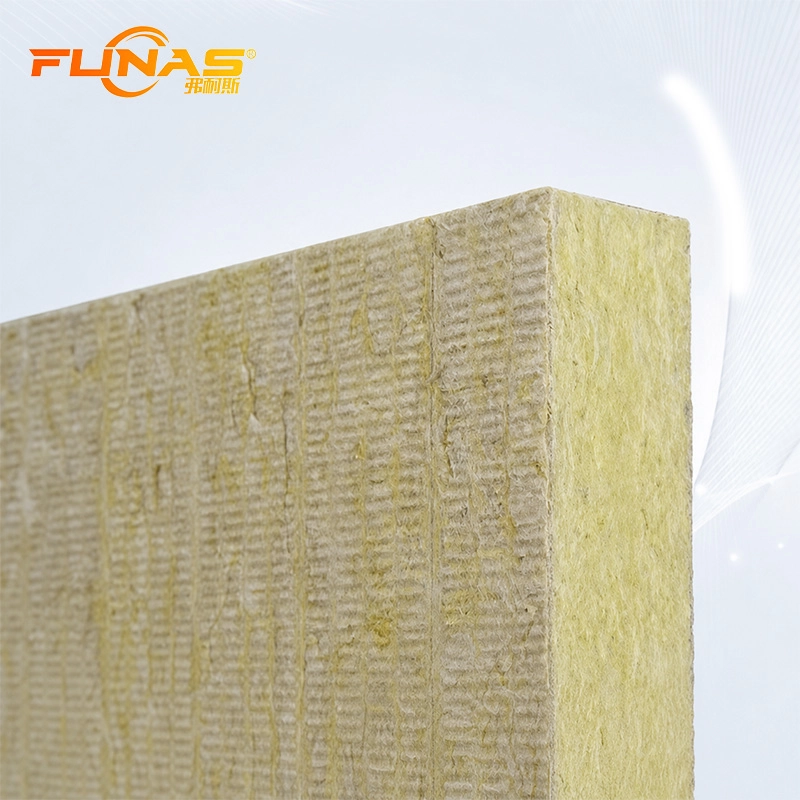
Rock Wool Insulation Board for Thermal and Acoustic Insulation
FUNAS Rock Wool Insulation Board is a semi-rigid mineral wool board designed for thermal insulation, sound absorption and fire-resistant insulation applications. Available in multiple density options, the board provides stable coverage for walls, roofs, partitions and industrial insulation projects.
Standard density options range from 40–120 kg/m³, with a regular thickness of 50 mm and board size of 1.2 × 0.6 m. Aluminum foil facing and customized specifications are available upon request.
Leave a message
Have any questions or concerns about our products? Please leave us a message here and our team will get back to you promptly.
Your queries, ideas, and collaboration opportunities are just a click away. Let’s start a conversation.



















































FUNAS Insulation Material
funasinsulation
funasinsulation
Guangdong FUNAS Insulation Material Co.Ltd