

















































What is the best insulation for pipes? | FUNAS Guide
Discover the best pipe insulation materials to maximize thermal efficiency and prevent damage. Learn about options, benefits, and installation tips with FUNAS.
What is the Best Insulation for Pipes?
Choosing the optimal insulation for pipes depends on factors like pipe material, temperature, environment, and budget. The best insulation materials combine thermal resistance, moisture resistance, durability, and ease of installation. Popular options include foam rubber, fiberglass, polyethylene, and aerogel. Selecting the right pipe insulation ensures energy efficiency, prevents freezing, and reduces condensation.
What Types of Pipe Insulation Materials Are Commonly Used?
Fiberglass is widely used for its excellent thermal resistance and suitability for high temperatures. Foam rubber and polyethylene offer flexibility and moisture resistance, making them ideal for both hot and cold pipes. Aerogel is a High Quality option boasting superior insulation with minimal thickness. Each material has specific benefits, so matching them to pipe conditions is key.
How to Choose Insulation Based on Pipe Temperature?
For hot pipes, materials like fiberglass and elastomeric foam provide the best thermal protection. Cold pipes benefit from moisture-resistant options such as closed-cell foam to prevent condensation. Insulation rating (R-value) and operating temperature ranges must be checked to ensure effective performance at specific pipe temperatures.
What Are the Benefits of Insulating Pipes?
Insulating pipes reduces heat loss or gain, leading to energy savings and improved system efficiency. It prevents pipes from freezing in cold climates and reduces condensation that can cause corrosion or mold. Additionally, insulation minimizes noise from fluid flow and extends the longevity of piping systems.
Can Pipe Insulation Prevent Freezing and How Effective Is It?
Yes, pipe insulation significantly decreases the risk of freezing by maintaining pipe temperature above freezing point. For extreme cold, insulation should be combined with heat tape or other heating methods. Proper thickness and installation are critical for effective freeze protection.
How to Properly Install Pipe Insulation?
Installation involves cleaning the pipe surface, measuring and cutting insulation to fit snugly, and sealing seams with appropriate adhesives or tapes. For outdoor pipes, an additional weather-resistant layer may be necessary. Correct installation ensures maximum thermal benefit and durability.

Does sound insulation foam Actually Work in 2026? Ultimate guide About Blocking vs. Absorbing Noise
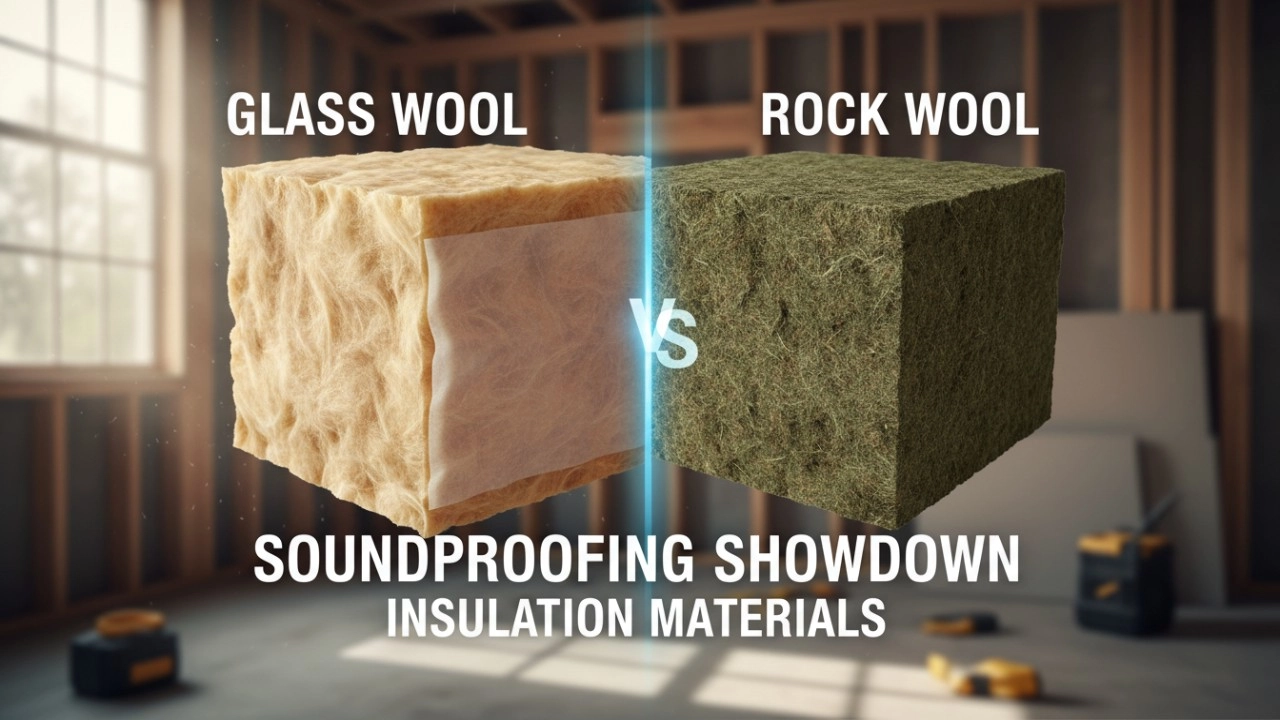
Fiberglass vs. Rockwool: Which Soundproofing Insulation Material Wins for Acoustic Control?
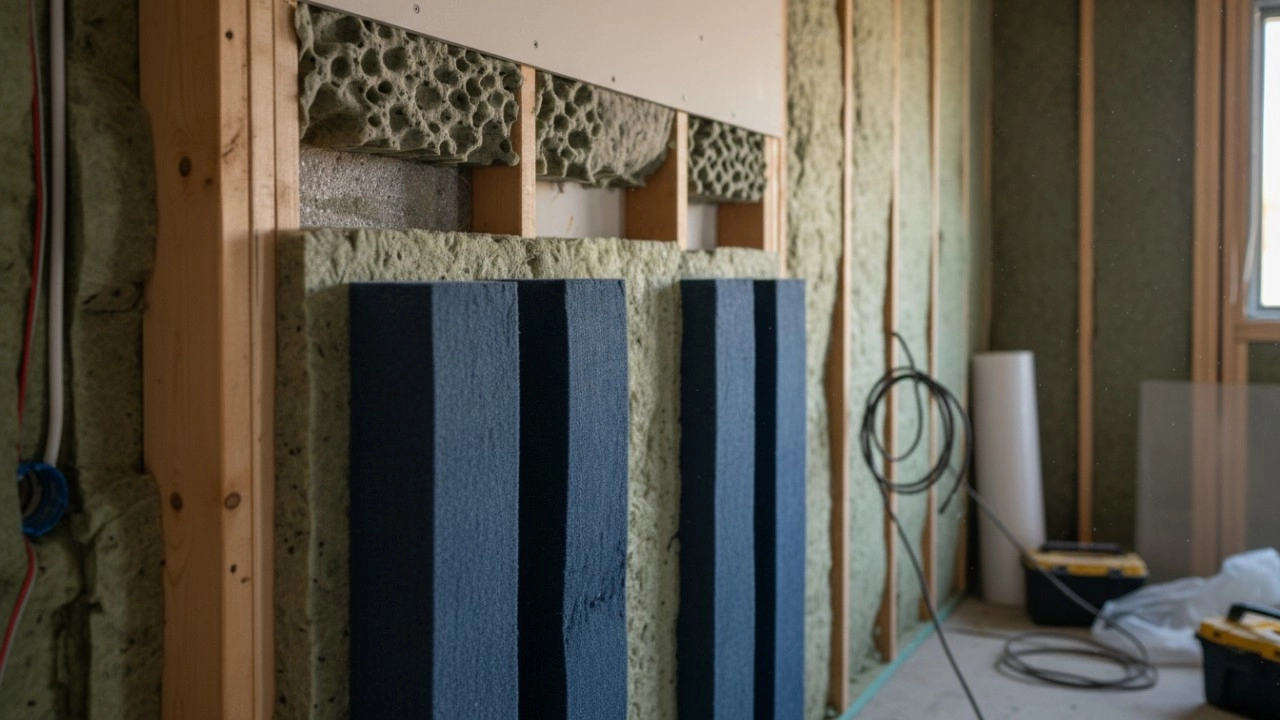
Sound Insulation Foam vs. Acoustic Panels: Which One Actually Stops Noise? (2026 Guide)
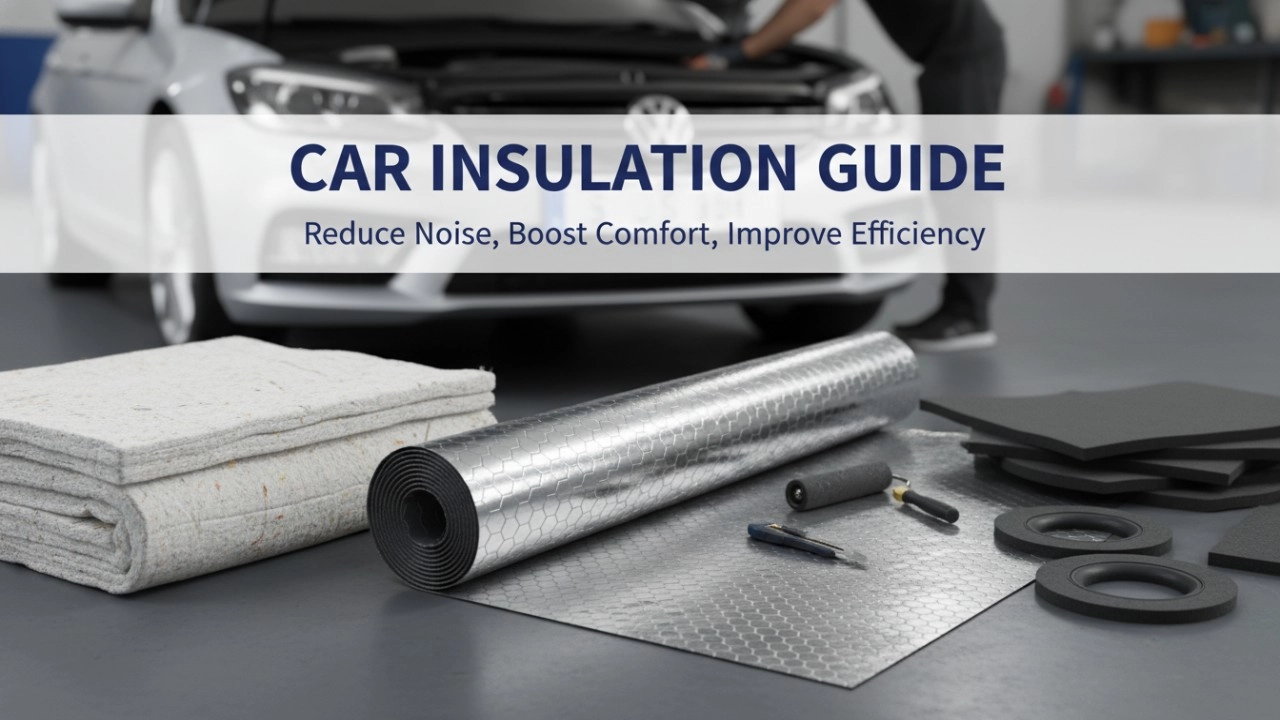
7 Dangerous Mistakes to Avoid When Selecting insulating materials for Your Car (2026 Guide)
FAQ
How to start a consultation?
You can contact us through our website, phone, or email. We will arrange a professional staff to discuss your needs about best thermal insulator and how we can help you.
What is the typical delivery time for custom orders?
Our daily production capacity is 800 cubic meters. Delivery time varies depending on the complexity of the insulation material wholesale order, but we can deliver large quantities of customized products within 4-6 weeks after the approval date, and small quantities can be delivered within 15 days.
Can your insulation products be customized?
Yes, we offer customized solutions for insulation material wholesale to meet the specifications of your project, including custom specifications, sizes, foils and adhesives, colors, etc.
How do I choose the right insulation for my project?
Our team can help you choose the best material for heat insulation based on your specific needs, such as thermal resistance, acoustic properties, and environmental conditions.
You might also like
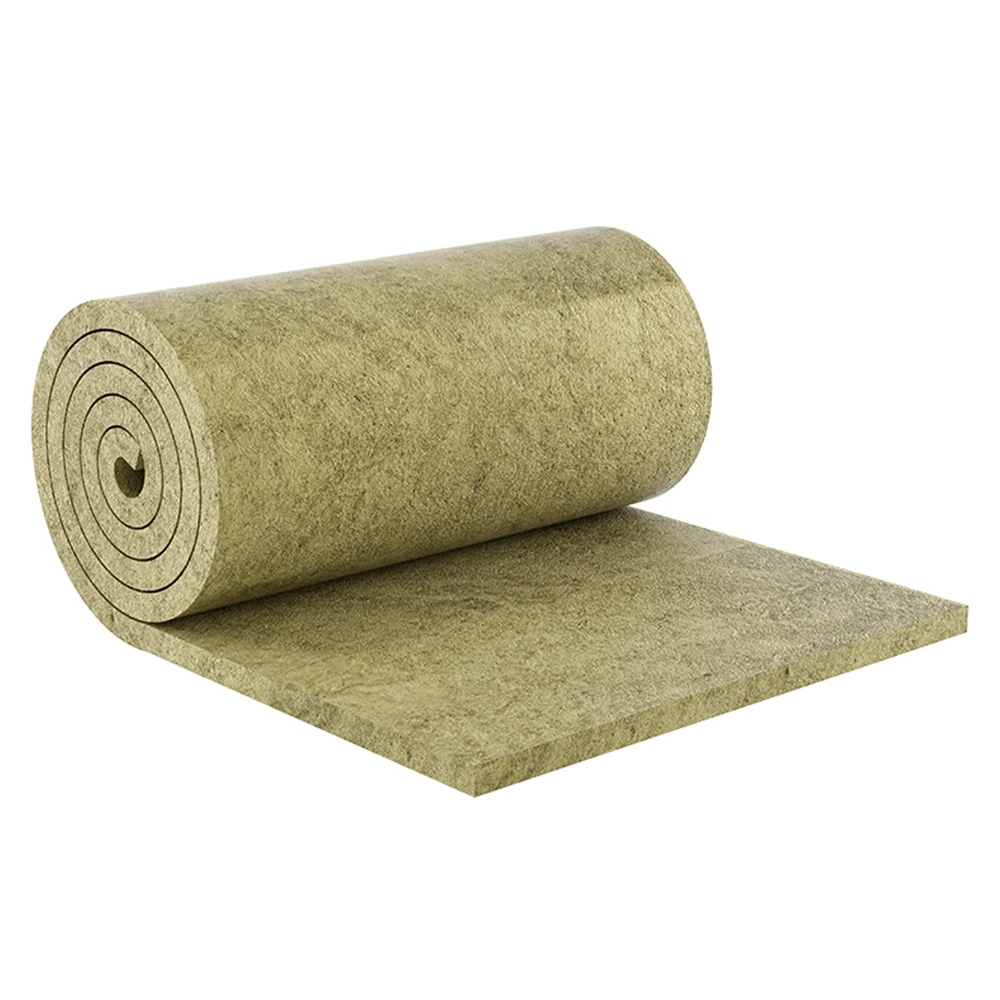
Wholesale Rock Wool Mineral Wool Roll Blanket
Durable rock wool roll with outstanding fire resistance and insulation properties. Ideal for industrial and construction applications.
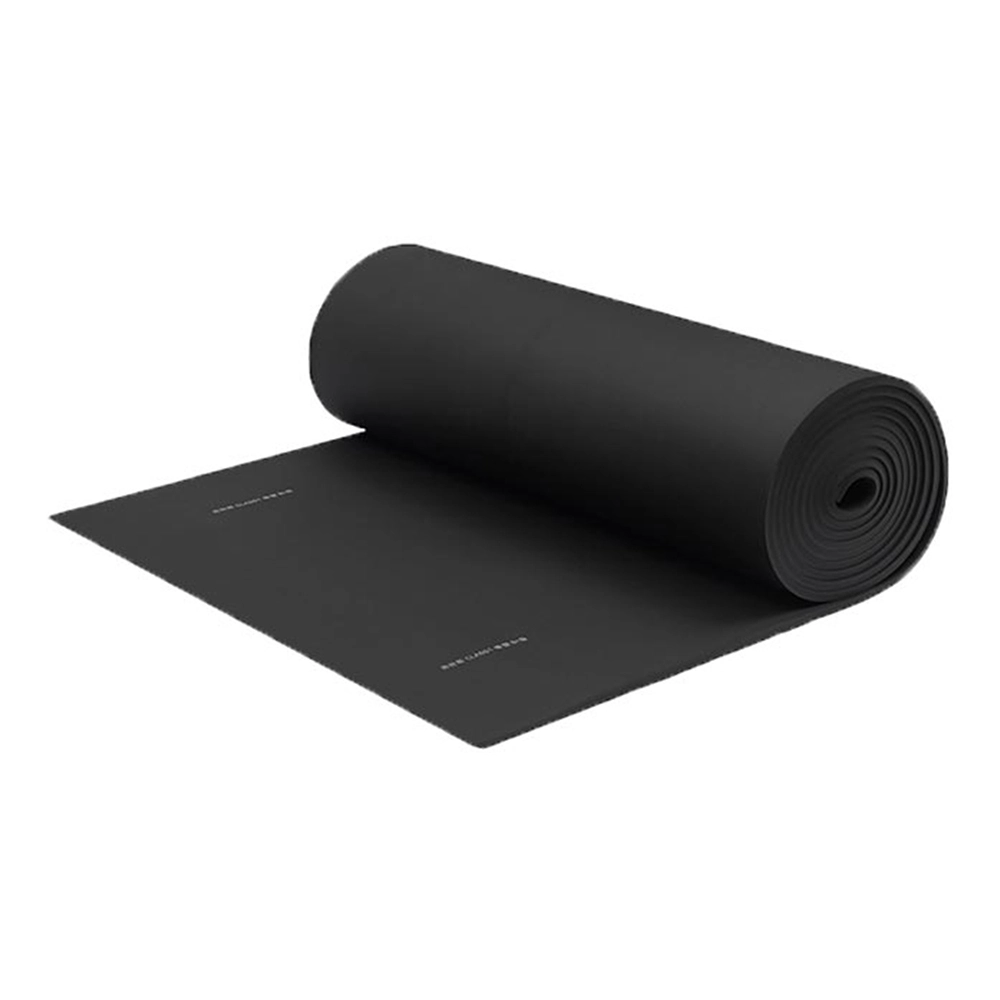
wholesale black nitrile rubber foam sheet rubber NBR foam sheet rubber foam insulation sheet for hvac system
NBR and PVC are the main raw materials, which are softthermal insulation and energy-saving materials foamedthrough special processes.
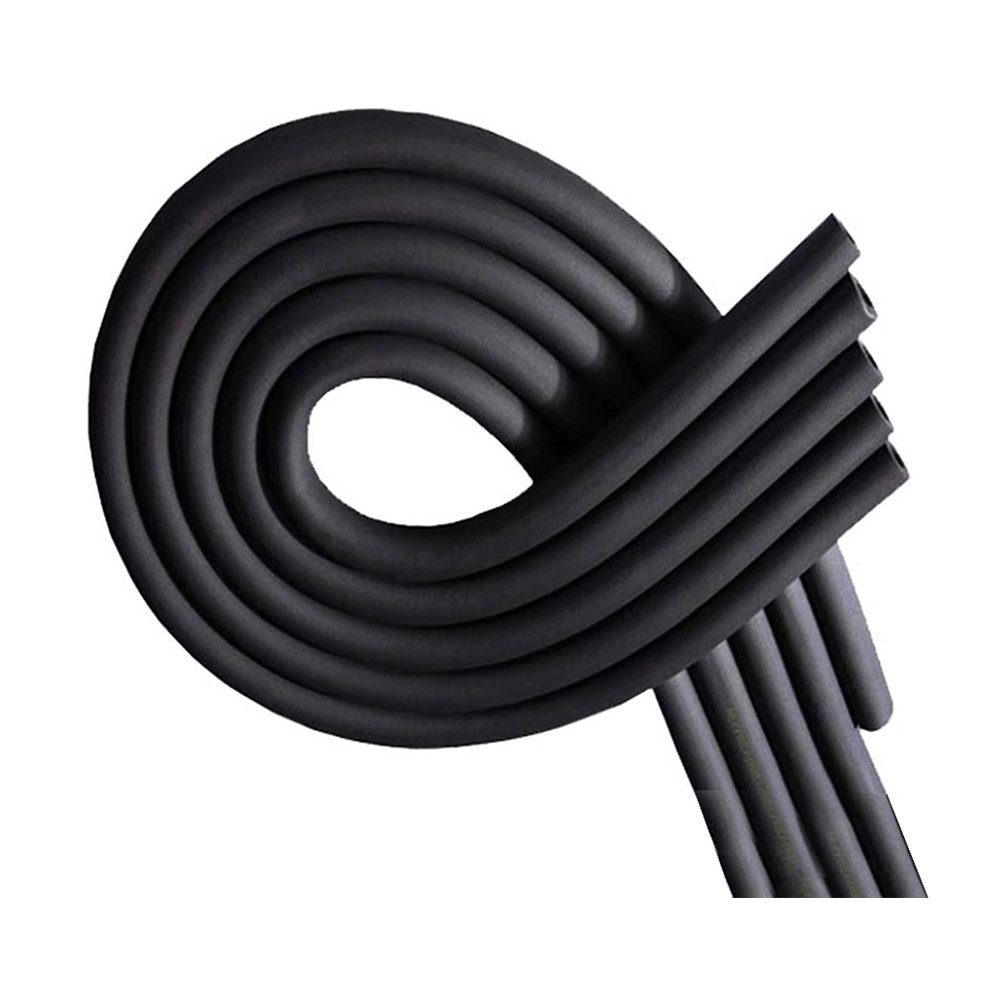
Wholesale Black nitrile rubber foam pipe rubber NBR foam tube rubber foam insulation tube for hvac system
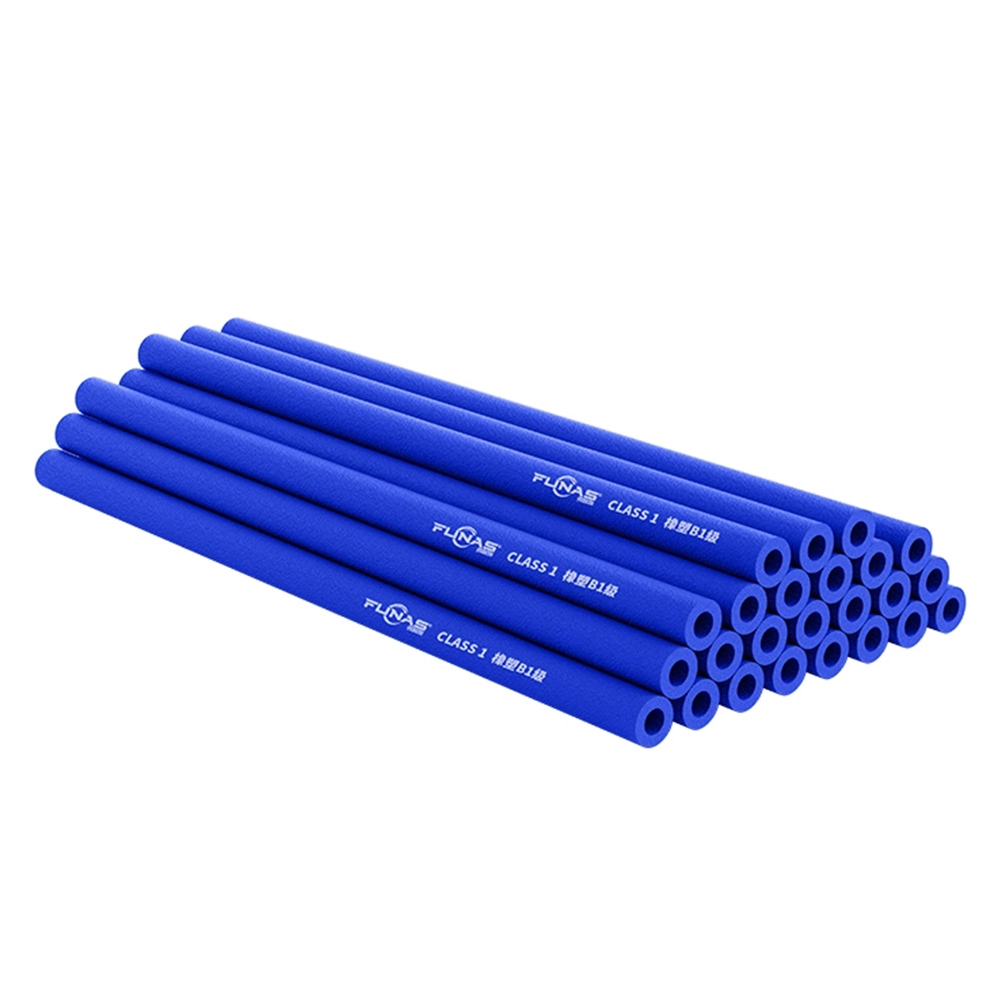
Blue Rubber-plastic Tube Rubber foam pipe wholesale
Leave a message
Have any questions or concerns about our products? Please leave us a message here and our team will get back to you promptly.
Your queries, ideas, and collaboration opportunities are just a click away. Let’s start a conversation.
