


















































Is rubber foam suitable for HVAC duct insulation?
Explore the benefits, considerations, and applications of rubber foam insulation in HVAC ductwork, providing essential knowledge for professionals in the thermal insulation materials industry.
- Is Rubber Foam Suitable for HVAC Duct Insulation?
- What are the thermal properties of rubber foam insulation?
- How does rubber foam insulation contribute to moisture control?
- What are the acoustic benefits of using rubber foam insulation in ducts?
- What are the installation considerations for rubber foam insulation in HVAC ducts?
- How does rubber foam insulation compare to other materials in HVAC applications?
- What are the environmental benefits of using rubber foam insulation?
- What are the recommended applications for rubber foam insulation in HVAC systems?
- What are the key advantages of using rubber foam insulation in HVAC systems?
- How does FUNAS brand contribute to the HVAC insulation industry?
Rubber foam insulation plays a pivotal role in enhancing the efficiency and performance of HVAC duct systems. Its unique properties offer significant advantages in thermal resistance, moisture control, and noise reduction. Below, we address key questions to provide a comprehensive understanding of rubber foam insulation in HVAC applications.
Is Rubber Foam Suitable for HVAC Duct Insulation?
What are the thermal properties of rubber foam insulation?
Rubber foam insulation exhibits excellent thermal resistance, effectively minimizing heat loss or gain within HVAC ductwork. This property ensures that the air temperature remains consistent as it travels through the ducts, enhancing energy efficiency. For instance, K-Flex Duct Liner, an NBR/PVC-based closed-cell elastomeric foam, provides an R-value of 4.2 at 1-inch thickness, indicating its effectiveness in thermal insulation.
How does rubber foam insulation contribute to moisture control?
The closed-cell structure of rubber foam insulation offers excellent moisture resistance, preventing condensation within the ductwork. This moisture barrier reduces the risk of mold and mildew growth, thereby maintaining indoor air quality and extending the lifespan of the HVAC system. Products like K-Flex Duct Liner incorporate an EPA-approved antimicrobial agent, providing additional protection against microbial growth.
What are the acoustic benefits of using rubber foam insulation in ducts?
Rubber foam insulation effectively dampens noise generated by airflow and mechanical vibrations within HVAC ducts. Its sound-absorbing properties contribute to a quieter indoor environment, which is particularly beneficial in settings such as offices, hospitals, and schools. For example, K-Flex Duct Liner offers noise reduction coefficients (NRC) of 0.50 at 1-inch thickness, outperforming fiberglass in sound absorption at frequencies below 500 Hz.
What are the installation considerations for rubber foam insulation in HVAC ducts?
Rubber foam insulation is flexible and easy to install, conforming to various duct shapes and sizes. It can be applied using adhesives, mechanical fasteners, or integrated into automated duct manufacturing systems. Its lightweight nature reduces labor costs and installation time. Additionally, the material's flexibility allows it to adapt to both rectangular and round duct configurations, ensuring a snug fit that minimizes air leaks.
How does rubber foam insulation compare to other materials in HVAC applications?
Compared to traditional insulation materials like fiberglass, rubber foam offers superior moisture resistance and does not shed particulates, making it a safer option for indoor air quality. Its closed-cell structure provides better thermal and acoustic performance, contributing to overall system efficiency and occupant comfort. Moreover, rubber foam insulation is non-porous and fiber-free, preventing mold, fungal, and bacterial growth, which is a common issue with other materials.
What are the environmental benefits of using rubber foam insulation?
Rubber foam insulation is environmentally friendly, being free of CFCs, HFCs, HCFCs, PBDEs, formaldehyde, and fibers. Products like K-Flex Duct Liner are UL GREENGUARD Gold Certified for low VOC emissions, ensuring minimal environmental impact. Additionally, the durability and longevity of rubber foam insulation reduce the frequency of replacements, contributing to sustainability efforts.
What are the recommended applications for rubber foam insulation in HVAC systems?
Rubber foam insulation is ideal for various HVAC applications, including:
Ductwork Insulation: Minimizes heat loss or gain and prevents condensation in air ducts.
Refrigerant Pipe Insulation: Prevents heat transfer and condensation on refrigerant lines.
Chiller and Cooling Tower Insulation: Enhances thermal efficiency by preventing heat gain or loss.
HVAC Equipment Housing Insulation: Improves energy efficiency and reduces noise from HVAC equipment like air handlers and heat pumps.
These applications leverage the thermal, acoustic, and moisture-resistant properties of rubber foam insulation to enhance HVAC system performance. ((https://www.funasinsulations.com/hvac.html))
What are the key advantages of using rubber foam insulation in HVAC systems?
The primary advantages of rubber foam insulation in HVAC systems include:
Thermal Efficiency: Reduces energy consumption by maintaining consistent air temperatures.
Moisture Control: Prevents condensation, reducing the risk of mold and mildew growth.
Noise Reduction: Dampens sound from airflow and mechanical vibrations, enhancing occupant comfort.
Environmental Friendliness: Free from harmful chemicals and low in VOC emissions, contributing to sustainability.
Durability: Offers long-term performance with minimal maintenance requirements.
These benefits make rubber foam insulation a preferred choice for enhancing HVAC system performance and longevity.
How does FUNAS brand contribute to the HVAC insulation industry?
FUNAS specializes in providing high-quality rubber foam insulation solutions tailored for HVAC applications. Their products are designed to enhance thermal efficiency, moisture control, and noise reduction in HVAC systems. With a focus on durability and environmental sustainability, FUNAS offers insulation materials that meet industry standards and contribute to the overall performance and longevity of HVAC systems. ((https://www.funasinsulations.com/hvac.html))
In conclusion, rubber foam insulation offers comprehensive benefits for HVAC ductwork, including superior thermal resistance, moisture control, and noise reduction. Its adaptability and environmental advantages make it a valuable component in modern HVAC systems, ensuring energy efficiency, occupant comfort, and system durability.

Does sound insulation foam Actually Work in 2026? Ultimate guide About Blocking vs. Absorbing Noise
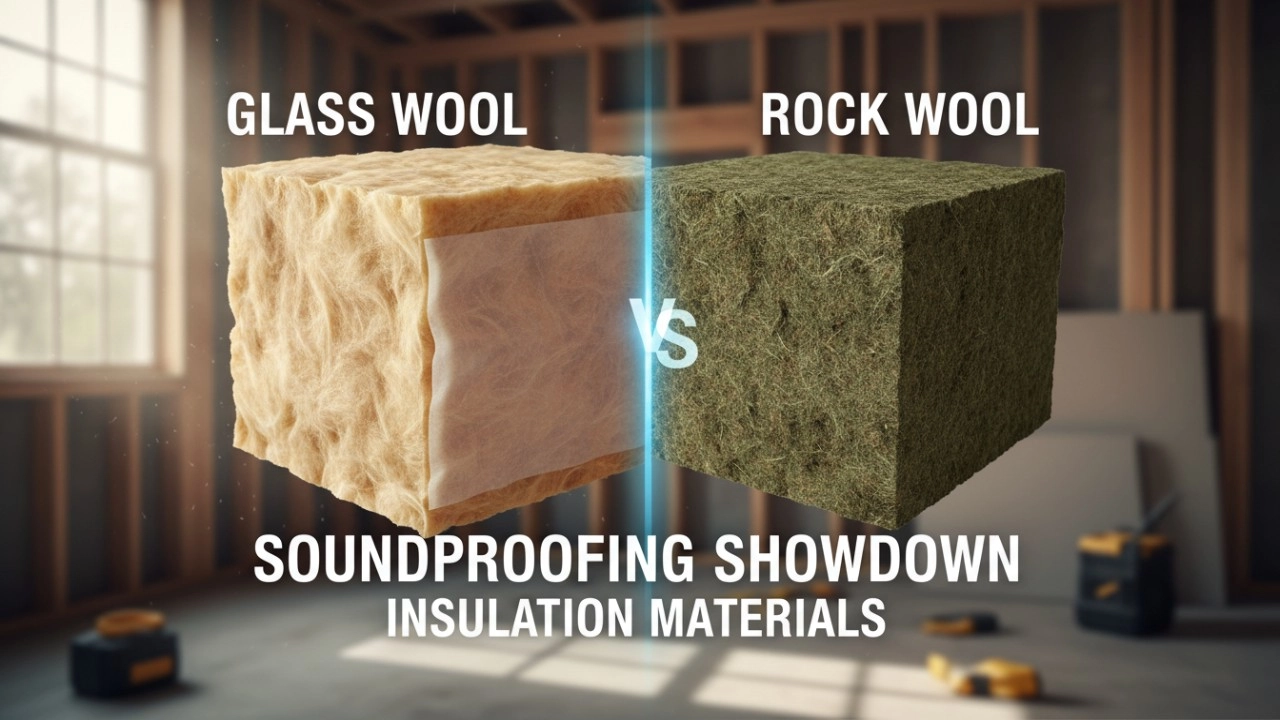
Fiberglass vs. Rockwool: Which Soundproofing Insulation Material Wins for Acoustic Control?
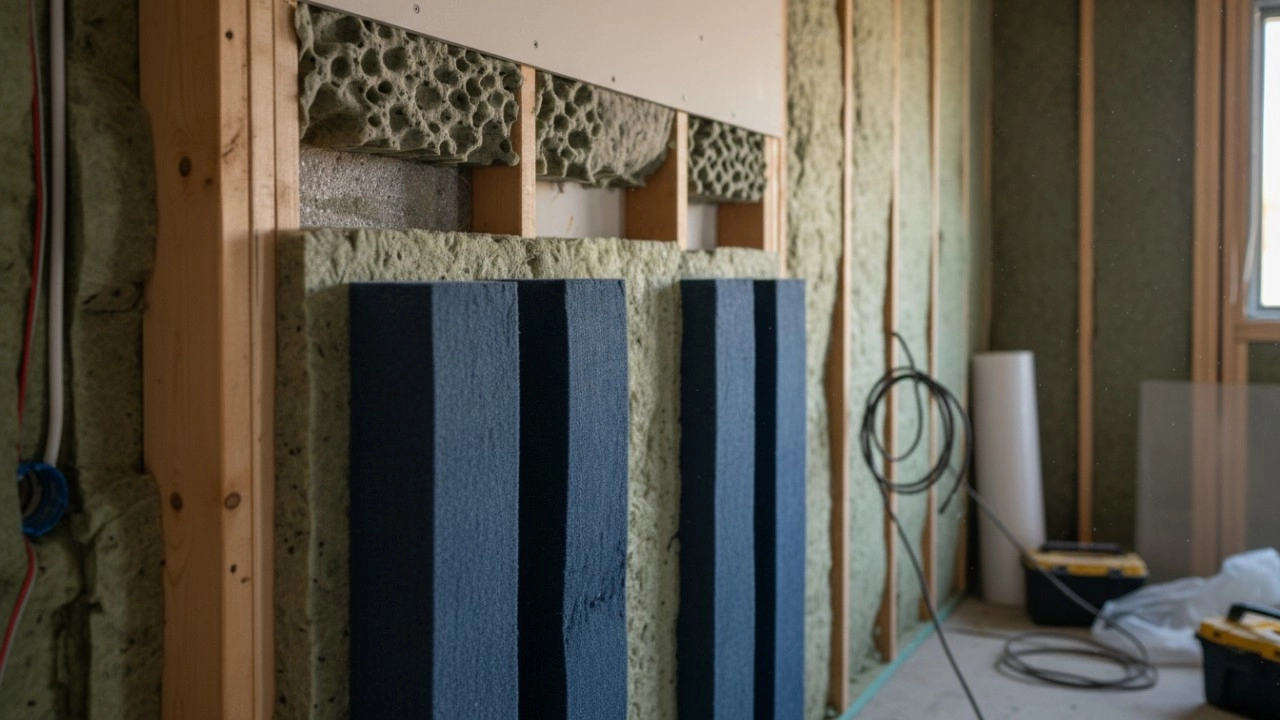
Sound Insulation Foam vs. Acoustic Panels: Which One Actually Stops Noise? (2026 Guide)
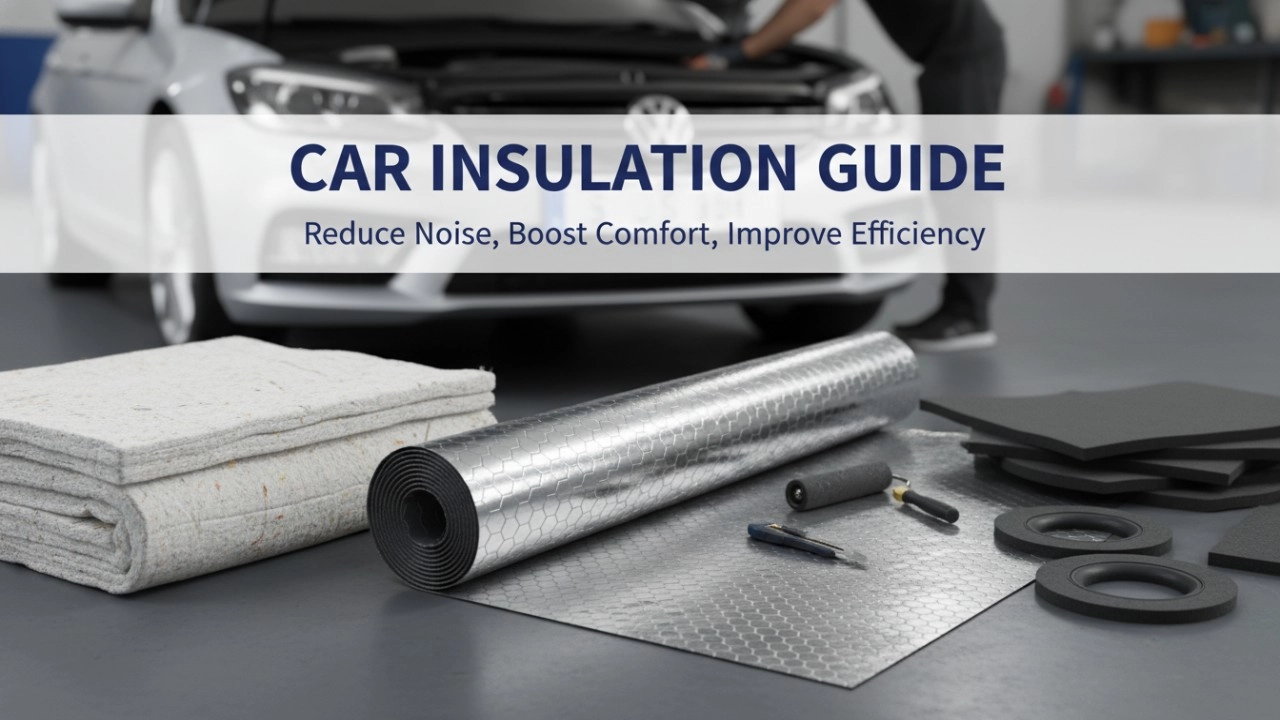
7 Dangerous Mistakes to Avoid When Selecting insulating materials for Your Car (2026 Guide)
FAQ
Can your insulation products be customized?
Yes, we offer customized solutions for insulation material wholesale to meet the specifications of your project, including custom specifications, sizes, foils and adhesives, colors, etc.
What types of rubber foam insulation do you offer?
We offer a wide range of rubber foam insulation with different thicknesses and specifications. Thermal insulation material manufacturer FUNAS sleeves and sheets are suitable for different application scenarios.
service
Can I request custom dimensions or properties for my insulation needs?
Yes, we specialize in custom solutions. Whether you need specific dimensions, thicknesses, densities, or additional coatings, we can work with you to manufacture insulation products tailored to your exact requirements of good materials for heat insulation.
What types of rubber foam insulation products do you offer?
We offer a wide range of rubber foam insulation products, including custom shapes and sizes, thermal and acoustic insulation solutions, and options with specialized coatings such as flame retardancy and water resistance. Our products are suitable for applications in HVAC, automotive, construction, and more.
You might also like
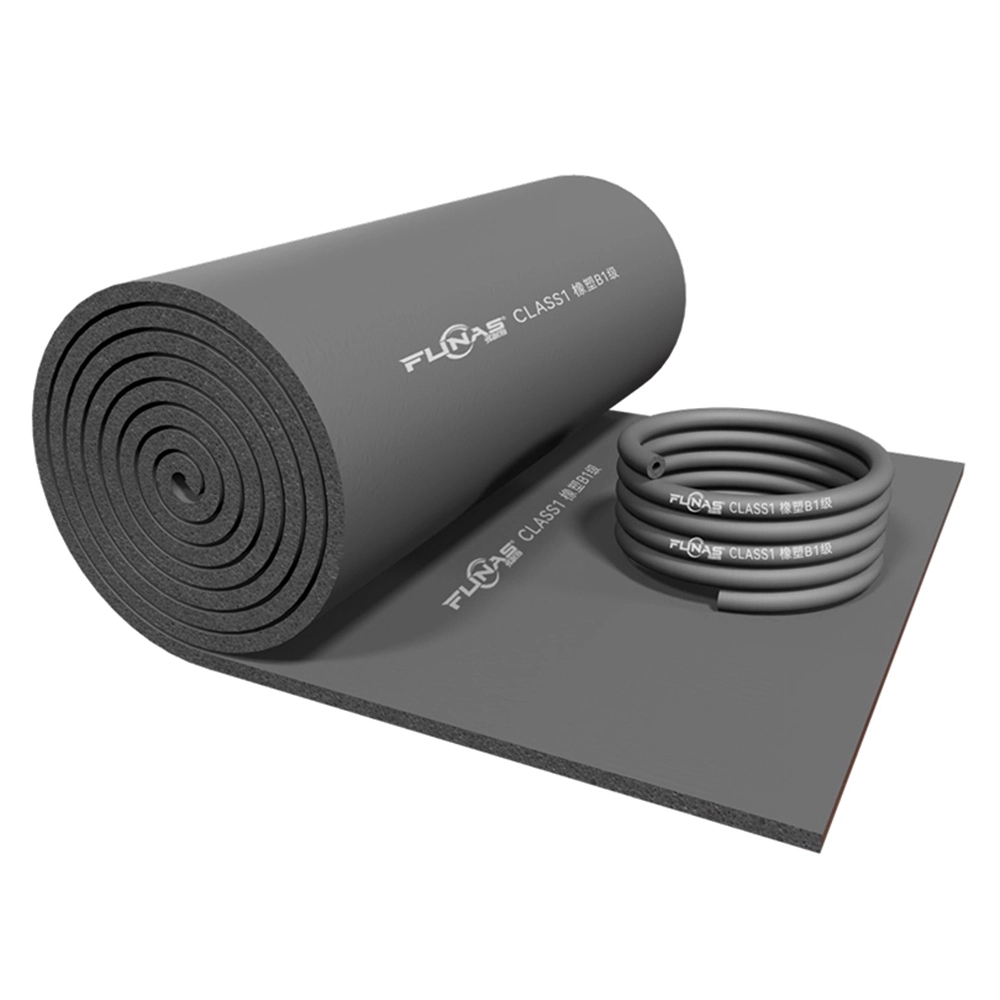
Wholesale black Rubber-plastic Board Rubber foam panel sheet
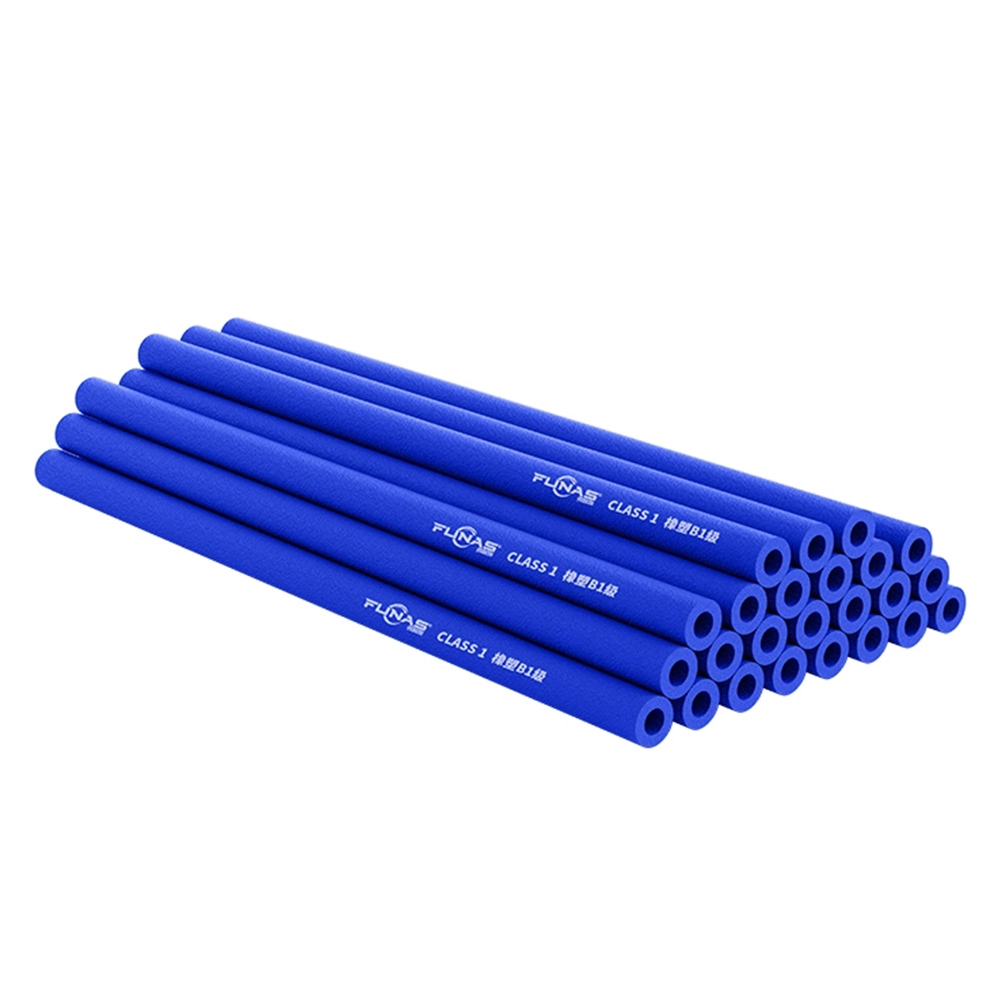
Blue Rubber-plastic Tube Rubber foam pipe wholesale
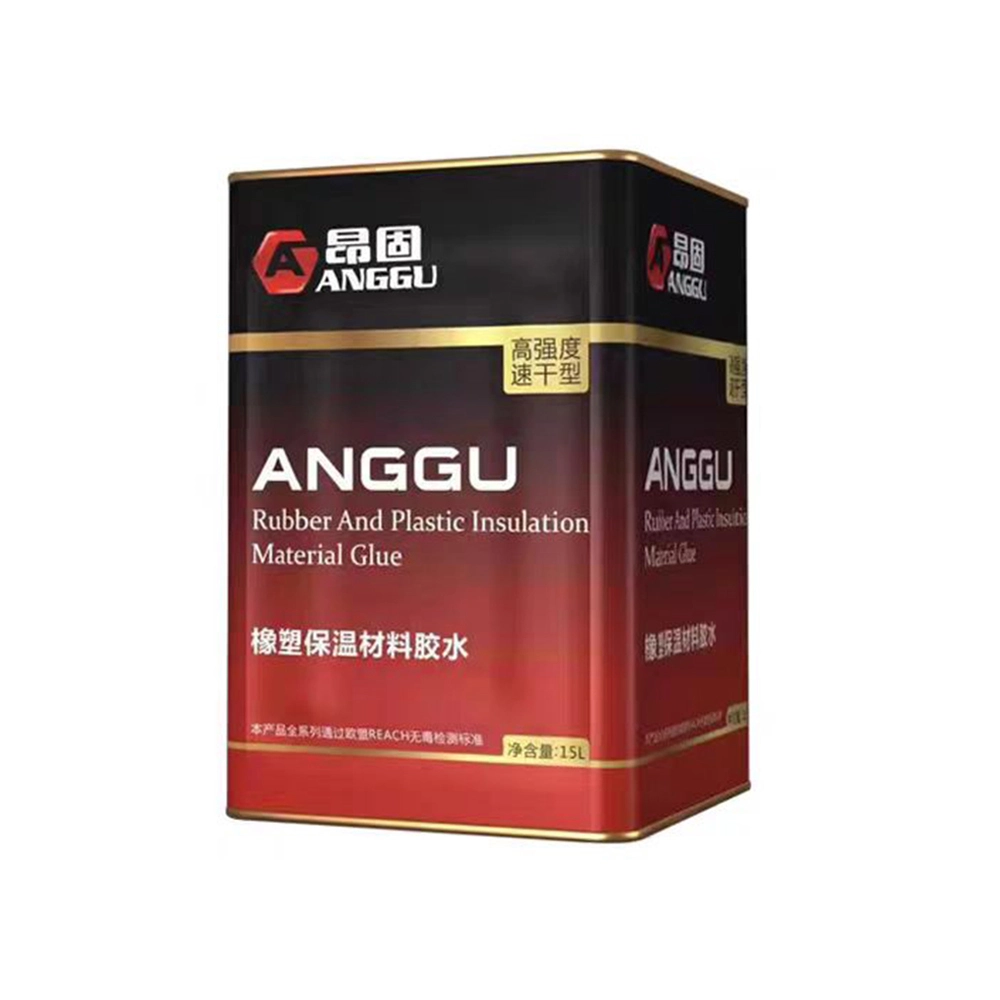
Rubber Plastic insulation Material Glue
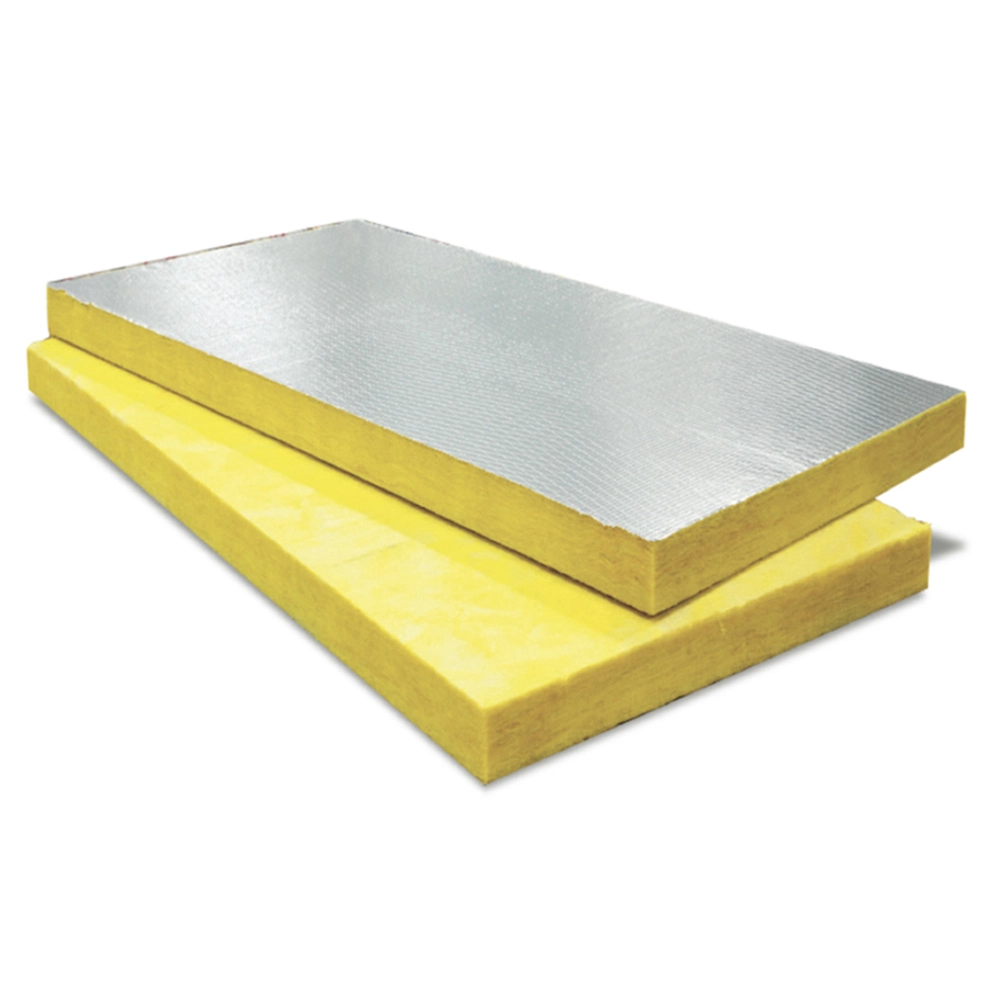
Wholesale Roof And Wall Thermal Heat Insulation 50mm Thickness Aluminum Foil Fiberglass Insulation Panel Board Glass Wool Price
Glass wool is the molten glass fiber, the formation of cotton-like material, chemical composition belongs to the glass category, is a kind of inorganic fiber. With good molding, small volume density, thermal conductivity both, thermal insulation, sound absorption performance is good, corrosion resistance, chemical stability and so on.
Leave a message
Have any questions or concerns about our products? Please leave us a message here and our team will get back to you promptly.
Your queries, ideas, and collaboration opportunities are just a click away. Let’s start a conversation.
