


















































Ultimate Guide to Rubber Sheets: How to Choose in 2026
This comprehensive guide explores the world of rubber sheets, detailing various materials such as EPDM, Neoprene, and NBR. It covers essential manufacturing processes, key selection factors like hardness and thickness, and diverse industrial applications ranging from automotive gaskets to waterproof roofing. The article also provides maintenance tips and a detailed FAQ section.
- Introduction to Rubber Sheets: Versatility in Action
- Decoding Rubber Sheet Materials: A Comprehensive Breakdown
- 1. Natural Rubber (NR) / Gum Rubber
- 2. EPDM Rubber (Ethylene Propylene Diene Monomer)
- 3. Neoprene Rubber (Chloroprene - CR)
- 4. Silicone Rubber
- 5. Nitrile Rubber (Buna-N / NBR)
- 6. SBR (Styrene Butadiene Rubber)
- 7. Viton® / FKM (Fluoroelastomer)
- 8. Butyl Rubber
- Key Factors in Choosing the Right Rubber Sheet
- Common Applications of Rubber Sheets Across Industries
- Maintenance and Longevity of Rubber Sheets
- Customization and Sourcing Your Rubber Sheets
- Conclusion
- FAQ
- What is the most versatile type of rubber sheet?
- Which rubber sheet is best for outdoor use and weather resistance?
- Can rubber sheets be used in contact with food?
- How do I determine the right thickness and hardness (durometer) for my application?
- What is the difference between open-cell and closed-cell rubber sheets?
- Are rubber sheets resistant to oil and fuel?
- How can I cut a rubber sheet to a specific size or shape?
- Where can I find specification-grade rubber sheets (e.g., FDA, ASTM)?
- References
Introduction to Rubber Sheets: Versatility in Action
In the diverse world of industrial materials, the humble rubber sheet stands as a cornerstone of modern engineering and manufacturing. Whether you are looking for a thick rubber sheet for heavy-duty vibration dampening or a precision-cut rubber gasket sheet for automotive sealing, understanding the nuances of this material is critical.
According to OneMonroe and Merriam-Webster, a rubber sheet is defined as a flat, flexible material produced from various types of rubber—both natural and synthetic. It is widely utilized in industrial and commercial settings and even in everyday items like hospital beds. A sheet of rubber is not merely a generic commodity; it is a highly engineered product designed to meet specific physical and chemical demands.
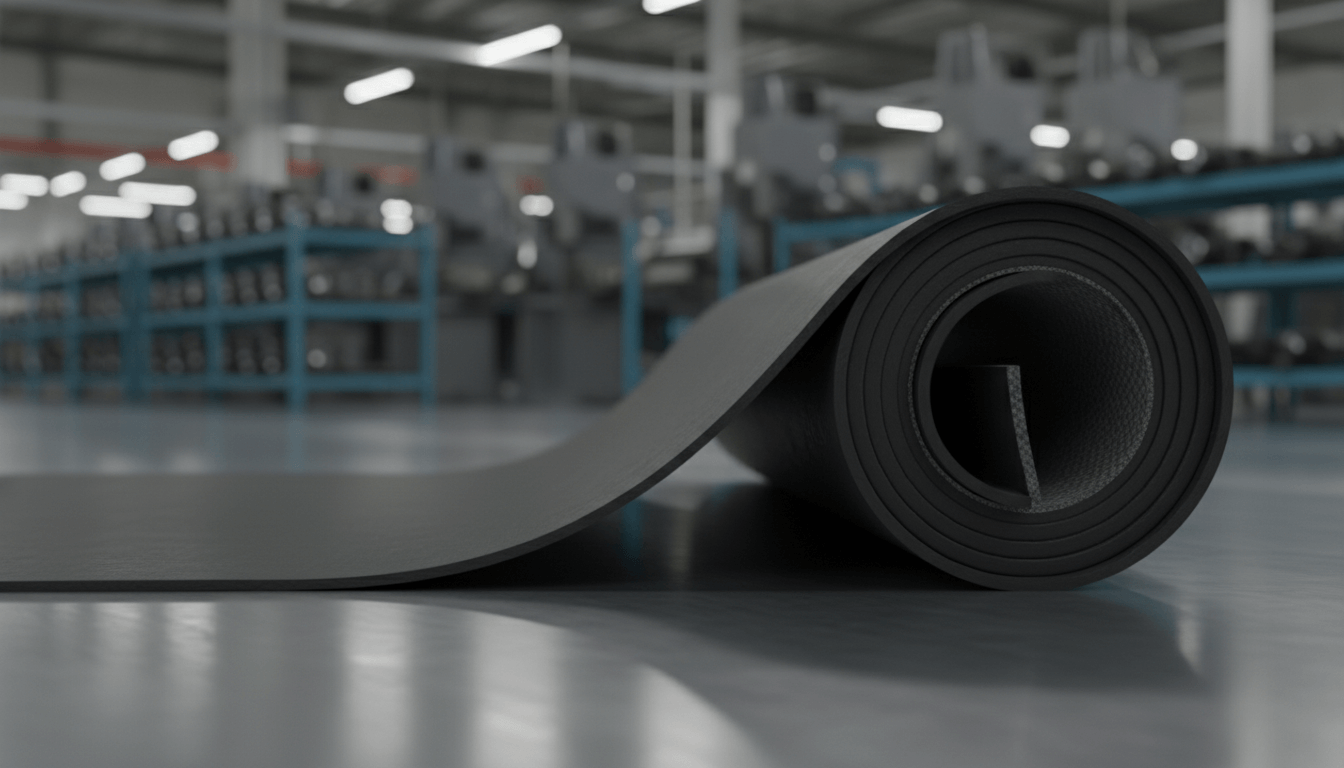
The core manufacturing process is a fascinating blend of chemistry and mechanics. As described by Kintek Solution, the creation of rubber sheeting involves three key stages: compounding (mixing raw rubber with additives), shaping (calendering the compound into a continuous sheet), and vulcanization (curing with heat and pressure). This process transforms a raw polymer into a durable, elastic material capable of withstanding extreme environments.
Decoding Rubber Sheet Materials: A Comprehensive Breakdown
Selecting the correct material is the most vital step in any project. Below is a breakdown of common rubber types to help you distinguish between an NBR rubber sheet and a butyl rubber sheet.
1. Natural Rubber (NR) / Gum Rubber
Natural rubber is prized for its exceptional tensile strength, elasticity, and abrasion resistance. It is often the go-to choice for anti-vibration mounts and seals where dynamic performance is key. However, it generally suffers from poor resistance to oils, fuels, and ozone.
2. EPDM Rubber (Ethylene Propylene Diene Monomer)
If you need a waterproof rubber sheet for outdoor use, EPDM is the industry standard. Research from Alanto, Elastostar Rubber Corporation, and Amaron Rubber highlights EPDM's excellent resistance to environmental factors such as UV light, ozone, and extreme weather. It is widely used in roofing membranes, HVAC systems, and automotive weatherstripping, though it is not suitable for oil or fuel applications.
3. Neoprene Rubber (Chloroprene - CR)
Neoprene is the great all-rounder. It offers a balanced resistance to oils, chemicals, weather, and abrasion. Its flame-retardant properties make it a safe choice for mass transit and industrial sealing applications.
4. Silicone Rubber
For high-temperature environments or food-grade applications, silicone is superior. It offers excellent flexibility and electrical insulation. While not the most abrasion-resistant, its ability to withstand extreme heat and cold makes it indispensable in the medical and food processing sectors.
5. Nitrile Rubber (Buna-N / NBR)
When oil or fuel resistance is paramount, an NBR rubber sheet is the optimal solution. Known for its superior resistance to petroleum-based fluids, it is the standard material for fuel hoses, oilfield gaskets, and O-rings.
6. SBR (Styrene Butadiene Rubber)
SBR is a cost-effective alternative to natural rubber, offering good abrasion and impact strength. It is commonly used in general-purpose industrial applications like conveyor belts and flooring, though it lacks the chemical resistance of specialized synthetic rubbers.
7. Viton® / FKM (Fluoroelastomer)
For the most aggressive environments, Viton® provides superior heat, chemical, and fuel resistance. It is a high-performance material often found in aerospace and chemical processing industries.
8. Butyl Rubber
A butyl rubber sheet is unique due to its excellent impermeability to gases. This makes it the material of choice for inner tubes, high-pressure seals, and dampening applications where air retention is critical.
Key Factors in Choosing the Right Rubber Sheet
Choosing the right foam rubber sheet involves more than just picking a material type. According to leading rubber sheet manufacturers, including insights from the Top 10 Foam Rubber Sheet Manufacturers, several critical factors must be evaluated to ensure the material matches the functional needs of the application.
· Hardness (Durometer): Measured on the Shore A scale, this determines the rigidity of the material. A lower durometer indicates a softer, more flexible rubber, while a higher durometer suggests a rigid, hard material.
· Dimensions: Whether you need a thin film or a 1/8-inch rubber sheet, thickness plays a huge role in sealing performance and cushioning.
· Environmental Resistance: You must assess the operating environment. Will the sheet be exposed to UV rays, extreme temperatures, or aggressive chemicals?
· Tensile Strength & Elongation: This measures how much the rubber can be stretched before breaking, which is crucial for dynamic applications.
· Compression Set: This indicates the material's ability to return to its original thickness after being compressed—a vital property for gaskets.
Common Applications of Rubber Sheets Across Industries
The versatility of rubber allows it to permeate almost every sector. Experts at Alanto and OneMonroe highlight the following applications:
· Automotive: Used extensively for gaskets, seals, and floor mats.
· Construction: Waterproof rubber sheet materials (typically EPDM) are essential for roofing membranes and weatherproofing.
· Industrial: Heavy-duty sheets are used for machinery mounts, conveyor belts, and vibration dampening.
· Food & Pharma: FDA-compliant silicone sheets are used for hygienic seals and medical device components.
· DIY & Home: From garage flooring to soundproofing, rubber sheeting is a favorite for home improvement.
Maintenance and Longevity of Rubber Sheets
To get the most out of your rubber products, proper maintenance is required.
· Storage: Rubber should be stored in a cool, dry, and dark place. UV light and heat can accelerate aging, causing the rubber to crack or become brittle.
· Cleaning: Use mild soap and water. Avoid harsh solvents that can degrade the polymer chains, especially on materials like natural rubber.
· Inspection: Regularly check for signs of degradation, such as cracking, hardening, or stickiness, which indicate chemical attack or UV damage.
Customization and Sourcing Your Rubber Sheets
While standard rolls are widely available, many projects require customization. Whether you need a thick rubber sheet cut to a specific shape or a foam rubber sheet with adhesive backing, sourcing is key.
· Custom Cuts: Most suppliers offer services to cut sheets to specific widths or lengths. Precision cutting methods like waterjet or die-cutting ensure tight tolerances.
· Sourcing: You can purchase from online retailers for small DIY projects or specialized industrial suppliers for bulk orders and technical certification (ASTM, Mil-Spec).
· Samples: Always request material samples to test compatibility with your specific environment before making a bulk purchase.
Conclusion
From the robust butyl rubber sheet used in airtight seals to the versatile NBR rubber sheet found in automotive engines, the world of rubber is vast. Understanding the specific properties of these materials is not just about compliance; it is about ensuring the safety, efficiency, and longevity of your projects. By applying the insights from this guide—considering factors like temperature, chemical resistance, and physical dimensions—you can confidently select the perfect rubber sheet for any application in 2026.
FAQ
What is the most versatile type of rubber sheet?
Neoprene rubber sheets are often considered highly versatile due to their balanced resistance to oil, chemicals, weather, and abrasion, making them suitable for a wide range of industrial and outdoor applications.
Which rubber sheet is best for outdoor use and weather resistance?
EPDM rubber sheets excel in outdoor environments, offering superior resistance to UV radiation, ozone, weathering, and extreme temperatures, making them ideal for roofing, automotive, and general outdoor sealing.
Can rubber sheets be used in contact with food?
Yes, specific types like silicone rubber sheets are available in FDA-compliant grades, making them safe for direct contact with food and beverages, as well as pharmaceutical and medical applications.
How do I determine the right thickness and hardness (durometer) for my application?
Thickness depends on the required cushioning, sealing gap, or load-bearing capacity (e.g., a 1 8 inch rubber sheet is common for standard gaskets). Hardness (durometer) relates to rigidity; softer rubbers offer more flexibility, while harder rubbers provide structural integrity.
What is the difference between open-cell and closed-cell rubber sheets?
Open-cell foam rubber (sponge rubber) has interconnected cells allowing air/liquid to pass, offering cushioning. Closed-cell foam rubber sheet materials have sealed cells, providing excellent resistance to water and gases.
Are rubber sheets resistant to oil and fuel?
NBR rubber sheet (Nitrile) offers excellent resistance to oils, fuels, and chemicals. EPDM and natural rubber, conversely, have poor oil resistance and should not be used in these environments.
How can I cut a rubber sheet to a specific size or shape?
Thinner sheets can be cut with utility knives. For precision or thick rubber sheet materials, specialized tools like waterjet cutters or die cutters are recommended.
Where can I find specification-grade rubber sheets (e.g., FDA, ASTM)?
Specification-grade rubber sheeting, meeting standards like FDA or ASTM D2000, is typically sourced from specialized industrial rubber suppliers who can provide certifications and datasheets.
References

Does sound insulation foam Actually Work in 2026? Ultimate guide About Blocking vs. Absorbing Noise
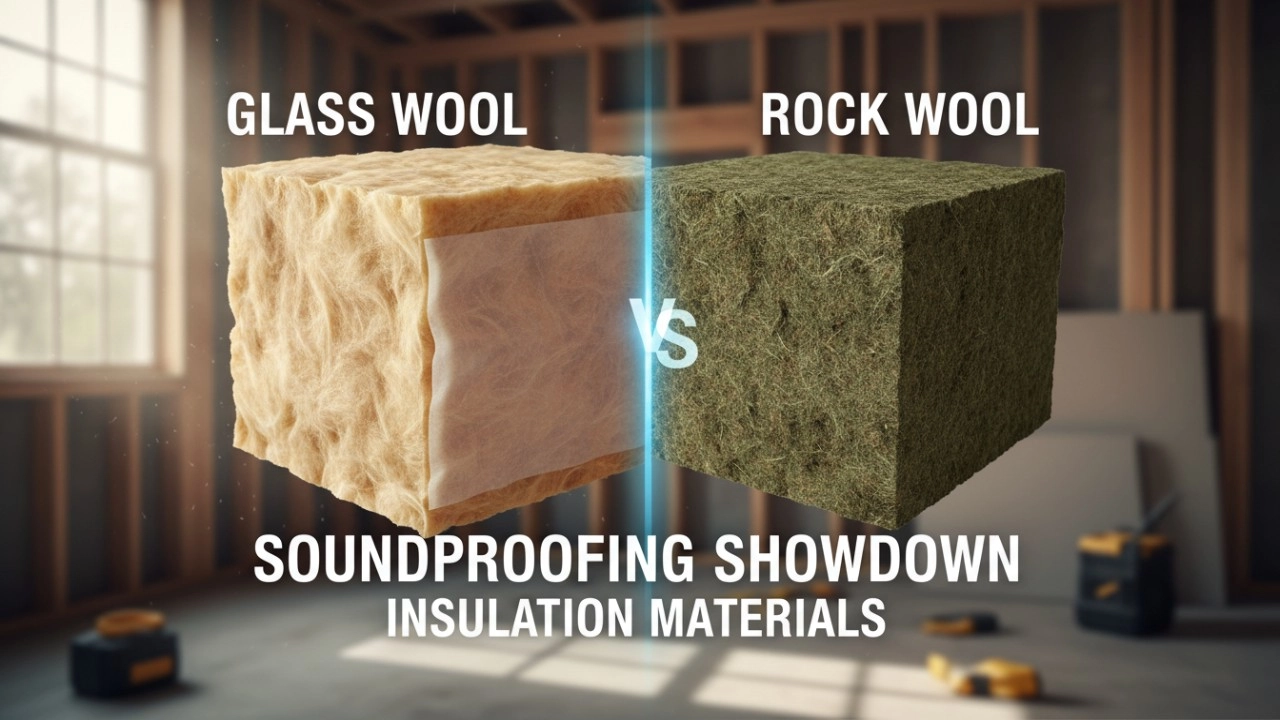
Fiberglass vs. Rockwool: Which Soundproofing Insulation Material Wins for Acoustic Control?

Sound Insulation Foam vs. Acoustic Panels: Which One Actually Stops Noise? (2026 Guide)
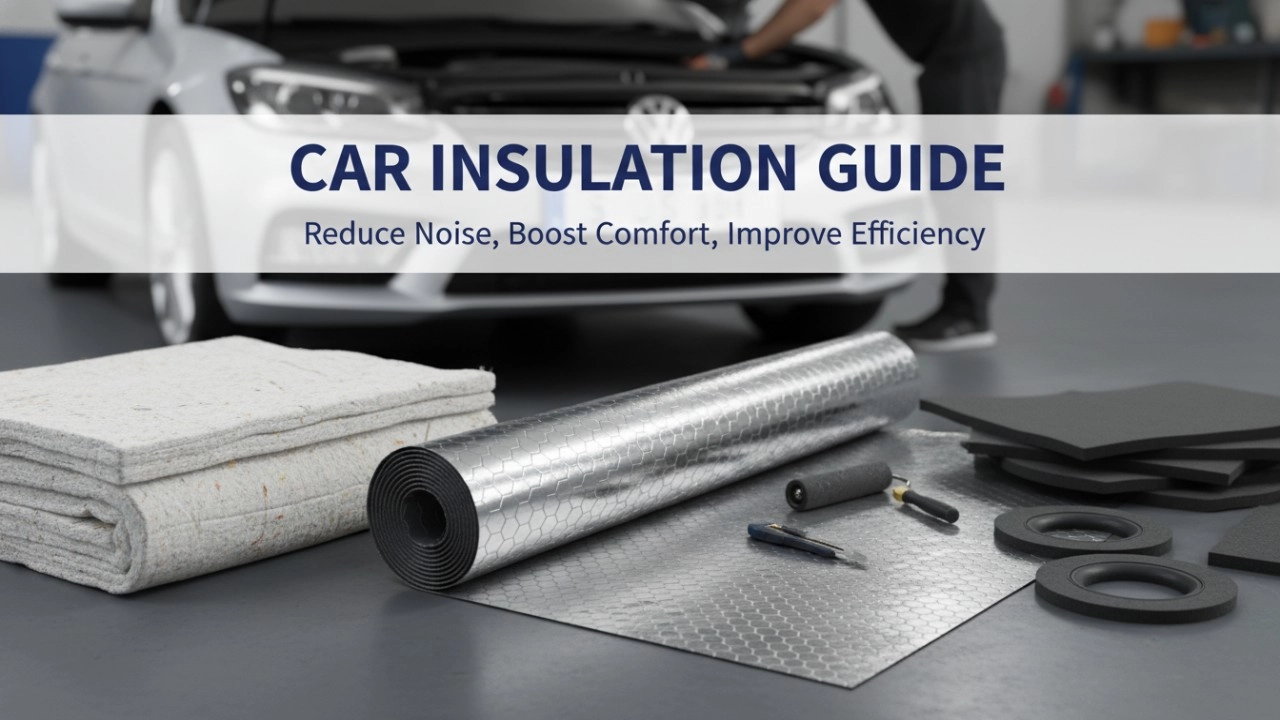
7 Dangerous Mistakes to Avoid When Selecting insulating materials for Your Car (2026 Guide)
FAQ
Can your insulation products be customized?
Yes, we offer customized solutions for insulation material wholesale to meet the specifications of your project, including custom specifications, sizes, foils and adhesives, colors, etc.
What types of rubber foam insulation do you offer?
We offer a wide range of rubber foam insulation with different thicknesses and specifications. Thermal insulation material manufacturer FUNAS sleeves and sheets are suitable for different application scenarios.
How do I choose the right insulation for my project?
Our team can help you choose the best material for heat insulation based on your specific needs, such as thermal resistance, acoustic properties, and environmental conditions.
service
What is your shipping and delivery process like?
We offer reliable logistics services for insulation material wholesale, both domestically and internationally. Our team ensures secure packaging, timely shipping, and real-time tracking so that your order reaches you in perfect condition and on schedule.
You might also like
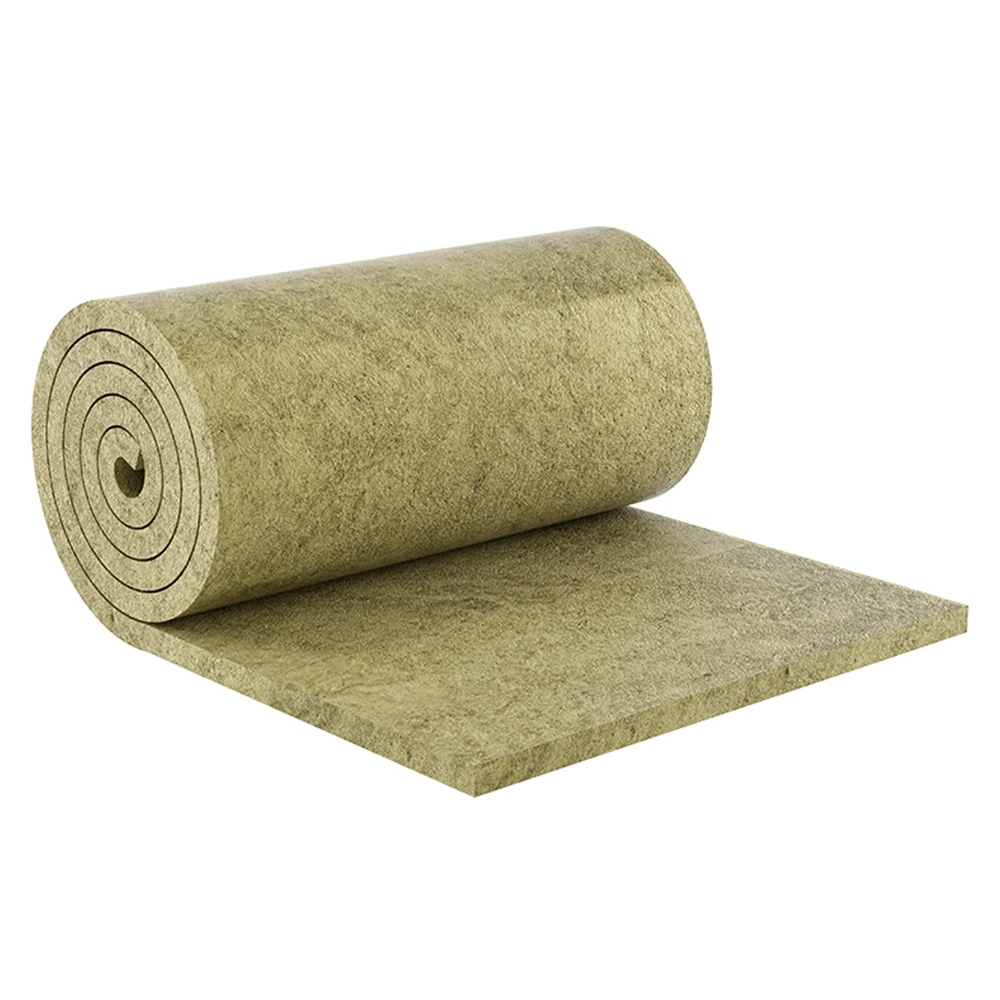
Wholesale Rock Wool Mineral Wool Roll Blanket
Durable rock wool roll with outstanding fire resistance and insulation properties. Ideal for industrial and construction applications.
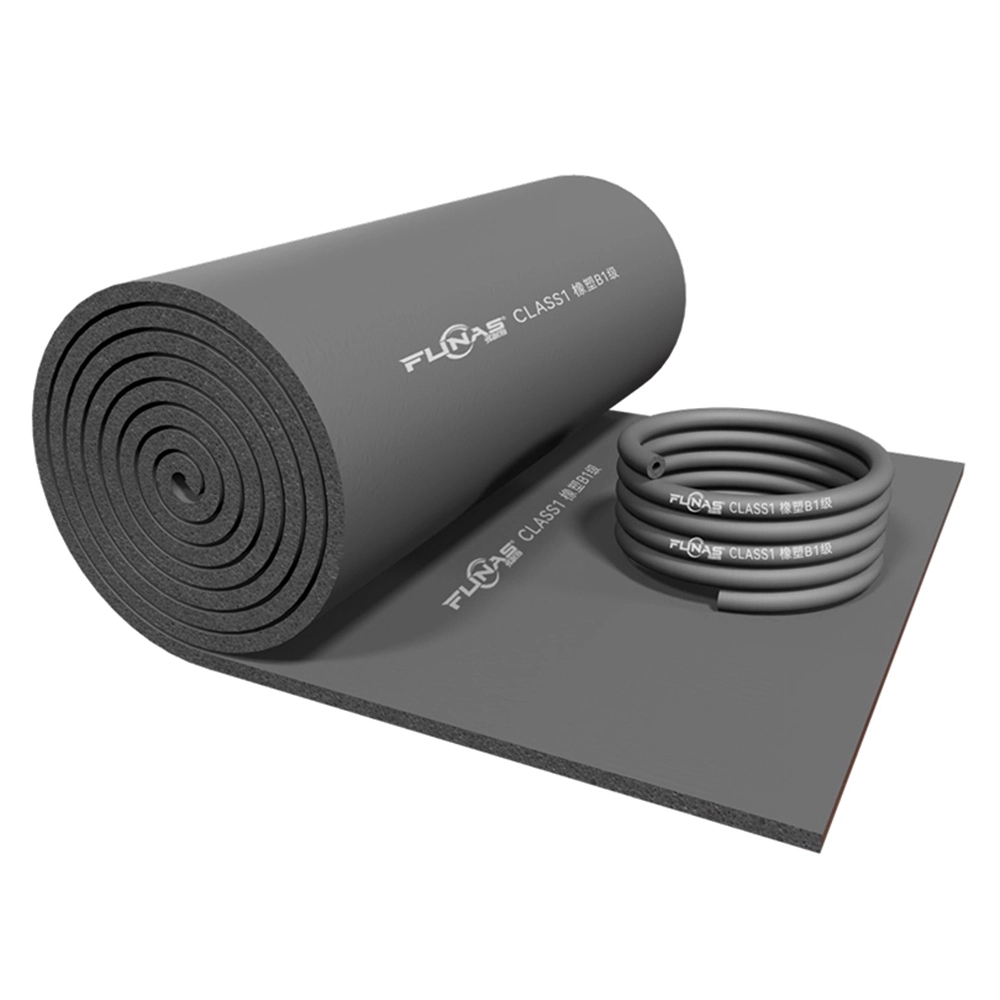
Wholesale black Rubber-plastic Board Rubber foam panel sheet
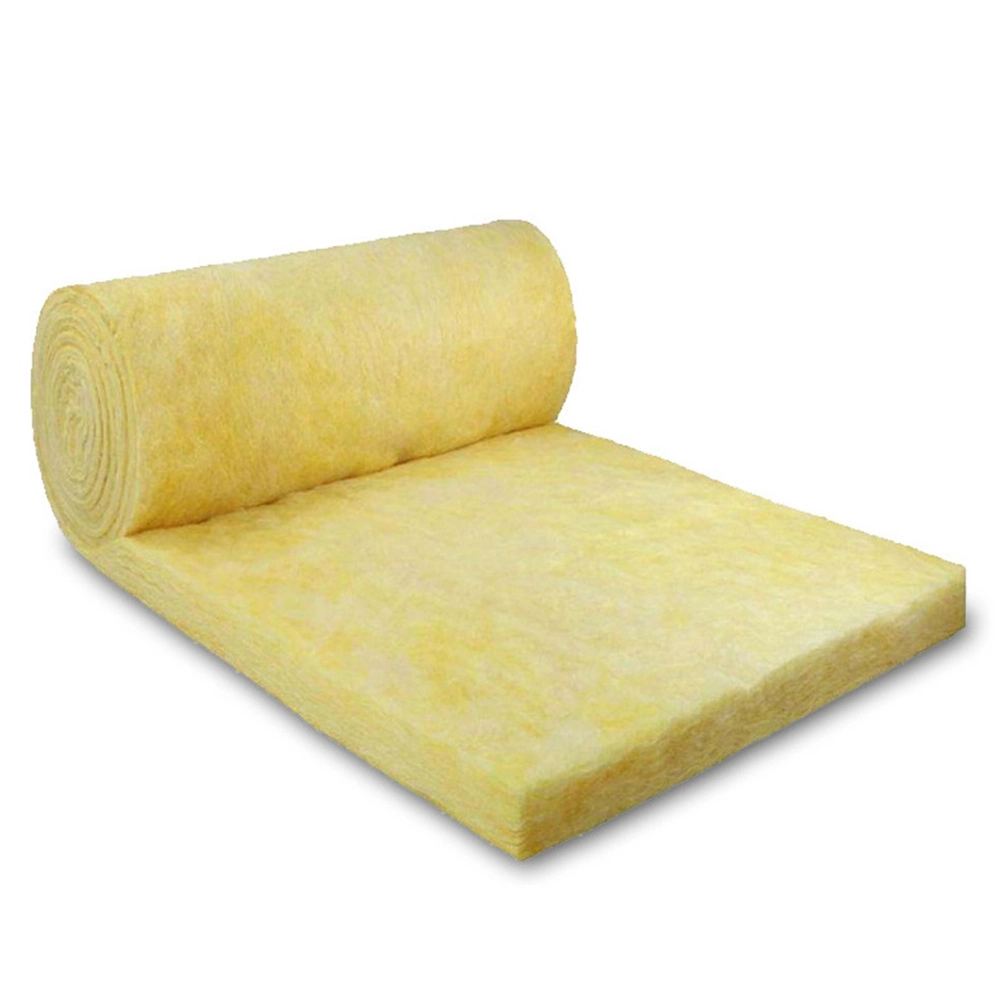
Wholesale Glass Wool Roll Blanket with or without aluminum foil
Convenient glass wool roll for easy installation. Provides effective insulation and noise reduction.
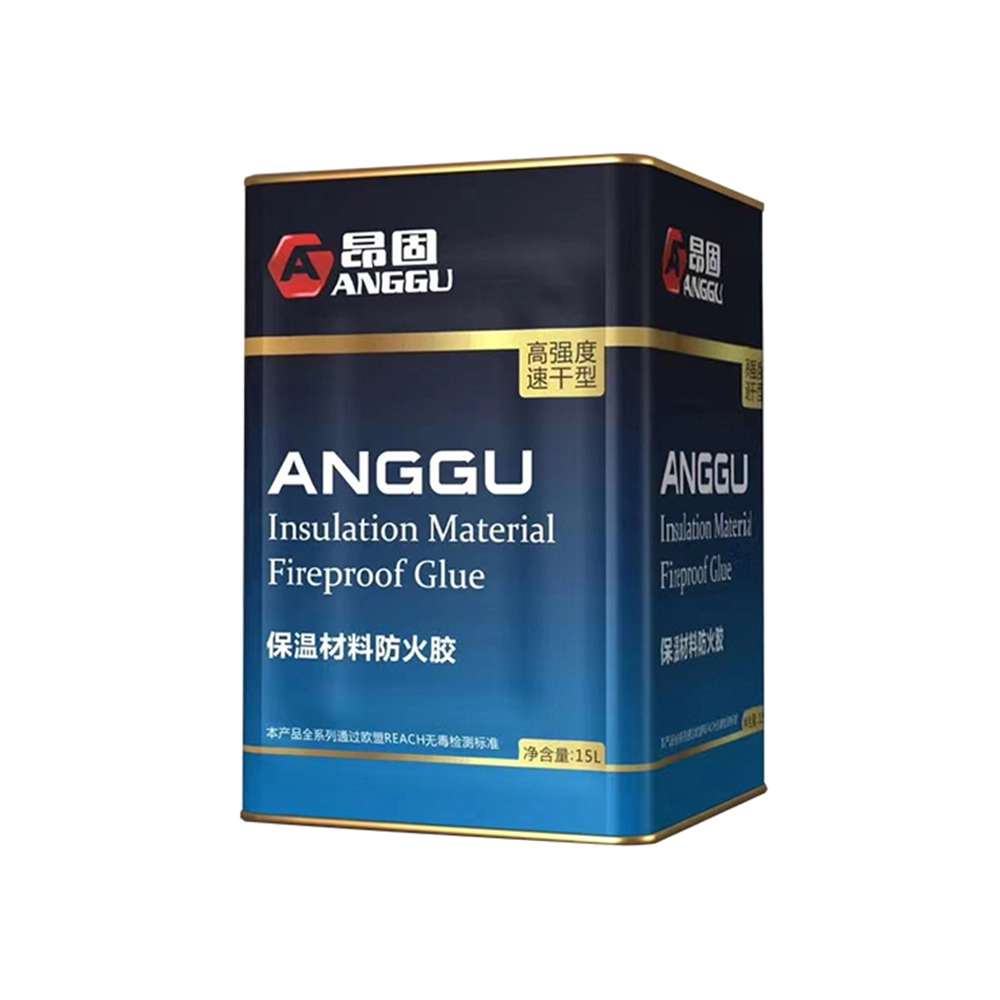
China Manufacturer ANGGU Rubber Foam Dedicated Adhesives & Sealants & Glue
Our high-performance adhesives ensure durability and excellent adhesion, guaranteeing optimal results for all your industrial needs. Specially formulated for precision and strength, Funas adhesives offer seamless application and long-lasting reliability. Trust in quality and innovation with our dedicated rubber foam adhesives. Perfect your projects with Funas, where excellence meets commitment.
Leave a message
Have any questions or concerns about our products? Please leave us a message here and our team will get back to you promptly.
Your queries, ideas, and collaboration opportunities are just a click away. Let’s start a conversation.
