


















































Why choose rubber foam over fiberglass insulation?
Explore the key differences between rubber foam and fiberglass insulation, including thermal performance, moisture resistance, cost, and installation considerations, to make informed decisions in thermal insulation procurement.
- Understanding Thermal Insulation Materials: Rubber Foam vs. Fiberglass
- 1. What Are the Thermal Performance Differences Between Rubber Foam and Fiberglass Insulation?
- 2. How Do Rubber Foam and Fiberglass Insulation Compare in Moisture Resistance?
- 3. What Are the Cost Implications of Choosing Rubber Foam Over Fiberglass Insulation?
- 4. Which Material Offers Better Air Sealing Properties?
- 5. What Are the Installation Considerations for Rubber Foam and Fiberglass Insulation?
- 6. How Do Rubber Foam and Fiberglass Insulation Perform in Terms of Durability?
- 7. Which Material Is More Environmentally Friendly?
- 8. How Do Rubber Foam and Fiberglass Insulation Compare in Terms of Noise Reduction?
- Conclusion: Why Choose FUNAS for Your Insulation Needs?
Understanding Thermal Insulation Materials: Rubber Foam vs. Fiberglass
When selecting thermal insulation materials, it's crucial to understand the differences between rubber foam and fiberglass insulation. This guide addresses common questions to assist in making an informed procurement decision.
1. What Are the Thermal Performance Differences Between Rubber Foam and Fiberglass Insulation?
Thermal performance is measured by the R-value, indicating the material's resistance to heat flow. Higher R-values signify better insulation.
Fiberglass Insulation: Typically offers an R-value between 2.9 to 3.8 per inch of thickness.
Rubber Foam Insulation: Closed-cell elastomeric foam provides an R-value range of 6 to 7 per inch, offering superior thermal resistance.
2. How Do Rubber Foam and Fiberglass Insulation Compare in Moisture Resistance?
Moisture resistance is vital to prevent mold growth and maintain insulation effectiveness.
Fiberglass Insulation: While it has some resistance to moisture, fiberglass can absorb water over time, leading to reduced performance and potential mold issues.
Rubber Foam Insulation: Closed-cell rubber foam is inherently moisture-resistant, with a water vapor permeability of less than 0.1 perm-inch, effectively preventing moisture infiltration. ((https://www.funasinsulations.com/rubber-vs-foam-pipe-insulation-which-is-better.html))
3. What Are the Cost Implications of Choosing Rubber Foam Over Fiberglass Insulation?
Cost considerations include both material and installation expenses.
Fiberglass Insulation: Generally less expensive, with prices ranging from $0.50 to $1.50 per linear foot, depending on thickness and type. ((https://www.funasinsulations.com/rubber-vs-foam-pipe-insulation-which-is-better.html))
Rubber Foam Insulation: Costs between $1.00 and $2.50 per linear foot. Despite the higher initial cost, its durability and reduced maintenance needs often make it more cost-effective over time. ((https://www.funasinsulations.com/rubber-vs-foam-pipe-insulation-which-is-better.html))
4. Which Material Offers Better Air Sealing Properties?
Effective air sealing is essential for energy efficiency.
Fiberglass Insulation: May be less effective at sealing air leaks compared to other materials, potentially leading to energy loss due to air movement.
Rubber Foam Insulation: Provides superior air sealing capabilities, enhancing energy efficiency by minimizing air leakage. ((https://www.funasinsulations.com/rubber-vs-foam-pipe-insulation-which-is-better.html))
5. What Are the Installation Considerations for Rubber Foam and Fiberglass Insulation?
Installation ease affects labor costs and project timelines.
Fiberglass Insulation: Lightweight and often comes in pre-slit forms, making it easier and quicker to install, especially for DIY or small-scale projects. ((https://www.funasinsulations.com/rubber-vs-foam-pipe-insulation-which-is-better.html))
Rubber Foam Insulation: While slightly heavier and less flexible, it offers better adhesion and a more secure fit in complex systems, often requiring professional installation. ((https://www.funasinsulations.com/rubber-vs-foam-pipe-insulation-which-is-better.html))
6. How Do Rubber Foam and Fiberglass Insulation Perform in Terms of Durability?
Durability impacts the long-term effectiveness of insulation.
Fiberglass Insulation: Can degrade over time, especially if exposed to moisture, leading to reduced performance and potential health risks due to airborne fibers.
Rubber Foam Insulation: Designed to last for the lifetime of the building, maintaining its thermal and moisture-resistant properties without degradation. ((https://www.funasinsulations.com/rubber-vs-foam-pipe-insulation-which-is-better.html))
7. Which Material Is More Environmentally Friendly?
Environmental impact is a growing concern in material selection.
Fiberglass Insulation: Manufacturing processes have improved, but some products may contain formaldehyde-based binders or other chemicals with potential environmental concerns.
Rubber Foam Insulation: Often made from recycled materials and free from volatile organic compounds (VOCs), making it a more environmentally friendly option.
8. How Do Rubber Foam and Fiberglass Insulation Compare in Terms of Noise Reduction?
Acoustic insulation properties are important for noise control.
Fiberglass Insulation: Provides some level of sound absorption but may not offer the same level of acoustic insulation as specialized materials.
Rubber Foam Insulation: Offers superior soundproofing capabilities, effectively reducing noise transmission. ((https://www.funasinsulations.com/rubber-vs-foam-pipe-insulation-which-is-better.html))
Conclusion: Why Choose FUNAS for Your Insulation Needs?
When selecting thermal insulation materials, consider factors such as thermal performance, moisture resistance, cost, installation requirements, durability, environmental impact, and noise reduction capabilities. FUNAS offers high-quality rubber foam insulation solutions tailored to meet diverse industry demands, ensuring superior performance and energy efficiency. Our products are backed by rigorous testing and compliance with industry standards, providing reliable materials and expert support to help you make the best procurement decisions.

Does sound insulation foam Actually Work in 2026? Ultimate guide About Blocking vs. Absorbing Noise
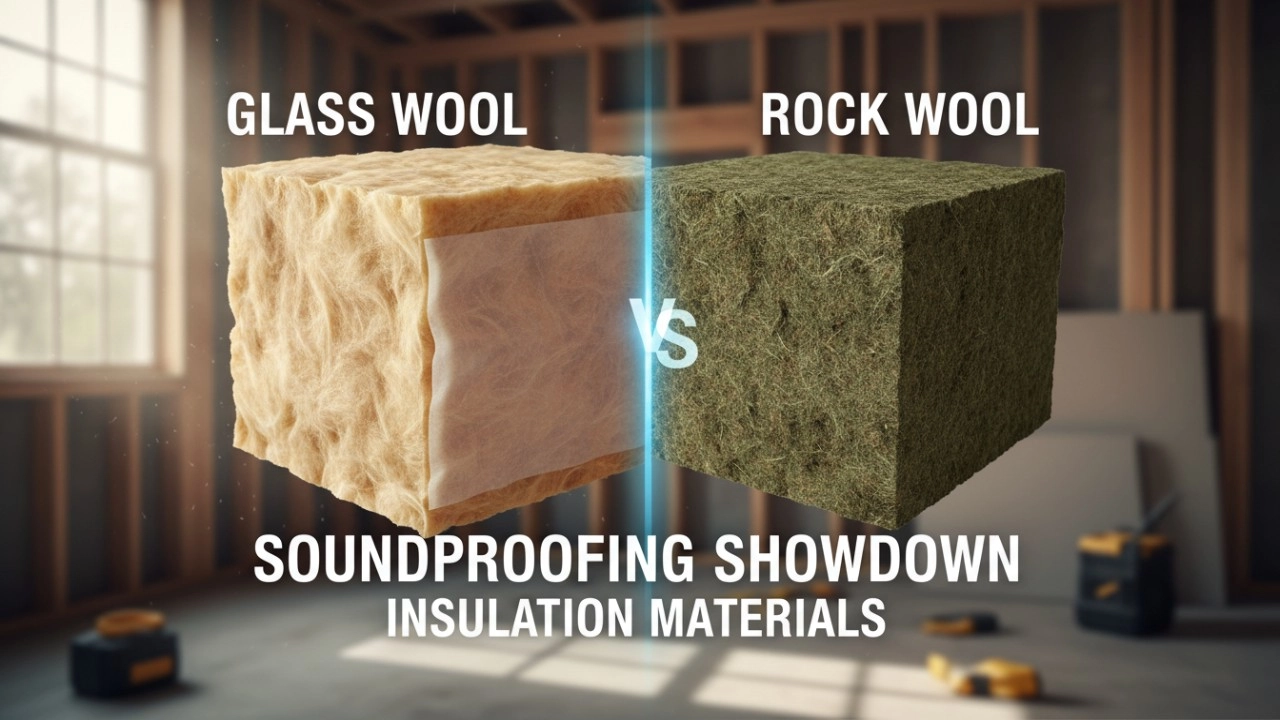
Fiberglass vs. Rockwool: Which Soundproofing Insulation Material Wins for Acoustic Control?
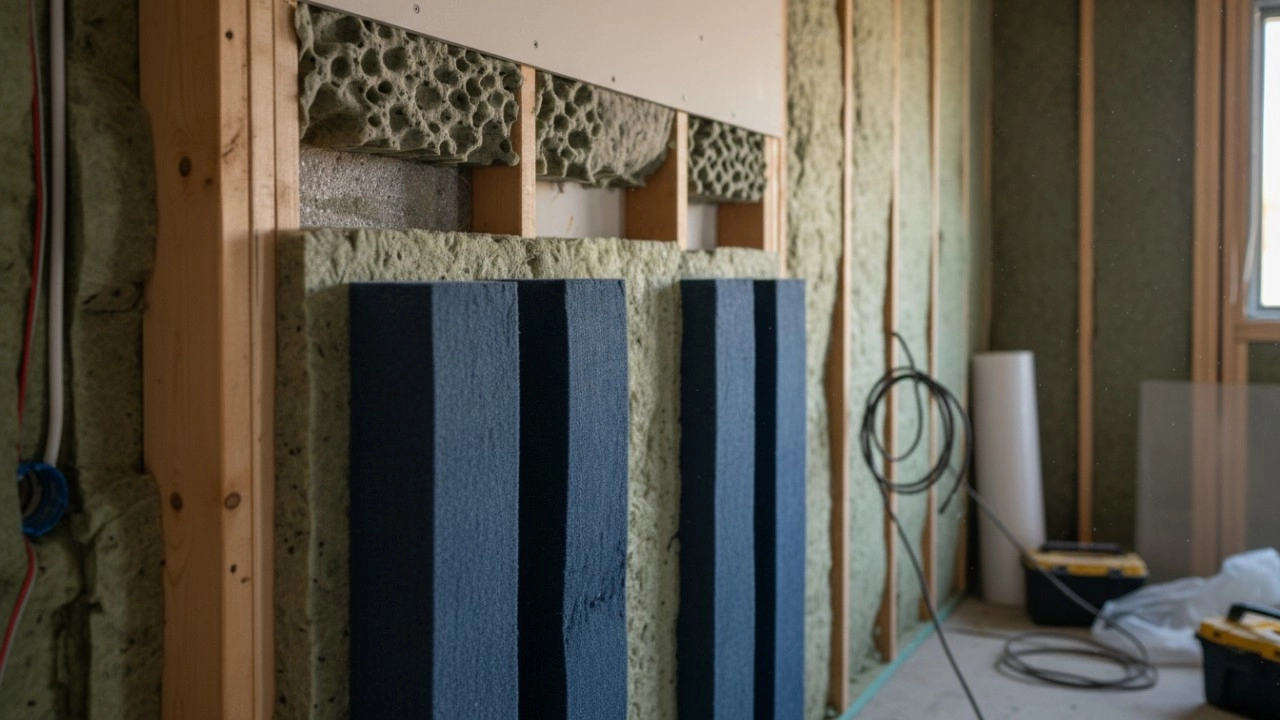
Sound Insulation Foam vs. Acoustic Panels: Which One Actually Stops Noise? (2026 Guide)
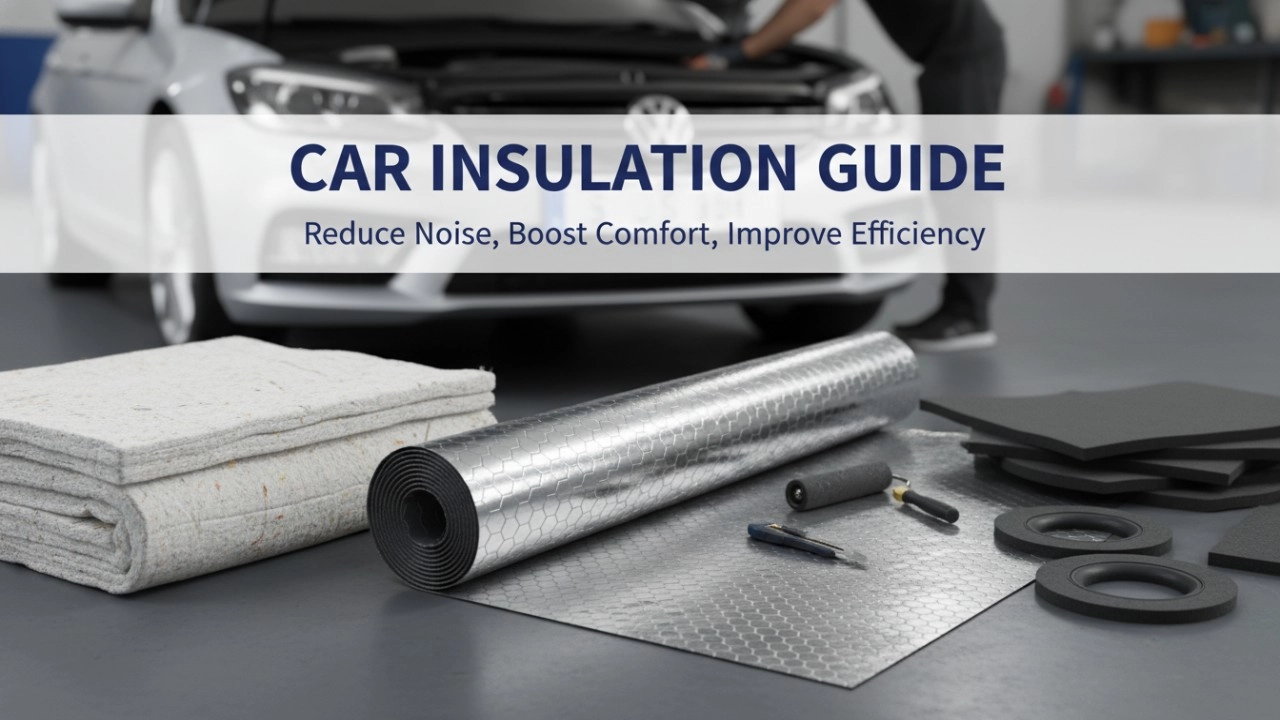
7 Dangerous Mistakes to Avoid When Selecting insulating materials for Your Car (2026 Guide)
service
What types of rubber foam insulation products do you offer?
We offer a wide range of rubber foam insulation products, including custom shapes and sizes, thermal and acoustic insulation solutions, and options with specialized coatings such as flame retardancy and water resistance. Our products are suitable for applications in HVAC, automotive, construction, and more.
What is your shipping and delivery process like?
We offer reliable logistics services for insulation material wholesale, both domestically and internationally. Our team ensures secure packaging, timely shipping, and real-time tracking so that your order reaches you in perfect condition and on schedule.
Are your rubber foam products environmentally friendly?
Yes, our insulation products are designed with sustainability in mind. They help reduce energy consumption by minimizing heat loss and gain, and they are made from durable materials that have a long life cycle, reducing the need for frequent replacement.
FAQ
How do I choose the right insulation for my project?
Our team can help you choose the best material for heat insulation based on your specific needs, such as thermal resistance, acoustic properties, and environmental conditions.
You might also like
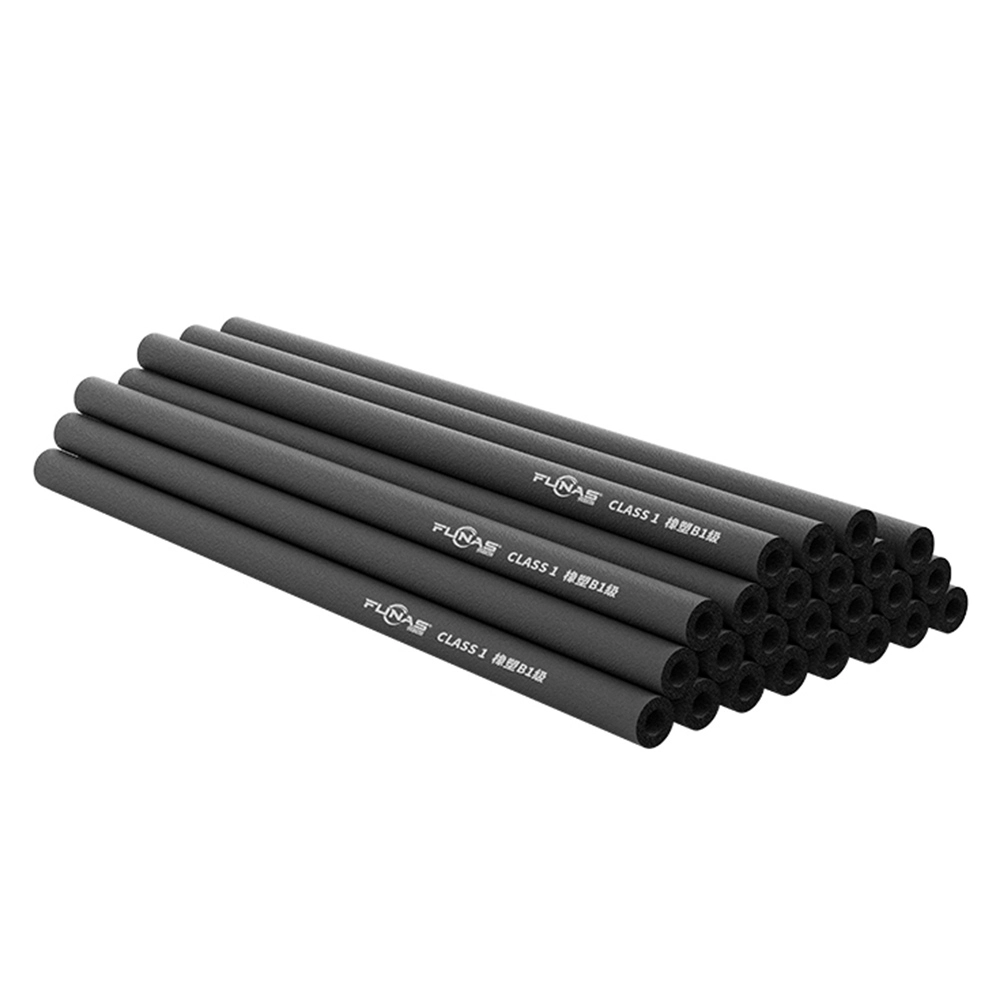
Black Rubber-plastic Tube Rubber foam pipe wholesale
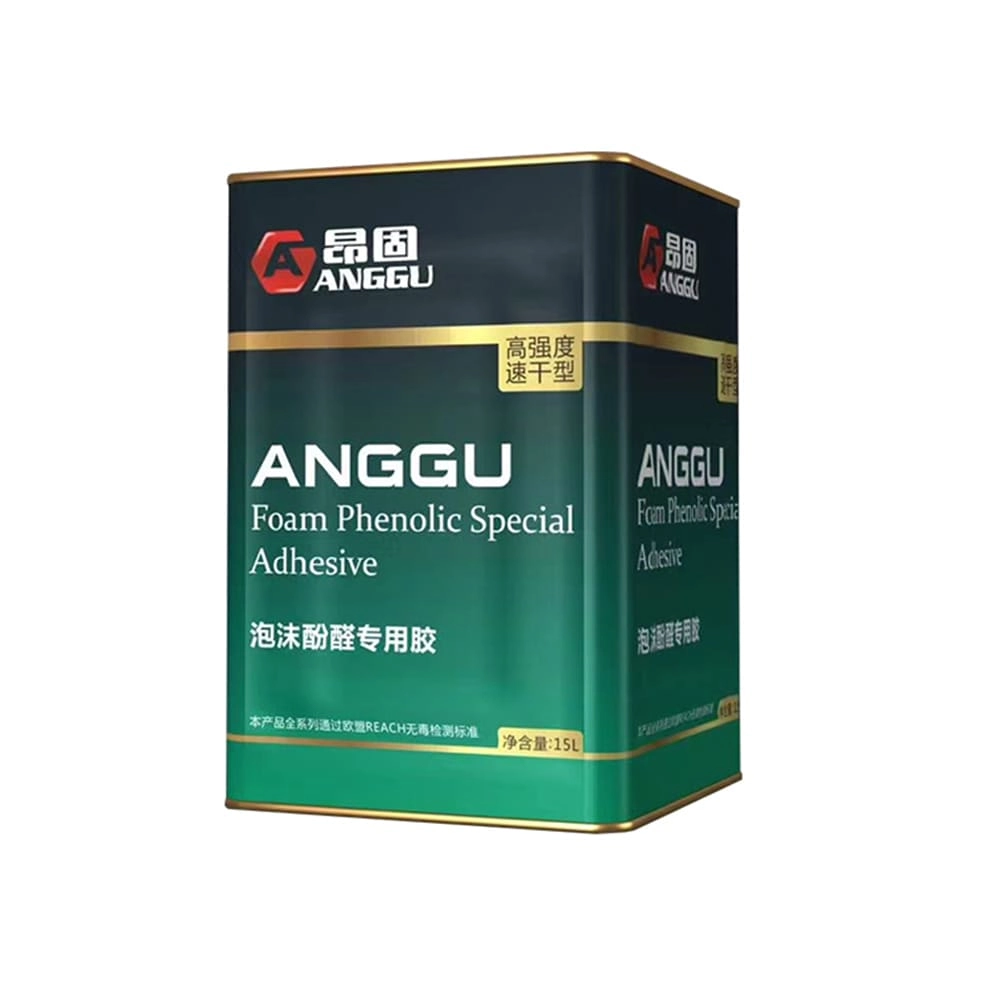
Foam Phenolic Adhesive
This product has passed the national GB33372-2020 standard and GB18583-2008 standard. (The product is a yellow liquid.)
Anggu foam phenolic glue is a kind of glue with corrosion resistance, low odor, high strength and excellent brushing property. Can be sprayed for construction with fast surface drying speed, long bonding time, no chalking and convenient operation.
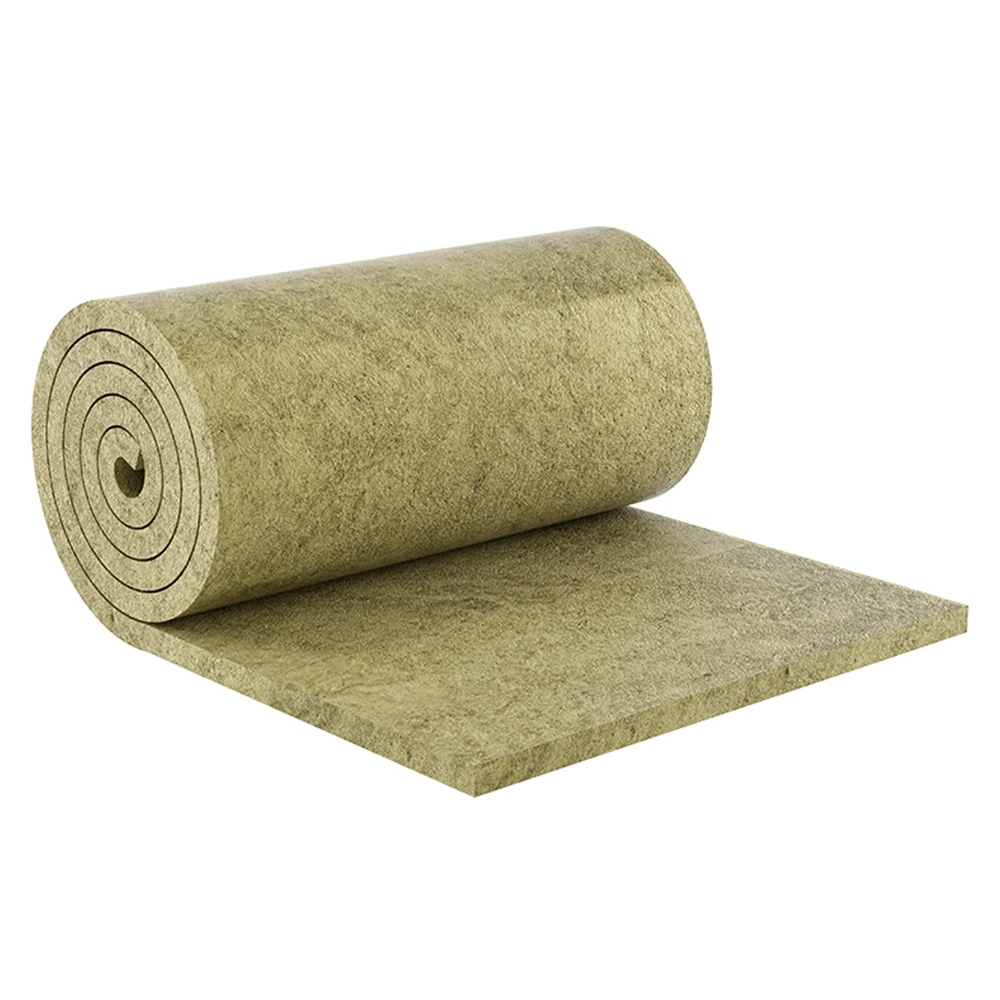
Wholesale Rock Wool Mineral Wool Roll Blanket
Durable rock wool roll with outstanding fire resistance and insulation properties. Ideal for industrial and construction applications.
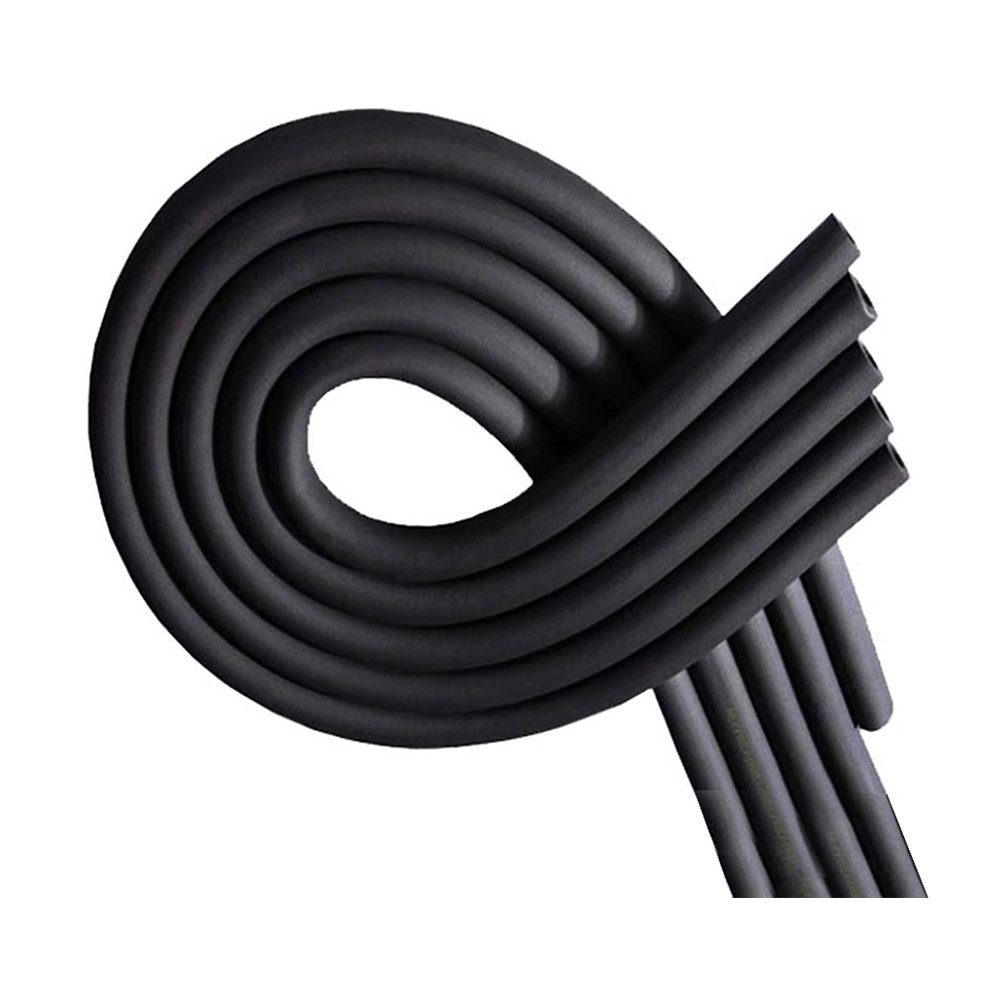
Wholesale Black nitrile rubber foam pipe rubber NBR foam tube rubber foam insulation tube for hvac system
Leave a message
Have any questions or concerns about our products? Please leave us a message here and our team will get back to you promptly.
Your queries, ideas, and collaboration opportunities are just a click away. Let’s start a conversation.
