


















































What is rubber foam and how does it insulate?
Explore the properties, applications, and benefits of rubber foam insulation to make informed procurement decisions in the thermal insulation industry. Learn about its thermal conductivity, types, and advantages over traditional materials.
- Understanding Rubber Foam Insulation: Properties, Applications, and Benefits
- What Are the Thermal Properties of Rubber Foam Insulation?
- What Are the Different Types of Rubber Foam Insulation Materials?
- What Are the Applications of Rubber Foam Insulation?
- What Are the Advantages of Using Rubber Foam Insulation?
- How Do Rubber Foam Insulation Materials Compare to Other Insulation Options?
- What Are the Considerations When Selecting Rubber Foam Insulation Materials?
- Conclusion
- About FUNAS
- References
Understanding Rubber Foam Insulation: Properties, Applications, and Benefits
Rubber foam insulation is a versatile material widely used in thermal insulation applications due to its excellent thermal resistance, flexibility, and durability. Understanding its properties, types, applications, and advantages is essential for making informed procurement decisions in the thermal insulation industry.
What Are the Thermal Properties of Rubber Foam Insulation?
Rubber foam insulation materials are known for their low thermal conductivity, which makes them effective in reducing heat transfer. For instance, elastomeric foam insulation has a thermal conductivity of approximately 0.035 W/(m·K), while glass wool has a thermal conductivity of about 0.038 W/(m·K). This indicates that rubber insulation materials generally offer better thermal performance compared to glass wool.
What Are the Different Types of Rubber Foam Insulation Materials?
Several types of rubber foam insulation materials are commonly used, including:
Elastomeric Foam Insulation: Known for its closed-cell structure, it provides excellent thermal insulation and is resistant to moisture, mold, and mildew.
EPDM Rubber: Offers superior resistance to heat, ozone, and weathering, making it suitable for outdoor applications.
Silicone Rubber: Maintains flexibility and performance across a wide temperature range, from -100°C to 200°C, ideal for applications requiring high thermal stability.
What Are the Applications of Rubber Foam Insulation?
Rubber foam insulation materials are utilized in various industries, including:
Construction: Used in HVAC systems, refrigeration pipes, and building facades to enhance energy efficiency and indoor comfort.
Automotive: Applied in vehicle air conditioning systems and engine compartments to improve heating and cooling efficiency.
Aerospace: Employed in aircraft components to protect sensitive systems from heat, vibration, and electrical interference.
What Are the Advantages of Using Rubber Foam Insulation?
Rubber foam insulation materials offer several benefits, such as:
Energy Efficiency: Their low thermal conductivity reduces heat loss or gain, leading to energy conservation.
Moisture Resistance: Many rubber insulation materials are resistant to moisture, preventing mold and mildew growth.
Flexibility and Ease of Installation: Rubber insulation is flexible, making it easier to install around pipes and ducts.
Durability: Rubber insulation materials are durable and can withstand harsh environmental conditions.
How Do Rubber Foam Insulation Materials Compare to Other Insulation Options?
When compared to other insulation materials like glass wool, rubber foam insulation materials often provide superior thermal performance and moisture resistance. For example, rubber insulation materials typically have a thermal conductivity of 0.035 W/(m·K), while glass wool has a thermal conductivity of 0.038 W/(m·K). Additionally, rubber insulation materials are more resistant to moisture, which helps prevent mold and mildew growth.
What Are the Considerations When Selecting Rubber Foam Insulation Materials?
When choosing rubber foam insulation materials, consider factors such as:
Thermal Conductivity: Lower thermal conductivity values indicate better insulation performance.
Moisture Resistance: Materials with low water vapor permeability help prevent condensation and mold growth.
Temperature Range: Ensure the material can withstand the operating temperatures of your application.
Fire Resistance: Check the material's fire rating to ensure it meets safety standards.
Conclusion
Rubber foam insulation materials are a reliable choice for thermal insulation due to their excellent thermal properties, moisture resistance, and flexibility. When selecting insulation materials, it's crucial to consider factors such as thermal conductivity, moisture resistance, temperature range, and fire resistance to ensure optimal performance and safety.
About FUNAS
FUNAS is a leading provider of high-quality thermal insulation materials, offering a range of rubber insulation products designed to meet diverse industry needs. With a commitment to innovation and customer satisfaction, FUNAS ensures that its products deliver superior performance, durability, and energy efficiency.
For more information on our products and services, visit our website or contact our customer service team.
References
(https://www.funasinsulations.com/rubber-insulation-properties-applications-advantages.html)
(https://www.kingflexinsulation.com/news/rubber-foam-insulation%3A-benefits-types-and-uses/)
(https://www.pacminerals.com/news/elastomeric-foam-insulation-a-comprehensive-benefits-guide.html)
(https://www.nedc.com/thermal-insulation-silicone-foam-rubber-materials/)
(https://materials.fsri.org/materialdetail/rubber-foam-pipe-insulation)

Does sound insulation foam Actually Work in 2026? Ultimate guide About Blocking vs. Absorbing Noise
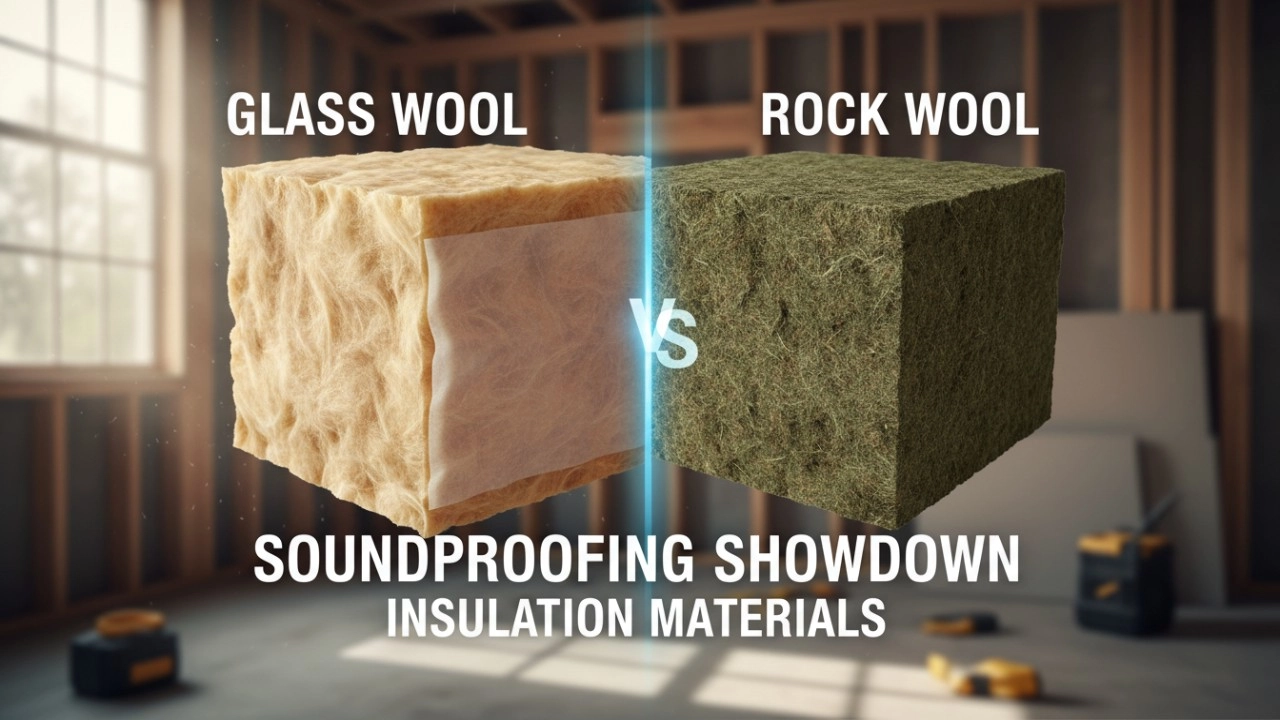
Fiberglass vs. Rockwool: Which Soundproofing Insulation Material Wins for Acoustic Control?
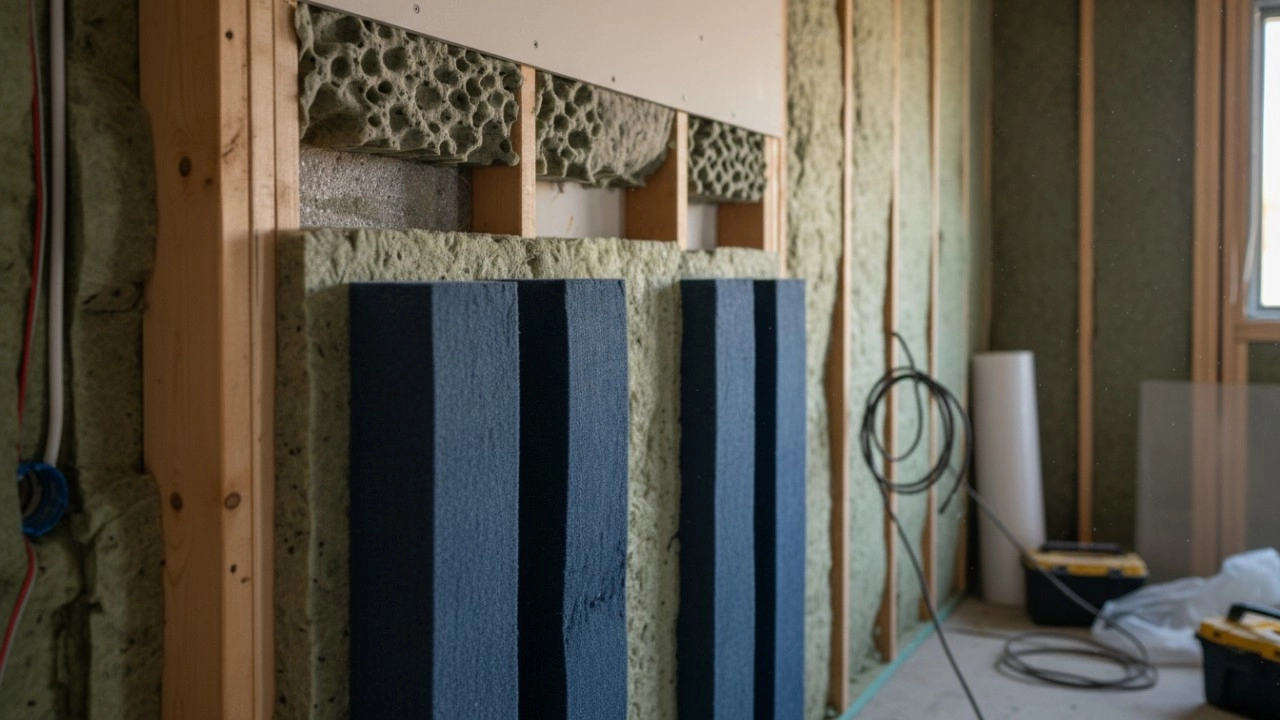
Sound Insulation Foam vs. Acoustic Panels: Which One Actually Stops Noise? (2026 Guide)
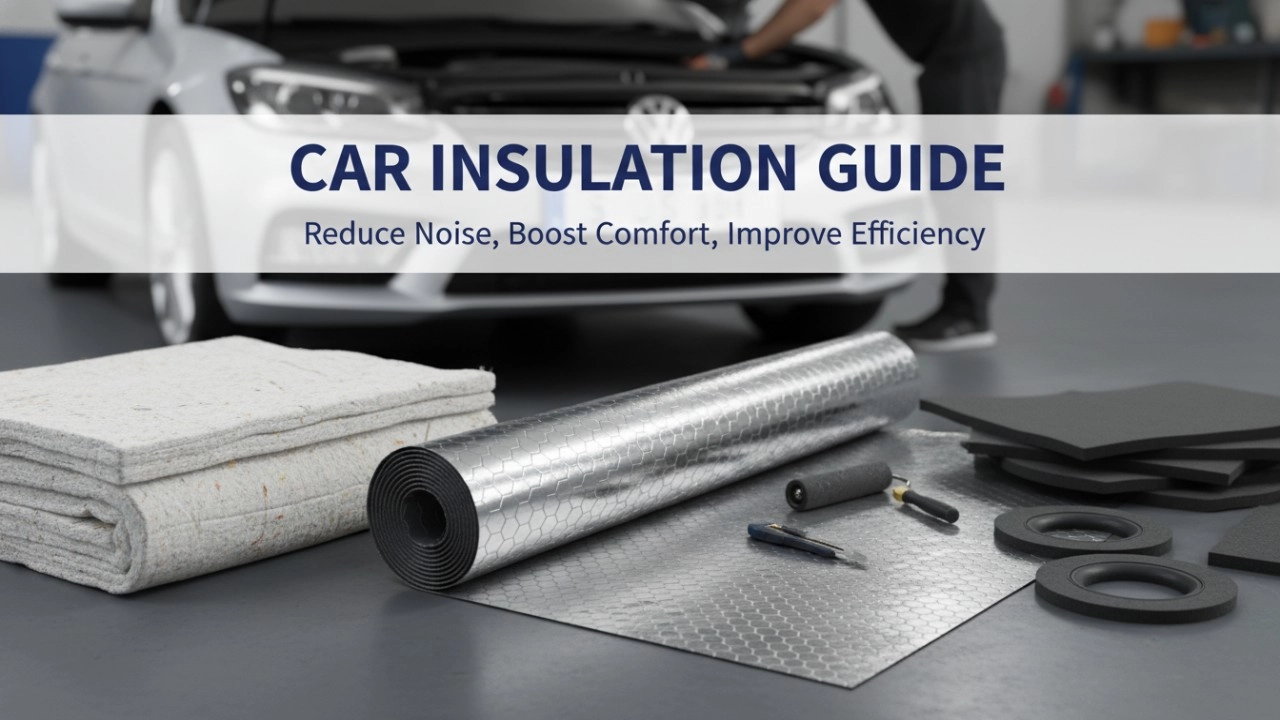
7 Dangerous Mistakes to Avoid When Selecting insulating materials for Your Car (2026 Guide)
service
Can I request custom dimensions or properties for my insulation needs?
Yes, we specialize in custom solutions. Whether you need specific dimensions, thicknesses, densities, or additional coatings, we can work with you to manufacture insulation products tailored to your exact requirements of good materials for heat insulation.
Are your rubber foam products environmentally friendly?
Yes, our insulation products are designed with sustainability in mind. They help reduce energy consumption by minimizing heat loss and gain, and they are made from durable materials that have a long life cycle, reducing the need for frequent replacement.
How does your technical support work?
Our technical support team is available to guide you through every stage of your project—from product selection and design to installation. We provide expert consultation to ensure that you get the best insulation solution for your needs and can assist with troubleshooting if needed.
FAQ
What types of rubber foam insulation do you offer?
We offer a wide range of rubber foam insulation with different thicknesses and specifications. Thermal insulation material manufacturer FUNAS sleeves and sheets are suitable for different application scenarios.
You might also like
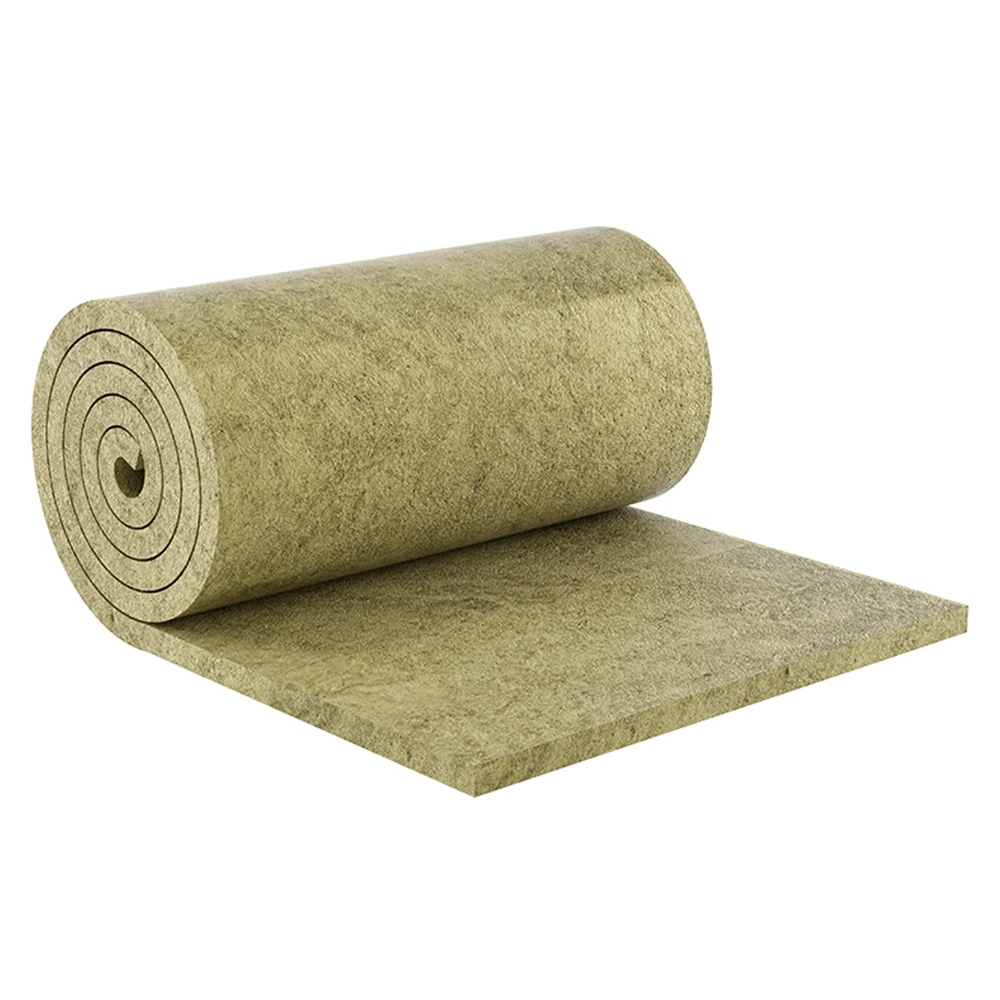
Wholesale Rock Wool Mineral Wool Roll Blanket
Durable rock wool roll with outstanding fire resistance and insulation properties. Ideal for industrial and construction applications.
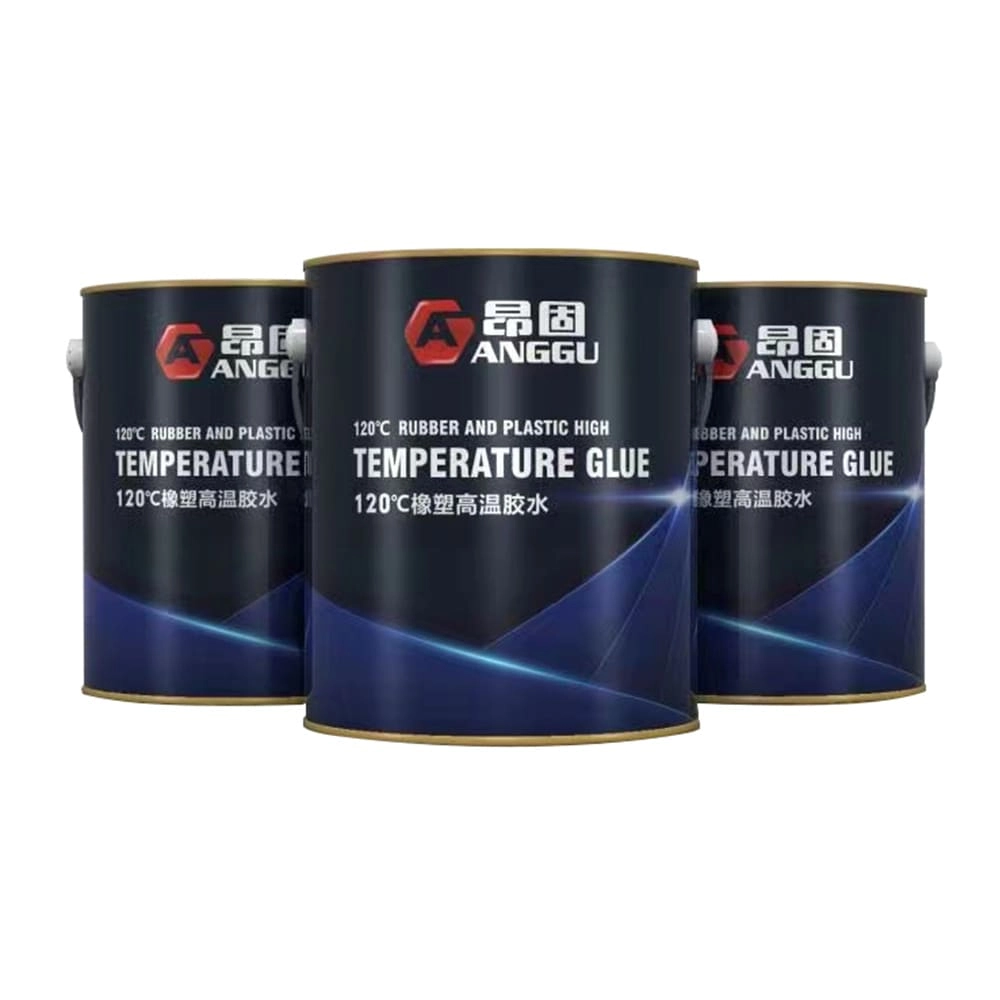
120°Rubber foam high-temperature adhesive
This product has passed the EU REACH non-toxic standard and the ROHS non-toxic standard. (The product is yellow glue.)
Anggu 120 ° rubber-plastic high-temperature glue is an extravagant product, mainly used for various intractable diseases, high temperatures, and harsh and demanding places. This product is a low-odor, high-strength quick-drying glue; table drying speed, long bonding time, no powder, non-toxic, wide range of applications, can be applied to most insulation materials.
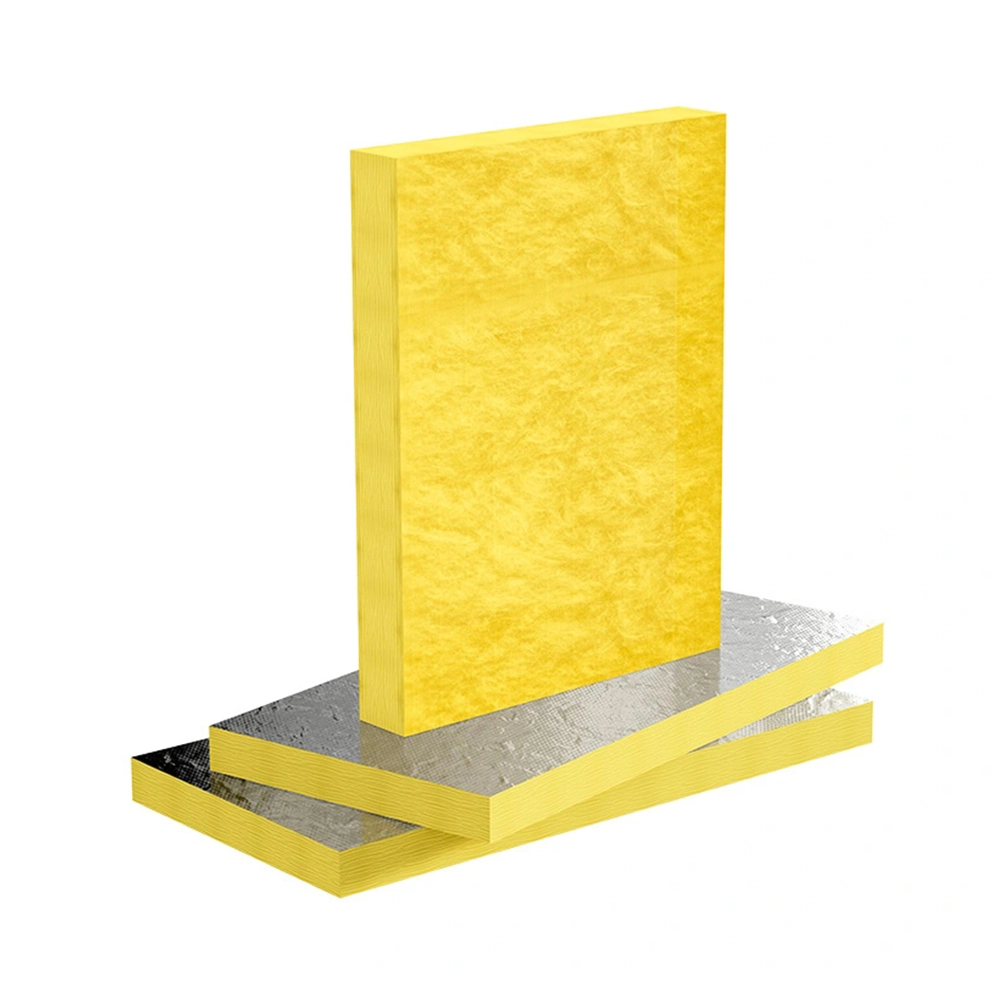
Wholesale Glass Wool Board Panel Sheet with or without aluminum foil
Premium glass wool board with excellent thermal insulation and sound absorption. Suitable for different construction needs.
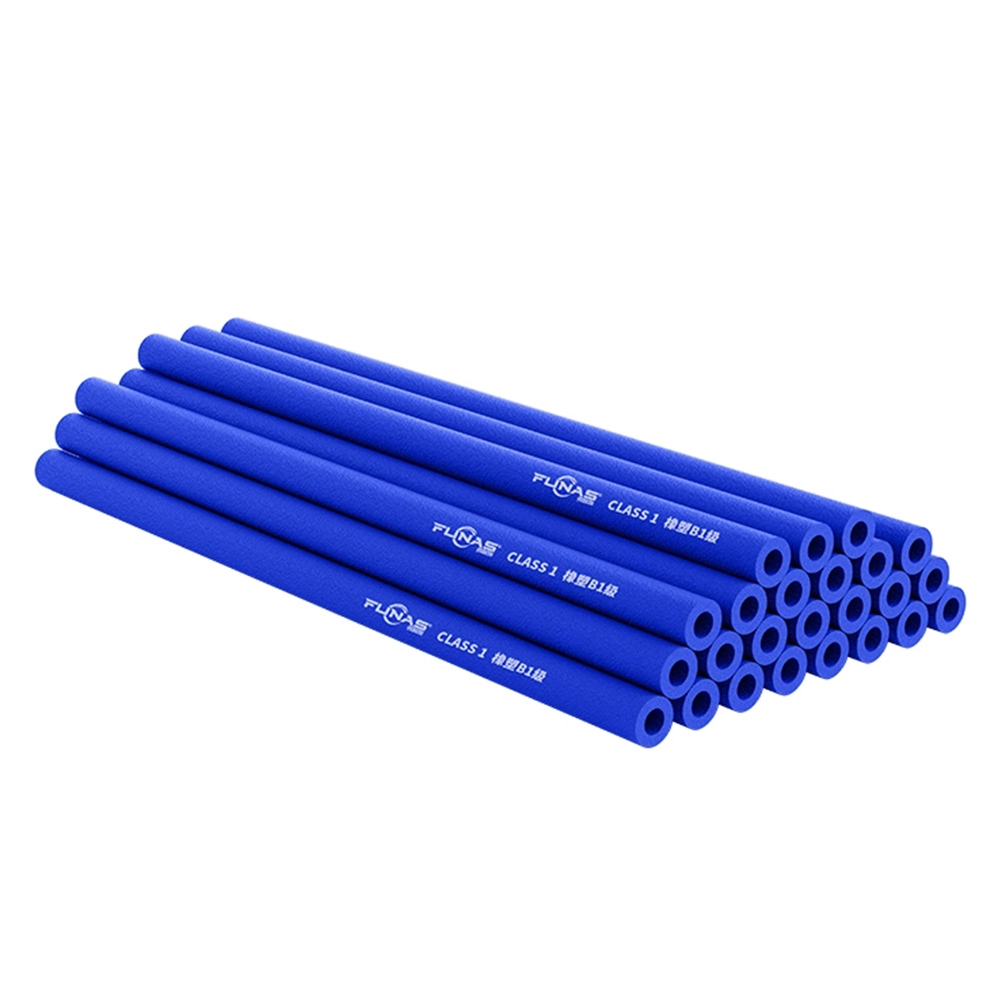
Blue Rubber-plastic Tube Rubber foam pipe wholesale
Leave a message
Have any questions or concerns about our products? Please leave us a message here and our team will get back to you promptly.
Your queries, ideas, and collaboration opportunities are just a click away. Let’s start a conversation.
