


















































How do temperature ranges affect Foam Rubber Sheet use in 2026?
Explore the essential aspects of foam rubber sheets, including their thermal insulation properties, fire resistance, environmental impact, and performance across temperature ranges. This guide provides valuable insights for professionals in the thermal insulation industry to make informed procurement decisions in 2026.
- Understanding Foam Rubber Sheets: Key Considerations for Thermal Insulation in 2026
- 1. What are the thermal insulation properties of foam rubber sheets?
- 2. How do temperature ranges affect the use of foam rubber sheets in 2026?
- 3. What is the fire resistance of foam rubber sheets?
- 4. What environmental considerations are associated with foam rubber sheets?
- 5. How does the density of foam rubber sheets influence their performance?
- 6. Are closed-cell foam rubber sheets superior in 2026?
- 7. What sustainability gains can be achieved with foam rubber sheets in 2026?
- Conclusion: The Advantages of Foam Rubber Sheets
Understanding Foam Rubber Sheets: Key Considerations for Thermal Insulation in 2026
1. What are the thermal insulation properties of foam rubber sheets?
Foam rubber sheets, particularly those with a closed-cell structure, offer excellent thermal insulation. Their thermal conductivity typically ranges from 0.033 to 0.038 W/m·K, making them effective in minimizing heat transfer. This low thermal conductivity ensures energy efficiency in various applications, from HVAC systems to building insulation.
2. How do temperature ranges affect the use of foam rubber sheets in 2026?
Foam rubber sheets exhibit thermal stability over a wide temperature range, maintaining their insulation properties from -40°C to +105°C. This stability ensures consistent performance in environments with fluctuating temperatures, such as industrial settings and outdoor applications.
3. What is the fire resistance of foam rubber sheets?
Fire resistance is a critical factor in selecting insulation materials. Rubber foam insulation materials are classified based on their fire performance. In China, the GB 8624 standard classifies building materials' burning behavior into four main categories:
A (Non-combustible)
B1 (Difficult to burn)
B2 (Combustible)
B3 (Flammable)
High-quality rubber foam insulation typically achieves a B1 classification, indicating it is difficult to burn. This classification is determined through tests such as the oxygen index and vertical burning tests. Materials with higher oxygen index values (typically ≥32 for B1 classification) offer better flame resistance. ((https://www.funasinsulations.com/guides/foam-rubber-sheets-thermal-insulation-2026.html))
4. What environmental considerations are associated with foam rubber sheets?
Environmental impact is an important consideration in material selection. The global elastomeric foam insulation market is projected to grow at a CAGR of 6.5% through 2028, driven by stringent energy efficiency regulations and sustainability trends. Manufacturers are focusing on low-GWP (Global Warming Potential) blowing agents and recyclable formulations to meet these demands. ((https://www.funasinsulations.com/guides/foam-rubber-sheets-thermal-insulation-2026.html))
5. How does the density of foam rubber sheets influence their performance?
Density is a critical factor influencing the performance of foam rubber sheets. Industrial-grade insulation materials maintain a compressive strength of ≥20 psi at 10% deflection (ASTM D1621). High-density variants (≥45 kg/m³) withstand up to 45 psi, which is crucial for applications with potential foot traffic or equipment loads. ((https://www.funasinsulations.com/guides/foam-rubber-sheets-thermal-insulation-2026.html))
6. Are closed-cell foam rubber sheets superior in 2026?
Closed-cell foam rubber sheets offer superior insulation properties compared to open-cell variants. Their structure provides enhanced thermal resistance and moisture resistance, making them ideal for applications requiring high performance and durability.
7. What sustainability gains can be achieved with foam rubber sheets in 2026?
The foam rubber insulation industry is focusing on sustainability by adopting low-GWP blowing agents and recyclable formulations. These efforts align with global trends towards energy efficiency and environmental responsibility, offering sustainable insulation solutions for various applications. ((https://www.funasinsulations.com/guides/foam-rubber-sheets-thermal-insulation-2026.html))
Conclusion: The Advantages of Foam Rubber Sheets
Foam rubber sheets offer a combination of thermal efficiency, moisture resistance, mechanical strength, fire safety, and environmental sustainability, making them a preferred choice for thermal insulation in 2026. When selecting foam rubber sheets, consider factors such as thermal conductivity, moisture resistance, mechanical properties, fire resistance, environmental impact, and density to ensure optimal performance for your specific application.
For high-quality foam rubber sheets that meet these criteria, consider products from reputable manufacturers like FUNAS, known for their commitment to excellence in thermal insulation solutions.
By understanding these key aspects, you can make informed decisions that enhance the efficiency and safety of your thermal insulation projects.
*Data sources:
Thermal insulation properties of foam rubber sheets:
Fire resistance classification of rubber foam insulation: ((https://www.funasinsulations.com/guides/foam-rubber-sheets-thermal-insulation-2026.html))
Environmental considerations in foam rubber insulation: ((https://www.funasinsulations.com/guides/foam-rubber-sheets-thermal-insulation-2026.html))
Density and compressive strength of foam rubber sheets: ((https://www.funasinsulations.com/guides/foam-rubber-sheets-thermal-insulation-2026.html))
Closed-cell foam rubber sheets advantages:
Sustainability in foam rubber insulation: ((https://www.funasinsulations.com/guides/foam-rubber-sheets-thermal-insulation-2026.html))
Published on December 12, 2025.

Does sound insulation foam Actually Work in 2026? Ultimate guide About Blocking vs. Absorbing Noise
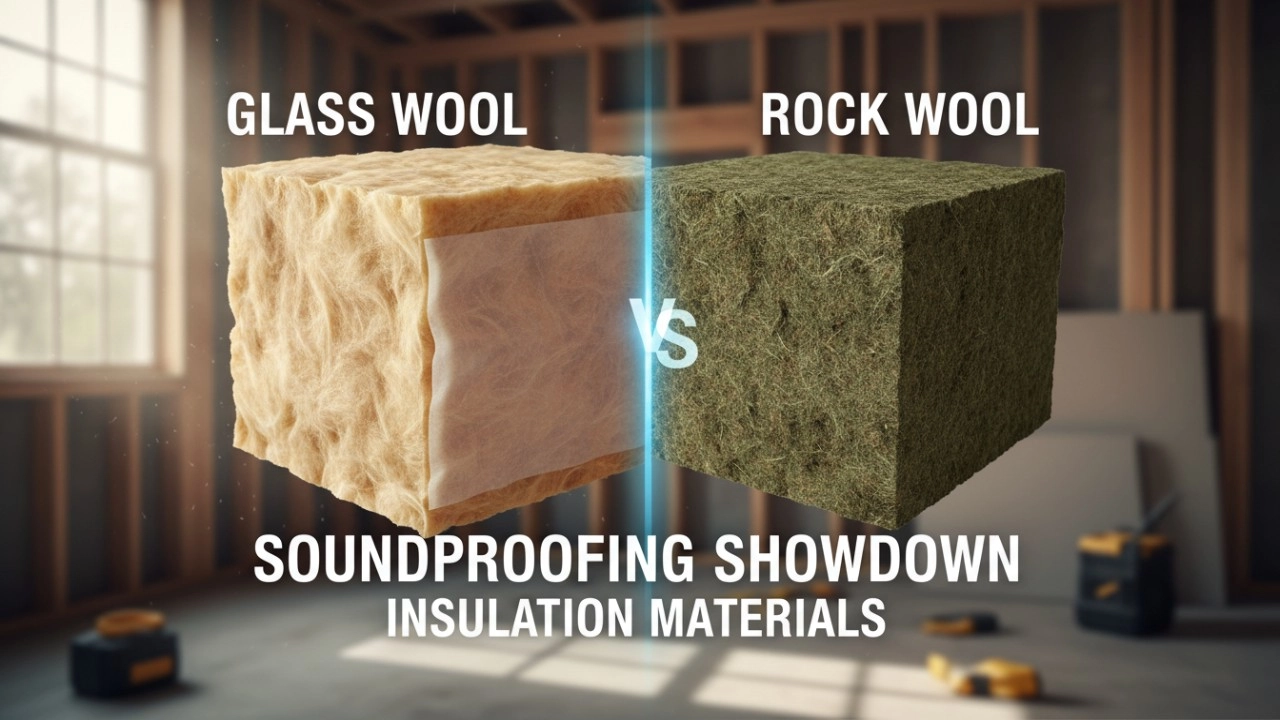
Fiberglass vs. Rockwool: Which Soundproofing Insulation Material Wins for Acoustic Control?
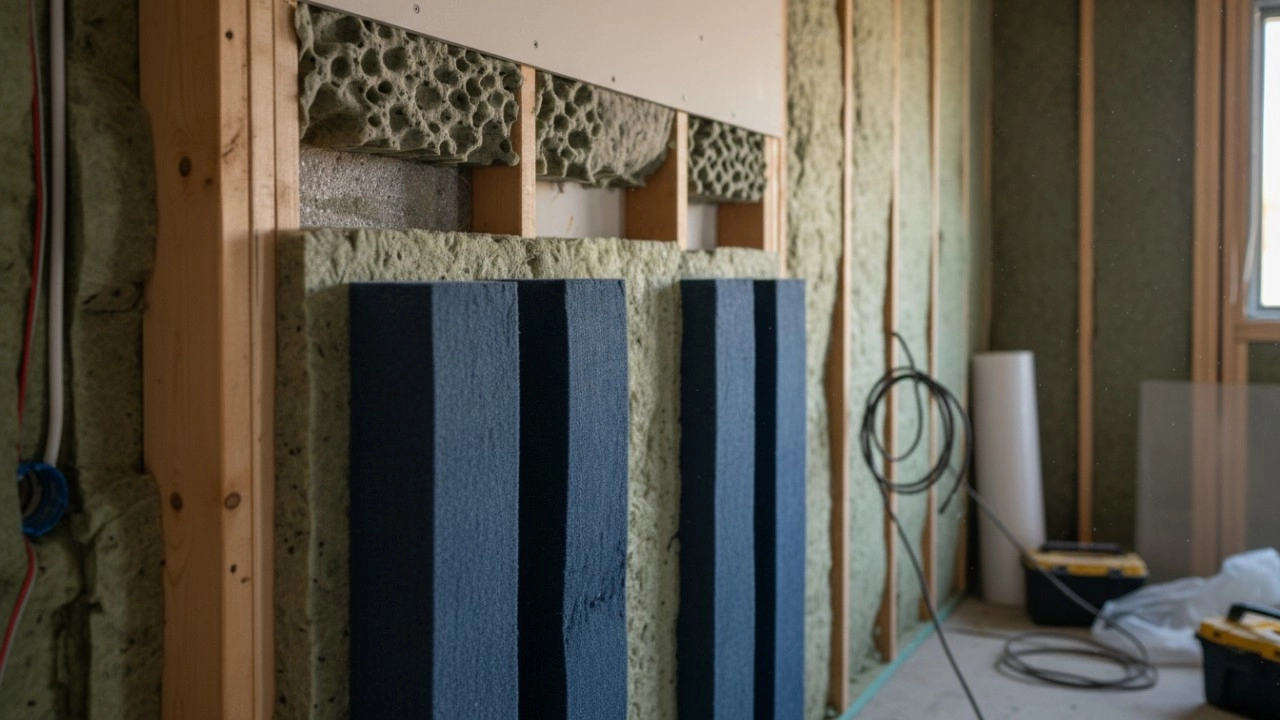
Sound Insulation Foam vs. Acoustic Panels: Which One Actually Stops Noise? (2026 Guide)
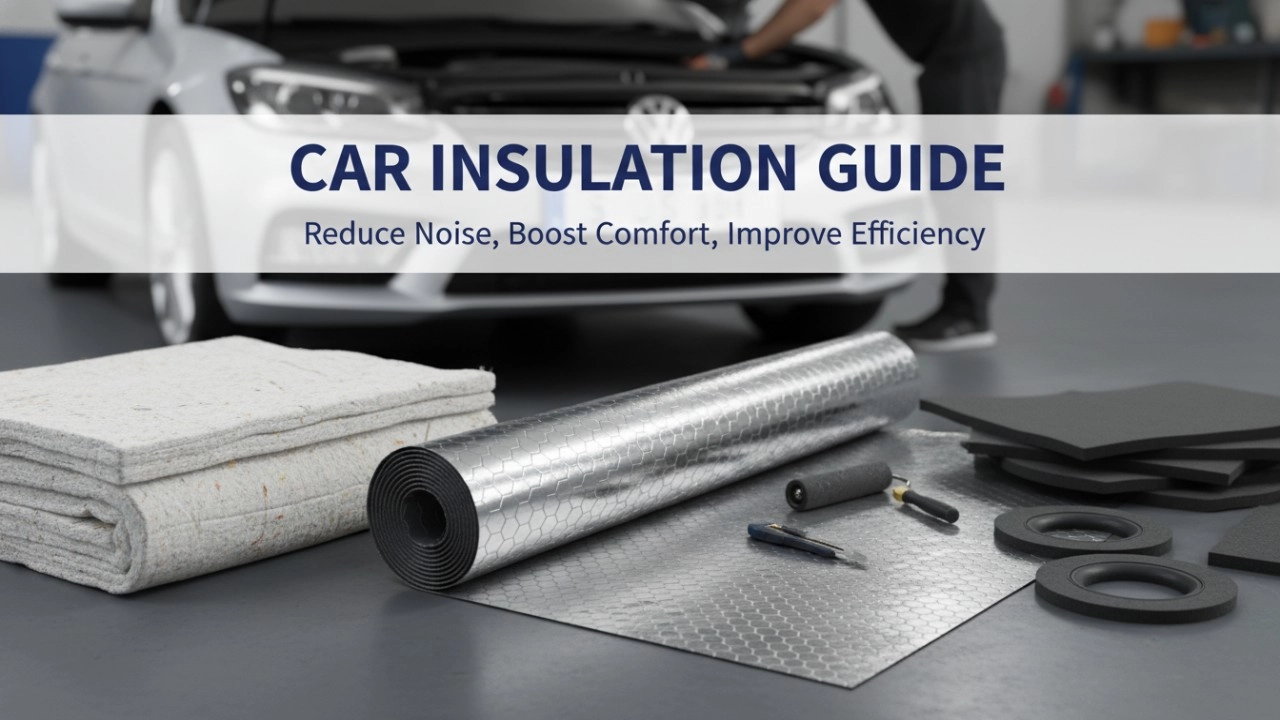
7 Dangerous Mistakes to Avoid When Selecting insulating materials for Your Car (2026 Guide)
FAQ
How do I choose the right insulation for my project?
Our team can help you choose the best material for heat insulation based on your specific needs, such as thermal resistance, acoustic properties, and environmental conditions.
What types of rubber foam insulation do you offer?
We offer a wide range of rubber foam insulation with different thicknesses and specifications. Thermal insulation material manufacturer FUNAS sleeves and sheets are suitable for different application scenarios.
service
What types of rubber foam insulation products do you offer?
We offer a wide range of rubber foam insulation products, including custom shapes and sizes, thermal and acoustic insulation solutions, and options with specialized coatings such as flame retardancy and water resistance. Our products are suitable for applications in HVAC, automotive, construction, and more.
Can I request custom dimensions or properties for my insulation needs?
Yes, we specialize in custom solutions. Whether you need specific dimensions, thicknesses, densities, or additional coatings, we can work with you to manufacture insulation products tailored to your exact requirements of good materials for heat insulation.
You might also like
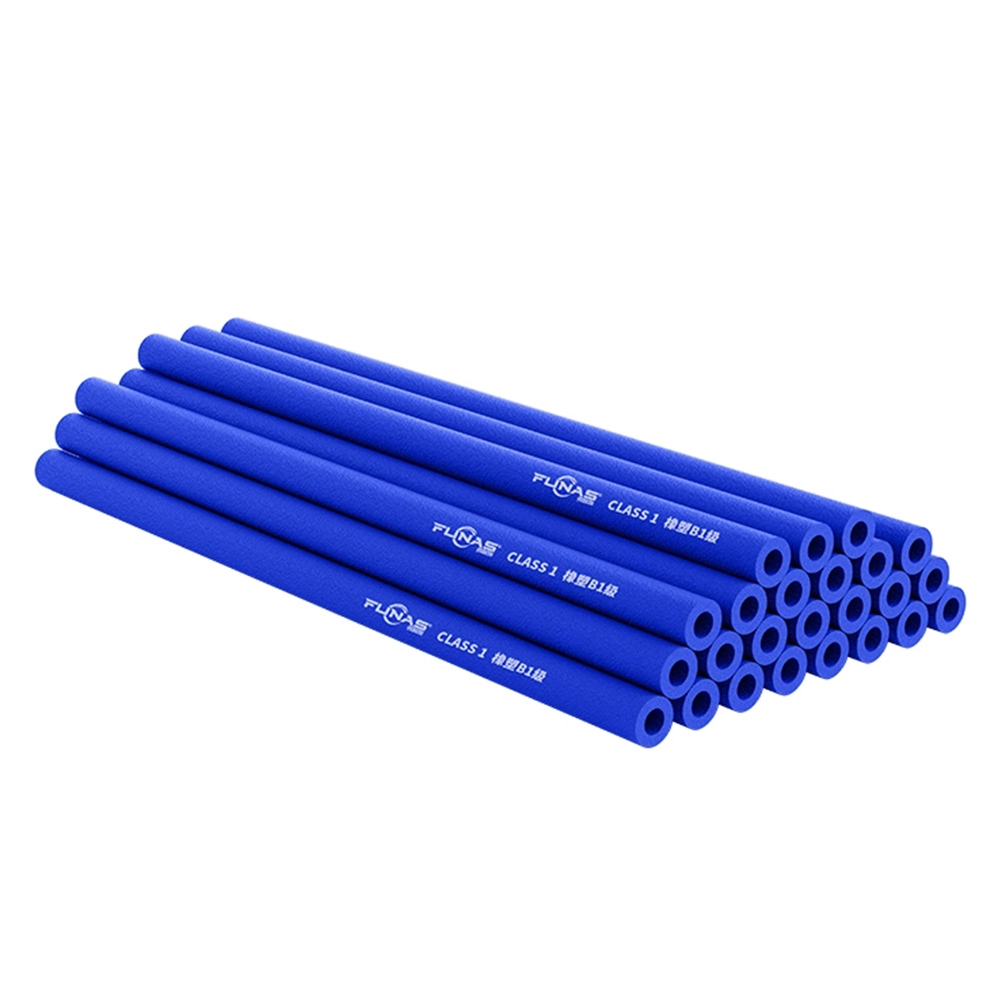
Blue Rubber-plastic Tube Rubber foam pipe wholesale
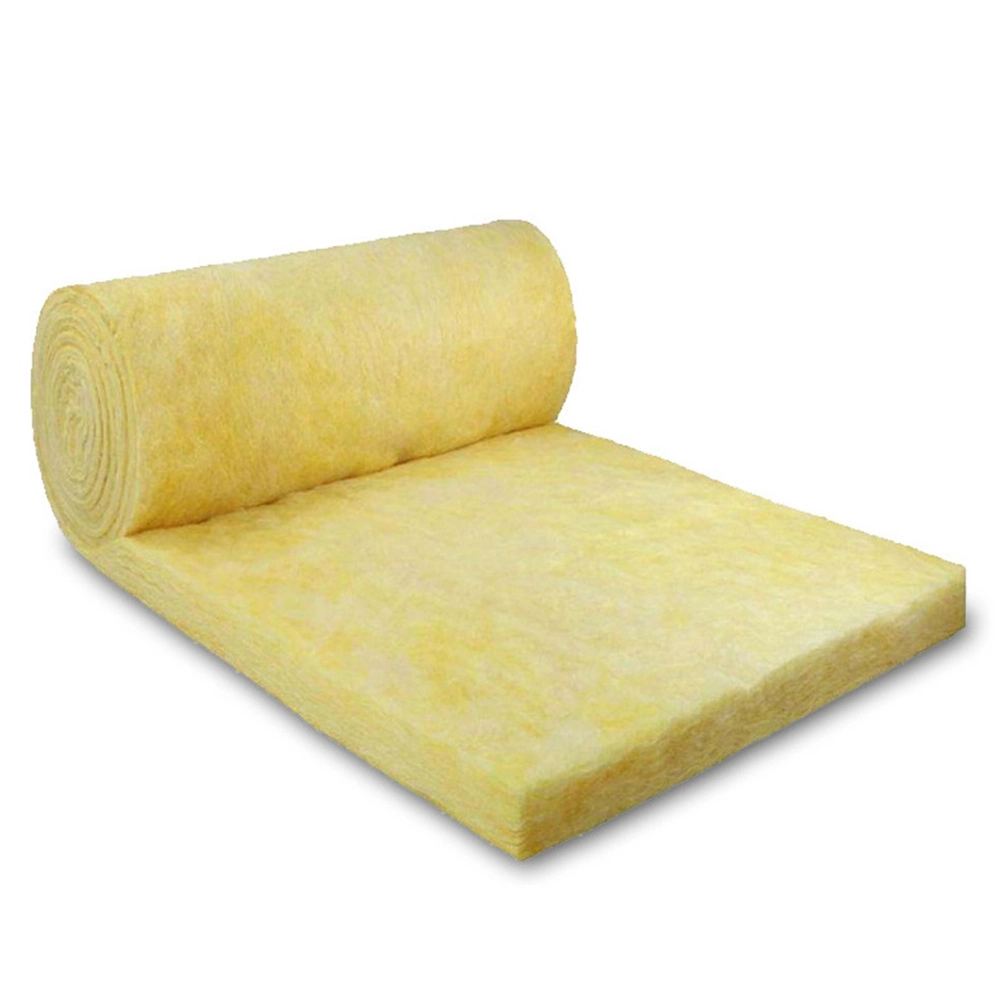
Wholesale Glass Wool Roll Blanket with or without aluminum foil
Convenient glass wool roll for easy installation. Provides effective insulation and noise reduction.
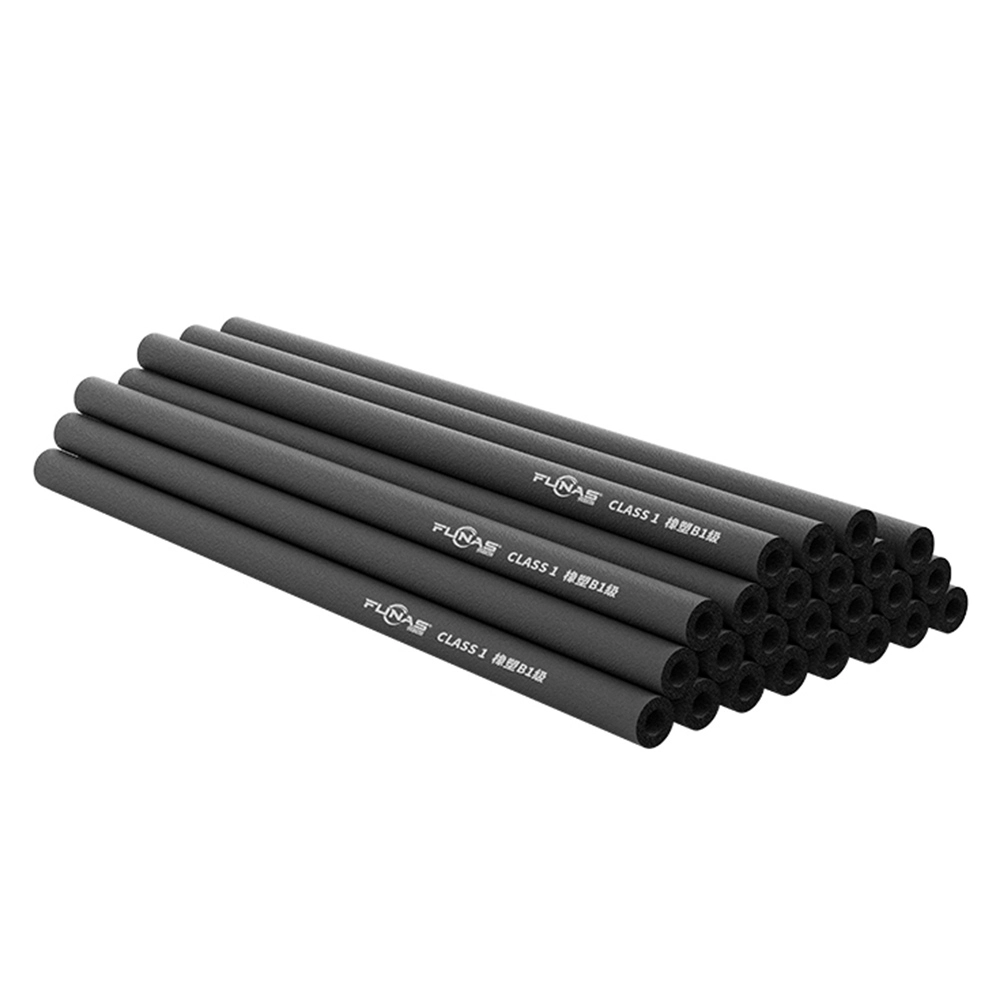
Black Rubber-plastic Tube Rubber foam pipe wholesale
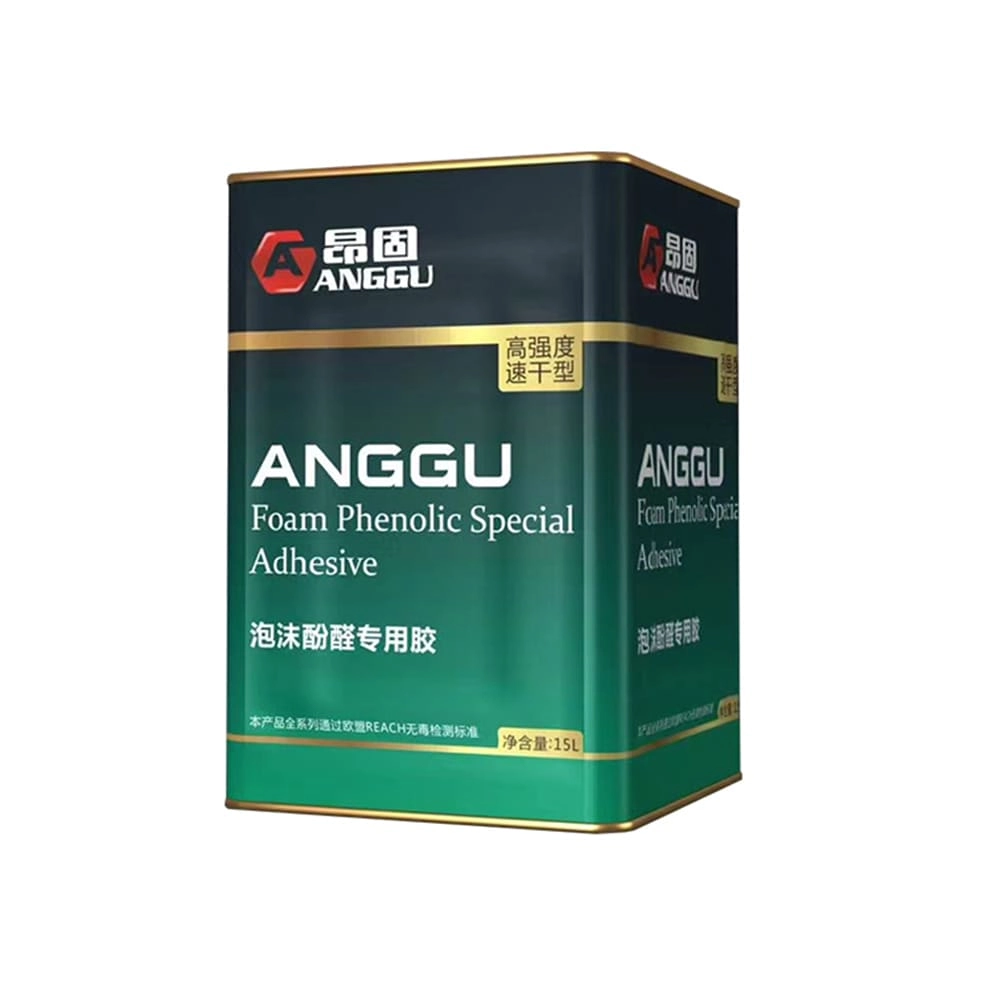
Foam Phenolic Adhesive
This product has passed the national GB33372-2020 standard and GB18583-2008 standard. (The product is a yellow liquid.)
Anggu foam phenolic glue is a kind of glue with corrosion resistance, low odor, high strength and excellent brushing property. Can be sprayed for construction with fast surface drying speed, long bonding time, no chalking and convenient operation.
Leave a message
Have any questions or concerns about our products? Please leave us a message here and our team will get back to you promptly.
Your queries, ideas, and collaboration opportunities are just a click away. Let’s start a conversation.
