


















































What innovations in Foam Rubber Sheet recycling appear in 2026?
Explore the latest advancements in foam rubber sheet recycling, focusing on sustainable practices, technological innovations, and industry trends shaping the thermal insulation materials sector in 2026.
- Innovations in Foam Rubber Sheet Recycling: A 2026 Outlook
- 1. What are the latest advancements in foam rubber sheet recycling?
- 2. How do these innovations impact the thermal insulation materials industry?
- 3. What role does the Foam Recycling Coalition play in promoting these innovations?
- 4. How are manufacturers integrating recycled materials into their products?
- 5. What challenges remain in foam rubber sheet recycling?
- 6. What are the future prospects for foam rubber sheet recycling?
- 7. How can companies overcome the challenges in foam rubber sheet recycling?
- 8. What role does FUNAS play in the foam rubber sheet industry?
Innovations in Foam Rubber Sheet Recycling: A 2026 Outlook
As the demand for sustainable practices intensifies, the thermal insulation materials industry is witnessing significant advancements in foam rubber sheet recycling. This article delves into the key innovations and trends expected to shape the industry in 2026.
1. What are the latest advancements in foam rubber sheet recycling?
In 2026, the foam rubber sheet recycling industry is anticipated to experience several notable advancements:
Chemical Recycling: Innovations in chemical recycling are enabling the breakdown of polyurethane (PU) waste into its original raw materials, allowing them to be reused in new foam production without compromising quality. This process supports resource efficiency, waste reduction, and lower carbon emissions.
Circular Economy Initiatives: Companies are increasingly adopting circular economy principles, focusing on designing products for longevity, ease of disassembly, and recyclability. This approach reduces waste and promotes the reuse of materials, aligning with global sustainability goals.
Advanced Recycling Technologies: The development of advanced recycling technologies, such as depolymerization and pyrolysis, is enhancing the efficiency and effectiveness of recycling processes for foam rubber sheets. These technologies break down complex polymers into their monomers, facilitating the creation of high-quality recycled materials.
2. How do these innovations impact the thermal insulation materials industry?
The advancements in foam rubber sheet recycling are poised to have several positive effects on the thermal insulation materials industry:
Enhanced Sustainability: By incorporating recycled materials into production, companies can reduce their reliance on virgin resources, leading to a smaller environmental footprint. This aligns with the growing consumer and regulatory demand for eco-friendly products.
Cost Efficiency: Utilizing recycled materials can lower production costs, as recycled feedstocks are often less expensive than their virgin counterparts. This economic benefit can make thermal insulation products more competitive in the market.
Improved Product Performance: Innovations in recycling technologies can lead to the development of recycled materials with properties comparable to or exceeding those of virgin materials, ensuring that product performance remains high.
3. What role does the Foam Recycling Coalition play in promoting these innovations?
The Foam Recycling Coalition (FRC) plays a pivotal role in advancing foam recycling initiatives:
Grant Programs: Since 2015, the FRC has awarded grants to public and private entities in the U.S. and Canada to support the expansion of foam recycling programs. These grants fund equipment and infrastructure improvements, facilitating the acceptance and processing of post-consumer foam polystyrene.
Industry Collaboration: The FRC fosters collaboration among stakeholders, including manufacturers, recyclers, and policymakers, to develop and implement effective recycling solutions. This collective effort accelerates the adoption of innovative recycling technologies and practices.
4. How are manufacturers integrating recycled materials into their products?
Manufacturers are increasingly incorporating recycled materials into their products through various strategies:
Closed-Loop Recycling Systems: Companies like Adient, Jaguar Land Rover, and Dow have developed closed-loop systems for recycling end-of-life vehicle seat foam, reintegrating it into new car seats. This process reduces waste and environmental impact while maintaining product quality.
Sustainable Material Sourcing: Manufacturers are sourcing recycled materials from specialized recycling facilities, ensuring a consistent supply of high-quality recycled feedstocks for production.
Product Design for Recycling: By designing products with recyclability in mind, manufacturers facilitate the disassembly and separation of materials, making the recycling process more efficient.
5. What challenges remain in foam rubber sheet recycling?
Despite advancements, several challenges persist in foam rubber sheet recycling:
Material Contamination: The presence of contaminants in foam materials can hinder the recycling process, leading to lower-quality recycled products.
Economic Viability: The cost of recycling technologies and processes can be high, making it challenging for some companies to justify the investment without sufficient economic incentives.
Consumer Awareness: Limited consumer awareness about the recyclability of foam products can result in improper disposal, reducing the effectiveness of recycling programs.
6. What are the future prospects for foam rubber sheet recycling?
The future of foam rubber sheet recycling looks promising, with several trends shaping its trajectory:
Technological Advancements: Ongoing research and development are expected to yield more efficient and cost-effective recycling technologies, improving the overall viability of recycling programs.
Regulatory Support: Governments are likely to implement policies and regulations that incentivize recycling and the use of recycled materials, further promoting sustainable practices in the industry.
Market Demand: As consumers and businesses increasingly prioritize sustainability, the demand for products made from recycled materials is expected to grow, encouraging more companies to adopt recycling practices.
7. How can companies overcome the challenges in foam rubber sheet recycling?
Companies can address the challenges in foam rubber sheet recycling through several approaches:
Investing in Research and Development: By funding R&D, companies can develop more efficient recycling technologies and improve the quality of recycled materials.
Collaborating with Recycling Facilities: Partnering with specialized recycling facilities can ensure a consistent supply of high-quality recycled materials and streamline the recycling process.
Educating Consumers: Implementing consumer education programs can increase awareness about the recyclability of foam products, encouraging proper disposal and participation in recycling programs.
8. What role does FUNAS play in the foam rubber sheet industry?
FUNAS is a leading manufacturer specializing in high-quality foam rubber sheets for thermal insulation applications. The company offers several advantages:
Product Quality: FUNAS provides foam rubber sheets with excellent thermal insulation properties, durability, and flexibility, meeting the diverse needs of the thermal insulation materials industry.
Sustainability Initiatives: FUNAS is committed to sustainability, incorporating recycled materials into its products and adopting eco-friendly manufacturing processes.
Customer Support: The company offers comprehensive customer support, including technical assistance, product customization, and timely delivery, ensuring customer satisfaction.
By choosing FUNAS, companies can access high-quality, sustainable foam rubber sheets that contribute to energy efficiency and environmental responsibility.
In conclusion, the foam rubber sheet recycling industry is poised for significant advancements by 2026, driven by technological innovations, sustainable practices, and collaborative efforts. Manufacturers like FUNAS are at the forefront of this transformation, offering products that align with the industry's evolving focus on sustainability and performance.
Note: The information provided is based on current industry trends and projections as of December 12, 2025.

Does sound insulation foam Actually Work in 2026? Ultimate guide About Blocking vs. Absorbing Noise
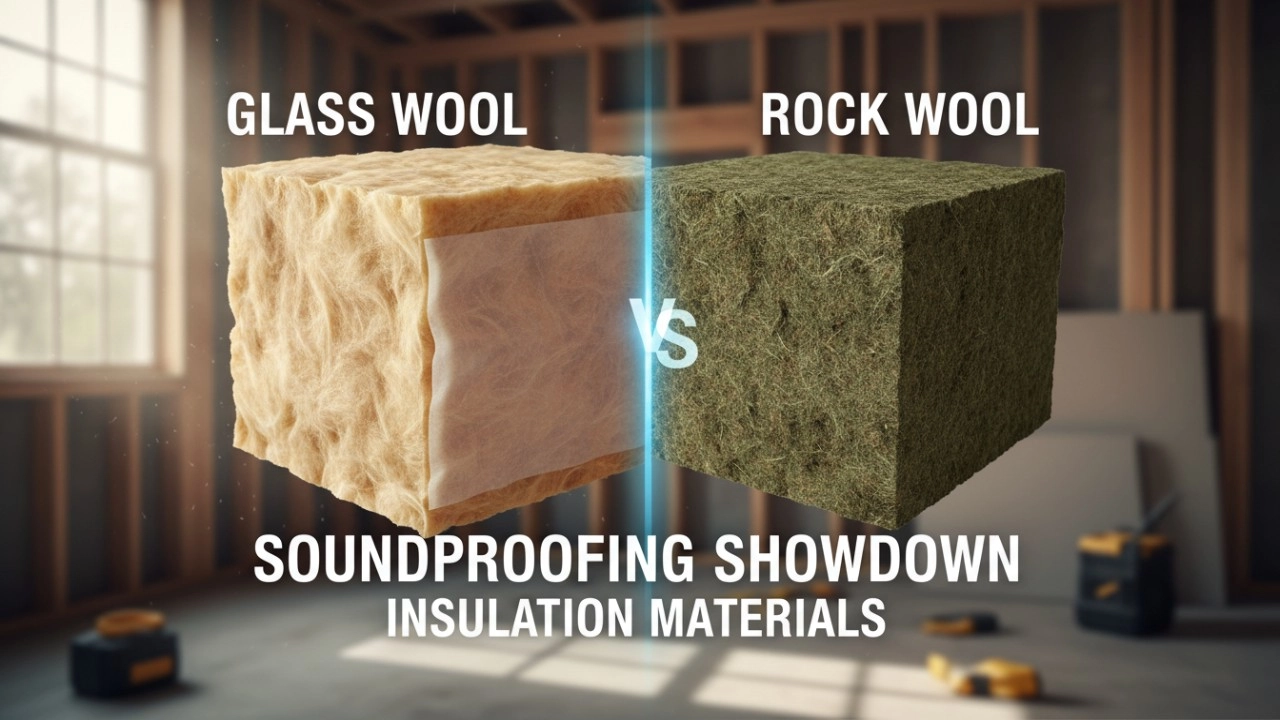
Fiberglass vs. Rockwool: Which Soundproofing Insulation Material Wins for Acoustic Control?
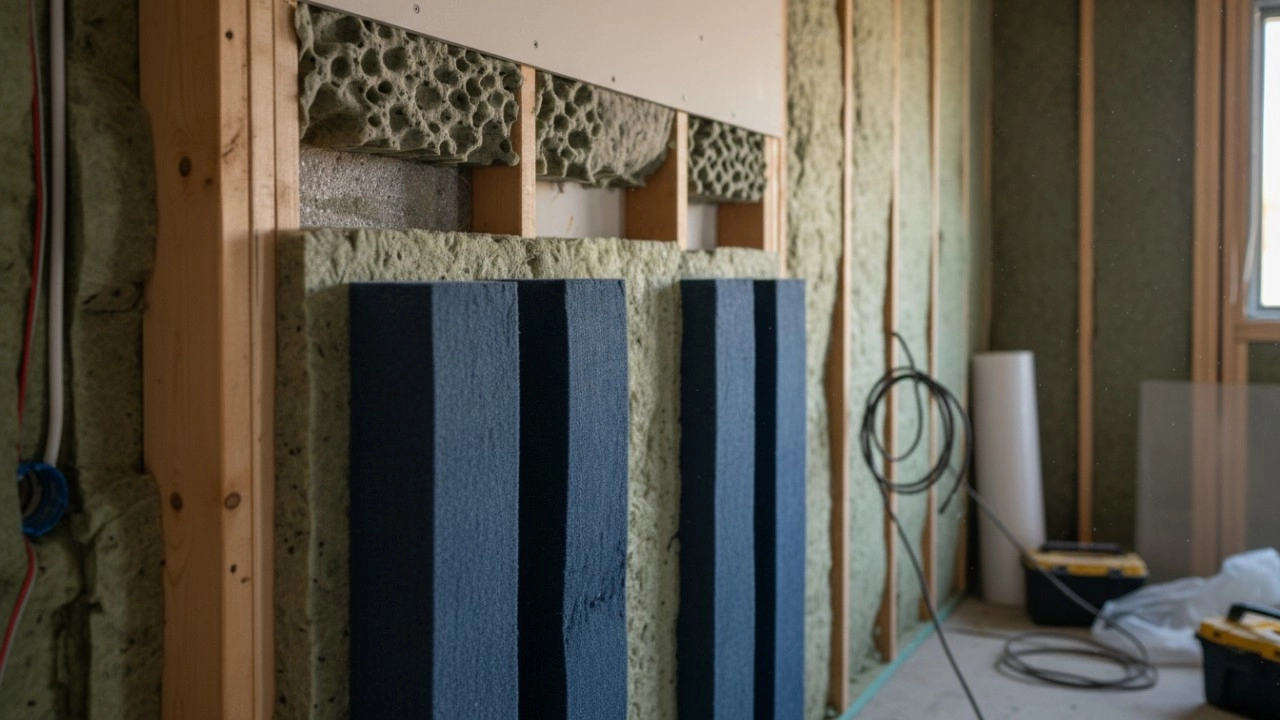
Sound Insulation Foam vs. Acoustic Panels: Which One Actually Stops Noise? (2026 Guide)
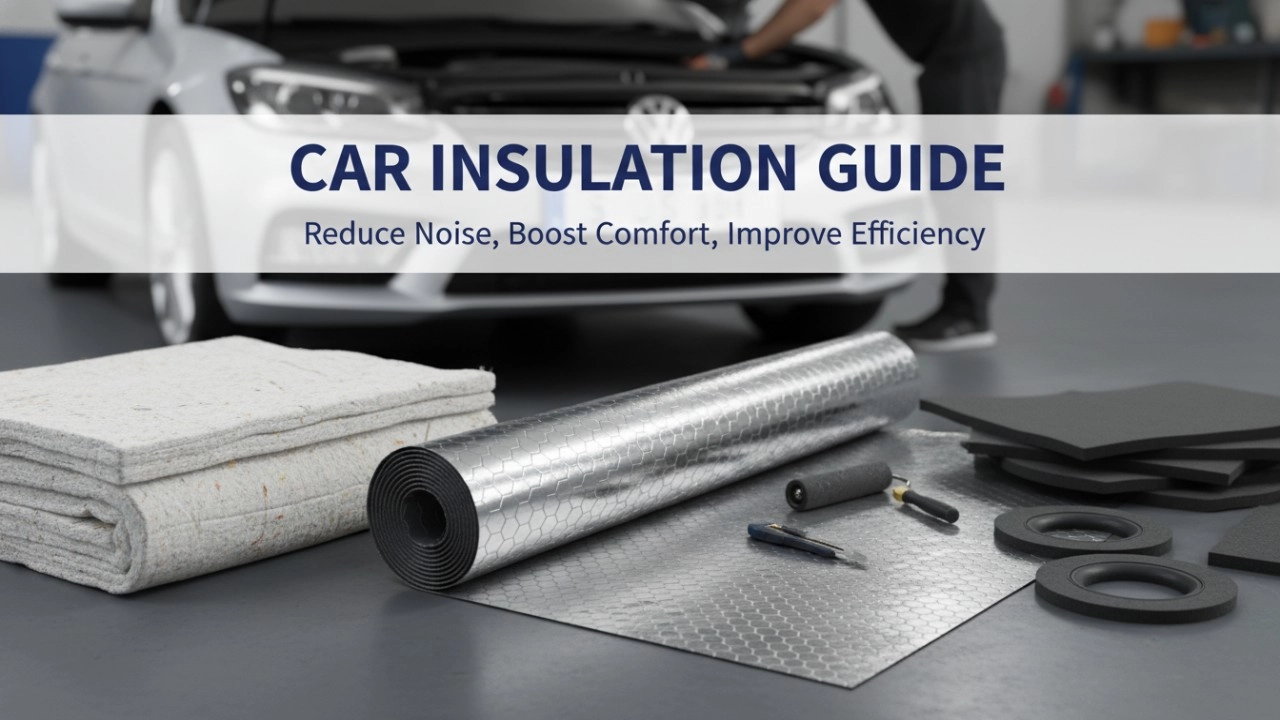
7 Dangerous Mistakes to Avoid When Selecting insulating materials for Your Car (2026 Guide)
service
Are your rubber foam products environmentally friendly?
Yes, our insulation products are designed with sustainability in mind. They help reduce energy consumption by minimizing heat loss and gain, and they are made from durable materials that have a long life cycle, reducing the need for frequent replacement.
What types of rubber foam insulation products do you offer?
We offer a wide range of rubber foam insulation products, including custom shapes and sizes, thermal and acoustic insulation solutions, and options with specialized coatings such as flame retardancy and water resistance. Our products are suitable for applications in HVAC, automotive, construction, and more.
Can I request custom dimensions or properties for my insulation needs?
Yes, we specialize in custom solutions. Whether you need specific dimensions, thicknesses, densities, or additional coatings, we can work with you to manufacture insulation products tailored to your exact requirements of good materials for heat insulation.
FAQ
Can your insulation products be customized?
Yes, we offer customized solutions for insulation material wholesale to meet the specifications of your project, including custom specifications, sizes, foils and adhesives, colors, etc.
You might also like
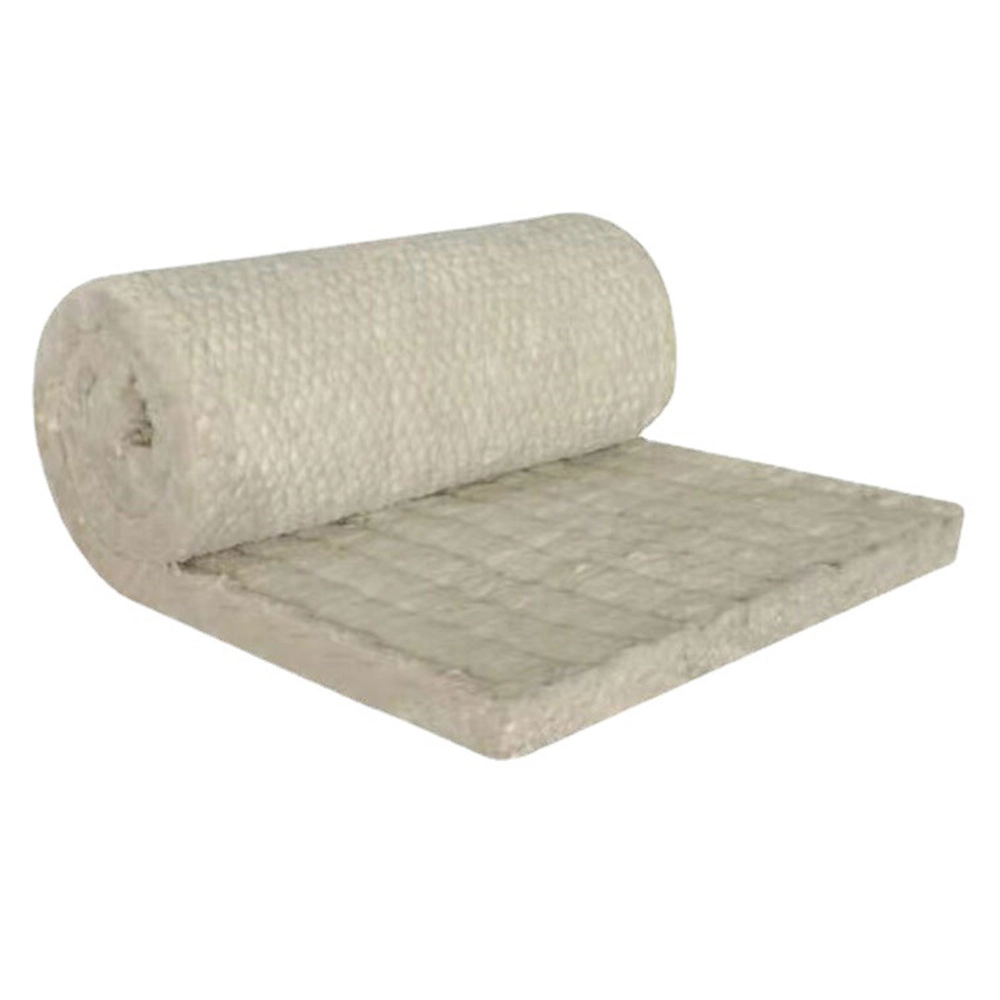
Wholesale Perfect Fire Resistant Performance High Strength Acoustic Mineral Wool Insulation Rock Wool Roll Panel Plain Slab
Rock wool, that is, a kind of exterior insulation material. When the market share of 90% of the organic thermal insulation materials in the stagnant wait-and-see, as a fire rating of A- class exterior insulation inorganic material rock wool has ushered in an unprecedented market opportunity.
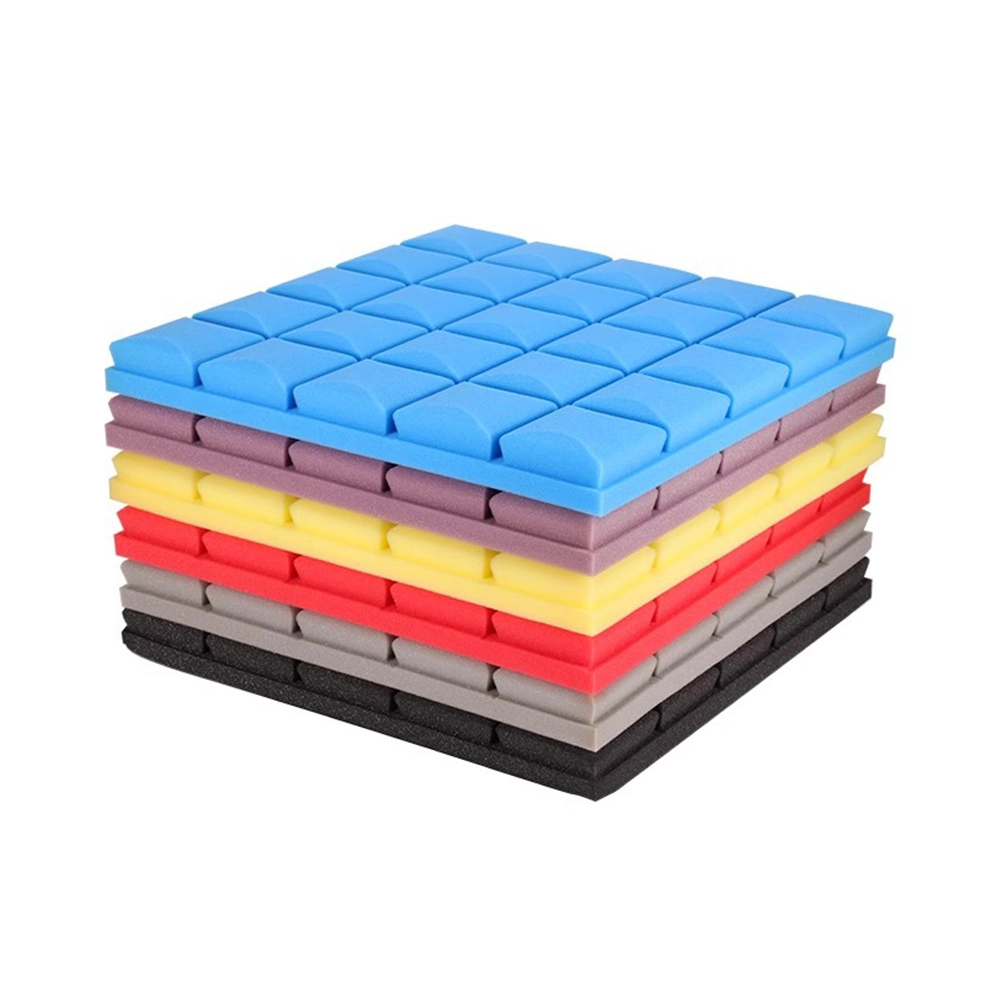
Wholesale High-Density Acoustic Foam Sound-absorbing Sponge Soundproof Cotton
Enhance sound clarity and reduce noise with FUNAS Wholesale High-Density Acoustic Foam Sound-absorbing Sponge. Polyurethane sponge is a low density PU with foam density less than 18 kg/m3. This premium soundproof cotton delivers superior sound absorption, perfect for studios, offices, and home theaters. Optimize your acoustic environment now!
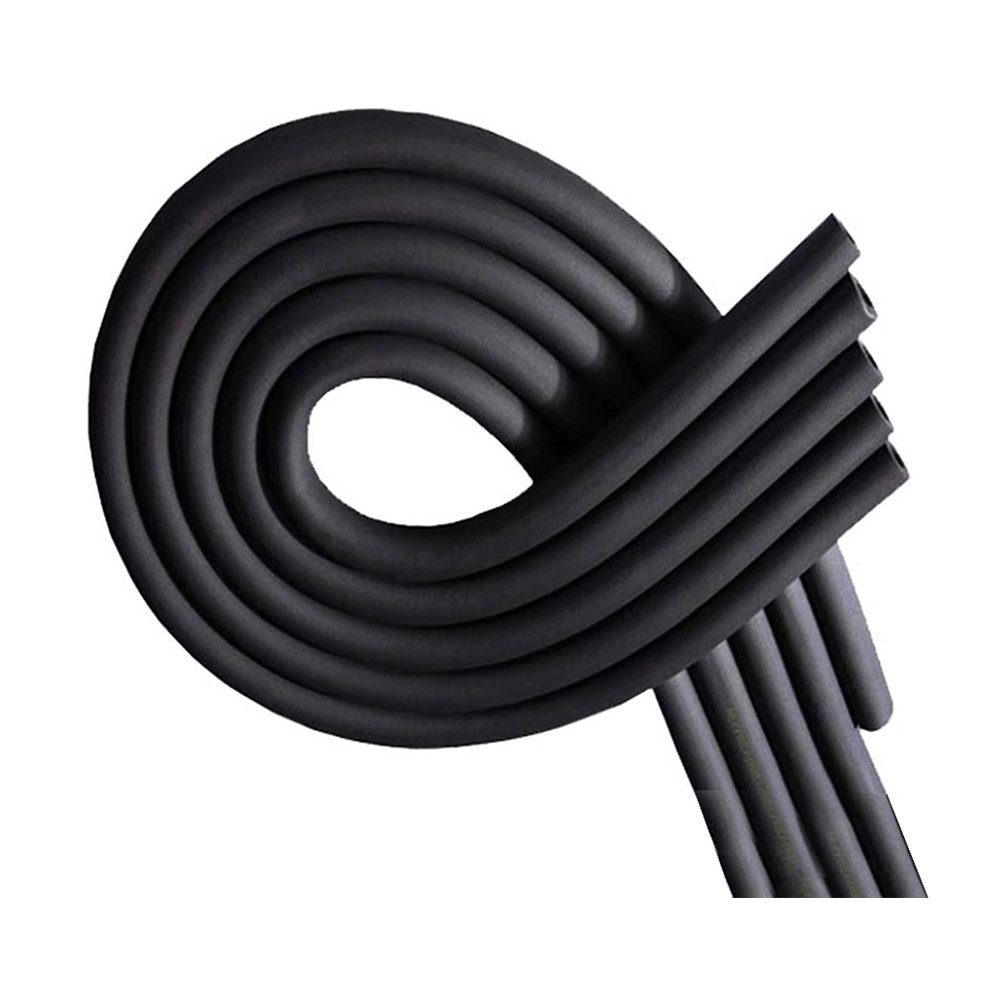
Wholesale Black nitrile rubber foam pipe rubber NBR foam tube rubber foam insulation tube for hvac system
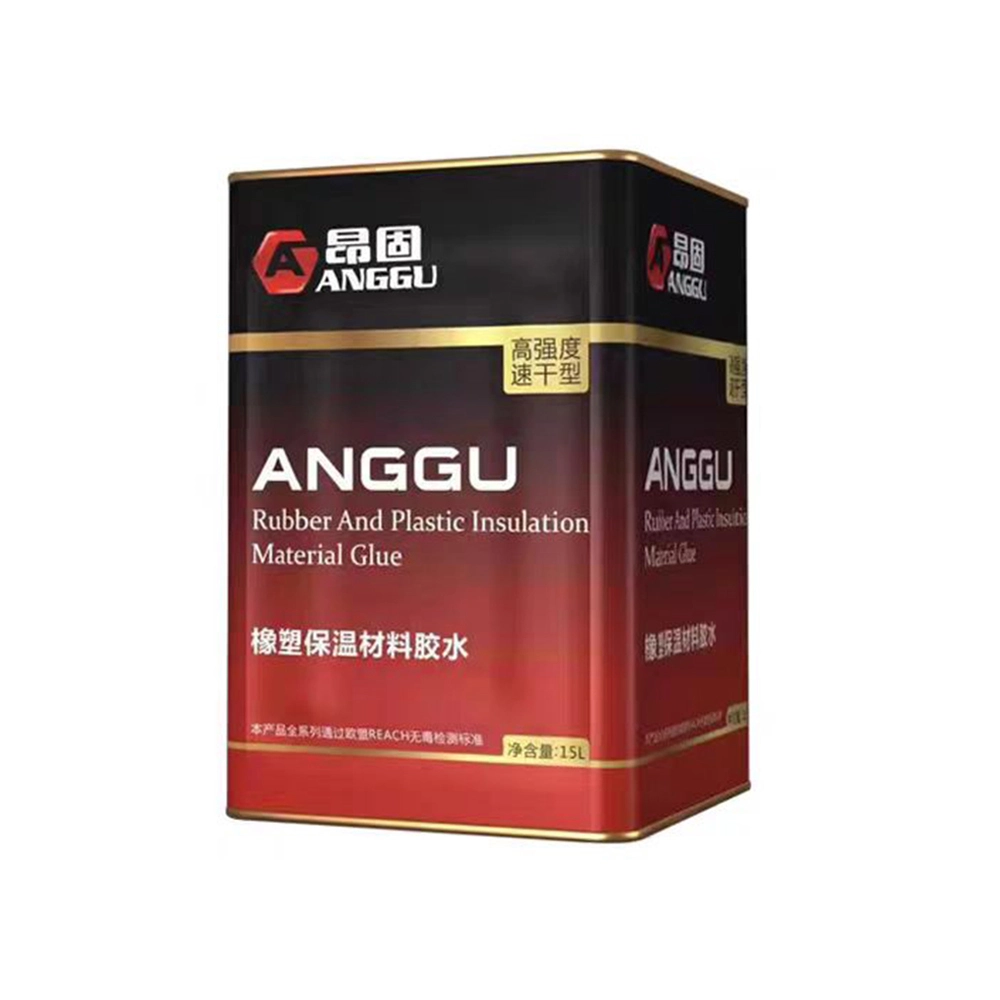
Rubber Plastic insulation Material Glue
Leave a message
Have any questions or concerns about our products? Please leave us a message here and our team will get back to you promptly.
Your queries, ideas, and collaboration opportunities are just a click away. Let’s start a conversation.
