


















































Can Foam Rubber Sheet support sustainable building certifications in 2026?
Explore the essential properties, applications, and environmental considerations of foam rubber sheets in thermal insulation, and how they support sustainable building certifications in 2026.
- Understanding Foam Rubber Sheets for Thermal Insulation in 2026
- 1. What are Foam Rubber Sheets?
- 2. How do Foam Rubber Sheets Perform in Terms of Thermal Insulation?
- 3. Are Foam Rubber Sheets Fire-Resistant?
- 4. What Environmental Considerations Should Be Taken into Account?
- 5. Can Foam Rubber Sheets Support Sustainable Building Certifications in 2026?
- 6. What Are the Density and Mechanical Properties of Foam Rubber Sheets?
- 7. How Do Foam Rubber Sheets Perform in Extreme Temperature Environments?
- 8. What Are the Applications of Foam Rubber Sheets in Thermal Insulation?
- Conclusion: The Advantages of Foam Rubber Sheets
Understanding Foam Rubber Sheets for Thermal Insulation in 2026
1. What are Foam Rubber Sheets?
Foam rubber sheets are flexible, closed-cell insulation materials made from elastomeric polymers, commonly used to prevent heat transfer in various applications. Their cellular structure provides excellent thermal resistance, making them ideal for insulating pipes, ducts, and other HVAC components.
2. How do Foam Rubber Sheets Perform in Terms of Thermal Insulation?
Foam rubber sheets exhibit low thermal conductivity, typically ranging from 0.033 to 0.038 W/m·K, ensuring effective thermal insulation. This property helps maintain desired temperatures and reduces energy consumption in buildings.
3. Are Foam Rubber Sheets Fire-Resistant?
Yes, foam rubber sheets can be fire-resistant. Many high-quality rubber foam insulations achieve a B1 classification, indicating they are difficult to burn. This classification is determined through tests such as the oxygen index and vertical burning tests. ((https://www.funasinsulations.com/guides/foam-rubber-sheets-thermal-insulation-2026.html))
4. What Environmental Considerations Should Be Taken into Account?
When selecting foam rubber sheets, it's important to consider their environmental impact. Manufacturers are focusing on low-GWP (Global Warming Potential) blowing agents and recyclable formulations to meet sustainability demands. ((https://www.funasinsulations.com/guides/foam-rubber-sheets-thermal-insulation-2026.html))
5. Can Foam Rubber Sheets Support Sustainable Building Certifications in 2026?
Yes, foam rubber sheets can support sustainable building certifications in 2026. Their low thermal conductivity and fire-resistant properties contribute to energy efficiency and safety, aligning with the criteria for certifications like LEED and BREEAM.
6. What Are the Density and Mechanical Properties of Foam Rubber Sheets?
Density is a critical factor influencing the performance of foam rubber sheets. Industrial-grade insulation materials maintain a compressive strength of ≥20 psi at 10% deflection (ASTM D1621). High-density variants (≥45 kg/m³) withstand up to 45 psi, which is crucial for applications with potential foot traffic or equipment loads. ((https://www.funasinsulations.com/guides/foam-rubber-sheets-thermal-insulation-2026.html))
7. How Do Foam Rubber Sheets Perform in Extreme Temperature Environments?
Foam rubber sheets maintain flexibility and thermal insulation properties across a wide temperature range. They can withstand temperatures from -50°C to +105°C without significant degradation, making them suitable for both cold and hot environments.
8. What Are the Applications of Foam Rubber Sheets in Thermal Insulation?
Foam rubber sheets are versatile and used in various applications, including:
- HVAC Systems: Insulating pipes and ducts to prevent heat loss.
- Construction: Providing thermal insulation in walls and roofs.
- Automotive: Reducing noise and heat in vehicle components.
- Refrigeration: Maintaining temperature control in cold storage facilities.
Conclusion: The Advantages of Foam Rubber Sheets
Foam rubber sheets offer a combination of thermal efficiency, moisture resistance, mechanical strength, fire safety, and environmental sustainability, making them a preferred choice for thermal insulation in 2026.
When selecting foam rubber sheets, consider factors such as thermal conductivity, moisture resistance, mechanical properties, fire resistance, environmental impact, and density to ensure optimal performance for your specific application.
For high-quality foam rubber sheets that meet these criteria, consider products from reputable manufacturers like FUNAS, known for their commitment to excellence in thermal insulation solutions.
By understanding these key aspects, you can make informed decisions that enhance the efficiency and safety of your thermal insulation projects.
*Data sources:
Future Foams' Rigid Polyurethane Foam 35kg thermal conductivity: ((https://www.funasinsulations.com/guides/foam-rubber-sheets-thermal-insulation-2026.html))
Rubber foam insulation fire classification: ((https://www.funasinsulations.com/guides/foam-rubber-sheets-thermal-insulation-2026.html))
Elastomeric foam insulation market growth: ((https://www.funasinsulations.com/guides/foam-rubber-sheets-thermal-insulation-2026.html))
Industrial-grade insulation compressive strength: ((https://www.funasinsulations.com/guides/foam-rubber-sheets-thermal-insulation-2026.html))
FUNAS thermal insulation solutions: ((https://www.funasinsulations.com/guides/foam-rubber-sheets-thermal-insulation-2026.html))
Published on November 26, 2025.
Are closed-cell Foam Rubber Sheet options superior in 2026? What sustainability gains come from Foam Rubber Sheet in 2026?
Tags
engine insulation material
engine insulation material
insulation for automotive
insulation for automotive
best sound deadening material
best sound deadening material
rockwool fireproof insulation wholsale in Atlanta
rockwool fireproof insulation wholsale in Atlanta
rockwool fireproof insulation wholsale in Dallas
rockwool fireproof insulation wholsale in Dallas
insulating materials for design and engineering practice
insulating materials for design and engineering practice
Recommended for you

Does sound insulation foam Actually Work in 2026? Ultimate guide About Blocking vs. Absorbing Noise
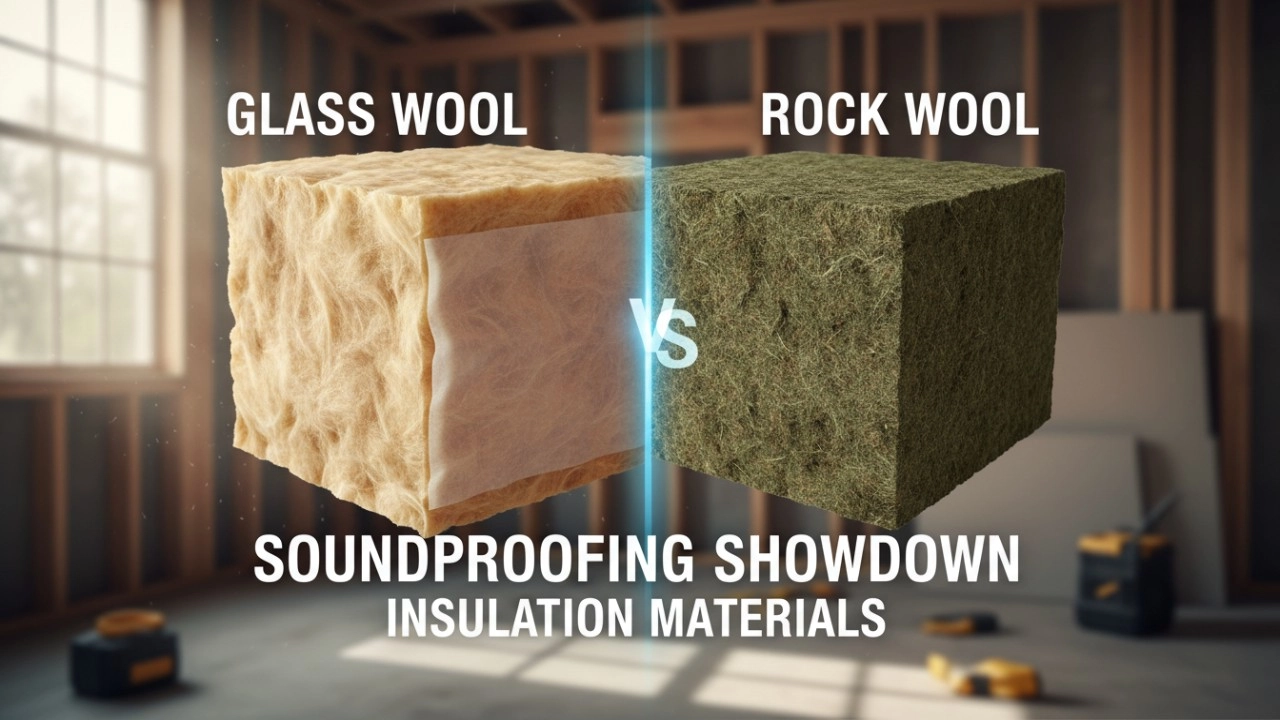
Fiberglass vs. Rockwool: Which Soundproofing Insulation Material Wins for Acoustic Control?
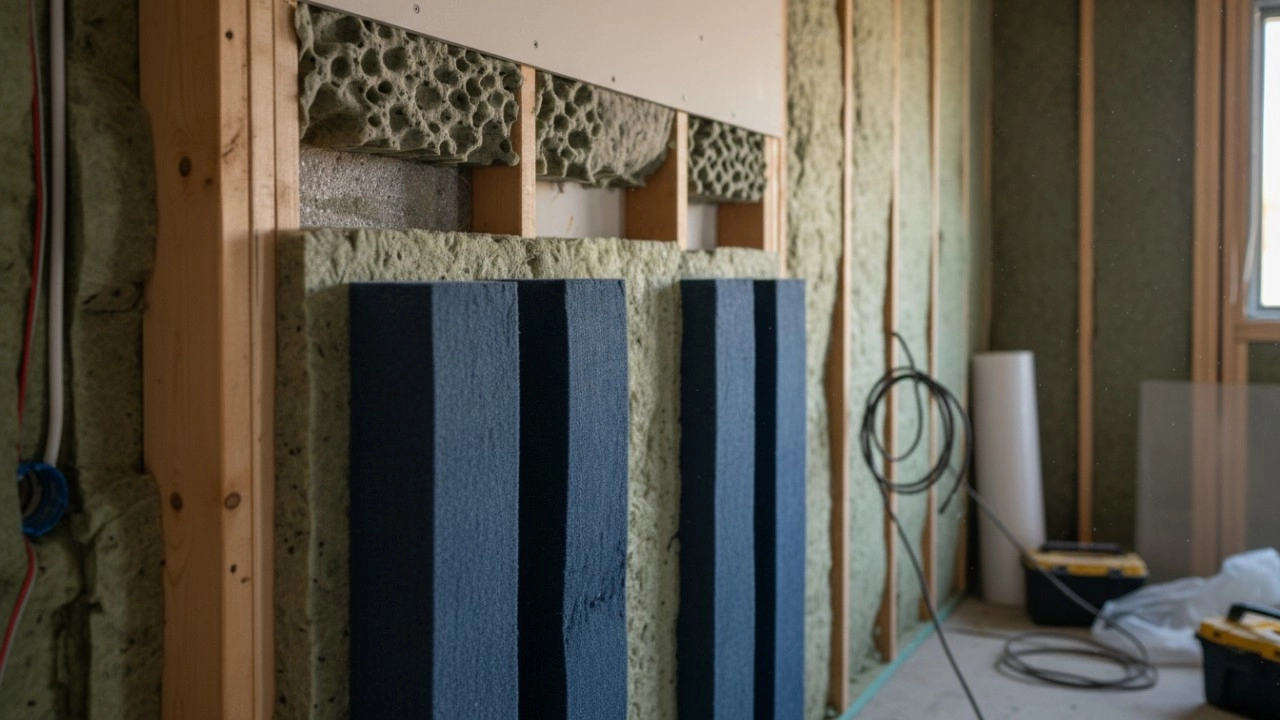
Sound Insulation Foam vs. Acoustic Panels: Which One Actually Stops Noise? (2026 Guide)
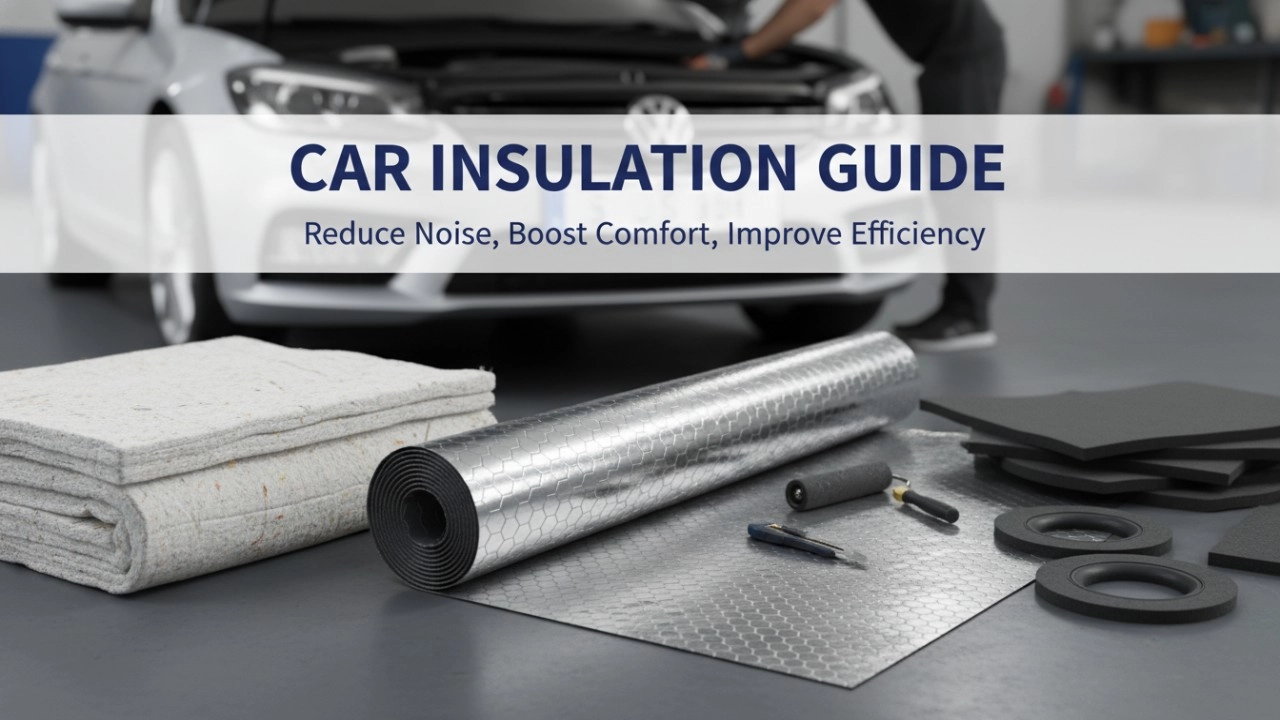
7 Dangerous Mistakes to Avoid When Selecting insulating materials for Your Car (2026 Guide)
FAQ
What types of rubber foam insulation do you offer?
We offer a wide range of rubber foam insulation with different thicknesses and specifications. Thermal insulation material manufacturer FUNAS sleeves and sheets are suitable for different application scenarios.
How do I choose the right insulation for my project?
Our team can help you choose the best material for heat insulation based on your specific needs, such as thermal resistance, acoustic properties, and environmental conditions.
service
How does your technical support work?
Our technical support team is available to guide you through every stage of your project—from product selection and design to installation. We provide expert consultation to ensure that you get the best insulation solution for your needs and can assist with troubleshooting if needed.
Can I request custom dimensions or properties for my insulation needs?
Yes, we specialize in custom solutions. Whether you need specific dimensions, thicknesses, densities, or additional coatings, we can work with you to manufacture insulation products tailored to your exact requirements of good materials for heat insulation.
You might also like
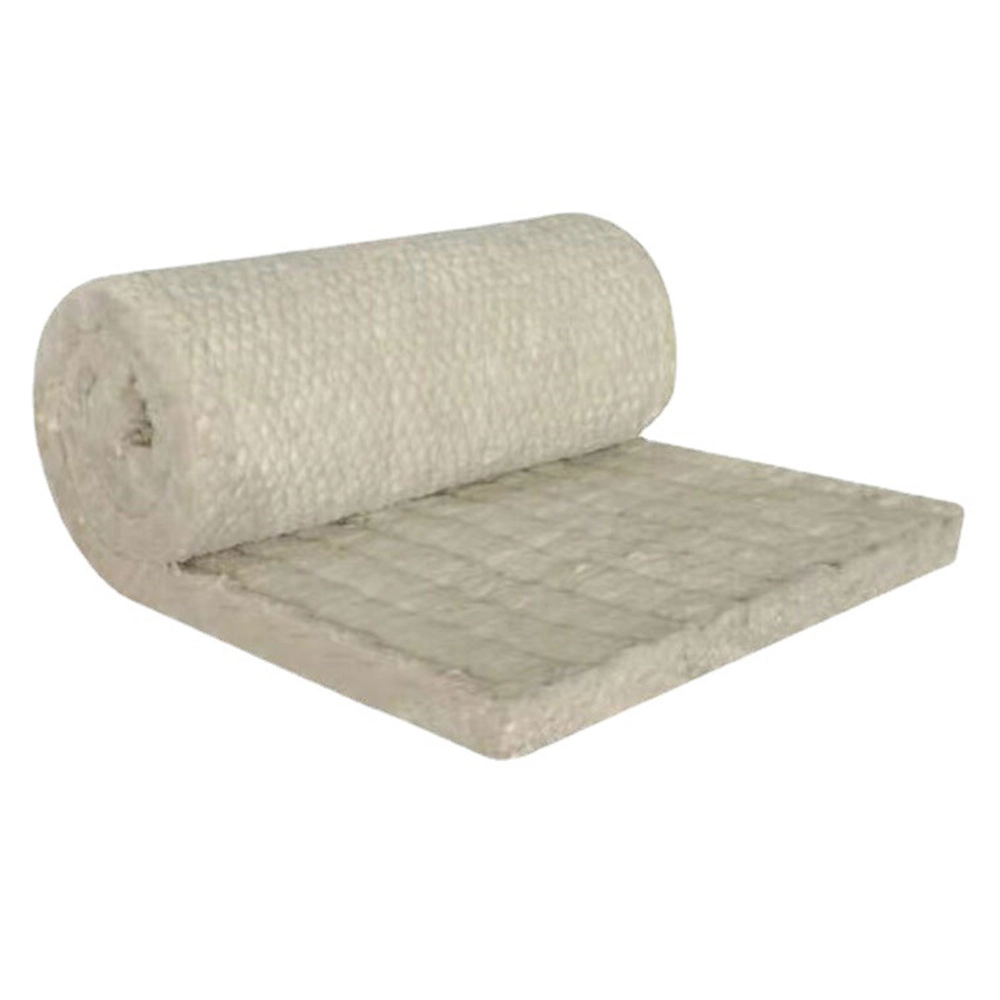
Wholesale Perfect Fire Resistant Performance High Strength Acoustic Mineral Wool Insulation Rock Wool Roll Panel Plain Slab
Rock wool, that is, a kind of exterior insulation material. When the market share of 90% of the organic thermal insulation materials in the stagnant wait-and-see, as a fire rating of A- class exterior insulation inorganic material rock wool has ushered in an unprecedented market opportunity.
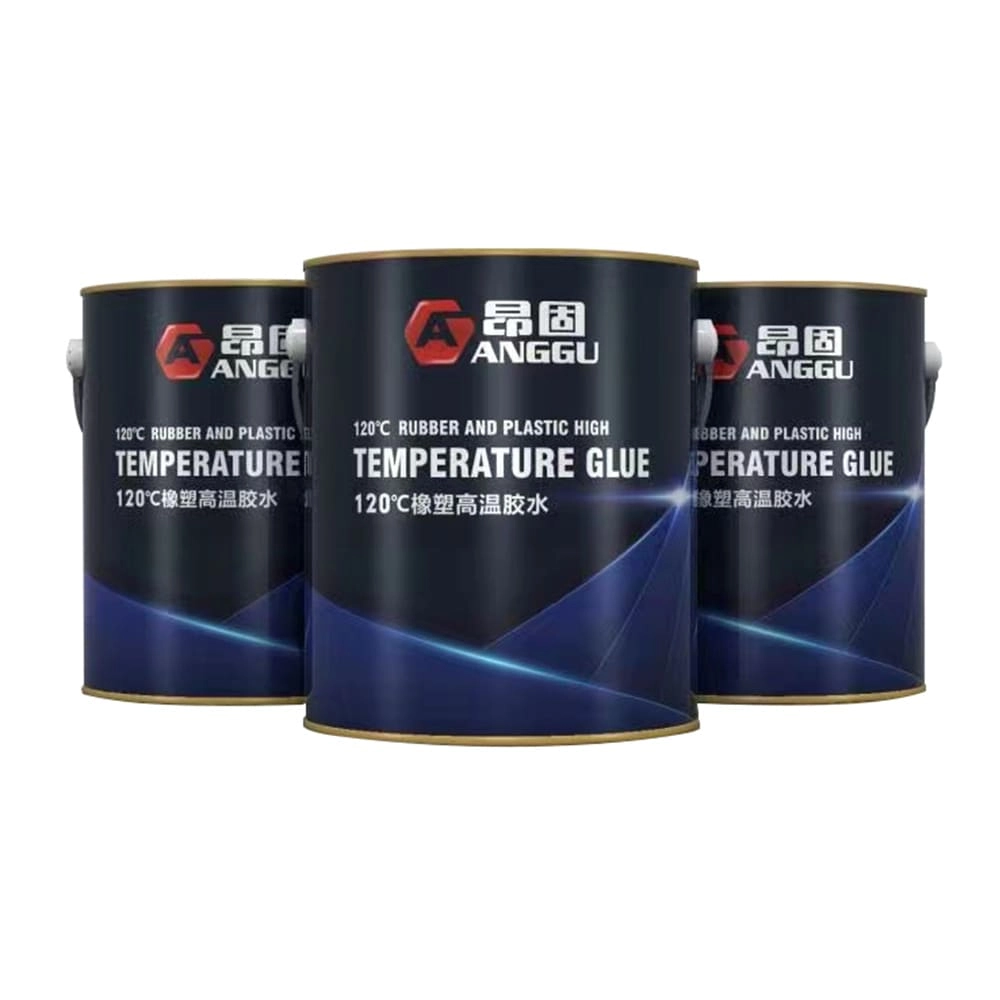
120°Rubber foam high-temperature adhesive
This product has passed the EU REACH non-toxic standard and the ROHS non-toxic standard. (The product is yellow glue.)
Anggu 120 ° rubber-plastic high-temperature glue is an extravagant product, mainly used for various intractable diseases, high temperatures, and harsh and demanding places. This product is a low-odor, high-strength quick-drying glue; table drying speed, long bonding time, no powder, non-toxic, wide range of applications, can be applied to most insulation materials.
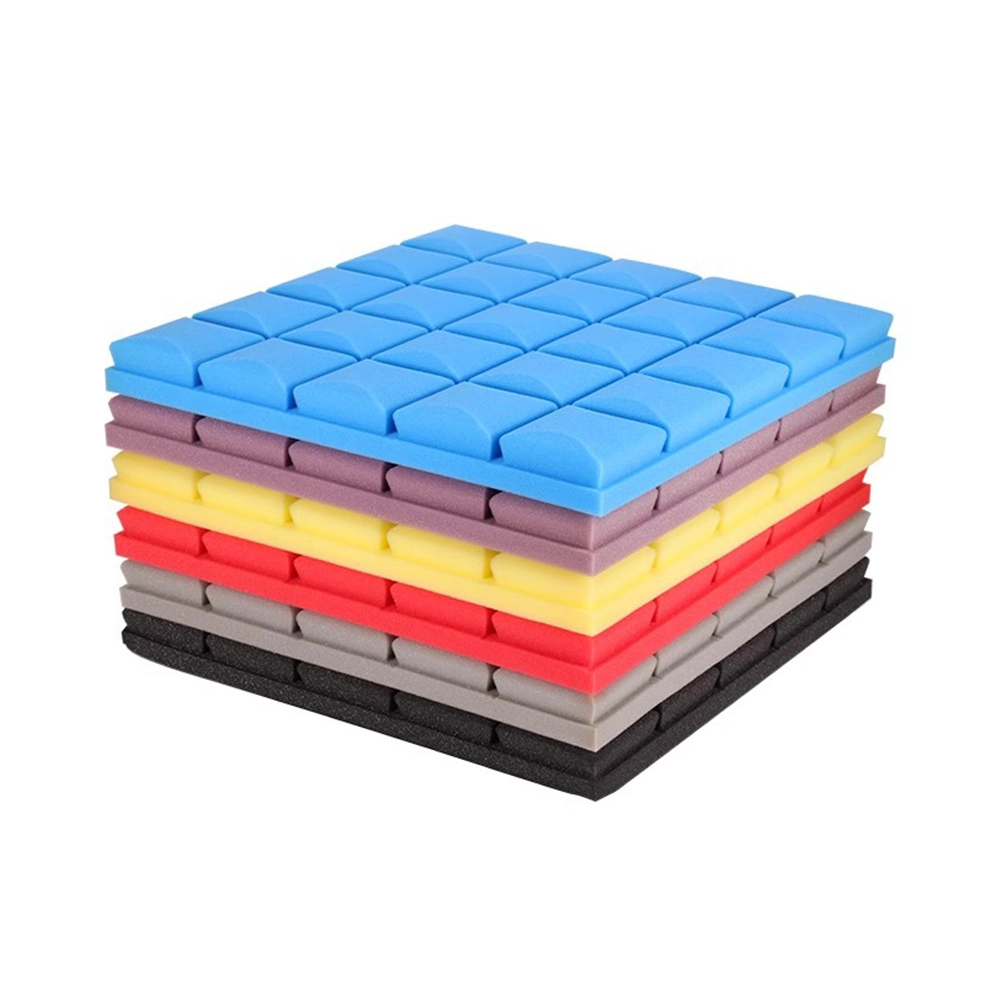
Wholesale High-Density Acoustic Foam Sound-absorbing Sponge Soundproof Cotton
Enhance sound clarity and reduce noise with FUNAS Wholesale High-Density Acoustic Foam Sound-absorbing Sponge. Polyurethane sponge is a low density PU with foam density less than 18 kg/m3. This premium soundproof cotton delivers superior sound absorption, perfect for studios, offices, and home theaters. Optimize your acoustic environment now!
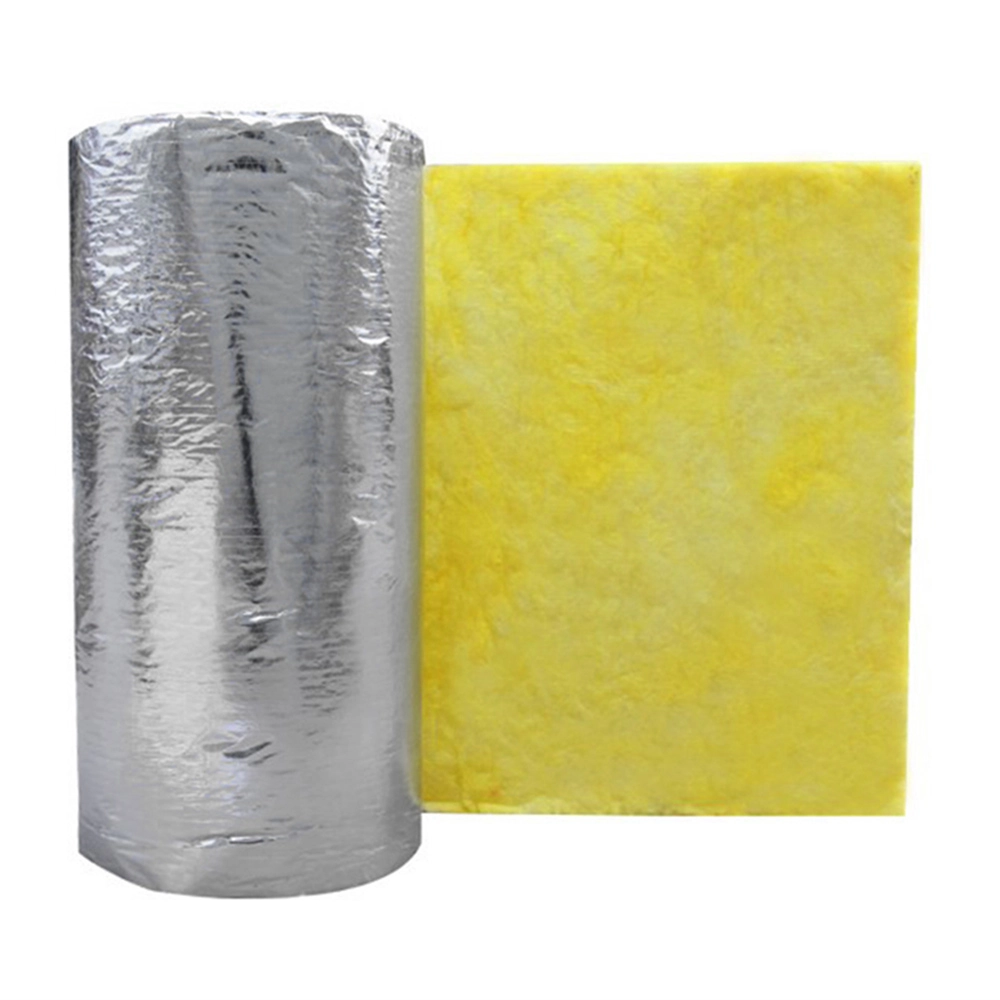
Wholesale Roof And Wall Thermal Heat Insulation 50mm Thickness Aluminum Foil Fiberglass Insulation Roll Glass Wool
Glass wool is the molten glass fiber, the formation of cotton-like material, chemical composition belongs to the glass category, is a kind of inorganic fiber. With good molding, small volume density, thermal conductivity both, thermal insulation, sound absorption performance is good, corrosion resistance, chemical stability and so on.
Leave a message
Have any questions or concerns about our products? Please leave us a message here and our team will get back to you promptly.
Your queries, ideas, and collaboration opportunities are just a click away. Let’s start a conversation.
