


















































What criteria define Foam Rubber Sheet density in 2026?
Explore key considerations for selecting foam rubber sheets in thermal insulation applications, including density criteria, thermal performance, moisture resistance, mechanical properties, fire resistance, and environmental impact.
- What are the thermal performance characteristics of foam rubber sheets?
- How do foam rubber sheets contribute to moisture resistance?
- What are the mechanical properties of foam rubber sheets?
- How do foam rubber sheets perform in terms of fire resistance?
- What are the environmental considerations for using foam rubber sheets?
- What criteria define foam rubber sheet density in 2026?
- Conclusion: The Advantages of Foam Rubber Sheets
When procuring thermal insulation materials in 2026, foam rubber sheets emerge as a top choice due to their exceptional properties. Below are key considerations to guide your selection process:
What are the thermal performance characteristics of foam rubber sheets?
Foam rubber sheets, especially those made from rigid polyurethane foam, offer superior thermal insulation. For instance, Future Foams' Rigid Polyurethane Foam 35kg has a thermal conductivity of 0.0204 W/m·K at a mean temperature of 20°C, indicating low heat transfer rates. This ensures effective temperature control and energy efficiency in applications like HVAC systems and building insulation. ((https://www.funasinsulations.com/foam-rubber-sheets-top-insulation-2026.html))
How do foam rubber sheets contribute to moisture resistance?
Moisture resistance is crucial in insulation materials to prevent issues like mold growth and material degradation. Molded polystyrene, a common foam rubber material, is unaffected by moisture exposure, does not swell, and does not support mold or mildew growth. This inherent moisture resistance makes foam rubber sheets suitable for environments with high humidity or potential water exposure. ((https://www.funasinsulations.com/foam-rubber-sheets-top-insulation-2026.html))
What are the mechanical properties of foam rubber sheets?
The mechanical properties of foam rubber sheets, such as compressive strength and dimensional stability, are essential for their performance in various applications. For example, Future Foams' Rigid Polyurethane Foam 35kg exhibits a compressive strength of 84 kPa parallel and 243 kPa perpendicular, indicating robust structural integrity. Additionally, the closed-cell structure of ThermaFoam R-Control insulation ensures that its R-value remains constant over time, as it does not suffer from R-value loss due to the absence of depleting blowing agents. ((https://www.funasinsulations.com/foam-rubber-sheets-top-insulation-2026.html))
How do foam rubber sheets perform in terms of fire resistance?
Fire resistance is a critical factor in selecting insulation materials. Rubber foam insulation materials are classified based on their fire performance. In China, the GB 8624 standard classifies building materials' burning behavior into four main categories:
A (Non-combustible)
B1 (Difficult to burn)
B2 (Combustible)
B3 (Flammable)
High-quality rubber foam insulation typically achieves a B1 classification, indicating it is difficult to burn. This classification is determined through tests such as the oxygen index and vertical burning tests. Materials with higher oxygen index values (typically ≥32 for B1 classification) offer better flame resistance.
What are the environmental considerations for using foam rubber sheets?
Environmental impact is an important consideration in material selection. The global elastomeric foam insulation market is projected to grow at a CAGR of 6.5% through 2028, driven by stringent energy efficiency regulations and sustainability trends. Manufacturers are focusing on low-GWP (Global Warming Potential) blowing agents and recyclable formulations to meet these demands.
What criteria define foam rubber sheet density in 2026?
Density is a critical factor influencing the performance of foam rubber sheets. Industrial-grade insulation materials maintain a compressive strength of ≥20 psi at 10% deflection (ASTM D1621). High-density variants (≥45 kg/m³) withstand up to 45 psi, which is crucial for applications with potential foot traffic or equipment loads.
Conclusion: The Advantages of Foam Rubber Sheets
Foam rubber sheets offer a combination of thermal efficiency, moisture resistance, mechanical strength, fire safety, and environmental sustainability, making them a preferred choice for thermal insulation in 2026.
When selecting foam rubber sheets, consider factors such as thermal conductivity, moisture resistance, mechanical properties, fire resistance, environmental impact, and density to ensure optimal performance for your specific application.
For high-quality foam rubber sheets that meet these criteria, consider products from reputable manufacturers like FUNAS, known for their commitment to excellence in thermal insulation solutions.
By understanding these key aspects, you can make informed decisions that enhance the efficiency and safety of your thermal insulation projects.
Note: The information provided is based on current industry standards and may evolve as new materials and technologies emerge.
For more detailed information, refer to the sources cited above.
*Data sources:
Future Foams' Rigid Polyurethane Foam 35kg thermal conductivity: ((https://www.funasinsulations.com/foam-rubber-sheets-top-insulation-2026.html))
Rubber foam insulation fire classification:
Elastomeric foam insulation market growth:
Industrial-grade insulation compressive strength:
FUNAS thermal insulation solutions: ((https://www.funasinsulations.com/foam-rubber-sheets-top-insulation-2026.html))
Published on November 26, 2025.

Does sound insulation foam Actually Work in 2026? Ultimate guide About Blocking vs. Absorbing Noise
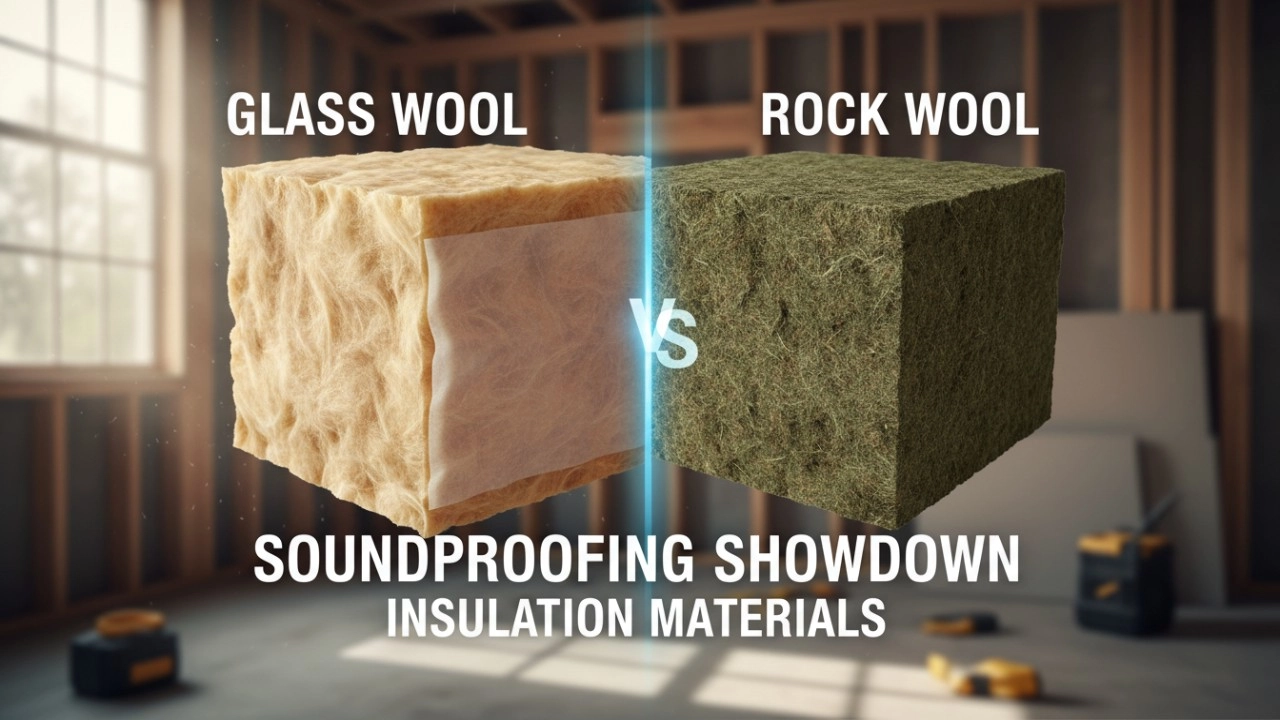
Fiberglass vs. Rockwool: Which Soundproofing Insulation Material Wins for Acoustic Control?
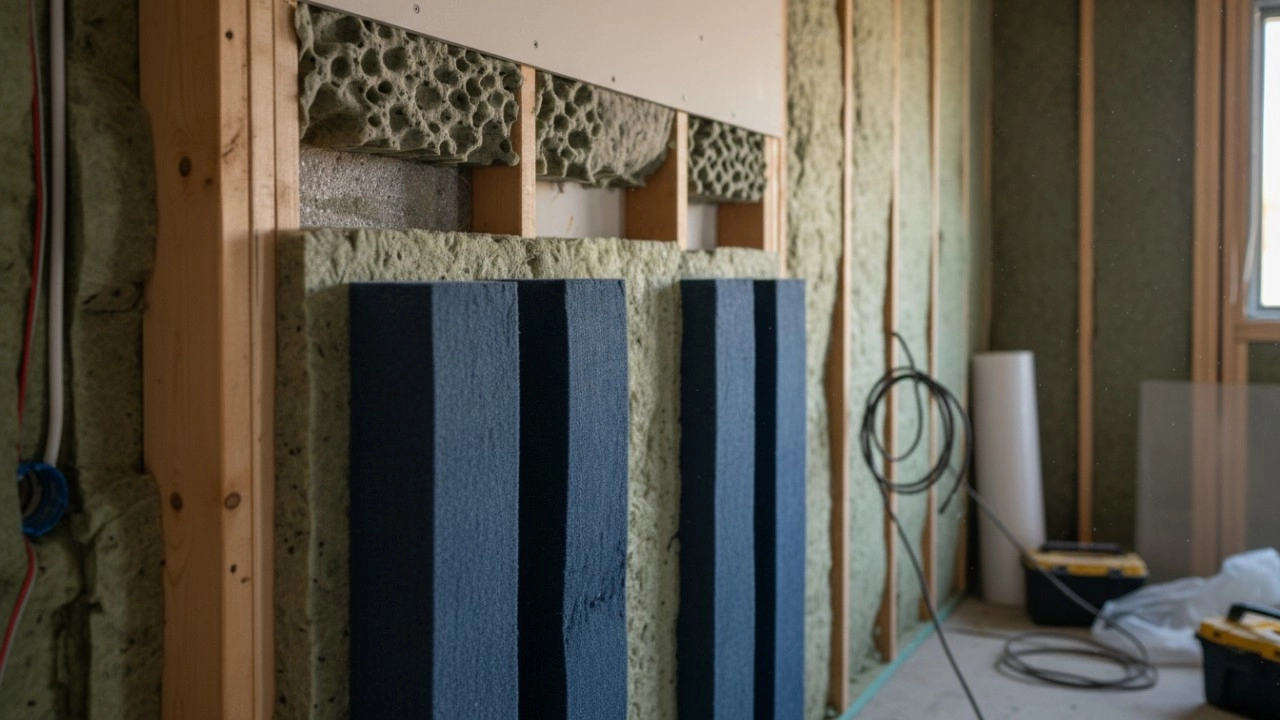
Sound Insulation Foam vs. Acoustic Panels: Which One Actually Stops Noise? (2026 Guide)
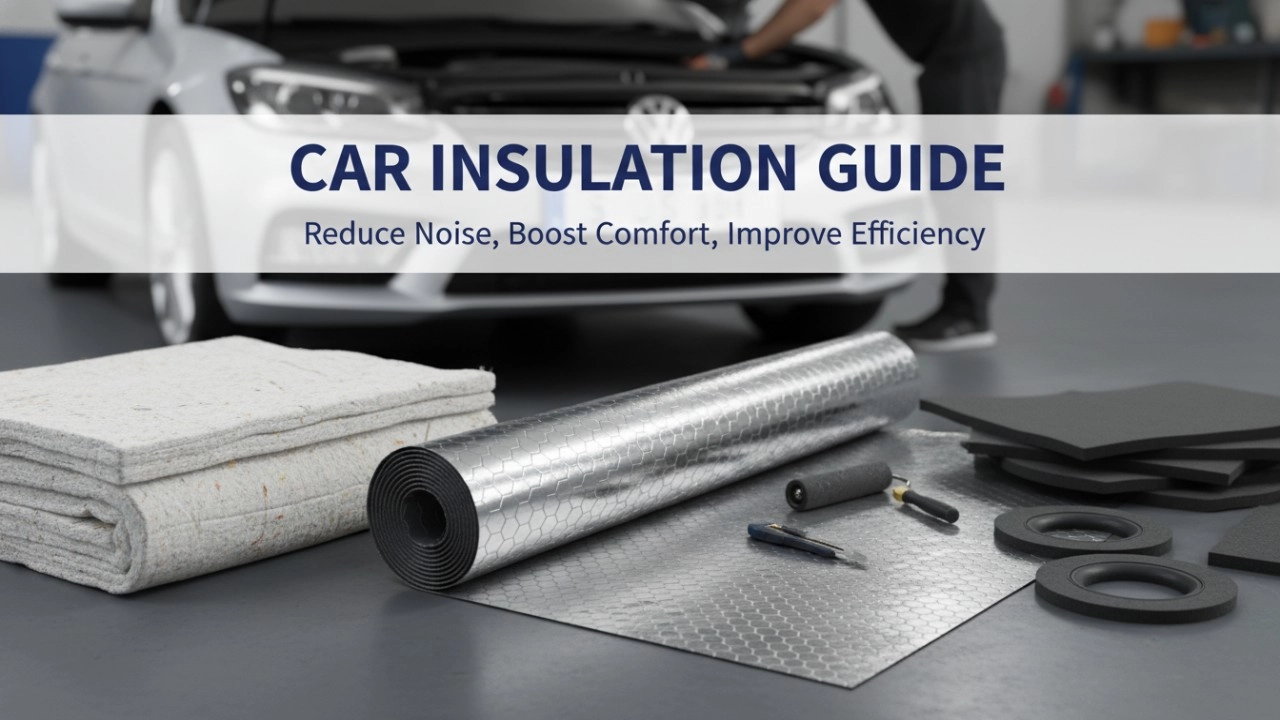
7 Dangerous Mistakes to Avoid When Selecting insulating materials for Your Car (2026 Guide)
FAQ
Can your insulation products be customized?
Yes, we offer customized solutions for insulation material wholesale to meet the specifications of your project, including custom specifications, sizes, foils and adhesives, colors, etc.
What is the typical delivery time for custom orders?
Our daily production capacity is 800 cubic meters. Delivery time varies depending on the complexity of the insulation material wholesale order, but we can deliver large quantities of customized products within 4-6 weeks after the approval date, and small quantities can be delivered within 15 days.
How to start a consultation?
You can contact us through our website, phone, or email. We will arrange a professional staff to discuss your needs about best thermal insulator and how we can help you.
What types of rubber foam insulation do you offer?
We offer a wide range of rubber foam insulation with different thicknesses and specifications. Thermal insulation material manufacturer FUNAS sleeves and sheets are suitable for different application scenarios.
You might also like
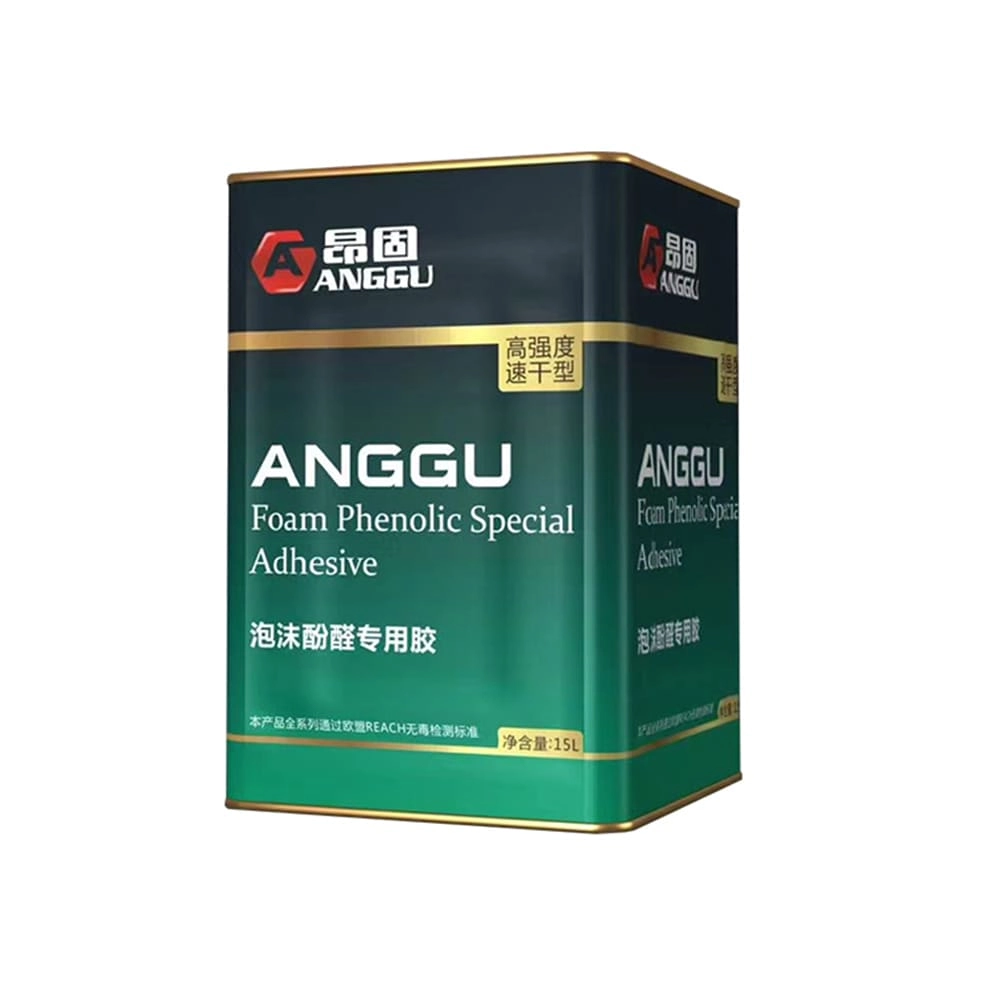
Foam Phenolic Adhesive
This product has passed the national GB33372-2020 standard and GB18583-2008 standard. (The product is a yellow liquid.)
Anggu foam phenolic glue is a kind of glue with corrosion resistance, low odor, high strength and excellent brushing property. Can be sprayed for construction with fast surface drying speed, long bonding time, no chalking and convenient operation.
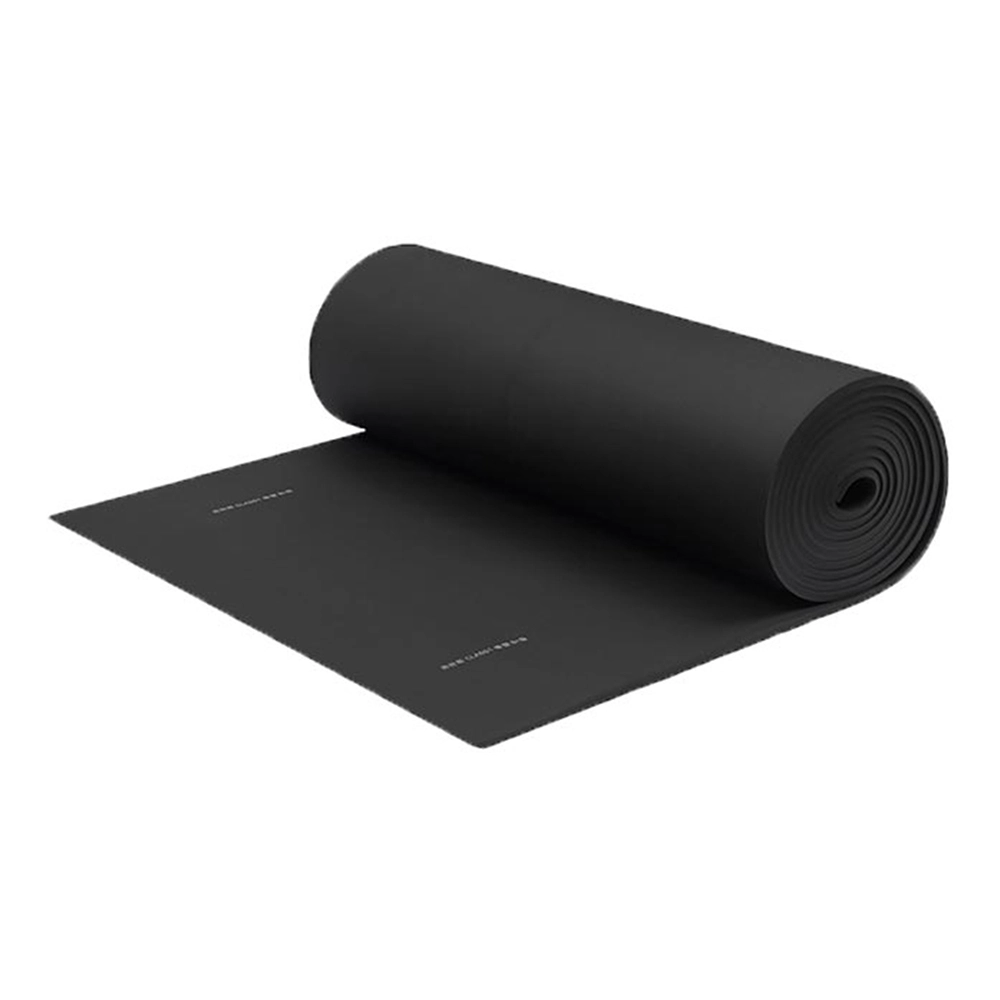
wholesale black nitrile rubber foam sheet rubber NBR foam sheet rubber foam insulation sheet for hvac system
NBR and PVC are the main raw materials, which are softthermal insulation and energy-saving materials foamedthrough special processes.
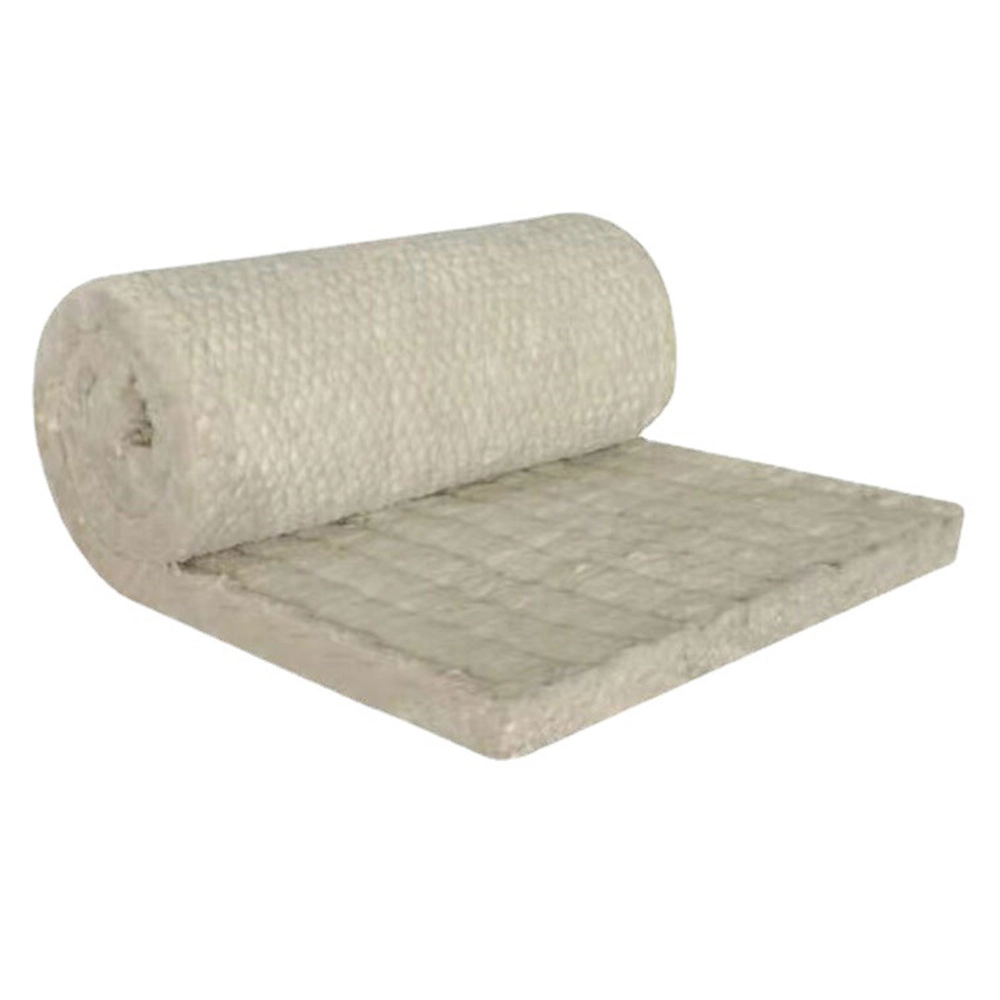
Wholesale Perfect Fire Resistant Performance High Strength Acoustic Mineral Wool Insulation Rock Wool Roll Panel Plain Slab
Rock wool, that is, a kind of exterior insulation material. When the market share of 90% of the organic thermal insulation materials in the stagnant wait-and-see, as a fire rating of A- class exterior insulation inorganic material rock wool has ushered in an unprecedented market opportunity.
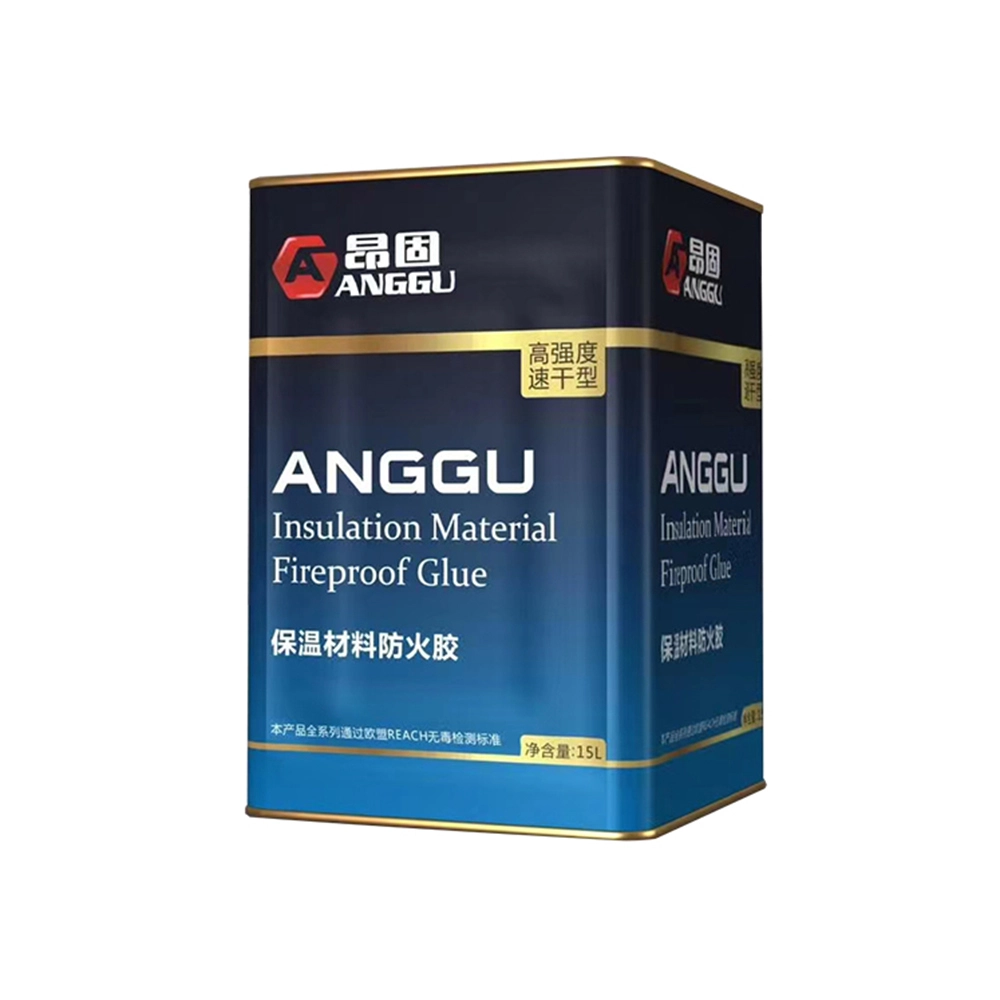
Thermal insulation material fireproof adhesive
Leave a message
Have any questions or concerns about our products? Please leave us a message here and our team will get back to you promptly.
Your queries, ideas, and collaboration opportunities are just a click away. Let’s start a conversation.
