


















































What makes Foam Rubber Sheet a top insulation choice in 2026?
Explore the advantages of foam rubber sheets in thermal insulation, including their superior thermal performance, moisture resistance, and versatility, making them a preferred choice in 2026.
- 1. What are the thermal performance characteristics of foam rubber sheets?
- 2. How do foam rubber sheets contribute to moisture resistance?
- 3. What are the mechanical properties of foam rubber sheets?
- 4. How do foam rubber sheets perform in terms of fire resistance?
- 5. What are the environmental considerations for using foam rubber sheets?
- Conclusion: The Advantages of Foam Rubber Sheets
- References
1. What are the thermal performance characteristics of foam rubber sheets?
Foam rubber sheets, particularly those made from materials like rigid polyurethane foam, offer exceptional thermal insulation properties. For instance, Future Foams' Rigid Polyurethane Foam 35kg has a thermal conductivity of 0.0204 W/m·K at a mean temperature of 20°C, indicating low heat transfer rates.
This low thermal conductivity ensures effective temperature control, reducing energy consumption in applications such as HVAC systems and building insulation.
2. How do foam rubber sheets contribute to moisture resistance?
Moisture resistance is a critical factor in insulation materials to prevent issues like mold growth and material degradation. Molded polystyrene, a common foam rubber material, is unaffected by moisture exposure, does not swell, and does not support mold or mildew growth.
This inherent moisture resistance makes foam rubber sheets suitable for environments with high humidity or potential water exposure.
3. What are the mechanical properties of foam rubber sheets?
The mechanical properties of foam rubber sheets, such as compressive strength and dimensional stability, are essential for their performance in various applications. For example, Future Foams' Rigid Polyurethane Foam 35kg exhibits a compressive strength of 84 kPa parallel and 243 kPa perpendicular, indicating robust structural integrity.
Additionally, the closed-cell structure of ThermaFoam R-Control insulation ensures that its R-value remains constant over time, as it does not suffer from R-value loss due to the absence of depleting blowing agents.
4. How do foam rubber sheets perform in terms of fire resistance?
Fire resistance is a crucial consideration for insulation materials to enhance building safety. Thermoseal 500, a light-density open-cell spray foam insulation, has surface burning characteristics that meet Class 1 standards, with a flame spread index of less than 25 and a smoke developed index of less than 450.
This performance indicates that foam rubber sheets can contribute to fire safety when appropriately specified and installed.
5. What are the environmental considerations for using foam rubber sheets?
Environmental impact is an important factor in selecting insulation materials. Thermoseal 500 is notable for its low global warming potential (GWP) of 1, the lowest among spray foam products, and contains zero ozone-depleting blowing agents, catalysts, polyols, and fire-retardant materials.
This makes foam rubber sheets an environmentally friendly option for thermal insulation.
Conclusion: The Advantages of Foam Rubber Sheets
In 2026, foam rubber sheets stand out as a top choice for thermal insulation due to their superior thermal performance, moisture resistance, mechanical strength, fire resistance, and environmental benefits. These attributes make them suitable for a wide range of applications, from building insulation to HVAC systems and beyond.
References
Future Foams. (2025). Rigid Polyurethane Product Data Sheet.
ThermaFoam. (2024). TECHDATA.
Thermoseal, LLC. (2023). TECHNICAL DATA SHEET.
Market Research Future. (2025). Rubber Foam Market Size, Share & Global Forecast 2035.
FMIBlog. (2025). Foam Market – Top Global Industry Trends in 2026.

Does sound insulation foam Actually Work in 2026? Ultimate guide About Blocking vs. Absorbing Noise
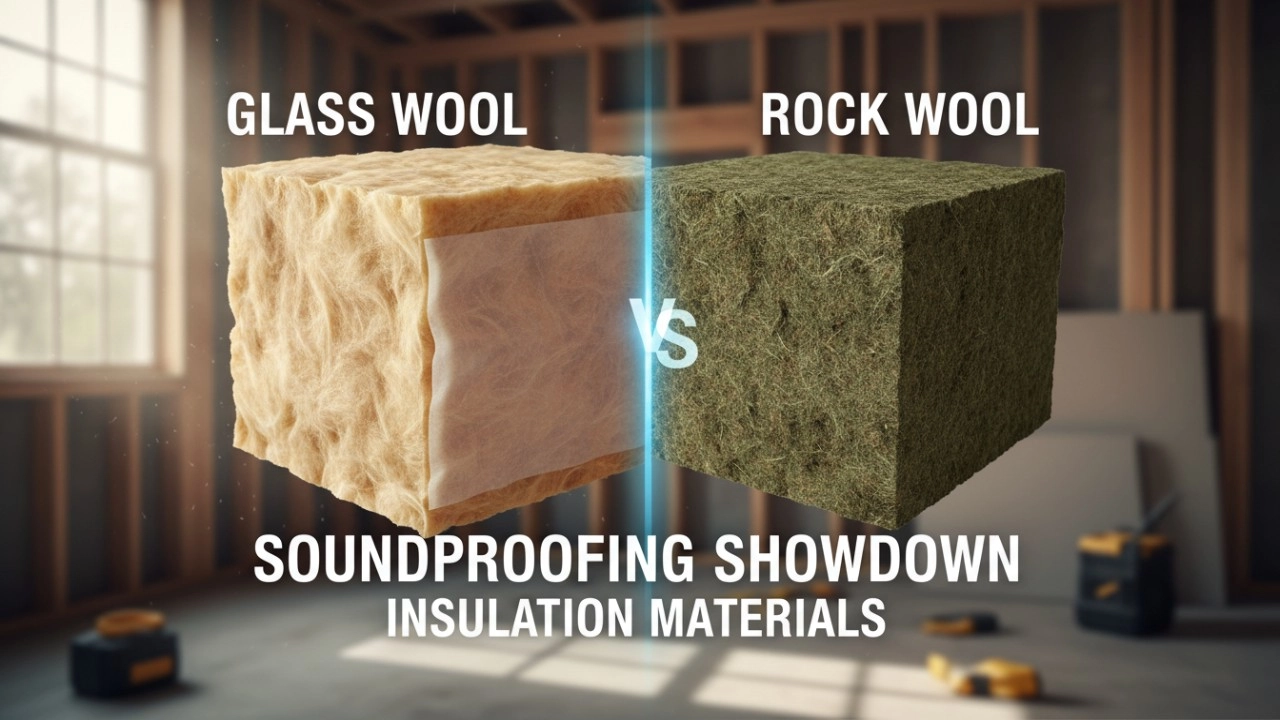
Fiberglass vs. Rockwool: Which Soundproofing Insulation Material Wins for Acoustic Control?
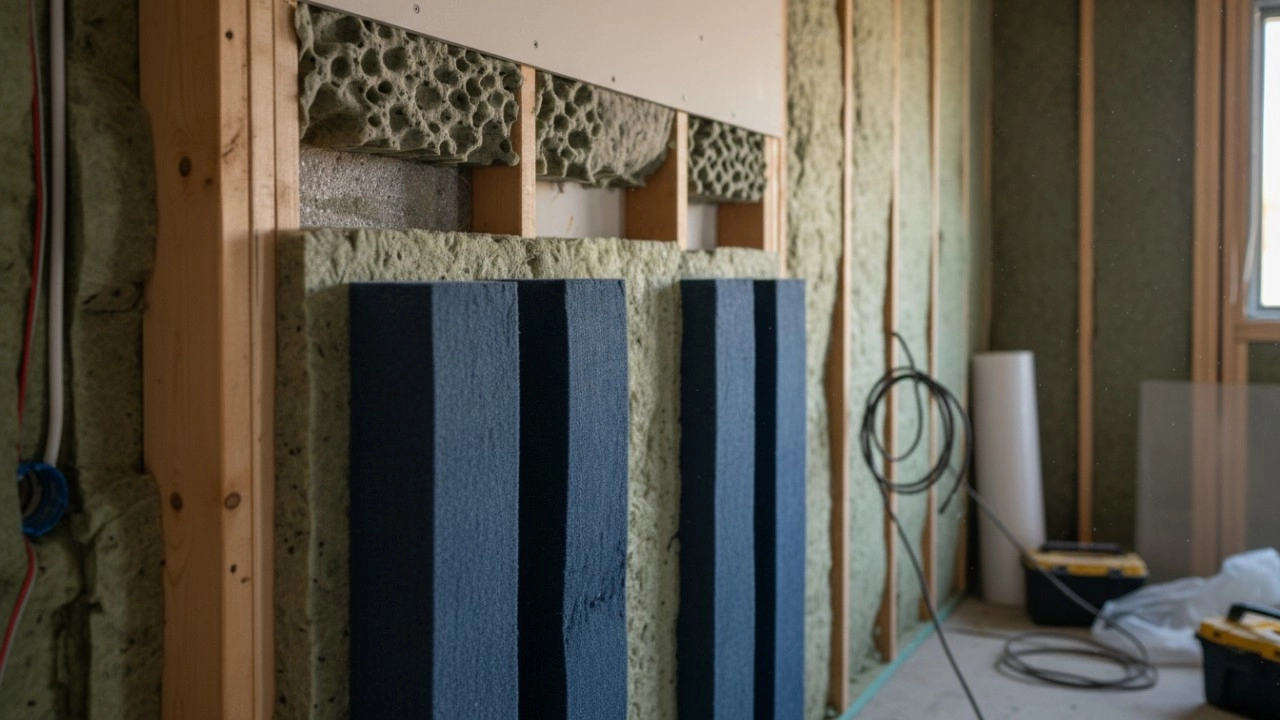
Sound Insulation Foam vs. Acoustic Panels: Which One Actually Stops Noise? (2026 Guide)
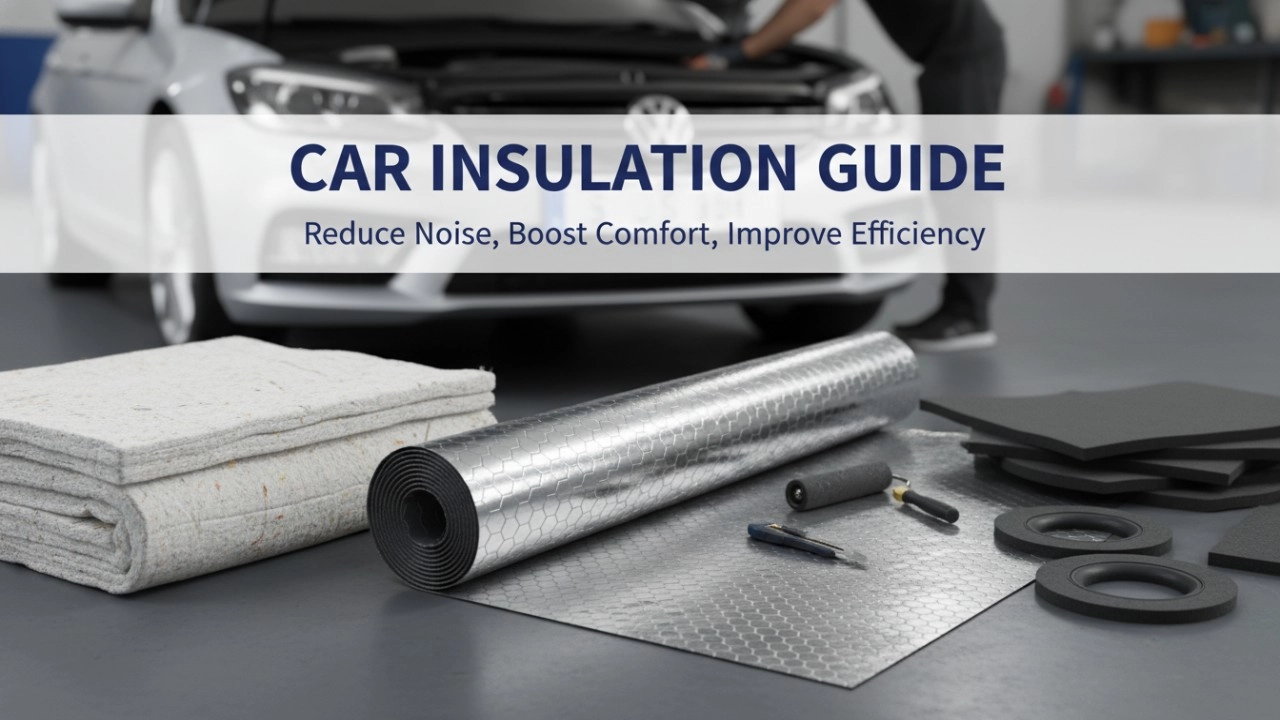
7 Dangerous Mistakes to Avoid When Selecting insulating materials for Your Car (2026 Guide)
service
Are your rubber foam products environmentally friendly?
Yes, our insulation products are designed with sustainability in mind. They help reduce energy consumption by minimizing heat loss and gain, and they are made from durable materials that have a long life cycle, reducing the need for frequent replacement.
What is your shipping and delivery process like?
We offer reliable logistics services for insulation material wholesale, both domestically and internationally. Our team ensures secure packaging, timely shipping, and real-time tracking so that your order reaches you in perfect condition and on schedule.
FAQ
What is the typical delivery time for custom orders?
Our daily production capacity is 800 cubic meters. Delivery time varies depending on the complexity of the insulation material wholesale order, but we can deliver large quantities of customized products within 4-6 weeks after the approval date, and small quantities can be delivered within 15 days.
Can your insulation products be customized?
Yes, we offer customized solutions for insulation material wholesale to meet the specifications of your project, including custom specifications, sizes, foils and adhesives, colors, etc.
You might also like
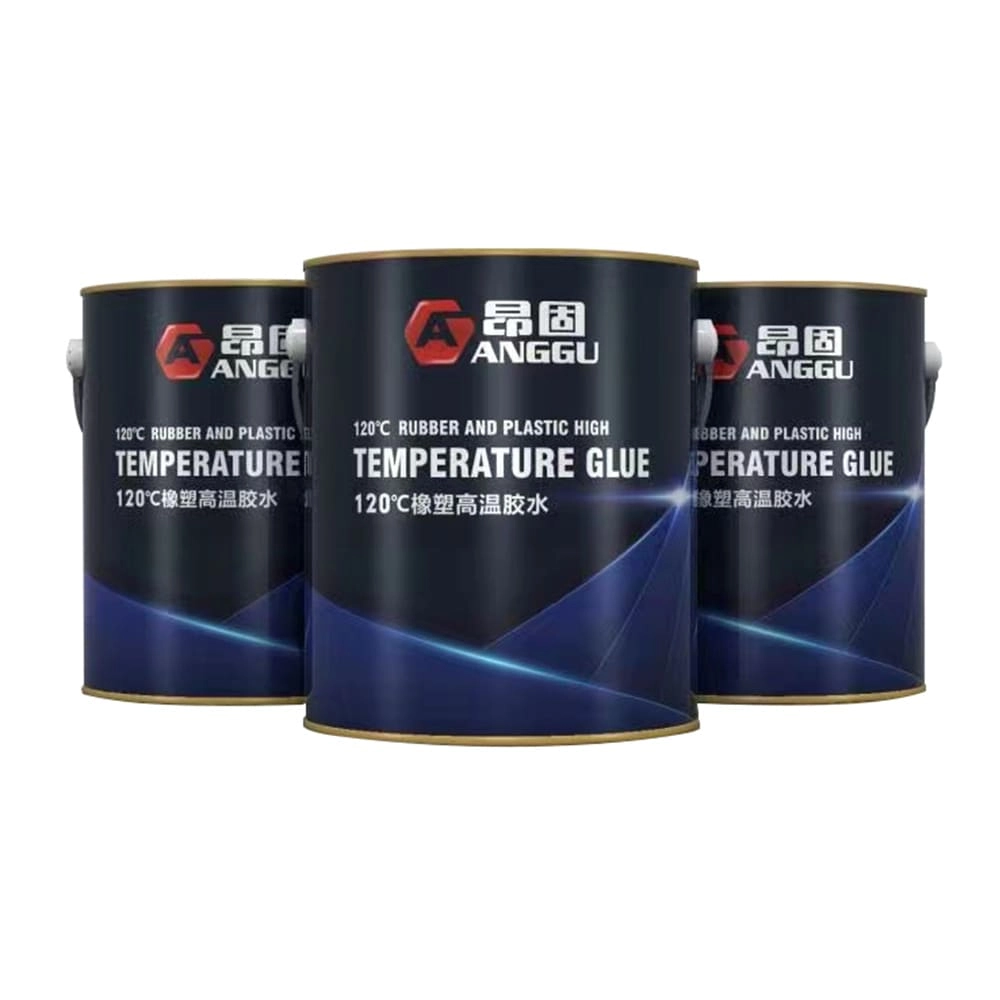
120°Rubber foam high-temperature adhesive
This product has passed the EU REACH non-toxic standard and the ROHS non-toxic standard. (The product is yellow glue.)
Anggu 120 ° rubber-plastic high-temperature glue is an extravagant product, mainly used for various intractable diseases, high temperatures, and harsh and demanding places. This product is a low-odor, high-strength quick-drying glue; table drying speed, long bonding time, no powder, non-toxic, wide range of applications, can be applied to most insulation materials.

Wholesale Rock Wool Mineral Wool Board Panel Sheet
High-performance rock wool board for superior thermal and acoustic insulation. A reliable choice for building projects.
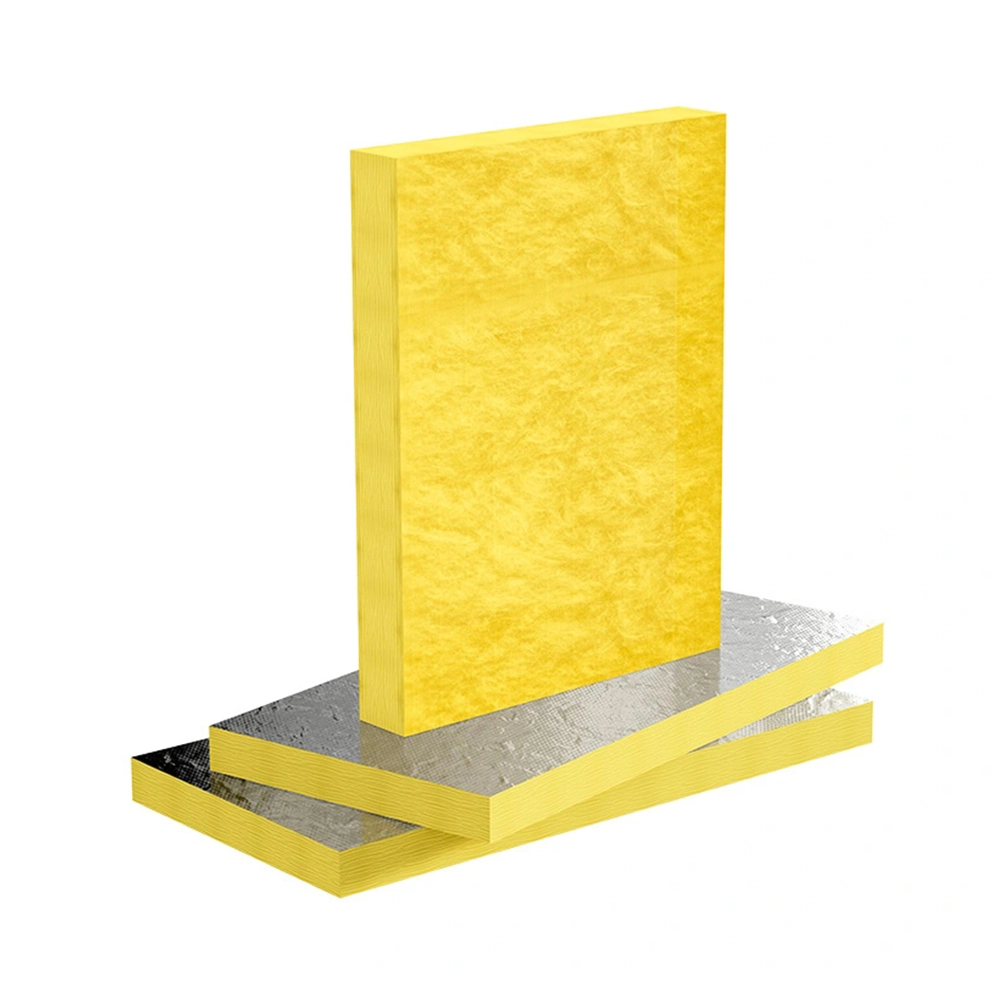
Wholesale Glass Wool Board Panel Sheet with or without aluminum foil
Premium glass wool board with excellent thermal insulation and sound absorption. Suitable for different construction needs.
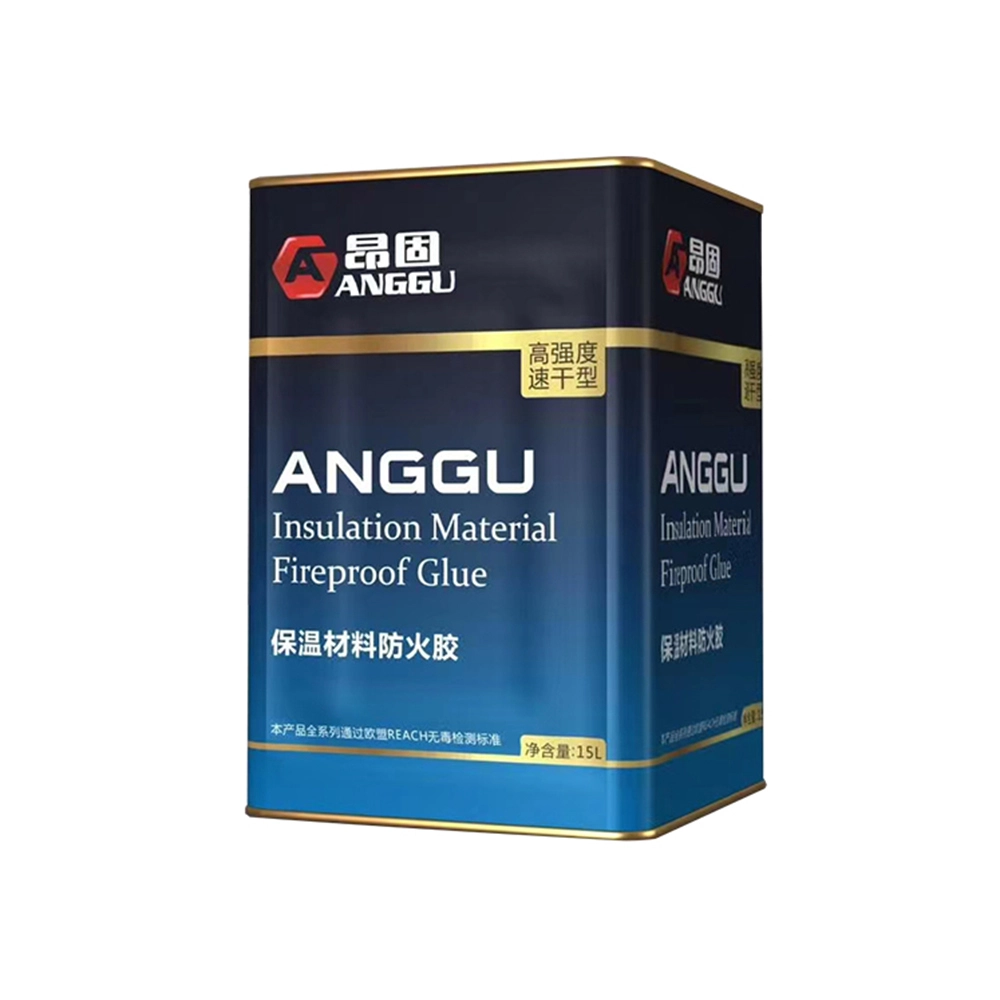
Thermal insulation material fireproof adhesive
Leave a message
Have any questions or concerns about our products? Please leave us a message here and our team will get back to you promptly.
Your queries, ideas, and collaboration opportunities are just a click away. Let’s start a conversation.
