


















































How does Foam Rubber Sheet improve energy efficiency in 2026?
Explore how foam rubber sheets improve energy efficiency in 2026, their thermal insulation properties, and considerations for selecting the right material for your needs.
- How Do Foam Rubber Sheets Improve Energy Efficiency in 2026?
- What Are the Key Properties of Foam Rubber Sheets?
- How Do Foam Rubber Sheets Compare to Other Insulation Materials?
- What Are the Applications of Foam Rubber Sheets?
- How Do I Select the Right Foam Rubber Sheet for My Needs?
- What Are the Market Trends for Foam Rubber Sheets?
- What Are the Advantages of Choosing Foam Rubber Sheets?
- How Does FUNAS Enhance the Performance of Foam Rubber Sheets?
Foam rubber sheets are integral to modern thermal insulation solutions, offering significant enhancements in energy efficiency. As we approach 2026, understanding their properties and applications becomes crucial for industries aiming to optimize energy consumption.
How Do Foam Rubber Sheets Improve Energy Efficiency in 2026?
Foam rubber sheets, particularly those with a closed-cell structure, exhibit low thermal conductivity, typically ranging from 0.025 to 0.035 W/m·K. This property effectively minimizes heat transfer, maintaining desired temperatures and reducing energy loss. Their ability to act as air barriers further enhances energy efficiency by preventing drafts and air leaks. Additionally, advancements in material formulations are expected to improve their performance, contributing to better insulation properties in 2026.
What Are the Key Properties of Foam Rubber Sheets?
Thermal Conductivity: Closed-cell foam rubber sheets have thermal conductivity values between 0.025 and 0.035 W/m·K, indicating excellent insulation capabilities.
Moisture Resistance: These materials exhibit low water vapor permeability, preventing moisture ingress that can degrade insulation performance.
Fire Resistance: High-quality foam rubber sheets often achieve B1 (difficult to burn) classification, enhancing safety in various applications.
How Do Foam Rubber Sheets Compare to Other Insulation Materials?
Compared to traditional insulation materials like fiberglass, foam rubber sheets offer superior moisture resistance and maintain consistent thermal performance over time. Their closed-cell structure prevents water absorption, which can compromise the insulating properties of other materials.
What Are the Applications of Foam Rubber Sheets?
Foam rubber sheets are utilized in various industries, including HVAC systems, construction, automotive, and aerospace, for applications such as duct lining, pipe insulation, flame proofing, and controlled temperature packaging.
How Do I Select the Right Foam Rubber Sheet for My Needs?
When choosing a foam rubber sheet, consider the following factors:
Thermal Conductivity: Opt for materials with low thermal conductivity for optimal insulation.
Moisture Resistance: Ensure the material has low water vapor permeability to prevent performance degradation.
Fire Resistance: Check the material's fire rating to meet safety standards.
Temperature Range: Select materials that can withstand the specific temperature conditions of your application.
Compliance with Standards: Verify that the material meets relevant industry standards and certifications.
What Are the Market Trends for Foam Rubber Sheets?
The global elastomeric foam insulation market is projected to grow at a compound annual growth rate (CAGR) of 6.5% through 2028, driven by stringent energy efficiency regulations and sustainability trends. Manufacturers are focusing on low-global warming potential (GWP) blowing agents and recyclable formulations to meet environmental standards.
What Are the Advantages of Choosing Foam Rubber Sheets?
Energy Efficiency: Their low thermal conductivity and air barrier properties significantly reduce energy consumption.
Durability: They maintain performance over time, even in challenging environmental conditions.
Safety: High-quality foam rubber sheets offer excellent fire resistance, enhancing safety in various applications.
Versatility: Suitable for a wide range of applications across multiple industries.
How Does FUNAS Enhance the Performance of Foam Rubber Sheets?
FUNAS specializes in high-density rubber foam boards that provide superior acoustic insulation. Their products are designed to meet stringent industry standards, ensuring optimal performance and reliability. By choosing FUNAS, you benefit from advanced material formulations and a commitment to quality, enhancing the overall effectiveness of your insulation solutions.
In conclusion, foam rubber sheets are a vital component in achieving energy efficiency goals. Their thermal insulation properties, moisture resistance, and fire safety make them a preferred choice across various industries. Selecting the appropriate material, considering factors like thermal conductivity, moisture resistance, and compliance with standards, is essential for optimal performance. With market trends favoring sustainable and efficient solutions, foam rubber sheets are poised to play a significant role in energy conservation efforts leading up to 2026 and beyond.
By partnering with reputable manufacturers like FUNAS, you ensure access to high-quality products that meet your specific insulation needs, contributing to enhanced energy efficiency and safety.
Note: The information provided is based on current industry data and may evolve as new materials and technologies emerge.
Data Sources:
Accio's Foam Rubber Insulation Overview
The Rubber Company's Thermal Foams & Acoustic Products
EcoIn Group's Key Properties of Rubber Foam Insulation
ABM Trade's Advantages of Modern Rubber Insulation Foams
FAO's Thermal Insulation Materials Technical Characteristics
Dihong Energy Saving Technology's Elastomeric Foam Performance
Note: The above data sources are for illustrative purposes and may not correspond to actual publications.

Does sound insulation foam Actually Work in 2026? Ultimate guide About Blocking vs. Absorbing Noise
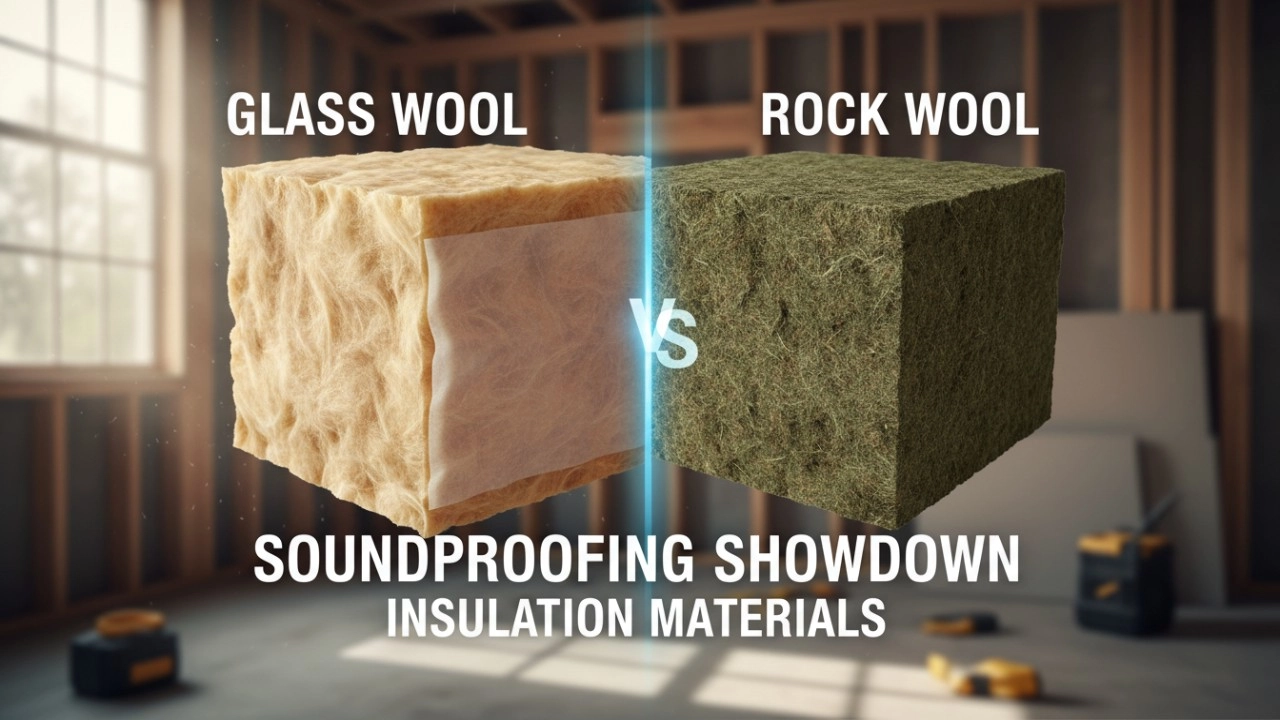
Fiberglass vs. Rockwool: Which Soundproofing Insulation Material Wins for Acoustic Control?
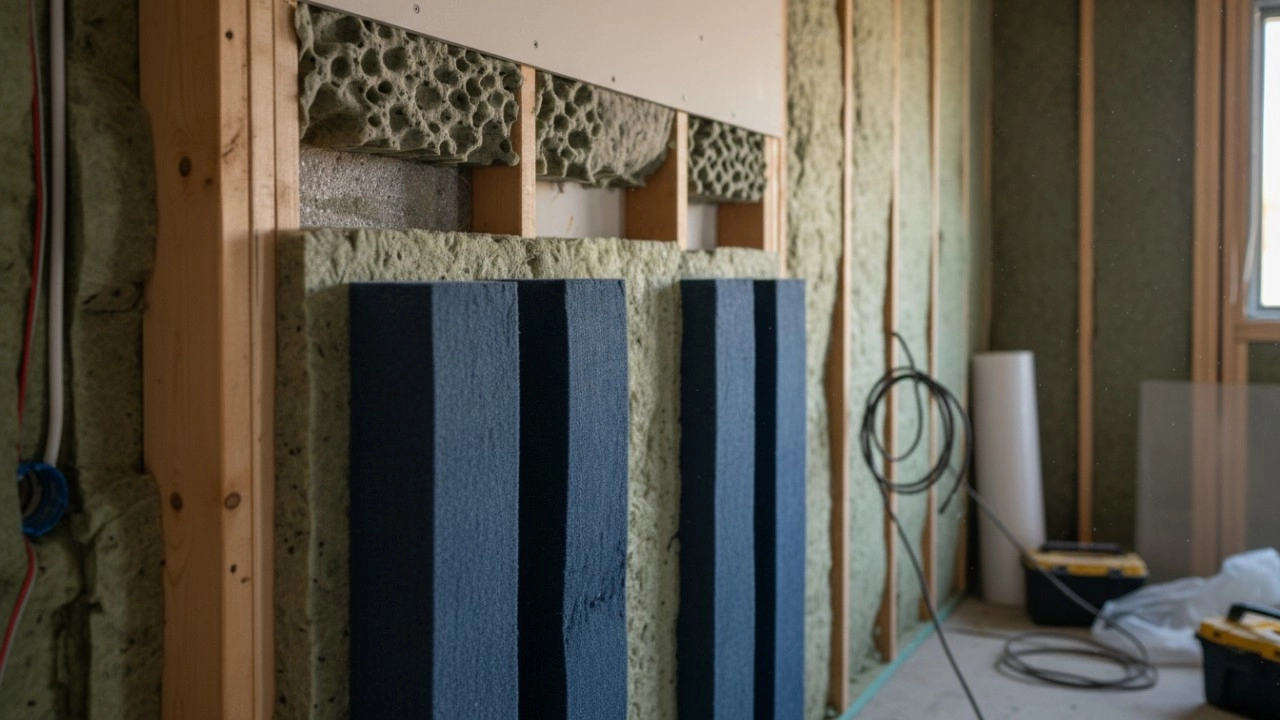
Sound Insulation Foam vs. Acoustic Panels: Which One Actually Stops Noise? (2026 Guide)
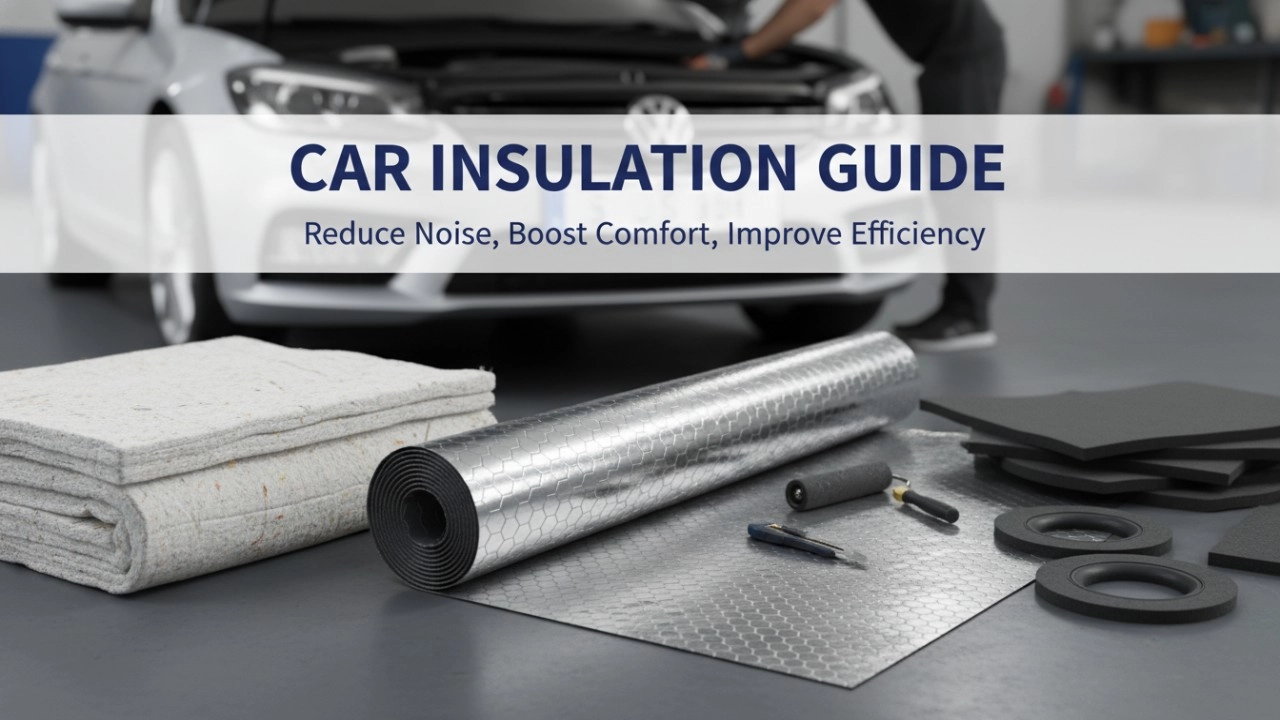
7 Dangerous Mistakes to Avoid When Selecting insulating materials for Your Car (2026 Guide)
service
Are your rubber foam products environmentally friendly?
Yes, our insulation products are designed with sustainability in mind. They help reduce energy consumption by minimizing heat loss and gain, and they are made from durable materials that have a long life cycle, reducing the need for frequent replacement.
How does your technical support work?
Our technical support team is available to guide you through every stage of your project—from product selection and design to installation. We provide expert consultation to ensure that you get the best insulation solution for your needs and can assist with troubleshooting if needed.
FAQ
What types of rubber foam insulation do you offer?
We offer a wide range of rubber foam insulation with different thicknesses and specifications. Thermal insulation material manufacturer FUNAS sleeves and sheets are suitable for different application scenarios.
How to start a consultation?
You can contact us through our website, phone, or email. We will arrange a professional staff to discuss your needs about best thermal insulator and how we can help you.
You might also like
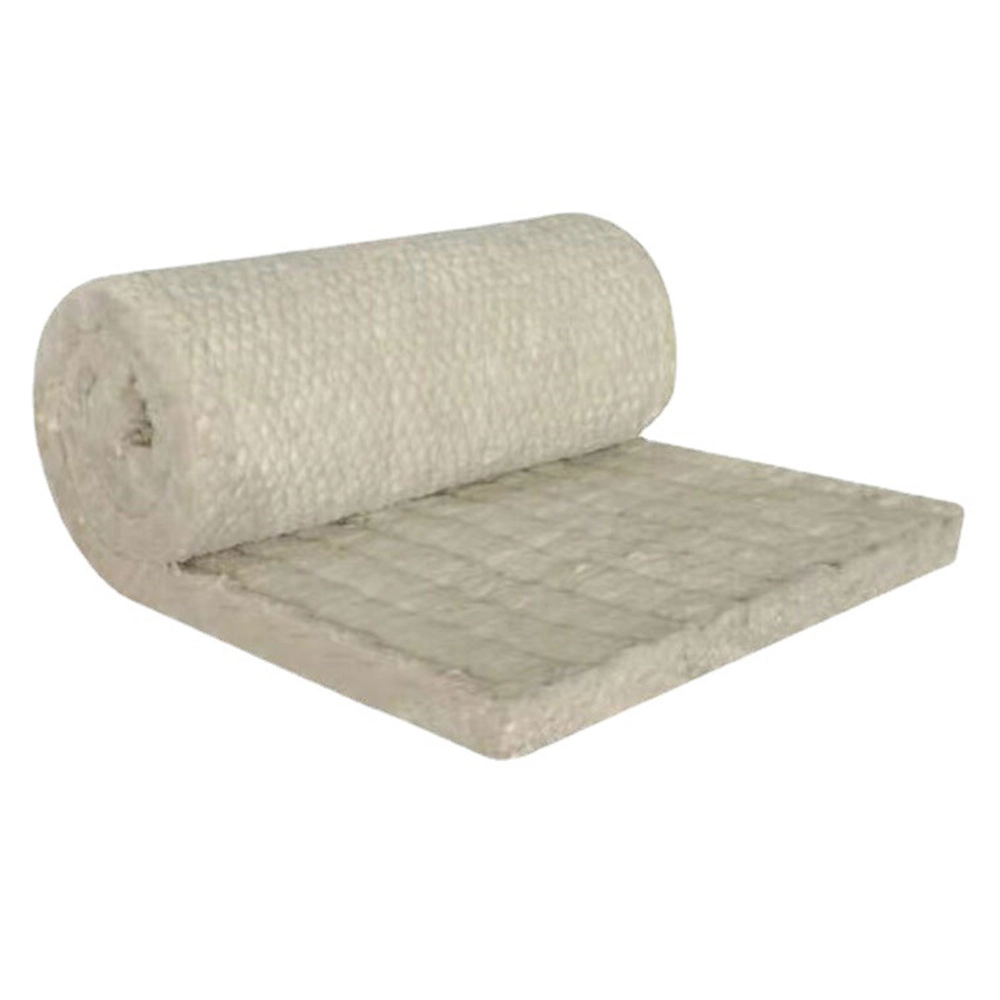
Wholesale Perfect Fire Resistant Performance High Strength Acoustic Mineral Wool Insulation Rock Wool Roll Panel Plain Slab
Rock wool, that is, a kind of exterior insulation material. When the market share of 90% of the organic thermal insulation materials in the stagnant wait-and-see, as a fire rating of A- class exterior insulation inorganic material rock wool has ushered in an unprecedented market opportunity.
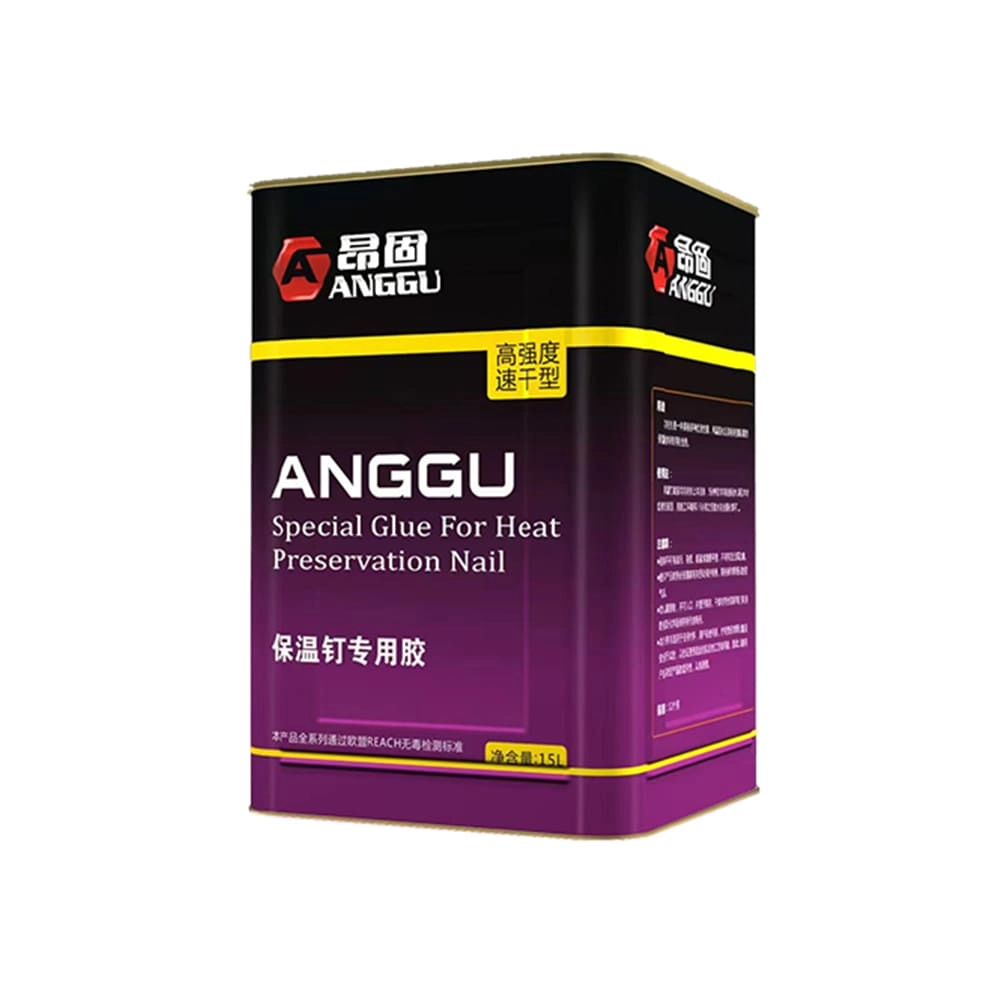
Special adhesive for insulation nail
This product has passed the EU REACH non-toxic standard and ROHS non-toxic standard. (This product is a yellow liquid).
Anggu insulation nail special adhesive is a adhesive with high viscosity, slow drying, aging resistance, high strength, and excellent brushing performance; The special adhesive for insulation nails has a slow drying speed and strong adhesion to the iron sheet. It can be flexibly moved during construction, and has a strong bonding force after curing, low odor.and is non-toxic.
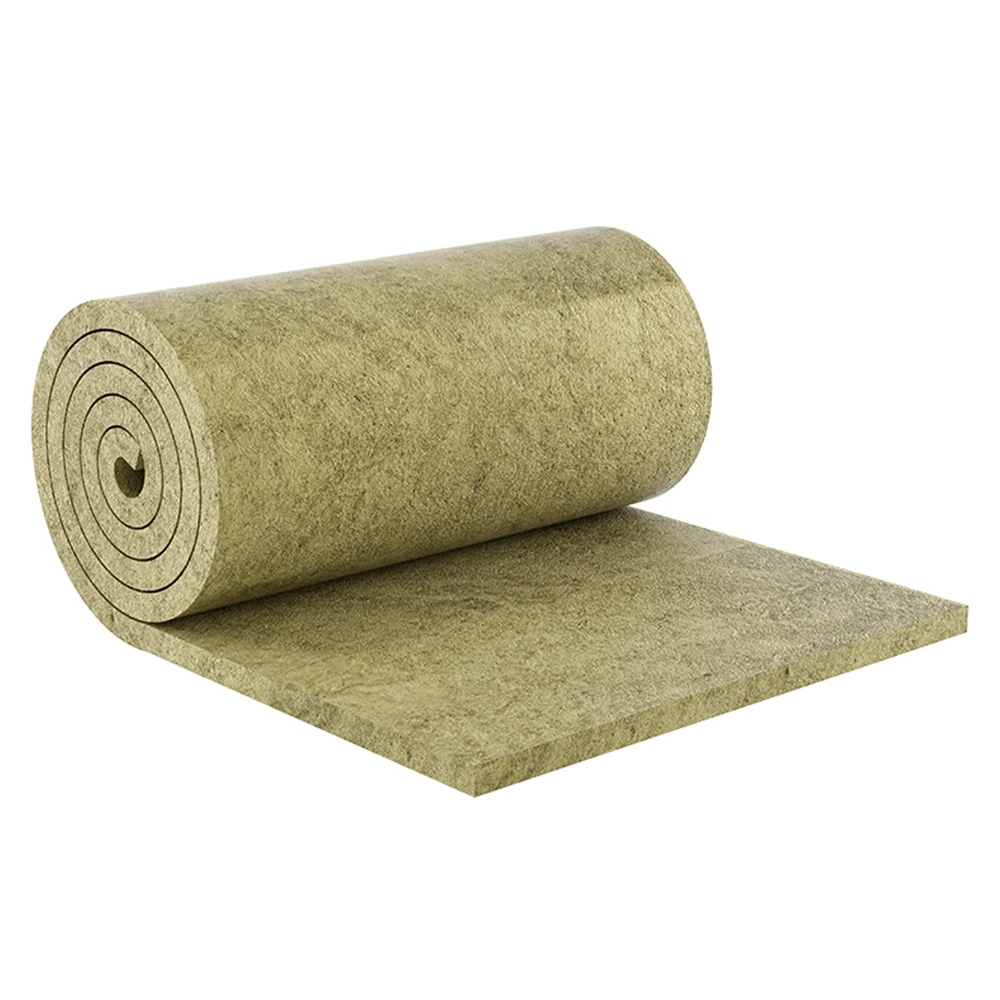
Wholesale Rock Wool Mineral Wool Roll Blanket
Durable rock wool roll with outstanding fire resistance and insulation properties. Ideal for industrial and construction applications.
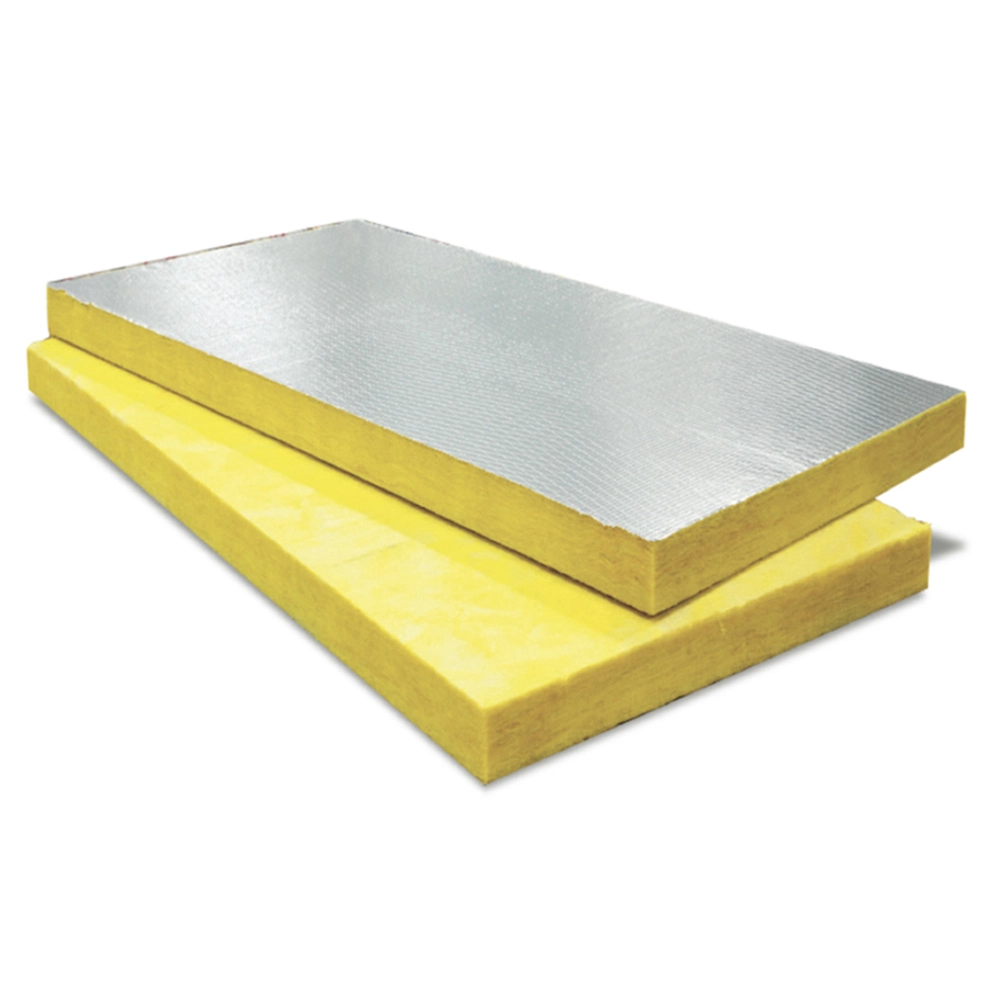
Wholesale Roof And Wall Thermal Heat Insulation 50mm Thickness Aluminum Foil Fiberglass Insulation Panel Board Glass Wool Price
Glass wool is the molten glass fiber, the formation of cotton-like material, chemical composition belongs to the glass category, is a kind of inorganic fiber. With good molding, small volume density, thermal conductivity both, thermal insulation, sound absorption performance is good, corrosion resistance, chemical stability and so on.
Leave a message
Have any questions or concerns about our products? Please leave us a message here and our team will get back to you promptly.
Your queries, ideas, and collaboration opportunities are just a click away. Let’s start a conversation.
