


















































Why choose Foam Rubber Sheet for acoustic insulation in 2026?
Explore the benefits, applications, and considerations of using foam rubber sheets for acoustic insulation in 2026, and discover how FUNAS's products can enhance your insulation needs.
- Why Choose Foam Rubber Sheets for Acoustic Insulation in 2026?
- 1. What Are Foam Rubber Sheets?
- 2. What Are the Benefits of Using Foam Rubber Sheets for Acoustic Insulation?
- 3. What Are the Applications of Foam Rubber Sheets in Acoustic Insulation?
- 4. How Do Foam Rubber Sheets Compare to Other Acoustic Insulation Materials?
- 5. What Are the Considerations When Choosing Foam Rubber Sheets for Acoustic Insulation?
- 6. How Do Regional Building Codes and Sustainability Standards Impact the Adoption of Foam Rubber Sheets?
- 7. What Are the Market Trends for Foam Rubber Sheets in Acoustic Insulation?
- 8. How Can FUNAS Enhance Your Acoustic Insulation Needs?
Why Choose Foam Rubber Sheets for Acoustic Insulation in 2026?
Acoustic insulation is crucial for creating comfortable and productive environments by reducing unwanted noise. Foam rubber sheets have emerged as a popular choice for acoustic insulation due to their unique properties and advantages. In this article, we will explore the benefits, applications, and considerations of using foam rubber sheets for acoustic insulation in 2026.
1. What Are Foam Rubber Sheets?
Foam rubber sheets are flexible, lightweight materials made from synthetic rubber compounds, often incorporating fillers to enhance their acoustic properties. They are designed to absorb sound waves, reducing noise transmission between spaces. These sheets are available in various thicknesses and densities to suit different applications.
2. What Are the Benefits of Using Foam Rubber Sheets for Acoustic Insulation?
Effective Noise Reduction: Foam rubber sheets effectively absorb sound waves, reducing noise transmission and improving acoustic comfort in various settings.
Lightweight and Flexible: Their lightweight and flexible nature makes them easy to handle and install, even in complex or irregular spaces.
Durability: Foam rubber sheets are known for their longevity, maintaining their acoustic performance over time without significant degradation.
Moisture Resistance: Many foam rubber sheets are resistant to moisture, preventing issues like mold growth and maintaining their integrity in humid environments.
Eco-Friendly Options: With increasing environmental awareness, manufacturers are producing foam rubber sheets made from recycled materials, contributing to sustainable building practices.
3. What Are the Applications of Foam Rubber Sheets in Acoustic Insulation?
Residential Spaces: Used in walls, ceilings, and floors to reduce noise between rooms and from external sources.
Commercial Buildings: Applied in offices, hotels, and restaurants to create quiet environments for occupants and customers.
Automotive Industry: Installed in vehicles to minimize road and engine noise, enhancing driver and passenger comfort. ((https://www.funasinsulations.com/acoustic-vs-thermal-insulation-cars-2026-comparison.html))
Industrial Settings: Employed around machinery and equipment to reduce operational noise and protect workers' hearing.
4. How Do Foam Rubber Sheets Compare to Other Acoustic Insulation Materials?
When compared to materials like fiberglass or mineral wool, foam rubber sheets offer:
Superior Moisture Resistance: Unlike some materials that can absorb moisture, foam rubber sheets maintain their performance in humid conditions.
Enhanced Durability: They are less prone to degradation over time, ensuring long-term acoustic performance.
Ease of Installation: Their flexibility allows for easier installation in various applications, reducing labor costs and time.
5. What Are the Considerations When Choosing Foam Rubber Sheets for Acoustic Insulation?
Density and Thickness: Selecting the appropriate density and thickness is crucial for achieving the desired level of sound insulation.
Fire Safety: Ensure that the foam rubber sheets meet local fire safety standards, as some materials may be more flammable than others.
Environmental Impact: Opt for products made from recycled materials or those that are recyclable to support sustainable building practices.
Cost: While foam rubber sheets may have a higher initial cost compared to some alternatives, their durability and performance can offer better value over time.
6. How Do Regional Building Codes and Sustainability Standards Impact the Adoption of Foam Rubber Sheets?
Regional building codes and sustainability standards play a significant role in the adoption of foam rubber sheets:
Regulatory Compliance: In regions with strict noise control regulations, foam rubber sheets can help meet required sound insulation standards.
Sustainability Certifications: Products made from recycled materials or those that contribute to green building certifications are increasingly preferred in the market.
7. What Are the Market Trends for Foam Rubber Sheets in Acoustic Insulation?
The market for foam rubber sheets in acoustic insulation is experiencing growth due to:
Urbanization: Increasing urban development leads to a higher demand for effective noise control solutions in residential and commercial buildings.
Technological Advancements: Innovations in material science have improved the performance and sustainability of foam rubber sheets, making them more attractive to consumers.
Environmental Awareness: Growing emphasis on eco-friendly building materials drives the adoption of sustainable insulation options.
8. How Can FUNAS Enhance Your Acoustic Insulation Needs?
FUNAS offers a range of high-quality foam rubber sheets designed to meet various acoustic insulation requirements. Our products are:
Customizable: Available in different densities, thicknesses, and sizes to suit specific applications.
Environmentally Friendly: Manufactured using recycled materials and designed for recyclability to support sustainable building practices.
Durable: Engineered for long-term performance, ensuring consistent acoustic insulation over time.
Certified: Compliant with international standards for fire safety and environmental impact, providing peace of mind for your projects.
In conclusion, foam rubber sheets offer a versatile and effective solution for acoustic insulation in 2026. By considering the benefits, applications, and key considerations outlined above, you can make informed decisions to enhance the acoustic comfort of your spaces. Partnering with reputable manufacturers like FUNAS ensures access to high-quality, sustainable, and durable insulation materials tailored to your needs.
References:- ((https://www.funasinsulations.com/acoustic-vs-thermal-insulation-cars-2026-comparison.html))

Does sound insulation foam Actually Work in 2026? Ultimate guide About Blocking vs. Absorbing Noise
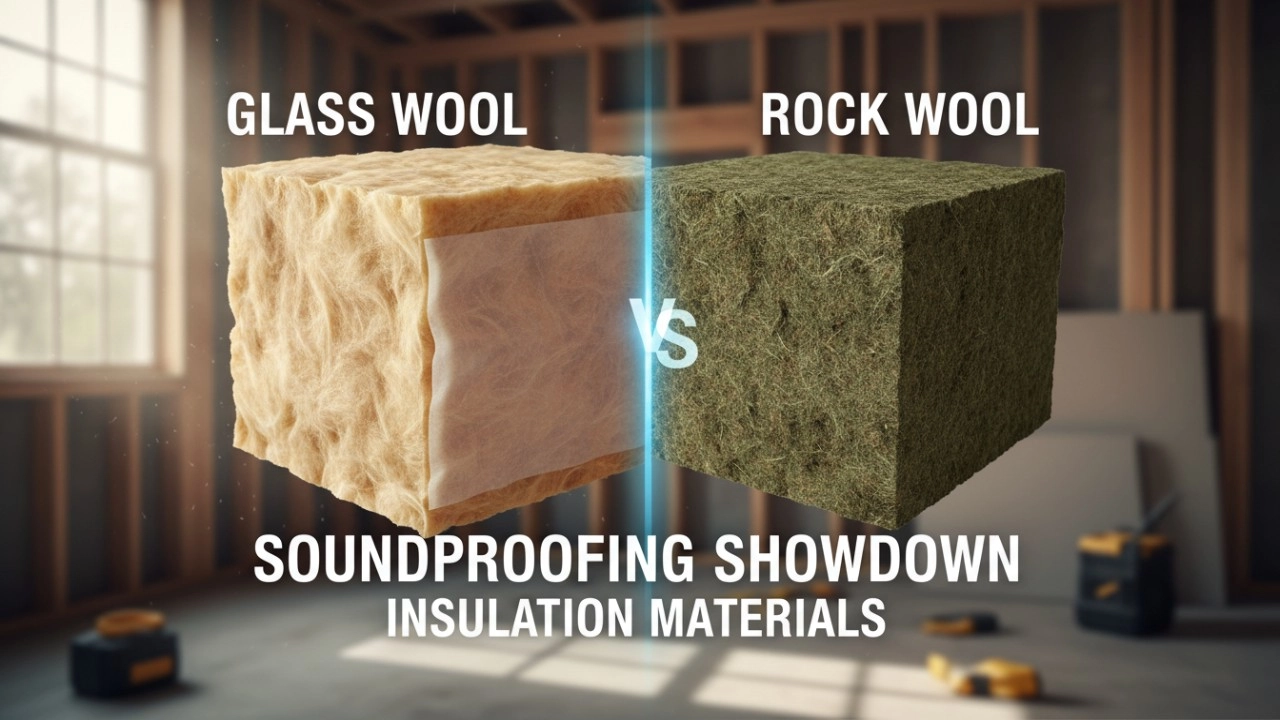
Fiberglass vs. Rockwool: Which Soundproofing Insulation Material Wins for Acoustic Control?
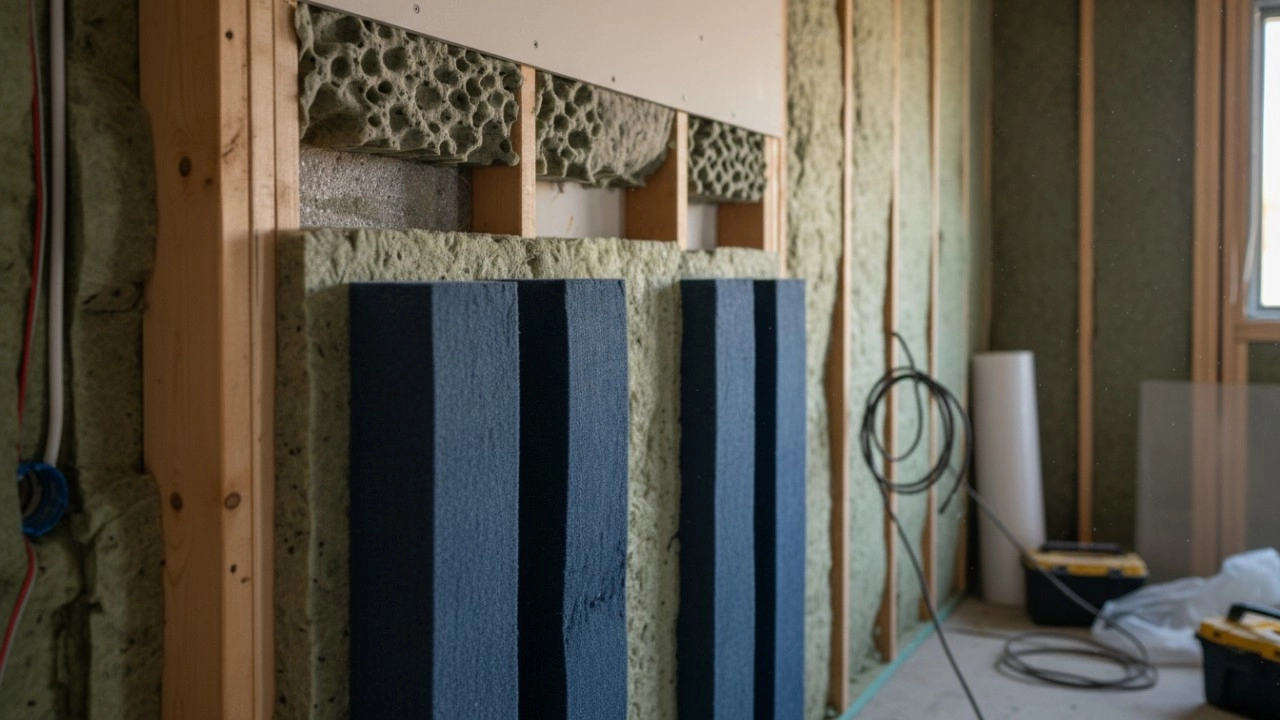
Sound Insulation Foam vs. Acoustic Panels: Which One Actually Stops Noise? (2026 Guide)
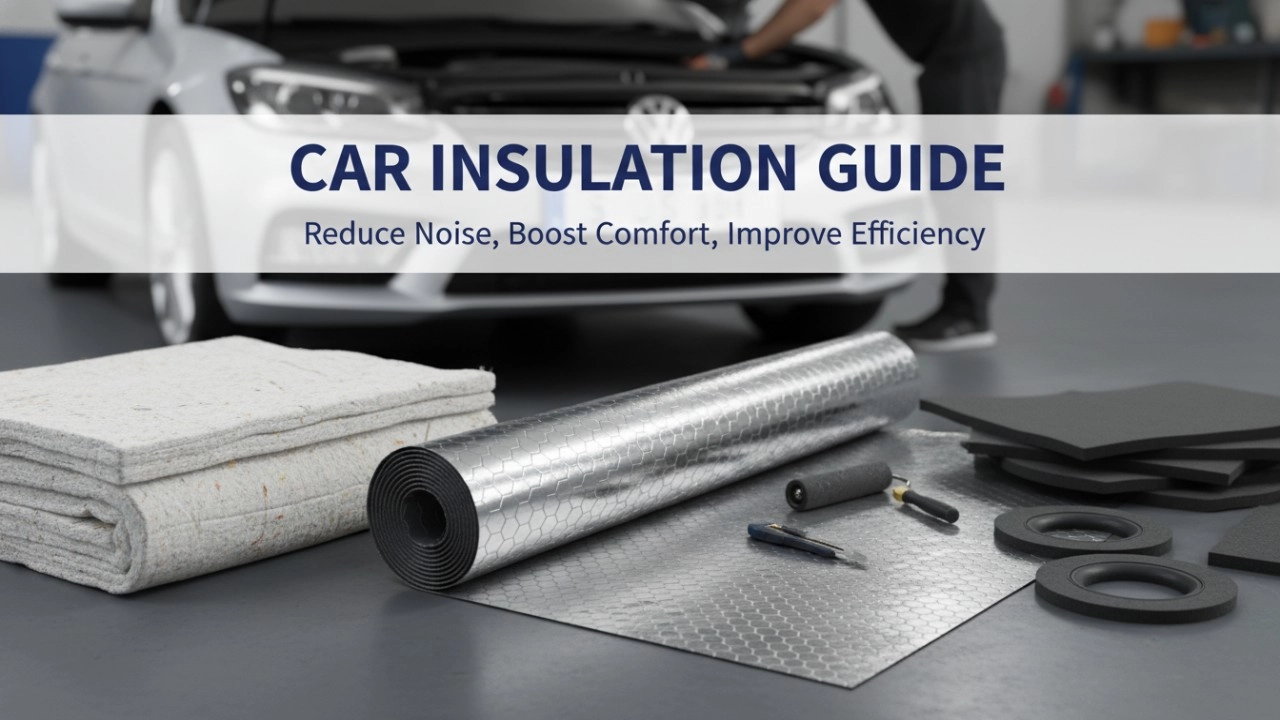
7 Dangerous Mistakes to Avoid When Selecting insulating materials for Your Car (2026 Guide)
FAQ
How to start a consultation?
You can contact us through our website, phone, or email. We will arrange a professional staff to discuss your needs about best thermal insulator and how we can help you.
How do I choose the right insulation for my project?
Our team can help you choose the best material for heat insulation based on your specific needs, such as thermal resistance, acoustic properties, and environmental conditions.
service
What is your shipping and delivery process like?
We offer reliable logistics services for insulation material wholesale, both domestically and internationally. Our team ensures secure packaging, timely shipping, and real-time tracking so that your order reaches you in perfect condition and on schedule.
Are your rubber foam products environmentally friendly?
Yes, our insulation products are designed with sustainability in mind. They help reduce energy consumption by minimizing heat loss and gain, and they are made from durable materials that have a long life cycle, reducing the need for frequent replacement.
You might also like
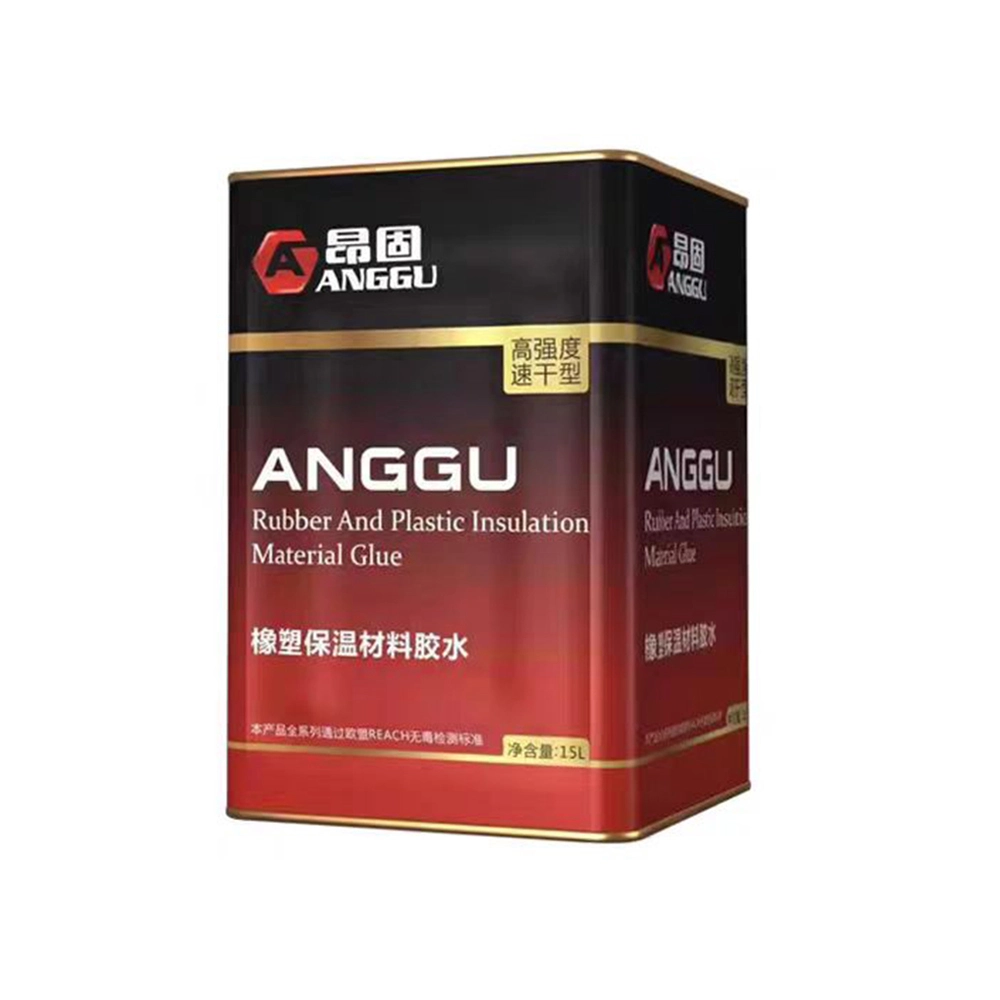
Rubber Plastic insulation Material Glue
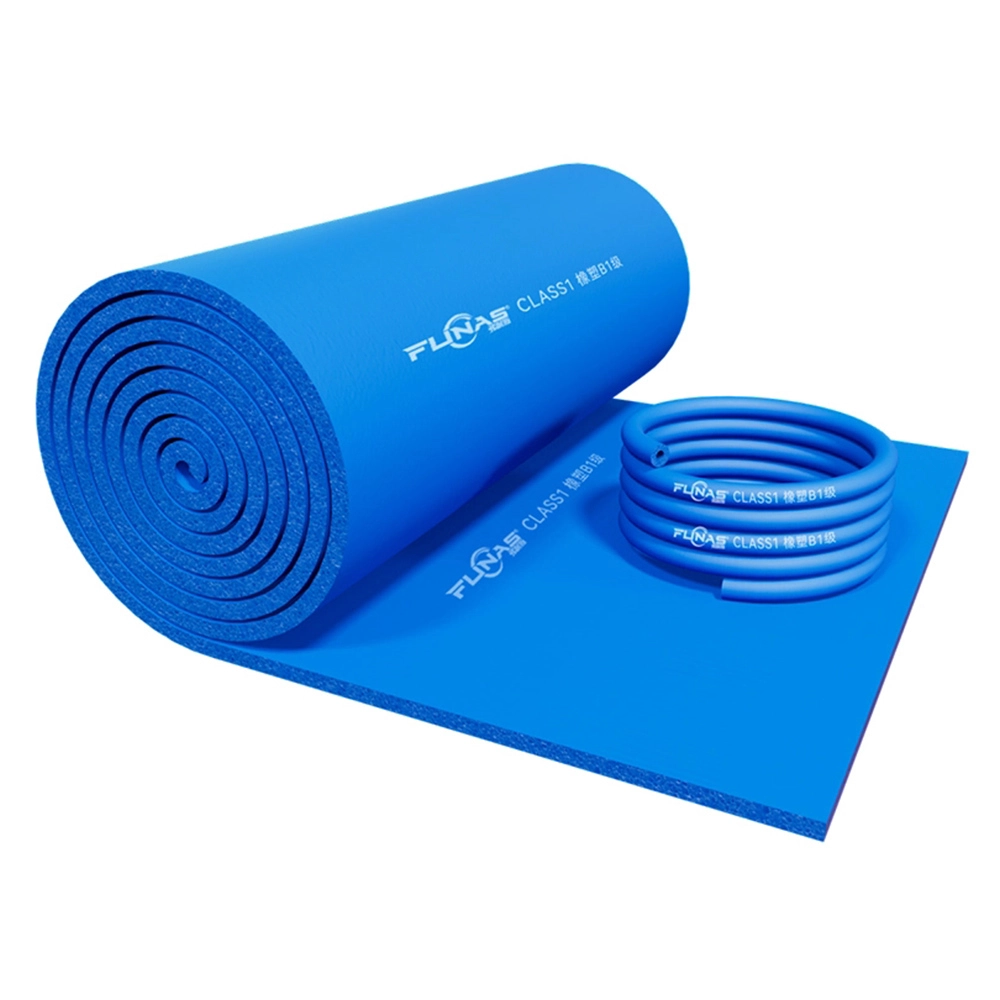
Wholesale blue Rubber-plastic Board Rubber foam panel sheet
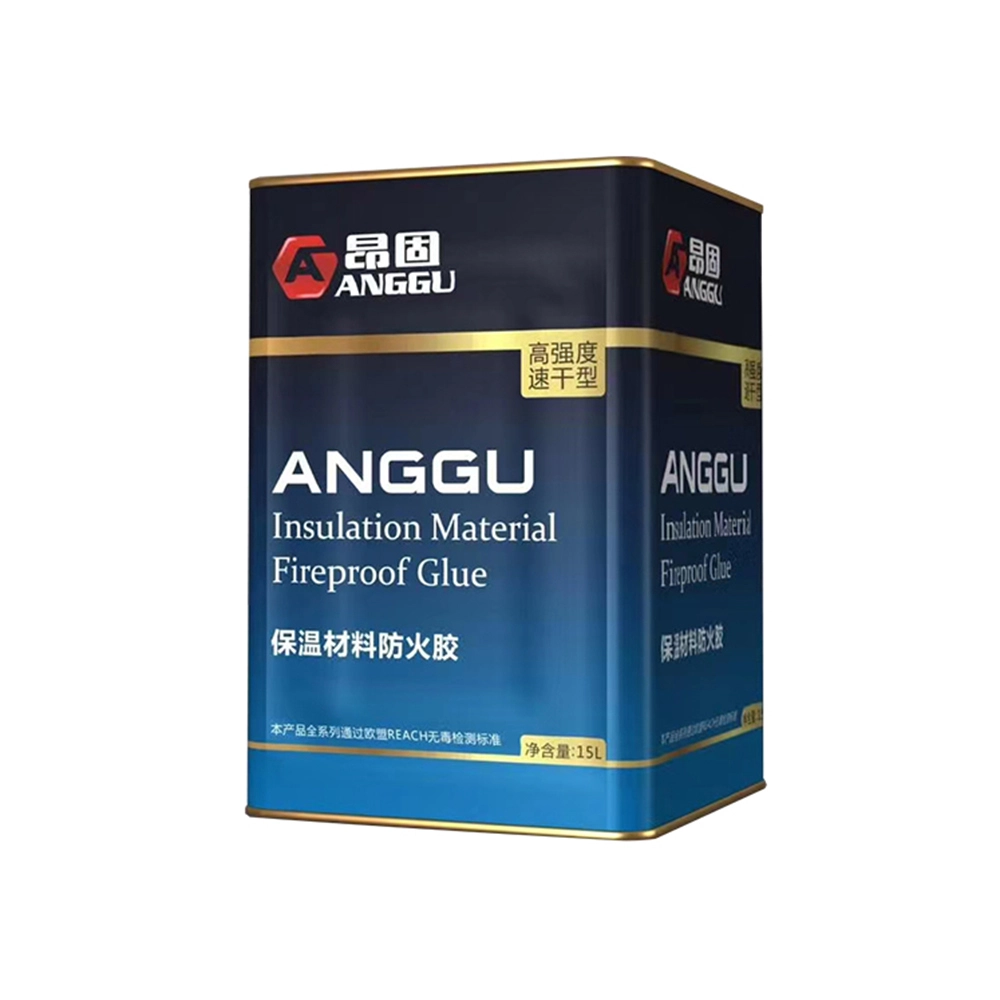
Thermal insulation material fireproof adhesive
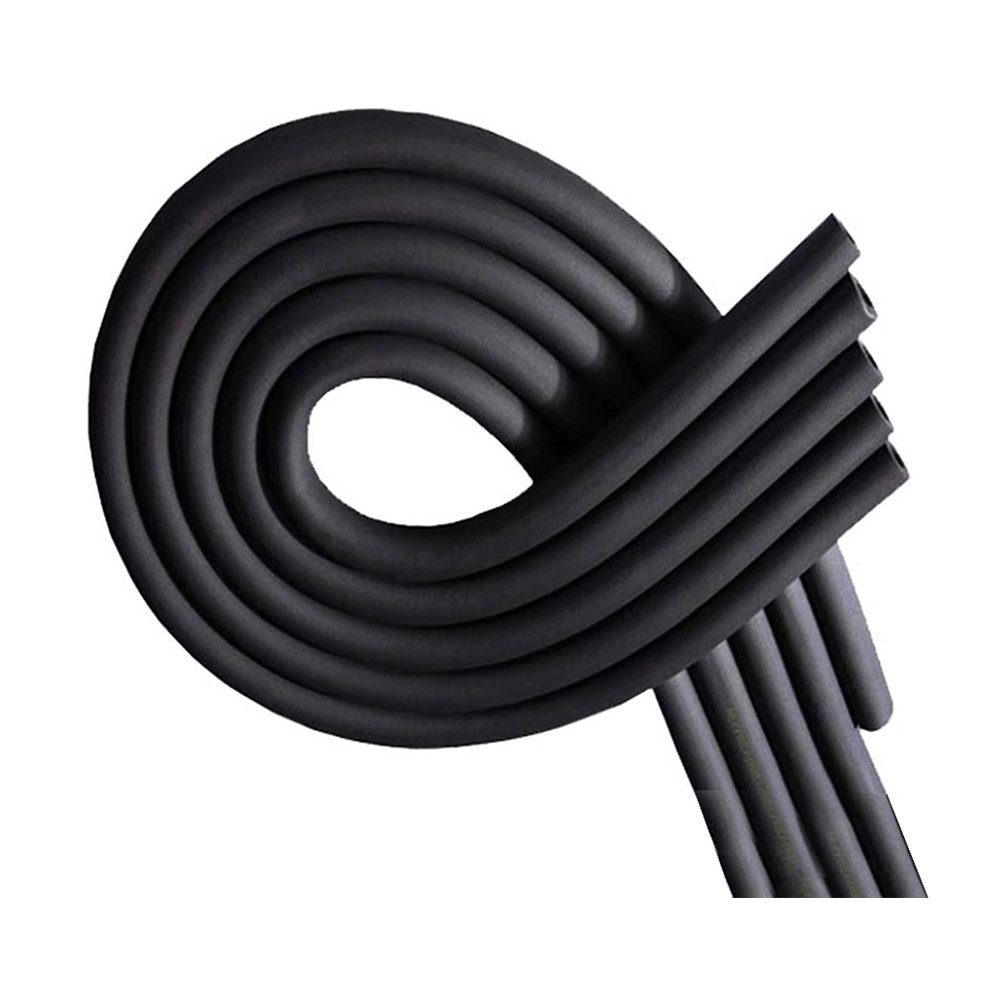
Wholesale Black nitrile rubber foam pipe rubber NBR foam tube rubber foam insulation tube for hvac system
Leave a message
Have any questions or concerns about our products? Please leave us a message here and our team will get back to you promptly.
Your queries, ideas, and collaboration opportunities are just a click away. Let’s start a conversation.
