
What are the top Foam Rubber Sheet materials for HVAC in 2026?
Explore the leading foam rubber sheet materials for HVAC systems in 2026, focusing on their thermal performance, moisture resistance, mechanical strength, fire safety, and environmental impact. Learn how to choose the right insulation for your HVAC needs and discover the advantages of partnering with FUNAS for your insulation solutions.
- Top Foam Rubber Sheet Materials for HVAC in 2026: A Comprehensive Guide
- 1. What are the leading foam rubber sheet materials for HVAC in 2026?
- 2. How do foam rubber sheets perform in terms of thermal insulation?
- 3. What are the moisture resistance properties of foam rubber sheets?
- 4. How do foam rubber sheets perform in terms of fire resistance?
- 5. What are the environmental considerations for using foam rubber sheets?
- 6. How do foam rubber sheets compare to other insulation materials?
- 7. What are the installation considerations for foam rubber sheets?
- 8. How can partnering with FUNAS benefit HVAC projects?
Top Foam Rubber Sheet Materials for HVAC in 2026: A Comprehensive Guide
As the HVAC industry evolves, selecting the appropriate insulation materials becomes crucial for enhancing system efficiency and sustainability. Foam rubber sheets, particularly those made from Ethylene Propylene Diene Monomer (EPDM), have emerged as top choices for HVAC applications in 2026. This guide delves into the key considerations for choosing foam rubber sheet materials and highlights the advantages of partnering with FUNAS for your insulation needs.
1. What are the leading foam rubber sheet materials for HVAC in 2026?
In 2026, EPDM-based foam rubber sheets are at the forefront of HVAC insulation materials. EPDM offers excellent thermal performance, moisture resistance, and mechanical strength, making it ideal for HVAC applications. For instance, AEROFLEX® EPDM insulation provides a thermal conductivity (K value) of 0.237 Btu-in/hr-Ft²-°F at 50°F (10°C), ensuring effective thermal insulation.
2. How do foam rubber sheets perform in terms of thermal insulation?
Foam rubber sheets, especially those made from EPDM, exhibit low thermal conductivity, which is essential for minimizing heat loss or gain in HVAC systems. AEROFLEX® EPDM insulation, for example, maintains a thermal conductivity of 0.237 Btu-in/hr-Ft²-°F at 50°F (10°C), ensuring effective thermal insulation.
3. What are the moisture resistance properties of foam rubber sheets?
Moisture resistance is vital for preventing mold growth and maintaining insulation integrity. EPDM-based foam rubber sheets are naturally resistant to water absorption, with AEROFLEX® EPDM insulation demonstrating a water absorption rate of less than 0.2% by volume.
4. How do foam rubber sheets perform in terms of fire resistance?
Fire safety is a critical consideration in HVAC systems. EPDM-based foam rubber sheets offer commendable fire resistance. AEROFLEX® EPDM insulation, for instance, is classified as self-extinguishing and passes the NFPA 90A/90B standards, ensuring enhanced safety in HVAC applications.
5. What are the environmental considerations for using foam rubber sheets?
Environmental impact is increasingly important in material selection. EPDM-based foam rubber sheets are environmentally friendly, containing no ozone-depleting substances and having low global warming potential. AEROFLEX® EPDM insulation, for example, contains no CFCs, HFCs, HCFCs, PBDEs, formaldehyde, nitrosamine, or fibers, aligning with sustainable building practices.
6. How do foam rubber sheets compare to other insulation materials?
When compared to other insulation materials like fiberglass and rock wool, foam rubber sheets, particularly those made from EPDM, offer superior flexibility, ease of installation, and consistent thermal performance. They also provide better moisture resistance and are less prone to degradation over time, making them a reliable choice for HVAC systems.
7. What are the installation considerations for foam rubber sheets?
Installing foam rubber sheets requires attention to detail to ensure optimal performance. It's essential to follow manufacturer guidelines for cutting, fitting, and sealing to prevent gaps and ensure a continuous thermal barrier. Using appropriate adhesives and sealants, as recommended by the manufacturer, can enhance the insulation's effectiveness and longevity.
8. How can partnering with FUNAS benefit HVAC projects?
FUNAS offers a comprehensive range of high-quality foam rubber sheet insulation materials tailored for HVAC applications. With over a decade of experience, FUNAS provides customized solutions, technical support, and a commitment to sustainability, ensuring that your HVAC projects meet energy efficiency and safety standards. Their extensive product range and expertise make them a valuable partner in achieving optimal HVAC system performance.
In conclusion, selecting the right foam rubber sheet material is pivotal for the efficiency, safety, and sustainability of HVAC systems in 2026. EPDM-based foam rubber sheets stand out due to their thermal performance, moisture resistance, fire safety, and environmental benefits. Collaborating with a reputable manufacturer like FUNAS can further enhance the quality and success of your HVAC projects.
References:
AEROFLEX® EPDM Sheet & Roll Insulation Data Sheet. Aeroflex USA.
"World’s Top 75 HVAC Insulation Companies in 2025: Innovation And Revenue Insights." Spherical Insights.
"Top Thermal Insulation Materials Manufacturers in 2025." FUNAS Insulations. ((https://www.funasinsulations.com/top-thermal-insulation-manufacturers-2025.html))
"2026 Guide to Insulation Material Manufacturers." FUNAS Insulations. ((https://www.funasinsulations.com/2026-guide-to-thermal-insulation-material-manufacturers.html))
"Top 10 Foam Rubber Sheet Manufacturers for Insulation & More." FUNAS Insulations. ((https://www.funasinsulations.com/top-10-foam-rubber-sheet-manufacturers-for-insulation-more.html))
"Foam Rubber Sheets: Top Insulation Choice in 2026." FUNAS Insulations. ((https://www.funasinsulations.com/foam-rubber-sheets-top-insulation-2026.html))
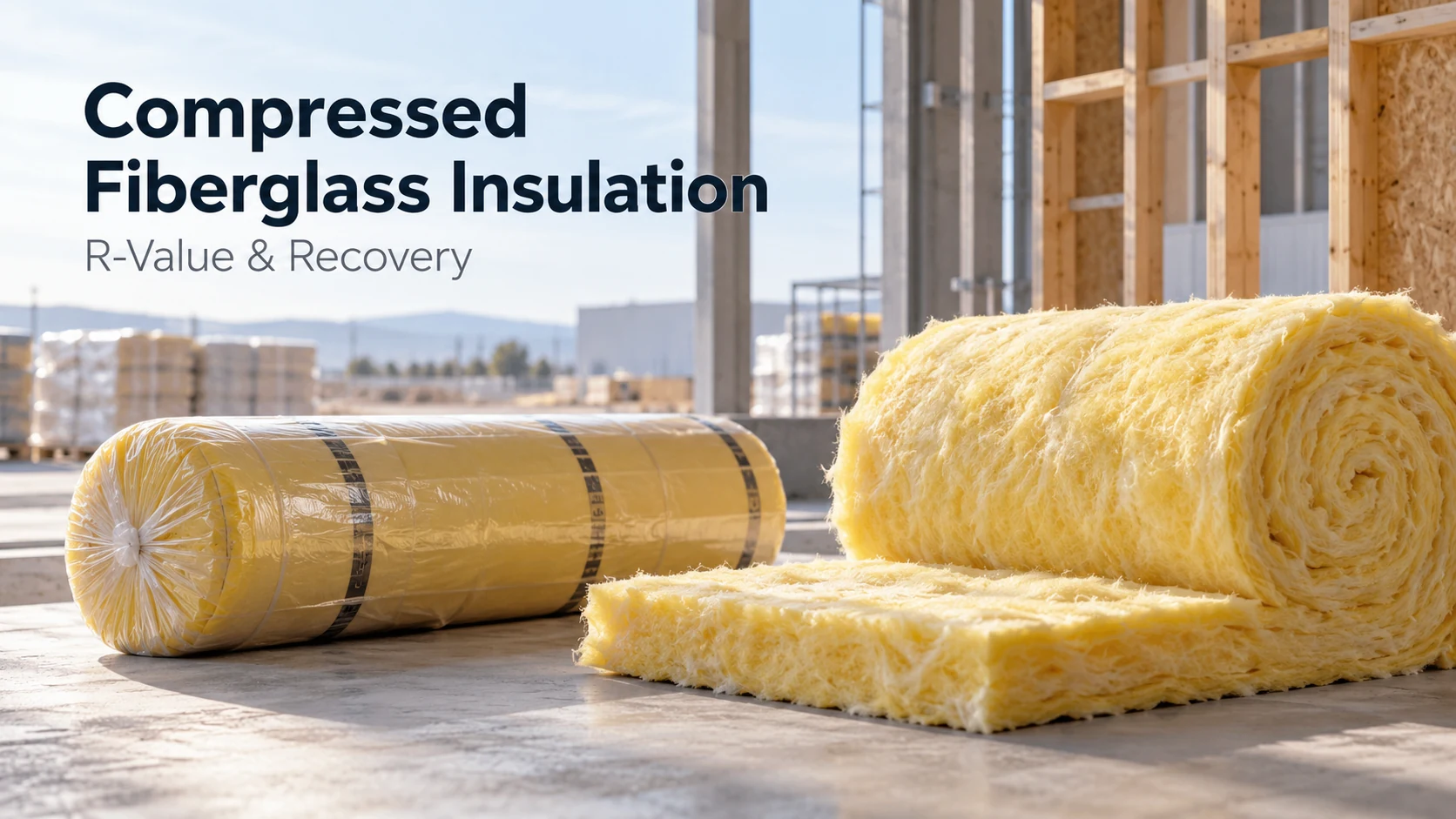
What Happens When Fiberglass (Glass Wool) Insulation Is Compressed?
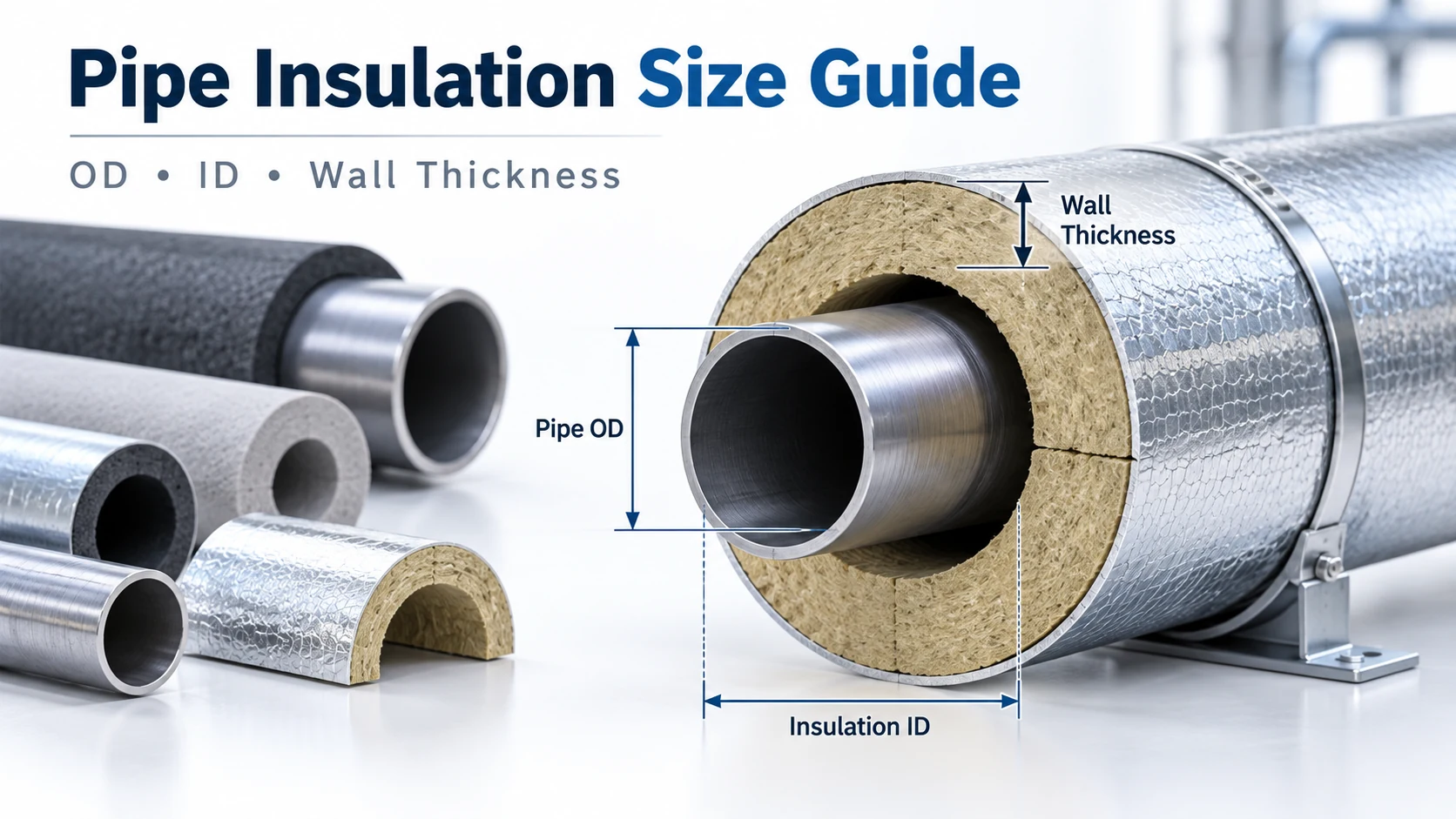
Pipe Insulation Size Guide: How to Match Pipe OD, Insulation ID and Wall Thickness
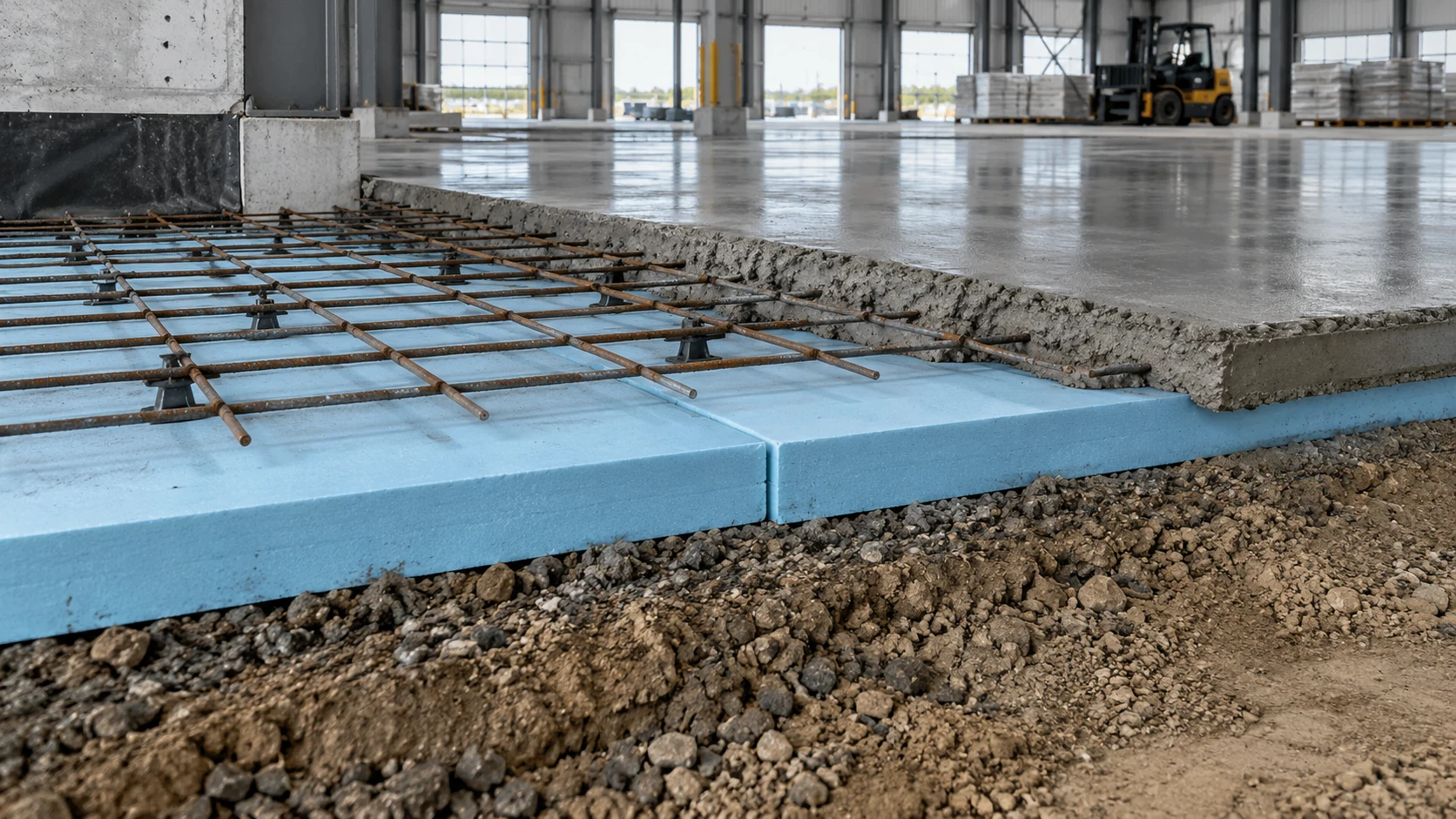
What XPS Compressive Strength Do I Need Under a Concrete Slab?
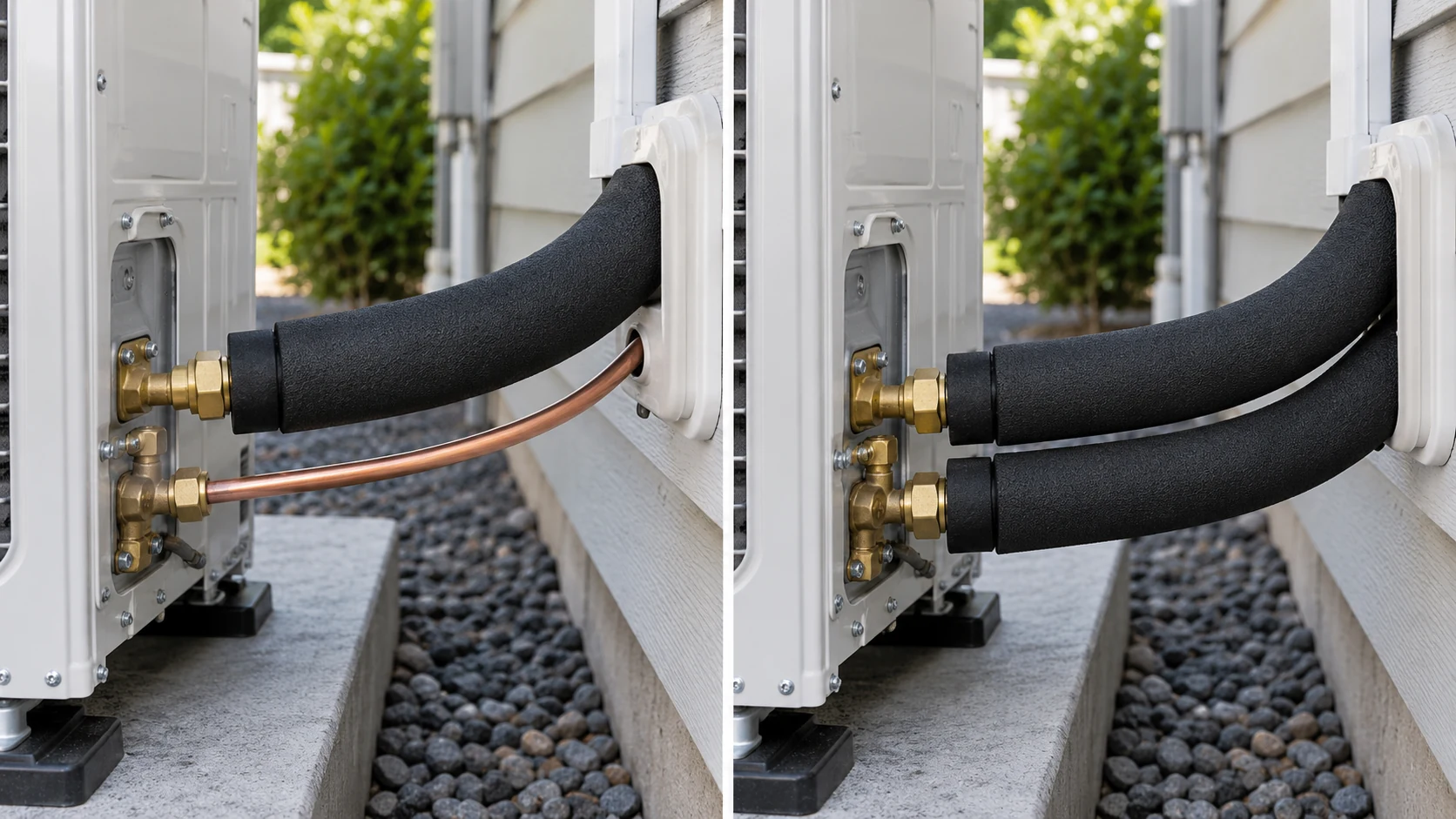
Do Both Refrigerant Lines Need Insulation?
FAQ
How do I choose the right insulation material for my project?
The right material depends on the application area, working temperature, fire rating requirements, thickness, density, moisture resistance, and acoustic or thermal performance needs. You can share your project use, size requirements, and installation environment, and our team will recommend suitable options.
Can you provide customized insulation products?
Yes. We can support customized sizes, thicknesses, densities, aluminum foil facing, adhesive backing, colors, packaging, and other project requirements depending on the product type and order quantity.
service
Can you support OEM or private label orders?
Yes. We can support OEM and private label requirements such as customized packaging, labels, product specifications, and brand presentation for distributors, contractors, and project buyers.
Can you arrange international shipping?
Yes. We can help arrange international shipping by sea, air, or express depending on the order volume and delivery needs. We can also work with your appointed freight forwarder if required.
Leave a message
Have any questions or concerns about our products? Please leave us a message here and our team will get back to you promptly.
Your queries, ideas, and collaboration opportunities are just a click away. Let’s start a conversation.



















































FUNAS Insulation Material
funasinsulation
funasinsulation
Guangdong FUNAS Insulation Material Co.Ltd