


















































How fire-resistant are Foam Rubber Sheet products in 2026?
Explore the fire resistance of foam rubber sheets in 2026, including standards, applications, and considerations for thermal insulation materials.
- Fire Resistance of Foam Rubber Sheets in 2026
- What Are the Fire Resistance Standards for Foam Rubber Sheets?
- How Do Foam Rubber Sheets Perform in Fire Situations?
- What Are the Applications of Fire-Resistant Foam Rubber Sheets?
- What Are the Limitations of Foam Rubber Sheets in Fire Safety?
- How Do Foam Rubber Sheets Compare to Other Insulation Materials in Terms of Fire Resistance?
- What Are the Future Trends in Fire-Resistant Foam Rubber Sheets?
- How Do Building Codes Affect the Use of Foam Rubber Sheets?
- What Are the Environmental Considerations of Using Foam Rubber Sheets?
In the evolving landscape of thermal insulation materials, foam rubber sheets have gained prominence due to their lightweight, durable, and versatile properties. As we look ahead to 2026, understanding the fire resistance of these materials becomes crucial for ensuring safety and compliance in construction and industrial applications.
Fire Resistance of Foam Rubber Sheets in 2026
Foam rubber sheets, particularly those made from elastomeric materials, are known for their inherent fire-resistant properties. Their closed-cell structure not only provides excellent thermal insulation but also limits the spread of flames. However, the degree of fire resistance can vary based on the material composition and any additional treatments applied.
What Are the Fire Resistance Standards for Foam Rubber Sheets?
In 2026, foam rubber sheets are expected to adhere to international fire safety standards, such as ASTM E2596, which outlines fire testing methods for rigid foam insulations. Compliance with these standards ensures that the materials meet specific criteria for flame spread, smoke development, and overall fire performance.
How Do Foam Rubber Sheets Perform in Fire Situations?
When exposed to fire, foam rubber sheets exhibit self-extinguishing behavior, meaning they tend to stop burning once the external flame source is removed. Their closed-cell structure restricts oxygen movement, reducing combustibility. Additionally, they do not melt or drip, which helps contain fire hazards.
What Are the Applications of Fire-Resistant Foam Rubber Sheets?
Fire-resistant foam rubber sheets are utilized in various applications, including:
HVAC Systems: Insulating ducts and pipes to maintain energy efficiency while reducing fire risks.
Building Envelopes: Enhancing fire safety in walls, roofs, and ceilings.
Industrial Equipment: Protecting machinery and components in high-risk environments.
Their multifunctional role makes them a standard material for large building contractors.
What Are the Limitations of Foam Rubber Sheets in Fire Safety?
While foam rubber sheets offer significant fire resistance, they may not be entirely fireproof. In high-temperature scenarios, they can degrade, potentially releasing smoke and toxic gases. Therefore, it's essential to consider the specific fire safety requirements of each application and, if necessary, incorporate additional fire-resistant materials or barriers.
How Do Foam Rubber Sheets Compare to Other Insulation Materials in Terms of Fire Resistance?
Compared to other insulation materials, foam rubber sheets provide a balanced combination of thermal insulation and fire resistance. Materials like mineral wool offer higher fire resistance but may lack the thermal efficiency of foam rubber. Conversely, some foam insulations may offer better thermal performance but at the expense of lower fire resistance. Selecting the appropriate material depends on the specific needs of the project, including fire safety, thermal performance, and cost considerations.
What Are the Future Trends in Fire-Resistant Foam Rubber Sheets?
Advancements in foam technology are leading to the development of fire-resistant foam rubber sheets with enhanced properties. Innovations include the integration of nano-additives for improved flame resistance and the application of intumescent coatings that expand under heat to create protective barriers. These developments aim to provide better fire safety without compromising thermal insulation performance.
How Do Building Codes Affect the Use of Foam Rubber Sheets?
Building codes play a significant role in determining the use of foam rubber sheets. For instance, the International Building Code (IBC) and National Fire Protection Association (NFPA) standards may require specific fire performance criteria for insulation materials. Compliance with these codes ensures that foam rubber sheets are suitable for use in various building applications, contributing to overall fire safety.
What Are the Environmental Considerations of Using Foam Rubber Sheets?
Environmental considerations include the recyclability of foam rubber sheets and the presence of any harmful chemicals used in their production. Manufacturers are increasingly focusing on producing eco-friendly foam rubber sheets that meet fire safety standards while minimizing environmental impact. It's advisable to consult product specifications and certifications to ensure compliance with environmental regulations.
In conclusion, foam rubber sheets in 2026 are expected to offer enhanced fire resistance, making them a reliable choice for thermal insulation in various applications. When selecting materials, it's crucial to consider specific project requirements, including fire safety standards, thermal performance, and environmental impact.
FUNAS stands out as a leading brand in providing high-quality foam rubber sheets that meet international fire safety standards. Their products are designed to offer superior thermal insulation while ensuring maximum fire resistance, making them an excellent choice for construction and industrial applications.
References:
ASTM E2596 – Fire Testing of Rigid Foam Insulations.
Rubber Foam Board Fire Resistance Guide.
Fire Resistant Foam Board Insulation Market Trends.
Fire Performance of Foam Sheathing.
Fire Safety & Building Codes.
Fire Code Requirements for SPF Applications.
Trends in Interior Finish Requirements.
How the Best Flame Retardant Foam Protects Industries.

Does sound insulation foam Actually Work in 2026? Ultimate guide About Blocking vs. Absorbing Noise
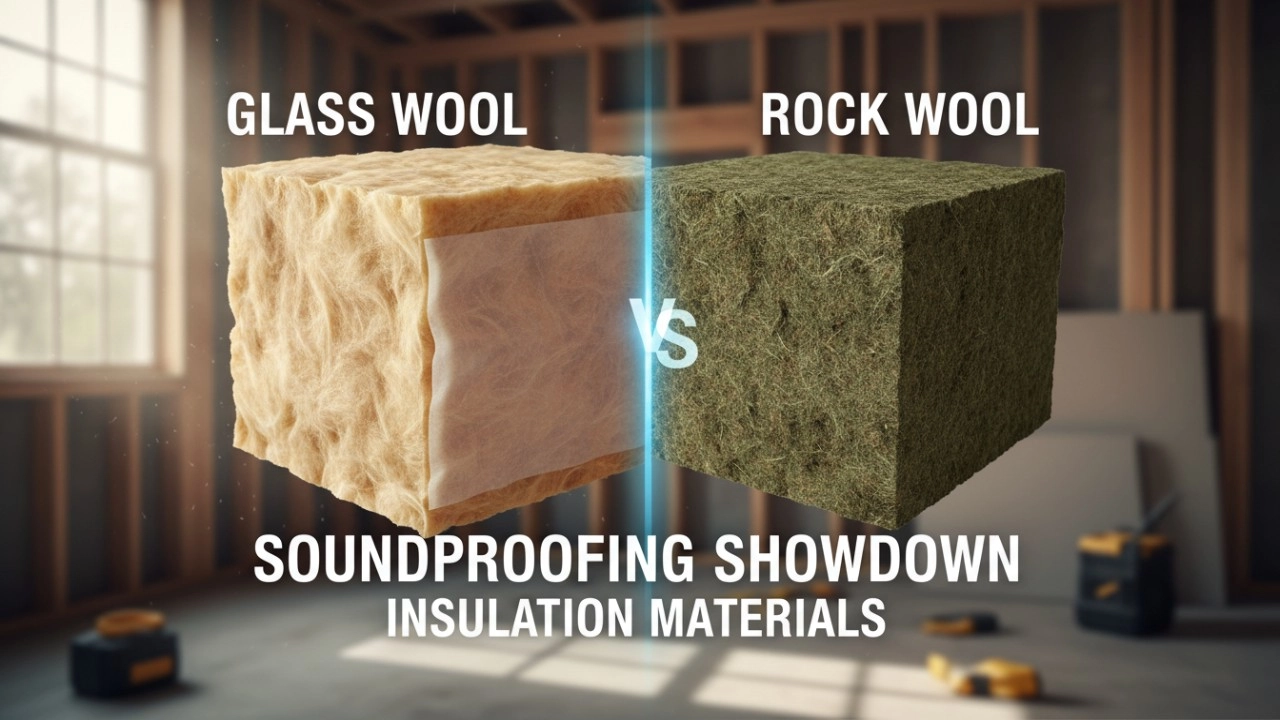
Fiberglass vs. Rockwool: Which Soundproofing Insulation Material Wins for Acoustic Control?
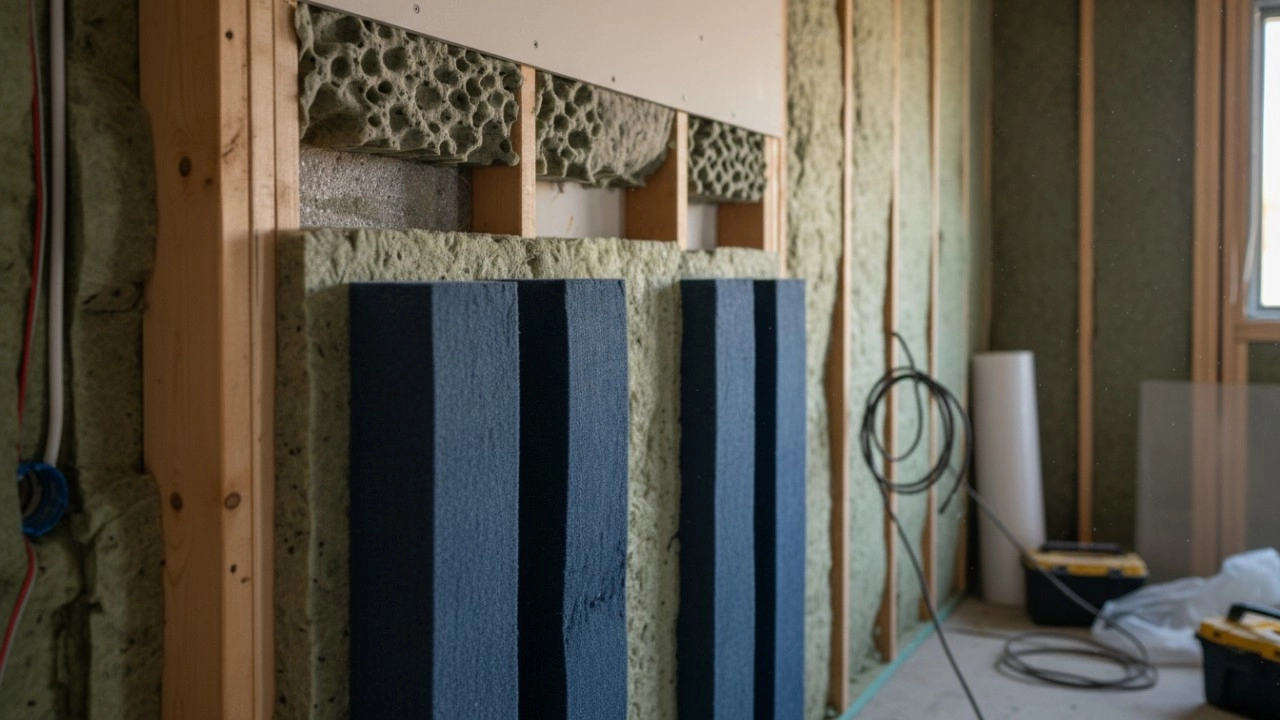
Sound Insulation Foam vs. Acoustic Panels: Which One Actually Stops Noise? (2026 Guide)
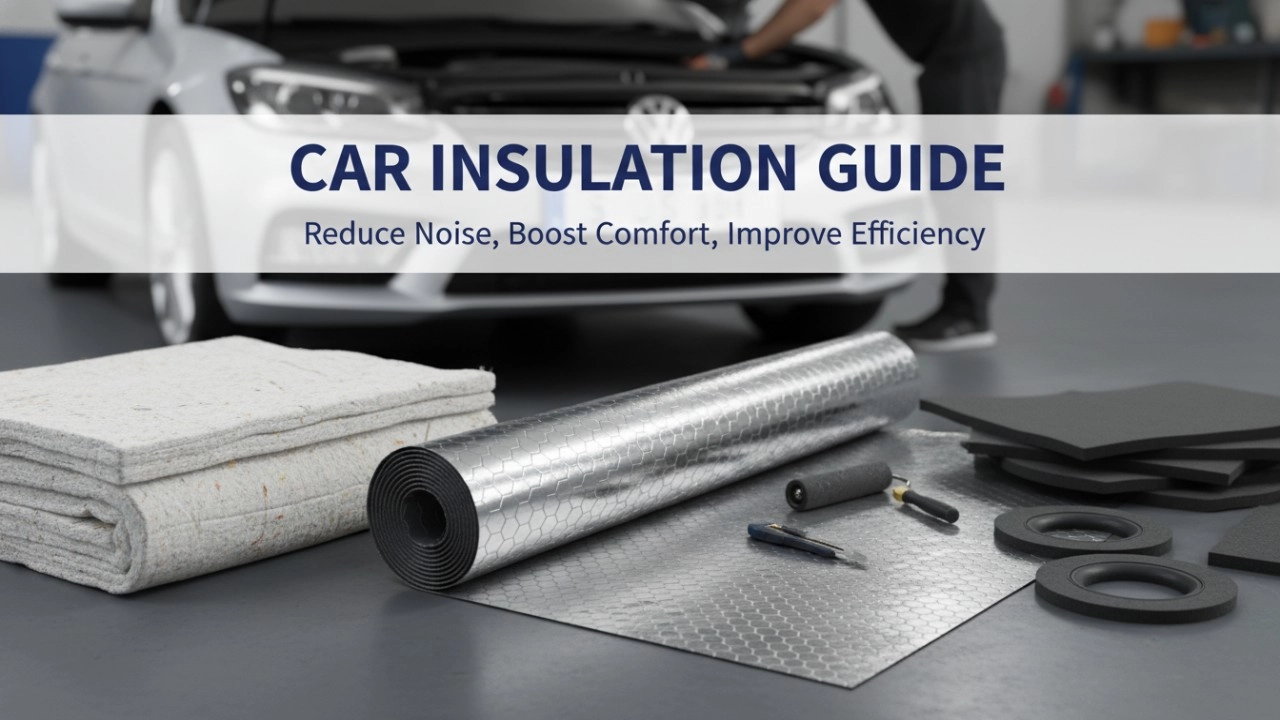
7 Dangerous Mistakes to Avoid When Selecting insulating materials for Your Car (2026 Guide)
service
Are your rubber foam products environmentally friendly?
Yes, our insulation products are designed with sustainability in mind. They help reduce energy consumption by minimizing heat loss and gain, and they are made from durable materials that have a long life cycle, reducing the need for frequent replacement.
What types of rubber foam insulation products do you offer?
We offer a wide range of rubber foam insulation products, including custom shapes and sizes, thermal and acoustic insulation solutions, and options with specialized coatings such as flame retardancy and water resistance. Our products are suitable for applications in HVAC, automotive, construction, and more.
FAQ
How do I choose the right insulation for my project?
Our team can help you choose the best material for heat insulation based on your specific needs, such as thermal resistance, acoustic properties, and environmental conditions.
How to start a consultation?
You can contact us through our website, phone, or email. We will arrange a professional staff to discuss your needs about best thermal insulator and how we can help you.
You might also like
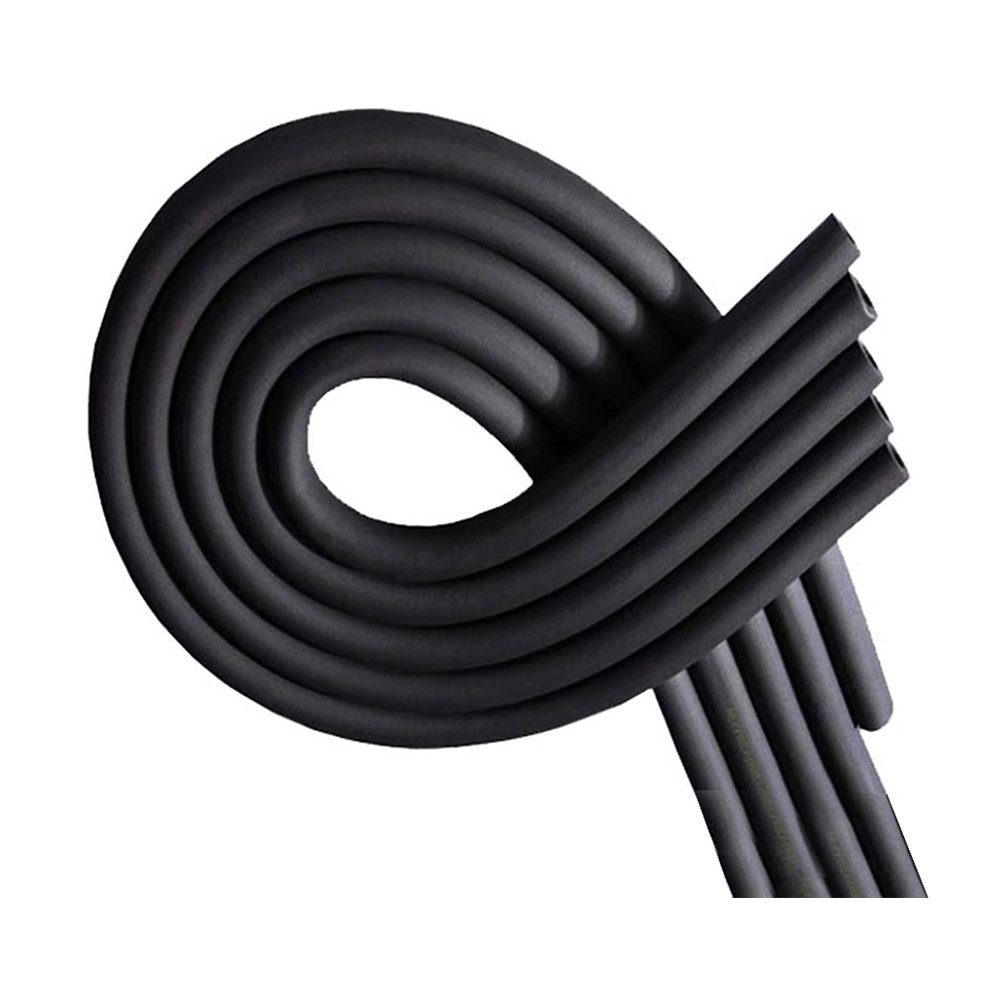
Wholesale Black nitrile rubber foam pipe rubber NBR foam tube rubber foam insulation tube for hvac system
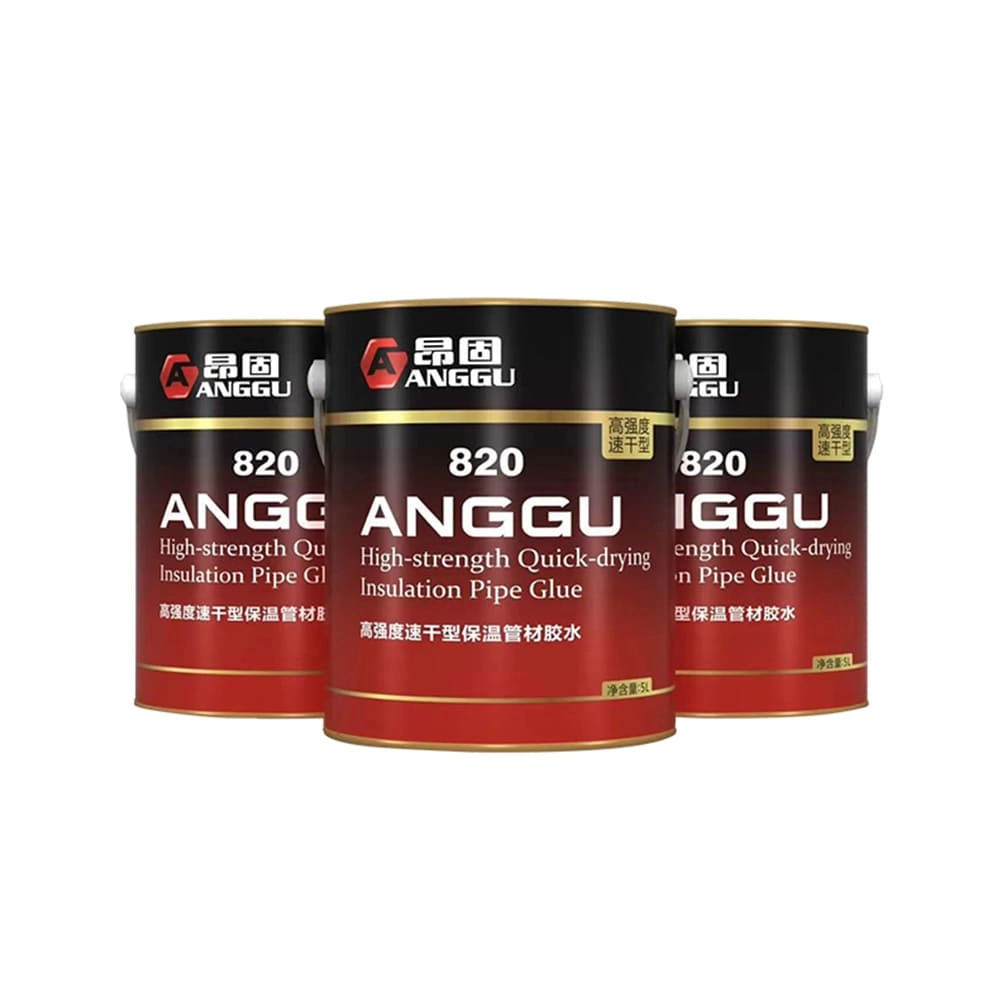
820 Pipe special adhesive
This product has passed the EU REACH non-toxic standard, ROHS non-toxic standard. (The product is black glue.)
Anggu 820glue is a low-odor, high-strength quick-drying glue; Fast drying speed, long bonding time, no powder, non-toxic.
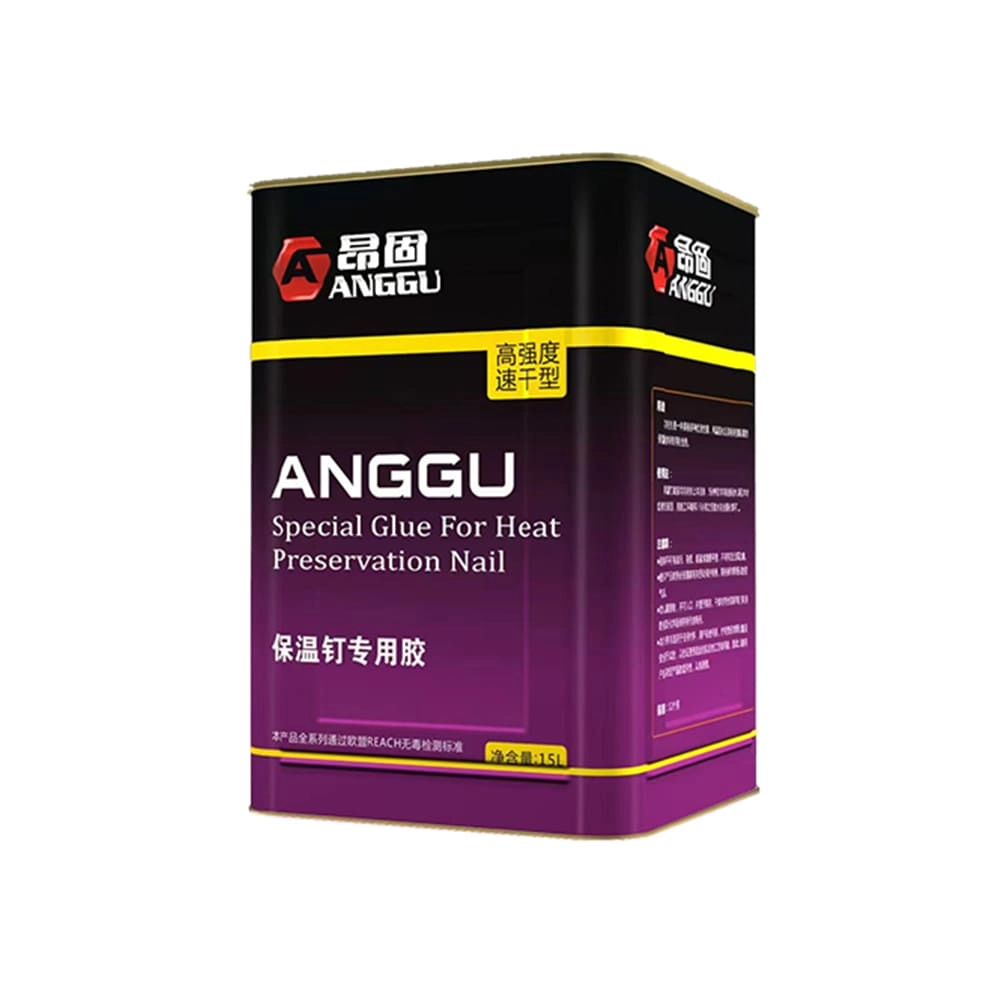
Special adhesive for insulation nail
This product has passed the EU REACH non-toxic standard and ROHS non-toxic standard. (This product is a yellow liquid).
Anggu insulation nail special adhesive is a adhesive with high viscosity, slow drying, aging resistance, high strength, and excellent brushing performance; The special adhesive for insulation nails has a slow drying speed and strong adhesion to the iron sheet. It can be flexibly moved during construction, and has a strong bonding force after curing, low odor.and is non-toxic.
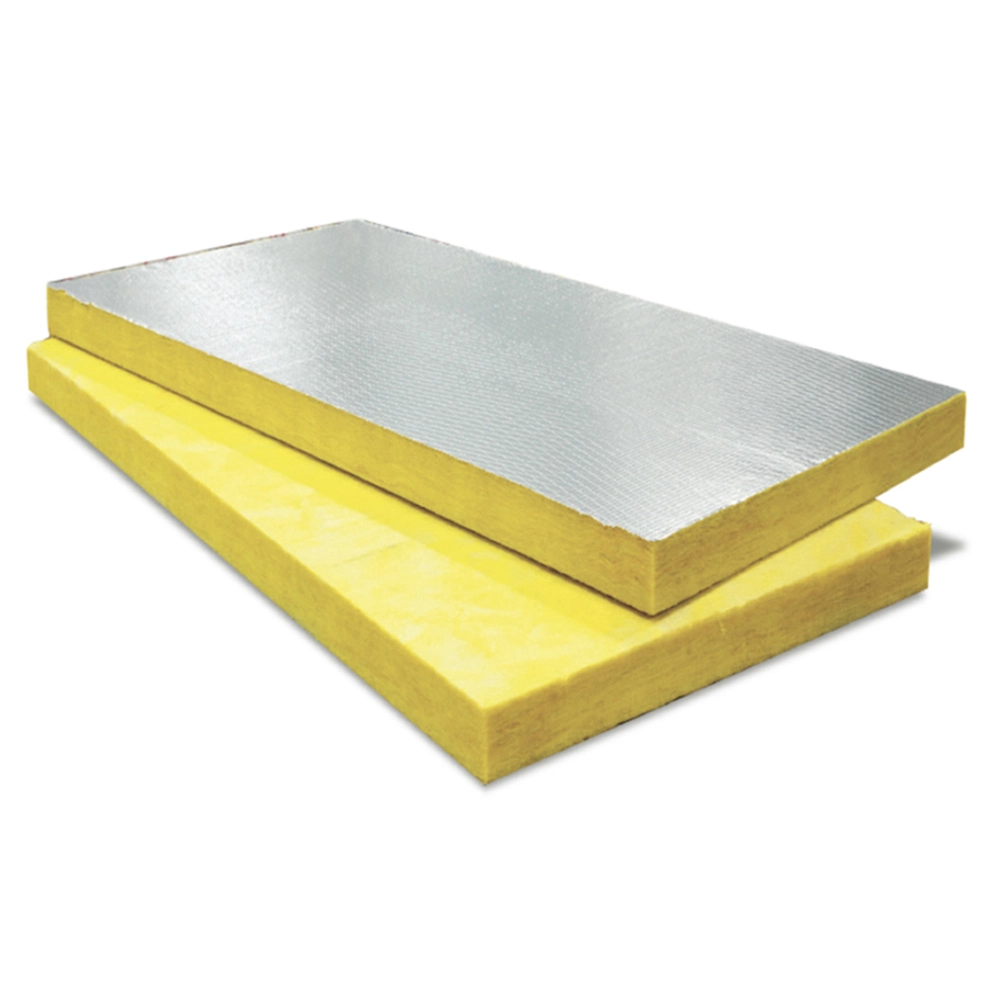
Wholesale Roof And Wall Thermal Heat Insulation 50mm Thickness Aluminum Foil Fiberglass Insulation Panel Board Glass Wool Price
Glass wool is the molten glass fiber, the formation of cotton-like material, chemical composition belongs to the glass category, is a kind of inorganic fiber. With good molding, small volume density, thermal conductivity both, thermal insulation, sound absorption performance is good, corrosion resistance, chemical stability and so on.
Leave a message
Have any questions or concerns about our products? Please leave us a message here and our team will get back to you promptly.
Your queries, ideas, and collaboration opportunities are just a click away. Let’s start a conversation.
