


















































7 Dangerous Mistakes to Avoid When Selecting insulating materials for Your Car (2026 Guide)
Selecting the wrong car insulation can lead to health risks, rust, and fire hazards. This 2026 guide exposes 7 critical mistakes and how to choose safe, effective materials like rubber foam and mineral wool.
- What Are Automotive Insulating Materials?
- Key Takeaways: Quick Guide to Safe Car Insulation
- Mistake 1: Confusing Sound Deadening with Thermal Insulation
- Mistake 2: Ignoring VOCs and "New Car Smell" Risks
- Mistake 3: Prioritizing Cost Over Material Density
- Mistake 4: Neglecting Moisture Resistance (The Rust Trap)
- Mistake 5: Overlooking Fire Safety Ratings
- Mistake 6: Poor Surface Preparation (DIY Error)
- Mistake 7: Ignoring the "Microsystem" Effect
- Future Trends: Car Insulation Innovations for 2026
- Conclusion
- FAQ
- What is the healthiest insulation material for cars in 2026?
- Can I mix different types of insulating materials in my car?
- Is spray foam insulation dangerous for my car?
- How does insulation affect my car's climate control?
- What is the biggest mistake when insulating car doors?
- Does car insulation eventually go bad or degrade?
- Is it better to remove old factory insulation before adding new?
What Are Automotive Insulating Materials?
Automotive insulating materials are specialized compounds designed to dampen noise, control cabin temperature, and prevent vibration within a vehicle's chassis.
Unlike residential options, car insulation material must withstand extreme conditions, including engine heat, road vibration, and moisture exposure. High-quality solutions typically involve insulating materials like closed-cell rubber foam, butyl-based sound deadeners, and mass-loaded vinyl (MLV). For instance, Guangdong Funas Insulation Materials Co., Ltd. (FUNAS) manufactures advanced rubber and plastic insulation products specifically engineered to meet these rigorous demands, ensuring both thermal equilibrium and acoustic silence. Selecting the best insulation material is not just about comfort; it is a matter of safety and vehicle longevity.
Key Takeaways: Quick Guide to Safe Car Insulation
- Health First: Avoid materials with high VOCs that off-gas in hot cars.
- Moisture Matters: Open-cell foams can trap water, causing hidden rust.
- Fire Safety: Always verify FMVSS 302 or ISO 3795 compliance.
- Application: Clean surfaces are 80% of the success in installation.
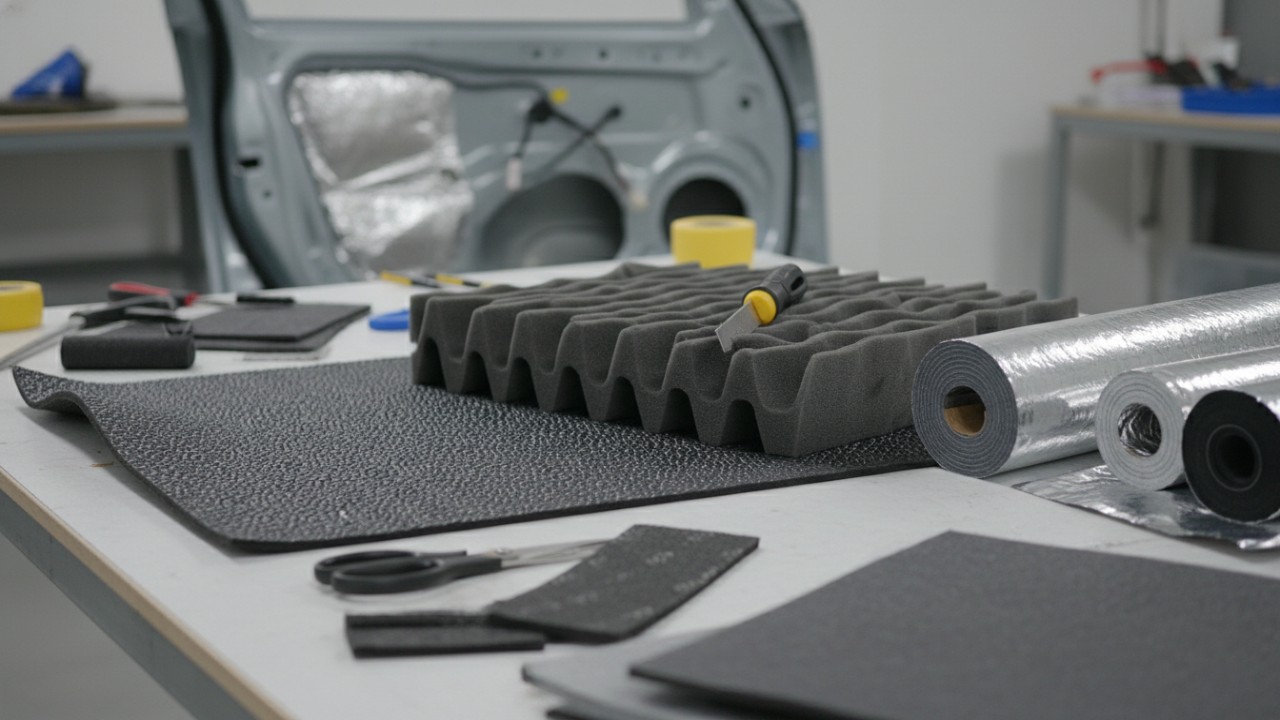
Mistake 1: Confusing Sound Deadening with Thermal Insulation
Sound deadeners reduce vibration, while thermal insulators block heat transfer; they are rarely the same product.
Many vehicle owners mistakenly apply thin butyl mats expecting significant temperature control. This is a fundamental error.
- How it works: Butyl mats add mass to panels to stop rattling (structural noise). They have low thermal resistance.
- The Fix: You need a dedicated car insulation material for heat, such as closed-cell foam or fiber mats.
- Strategy: Layering is key. Apply the vibration damper first, followed by a thermal barrier like the rubber foam products manufactured by FUNAS.
Mistake 2: Ignoring VOCs and "New Car Smell" Risks
Cheap insulation often releases Volatile Organic Compounds (VOCs), which accumulate in the cabin and pose serious health risks.
The distinct "chemical" smell in some vehicles often indicates off-gassing. In a car parked in the sun, internal temperatures can soar, accelerating the release of toxins like formaldehyde from low-quality foams.
- Health Impact: Prolonged exposure can lead to respiratory issues and headaches. As reported by the National Institutes of Health (NIH), high concentrations of VOCs in enclosed spaces are associated with significant negative health effects Source: NIH.
- The Solution: Choose materials certified for low emissions. FUNAS has passed ISO 14001 environmental system certification, ensuring their insulating materials prioritize indoor air quality (IAQ).
Mistake 3: Prioritizing Cost Over Material Density
Selecting lightweight, low-density foams to save money will result in poor acoustic performance.
When looking for the best acoustic insulation material, density is king. Light packing foam or cheap yoga mats lack the mass required to block airborne road noise.
- Mass Loaded Vinyl (MLV): The industry standard for blocking sound waves, typically weighing 1 lb per square foot.
- Rubber Foam: Higher density rubber products offer better damping than airy polyurethane sponges.
- Consequence: Buying cheap materials often leads to a "placebo effect" where the car looks insulated but sounds exactly the same.
Mistake 4: Neglecting Moisture Resistance (The Rust Trap)
Using open-cell foam or standard house insulation (like cotton or untreated jute) in car doors creates a sponge that holds water.
Cars are subject to condensation and rain runoff inside door panels. If you use the wrong insulated material, it will absorb moisture.
- The Danger: This trapped water sits against the metal chassis, causing rapid corrosion (rust) and mold growth.
- Best Practice: Always use closed-cell materials for "wet" areas like doors and floors. FUNAS rubber foam is naturally water-resistant, making it an ideal choice for preventing the "hidden rust" phenomenon.
Mistake 5: Overlooking Fire Safety Ratings
Installing flammable materials in the engine bay or near the firewall is a catastrophic safety error.
Never assume all automotive sound insulation materials are fireproof. Many cheap foams are highly flammable plastics.
- Standards: Look for materials that meet FMVSS 302 (Federal Motor Vehicle Safety Standard) or UL94 ratings. According to JBC Technologies, adhering to these flammability standards is non-negotiable for automotive interiors and engine compartments Source: JBC Technologies.
- Engine Bay: Use mineral wool or aluminized heat shields. FUNAS produces specialized rock wool products perfect for high-heat areas due to their non-combustible nature.
Mistake 6: Poor Surface Preparation (DIY Error)
Failing to degrease metal surfaces before application causes insulation to detach and fall off within months.
Even the best sound insulation material cannot bond to a dusty or oily surface. Manufacturing oils and road grime are present on almost all car panels.
- Clean: Use acetone or 90%+ isopropyl alcohol.
- Scuff: Lightly scuffing the paint (if not visible) can help adhesion.
- Roll: Use a roller tool to press the material firmly, eliminating air bubbles.
Mistake 7: Ignoring the "Microsystem" Effect
Treating every part of the car the same ignores the fact that different zones require different materials.
Modern vehicles are complex. You cannot use the same material for the roof (high heat, needs lightweight) as the floor (high noise, needs heavy blocking).
- Roof: Needs lightweight heat insulation (aerogel or foil-backed foam).
- Floor: Needs thick MLV or high-density rubber.
- Advanced Tech: Some materials used in thermally insulated microsystems are now trickling down to automotive use, offering high efficiency in thin layers.
- Advice: Consult an insulation materials corporation like FUNAS to get the right mix of products for different vehicle zones.
Future Trends: Car Insulation Innovations for 2026
- Aerogel Composites: NASA-grade tech offering superior heat blocking in ultra-thin sheets.
- Recycled Materials: A shift toward PET fibers and recycled rubber to meet 2026 sustainability goals.
- Active Noise Control: Integration of sensors with passive insulation materials.
Conclusion
Avoiding these 7 dangerous mistakes ensures your vehicle remains safe, quiet, and rust-free. By selecting the right good sound insulation materials—such as closed-cell rubber foam and certified non-toxic polymers—you protect both your car's chassis and your family's health. Do not gamble with unverified products; trust established manufacturers with proven ISO certifications. Contact us today to optimize your automotive insulation strategy. For more insights, read our Ultimate 2026 Guide to Car Noise Insulation.
FAQ
What is the healthiest insulation material for cars in 2026?
Natural materials like cork and high-quality, VOC-free synthetic rubber foams are considered the healthiest. Products from reputable manufacturers like FUNAS, which carry ISO 14001 certification, ensure low emissions and safe indoor air quality.
Can I mix different types of insulating materials in my car?
Yes, mixing materials is often necessary for optimal results. A common strategy is to use a butyl sound deadener for vibration, followed by a layer of closed-cell rubber foam for thermal insulation and noise absorption.
Is spray foam insulation dangerous for my car?
Standard residential spray foam is dangerous for cars, as it can trap moisture against the metal, leading to rust, and may jam mechanical parts like window rollers. Always use automotive-specific sheets or sprays designed for vehicles.
How does insulation affect my car's climate control?
Proper thermal insulation reduces the heat entering the cabin in summer and retains warmth in winter. This lowers the workload on your A/C and heater, improving fuel efficiency or EV battery range.
What is the biggest mistake when insulating car doors?
The biggest mistake is blocking the drainage holes at the bottom of the door. Water naturally enters the door cavity from the window seals; if drains are blocked by insulation, the door will rust from the inside out.
Does car insulation eventually go bad or degrade?
Yes, low-quality open-cell foams can rot or crumble over time, especially if exposed to moisture. High-quality rubber foam and butyl materials generally last the lifetime of the vehicle.
Is it better to remove old factory insulation before adding new?
It depends on the condition. If the factory insulation is dry, intact, and mold-free, you can layer over it. If it is crumbling, wet, or smelly, it must be removed entirely before installing new car insulation material.

Does sound insulation foam Actually Work in 2026? Ultimate guide About Blocking vs. Absorbing Noise
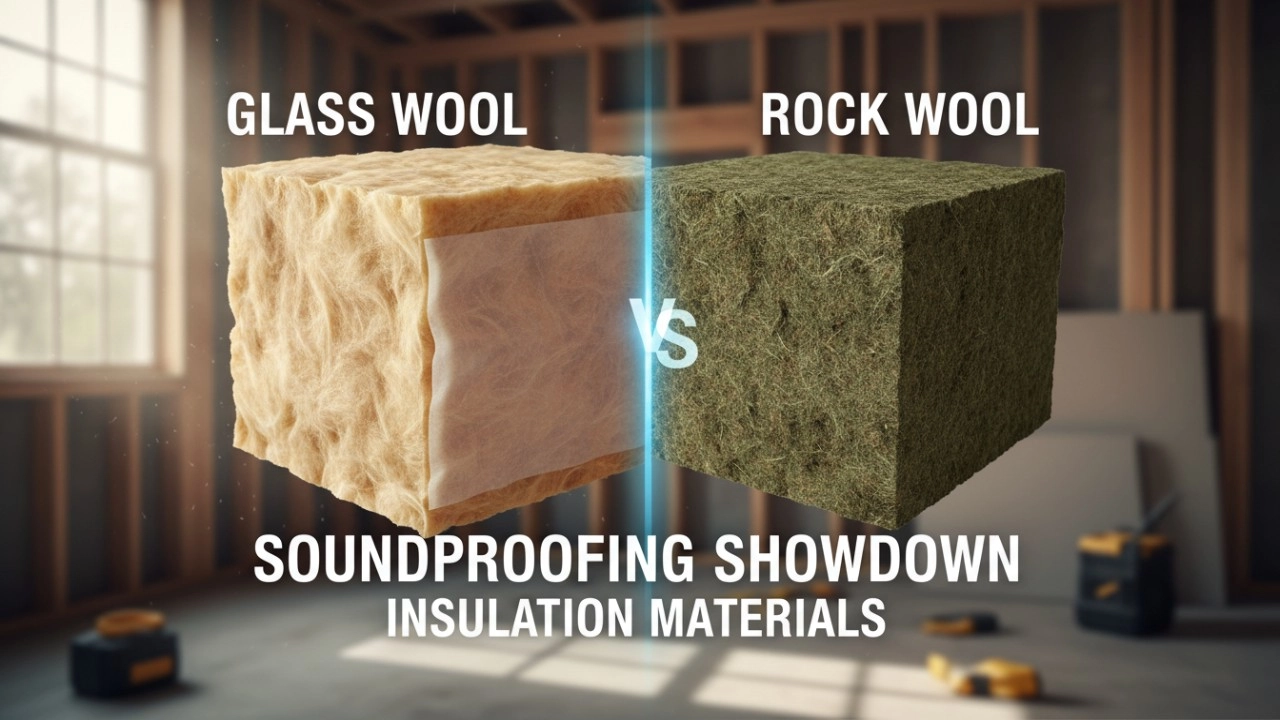
Fiberglass vs. Rockwool: Which Soundproofing Insulation Material Wins for Acoustic Control?
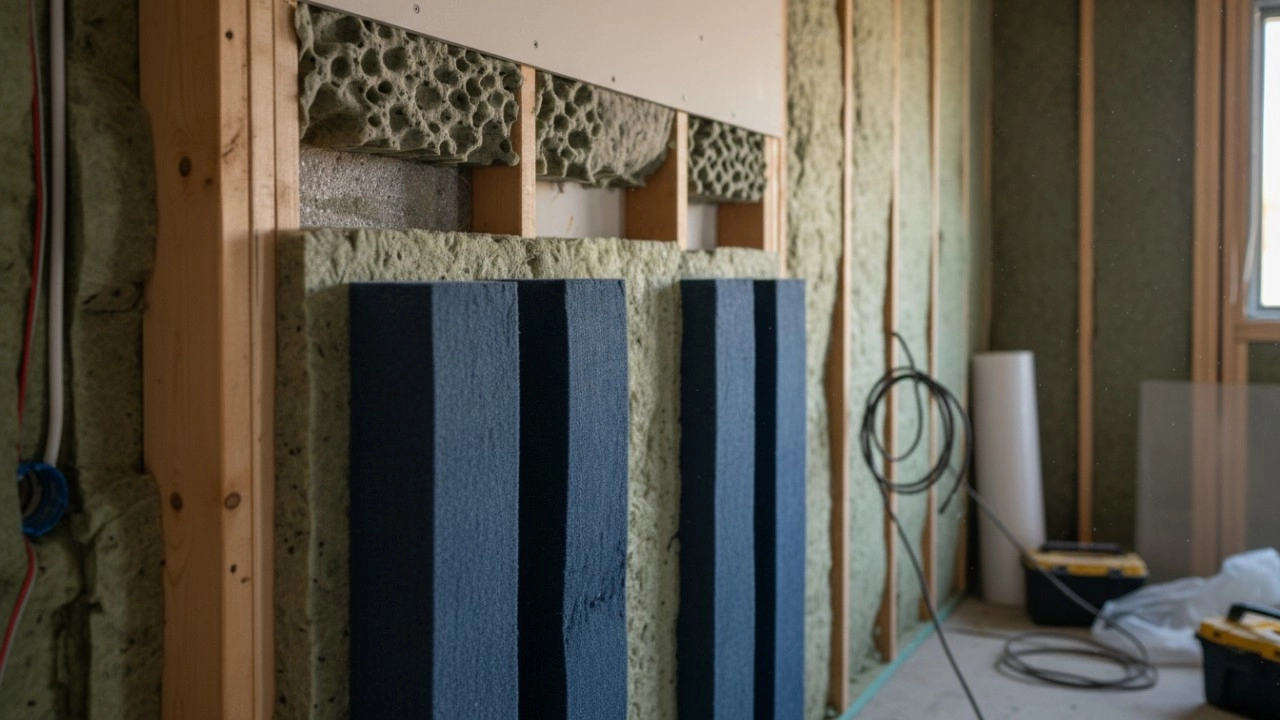
Sound Insulation Foam vs. Acoustic Panels: Which One Actually Stops Noise? (2026 Guide)

Polyurethane Foam 2026: Guide to HFO Compliance & Performance
service
Are your rubber foam products environmentally friendly?
Yes, our insulation products are designed with sustainability in mind. They help reduce energy consumption by minimizing heat loss and gain, and they are made from durable materials that have a long life cycle, reducing the need for frequent replacement.
Can I request custom dimensions or properties for my insulation needs?
Yes, we specialize in custom solutions. Whether you need specific dimensions, thicknesses, densities, or additional coatings, we can work with you to manufacture insulation products tailored to your exact requirements of good materials for heat insulation.
FAQ
What is the typical delivery time for custom orders?
Our daily production capacity is 800 cubic meters. Delivery time varies depending on the complexity of the insulation material wholesale order, but we can deliver large quantities of customized products within 4-6 weeks after the approval date, and small quantities can be delivered within 15 days.
How to start a consultation?
You can contact us through our website, phone, or email. We will arrange a professional staff to discuss your needs about best thermal insulator and how we can help you.
You might also like
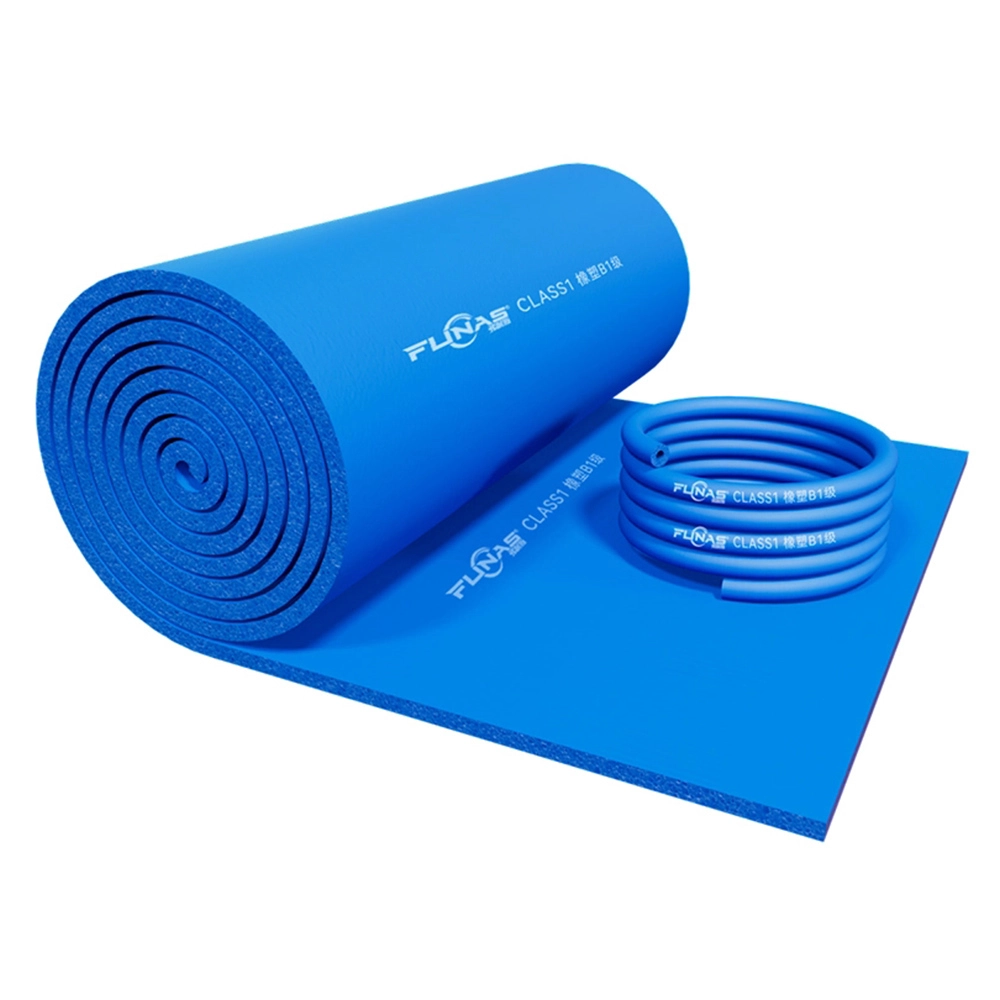
Wholesale blue Rubber-plastic Board Rubber foam panel sheet
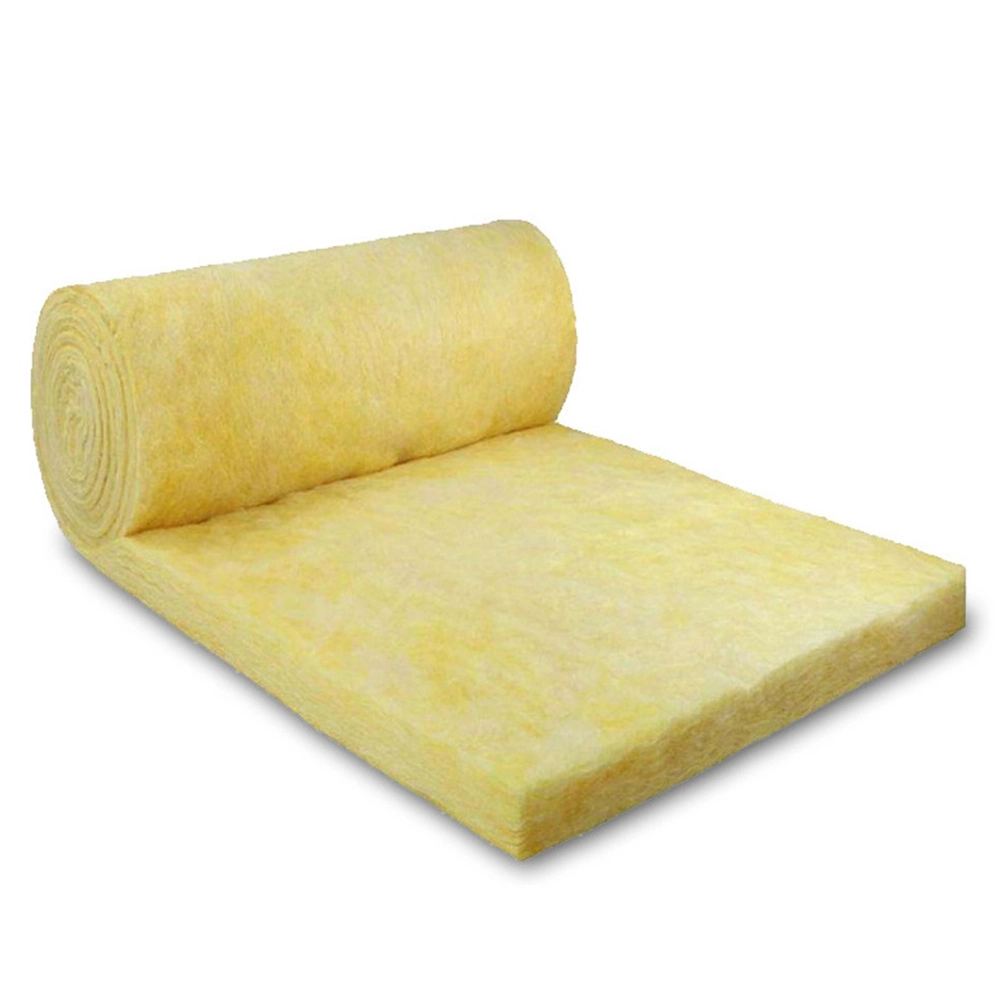
Wholesale Glass Wool Roll Blanket with or without aluminum foil
Convenient glass wool roll for easy installation. Provides effective insulation and noise reduction.
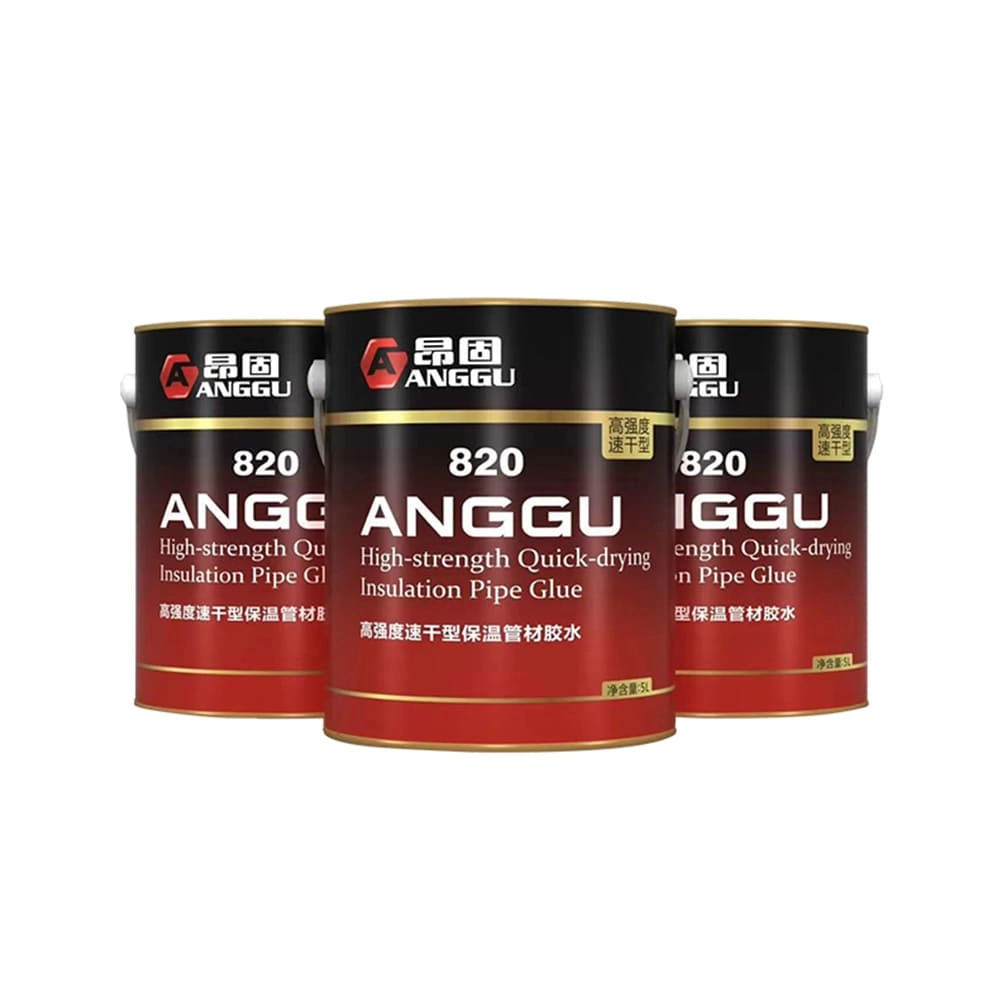
820 Pipe special adhesive
This product has passed the EU REACH non-toxic standard, ROHS non-toxic standard. (The product is black glue.)
Anggu 820glue is a low-odor, high-strength quick-drying glue; Fast drying speed, long bonding time, no powder, non-toxic.
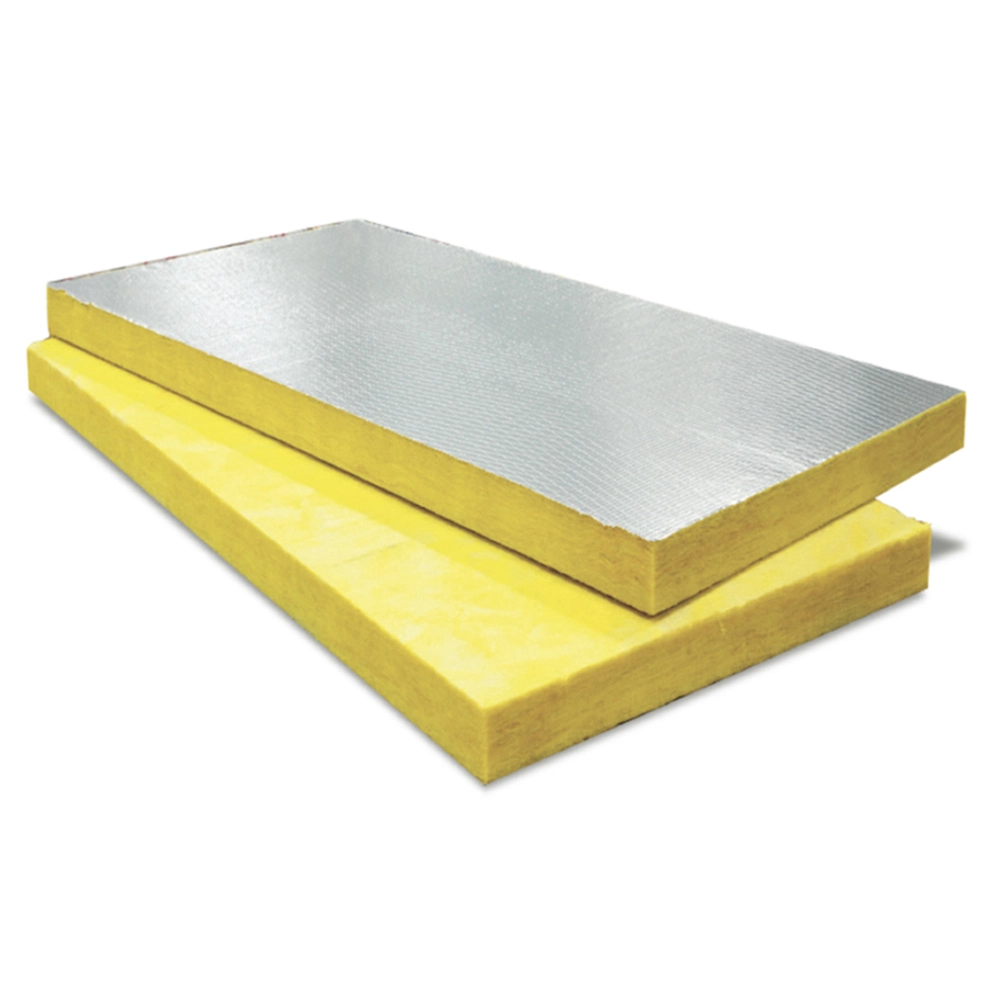
Wholesale Roof And Wall Thermal Heat Insulation 50mm Thickness Aluminum Foil Fiberglass Insulation Panel Board Glass Wool Price
Glass wool is the molten glass fiber, the formation of cotton-like material, chemical composition belongs to the glass category, is a kind of inorganic fiber. With good molding, small volume density, thermal conductivity both, thermal insulation, sound absorption performance is good, corrosion resistance, chemical stability and so on.
Leave a message
Have any questions or concerns about our products? Please leave us a message here and our team will get back to you promptly.
Your queries, ideas, and collaboration opportunities are just a click away. Let’s start a conversation.
