


















































How long does rubber foam insulation last?
Explore the properties, applications, and benefits of rubber foam insulation to make informed procurement decisions in the thermal insulation industry. Learn about its thermal conductivity, types, and advantages over traditional materials.
Rubber foam insulation is a versatile material widely used in thermal insulation applications due to its excellent thermal resistance, flexibility, and durability. Understanding its properties, types, applications, and advantages is essential for making informed procurement decisions in the thermal insulation industry.
What Are the Thermal Properties of Rubber Foam Insulation?
Rubber foam insulation materials are known for their low thermal conductivity, which makes them effective in reducing heat transfer. For instance, elastomeric foam insulation has a thermal conductivity of approximately 0.035 W/(m·K), while glass wool has a thermal conductivity of about 0.038 W/(m·K). This indicates that rubber insulation materials generally offer better thermal performance compared to glass wool. ((https://www.funasinsulations.com/guides/understanding-rubber-foam-insulation-properties-applications-and-benefits.html))
What Are the Different Types of Rubber Foam Insulation Materials?
Several types of rubber foam insulation materials are commonly used, including:
Elastomeric Foam Insulation: Known for its closed-cell structure, it provides excellent thermal insulation and is resistant to moisture, mold, and mildew.
EPDM Rubber: Offers superior resistance to heat, ozone, and weathering, making it suitable for outdoor applications.
Silicone Rubber: Maintains flexibility and performance across a wide temperature range, from -100°C to 200°C, ideal for applications requiring high thermal stability. ((https://www.funasinsulations.com/guides/understanding-rubber-foam-insulation-properties-applications-and-benefits.html))
What Are the Applications of Rubber Foam Insulation?
Rubber foam insulation is utilized in various applications, including:
HVAC Systems: To maintain temperature control and energy efficiency.
Piping and Ductwork: To prevent heat loss and condensation.
Refrigeration Units: To ensure consistent internal temperatures.
Automotive Industry: For soundproofing and thermal insulation.
What Are the Advantages of Using Rubber Foam Insulation?
Rubber foam insulation offers several benefits:
Energy Efficiency: Its low thermal conductivity reduces heat transfer, leading to energy savings.
Moisture Resistance: The closed-cell structure prevents water absorption, reducing the risk of mold and mildew.
Soundproofing: It effectively dampens sound, enhancing acoustic comfort.
Durability: Rubber foam insulation is known for its long service life, often exceeding 20 years in harsh environments.
How Does Rubber Foam Insulation Compare to Other Insulation Options?
Compared to traditional insulation materials like fiberglass and cellulose, rubber foam insulation offers:
Higher R-Value: Providing better thermal resistance per inch of thickness.
Moisture Resistance: Reducing the risk of mold and mildew growth.
Soundproofing Capabilities: Offering superior noise reduction.
However, it may come with higher initial costs and requires professional installation.
What Are the Considerations When Selecting Rubber Foam Insulation Materials?
When choosing rubber foam insulation, consider the following factors:
Thermal Conductivity: Opt for materials with low thermal conductivity for better insulation.
Moisture Resistance: Ensure the material is suitable for the environmental conditions to prevent water absorption.
Fire Resistance: Select materials with appropriate fire ratings for safety compliance.
Installation Requirements: Assess the complexity and cost of installation, and consider hiring professionals for optimal performance.
Conclusion
Rubber foam insulation is a reliable and efficient choice for thermal insulation needs, offering superior thermal performance, moisture resistance, and soundproofing capabilities. When selecting insulation materials, it's crucial to evaluate the specific requirements of your project and consider factors such as thermal conductivity, moisture resistance, fire safety, and installation complexity.
About FUNAS
FUNAS is a leading provider of high-quality rubber foam insulation materials, offering a range of products designed to meet diverse thermal insulation needs. With a commitment to innovation and customer satisfaction, FUNAS ensures that its products deliver optimal performance and durability.

Does sound insulation foam Actually Work in 2026? Ultimate guide About Blocking vs. Absorbing Noise
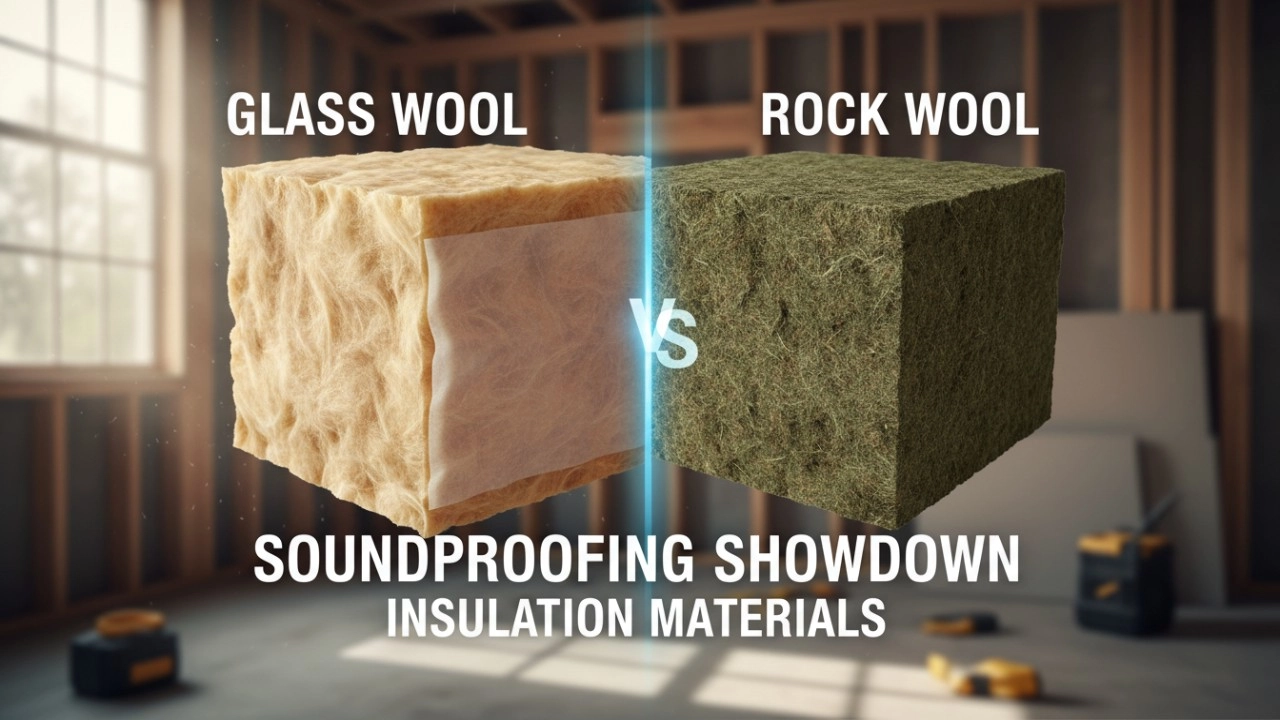
Fiberglass vs. Rockwool: Which Soundproofing Insulation Material Wins for Acoustic Control?
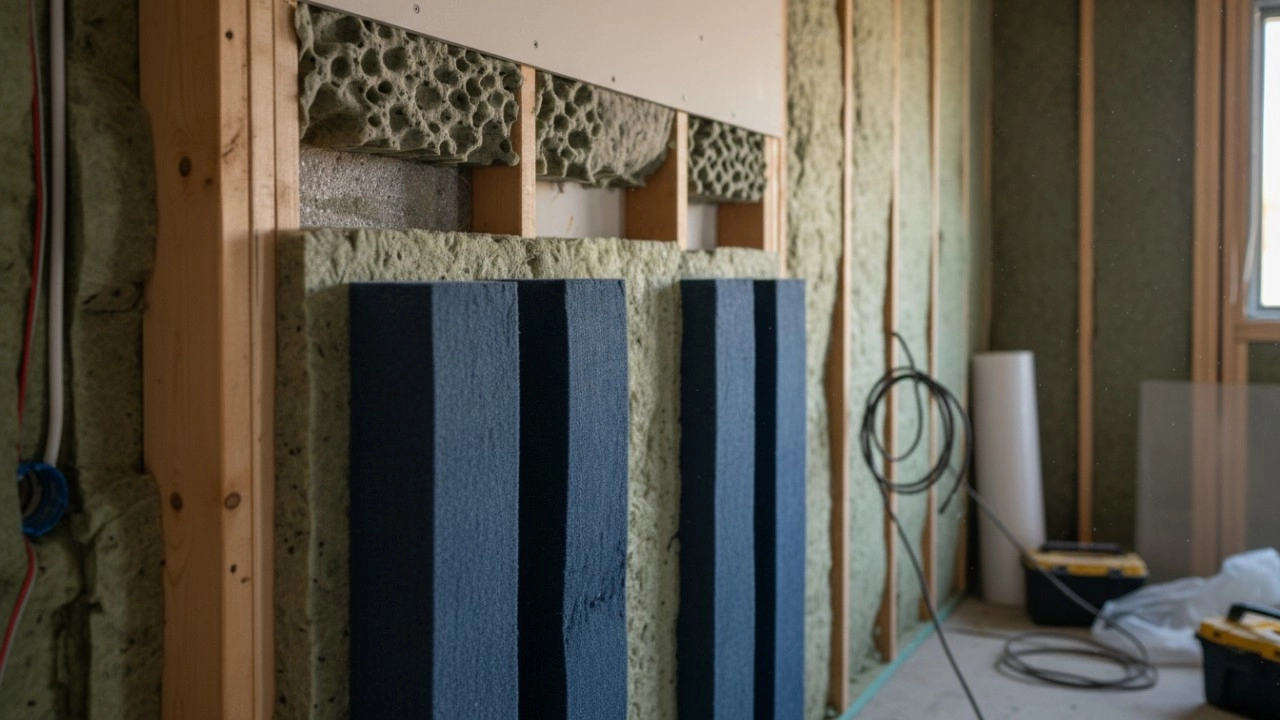
Sound Insulation Foam vs. Acoustic Panels: Which One Actually Stops Noise? (2026 Guide)
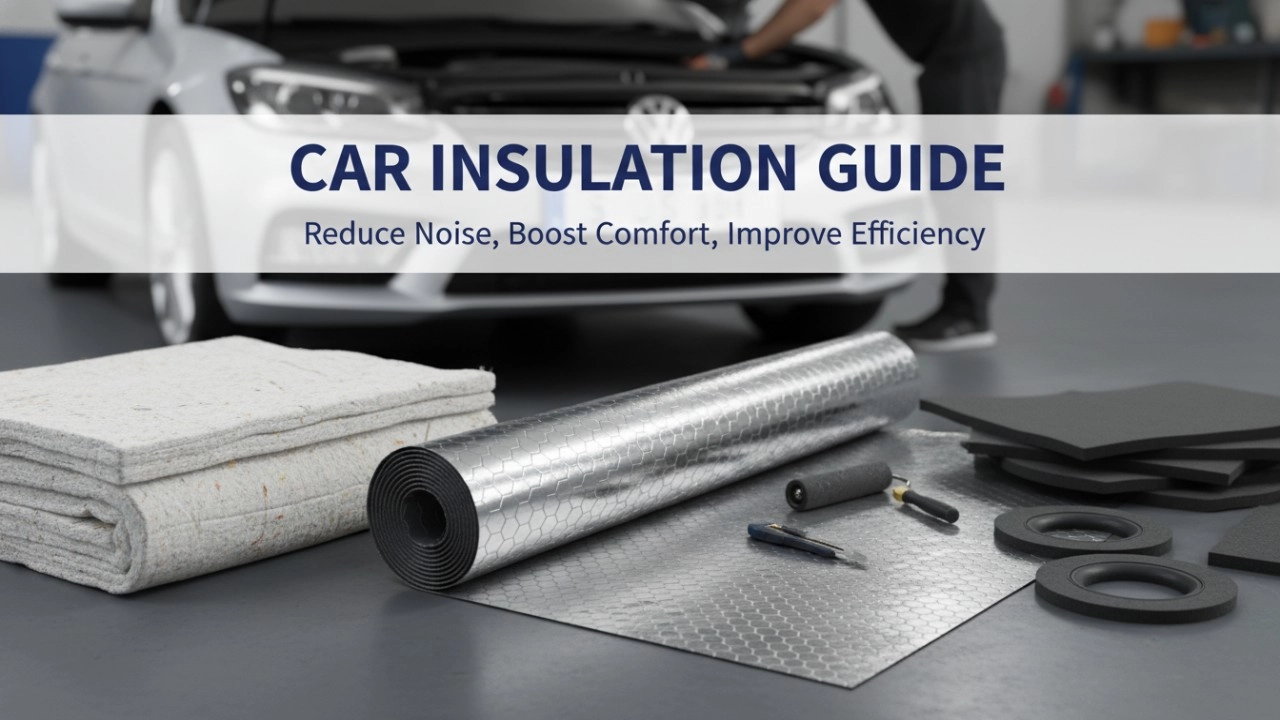
7 Dangerous Mistakes to Avoid When Selecting insulating materials for Your Car (2026 Guide)
service
Can I request custom dimensions or properties for my insulation needs?
Yes, we specialize in custom solutions. Whether you need specific dimensions, thicknesses, densities, or additional coatings, we can work with you to manufacture insulation products tailored to your exact requirements of good materials for heat insulation.
How does your technical support work?
Our technical support team is available to guide you through every stage of your project—from product selection and design to installation. We provide expert consultation to ensure that you get the best insulation solution for your needs and can assist with troubleshooting if needed.
What types of rubber foam insulation products do you offer?
We offer a wide range of rubber foam insulation products, including custom shapes and sizes, thermal and acoustic insulation solutions, and options with specialized coatings such as flame retardancy and water resistance. Our products are suitable for applications in HVAC, automotive, construction, and more.
FAQ
What types of rubber foam insulation do you offer?
We offer a wide range of rubber foam insulation with different thicknesses and specifications. Thermal insulation material manufacturer FUNAS sleeves and sheets are suitable for different application scenarios.
You might also like
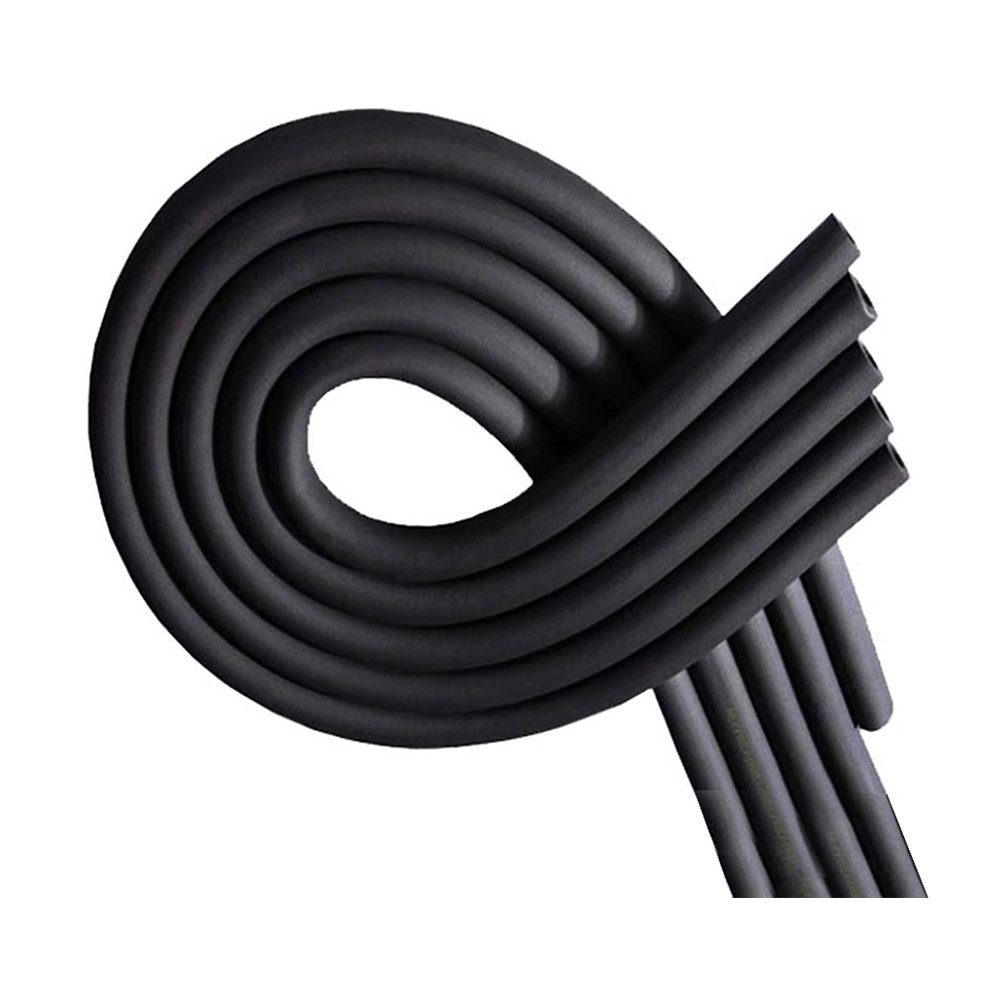
Wholesale Black nitrile rubber foam pipe rubber NBR foam tube rubber foam insulation tube for hvac system
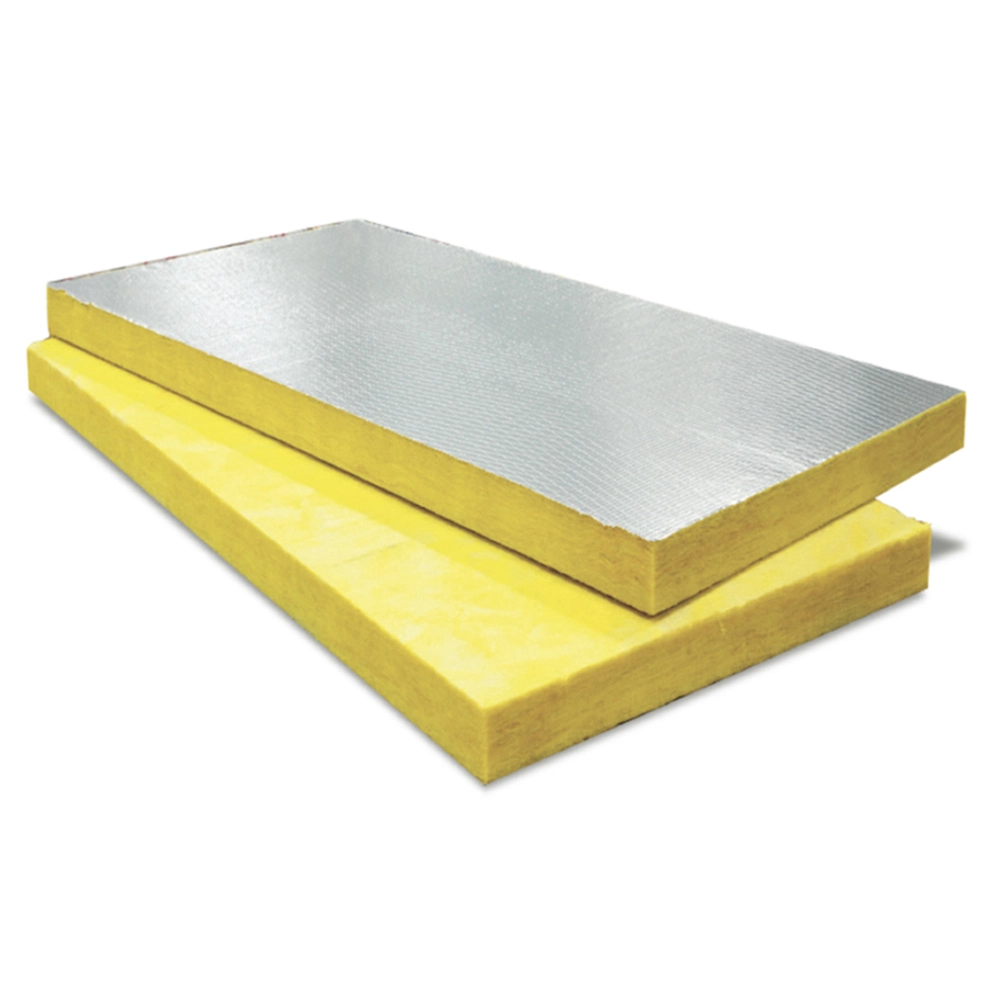
Wholesale Roof And Wall Thermal Heat Insulation 50mm Thickness Aluminum Foil Fiberglass Insulation Panel Board Glass Wool Price
Glass wool is the molten glass fiber, the formation of cotton-like material, chemical composition belongs to the glass category, is a kind of inorganic fiber. With good molding, small volume density, thermal conductivity both, thermal insulation, sound absorption performance is good, corrosion resistance, chemical stability and so on.
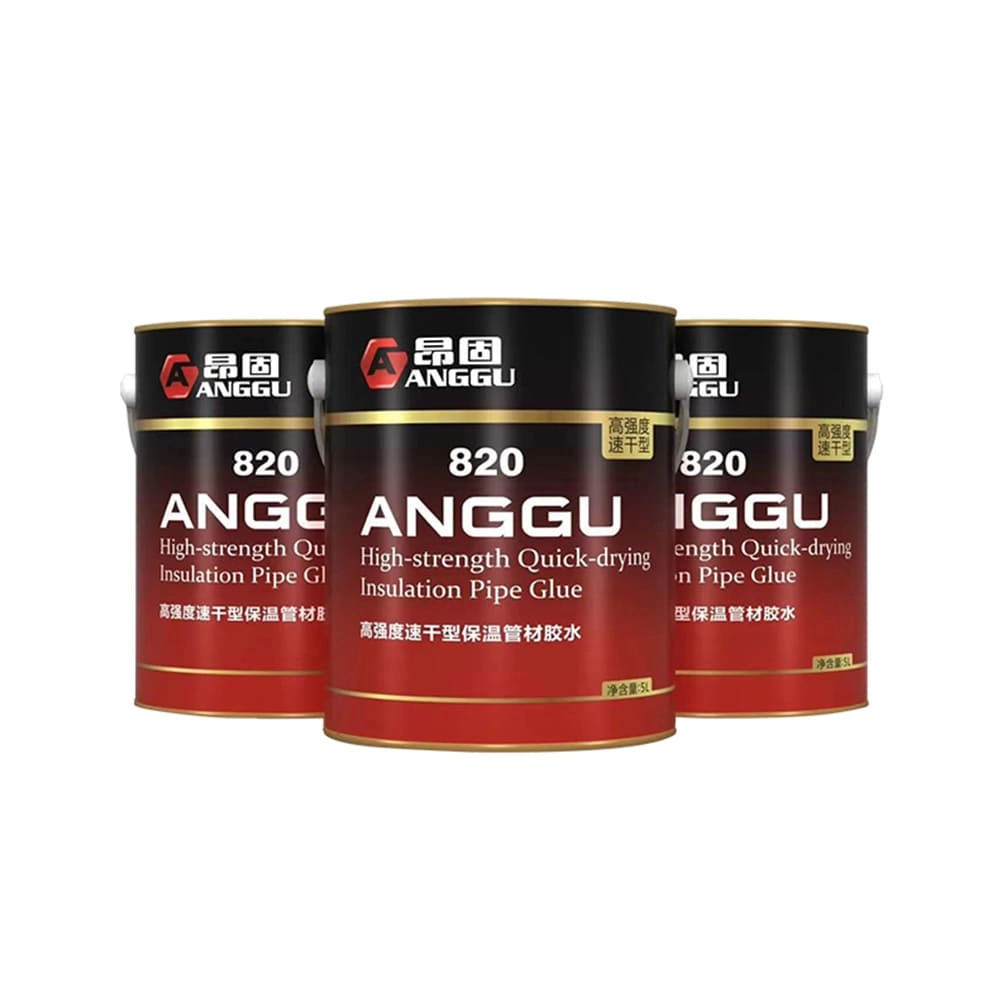
820 Pipe special adhesive
This product has passed the EU REACH non-toxic standard, ROHS non-toxic standard. (The product is black glue.)
Anggu 820glue is a low-odor, high-strength quick-drying glue; Fast drying speed, long bonding time, no powder, non-toxic.
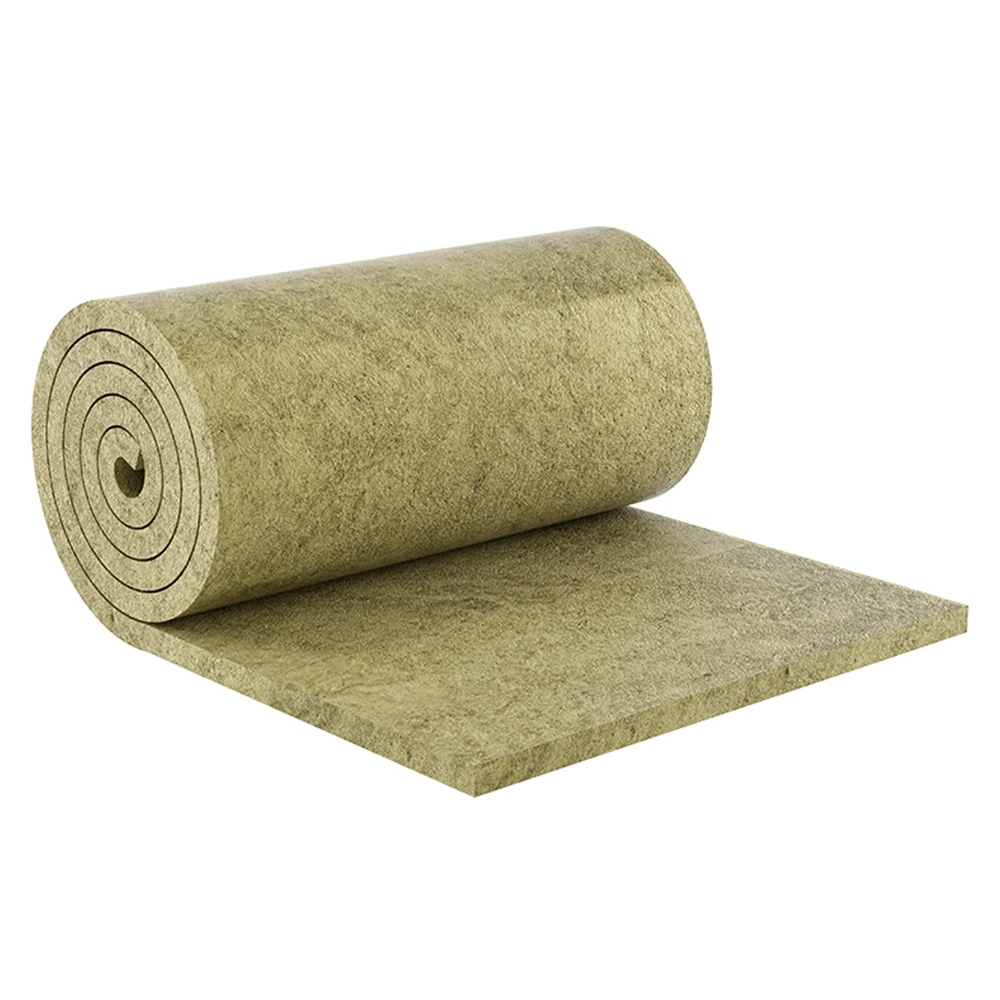
Wholesale Rock Wool Mineral Wool Roll Blanket
Durable rock wool roll with outstanding fire resistance and insulation properties. Ideal for industrial and construction applications.
Leave a message
Have any questions or concerns about our products? Please leave us a message here and our team will get back to you promptly.
Your queries, ideas, and collaboration opportunities are just a click away. Let’s start a conversation.
