


















































Does sound insulation foam Actually Work in 2026? Ultimate guide About Blocking vs. Absorbing Noise
Discover if sound insulation foam truly works in 2026 with FUNAS. Our guide explains the difference between blocking and absorbing noise, helping you choose the right solution for effective soundproofing. Enhance your space’s acoustic comfort today.
- Introduction: The Common Misconception
- Soundproofing vs. Sound Absorption: Understanding the Difference
- Detailed Comparison: Absorption vs. Insulation
- Closed-Cell Foam vs. Open-Cell Foam
- How Does Foam Actually "Block" Sound?
- Why Soundproofing Foam Often Fails to Block Noise
- To Soundproof a Room Effectively, You Need to Address These Points
- What Is the Best Way to Soundproof?
- The Material Powerhouse: Rock Wool and Glass Wool
- High-Performance Systems
- Why Do People Still Use "Soundproofing Foam"?
- Why You Shouldn't Use Egg Box Foam for Soundproofing - A Summary
- Conclusion
- FAQs
- Does "Egg Crate" foam actually block noise from neighbors?
- What is the difference between glass wool and rock wool for soundproofing?
- Can I use car sound insulation foam on my home walls?
- Is foam board for sound insulation fire-safe for indoor use?
- How much of my wall do I need to cover with sound insulation foam?
Introduction: The Common Misconception
In 2026, the demand for peace and quiet has never been higher. With the rise of home offices and high-density urban living, the search for the perfect sound insulation foam has led many to a frustrating realization: they’ve bought the wrong product.
The most frequent inquiry we receive is, "Can I stop my neighbors' loud TV or barking dog by sticking foam to my walls?" Many homeowners and DIY enthusiasts see professional recording studios covered in wedge-shaped foam and assume that is the secret to silence. Unfortunately, there is a fundamental misunderstanding of how sound works. While foam is a vital tool in acoustics, the "short answer" is: Yes, it works for internal clarity, but no, it is rarely enough for total sound blocking.
Soundproofing vs. Sound Absorption: Understanding the Difference
To choose the right materials, you must first understand that "soundproofing" and "sound absorption" are two entirely different physical processes.
-
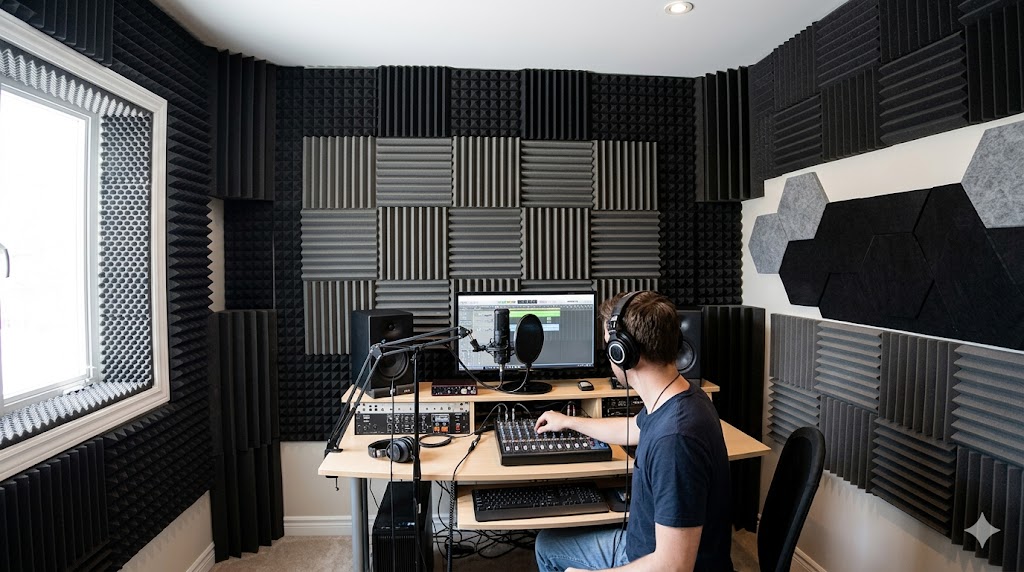
Sound Absorption: This deals with noise inside the room. Its goal is to eliminate echo and reverberation, making a podcast sound crisper or a home theater more immersive.
-
Soundproofing: This is the act of stopping noise from entering or leaving a room. It requires blocking the transmission of energy through walls, floors, and ceilings.
Detailed Comparison: Absorption vs. Insulation
| Feature | Sound Absorption (Acoustic Treatment) | Sound Insulation (Soundproofing) |
| Primary Goal | Improve sound quality inside a room. | Block sound from traveling between rooms. |
| Materials Used | Open-cell sound insulation foam and fabric panels. | High-mass barriers, decoupled walls, MLV. |
| Mechanism | Converts sound energy into trace heat. | Reflects or absorbs energy via mass and air gaps. |
| Typical Product | Egg crate foam sound insulation. | Dense foam board for sound insulation. |
| Best For | Echo, reverb, and "boomy" rooms. | Noisy neighbors, traffic, and loud music. |
Closed-Cell Foam vs. Open-Cell Foam
The breakthrough in 2026 material science lies in the refinement of cell structures. Not all foam is created equal.
-
Open-Cell Foam: Think of a sponge. The cells are interconnected, allowing air and sound waves to enter the material where they get "trapped" and dissipated. This is the best sound insulation foam for controlling echoes but is poor at stopping sound from passing through.
-
Closed-Cell Foam: The cells are sealed "bubbles" packed tightly together, which makes the material much denser and more rigid. Materials like rubber foam mats or certain car sound insulation foam utilize this structure to provide a physical barrier that is resistant to water and highly effective at dampening vibrations. For readers looking to source high-quality materials, Top 10 Foam Rubber Sheet Manufacturers for Insulation & More also highlights leading suppliers and product options used in insulation and soundproofing applications.
How Does Foam Actually "Block" Sound?
The physics of sound blocking requires a material to either reflect sound or be so dense that the sound wave cannot vibrate through it.
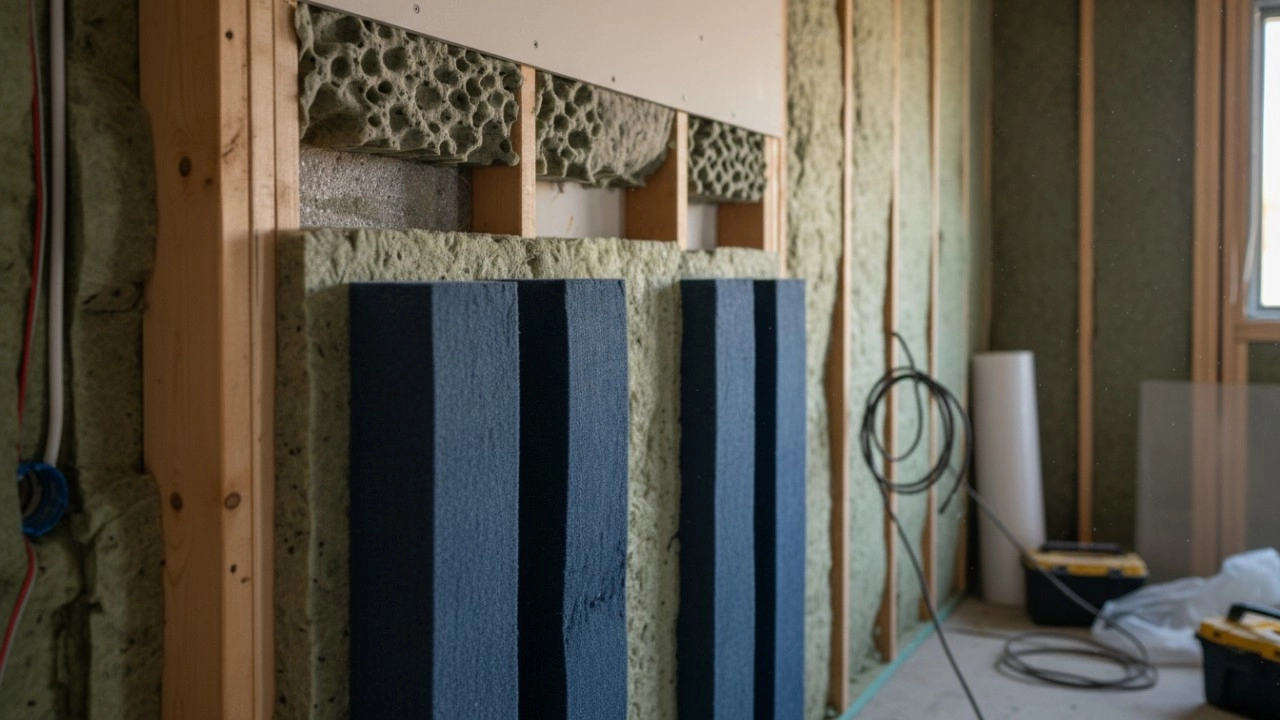
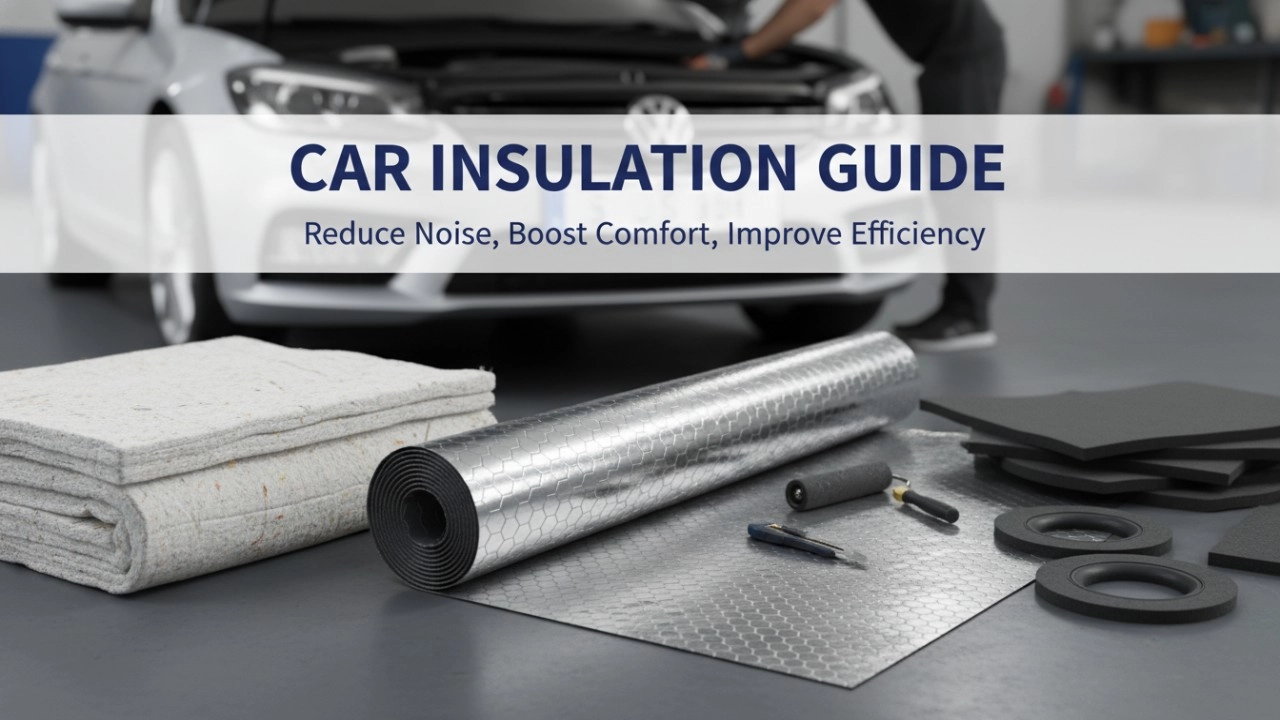
When you use a high-density foam board for sound insulation, you are creating a physical barrier. Because these boards have a closed-cell structure, they are much better at providing sound insulation foam for walls than their soft, open-cell counterparts. In industrial settings and automotive engineering, car sound insulation foam is used specifically to dampen the metal chassis's vibration, effectively lowering the "noise floor" of the vehicle.
Why Soundproofing Foam Often Fails to Block Noise
If you go to a hardware store and buy cheap egg crate foam sound insulation, expecting it to silence a noisy neighbor, you will likely be disappointed. Here is why:
-
Lack of Mass: Sound is energy. To stop that energy, you need mass. Lightweight foam simply doesn't have the weight required to stop a low-frequency sound wave (like a bass drum or a deep voice).
-
No Decoupling: Even if the foam absorbs some sound, it is still physically attached to the wall. The vibration travels through the wall, through the foam, and into your ears.
-
Misleading Marketing: Many products are labeled as "soundproofing foam" when they are actually just acoustic absorbers. This misnomer costs consumers thousands of dollars every year in ineffective DIY projects.
To Soundproof a Room Effectively, You Need to Address These Points
True 2026 soundproofing follows the "Four Pillars" of acoustics. If your solution doesn't address at least three of these, it will fail.
-
Mass: Using heavy materials like acoustic plasterboard or rock wool board.
-
Damping: Dissipating the energy. This is where rubber foam mats or Green Glue works best.
-
Decoupling: Breaking the physical connection between the two sides of a wall so vibrations can't travel through the studs.
-
Sealing: Sound behaves like water; it will find the smallest gap. You must seal outlets, doors, and window frames.
What Is the Best Way to Soundproof?
For those seeking professional-grade results in 2026, we look toward system-based construction rather than "peel-and-stick" fixes.
The Material Powerhouse: Rock Wool and Glass Wool
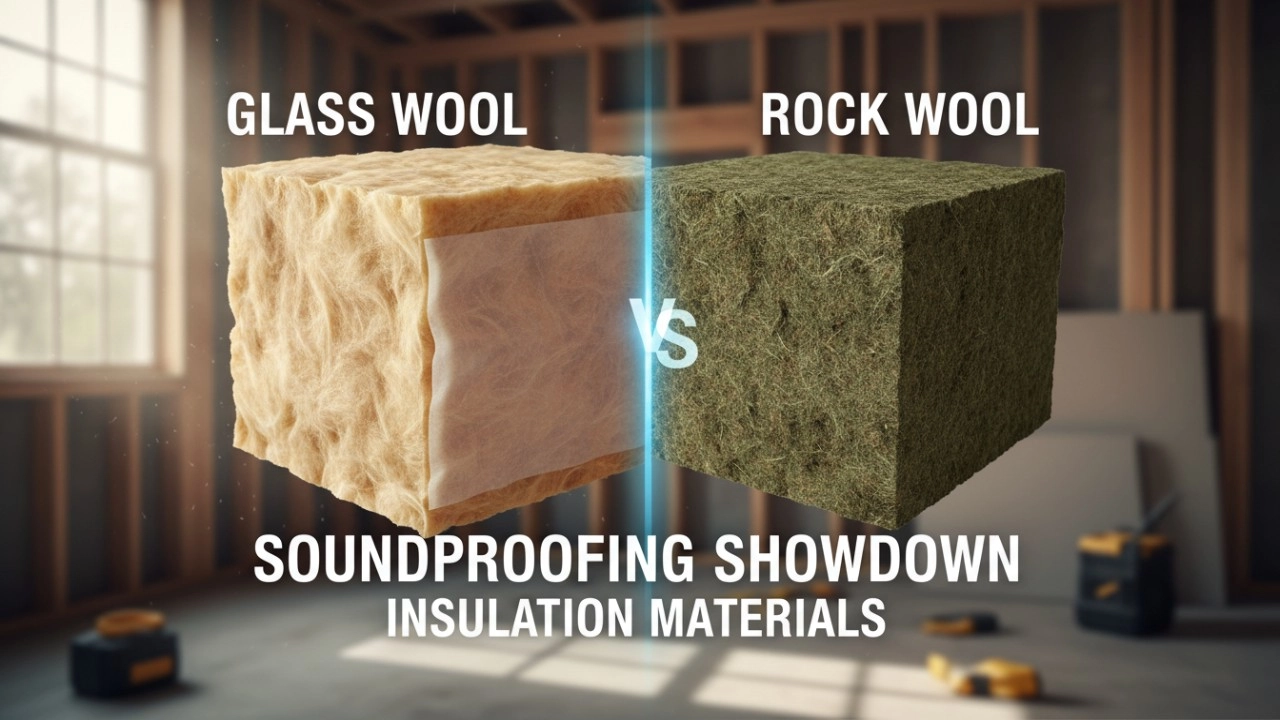
Inside the wall cavity, traditional glass wool is often used for basic thermal and acoustic damping. However, for serious soundproofing, rock wool board is the industry standard. Why? Because of its incredible density. Furthermore, rock wool r value is superior for thermal insulation, providing a dual benefit for homeowners looking to save on energy while gaining silence.
High-Performance Systems
-
Double Wall Systems: Creating a literal air gap between two sets of studs.
-
Resilient Clips: Decoupling the drywall from the frame using shock-absorbing clips.
-
Layering: Combining foam board for sound insulation with heavy acoustic drywall.
Why Do People Still Use "Soundproofing Foam"?
If it doesn't block sound, why is it everywhere? Because sound insulation foam is unmatched at improving internal sound.
Imagine a basketball bouncing in a gym. On a hardwood floor, it bounces forever (echo). On a carpeted floor with foam padding, it stops instantly. The foam "catches" the energy. This is why egg crate foam sound insulation remains a staple for content creators, streamers, and musicians—it makes the recorded audio sound professional by removing the "room sound."
Why You Shouldn't Use Egg Box Foam for Soundproofing - A Summary
In summary, do not buy egg-crate or pyramid foam if:
-
You want to stop hearing your neighbors.
-
You want to prevent sound from leaking out of your loud practice room.
-
You are trying to block traffic noise.
These products are for clarity, not silence.
Conclusion
As we move through 2026, the technology for creating quiet spaces has evolved. The "best" sound insulation foam is actually a combination of materials tailored to your specific problem. If you need to stop vibrations in a machine or vehicle, reach for rubber foam mats or car sound insulation foam. If you are building a quiet sanctuary at home, look toward high-density rock wool board and decoupled wall structures.
Remember: Foam is a vital tool for improving sound quality, but mass and structural separation are the real keys to silence. If you are considering mineral-based insulation materials for better acoustic and thermal performance, you can also explore Top 10 Rock Wool Panel Brands: Expert Guide for 2026 to compare leading manufacturers and product options available on the market.
FAQs
Does "Egg Crate" foam actually block noise from neighbors?
No, egg crate foam sound insulation is designed to reduce internal echoes rather than block external sound transmission. To stop noise from neighbors, you need high-mass materials or a dense foam board for sound insulation that physically prevents sound waves from passing through.
What is the difference between glass wool and rock wool for soundproofing?
Rock wool board is much denser than glass wool, making it more effective at blocking low-frequency vibrations and heavy impact noise. Furthermore, the superior rock wool r value offers better thermal efficiency alongside its high-performance acoustic damping properties.
Can I use car sound insulation foam on my home walls?
While car sound insulation foam is excellent for dampening vibrations on metal surfaces, it is usually too thin for significant residential wall insulation. You are better off using dedicated sound insulation foam for walls or rubber foam mats designed to meet home building and fire safety codes.
Is foam board for sound insulation fire-safe for indoor use?
The fire safety of a foam board for sound insulation depends on its material composition and fire rating, such as a Class A certification. For the highest level of safety, mineral-based options like rock wool board are naturally non-combustible compared to untreated synthetic foams.
How much of my wall do I need to cover with sound insulation foam?
To improve internal acoustics, 20-30% coverage is often enough, but for true sound blocking, you must cover 100% of the surface. Because sound leaks through gaps like water, even a small opening in your sound insulation foam for walls can significantly compromise the entire system's performance.
Fiberglass vs. Rockwool: Which Soundproofing Insulation Material Wins for Acoustic Control?
Sound Insulation Foam vs. Acoustic Panels: Which One Actually Stops Noise? (2026 Guide)
7 Dangerous Mistakes to Avoid When Selecting insulating materials for Your Car (2026 Guide)

Polyurethane Foam 2026: Guide to HFO Compliance & Performance
service
What is your shipping and delivery process like?
We offer reliable logistics services for insulation material wholesale, both domestically and internationally. Our team ensures secure packaging, timely shipping, and real-time tracking so that your order reaches you in perfect condition and on schedule.
FAQ
How do I choose the right insulation for my project?
Our team can help you choose the best material for heat insulation based on your specific needs, such as thermal resistance, acoustic properties, and environmental conditions.
How to start a consultation?
You can contact us through our website, phone, or email. We will arrange a professional staff to discuss your needs about best thermal insulator and how we can help you.
What types of rubber foam insulation do you offer?
We offer a wide range of rubber foam insulation with different thicknesses and specifications. Thermal insulation material manufacturer FUNAS sleeves and sheets are suitable for different application scenarios.
You might also like
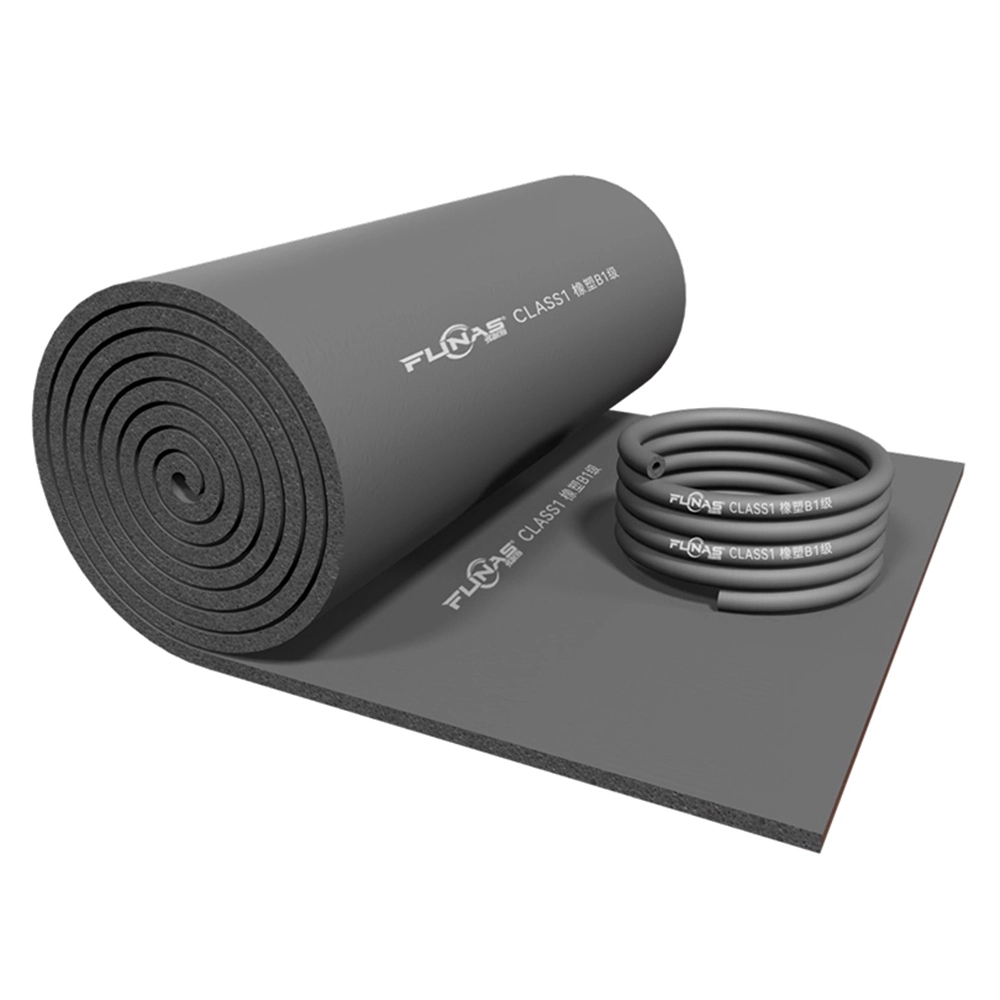
Wholesale black Rubber-plastic Board Rubber foam panel sheet
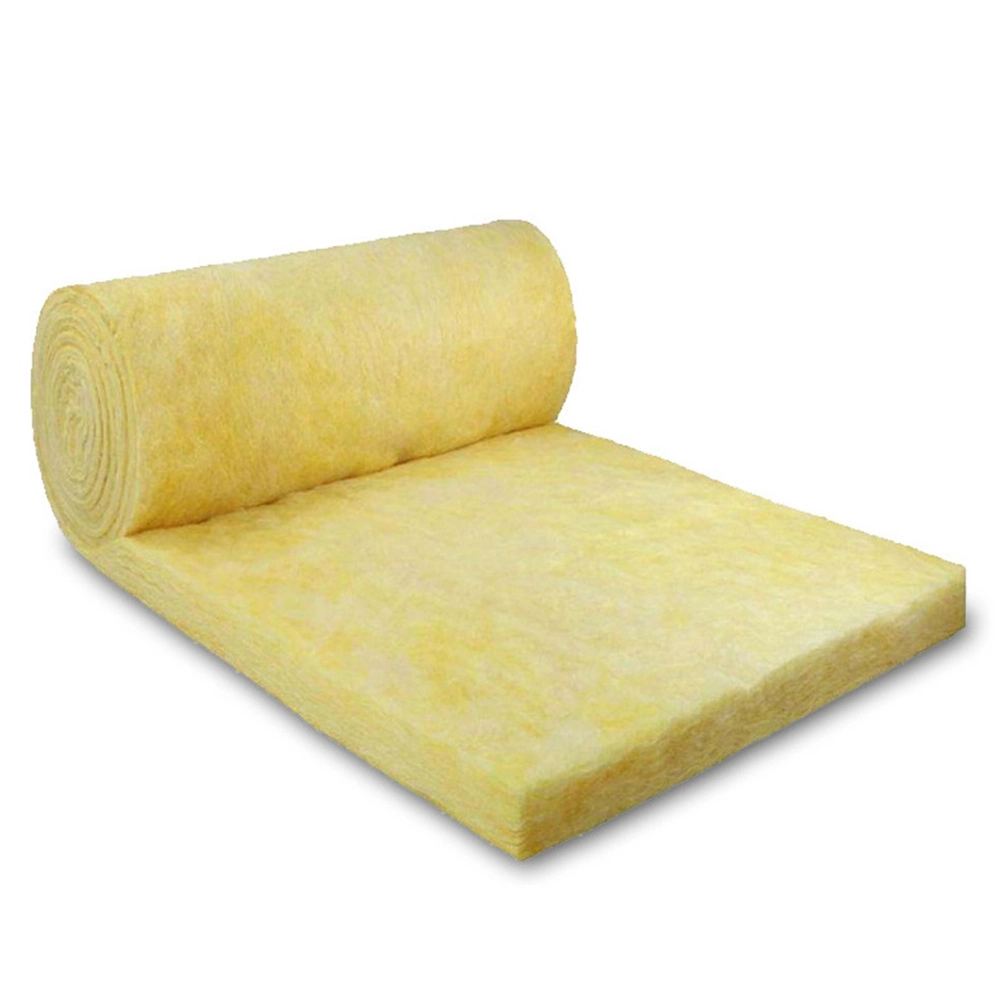
Wholesale Glass Wool Roll Blanket with or without aluminum foil
Convenient glass wool roll for easy installation. Provides effective insulation and noise reduction.
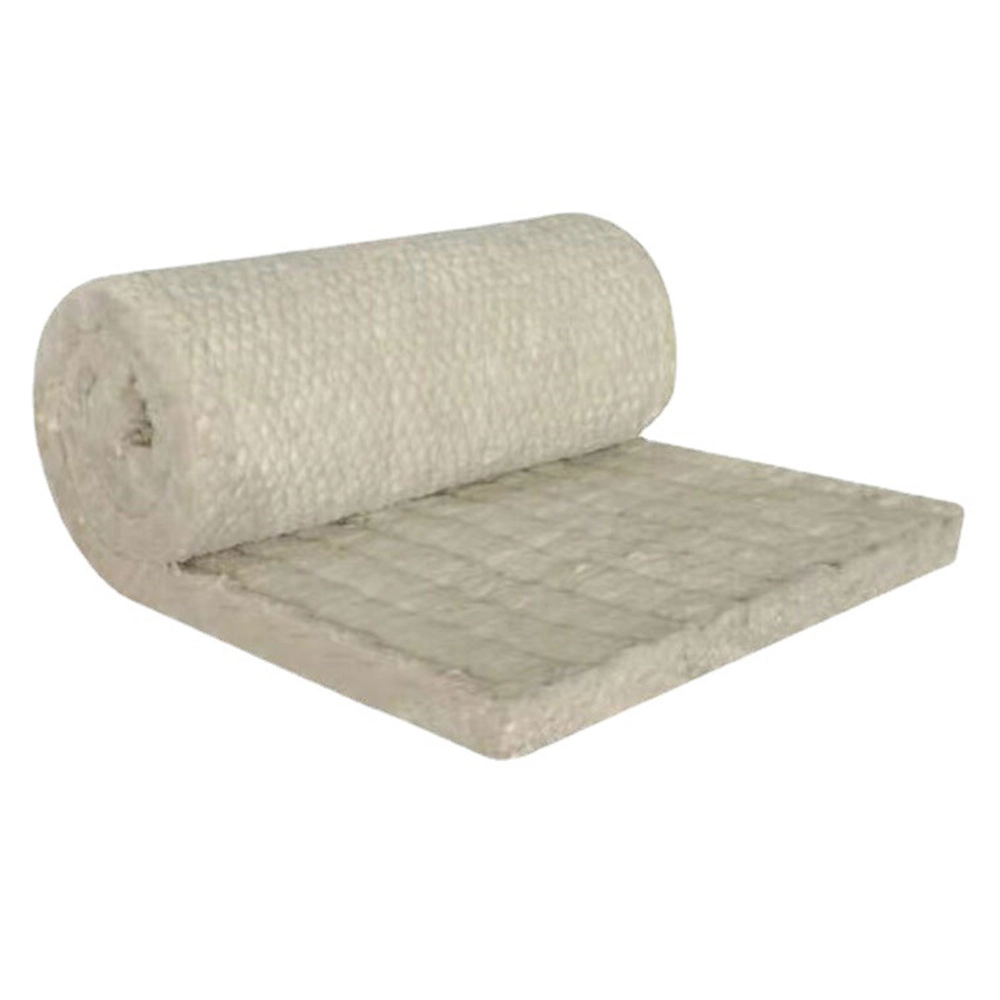
Wholesale Perfect Fire Resistant Performance High Strength Acoustic Mineral Wool Insulation Rock Wool Roll Panel Plain Slab
Rock wool, that is, a kind of exterior insulation material. When the market share of 90% of the organic thermal insulation materials in the stagnant wait-and-see, as a fire rating of A- class exterior insulation inorganic material rock wool has ushered in an unprecedented market opportunity.
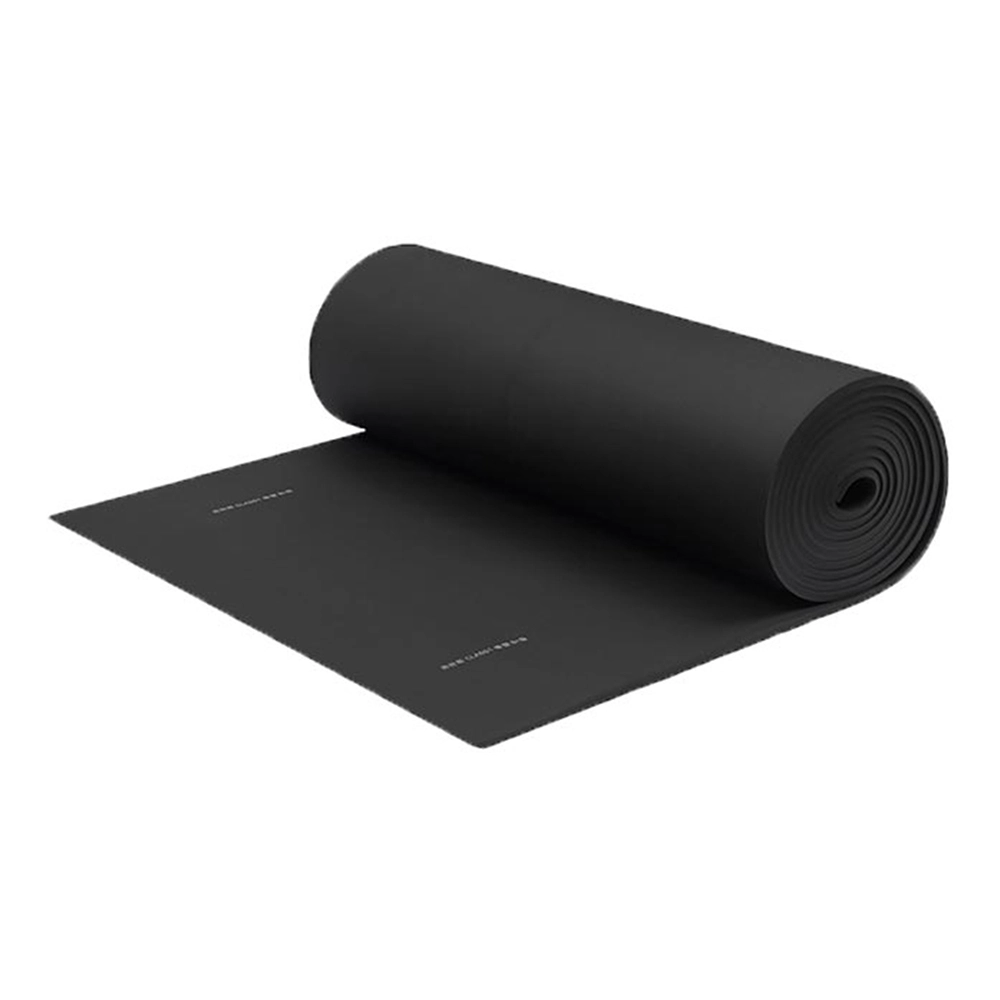
wholesale black nitrile rubber foam sheet rubber NBR foam sheet rubber foam insulation sheet for hvac system
NBR and PVC are the main raw materials, which are softthermal insulation and energy-saving materials foamedthrough special processes.
Leave a message
Have any questions or concerns about our products? Please leave us a message here and our team will get back to you promptly.
Your queries, ideas, and collaboration opportunities are just a click away. Let’s start a conversation.
