


















































Fiberglass vs. Rockwool: Which Soundproofing Insulation Material Wins for Acoustic Control?
A comprehensive 2026 comparison of fiberglass vs. rockwool for soundproofing. We analyze density, STC ratings, fire safety, and cost to determine the true winner for acoustic control.
- Quick Summary: The Verdict on Soundproofing Insulation Materials
- What is the Difference Between Fiberglass and Rockwool for Soundproofing?
- The Density Factor
- Material Composition
- Understanding the Metrics: STC vs. NRC Ratings
- STC: Stopping the Noise
- NRC: Cleaning the Sound
- Contender 1: Fiberglass Insulation (The Budget Standard)
- Pros of Fiberglass
- Cons of Fiberglass
- Best Use Cases
- Contender 2: Rockwool / Mineral Wool (The Acoustic Heavyweight)
- Pros of Rockwool
- Cons of Rockwool
- Best Use Cases
- Head-to-Head: Performance Analysis
- Round 1: Airborne Noise Reduction
- Round 2: Impact Noise and Vibration
- Round 3: Fire Safety (Glass vs. Stone)
- Round 4: The "Itch" Factor
- Gap Analysis: What Competitors Won't Tell You
- The Compression Myth
- Low-Frequency Bass Trapping
- Future-Proofing for 2026
- Expert Tips for Maximizing Your Soundproofing Insulation Material
- Conclusion
- FAQs
- Is Rockwool really better than fiberglass for soundproofing?
- Does soundproofing insulation usually have a higher R-value?
- Can I mix fiberglass and Rockwool in the same wall?
- What is the best thickness for soundproofing insulation?
- Do I need a vapor barrier with acoustic insulation?
- How much does Rockwool cost compared to fiberglass in 2026?
- Will insulation alone soundproof my room?
- Is soundproofing insulation safe to install?
Quick Summary: The Verdict on Soundproofing Insulation Materials
The best soundproofing insulation material depends on your specific acoustic goals: Rockwool wins for low-frequency isolation and fire safety, while Fiberglass wins for budget-conscious projects requiring general noise reduction.
For homeowners and contractors planning 2026 renovations, the choice between rock wool vs fiberglass often comes down to the trade-off between mass and cost. While both materials significantly improve acoustic comfort compared to uninsulated walls, their performance diverges at the extremes of the frequency spectrum.
- Key Takeaways:
- Rockwool offers superior density for blocking bass; Fiberglass is lightweight and cost-effective.
- When to choose Fiberglass: Ideal for standard interior partitions, rental properties, and tight budgets where basic speech privacy is the goal.
- When to choose Rockwool: Essential for home theaters, recording studios, and exterior walls where blocking traffic noise and deep bass is critical.
- The 2026 Outlook: As reported in our 2026 Guide to Thermal Insulation Material Manufacturers, the trend is shifting toward denser, sustainable materials for modern home offices.
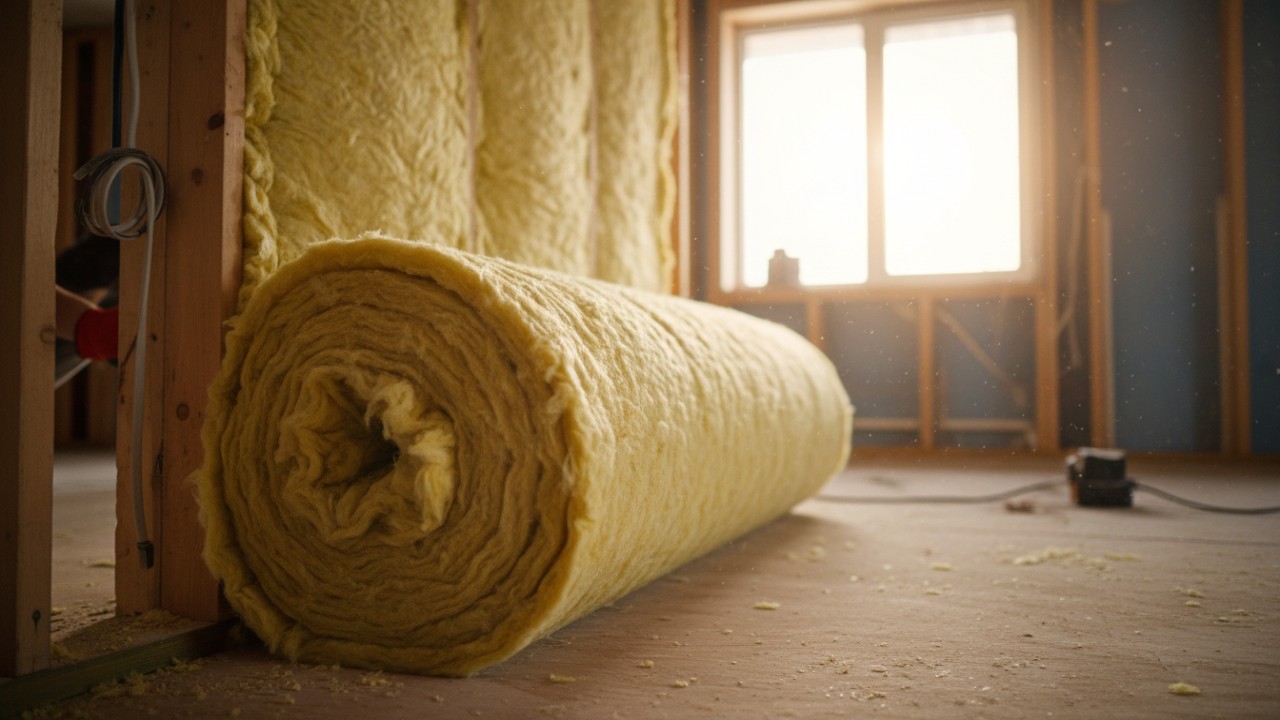
What is the Difference Between Fiberglass and Rockwool for Soundproofing?
Fiberglass is a lightweight insulation made from spun glass fibers reinforced with plastic, whereas Rockwool (mineral wool) is a dense, fibrous material produced from spun volcanic rock and slag.
This fundamental difference in composition dictates their acoustic performance. Soundproofing insulation material works by converting sound energy into heat through friction. When sound waves hit the fibers, the fibers vibrate, depleting the energy of the wave. However, the effectiveness of this energy conversion relies heavily on density.
The Density Factor
Mass is the enemy of noise. To stop sound from traveling through a wall (transmission), you need mass. Rock wool insulation typically boasts a density of roughly 2.5 lbs/ft³, compared to standard fiberglass which often hovers around 0.5 to 1.0 lbs/ft³. This extra mass makes Rockwool significantly more effective at impeding the transmission of sound waves, particularly the heavy, long waves associated with low frequencies (like a subwoofer or a passing truck).
Material Composition
- Fiberglass: Composed of silica sand, soda ash, and recycled glass (cullet). It creates a fluffy, "cotton-candy" texture.
- Rockwool: Composed of basalt rock and recycled steel slag. It creates a rigid, dense batt that holds its shape under pressure.
Understanding the Metrics: STC vs. NRC Ratings
STC (Sound Transmission Class) measures how well a material blocks sound from passing through a wall, while NRC (Noise Reduction Coefficient) measures how much sound a material absorbs within a room to reduce echo.
It is crucial to distinguish between blocking sound and absorbing sound. Best acoustic insulation material selection requires understanding which metric matters for your project.
STC: Stopping the Noise
If your goal is to stop hearing your neighbors, you care about STC. A higher STC number means better isolation. As detailed by Wikipedia, STC is a logarithmic rating; an increase of 10 points effectively halves the perceived volume of airborne noise. Rockwool typically adds more STC points to a wall assembly than fiberglass due to its mass.
NRC: Cleaning the Sound
If your goal is to reduce echo inside a room (like a studio), you care about NRC.
- NRC 0: Perfect reflection (like concrete).
- NRC 1: Perfect absorption (like an open window).
Both fiberglass and rock wool generally perform well here, with NRC ratings often exceeding 0.90 depending on thickness. However, the best sound insulation material isn't just about the number; it's about the frequency. Rockwool absorbs lower frequencies better, preventing that "boomy" room sound.
Contender 1: Fiberglass Insulation (The Budget Standard)
Fiberglass insulation is the industry standard for thermal control, offering a cost-effective solution that provides moderate sound absorption for mid-to-high frequency noise. At Guangdong Funas Insulation Materials Co., Ltd., we have produced high-quality glass wool for over a decade. Our experience supplying major petrochemical and construction projects has shown that while fiberglass is lighter, it remains a formidable option for general acoustics.
Pros of Fiberglass
- Cost-Effectiveness: Generally 20-50% cheaper than mineral wool.
- Availability: Ubiquitous in hardware stores.
- Ease of Cutting: Can be quickly sliced with a utility knife.
Cons of Fiberglass
- Lower Density: Less effective at stopping bass frequencies.
- Compression: If overstuffed, the fiberglass insulation r value and acoustic properties diminish.
- Moisture Sensitivity: Can sag if it absorbs water.
Best Use Cases
- Standard 2x4 interior walls.
- Attic floors.
- Rental renovations where budget is the primary driver.
For a deeper dive into the leading suppliers, check out our article on the Top 10 Glass Wool Manufacturers and Supplier Brands of 2026.
Contender 2: Rockwool / Mineral Wool (The Acoustic Heavyweight)
Rockwool, or mineral wool, is the superior choice for high-performance soundproofing due to its high density, fire resistance, and ability to block low-frequency airborne noise. Known in the industry as "stone wool," this insulating fabric material is engineered for resilience. At FUNAS, our rock wool products are rigorously tested to meet ISO 9001 standards, ensuring consistent density that professionals rely on for critical acoustic environments.
Pros of Rockwool
- Superior Density: The heavy mass blocks sound effectively.
- Fire Safety: Non-combustible and can withstand temperatures exceeding 1000°C.
- Hydrophobic: Repels water, making it immune to rot and mildew.
- Rigidity: Friction-fits between studs without sagging, ensuring no acoustic leaks develop over time.
Cons of Rockwool
- Price: Higher upfront material cost.
- Weight: Requires secure framing; heavier to handle during installation.
Best Use Cases
- Home theaters and recording studios.
- Bedrooms facing busy streets.
- Utility rooms (to dampen HVAC noise).
For expert recommendations on sourcing these materials, read our review of the Top 10 Rock Wool Panel Brands.
Head-to-Head: Performance Analysis
In a direct comparison, Rockwool outperforms Fiberglass in low-frequency isolation and fire safety, while Fiberglass remains competitive in mid-range speech absorption and thermal value per dollar.
Round 1: Airborne Noise Reduction
For voices and TV noise (mid-range frequencies), the difference is subtle. A standard wall with fiberglass might have an STC of 39, while the same wall with Rockwool might hit STC 45. However, that 6-point difference is audible—it's the difference between hearing a muffled conversation and hearing nothing at all.
Round 2: Impact Noise and Vibration
Rock wool insulation is much better at dampening vibration. Its density adds mass to the wall assembly, reducing the "drum effect" where the wall itself vibrates and transmits sound.
Round 3: Fire Safety (Glass vs. Stone)
Is fiberglass insulation flammable? While the glass fibers themselves are non-combustible, the kraft paper facing and certain binders can be flammable. Fiberglass typically melts around 500°C. In contrast, Rockwool is virtually fireproof, with a melting point over 1000°C, offering valuable extra minutes of evacuation time in a fire event.
Round 4: The "Itch" Factor
Both materials require PPE. Fiberglass is notorious for shedding shards that irritate the skin. Rockwool is also fibrous but tends to be "dustier" rather than "itchy." We always recommend long sleeves, gloves, and N95 masks for both.
Gap Analysis: What Competitors Won't Tell You
Many general comparisons fail to mention that the "compression myth" compromises fiberglass performance, whereas Rockwool's rigidity ensures consistent acoustic isolation indefinitely.
The Compression Myth
A common DIY mistake is stuffing thick fiberglass into a thin cavity, thinking "more is better." Compressing fiberglass removes the air pockets required to trap sound and heat. Rock wool vs fiberglass discussions often miss this: Rockwool is rigid. You cannot easily over-compress it; you cut it to fit. This forces a better installation quality.
Low-Frequency Bass Trapping
If you are building a home cinema, fiberglass will struggle to contain the rumble of an explosion in a movie. The wavelengths of bass frequencies are long and heavy; they pass through lightweight fiberglass easily. Only the mass of Rockwool (or specialized loaded vinyl) can effectively stop them.
Future-Proofing for 2026
According to the North American Insulation Manufacturers Association (NAIMA), the industry is moving toward binder-free and formaldehyde-free formulations. At FUNAS, we are already implementing eco-friendly binders in our custom acoustic plans to meet these rising health standards.
Expert Tips for Maximizing Your Soundproofing Insulation Material
To maximize acoustic performance, you must combine high-quality insulation with proper decoupling and air-sealing techniques, as insulation alone cannot stop sound leaks. Drawing from our experience at Guangdong Funas Insulation Materials Co., Ltd., where we customize solutions for central air conditioning and industrial noise control, here are expert tips for your home:
- Seal the Gaps: Sound flows like water. Use acoustic sealant (caulk) on the top and bottom plates of your framing before hanging drywall.
- Don't Ignore Outlets: An electrical outlet is a giant hole in your soundproofing. Use putty pads to seal the back of outlet boxes.
- Use Resilient Channels: Decoupling the drywall from the studs (using channels or clips) is often more effective than upgrading the insulation itself. Ideally, do both.
- No Air Pockets: When using best insulation material options like Rockwool, ensure it fits snugly. Even a 1% gap can reduce soundproofing efficiency by 50%.
Conclusion
Rockwool is the clear winner for superior acoustic control and fire safety, while Fiberglass remains a viable, budget-friendly option for general noise reduction.
If you are building a dedicated media room or live on a noisy street, the investment in rock wool insulation pays dividends in silence. For general partition walls where you simply want to muffle the sound of a TV in the next room, glass wool is a cost-effective solution that gets the job done. Remember, the material is only half the battle—installation quality and air sealing are equally critical.
Contact us today to optimize your soundproofing insulation material strategy.
FAQs
Is Rockwool really better than fiberglass for soundproofing?
Yes, generally Rockwool is superior due to its higher density and mass, which blocks sound waves more effectively than standard fiberglass.
Does soundproofing insulation usually have a higher R-value?
Not necessarily. While acoustic insulation has thermal properties, its primary design focus is density for sound damping rather than just trapping heat.
Can I mix fiberglass and Rockwool in the same wall?
It is possible but not recommended for consistent acoustic performance; it's better to stick to one material to ensure uniform sound transmission loss.
What is the best thickness for soundproofing insulation?
Standard 3.5-inch batts (for 2x4 walls) are common, but the density of the material matters more than just thickness for sound blocking.
Do I need a vapor barrier with acoustic insulation?
It depends on your climate and if it's an exterior wall. Rockwool is moisture resistant, but local building codes dictate vapor barrier requirements.
How much does Rockwool cost compared to fiberglass in 2026?
Rockwool typically costs 20-50% more than standard fiberglass due to manufacturing complexity and raw material costs.
Will insulation alone soundproof my room?
No. Insulation absorbs resonance, but true soundproofing also requires mass (drywall), decoupling (clips/channels), and damping (compounds).
Is soundproofing insulation safe to install?
Both materials require protective gear (masks, gloves, long sleeves) during installation to prevent skin irritation and inhalation of fibers.

Does sound insulation foam Actually Work in 2026? Ultimate guide About Blocking vs. Absorbing Noise
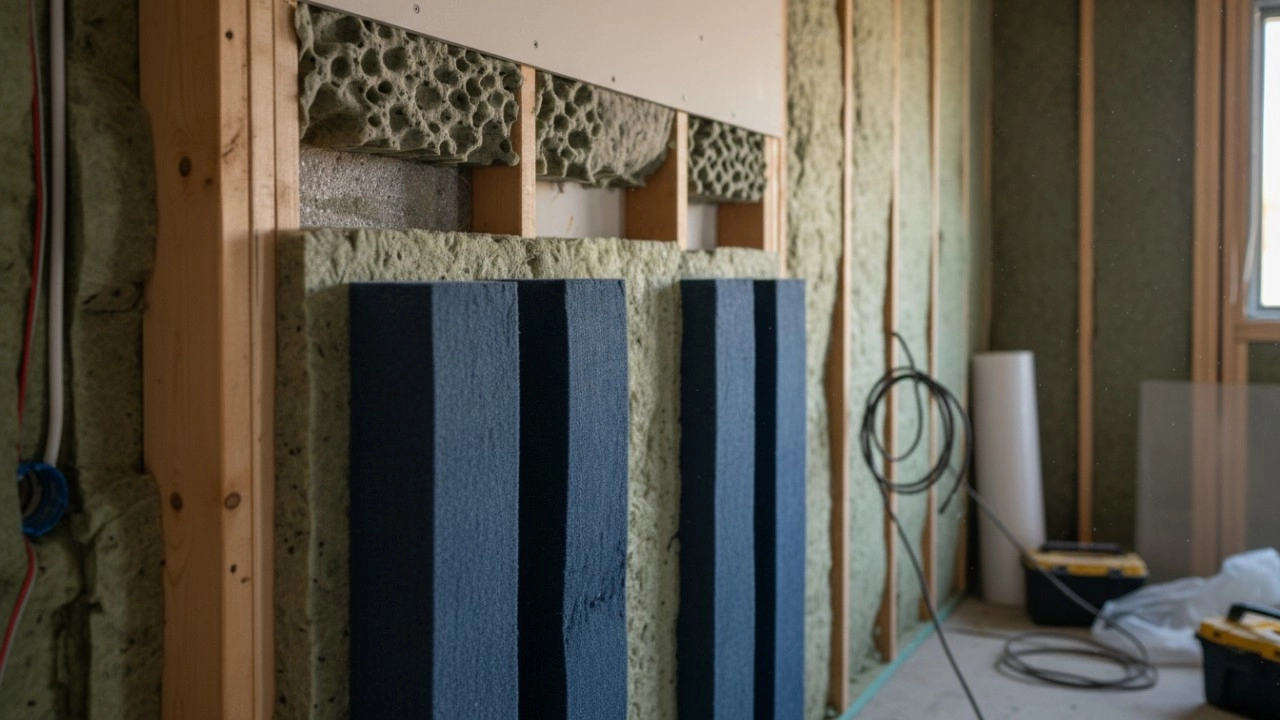
Sound Insulation Foam vs. Acoustic Panels: Which One Actually Stops Noise? (2026 Guide)

7 Dangerous Mistakes to Avoid When Selecting insulating materials for Your Car (2026 Guide)

Polyurethane Foam 2026: Guide to HFO Compliance & Performance
FAQ
What is the typical delivery time for custom orders?
Our daily production capacity is 800 cubic meters. Delivery time varies depending on the complexity of the insulation material wholesale order, but we can deliver large quantities of customized products within 4-6 weeks after the approval date, and small quantities can be delivered within 15 days.
How to start a consultation?
You can contact us through our website, phone, or email. We will arrange a professional staff to discuss your needs about best thermal insulator and how we can help you.
service
How does your technical support work?
Our technical support team is available to guide you through every stage of your project—from product selection and design to installation. We provide expert consultation to ensure that you get the best insulation solution for your needs and can assist with troubleshooting if needed.
What types of rubber foam insulation products do you offer?
We offer a wide range of rubber foam insulation products, including custom shapes and sizes, thermal and acoustic insulation solutions, and options with specialized coatings such as flame retardancy and water resistance. Our products are suitable for applications in HVAC, automotive, construction, and more.
You might also like
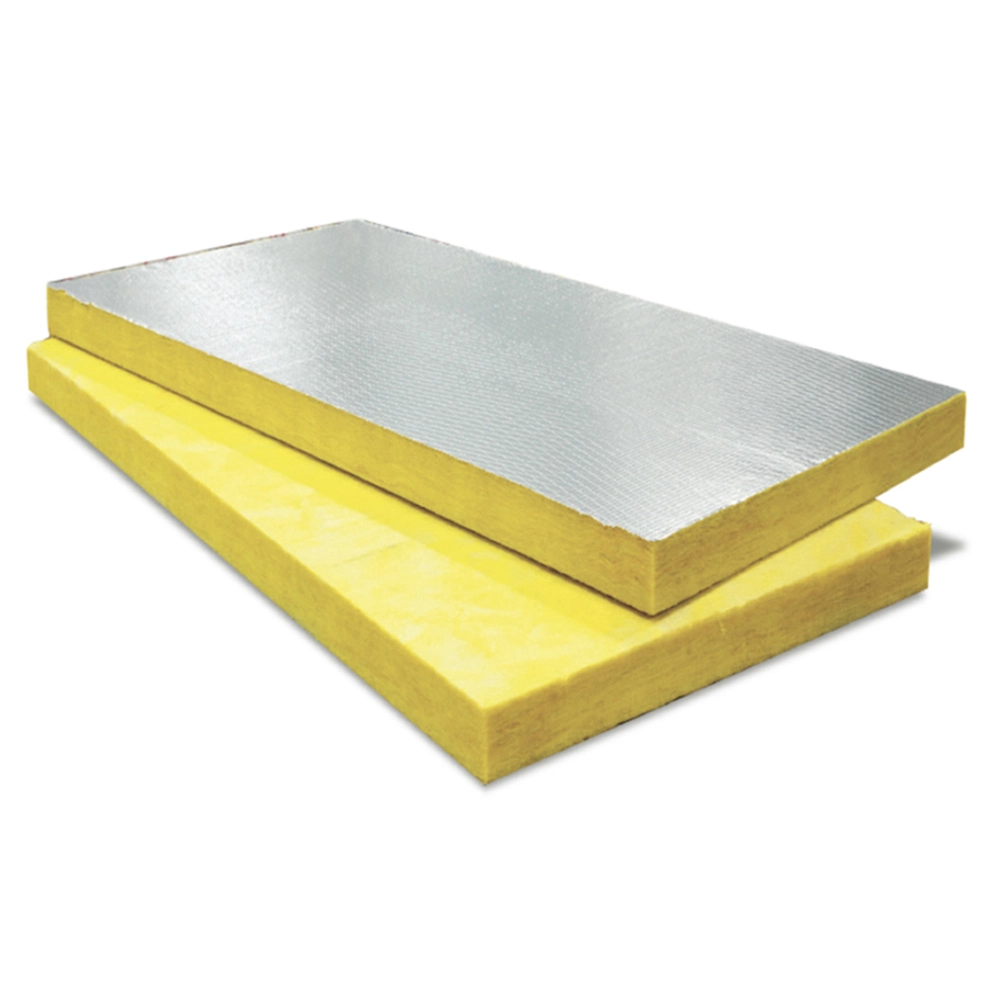
Wholesale Roof And Wall Thermal Heat Insulation 50mm Thickness Aluminum Foil Fiberglass Insulation Panel Board Glass Wool Price
Glass wool is the molten glass fiber, the formation of cotton-like material, chemical composition belongs to the glass category, is a kind of inorganic fiber. With good molding, small volume density, thermal conductivity both, thermal insulation, sound absorption performance is good, corrosion resistance, chemical stability and so on.

Wholesale Rock Wool Mineral Wool Board Panel Sheet
High-performance rock wool board for superior thermal and acoustic insulation. A reliable choice for building projects.
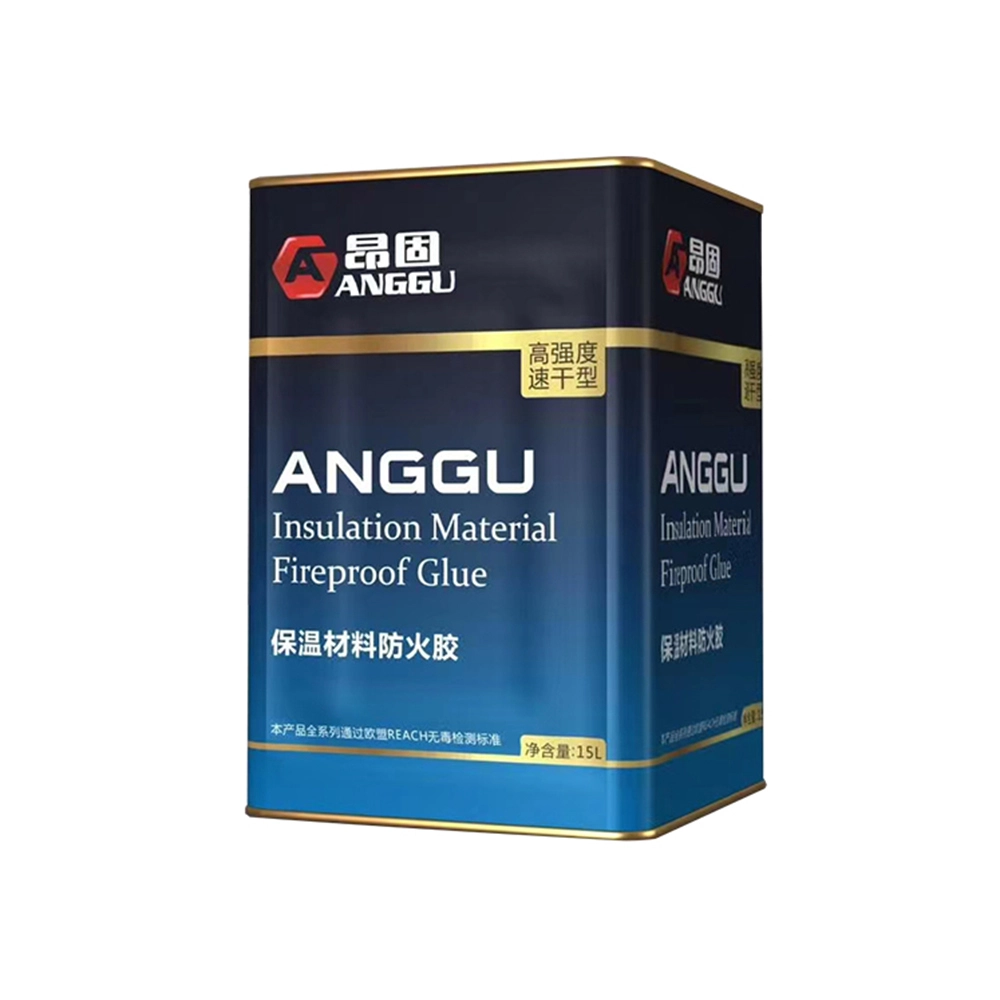
Thermal insulation material fireproof adhesive
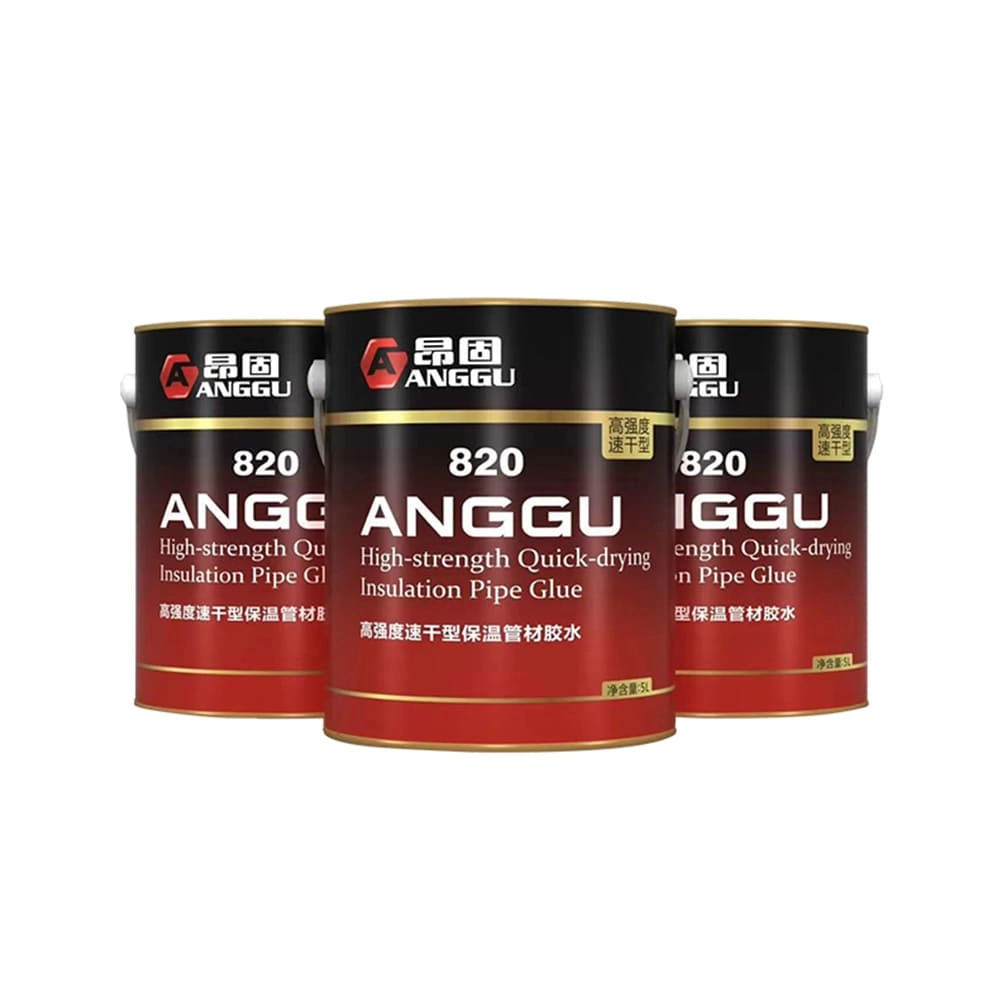
820 Pipe special adhesive
This product has passed the EU REACH non-toxic standard, ROHS non-toxic standard. (The product is black glue.)
Anggu 820glue is a low-odor, high-strength quick-drying glue; Fast drying speed, long bonding time, no powder, non-toxic.
Leave a message
Have any questions or concerns about our products? Please leave us a message here and our team will get back to you promptly.
Your queries, ideas, and collaboration opportunities are just a click away. Let’s start a conversation.
