


















































Sound Insulation Foam vs. Acoustic Panels: Which One Actually Stops Noise? (2026 Guide)
A comprehensive 2026 guide comparing sound insulation foam and acoustic panels. Learn the difference between blocking noise (isolation) and reducing echo (absorption), with expert insights on materials like rock wool and rubber foam.
- Quick Summary: Key Takeaways
- What is Sound Insulation Foam?
- The Core Difference: Sound Blocking vs. Sound Absorption
- Deep Dive: Acoustic Foam Capabilities
- Acoustic Foam Pros & Cons:
- Deep Dive: Acoustic Panels Capabilities
- Why Choose Panels?
- Head-to-Head Comparison: Foam vs. Panels
- The 'Stopping Noise' Reality: What Actually Works?
- Effective Noise Blocking Strategies:
- Future Trends: Sustainable Acoustics in 2026
- 2026 Market Insights:
- Conclusion
- FAQ
- Does acoustic foam actually soundproof a room from outside noise?
- What is the difference between sound insulation foam and acoustic panels?
- Which is better for a home recording studio: foam or panels?
- Can I use spray foam insulation to soundproof my walls?
- Do egg cartons work as a cheap substitute for acoustic foam?
- How much generally does professional acoustic treatment cost in 2026?
- What is the best NRC rating for sound insulation foam?
- How do I install acoustic foam without damaging my walls?
Quick Summary: Key Takeaways
- Acoustic Foam is best for reducing echo and improving audio quality inside a room, not blocking outside noise.
- Acoustic Panels (fiberglass/wool) generally offer superior absorption across a wider frequency range compared to foam.
- True 'Sound Insulation' requires mass and decoupling (like dry-wall layering), not just surface foam.
- The best strategy often involves a hybrid approach tailored to the specific room usage.
What is Sound Insulation Foam?
Sound insulation foam (often called acoustic foam) is a lightweight, porous material, usually made from polyurethane or melamine, designed to absorb sound waves to reduce reverberation and flutter echoes within a space. It improves internal sound quality rather than blocking external noise.
While often searched for as a solution to block noise, sound insulation foam primarily functions as an absorber. It works by trapping sound energy within its open-cell structure and converting it into small amounts of heat, preventing that sound from bouncing off hard surfaces like drywall or concrete.
Key characteristics include:
- Open-Cell Structure: Allows air and sound waves to enter the material friction-free.
- Varied Profiles: Common shapes include wedges, pyramids, and egg crates to increase surface area.
- Lightweight: Easy to mount but lacks the mass required to stop sound transmission.
The Core Difference: Sound Blocking vs. Sound Absorption
The main difference is that sound absorption prevents sound from reflecting back into the room (reducing echo), while sound blocking (isolation) prevents sound from passing through a wall or barrier. Confusing these two concepts is the most common mistake in soundproofing.
To understand this, industry professionals use specific metrics. NRC (Noise Reduction Coefficient) measures how much sound a material absorbs. In contrast, STC (Sound Transmission Class) measures how effective a barrier is at stopping airborne sound from passing through it, as defined by Wikipedia.
Think of it like this:
- Absorption (Foam/Panels): Like a sponge soaking up water. It stops the water (sound) from splashing back at you.
- Blocking (Heavy Walls): Like a concrete dam. It stops the water (sound) from flowing to the other side.
- The Reality: Putting a sponge on a dam does not make the dam stronger; it just stops the water from splashing.
Deep Dive: Acoustic Foam Capabilities
Acoustic foam is highly effective at taming high-frequency flutter echoes and controlling reverberation in vocal booths, gaming rooms, and home theaters. It is an accessible, budget-friendly entry point for improving room acoustics.
However, it has limitations. Standard polyurethane foam struggles with lower frequencies (bass) because it lacks density. For professional applications, materials must be chosen carefully. For instance, Guangdong Funas Insulation Materials Co., Ltd. (FUNAS) utilizes advanced manufacturing to ensure their rubber and plastic insulation products meet strict international standards like UL and FM certifications, ensuring safety and performance even in demanding environments.
Acoustic Foam Pros & Cons:
- Frequency Response: Excellent for highs (treble), poor for lows (bass).
- Material Types: Polyurethane is cheaper; Melamine offers a Class A fire rating.
- Installation: Peel-and-stick simplicity makes it popular for DIYers.
- Aesthetics: Provides that classic "recording studio" look.
Deep Dive: Acoustic Panels Capabilities
Acoustic panels are typically rigid frames filled with dense porous materials like glass wool or rock wool board, wrapped in breathable fabric, offering superior absorption across a wider frequency range than foam. They are the standard for professional studios and commercial offices.
The density of the core material is the game-changer here. A slab of high-density rock wool soundproofing material is significantly heavier than foam, allowing it to absorb mid-range and lower-mid frequencies effectively. As reported by Wikipedia, the NRC rating of these materials is often higher because they address a broader spectrum of sound energy.
At FUNAS, we produce high-quality glass wool and rock wool products that are widely used in sectors ranging from petrochemicals to central air conditioning. Our experience in these industrial fields translates to superior residential solutions, where durability and fire safety (ISO 9001/14001 certified) are paramount.
Why Choose Panels?
- Composition: Dense mineral wool or fiberglass core.
- Performance: Higher absorption coefficient per inch of thickness.
- Durability: Fabric wrapping protects the core material from degrading.
- Aesthetics: Can be customized to look like art or blend into office decor.
- Sustainability: 2026 trends see a rise in recycled PET and eco-friendly wools.
Head-to-Head Comparison: Foam vs. Panels
Acoustic panels generally outperform foam in acoustic efficiency and durability, while sound insulation foam wins on upfront cost and ease of installation for small, non-critical projects. Choosing between them depends on your budget and your specific acoustic problems.
Here is the breakdown:
- Cost Efficiency: Foam is cheaper per square foot but may oxidize and crumble over time. Panels are an investment that lasts decades.
- Acoustic Efficiency: Panels have a flatter absorption curve, meaning they sound more "natural." Foam can suck out all the treble while leaving the bass muddy.
- Safety: Cheap foam can be a fire hazard. Ensure you buy materials with proper certifications (like the CE/ROHS/CPR certifications held by FUNAS products).
- Application: Use foam for spot treatment; use panels for primary room tuning.
The 'Stopping Noise' Reality: What Actually Works?
If your goal is to stop noise from entering or leaving a room, neither standard foam nor panels will suffice; you need soundproofing insulation material that adds mass and decouples the structure. True isolation requires heavy materials that physically block sound waves.
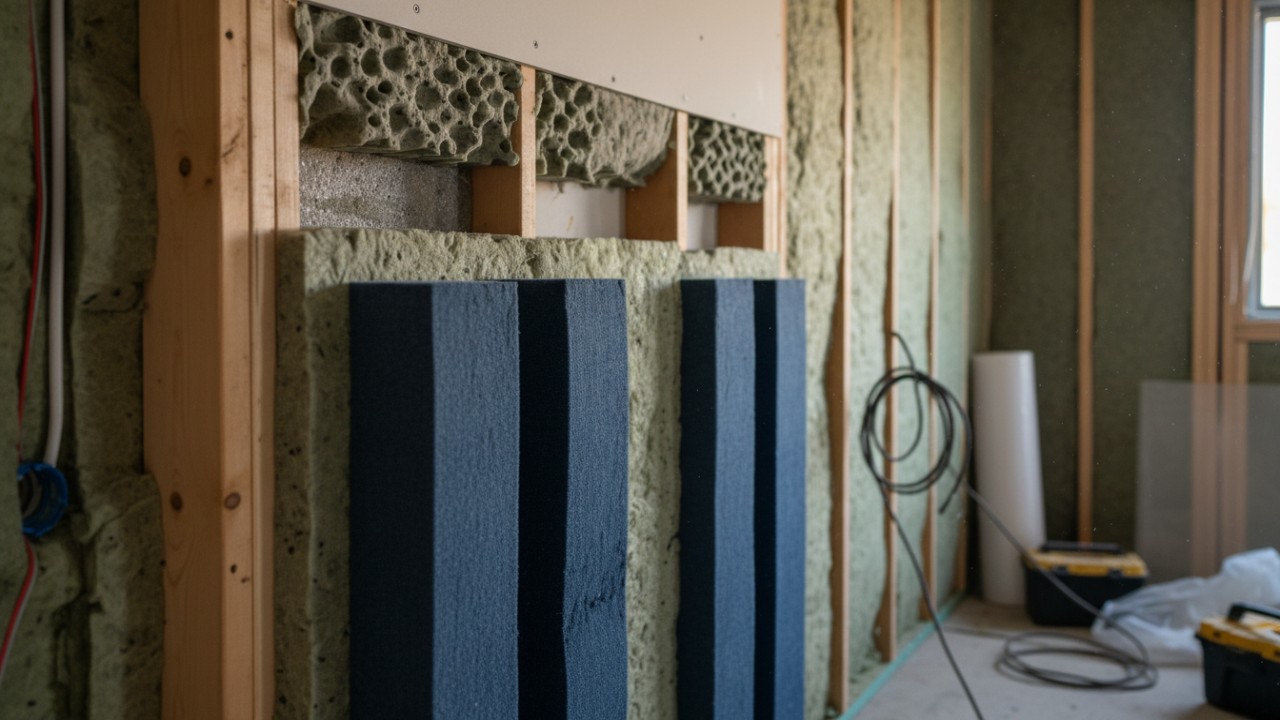
For walls, this often means using sound insulation materials for walls like Mass Loaded Vinyl (MLV) or adding extra layers of drywall with damping compounds. In industrial or automotive settings, specialized materials are required. For example, automotive sound insulation materials often utilize NBR foam (Nitrile Butadiene Rubber) or rubber foam insulation. These closed-cell foams are dense and excellent at blocking road noise and vibration.
If you are looking for suppliers in this niche, check out our Best Car Sound Insulation Material Suppliers List to find top-tier options.
Effective Noise Blocking Strategies:
- Mass: Heavy materials (concrete, MLV, double drywall) reflect sound.
- Decoupling: Building a "room within a room" breaks the path of vibration.
- Damping: Using compounds (like Green Glue) or rubber layers to dissipate energy.
- Sealing: Air gaps are sound leaks. Seal windows and doors tight.
Future Trends: Sustainable Acoustics in 2026
By 2026, the industry is shifting toward biodegradable materials, smart acoustics, and invisible treatments that integrate seamlessly into architecture without sacrificing performance. The focus is moving away from petrochemical-heavy products toward sustainable innovation.
Leading manufacturers are exploring mushroom-mycelium composites and advanced recycled fibers. Furthermore, the demand for high-performance glass wool is increasing as construction standards tighten. For a look at the key players driving this change, review the Top 10 Glass Wool Manufacturers and Supplier Brands of 2026.
2026 Market Insights:
- Eco-Friendly: Shift toward biodegradable and recycled materials.
- Smart Materials: Surfaces that change density based on noise levels.
- Invisible Acoustics: Treatments hidden behind micro-perforated wood or plaster.
- FUNAS Solution: We are integrating these next-gen standards into our 10,000-square-meter storage center and production lines to offer state-of-the-art brand customization.
Conclusion
Ultimately, sound insulation foam is a tool for shaping sound inside a room, while heavy construction materials are required to stop noise from entering or leaving. For the best best sound insulation material, you likely need a hybrid approach: dense rock wool or rubber foam for isolation, and acoustic panels for interior sound quality. Structural isolation remains the key to true soundproofing.
Contact us today to optimize your sound insulation strategy with our expert engineering team.
FAQ
Does acoustic foam actually soundproof a room from outside noise?
No, acoustic foam is designed to absorb echoes inside the room, not block sound from passing through walls. To block noise, you need dense mass and decoupling.
What is the difference between sound insulation foam and acoustic panels?
Foam is usually lighter, open-cell material best for high frequencies, while acoustic panels are denser (often fiberglass or wool) and better at absorbing a wider range of frequencies, including mids.
Which is better for a home recording studio: foam or panels?
A combination is often best, but panels generally offer better performance for the money by controlling a wider frequency range, whereas foam is good for spot-treating flutter echoes.
Can I use spray foam insulation to soundproof my walls?
Open-cell spray foam can help dampen resonance slightly, but it is primarily a thermal insulator. It does not provide the mass required to significantly block airborne noise transfer.
Do egg cartons work as a cheap substitute for acoustic foam?
No. Egg cartons are too thin and light to effectively absorb or block sound. They are a fire hazard and offer virtually no acoustic benefit compared to proper foam or panels.
How much generally does professional acoustic treatment cost in 2026?
Costs vary wildly, but a basic professional kit for a small room ranges from $300 to $800, while full architectural soundproofing can cost thousands depending on materials like MLV and custom panels.
What is the best NRC rating for sound insulation foam?
An NRC (Noise Reduction Coefficient) of 0.8 or higher is considered excellent for absorption. However, remember NRC measures absorption, not how well it stops sound transmission (STC).
How do I install acoustic foam without damaging my walls?
Avoid heavy construction adhesives. Use removable double-sided mounting tape, T-pins, or mount the foam onto a piece of cardboard or plywood first, then hang that board like a picture.

Does sound insulation foam Actually Work in 2026? Ultimate guide About Blocking vs. Absorbing Noise
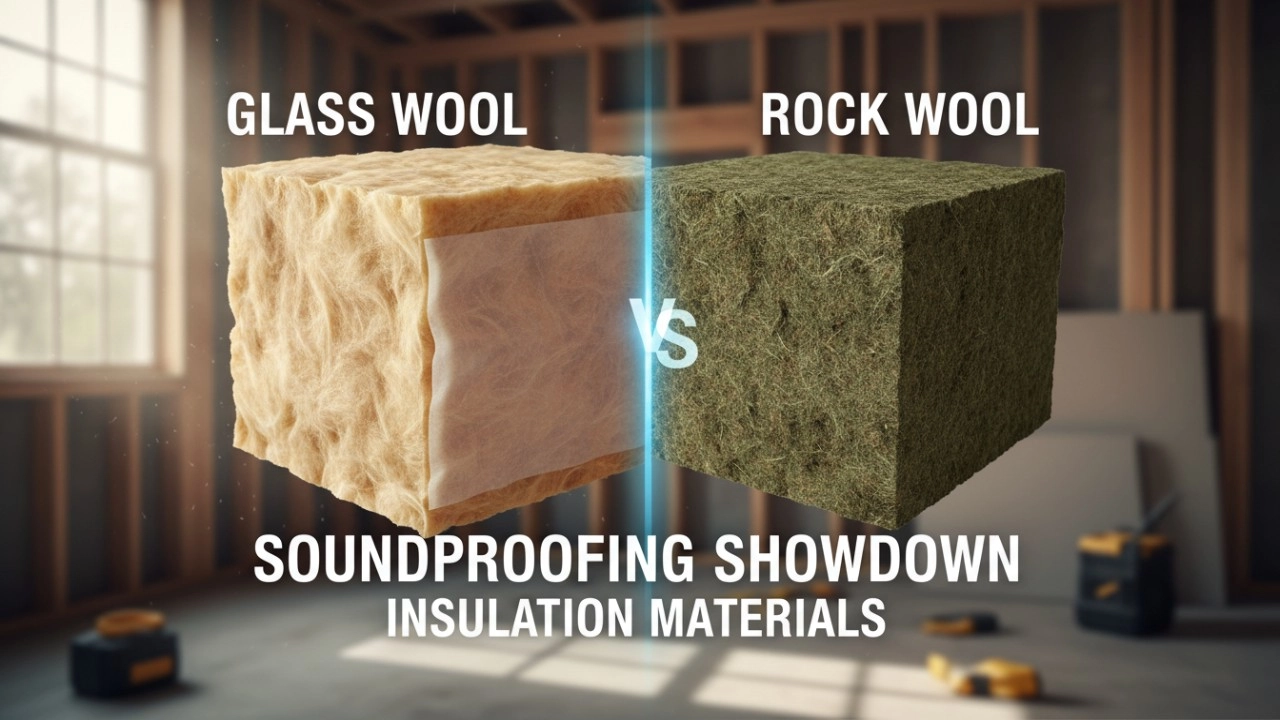
Fiberglass vs. Rockwool: Which Soundproofing Insulation Material Wins for Acoustic Control?
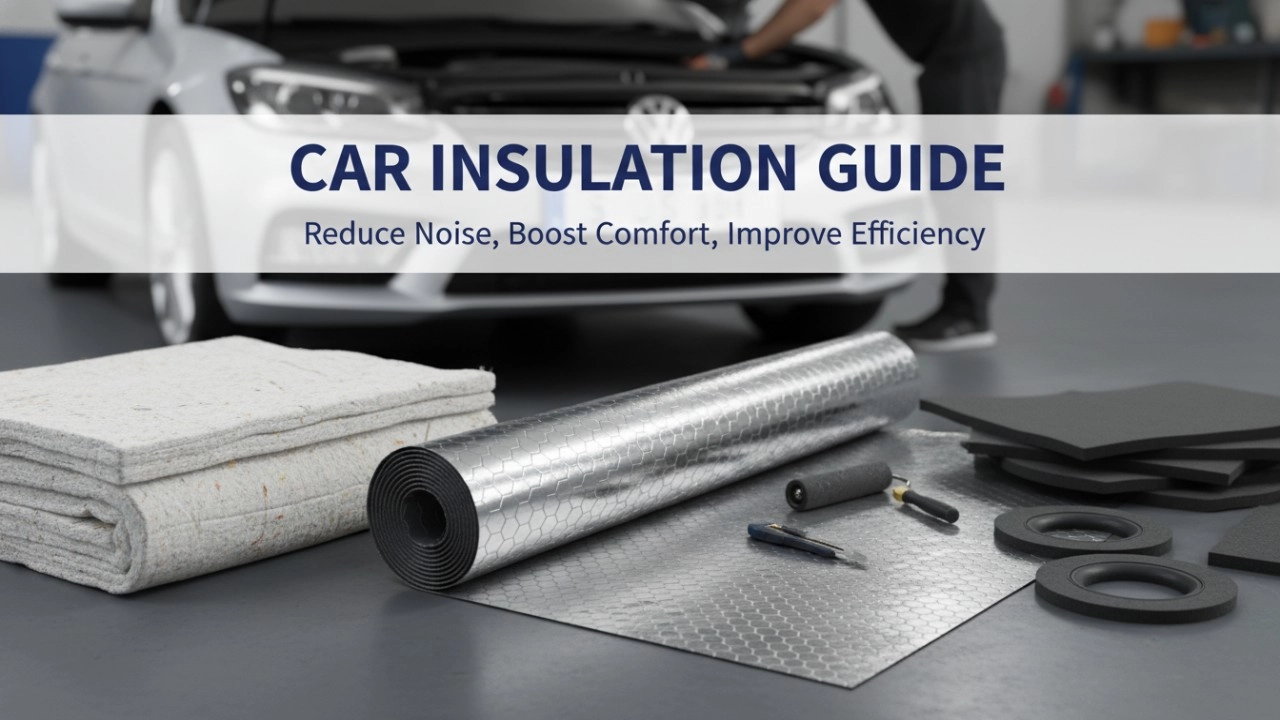
7 Dangerous Mistakes to Avoid When Selecting insulating materials for Your Car (2026 Guide)

Polyurethane Foam 2026: Guide to HFO Compliance & Performance
FAQ
How to start a consultation?
You can contact us through our website, phone, or email. We will arrange a professional staff to discuss your needs about best thermal insulator and how we can help you.
What is the typical delivery time for custom orders?
Our daily production capacity is 800 cubic meters. Delivery time varies depending on the complexity of the insulation material wholesale order, but we can deliver large quantities of customized products within 4-6 weeks after the approval date, and small quantities can be delivered within 15 days.
What types of rubber foam insulation do you offer?
We offer a wide range of rubber foam insulation with different thicknesses and specifications. Thermal insulation material manufacturer FUNAS sleeves and sheets are suitable for different application scenarios.
service
What types of rubber foam insulation products do you offer?
We offer a wide range of rubber foam insulation products, including custom shapes and sizes, thermal and acoustic insulation solutions, and options with specialized coatings such as flame retardancy and water resistance. Our products are suitable for applications in HVAC, automotive, construction, and more.
You might also like
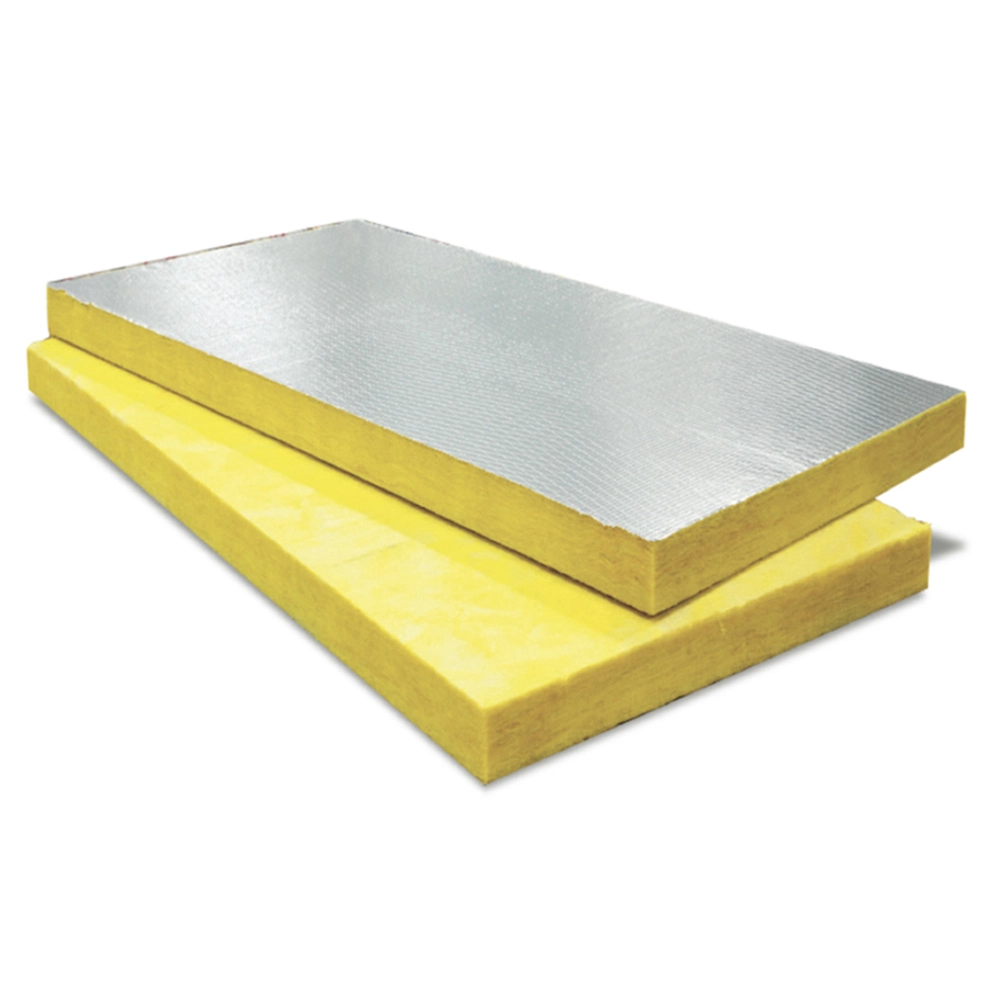
Wholesale Roof And Wall Thermal Heat Insulation 50mm Thickness Aluminum Foil Fiberglass Insulation Panel Board Glass Wool Price
Glass wool is the molten glass fiber, the formation of cotton-like material, chemical composition belongs to the glass category, is a kind of inorganic fiber. With good molding, small volume density, thermal conductivity both, thermal insulation, sound absorption performance is good, corrosion resistance, chemical stability and so on.
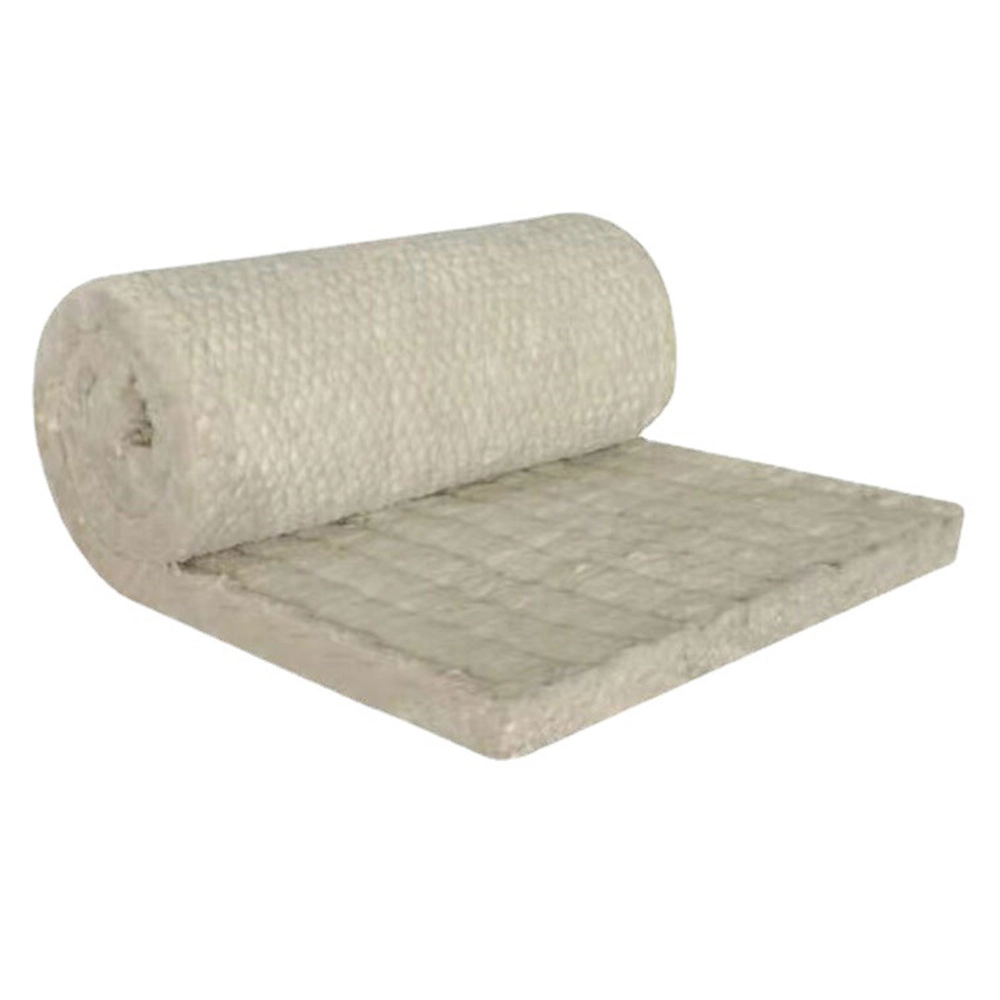
Wholesale Perfect Fire Resistant Performance High Strength Acoustic Mineral Wool Insulation Rock Wool Roll Panel Plain Slab
Rock wool, that is, a kind of exterior insulation material. When the market share of 90% of the organic thermal insulation materials in the stagnant wait-and-see, as a fire rating of A- class exterior insulation inorganic material rock wool has ushered in an unprecedented market opportunity.
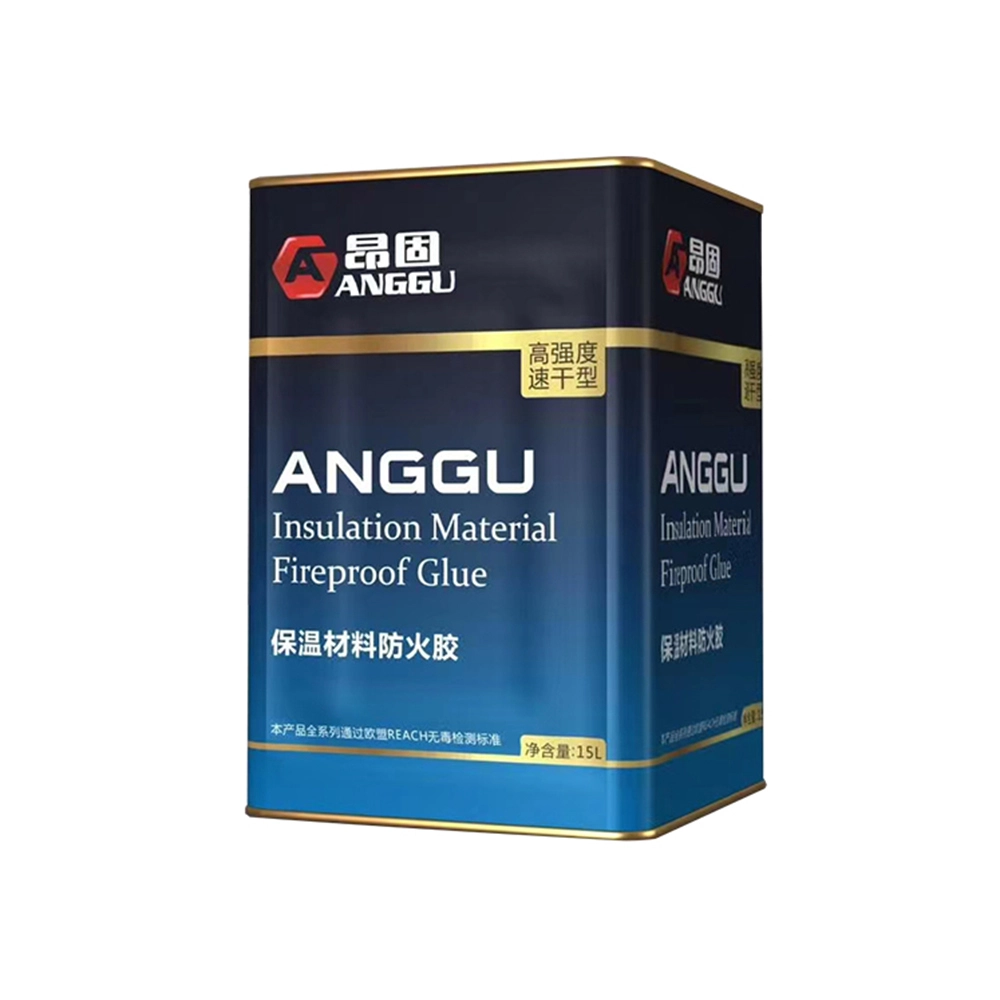
Thermal insulation material fireproof adhesive
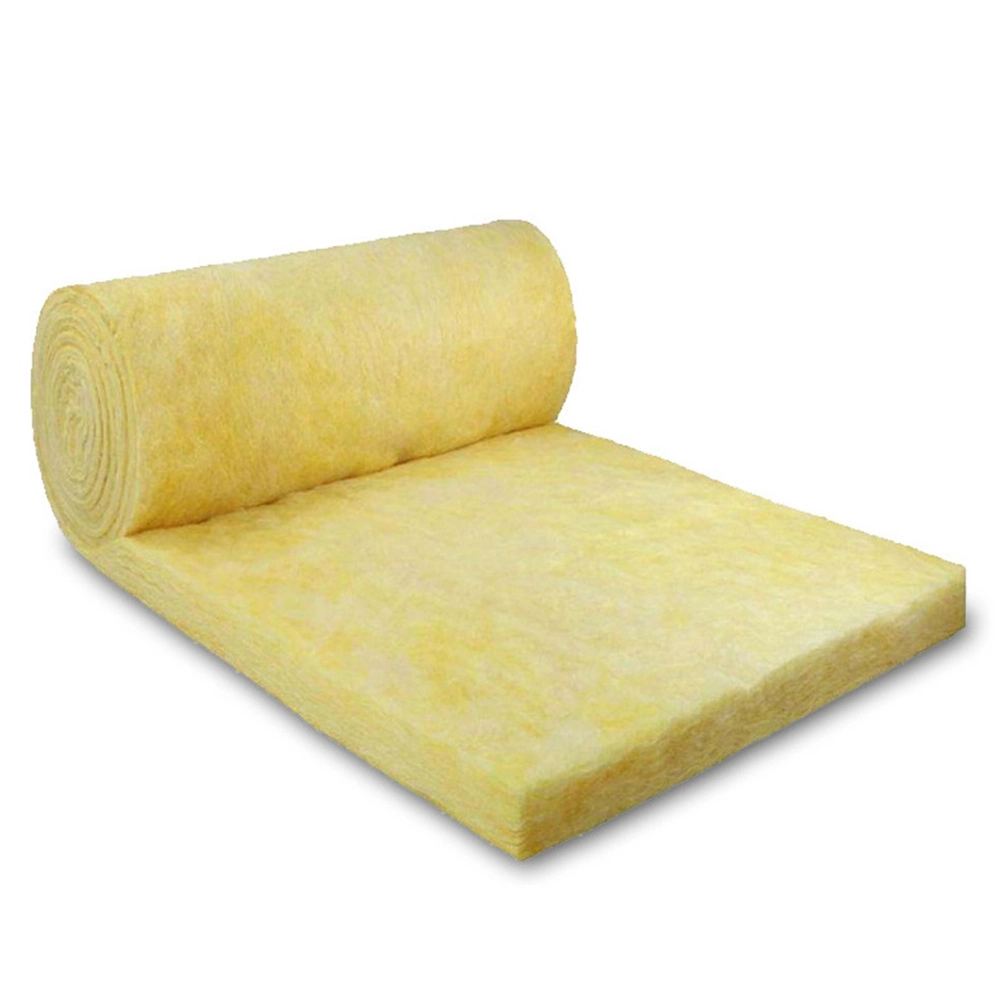
Wholesale Glass Wool Roll Blanket with or without aluminum foil
Convenient glass wool roll for easy installation. Provides effective insulation and noise reduction.
Leave a message
Have any questions or concerns about our products? Please leave us a message here and our team will get back to you promptly.
Your queries, ideas, and collaboration opportunities are just a click away. Let’s start a conversation.
