


















































What affects rubber foam's thermal conductivity?
Explore the factors influencing rubber foam's thermal conductivity, its benefits, and how to select the right material for thermal insulation applications.
Rubber foam insulation is a popular choice in thermal insulation applications due to its excellent thermal resistance, flexibility, and durability. Understanding the factors that affect its thermal conductivity is essential for making informed procurement decisions in the thermal insulation industry.
What Is Rubber Foam's Thermal Conductivity?
Rubber foam insulation materials are known for their low thermal conductivity, which makes them effective in reducing heat transfer. For instance, elastomeric foam insulation has a thermal conductivity of approximately 0.035 W/(m·K), while glass wool has a thermal conductivity of about 0.038 W/(m·K). This indicates that rubber insulation materials generally offer better thermal performance compared to glass wool. ((https://www.funasinsulations.com/rubber-insulation-properties-applications-advantages.html))
What Factors Affect Rubber Foam's Thermal Conductivity?
Several factors influence the thermal conductivity of rubber foam:
Cellular Structure: The closed-cell structure of rubber foam minimizes gas convection inside the material, contributing to low thermal conductivity.
Material Composition: The type of rubber used, such as nitrile rubber (NBR) or ethylene propylene diene monomer (EPDM), affects thermal performance. For example, EPDM-based foams excel in UV/ozone resistance for outdoor extremes.
Temperature Range: Rubber foams maintain stable thermal conductivity over a wide temperature range, typically from -40°C to +105°C, ensuring consistent insulation performance.
Moisture Resistance: Rubber foam's low water vapor permeability prevents condensation within the insulation, maintaining its thermal efficiency.
How Does Rubber Foam Compare to Other Insulation Materials?
When compared to other insulation materials like glass wool, rubber foam often provides superior thermal performance and moisture resistance. For example, rubber foam typically has a thermal conductivity of 0.035 W/(m·K), while glass wool has a thermal conductivity of about 0.038 W/(m·K). Additionally, rubber foam is more resistant to moisture, which helps prevent mold and mildew growth. ((https://www.funasinsulations.com/rubber-insulation-properties-applications-advantages.html))
What Are the Applications of Rubber Foam Insulation?
Rubber foam insulation materials are utilized in various industries, including:
Construction: Used in HVAC systems, refrigeration pipes, and building facades to enhance energy efficiency and indoor comfort. ((https://www.funasinsulations.com/rubber-insulation-properties-applications-advantages.html))
Automotive: Applied in vehicle air conditioning systems and engine compartments to improve heating and cooling efficiency.
Aerospace: Employed in aircraft components to protect sensitive systems from heat, vibration, and electrical interference.
What Are the Advantages of Using Rubber Foam Insulation?
Rubber foam insulation materials offer several benefits, such as:
Energy Efficiency: Their low thermal conductivity reduces heat loss or gain, leading to energy conservation.
Moisture Resistance: Many rubber insulation materials are resistant to moisture, preventing mold and mildew growth.
Flexibility and Ease of Installation: Rubber insulation is flexible, making it easier to install around pipes and ducts.
Durability: Rubber insulation materials are durable and can withstand harsh environmental conditions. ((https://www.funasinsulations.com/rubber-insulation-properties-applications-advantages.html))
How Do Rubber Foam Insulation Materials Compare to Other Insulation Options?
When compared to other insulation materials like glass wool, rubber foam insulation materials often provide superior thermal performance and moisture resistance. For example, rubber foam insulation materials typically have a thermal conductivity of 0.035 W/(m·K), while glass wool has a thermal conductivity of about 0.038 W/(m·K). Additionally, rubber foam insulation materials are more resistant to moisture, which helps prevent mold and mildew growth. ((https://www.funasinsulations.com/rubber-insulation-properties-applications-advantages.html))
What Are the Considerations When Selecting Rubber Foam Insulation Materials?
When choosing rubber foam insulation materials, consider factors such as:
Thermal Conductivity: Lower thermal conductivity values indicate better insulation performance.
Moisture Resistance: Materials with low water vapor permeability help prevent condensation and mold growth.
Temperature Range: Ensure the material can withstand the operating temperatures of your application.
Fire Resistance: Check the material's fire rating to ensure it meets safety standards. ((https://www.funasinsulations.com/rubber-insulation-properties-applications-advantages.html))
Conclusion
Rubber foam insulation offers excellent thermal performance, moisture resistance, and flexibility, making it a reliable choice for various applications. When selecting insulation materials, it's crucial to consider factors such as thermal conductivity, moisture resistance, temperature range, and fire resistance to ensure optimal performance and safety.
About FUNAS
FUNAS is a leading provider of high-quality thermal insulation materials, offering a range of rubber insulation products designed to meet diverse industry needs. With a commitment to innovation and customer satisfaction, FUNAS ensures that its products deliver superior performance, durability, and energy efficiency. ((https://www.funasinsulations.com/rubber-insulation-properties-applications-advantages.html))
References:
Rubber Insulation: Properties, Applications, and Advantages. FUNAS Insulations. ((https://www.funasinsulations.com/rubber-insulation-properties-applications-advantages.html))
Thermal insulation parameters and thermal conductivity of foam materials. ABM Trade.
Rubber Foam Insulation: Benefits, Types, and Uses. Kingflex Insulation.
Elastomeric Foam-Thermal insulation specialist for domestic appliances and industrial equipment. PDB Insulation.
Elastomeric Foam Insulation: A Comprehensive Benefits Guide. Pacminerals.
Elastomeric Foam Insulation: Key Benefits & Uses. Accio.
Thermal Insulation | Silicone Foam Rubber Materials. NEDC.
Rubber Foam Pipe Insulation | Materials and Products Database. FSRI.
Rubber Insulation: Key Benefits & Uses. Accio.
Performance of Elastomeric Foam (Rubber-Plastic Boards) in Extreme Temperature Environments. Langfang Dihong Energy Saving Technology Co., Ltd.

Does sound insulation foam Actually Work in 2026? Ultimate guide About Blocking vs. Absorbing Noise
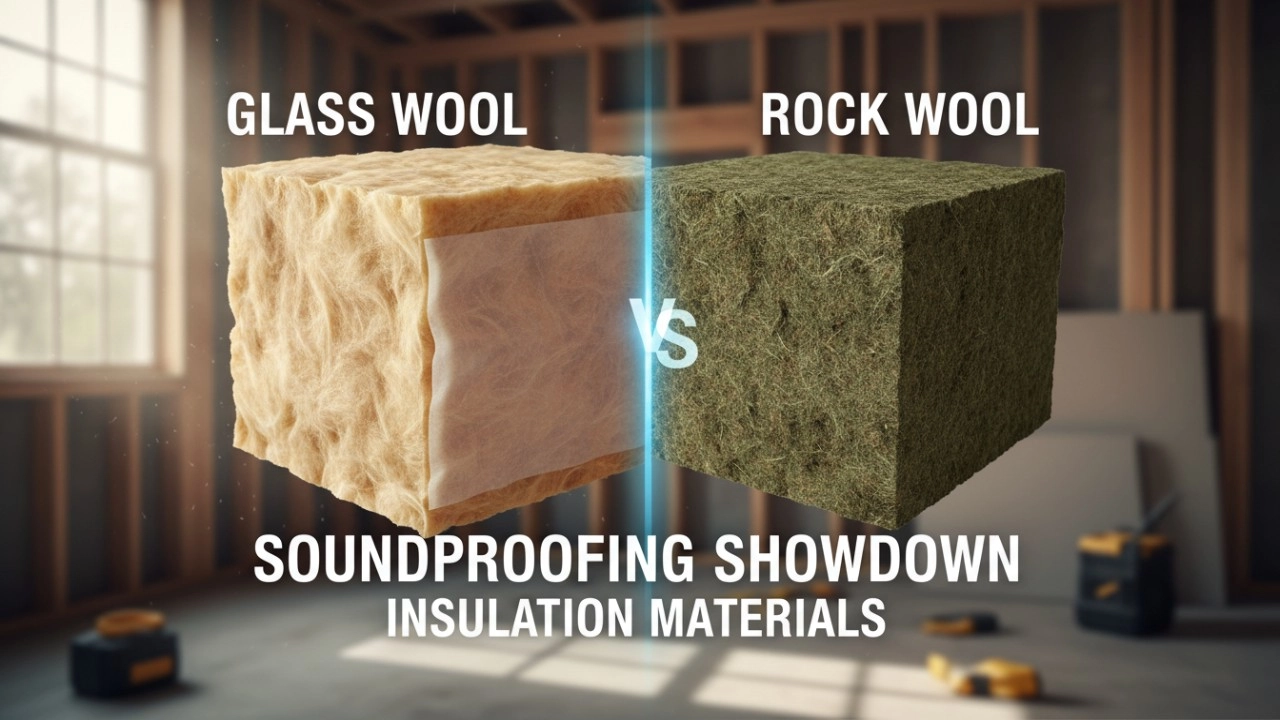
Fiberglass vs. Rockwool: Which Soundproofing Insulation Material Wins for Acoustic Control?
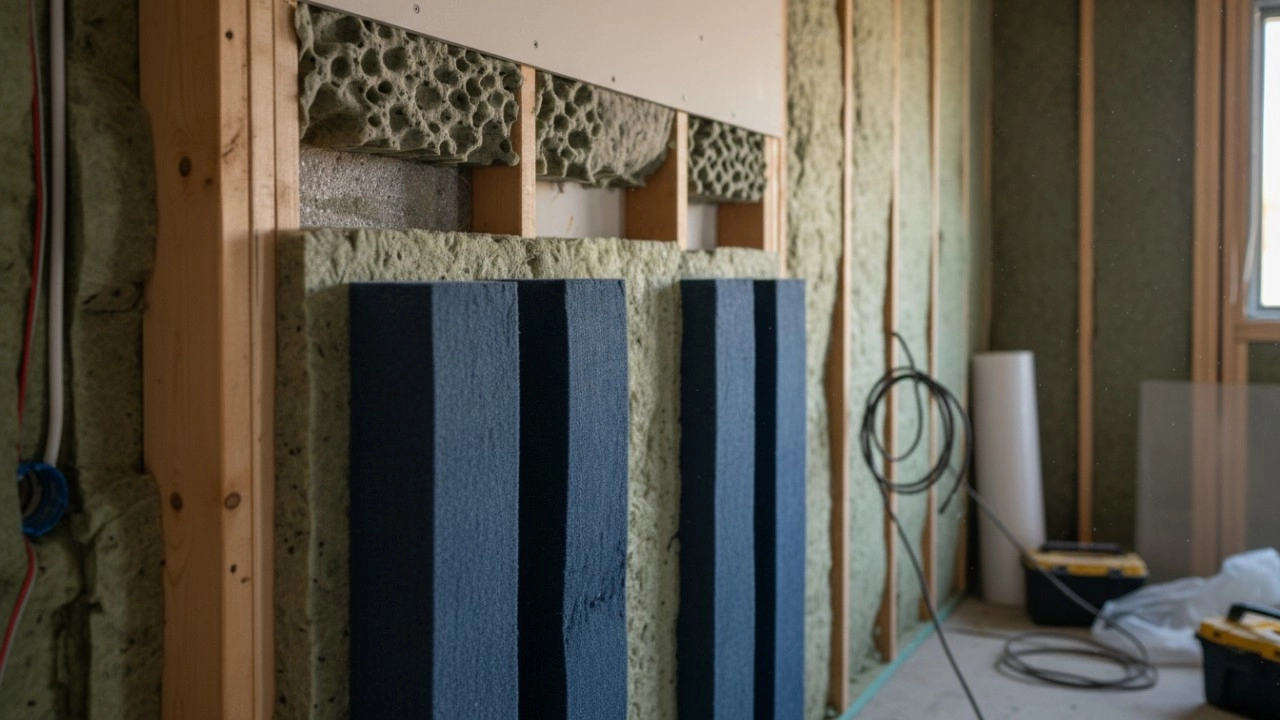
Sound Insulation Foam vs. Acoustic Panels: Which One Actually Stops Noise? (2026 Guide)
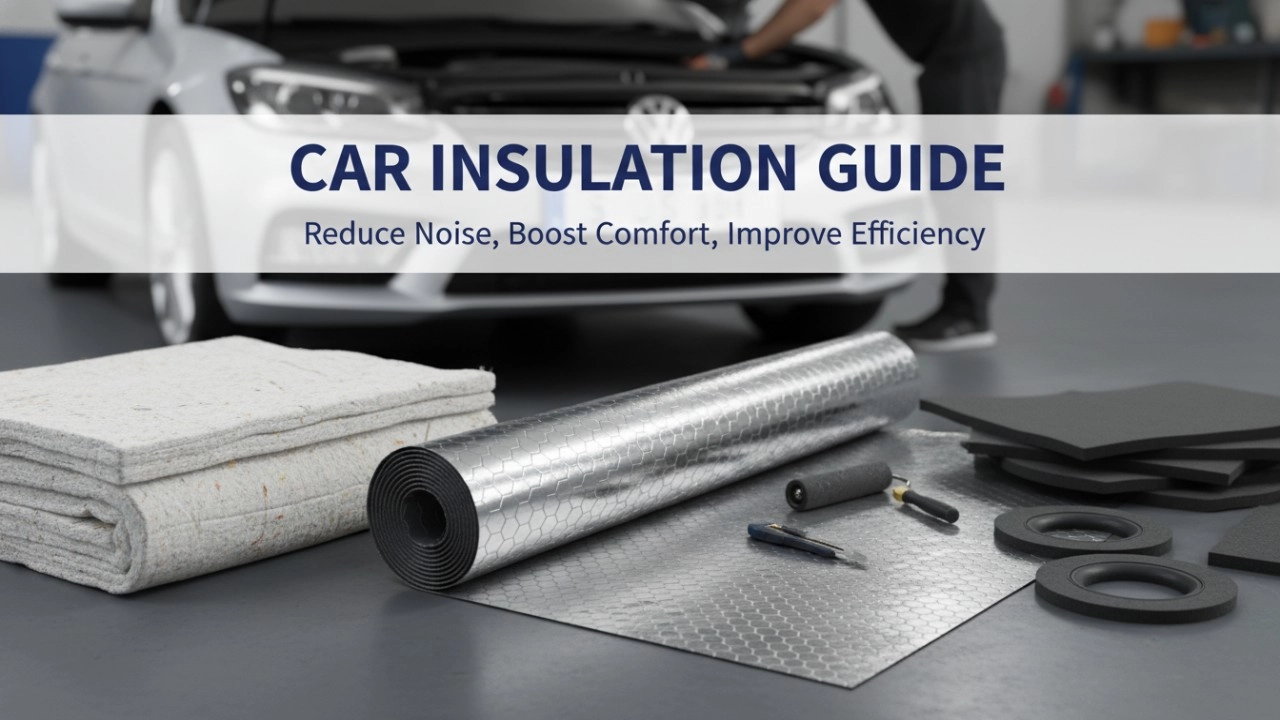
7 Dangerous Mistakes to Avoid When Selecting insulating materials for Your Car (2026 Guide)
FAQ
What types of rubber foam insulation do you offer?
We offer a wide range of rubber foam insulation with different thicknesses and specifications. Thermal insulation material manufacturer FUNAS sleeves and sheets are suitable for different application scenarios.
What is the typical delivery time for custom orders?
Our daily production capacity is 800 cubic meters. Delivery time varies depending on the complexity of the insulation material wholesale order, but we can deliver large quantities of customized products within 4-6 weeks after the approval date, and small quantities can be delivered within 15 days.
service
Can I request custom dimensions or properties for my insulation needs?
Yes, we specialize in custom solutions. Whether you need specific dimensions, thicknesses, densities, or additional coatings, we can work with you to manufacture insulation products tailored to your exact requirements of good materials for heat insulation.
How does your technical support work?
Our technical support team is available to guide you through every stage of your project—from product selection and design to installation. We provide expert consultation to ensure that you get the best insulation solution for your needs and can assist with troubleshooting if needed.
You might also like
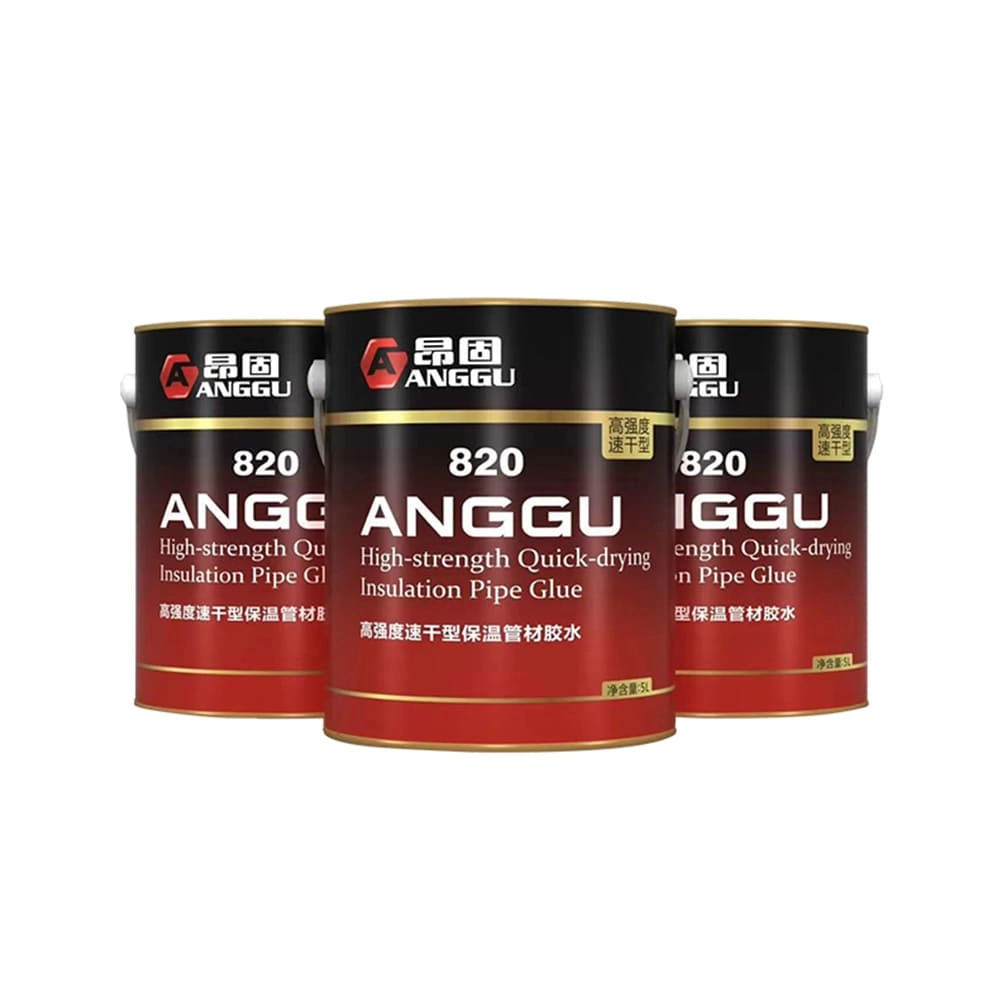
820 Pipe special adhesive
This product has passed the EU REACH non-toxic standard, ROHS non-toxic standard. (The product is black glue.)
Anggu 820glue is a low-odor, high-strength quick-drying glue; Fast drying speed, long bonding time, no powder, non-toxic.
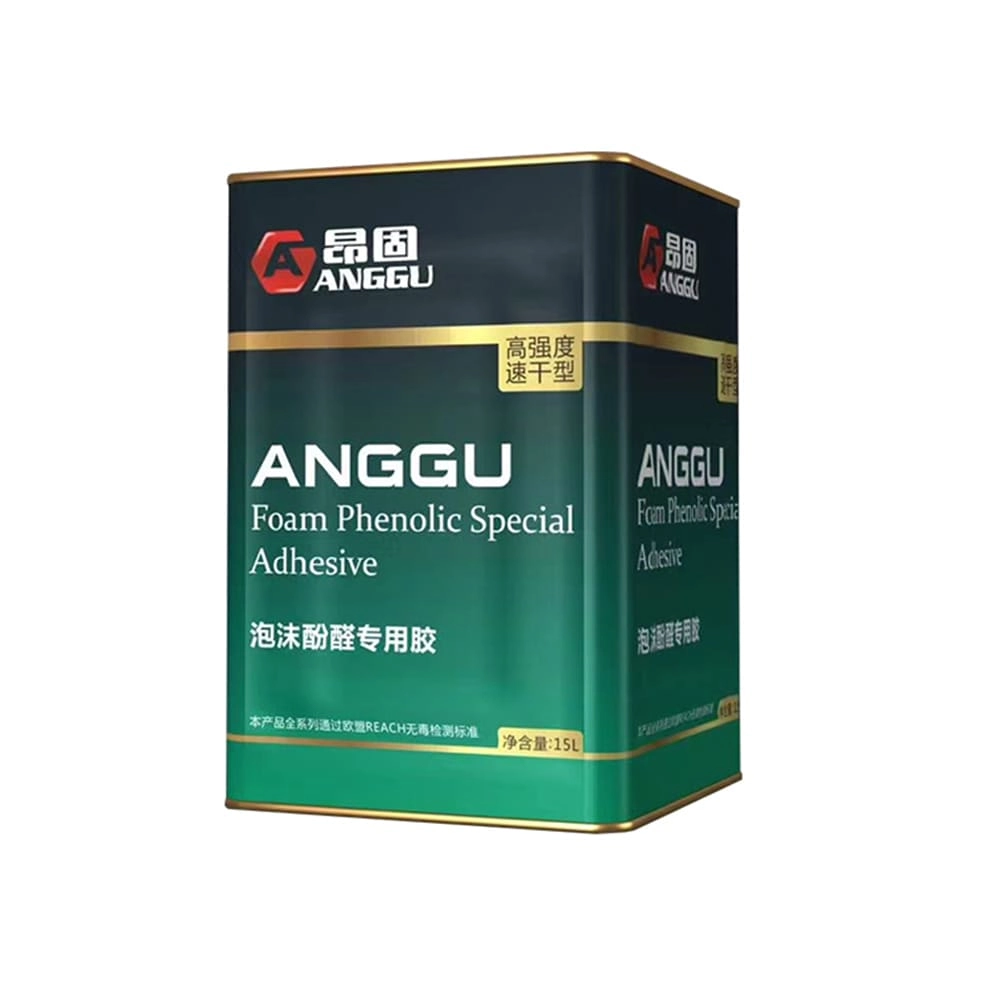
Foam Phenolic Adhesive
This product has passed the national GB33372-2020 standard and GB18583-2008 standard. (The product is a yellow liquid.)
Anggu foam phenolic glue is a kind of glue with corrosion resistance, low odor, high strength and excellent brushing property. Can be sprayed for construction with fast surface drying speed, long bonding time, no chalking and convenient operation.
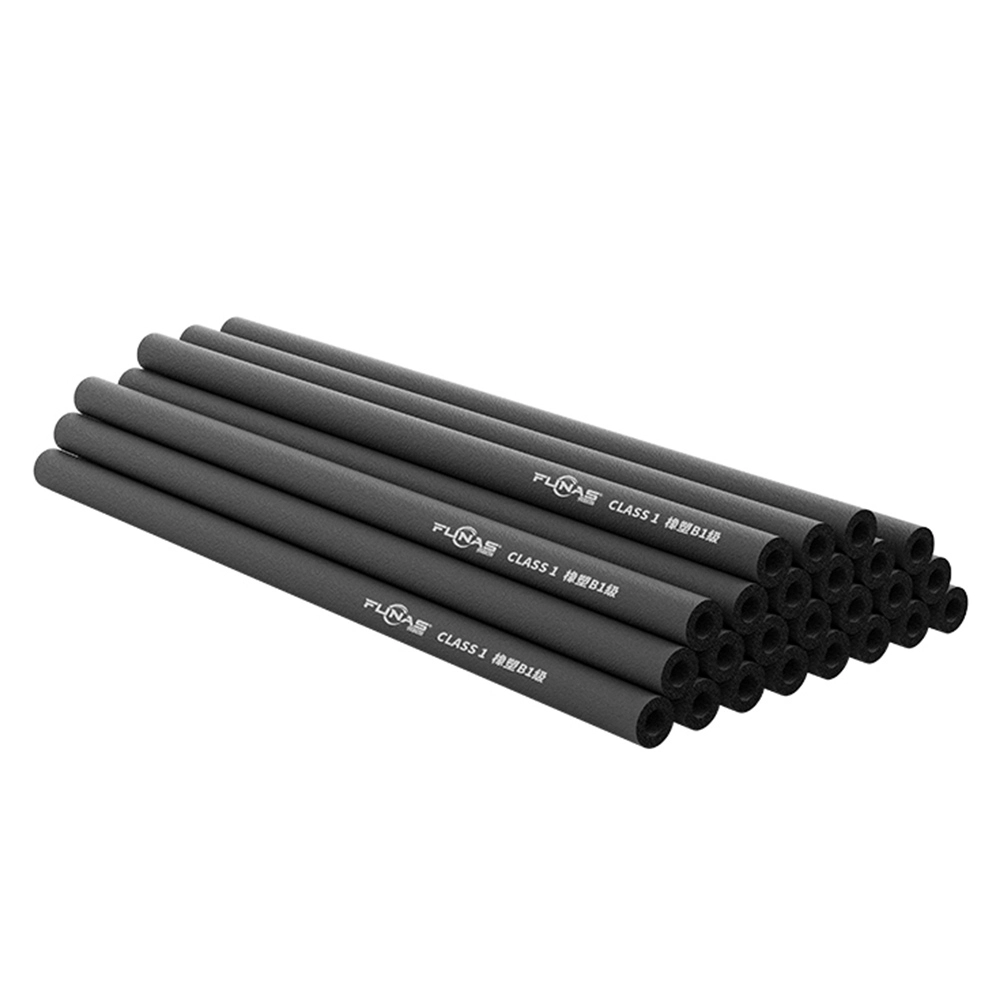
Black Rubber-plastic Tube Rubber foam pipe wholesale
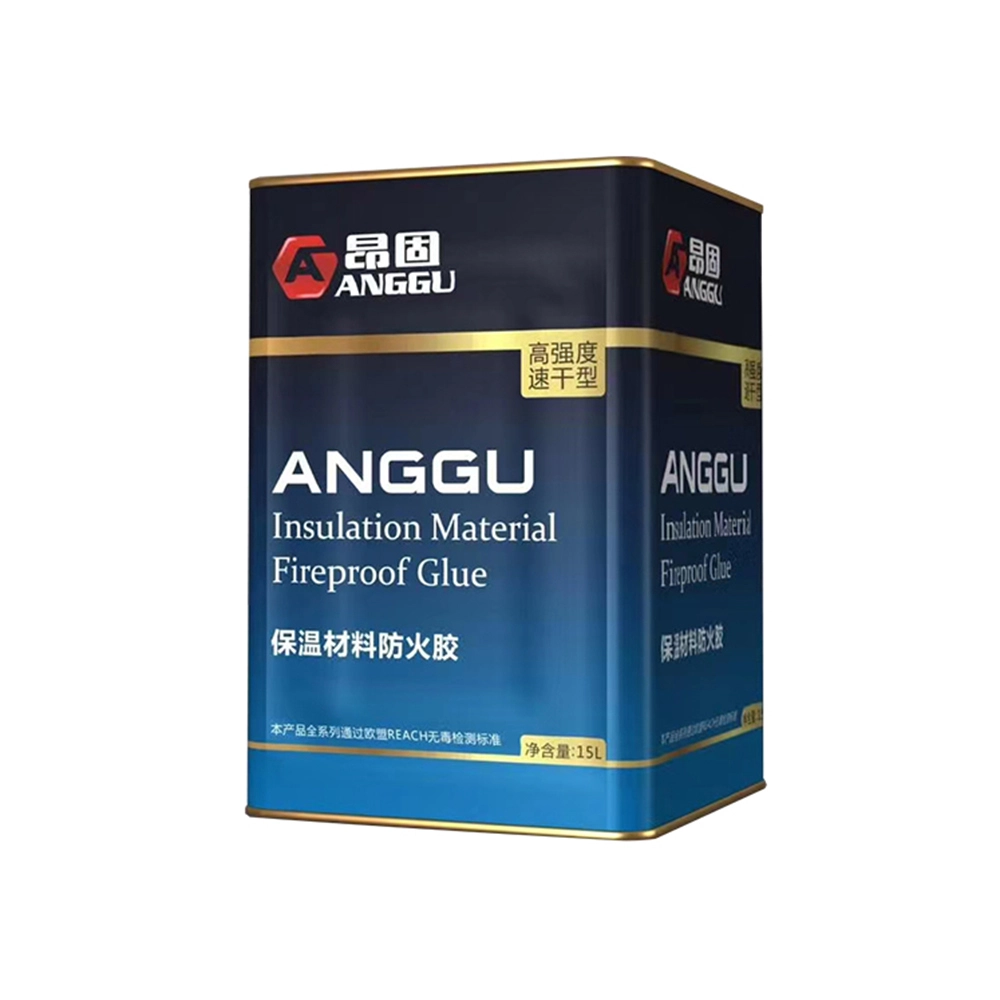
Thermal insulation material fireproof adhesive
Leave a message
Have any questions or concerns about our products? Please leave us a message here and our team will get back to you promptly.
Your queries, ideas, and collaboration opportunities are just a click away. Let’s start a conversation.
