


















































2026 Rubber Sheet Guide: Types, Properties, and Applications Explained
A comprehensive 2026 guide covering everything about rubber sheets, from manufacturing and types (NBR, EPDM, and butyl) to key properties and diverse industrial applications.
- What Exactly is a Rubber Sheet?
- Quick Summary: Key Takeaways on Rubber Sheets
- The Enduring History and Evolution of Rubber Sheets
- How Are Rubber Sheets Made? Understanding the Manufacturing Process
- Unpacking the Core Properties of Rubber Sheets
- A Comprehensive Guide to Rubber Sheet Types and Their Unique Characteristics
- 1. Natural Rubber (NR)
- 2. Nitrile (NBR)
- 3. EPDM (Ethylene Propylene Diene Monomer)
- 4. Butyl (IIR)
- 5. Neoprene (CR)
- 6. Silicone (VMQ)
- Choosing the Right Rubber Sheet: A Strategic Selection Guide
- Comparative Overview
- Diverse Applications: Where Rubber Sheets Make a Difference
- Automotive & Motorsport
- Construction & Infrastructure
- Industrial Manufacturing
- Expert Tips for Maximizing Rubber Sheet Performance and Longevity
- Future Innovations and Sustainability in Rubber Sheet Technology (2026 & Beyond)
- Conclusion
- Frequently Asked Questions (FAQ)
- What is the primary function of a rubber sheet?
- How many different types of rubber sheets are there?
- What are the key differences between natural and synthetic rubber sheets?
- Which type of rubber sheet is best for outdoor applications?
- Can rubber sheets be used for electrical insulation?
- How do I choose the right thickness for a rubber sheet?
- What industries commonly use rubber sheets?
- How long do rubber sheets typically last?
- References
What Exactly is a Rubber Sheet?
A rubber sheet is a flat, flexible, and versatile elastomeric material, typically manufactured from natural or synthetic rubber compounds to provide specific sealing, insulating, or protective properties. It is the fundamental building block for gaskets, vibration pads, and protective linings across virtually every industry.
While a single sheet of rubber might seem simple, it is engineered for resilience. These sheets are capable of withstanding extreme temperatures, aggressive chemicals, and heavy mechanical stress. Whether you are looking for a rubber sheet roll for flooring or precise gaskets for an engine, the material's ability to deform under pressure and return to its original shape is its defining characteristic.
Quick Summary: Key Takeaways on Rubber Sheets
· Versatility: Rubber sheets are essential for sealing, insulation, and vibration damping in automotive, construction, and industrial sectors.
· Material Variety: From Natural Rubber to specialized synthetics like EPDM and Viton, each type serves a unique purpose.
· Selection Criticality: Choosing the wrong material (e.g., using natural rubber with oil) can lead to rapid failure.
· Future Trends: The 2026 market is shifting heavily toward sustainable, bio-based rubbers and smart composites.
The Enduring History and Evolution of Rubber Sheets
The journey of rubber began with the indigenous peoples of the Americas using natural latex. However, the true revolution occurred with Charles Goodyear's discovery of vulcanization in 1839, which stabilized rubber against temperature changes.
By the mid-20th century, the demand for materials that could withstand oil and war-time constraints led to the rapid development of synthetic rubber sheeting. Today, material science has evolved to create specialized sheets that can survive deep-sea pressures or outer space vacuums.
How Are Rubber Sheets Made? Understanding the Manufacturing Process
Rubber sheet production involves a series of precise chemical and mechanical steps to ensure consistent quality and thickness.
1. Compounding: Raw rubber (natural or synthetic) is mixed with additives like carbon black (for strength), sulfur (for curing), and antioxidants.
2. Milling: The mixture is processed through heavy rollers to ensure a homogeneous blend.
3. Calendering: The rubber dough is passed through a series of large steel rollers to flatten it into a sheet of precise thickness. This is where a continuous rubber sheet roll is formed.
4. Vulcanization: The sheet is heated to trigger chemical cross-linking, giving the rubber its permanent elasticity.
5. Finishing: The sheets are inspected, trimmed, and rolled for shipment.
Unpacking the Core Properties of Rubber Sheets
To select the right product, you must understand the physical capabilities of rubber sheeting.
· Elasticity & Flexibility: The ability to stretch and recover without permanent deformation.
· Durability: Resistance to wear, tearing, and weathering.
· Chemical Resistance: Critical for industrial settings where oils, acids, or solvents are present.
· Sealing & Insulation: Functioning as a barrier against fluids, gases, and even noise. Many sheets are used specifically as sound proof insulation layers.
· Hardness (Durometer): A measure of how resistant the rubber is to indentation. A 1 4 rubber sheet (quarter-inch) with high durometer will be much stiffer than a low durometer sheet of the same thickness.
A Comprehensive Guide to Rubber Sheet Types and Their Unique Characteristics
Not all rubber is created equal. Here is a breakdown of the most common types you will encounter in 2026.
1. Natural Rubber (NR)
Natural rubber offers superior dynamic properties. It has high tensile strength and excellent tear resistance. However, it degrades quickly when exposed to oils or ozone.
2. Nitrile (NBR)
If you are dealing with oils, fuels, or greases, you need an nbr rubber sheet. Nitrile is the industry standard for oil resistance, making it perfect for automotive gaskets and industrial seals. It resists petroleum-based fluids that would dissolve natural rubber.
3. EPDM (Ethylene Propylene Diene Monomer)
EPDM is the king of the outdoors. It has outstanding resistance to UV rays, ozone, and extreme weather.
· Primary Use: It is widely used for rubber roofing sheets and weather stripping.
· Construction: EPDM is often compatible with insulated roofing board systems to create waterproof, energy-efficient roofs.
4. Butyl (IIR)
Butyl rubber is unique because it is nearly impermeable to gases and air.
· Key Feature: It has exceptional damping qualities, making a butyl rubber sheet the go-to material for sound proof insulation and shock absorption.
· Application: It is frequently used to dampen vibration in metal panels.
5. Neoprene (CR)
An excellent all-rounder. Neoprene offers moderate resistance to oils, chemicals, and weathering, making it a safe choice for general-purpose applications.
6. Silicone (VMQ)
Silicone withstands the widest temperature range, remaining flexible in freezing cold and stable in high heat. It is also food-safe and excellent for electrical insulation.
Choosing the Right Rubber Sheet: A Strategic Selection Guide
Selecting the correct material prevents costly downtime and safety hazards. You must evaluate the operating environment carefully.
Selection Factors:
· Temperature: Will the sheet face extreme heat (Silicone) or freezing cold (EPDM)?
· Chemical Exposure: Is oil present? If yes, choose NBR or Viton.
· Physical Stress: Does it need to resist abrasion (Natural Rubber)?
· Thickness: Do you need a thin gasket or a thick 1 4 rubber sheet for heavy cushioning?
For a deeper dive into sizing and material compatibility, check out our guide on How to Choose Rubber Sheets.
Comparative Overview
|
Type |
Oil Resistance |
Weather Resistance |
Cost |
Best For |
|
Natural |
Poor |
Poor |
Low |
Abrasion, tearing |
|
Nitrile |
Excellent |
Poor |
Medium |
Oil seals, gaskets |
|
EPDM |
Poor |
Excellent |
Medium |
Roofing, outdoor |
|
Butyl |
Poor |
Good |
Medium |
Soundproofing, gases |
Diverse Applications: Where Rubber Sheets Make a Difference
Rubber sheets are ubiquitous, hidden inside the machinery and structures we use daily.
Automotive & Motorsport
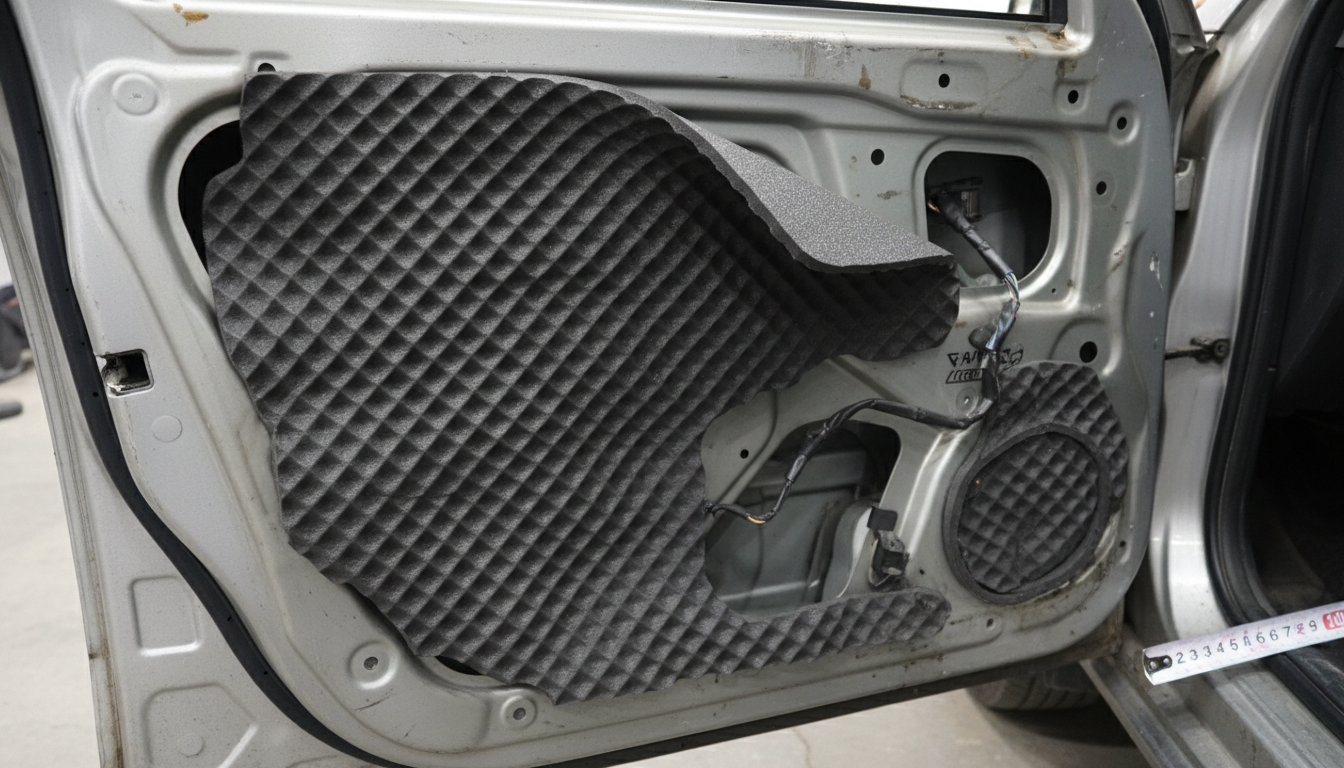
Modern vehicles rely on rubber for sealing and comfort. A butyl rubber sheet is often applied to door panels and floors for car noise insulation, reducing road hum by absorbing vibrations. Additionally, gaskets prevent oil leaks in the engine block.
Construction & Infrastructure
In the building sector, durability is key. Rubber roofing sheets (typically EPDM) provide a waterproof membrane that lasts for decades. These are often installed over an insulated roofing board to improve the building's thermal efficiency. For those seeking specialized thermal solutions, there are many foam rubber manufacturers for insulation that produce sheets specifically for HVAC and structural needs.
Industrial Manufacturing
From conveyor belts to anti-vibration mounting pads, rubber sheets protect machinery from wear and reduce noise pollution on the factory floor.
Expert Tips for Maximizing Rubber Sheet Performance and Longevity
To ensure your rubber products last, follow these maintenance and storage protocols.
1. Store Correctly: Keep rubber sheet rolls in a cool, dark place. UV light and heat can cause premature cracking (dry rot).
2. Avoid Contamination: Do not clean rubber with harsh solvents unless the specific type (like NBR) is rated for it. Mild soap and water are usually best.
3. Check for Compression Set: If a gasket stays flat after being unbolted and doesn't bounce back, it has lost its elasticity and must be replaced.
4. Lubrication: When installing seals, use a lubricant compatible with the rubber type (e.g., never use petroleum grease on EPDM).
Future Innovations and Sustainability in Rubber Sheet Technology (2026 & Beyond)
The industrial rubber market is evolving rapidly. According to The Business Research Company, the industrial rubber market is projected to reach approximately $47 billion by 2025, driven by automotive and construction demands.
Emerging Trends:
· Bio-Based Rubbers: Manufacturers are developing elastomers from dandelions and guayule to reduce reliance on petrochemicals.
· Smart Rubber: Composites with embedded sensors are being tested to monitor wear and tear in real-time.
· Recycling Initiatives: High-tech recycling methods are allowing old tires and sheets to be re-processed into high-quality raw materials, reducing landfill waste.
Conclusion
Whether you are sourcing a butyl rubber sheet for sound proof insulation or an nbr rubber sheet for a hydraulic system, understanding the nuances of these materials is essential. As we move through 2026, the focus on sustainability and specialized performance continues to drive innovation, ensuring that rubber sheets remain a critical component of modern engineering.
Frequently Asked Questions (FAQ)
What is the primary function of a rubber sheet?
Rubber sheets primarily function as versatile protective barriers, seals, insulators, and vibration dampers across various industrial and commercial applications.
How many different types of rubber sheets are there?
There are numerous types of rubber sheets, including natural rubber and various synthetic types like Neoprene, Nitrile, EPDM, Silicone, Viton, SBR, and Butyl, each with distinct properties.
What are the key differences between natural and synthetic rubber sheets?
Natural rubber offers superior elasticity and tear strength but less resistance to oil and chemicals; synthetic rubbers are engineered to excel in specific resistances (e.g., oil, heat, ozone).
Which type of rubber sheet is best for outdoor applications?
EPDM rubber sheets are generally best for outdoor applications due to their excellent resistance to weather, ozone, UV radiation, and extreme temperatures.
Can rubber sheets be used for electrical insulation?
Yes, certain types of rubber sheets, particularly silicone and specific grades of natural or synthetic rubber, offer excellent electrical insulating properties suitable for various applications.
How do I choose the right thickness for a rubber sheet?
Choosing the right thickness depends on the application's specific requirements, including compression needs, sealing demands, load bearing, and desired cushioning or vibration dampening.
What industries commonly use rubber sheets?
Rubber sheets are widely used in industries such as manufacturing, automotive, construction, marine, medical, food processing, electronics, and mining for diverse applications.
How long do rubber sheets typically last?
The lifespan of a rubber sheet varies significantly based on its type, exposure to environmental factors, chemical contact, mechanical stress, and proper maintenance practices.
References
· Industrial Rubber Market Size, Share & Trends Report, 2033
· Rubber Sheet Market 2025: Key Trends, Sustainability Shifts, and Future Outlook

Does sound insulation foam Actually Work in 2026? Ultimate guide About Blocking vs. Absorbing Noise
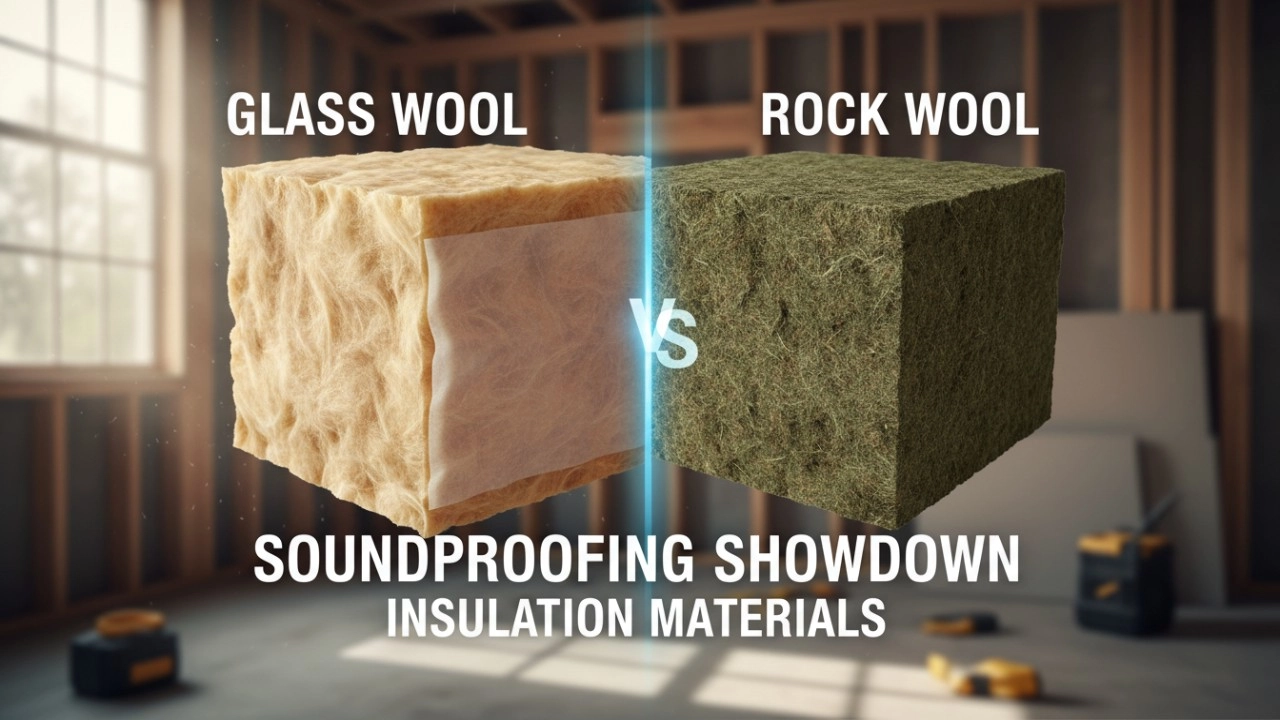
Fiberglass vs. Rockwool: Which Soundproofing Insulation Material Wins for Acoustic Control?
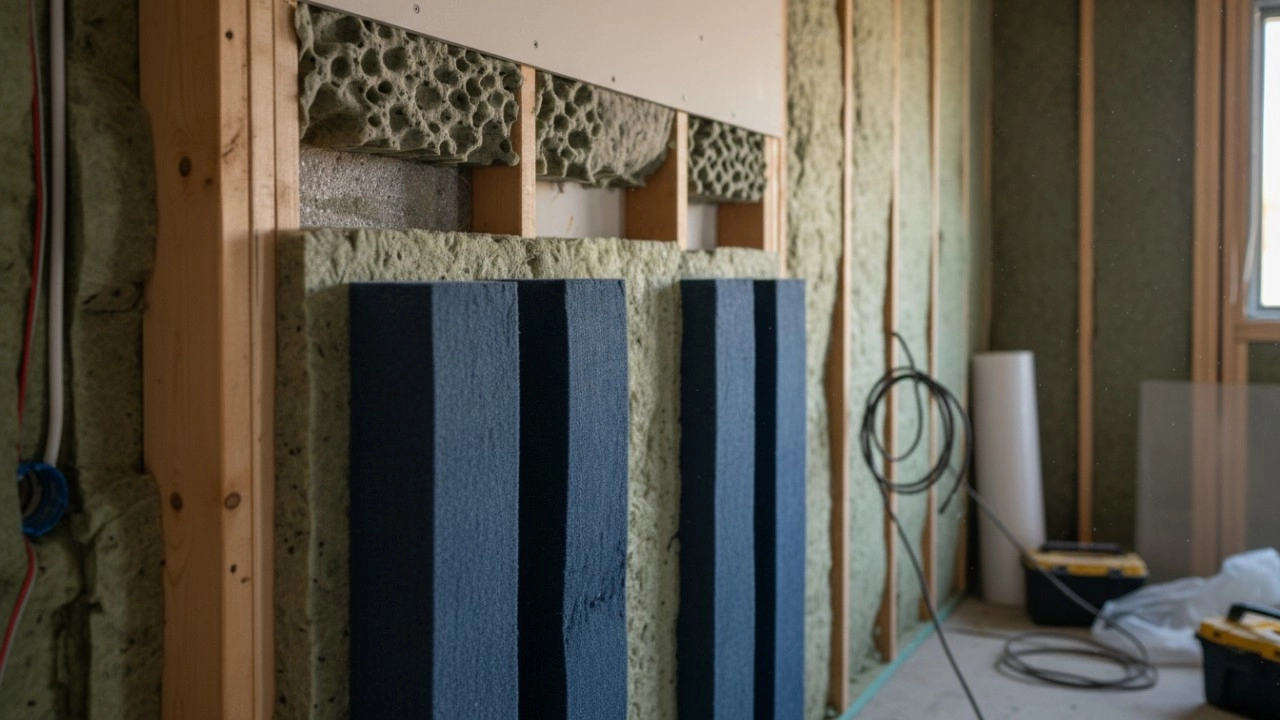
Sound Insulation Foam vs. Acoustic Panels: Which One Actually Stops Noise? (2026 Guide)
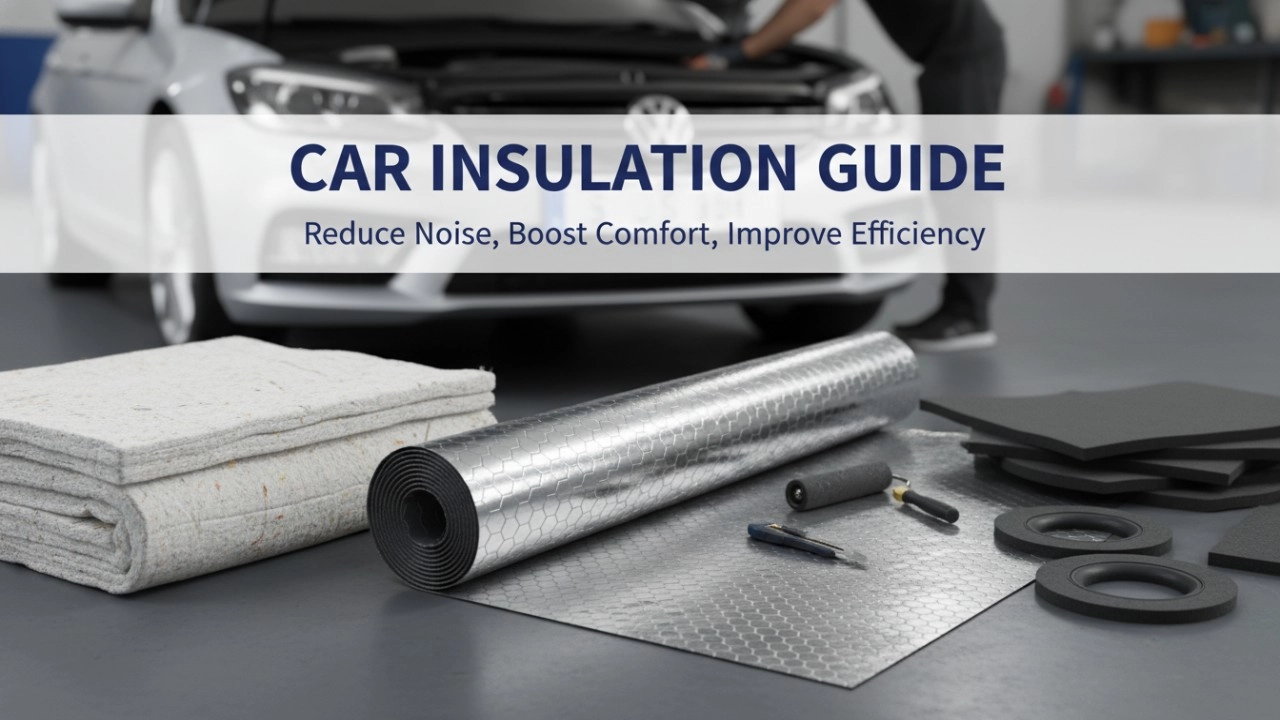
7 Dangerous Mistakes to Avoid When Selecting insulating materials for Your Car (2026 Guide)
service
What types of rubber foam insulation products do you offer?
We offer a wide range of rubber foam insulation products, including custom shapes and sizes, thermal and acoustic insulation solutions, and options with specialized coatings such as flame retardancy and water resistance. Our products are suitable for applications in HVAC, automotive, construction, and more.
Can I request custom dimensions or properties for my insulation needs?
Yes, we specialize in custom solutions. Whether you need specific dimensions, thicknesses, densities, or additional coatings, we can work with you to manufacture insulation products tailored to your exact requirements of good materials for heat insulation.
FAQ
How to start a consultation?
You can contact us through our website, phone, or email. We will arrange a professional staff to discuss your needs about best thermal insulator and how we can help you.
How do I choose the right insulation for my project?
Our team can help you choose the best material for heat insulation based on your specific needs, such as thermal resistance, acoustic properties, and environmental conditions.
You might also like
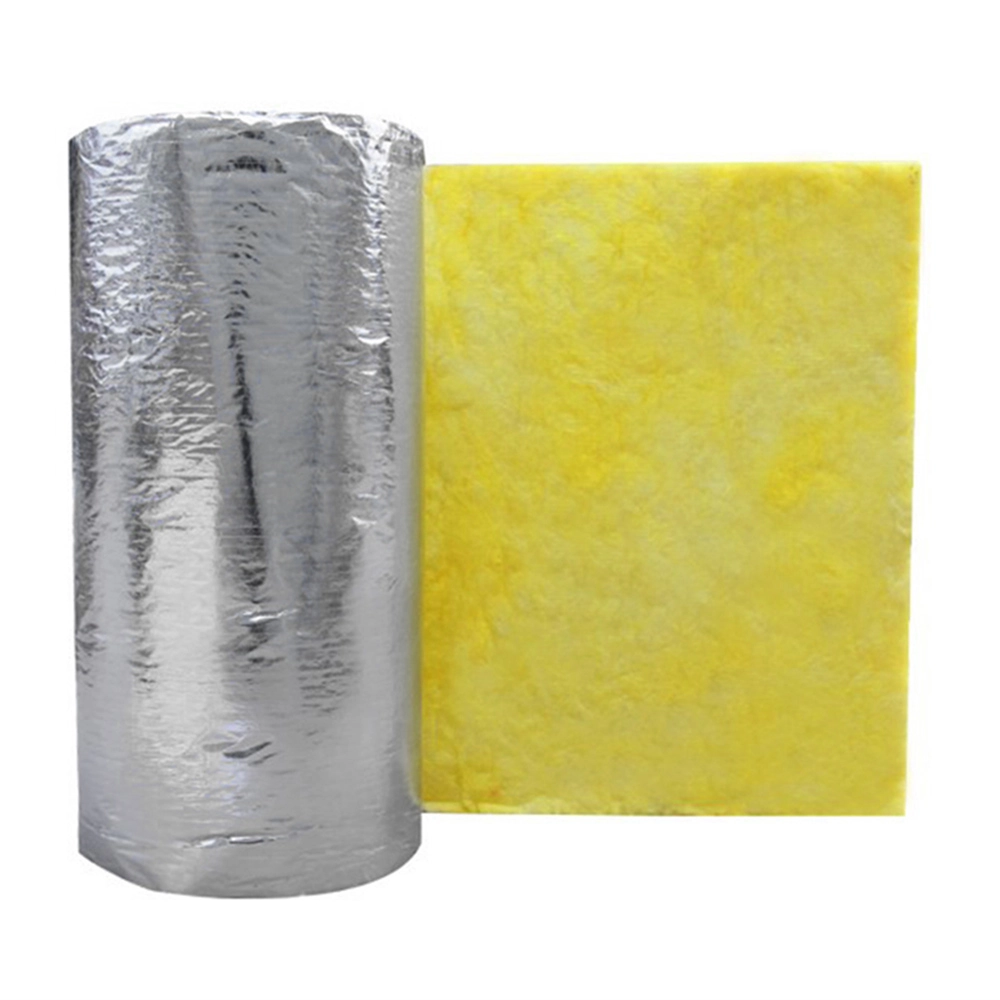
Wholesale Roof And Wall Thermal Heat Insulation 50mm Thickness Aluminum Foil Fiberglass Insulation Roll Glass Wool
Glass wool is the molten glass fiber, the formation of cotton-like material, chemical composition belongs to the glass category, is a kind of inorganic fiber. With good molding, small volume density, thermal conductivity both, thermal insulation, sound absorption performance is good, corrosion resistance, chemical stability and so on.
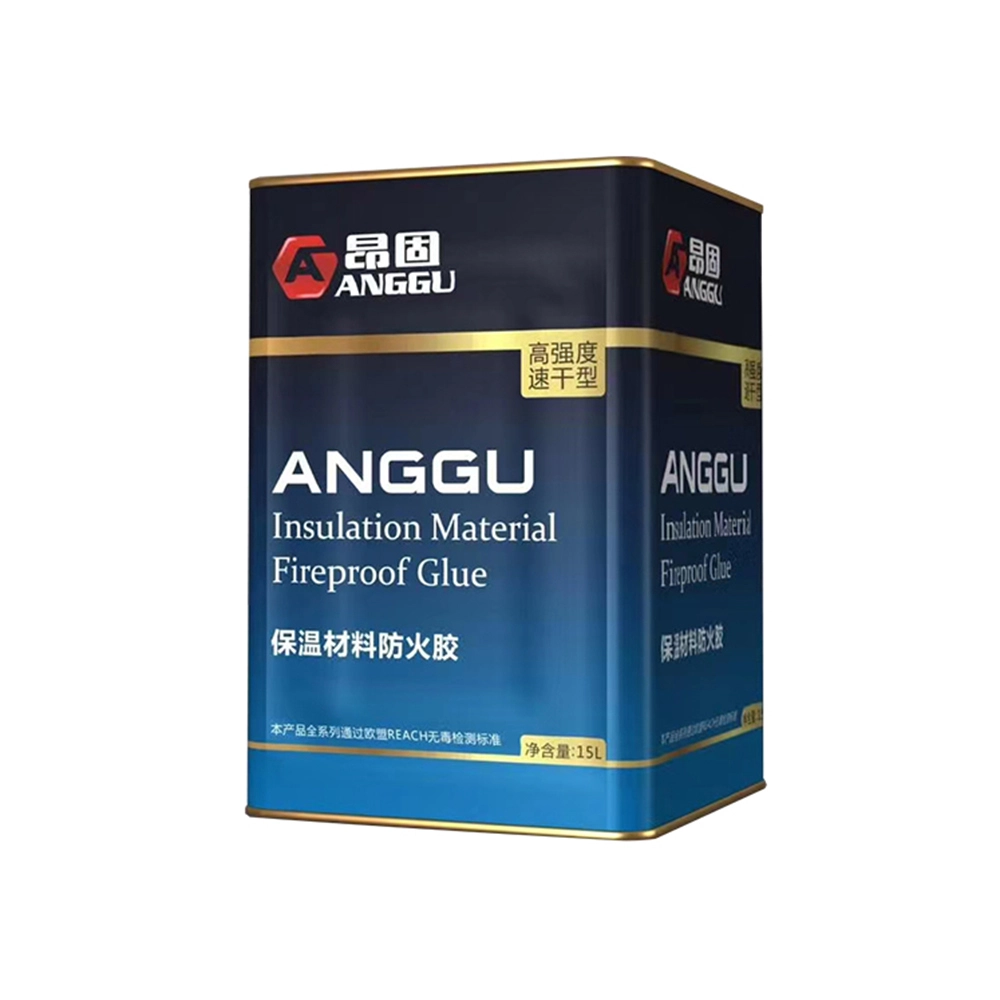
Thermal insulation material fireproof adhesive

Wholesale Perfect Fire Resistant Performance High Strength Acoustic Mineral Wool Insulation Rock Wool Board Panel Plain Slab
Rock wool board, that is, a kind of exterior insulation material. When the market share of 90% of the organic thermal insulation materials in the stagnant wait-and-see, as a fire rating of A-class exterior insulation inorganic material rock wool, has ushered in an unprecedented market opportunity.
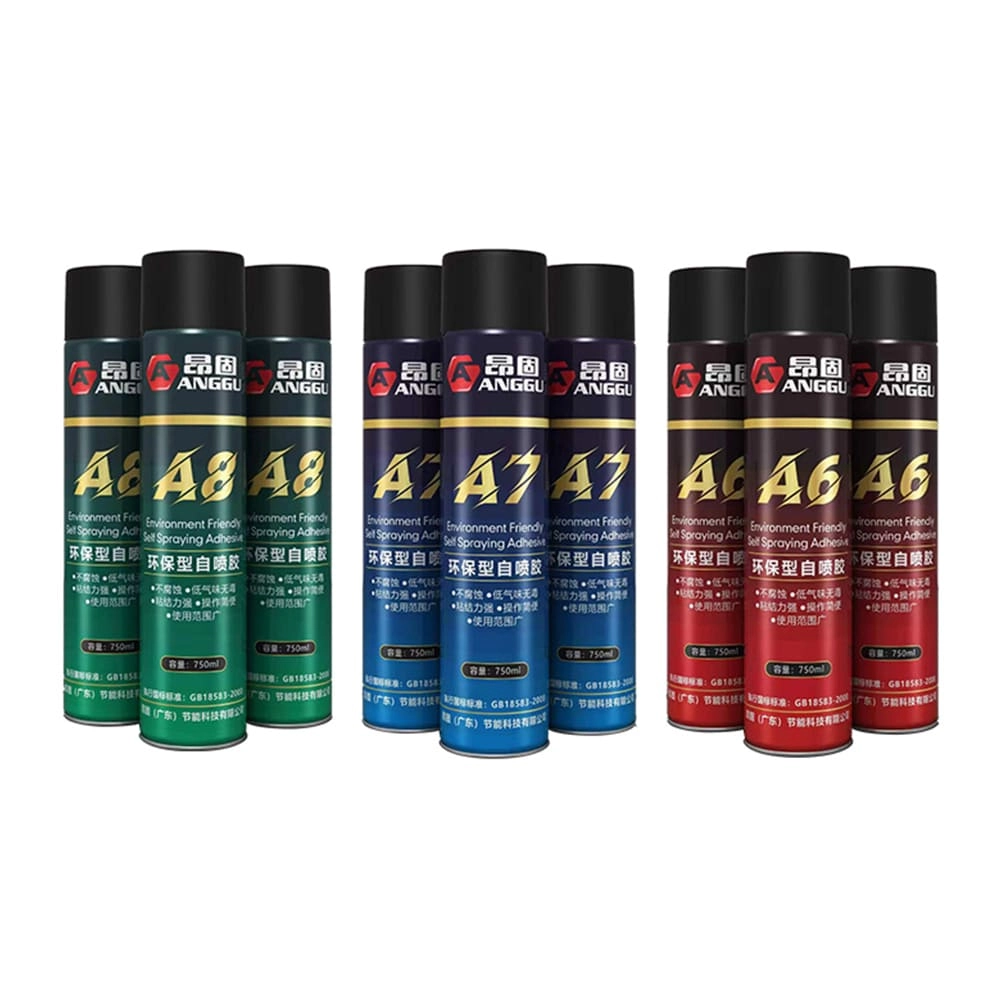
Environmentally friendly self spraying adhesive
This product has passed the national GB33372-2020 standard and GB18583-2008 standard. This product is a yellow liquid.
Anggu spray glue is a product with high cost performance and a wide application range. It is mainly used for home construction, engineering construction, and various construction defect repair places. This product is low odor, no formaldehyde, spray-convenient glue, table drying speed, long bonding time, no chalking.
Leave a message
Have any questions or concerns about our products? Please leave us a message here and our team will get back to you promptly.
Your queries, ideas, and collaboration opportunities are just a click away. Let’s start a conversation.
