
















































Ultimate Guide to Glass Wool: Properties, Uses & Benefits
Discover the properties, uses, and benefits of glass wool insulation for energy efficiency and soundproofing.
- Unraveling Glass Wool: What Exactly Is It?
- From Raw Materials to Robust Insulation: The Manufacturing Process of Glass Wool
- The Core Characteristics: Key Properties of Glass Wool Insulation
- Exceptional Thermal Insulation
- Superior Acoustic Properties
- High Fire Safety
- Durability and Resistance
- Versatile Applications: Where Glass Wool Shines as an Insulator
- Why Choose Glass Wool? A Look at Its Numerous Benefits
- Types and Forms: Finding the Right Glass Wool Product for Your Project
- Environmental Footprint and Safety Considerations of Glass Wool
- Conclusion
- FAQ
- What is the precise composition of glass wool?
- How does glass wool provide thermal insulation?
- What are the primary benefits of using glass wool insulation?
- Where can glass wool be used?
- Does glass wool offer good sound insulation?
- Is glass wool fire resistant?
- What is the environmental impact of glass wool?
- How does glass wool compare to other insulation materials like rock wool?
- References
Unraveling Glass Wool: What Exactly Is It?
Glass wool, also called fiberglass insulation, is a material used to prevent heat from escaping. It's made of tiny glass fibers that are arranged to feel like wool. This fibrous structure is designed to trap millions of tiny air pockets, which messes with the flow of heat and sound.
Basically, glass wool insulation is a silicate-based material. It's made using a mix of natural minerals like silica sand, limestone, and dolomite, along with a lot of recycled glass (cullet). The result is a lightweight, resilient, and highly effective insulator that has become a staple in modern construction for floor insulation, walls, and roofing.For its exceptional thermal and acoustic properties, glass wool insulation remains one of the most popular choices for energy-efficient and soundproofing solutions.

From Raw Materials to Robust Insulation: The Manufacturing Process of Glass Wool
The process of turning raw silica and glass into high-performance glass fiber wool is a real achievement in modern engineering. The process ensures that the material's density and fiber quality stay consistent, which is key for the material's final insulation R-value. For high-quality and reliable glass wool solutions, partnering with reputable glass wool manufacturers like FUNAS ensures you get top-tier products for your projects.
1. Batch Preparation: First, we mix natural sand, additives, and recycled glass. Isover says that today's glass wool production can use up to 80% recycled glass, which greatly reduces the need for new raw materials.
2. Melting: Then, we put this mixture into a furnace that's heated to about 1400°C to 1500°C, which turns the solid mix into molten glass.
3. Fibrillation: The liquid glass goes into a fast-spinning machine (like a cotton candy maker) that spins the glass into tiny fibers.
4. Binding and Curing: As the fibers are spun, a binder resin is sprayed onto them to hold the matrix together. Then, the mat is put in an oven to get the thickness and density just right.
5. Cutting and Packaging: Then, the continuous sheet is cut into standard rolls or batts and compressed for packaging. This makes it ready for installation in everything from attics to garage door insulation projects.
The Core Characteristics: Key Properties of Glass Wool Insulation
Exceptional Thermal Insulation
The main thing any insulator has to do is stop heat from flowing through it. Glass wool usually has a thermal conductivity (lambda value) ranging from 0.030 to 0.045 W/mK, according to data from Huamei. This low conductivity means a high R-value, which helps keep buildings warm in winter and cool in summer.
Superior Acoustic Properties
Glass wool is excellent for more than just controlling heat. It's also a top choice for insulation and sound dampening. Its open, porous structure soaks up sound waves instead of bouncing them back. This makes it perfect for using in partition walls and ceilings to cut down on noise going between rooms.
High Fire Safety
Safety is super important in construction. Glass wool fibers are inorganic and don't burn easily. Superglass says their quality glass mineral wool products get a Euroclass A1 reaction to fire classification, meaning they won't contribute to the spread of flame or produce toxic smoke.
Durability and Resistance
Modern fiberglass doesn't rot, doesn't have an odor, and doesn't absorb moisture from the air. It's also chemically inert, so it won't corrode metals like copper or steel, which means your building components will last longer.
Versatile Applications: Where Glass Wool Shines as an Insulator
The adaptability of glass wool allows it to serve various sectors beyond typical home insulation:
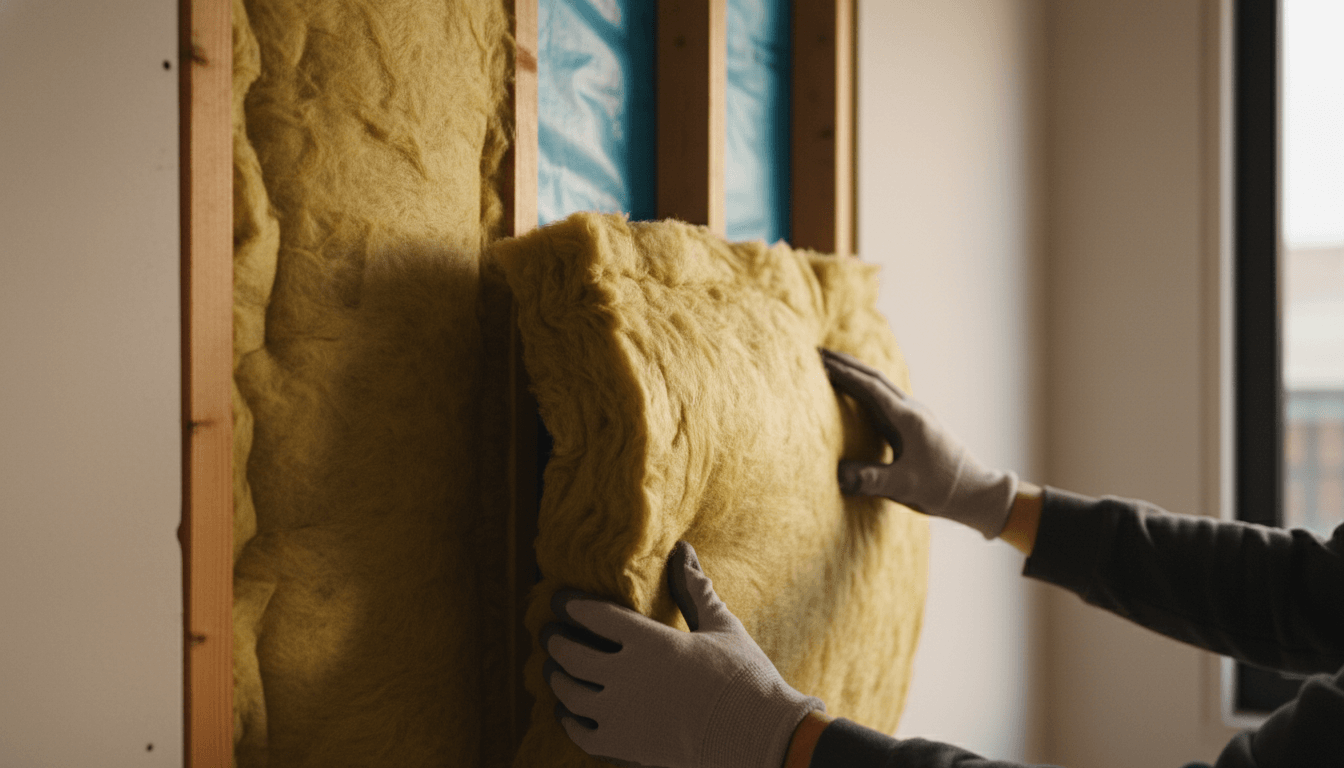
· Residential Buildings: It's the go-to for lofts, cavity walls, and floor insulation. It's also great for garage doors because it can help prevent heat loss through the metal surfaces.
· Commercial and Industrial: It's used a lot in HVAC ducting and industrial piping to keep process temperatures steady.
· Automotive Industry: It's used in cars as a lightweight sound deadening material, often in hood liners and door panels to dampen engine noise and road vibration.
· Specialized Filtration: Glass wool fibers are perfect for filtering out tiny particles in labs because of their fine texture.
Why Choose Glass Wool? A Look at Its Numerous Benefits
1. Energy Efficiency: Glass wool minimizes thermal bridging, which significantly reduces HVAC energy consumption.
2. Acoustic Comfort: It's a top choice for sound deadening, making indoor spaces more peaceful and productive.
3. Fire Protection: It doesn't catch on fire, so it provides an extra layer of protection for buildings.
4. Sustainability: It is more environmentally friendly than many insulation foam products made from petrochemicals because it is made with a lot of recycled materials and is easy to compress, which means it emits less pollution when transported.
Types and Forms: Finding the Right Glass Wool Product for Your Project
| Type/Form | Description | Best Applications | Key Advantages |
|---|---|---|---|
| Rolls and Batts | Pre-cut fiberglass insulation in roll or batt form. | Lofts, walls, and between standard timber frame studs. | Easy to install, flexible, and cost-effective. |
| Slabs (Boards) | Rigid, high-density glass wool boards. | External wall cladding, flat roofs, and areas requiring structural integrity. | Provides structural support and higher density. |
| Loose-Fill | Insulation that is blown into cavities or hard-to-reach spaces. | Hard-to-reach areas, attics, and irregularly shaped spaces. | Ideal for irregular spaces, fills gaps easily. |
| Pipe Sections | Preformed cylinders designed to insulate pipes. | Hot and cold water pipes. | Effective pipe insulation prevents heat loss. |
Environmental Footprint and Safety Considerations of Glass Wool
The industry has really improved when it comes to sustainability. According to Research and Markets, the demand for eco-friendly building materials is driving the global glass wool insulation market, which is expected to be worth $4.8 billion in 2024.
Modern bio-soluble glass fibers are made to dissolve in the body if you inhale them, so you don't have to worry about any health risks like you did with older mineral wools. On top of that, glass wool packaging has a high compression ratio (often 10:1), which means fewer trucks are needed for transport. That means a smaller carbon footprint for logistics. To avoid short-term skin irritation from the fibers, it's a good idea to wear standard PPE when working with the material, such as masks, gloves, and long sleeves.
Conclusion
Glass wool is still a big deal in the insulation industry, and for good reason. It's got a nice balance of high thermal performance, great insulation, and sound dampening, and it's even got fire safety certification. Glass wool is an excellent option for any project, whether you're specifying materials for a commercial high-rise, upgrading the floor insulation in your house, or searching for materials to dampen the noise in your car. It's strong, sustainable, and affordable.For high-quality glass wool solutions tailored to your needs, contact FUNAS today!
FAQ
What is the precise composition of glass wool?
Glass wool is primarily made from natural raw materials like silica sand, limestone, and dolomite, combined with a significant percentage of recycled glass (cullet). These materials are melted and spun into fibers, then bound together with a resin.
How does glass wool provide thermal insulation?
Its effectiveness comes from its structure: a vast network of intertwined glass wool fibers arranged to trap millions of tiny air pockets. This trapped air significantly reduces heat transfer by convection and conduction, improving the insulation R-value.
What are the primary benefits of using glass wool insulation?
Key benefits include exceptional thermal retention for energy efficiency, superior acoustic properties for noise reduction, inherent non-combustibility (fire safety), and a high recycled content, which supports environmental sustainability.
Where can glass wool be used?
It is highly versatile, used in residential roofs, walls, and floors; commercial HVAC systems; industrial piping; and automotive applications as a sound deadening material.
Does glass wool offer good sound insulation?
Yes, its open porous structure is highly effective at absorbing sound waves. It serves as an excellent insulation sound dampening agent for partition walls and floors.
Is glass wool fire resistant?
Yes, glass wool is inorganic and classified as non-combustible. Leading products typically achieve a Euroclass A1 rating, meaning they do not burn or contribute to fire spread.
What is the environmental impact of glass wool?
Modern glass wool is environmentally friendly, often containing up to 80% recycled glass. It is also bio-soluble and compressible, which reduces transport emissions.
How does glass wool compare to other insulation materials like rock wool?
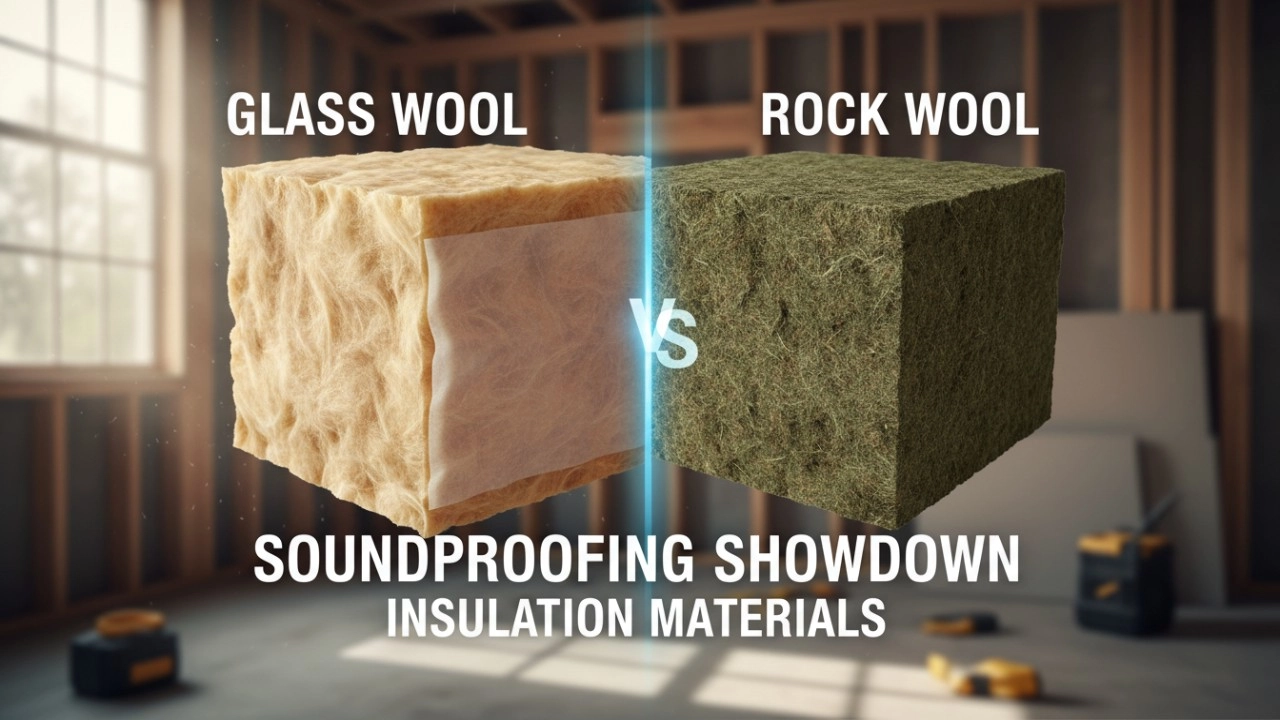
Both are mineral wools, but glass wool is typically lighter and has longer fibers, making it excellent for general thermal and acoustic uses. Rock wool is denser, offering slightly better resistance to extreme heat and compression.
References
· Huamei: What is Thermal Conductivity of Glass Wool
· Isover Technical Insulation: Recycled building material
· Superglass: Fire Safety and Euroclass A1 Classification
· Research and Markets: Glass Wool Insulation - Global Strategic Business Report 2024
· Market Research Future: Glass Wool Insulation Market Size, Share & Forecast Report 2035

Does sound insulation foam Actually Work in 2026? Ultimate guide About Blocking vs. Absorbing Noise
Fiberglass vs. Rockwool: Which Soundproofing Insulation Material Wins for Acoustic Control?
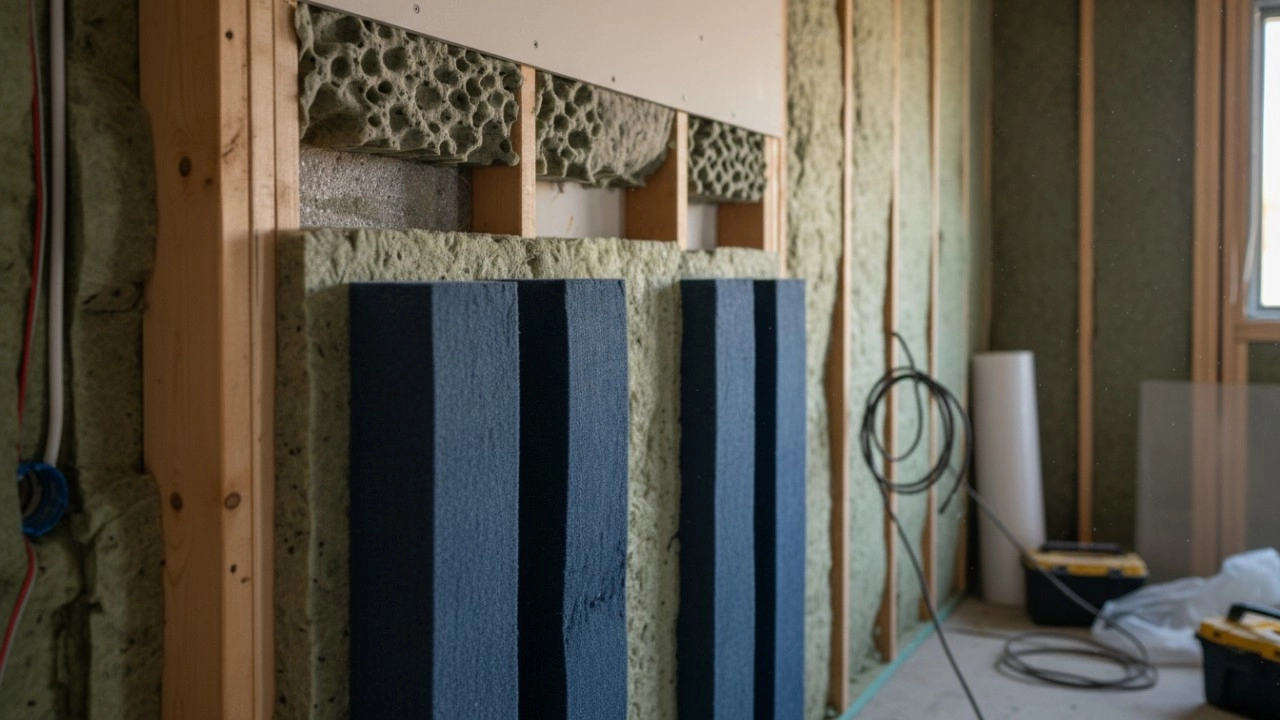
Sound Insulation Foam vs. Acoustic Panels: Which One Actually Stops Noise? (2026 Guide)

7 Dangerous Mistakes to Avoid When Selecting insulating materials for Your Car (2026 Guide)
FAQ
How do I choose the right insulation for my project?
Our team can help you choose the best material for heat insulation based on your specific needs, such as thermal resistance, acoustic properties, and environmental conditions.
How to start a consultation?
You can contact us through our website, phone, or email. We will arrange a professional staff to discuss your needs about best thermal insulator and how we can help you.
service
Are your rubber foam products environmentally friendly?
Yes, our insulation products are designed with sustainability in mind. They help reduce energy consumption by minimizing heat loss and gain, and they are made from durable materials that have a long life cycle, reducing the need for frequent replacement.
What types of rubber foam insulation products do you offer?
We offer a wide range of rubber foam insulation products, including custom shapes and sizes, thermal and acoustic insulation solutions, and options with specialized coatings such as flame retardancy and water resistance. Our products are suitable for applications in HVAC, automotive, construction, and more.
You might also like
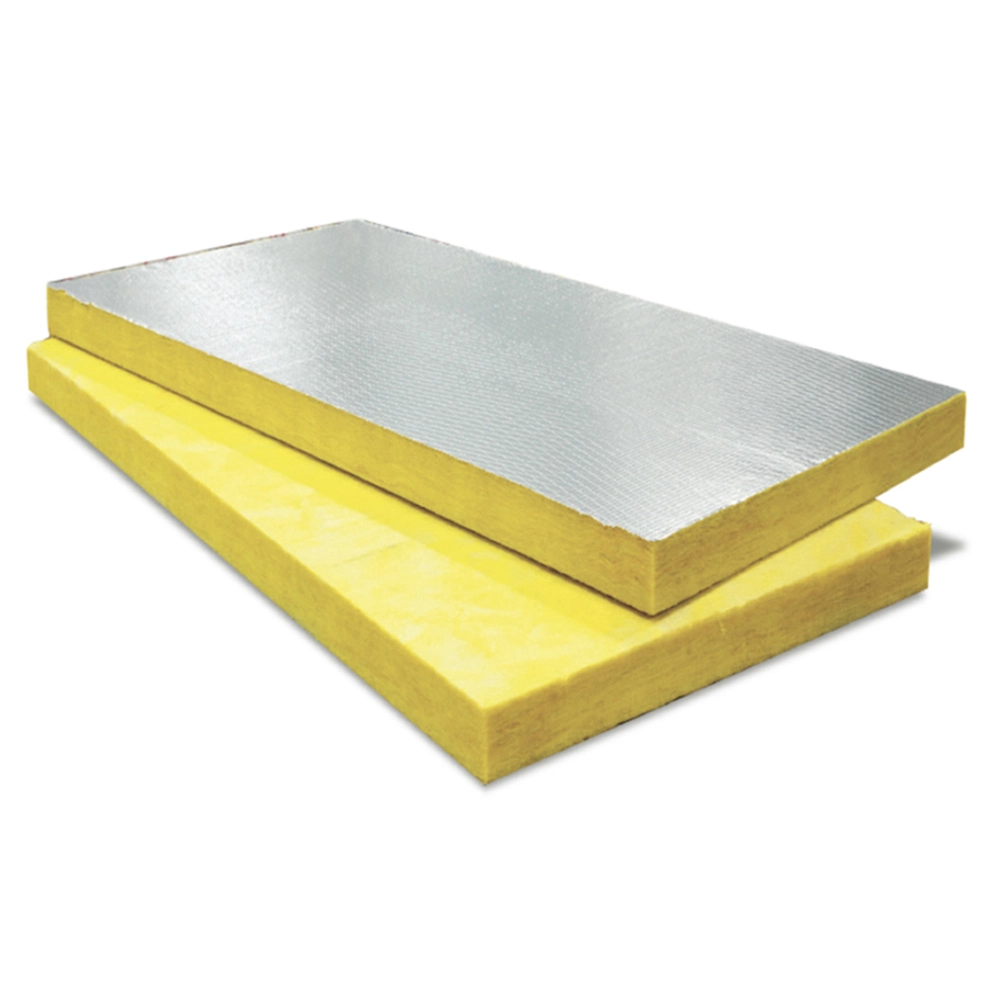
Wholesale Roof And Wall Thermal Heat Insulation 50mm Thickness Aluminum Foil Fiberglass Insulation Panel Board Glass Wool Price
Glass wool is the molten glass fiber, the formation of cotton-like material, chemical composition belongs to the glass category, is a kind of inorganic fiber. With good molding, small volume density, thermal conductivity both, thermal insulation, sound absorption performance is good, corrosion resistance, chemical stability and so on.

Wholesale Rock Wool Mineral Wool Board Panel Sheet
High-performance rock wool board for superior thermal and acoustic insulation. A reliable choice for building projects.
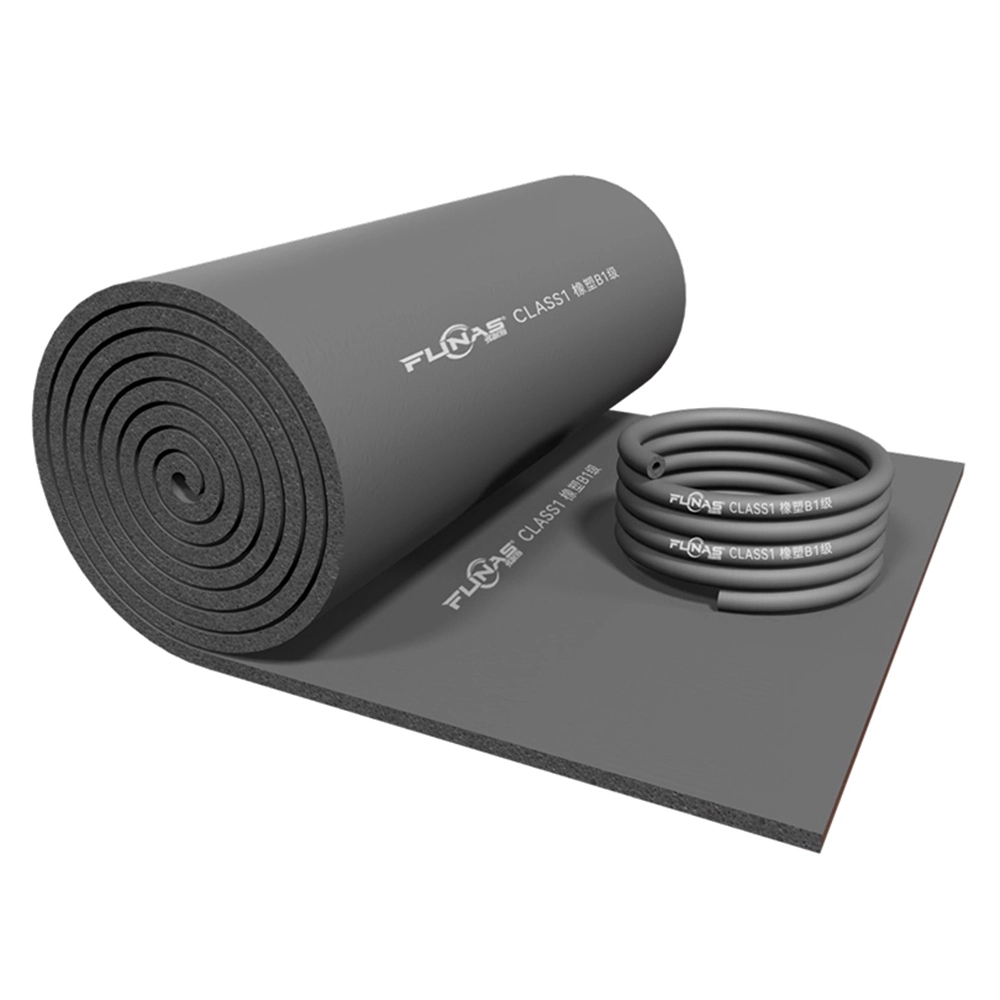
Wholesale black Rubber-plastic Board Rubber foam panel sheet
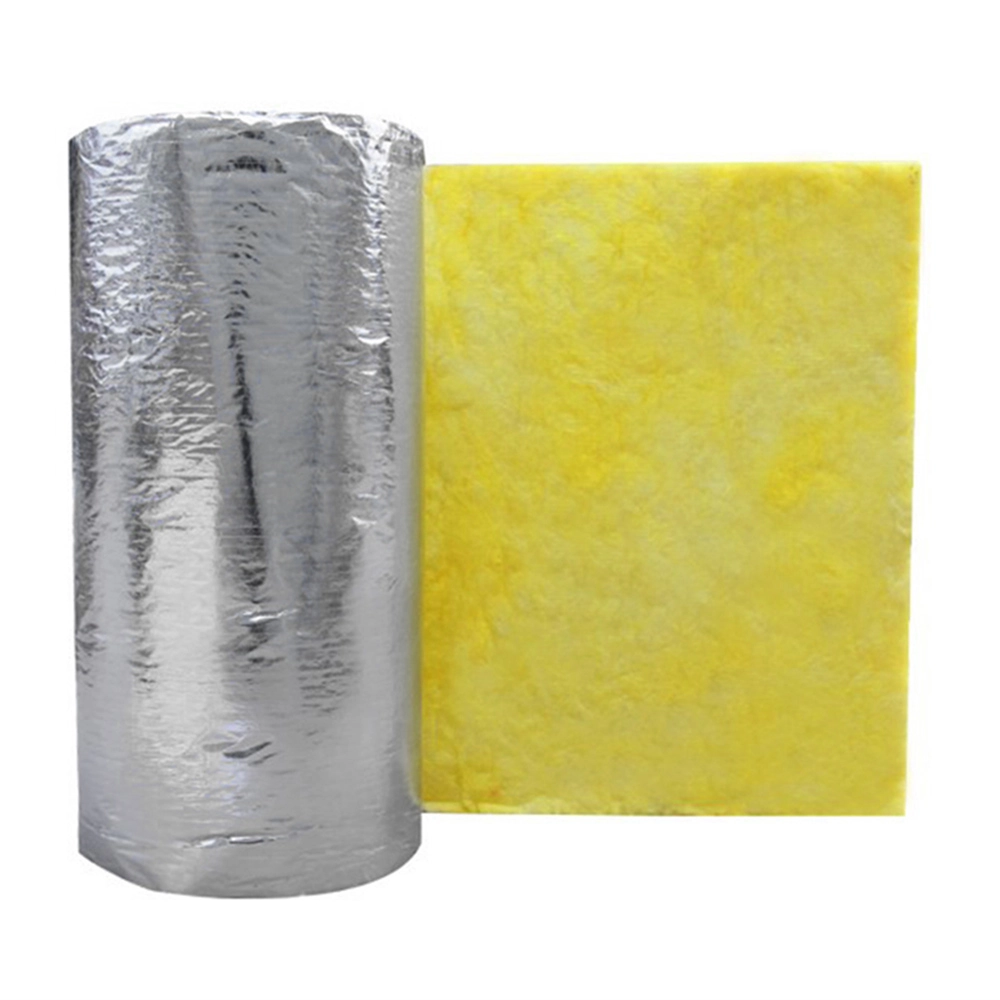
Wholesale Roof And Wall Thermal Heat Insulation 50mm Thickness Aluminum Foil Fiberglass Insulation Roll Glass Wool
Glass wool is the molten glass fiber, the formation of cotton-like material, chemical composition belongs to the glass category, is a kind of inorganic fiber. With good molding, small volume density, thermal conductivity both, thermal insulation, sound absorption performance is good, corrosion resistance, chemical stability and so on.
Leave a message
Have any questions or concerns about our products? Please leave us a message here and our team will get back to you promptly.
Your queries, ideas, and collaboration opportunities are just a click away. Let’s start a conversation.
