


















































The Ultimate Guide to Glass Wool Insulation 2026
Get the 2026 guide to glass wool insulation from FUNAS. Certified, customizable, and ideal for multiple industries.
- What Is Glass Wool?
- Which Glass Wool Insulation Trends Are Most Popular in 2026?
- Why Choose Glass Wool Insulation?
- 1. Superior Thermal Insulation
- 2. Excellent Soundproofing Properties
- 3. Fire Resistance
- 4. Lightweight and Easy to Install
- 5. Environmentally Friendly
- 6. Versatility and Wide Range of Applications
- 7. Cost-Effective Solution
- 8. Low Maintenance
- Is Glass Wool Safe?
- Glass Wool Properties
- What Is Glass Wool Used For?
- Glass Wool vs. Rockwool vs. Fiberglass Insulation
- Choosing the Right Glass Wool Insulation for Your Project
- Why Choose FUNAS as Your Glass Wool Supplier?
- FAQs about Glass Wool
- What are the main benefits of using glass wool insulation?
- Can glass wool be used for both thermal and sound insulation?
- How does glass wool compare to other insulation materials, like foam or cellulose?
- Does glass wool insulation require any special maintenance?
- Is glass wool insulation safe for people with allergies?
- How does glass wool insulation perform in high-temperature environments?
- What is the lifespan of glass wool insulation?
- Can glass wool insulation be recycled?
- Conclusion
What Is Glass Wool?
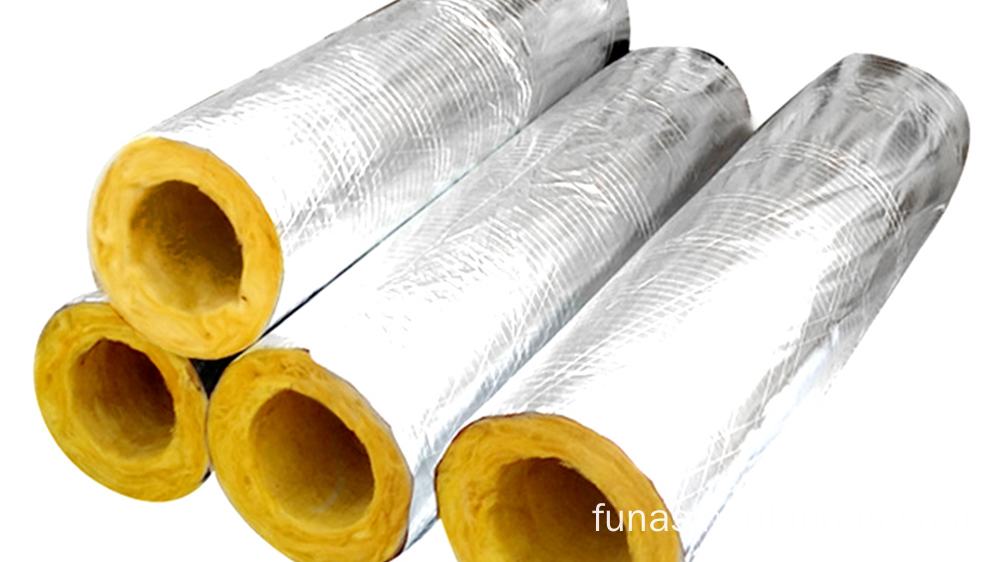
Glass wool is a lightweight insulating material made from fine glass fibers spun and bonded into a texture resembling wool. The manufacturing process involves melting glass fibers at high temperatures and spinning them into fine filaments. These fibers are then used to make glass wool products, which are ideal for thermal insulation, soundproofing, and fire protection. The fibers trap air within their structure, providing excellent insulation properties. Glass wool is widely used in residential and industrial applications due to its versatility and high performance. It is also eco-friendly because it is made primarily from recycled glass, making it a sustainable choice for energy-efficient construction.
Which Glass Wool Insulation Trends Are Most Popular in 2026?
By 2026, glass wool insulation is going to be even better, with a focus on sustainability, better performance, and technology integration. There's a growing demand for eco-friendly options made from recycled glass, along with better thermal resistance and acoustic glass wool insulation for noise control. Fire-resistant properties are also becoming more important, especially in high-risk buildings, while smart building technologies are using glass wool to help manage energy more efficiently. Advanced manufacturing techniques are making glass wool thinner, lighter, and more effective. It's being used more and more in industrial applications, especially in high-temperature environments. People are also customizing more for specific needs, so there are tailored solutions for all kinds of projects. These glass wool insulation trends reflect the ongoing evolution of this versatile material, making it an even more appealing option for modern building and construction requirements.
Why Choose Glass Wool Insulation?
There are several reasons why glass wool insulation stands out. Below are some reasons why glass wool insulation is a popular choice for residential and industrial applications:
1. Superior Thermal Insulation
One of the main reasons to go for glass wool is its great thermal performance. Glass wool insulation is great at keeping your home at a comfortable temperature. Glass wool is great in any season because it helps reduce the load on heating and cooling systems. This means you'll use less energy and save money on your bills. Glass wool insulation has a high R-value, which makes it great at resisting heat, which is key for making buildings that use energy efficiently.
2. Excellent Soundproofing Properties
Glass wool is a great option for noise-sensitive areas like offices, homes, or industrial environments. Acoustic glass wool insulation works by absorbing sound vibrations and reducing noise transmission between rooms or spaces. Its fiberglass wool structure helps trap sound waves, making it great for creating quiet, comfortable spaces. Glass wool is great for soundproofing walls and reducing noise from HVAC systems.
3. Fire Resistance
Glass wool insulation is naturally fire-resistant, so it offers a high level of protection against flames. Glass wool is different from a lot of other insulation materials because it doesn't burn or release harmful gases when it's exposed to high temperatures. This makes it a safer choice for buildings and industrial applications. This fire-resistant quality is essential for keeping structures safe and sound, especially in places like commercial buildings, factories, and areas with a lot of fire hazards.
4. Lightweight and Easy to Install
Another huge perk of glass wool is how light it is, which makes it super easy to handle and install. You can easily cut glass wool insulation rolls, batts, or panels to fit any space, saving time and money on installation. Glass wool is lightweight, so it's not too much of a strain on supporting structures, which makes it suitable for a wide range of applications.
5. Environmentally Friendly
Glass wool insulation is not only effective, it's also eco-friendly. It's made mostly from recycled glass, so it helps reduce waste and supports green building initiatives. Using glass wool for insulation is an eco-friendly and energy-saving choice that also meets the standards for sustainable building. It's durable, so the insulation will stay effective for a long time, reducing the need for frequent replacements.
6. Versatility and Wide Range of Applications
Glass wool is ideal for a variety of projects, including homes, businesses, and industrial sites. It's often used to insulate walls, attics, roofs, and floors in homes and commercial buildings. In industrial settings, glass wool is used to insulate pipes, tanks, boilers, and equipment in industries such as petrochemical, electric power, and metallurgy. It can handle all sorts of environments, so it's a top choice for all kinds of insulation jobs.
7. Cost-Effective Solution
Glass wool insulation is ideal because it is thermal, acoustic, and fire resistant while remaining reasonably priced. Glass wool is a great option for insulation because it's affordable and easy to find. If you're a homeowner or business owner looking for the best value for your money, glass wool insulation is a cost-effective option that will save you money in the long run.
8. Low Maintenance
Once you install it, glass wool insulation doesn't need much maintenance. Unlike some other materials that can degrade or lose effectiveness over time, glass wool stays durable and effective for years. It doesn't sag or settle, so you won't have to worry about frequent repairs or replacements. This low-maintenance feature makes glass wool a hassle-free solution for energy efficiency.
Is Glass Wool Safe?
One of the most common questions regarding glass wool is whether it is safe to handle. Glass wool is generally safe when properly handled, but due to the glass wool fibers, there are certain precautions to take. These fibers can cause mild irritation to the skin, eyes, and respiratory system if inhaled, so it’s crucial to wear protective gear such as gloves, goggles, and a dust mask when installing glass wool insulation.
Glass wool insulation is fire-resistant and does not release harmful fumes under normal conditions, which makes it safe for use in homes and commercial buildings. However, it's important to avoid prolonged exposure to the fibers and follow safety guidelines during installation to minimize irritation. Overall, glass wool insulation is still one of the safest insulation materials, as long as you take the proper safety measures.
Glass Wool Properties
Glass wool offers a wide range of properties that make it an excellent choice for various insulation applications:
-
Property Description Thermal Insulation Glass wool insulation reduces heat transfer, maintaining stable indoor temperatures and lowering energy costs. It traps air within the fibers, preventing heat loss. Soundproofing Acoustic glass wool insulation excels at reducing sound transmission, absorbing noise, and providing sound control in noisy environments such as offices, studios, and homes. Fire Resistance Glass wool is naturally fire-resistant and will not burn or emit harmful gases when exposed to flames, offering an extra layer of protection for buildings. Durability Glass wool insulation is long-lasting, resistant to moisture, rot, and pests. It remains effective for many years, ensuring that your insulation stays in good condition. Sustainability Made from recycled glass, glass wool insulation is an eco-friendly option that contributes to sustainability in construction by reducing the need for new raw materials.
What Is Glass Wool Used For?
Glass wool insulation is used in all kinds of industries. Here are some of the most common uses of glass wool for insulation:
-
Residential Insulation: Glass wool insulation is often used in homes to insulate walls, ceilings, and attics. It helps keep the indoor temperature steady and cuts down on heating and cooling costs.
HVAC Systems: Glass wool is used a lot in heating, ventilation, and air conditioning (HVAC) systems to improve energy efficiency and reduce noise. Glass mineral wool insulation is commonly used in ductwork and pipes.
Industrial Insulation: In industries like petrochemical, metallurgy, and electric power, glass wool insulation is used to insulate pipes, boilers, tanks, and other equipment. It is ideal for high-temperature applications due to its thermal and soundproof properties.
Soundproofing: Acoustic glass wool insulation is effective at reducing noise in buildings and industrial facilities. It absorbs sound well, making it ideal for use in offices, factories, and theaters.
-

Glass Wool vs. Rockwool vs. Fiberglass Insulation
Many people wonder whether glass wool is better than other types of insulation materials like rockwool or fiberglass. Here’s a quick comparison:
| Feature | Glass Wool | Rockwool | Fiberglass Insulation |
|---|---|---|---|
| Thermal Resistance | High R-value for excellent thermal insulation | Similar R-value, but denser material | Comparable R-value, slightly lower density |
| Soundproofing | Excellent sound absorption (acoustic glass wool insulation) | Good, but less effective than glass wool | Good, but not as effective as glass wool |
| Fire Resistance | Non-combustible, fire-resistant | Fire-resistant, can withstand higher temperatures | Non-combustible but may degrade in high heat |
| Moisture Resistance | Resistant to moisture and mold | Better moisture resistance than glass wool | Less moisture-resistant compared to glass wool |
| Environmental Impact | Made from recycled glass, eco-friendly | Made from natural rock, eco-friendly | Made from recycled glass, eco-friendly |
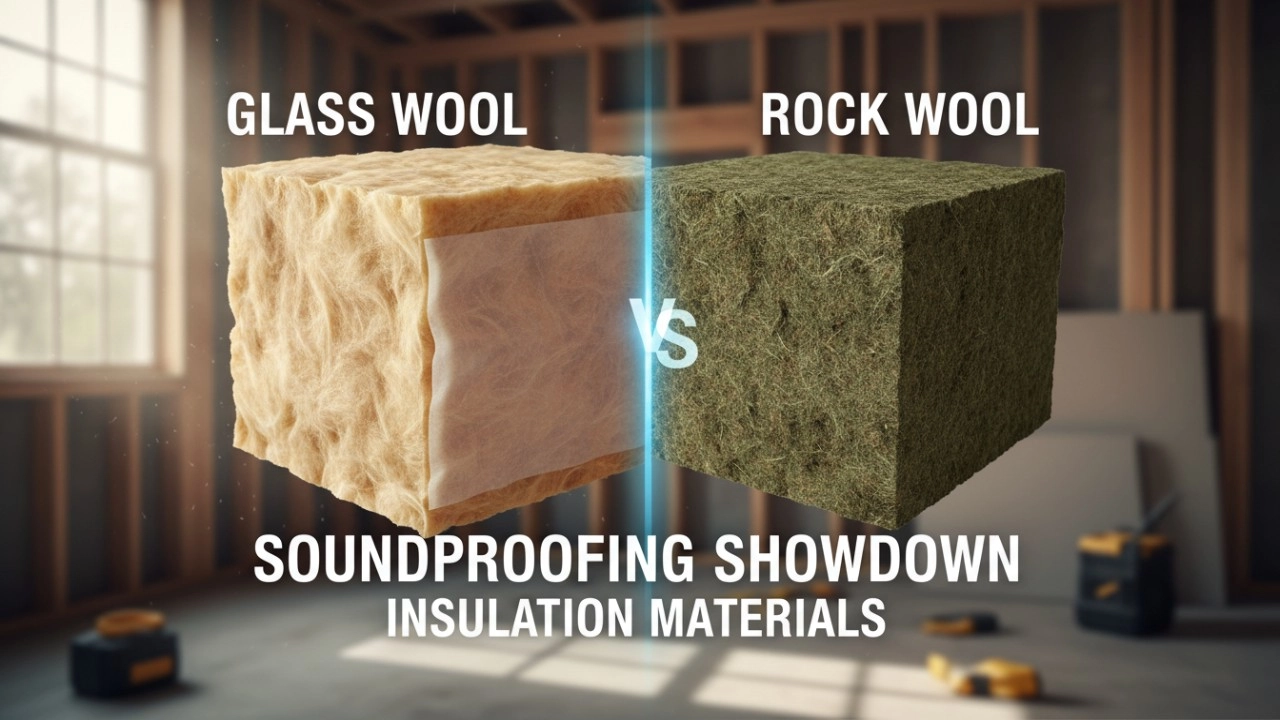
Rockwool is known for its superior fire resistance, but glass wool is better for soundproofing and cheaper for most insulation jobs. They're both excellent choices, but which one you choose depends on your needs, such as whether you need it to be soundproof or to withstand extreme temperatures.
Choosing the Right Glass Wool Insulation for Your Project
Here are a few things to keep in mind when choosing glass wool insulation to make sure you get the best performance for your project:
-
R-Value:
-
The higher the R-value, the better the insulation. For residential buildings, it's recommended to use an R-value of 13-30 for walls and ceilings. For industrial applications, glass wool insulation with a higher R-value is ideal to meet energy efficiency standards.
Thickness:
-
Glass wool comes in different thicknesses, and that affects how well it insulates. If you need something that'll really block heat and noise, you're better off with thicker glass wool.
Application Type:
-
No matter if you're insulating a home, an industrial facility, or an HVAC system, pick the right type of glass wool based on what your project needs. You can customize glass wool fibers for different uses, like soundproofing or thermal insulation.
Environmental Considerations: If you care about sustainability, glass wool insulation made from recycled materials is an eco-friendly choice that supports green building practices.
- Top 10 Glass Wool Manufacturers:
Picking the right manufacturer is just as important as picking the right type of glass wool insulation. The Top 10 Glass Wool Manufacturers provide a wide range of products for a variety of insulation applications, including residential, commercial, and industrial. These manufacturers provide quality glass wool with varying R-values, thicknesses, and environmental certifications. When you team up with a solid supplier, you can be sure that your glass wool insulation is top-notch, dependable, and will help you reach your performance and sustainability goals. -

Why Choose FUNAS as Your Glass Wool Supplier?
Here at FUNAS, we're all about top-notch glass wool insulation—perfect for homes, businesses, and industries. We've been around the block a few times, so we can provide customized solutions to meet your specific requirements. Our glass wool products have all sorts of certifications, like ISO 9001 and CE, so you know they're top-notch and reliable. If you're looking for glass wool insulation for soundproofing, energy efficiency, or fire safety, we've got you covered.
Check out our website, FUNAS Insulations, to learn more about our glass wool insulation offerings or get in touch with our expert team for personalized assistance.
FAQs about Glass Wool
What are the main benefits of using glass wool insulation?
The main benefits of glass wool insulation include its excellent thermal and acoustic properties. It helps keep spaces warmer in winter and cooler in summer. It's also great for spaces where noise reduction is important because it absorbs sound waves. It's also fire-resistant, durable, and eco-friendly, which makes it a great long-term investment.
Can glass wool be used for both thermal and sound insulation?
Yeah, glass wool is perfect for both thermal and sound insulation. It's great at trapping air in the fibers, which makes it perform really well in terms of heat retention, helping to prevent heat loss and keep energy costs down. Acoustic glass wool insulation is great for soundproofing rooms, HVAC systems, and industrial facilities because it absorbs sound really well.
How does glass wool compare to other insulation materials, like foam or cellulose?
Glass wool insulation is better than foam and cellulose at resisting fire and moisture. Glass wool is non-combustible, so it won't release any harmful chemicals when burned like foam does. Cellulose is more eco-friendly, but glass wool is more durable and performs better over time in different environmental conditions.
Does glass wool insulation require any special maintenance?
Once you install it, glass wool insulation doesn't need much maintenance. You don't have to worry about cleaning it regularly, and it'll keep its insulating properties for a long time. Just remember to keep the material dry, since moisture can reduce its effectiveness. You might need to do periodic checks during renovations or construction, but in general, glass wool is pretty low-maintenance.
Is glass wool insulation safe for people with allergies?
Glass wool insulation is usually safe for people with allergies. It's made from inert materials, so it doesn't release allergens into the air. But when you're installing it, the tiny glass fibers can irritate your skin, eyes, or respiratory system, so it's important to wear protective gear. After installation, it won't cause any major health problems for people with allergies.
How does glass wool insulation perform in high-temperature environments?
Glass wool works really well in high-temperature environments. It can handle temps up to 450°C (842°F) without losing its structural integrity, making it perfect for industrial applications like insulating pipes, boilers, and equipment exposed to heat. It's also fire-resistant, which makes it even better for these settings.
What is the lifespan of glass wool insulation?
Glass wool insulation can last more than 50 years, but it depends on how it's installed and the environmental conditions. It can handle moisture, pests, and physical damage, so it'll last for a long time as an insulation solution. If you install and maintain it properly, glass wool will work great for a long time without wearing out.
Can glass wool insulation be recycled?
Yeah, you can recycle glass wool insulation. It's made mostly from recycled glass, which is better for the environment. When glass wool reaches the end of its useful life, it can be recycled, which helps to make the construction industry more sustainable. It's beneficial to the environment because it can be recycled.
Conclusion
To sum it up, glass wool insulation is an incredibly versatile and effective material. It's ideal for thermal performance, fire resistance, and soundproofing. If you're looking for glass wool for insulation, whether it's for your home, business, or industrial facility, this material is reliable and long-lasting. Just make sure you pick the right glass wool insulation for your needs, and think about working with trusted suppliers like FUNAS to get the best products and customer service.

Does sound insulation foam Actually Work in 2026? Ultimate guide About Blocking vs. Absorbing Noise
Fiberglass vs. Rockwool: Which Soundproofing Insulation Material Wins for Acoustic Control?
Sound Insulation Foam vs. Acoustic Panels: Which One Actually Stops Noise? (2026 Guide)

7 Dangerous Mistakes to Avoid When Selecting insulating materials for Your Car (2026 Guide)
service
Can I request custom dimensions or properties for my insulation needs?
Yes, we specialize in custom solutions. Whether you need specific dimensions, thicknesses, densities, or additional coatings, we can work with you to manufacture insulation products tailored to your exact requirements of good materials for heat insulation.
What is your shipping and delivery process like?
We offer reliable logistics services for insulation material wholesale, both domestically and internationally. Our team ensures secure packaging, timely shipping, and real-time tracking so that your order reaches you in perfect condition and on schedule.
What types of rubber foam insulation products do you offer?
We offer a wide range of rubber foam insulation products, including custom shapes and sizes, thermal and acoustic insulation solutions, and options with specialized coatings such as flame retardancy and water resistance. Our products are suitable for applications in HVAC, automotive, construction, and more.
FAQ
How do I choose the right insulation for my project?
Our team can help you choose the best material for heat insulation based on your specific needs, such as thermal resistance, acoustic properties, and environmental conditions.
You might also like
Wholesale Roof And Wall Thermal Heat Insulation 50mm Thickness Aluminum Foil Fiberglass Insulation Panel Board Glass Wool Price
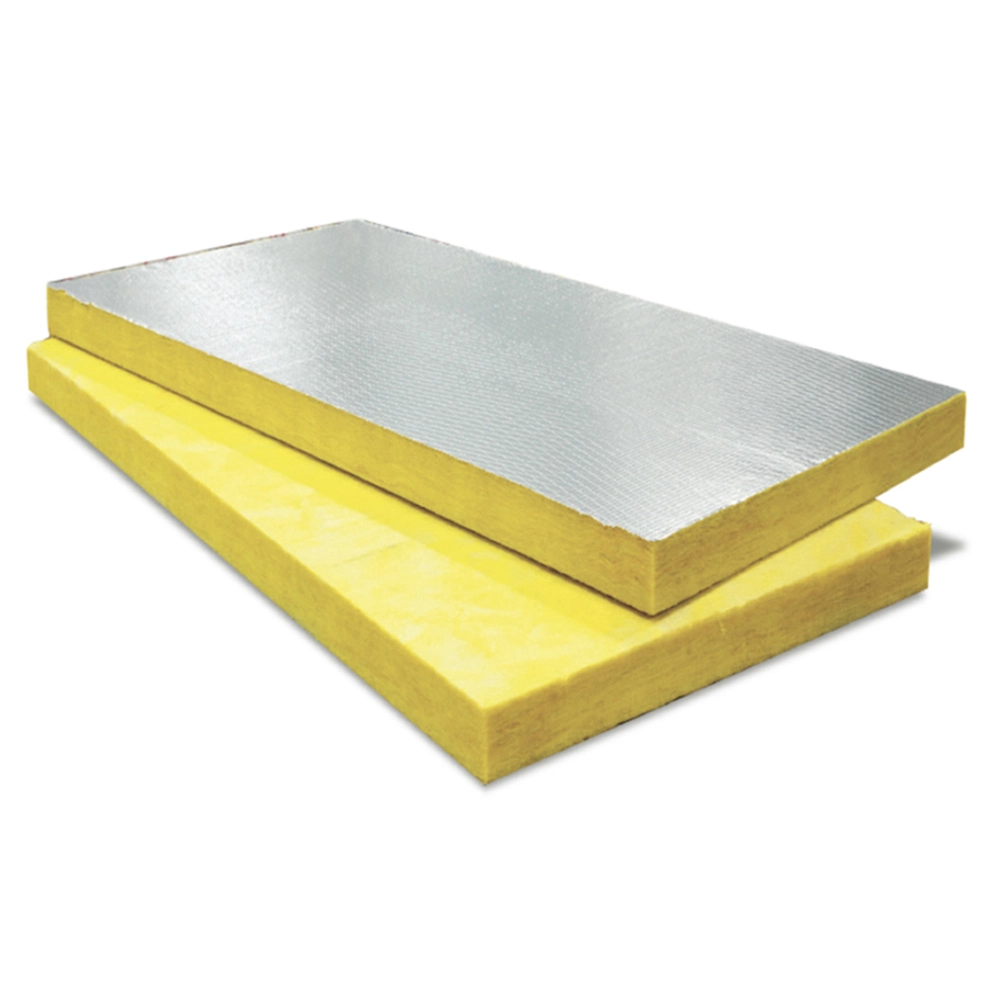
Glass wool is the molten glass fiber, the formation of cotton-like material, chemical composition belongs to the glass category, is a kind of inorganic fiber. With good molding, small volume density, thermal conductivity both, thermal insulation, sound absorption performance is good, corrosion resistance, chemical stability and so on.

Wholesale Rock Wool Mineral Wool Board Panel Sheet
High-performance rock wool board for superior thermal and acoustic insulation. A reliable choice for building projects.
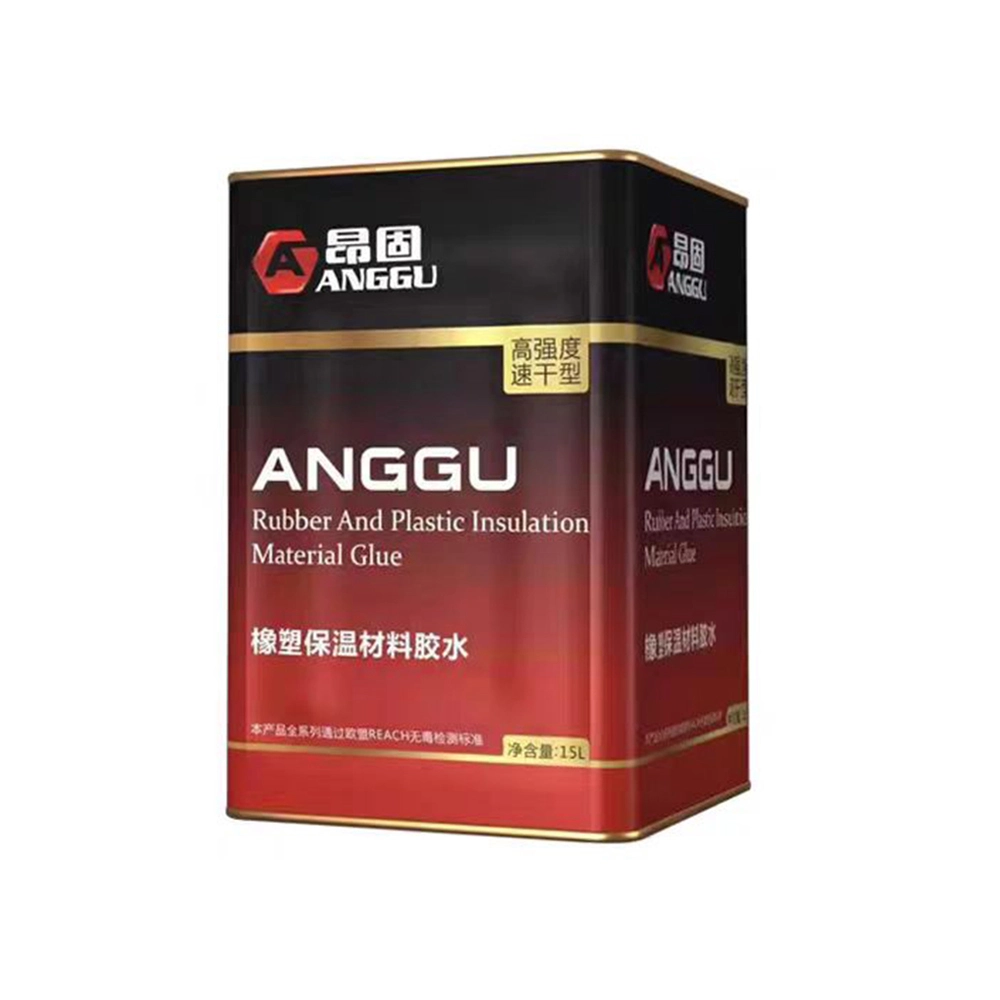
Rubber Plastic insulation Material Glue
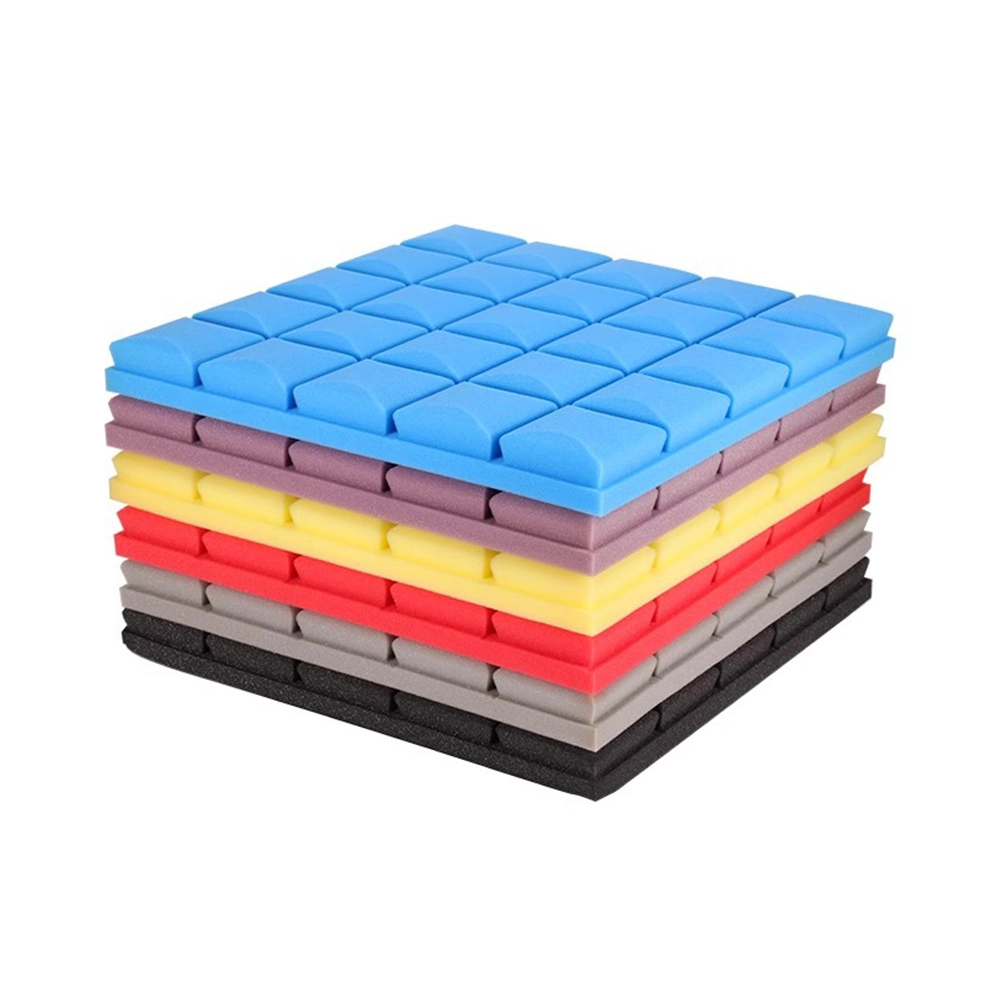
Wholesale High-Density Acoustic Foam Sound-absorbing Sponge Soundproof Cotton
Enhance sound clarity and reduce noise with FUNAS Wholesale High-Density Acoustic Foam Sound-absorbing Sponge. Polyurethane sponge is a low density PU with foam density less than 18 kg/m3. This premium soundproof cotton delivers superior sound absorption, perfect for studios, offices, and home theaters. Optimize your acoustic environment now!
Leave a message
Have any questions or concerns about our products? Please leave us a message here and our team will get back to you promptly.
Your queries, ideas, and collaboration opportunities are just a click away. Let’s start a conversation.
