

















































How recyclable is glass wool insulation in 2026?
Explore the recyclability of glass wool insulation in 2026, focusing on its environmental impact, challenges, and future prospects for thermal insulation procurement.
- 1. What is Glass Wool Insulation and Why is Its Recyclability Important?
- 2. Is Glass Wool Insulation Recyclable?
- 3. What Are the Challenges in Recycling Glass Wool Insulation?
- 4. What Are the Current Recycling Practices for Glass Wool Insulation?
- 5. What Are the Future Prospects for Glass Wool Insulation Recycling?
- Conclusion: FUNAS's Advantages in Sustainable Glass Wool Insulation
- Data References
1. What is Glass Wool Insulation and Why is Its Recyclability Important?
Glass wool insulation, commonly known as fiberglass insulation, is a material made from fine glass fibers. It is widely used in construction for its thermal and acoustic insulating properties. The recyclability of glass wool is crucial for reducing environmental impact and promoting sustainable building practices.
2. Is Glass Wool Insulation Recyclable?
Yes, glass wool insulation is technically recyclable due to its glass composition. However, its practical recyclability depends on factors such as cleanliness, type, and the availability of local recycling infrastructure. Contamination with other building materials and the presence of binding agents can complicate the recycling process. Specialized processing equipment is required to handle its fibrous nature, distinguishing it from solid glass cullet recycling methods.
3. What Are the Challenges in Recycling Glass Wool Insulation?
Several challenges hinder the recycling of glass wool insulation:
Contamination: Glass wool from construction and demolition sites often contains other materials like concrete, wood, plastics, dust, moisture, mold, or hazardous substances, making purification for recycling difficult and costly.
Binding Agents: The resins and binding agents used to hold the glass fibers together require specific methods to separate them from the glass during recycling.
Specialized Processing: The fibrous form of glass wool necessitates specialized processing equipment, as it cannot be recycled in the same manner as solid glass cullet.
4. What Are the Current Recycling Practices for Glass Wool Insulation?
Recycling practices for glass wool insulation include:
Closed-Loop Recycling: Manufacturers take back clean, uncontaminated post-industrial or post-consumer glass wool to incorporate it back into the production of new glass wool products, reducing the need for virgin raw materials and minimizing waste.
Open-Loop Recycling (Downcycling): Used glass wool is processed and repurposed into other materials, such as aggregates in asphalt or concrete, fillers in composite materials, or raw materials for other glass-based products where purity requirements are less stringent.
Energy Recovery: In some cases, contaminated or unrecyclable glass wool may be used in waste-to-energy facilities, where its organic binders can be combusted to generate energy. However, this is generally considered a less desirable option than true material recycling.
5. What Are the Future Prospects for Glass Wool Insulation Recycling?
The future of glass wool insulation recycling looks promising, with several factors contributing to its growth:
Technological Advancements: Innovations in glass wool production, such as the use of recycled glass, make the material more sustainable and cost-effective.
Regulatory Policies and Environmental Standards: Governments worldwide are increasingly introducing stringent regulations aimed at promoting sustainability and improving energy efficiency within the construction industry. These regulations affect product development, manufacturing processes, and market entry for new companies.
Market Growth: The global fiberglass insulation market is projected to reach USD 6,996.3 million by 2034, driven by rising demand for energy efficiency.
Conclusion: FUNAS's Advantages in Sustainable Glass Wool Insulation
FUNAS stands out in the market for its commitment to sustainability and innovation in glass wool insulation. By integrating advanced recycling technologies and adhering to stringent environmental standards, FUNAS offers products that not only meet thermal and acoustic performance requirements but also contribute to a greener construction industry.
Data References
GNA — October 2025 — Glass Wool Recyclability Challenges
PW Consulting — October 2025 — Recycled Glass Wool Insulation Market Research
ResearchAndMarkets.com — October 2025 — Glass Wool Insulation Market Report
Future Market Insights, Inc. — October 2025 — Glass Wool Insulation Market Growth
FMIBlog — October 2025 — Green Building Trends and Glass Wool Insulation Market
MarketIntellix — October 2025 — Recycled Glass Wool Insulation Materials Industry Analysis
Access Newswire — October 2025 — Glass Wool Insulation Market to Reach USD 6,996.3 Million by 2034
LinkedIn — October 2025 — Glass Wool Thermal Insulation Material Market Growth Path
Minixz — October 2025 — Is Glass Wool the Future of Sustainable Insulation?
Business Wire — October 2025 — Glass Wool Insulation Market Report 2025

Does sound insulation foam Actually Work in 2026? Ultimate guide About Blocking vs. Absorbing Noise
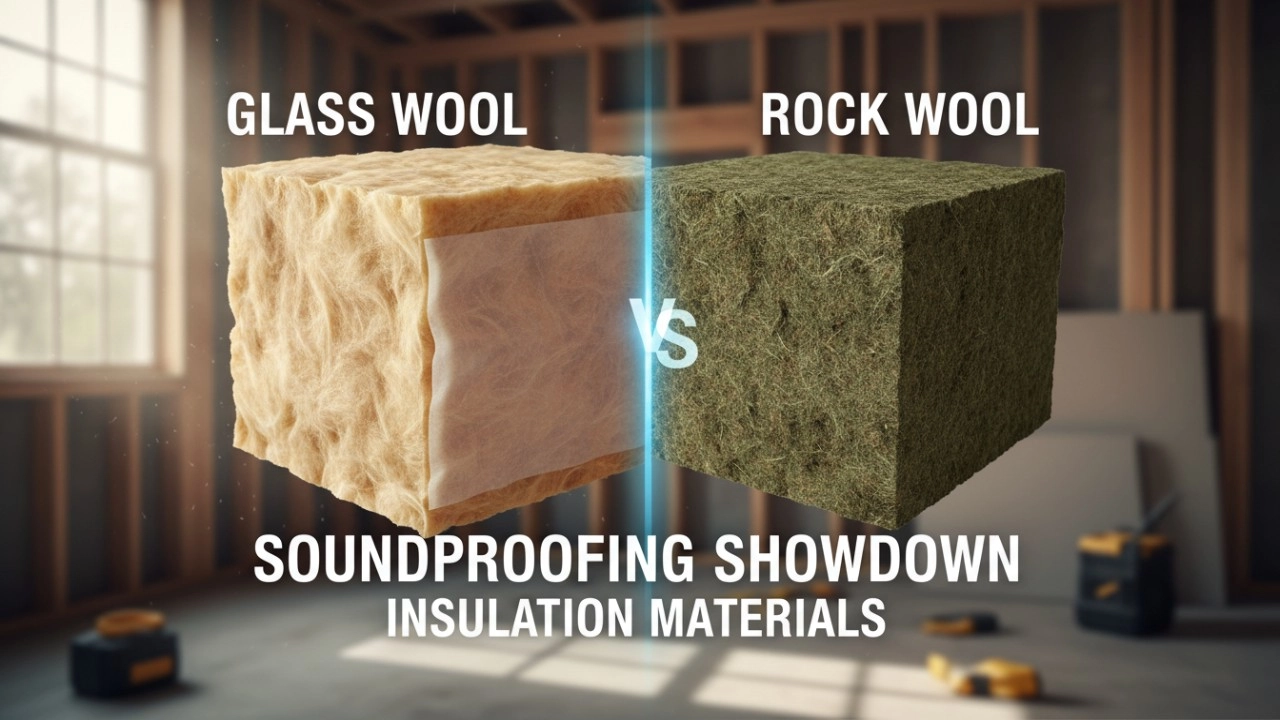
Fiberglass vs. Rockwool: Which Soundproofing Insulation Material Wins for Acoustic Control?
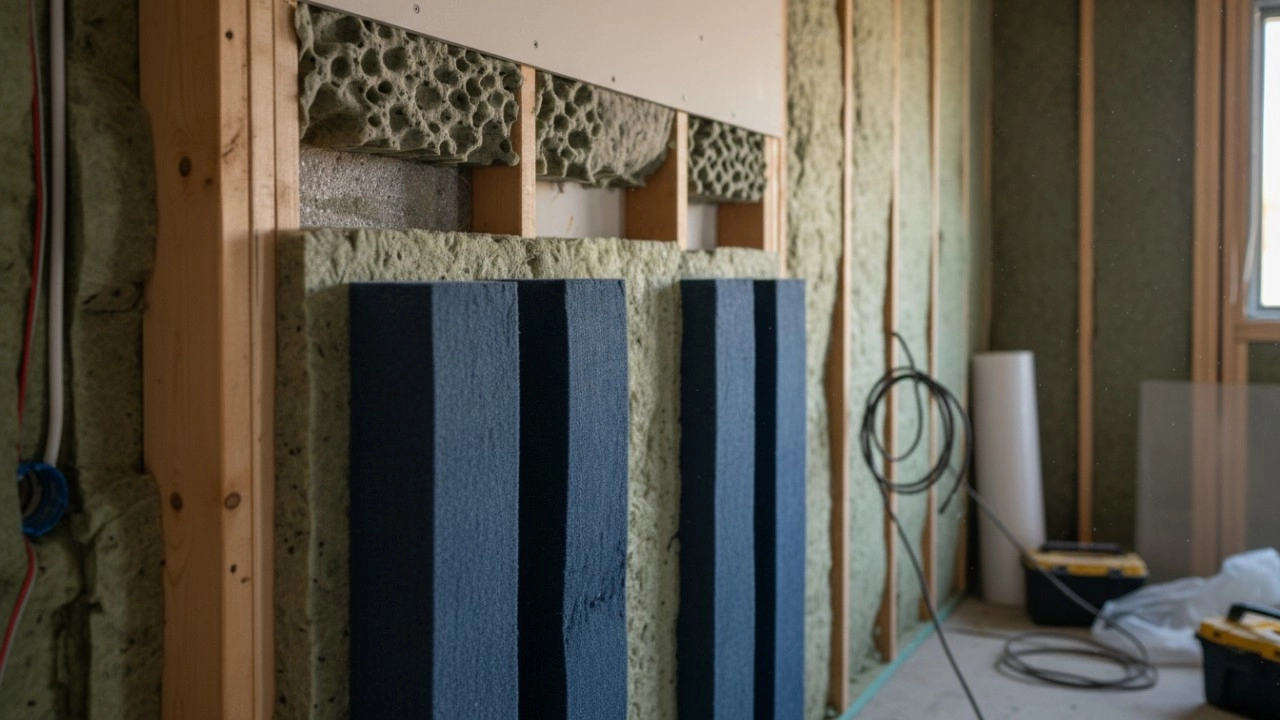
Sound Insulation Foam vs. Acoustic Panels: Which One Actually Stops Noise? (2026 Guide)
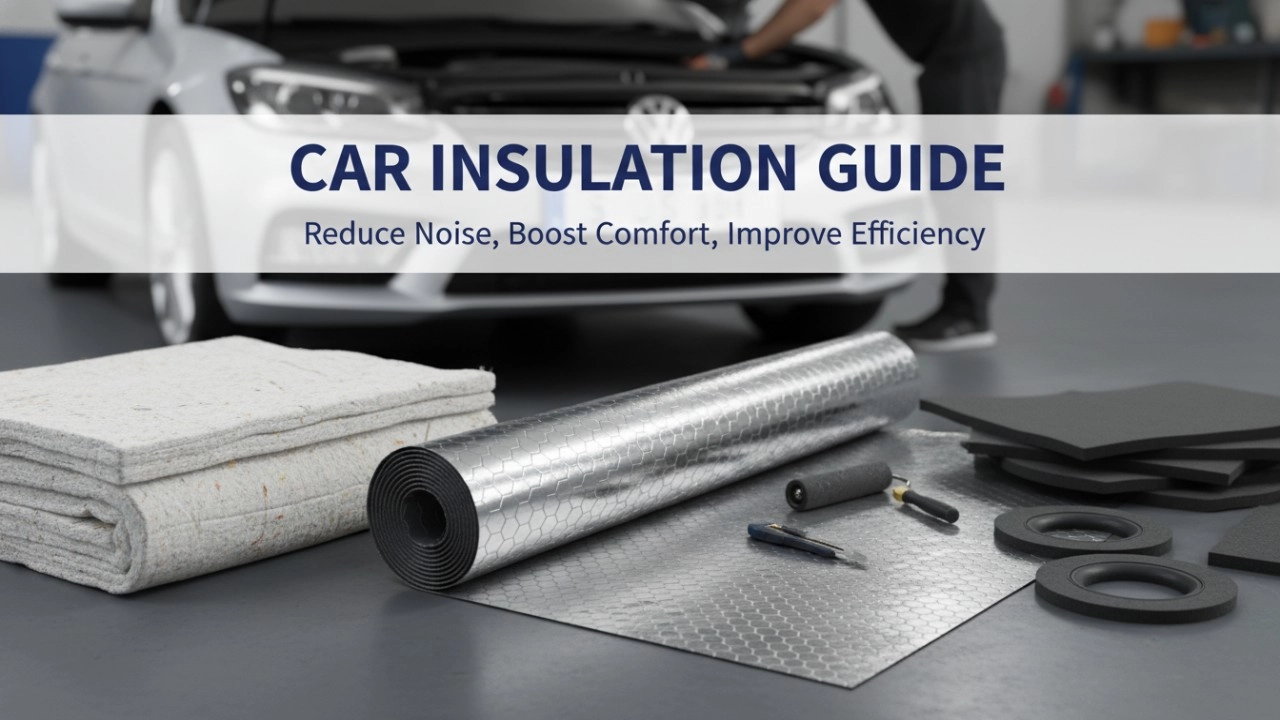
7 Dangerous Mistakes to Avoid When Selecting insulating materials for Your Car (2026 Guide)
FAQ
Can your insulation products be customized?
Yes, we offer customized solutions for insulation material wholesale to meet the specifications of your project, including custom specifications, sizes, foils and adhesives, colors, etc.
service
What types of rubber foam insulation products do you offer?
We offer a wide range of rubber foam insulation products, including custom shapes and sizes, thermal and acoustic insulation solutions, and options with specialized coatings such as flame retardancy and water resistance. Our products are suitable for applications in HVAC, automotive, construction, and more.
What is your shipping and delivery process like?
We offer reliable logistics services for insulation material wholesale, both domestically and internationally. Our team ensures secure packaging, timely shipping, and real-time tracking so that your order reaches you in perfect condition and on schedule.
Can I request custom dimensions or properties for my insulation needs?
Yes, we specialize in custom solutions. Whether you need specific dimensions, thicknesses, densities, or additional coatings, we can work with you to manufacture insulation products tailored to your exact requirements of good materials for heat insulation.
You might also like

Wholesale Perfect Fire Resistant Performance High Strength Acoustic Mineral Wool Insulation Rock Wool Board Panel Plain Slab
Rock wool board, that is, a kind of exterior insulation material. When the market share of 90% of the organic thermal insulation materials in the stagnant wait-and-see, as a fire rating of A-class exterior insulation inorganic material rock wool, has ushered in an unprecedented market opportunity.
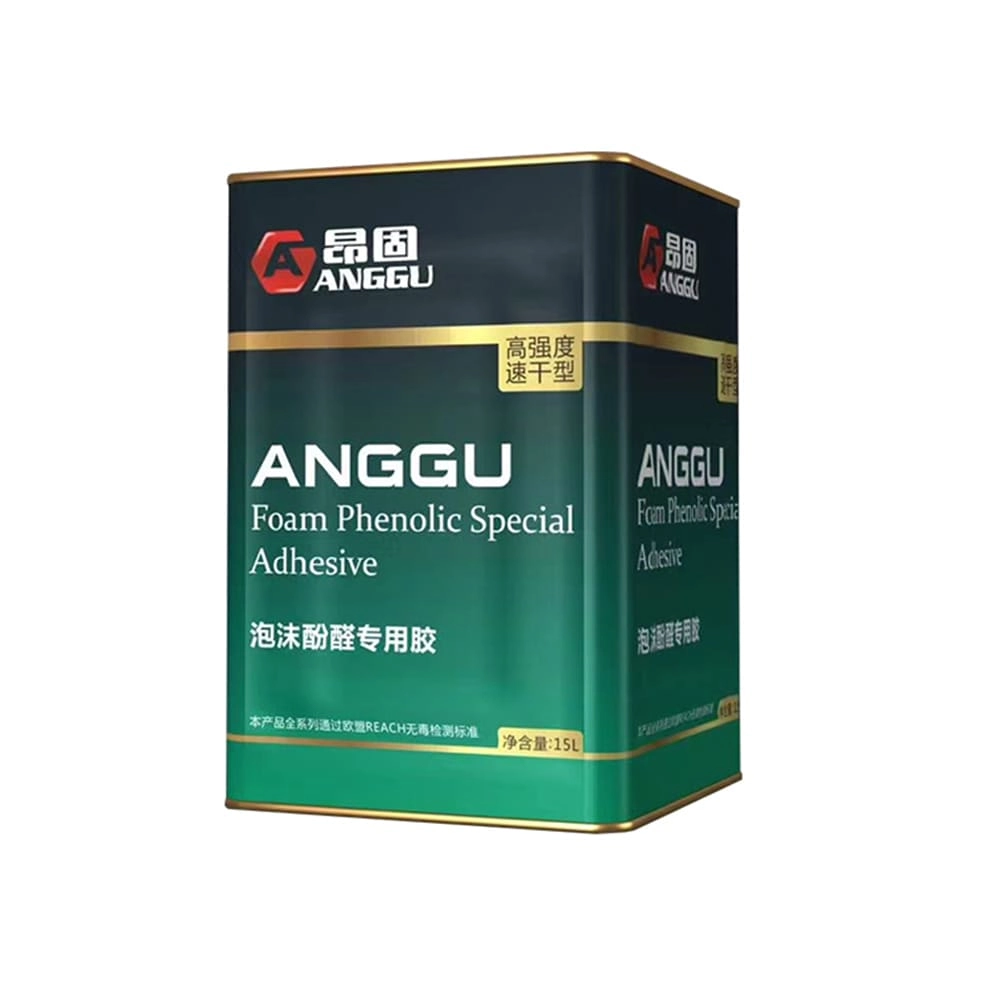
Foam Phenolic Adhesive
This product has passed the national GB33372-2020 standard and GB18583-2008 standard. (The product is a yellow liquid.)
Anggu foam phenolic glue is a kind of glue with corrosion resistance, low odor, high strength and excellent brushing property. Can be sprayed for construction with fast surface drying speed, long bonding time, no chalking and convenient operation.
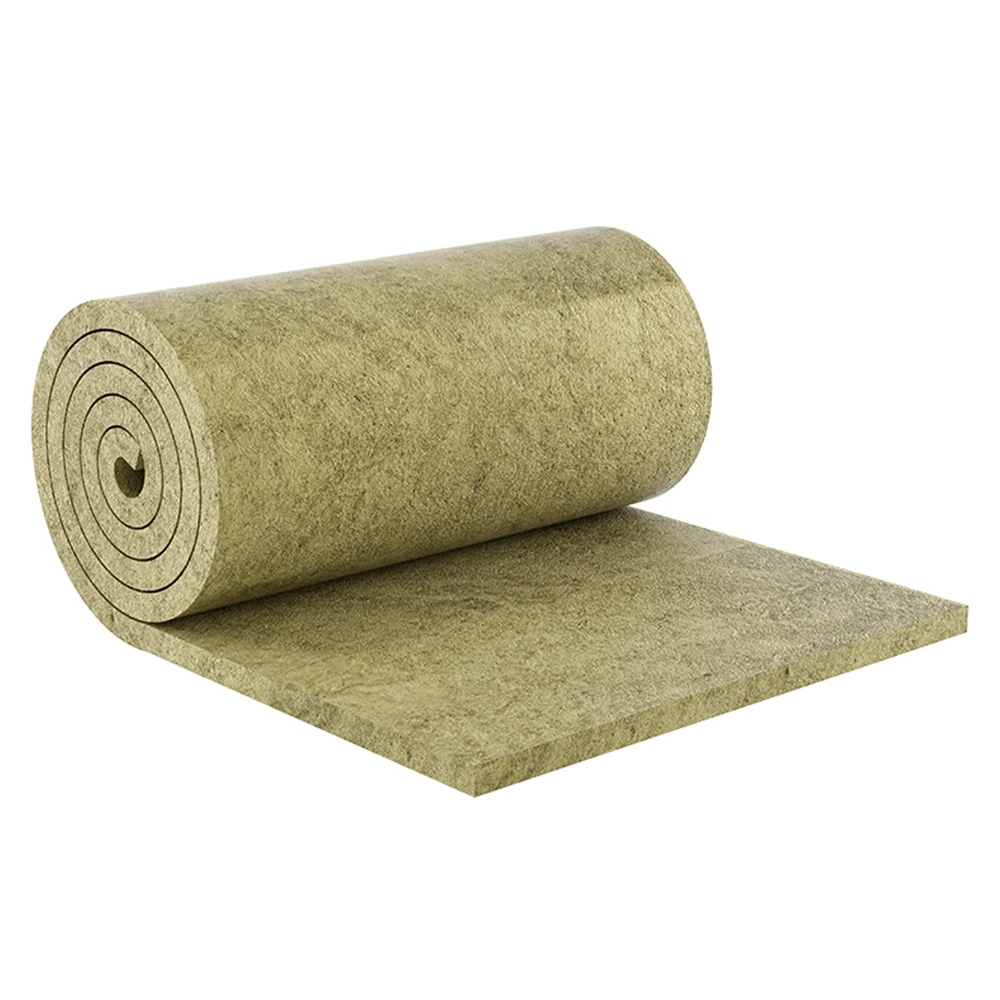
Wholesale Rock Wool Mineral Wool Roll Blanket
Durable rock wool roll with outstanding fire resistance and insulation properties. Ideal for industrial and construction applications.
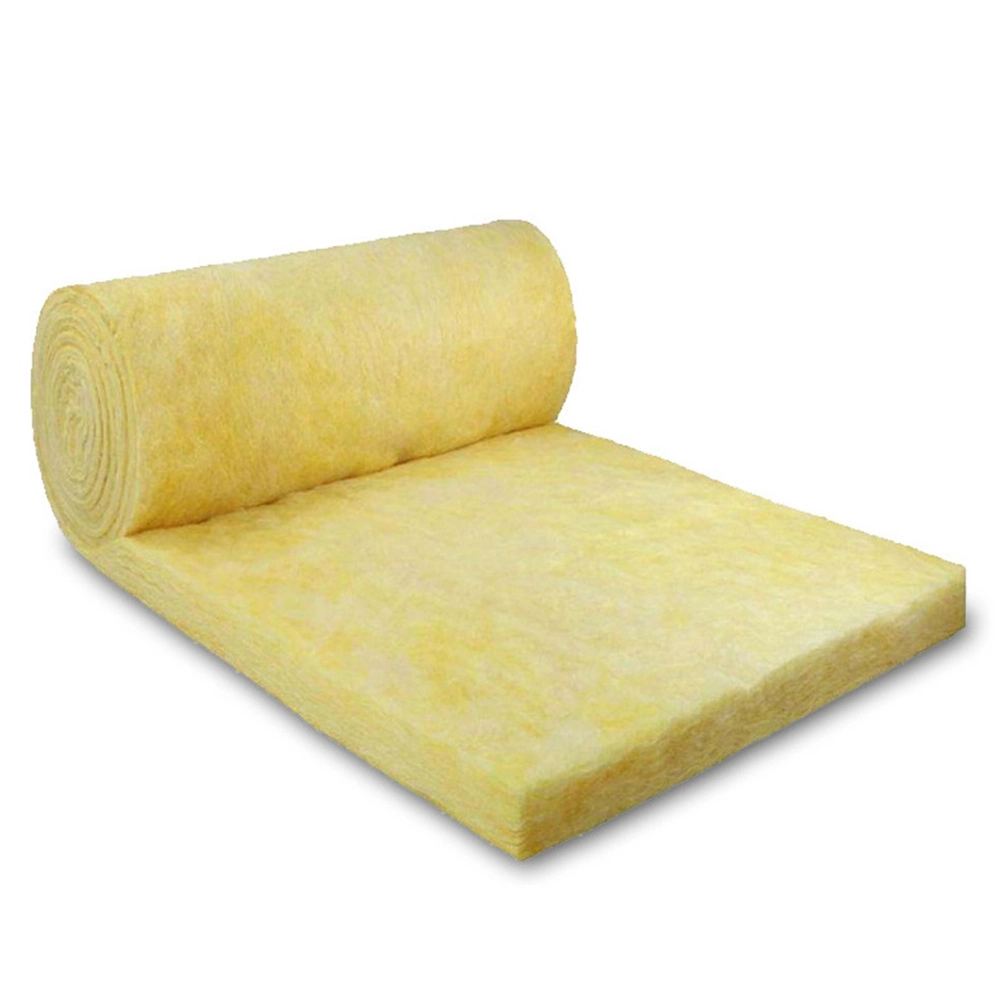
Wholesale Glass Wool Roll Blanket with or without aluminum foil
Convenient glass wool roll for easy installation. Provides effective insulation and noise reduction.
Leave a message
Have any questions or concerns about our products? Please leave us a message here and our team will get back to you promptly.
Your queries, ideas, and collaboration opportunities are just a click away. Let’s start a conversation.
