
















































How will glass wool insulation be tested in 2026?
Explore the anticipated testing methods and standards for glass wool insulation in 2026, focusing on ASTM C16 subcommittees and their impact on the thermal insulation industry.
- What Are the Key ASTM C16 Subcommittees Influencing Glass Wool Insulation Testing?
- What Are the Anticipated Testing Methods for Glass Wool Insulation in 2026?
- How Will ASTM C16 Subcommittees Contribute to Glass Wool Insulation Testing in 2026?
- What Are the Implications of These Testing Developments for Industry Stakeholders?
- Conclusion: FUNAS's Commitment to Advancing Glass Wool Insulation Testing
As the thermal insulation industry progresses towards 2026, advancements in testing methodologies for materials like glass wool insulation are expected to enhance performance, safety, and sustainability. This article delves into the anticipated testing approaches for glass wool insulation, emphasizing the role of ASTM C16 subcommittees and their influence on industry standards.
What Are the Key ASTM C16 Subcommittees Influencing Glass Wool Insulation Testing?
The ASTM C16 committee plays a pivotal role in developing and maintaining standards for thermal insulation materials. Within this committee, several subcommittees are particularly relevant to glass wool insulation testing:
Subcommittee C16.20 – Homogeneous Inorganic Thermal Insulation Materials: This subcommittee focuses on standard test methods, definitions, and specifications for inorganic thermal insulation materials, including glass wool.
Subcommittee C16.23 – Blanket and Loose Fill Insulation: Responsible for product specifications and test methods for thermal insulation materials, this subcommittee addresses standards applicable to blanket and loose-fill insulations like glass wool.
Subcommittee C16.31 – Chemical and Physical Properties: This subcommittee develops test methods related to the chemical and physical properties of thermal insulating materials, impacting the evaluation of glass wool's performance characteristics.
What Are the Anticipated Testing Methods for Glass Wool Insulation in 2026?
In 2026, testing methods for glass wool insulation are expected to evolve to address emerging industry needs:
Enhanced Fire Resistance Testing: With increasing safety standards, glass wool insulation will undergo more rigorous fire resistance tests to ensure compliance with updated regulations.
Sustainability Assessments: Environmental impact evaluations, including the use of recycled materials and lifecycle assessments, will become standard to promote eco-friendly practices.
Performance Under Variable Conditions: Tests simulating diverse environmental conditions will be developed to assess the insulation's durability and effectiveness across different climates.
How Will ASTM C16 Subcommittees Contribute to Glass Wool Insulation Testing in 2026?
The ASTM C16 subcommittees are instrumental in shaping the future of glass wool insulation testing:
Standardization of Testing Protocols: By developing and maintaining standardized test methods, these subcommittees ensure consistency and reliability in evaluating glass wool insulation.
Incorporation of Advanced Materials: Subcommittees are expected to integrate testing methods for new materials and technologies, ensuring that glass wool insulation remains competitive and effective.
Global Harmonization: Efforts to align ASTM standards with international norms will facilitate global trade and adoption of glass wool insulation products.
What Are the Implications of These Testing Developments for Industry Stakeholders?
The anticipated advancements in testing methods for glass wool insulation will have several implications for industry stakeholders:
Manufacturers: Will need to invest in research and development to meet new testing standards and maintain product competitiveness.
Regulatory Bodies: Must stay informed about evolving standards to enforce compliance and ensure public safety.
Consumers: Can expect higher-quality, more sustainable insulation products that offer improved performance and safety.
Conclusion: FUNAS's Commitment to Advancing Glass Wool Insulation Testing
FUNAS, a leading manufacturer of thermal insulation materials, is dedicated to advancing glass wool insulation testing in line with 2026 standards. The company emphasizes:
Research and Development: Investing in innovative testing methods to enhance product performance and compliance.
Quality Assurance: Implementing stringent quality control measures to meet evolving industry standards.
Sustainability Initiatives: Incorporating eco-friendly practices in product development and testing processes.
By aligning with ASTM C16 subcommittees and embracing new testing methodologies, FUNAS ensures that its glass wool insulation products meet the highest standards of quality, safety, and environmental responsibility.
References:
ASTM C16 Update - Insulation Outlook Magazine.
Subcommittee C16.23 on Blanket and Loose Fill Insulation | ASTM.
Fire-Rated Glass Wool Insulation for Safety: Trends 2025.
Insulation Certifications & Standards for Manufacturers | FUNAS. ((https://www.funasinsulations.com/insulation-certifications-standards.html))

Does sound insulation foam Actually Work in 2026? Ultimate guide About Blocking vs. Absorbing Noise
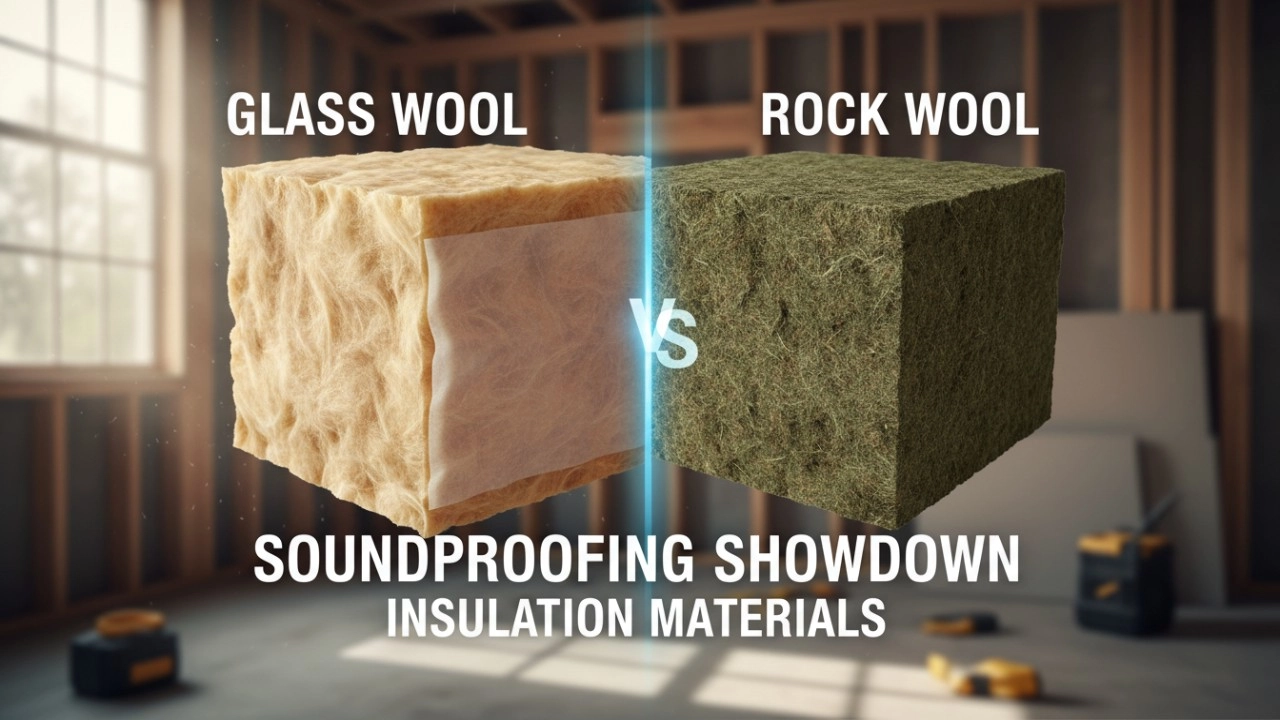
Fiberglass vs. Rockwool: Which Soundproofing Insulation Material Wins for Acoustic Control?
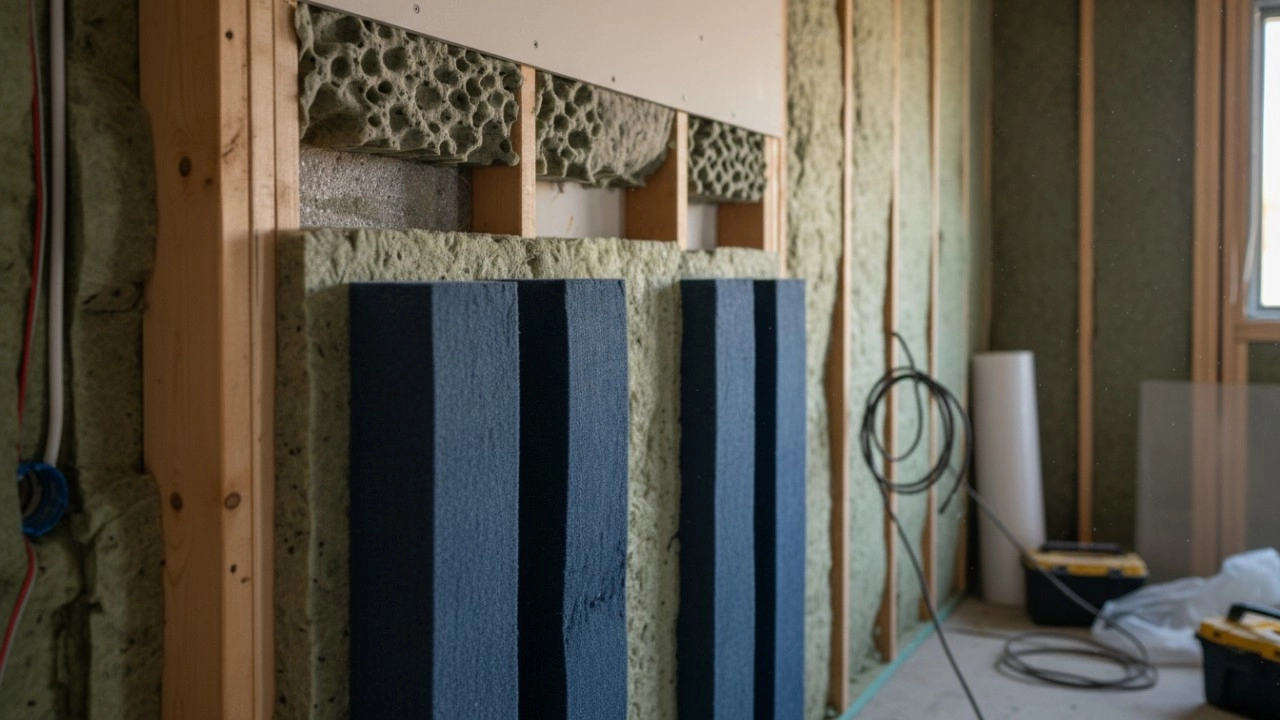
Sound Insulation Foam vs. Acoustic Panels: Which One Actually Stops Noise? (2026 Guide)
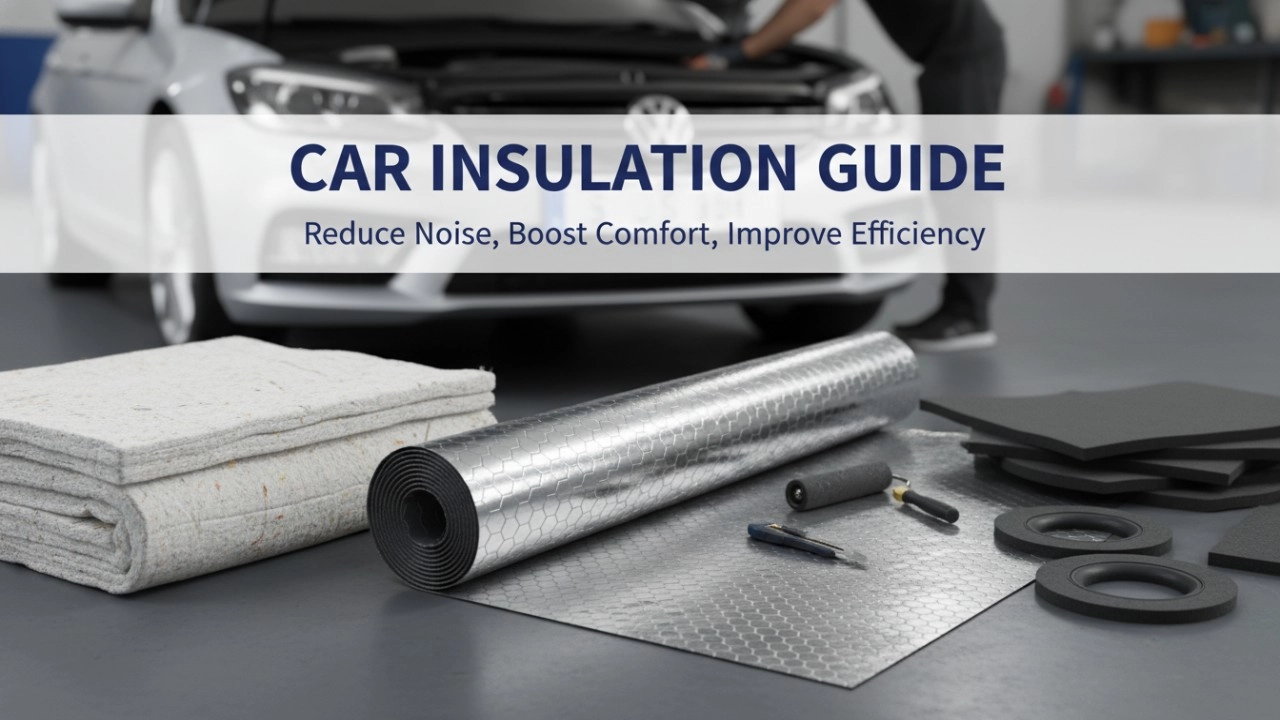
7 Dangerous Mistakes to Avoid When Selecting insulating materials for Your Car (2026 Guide)
FAQ
How do I choose the right insulation for my project?
Our team can help you choose the best material for heat insulation based on your specific needs, such as thermal resistance, acoustic properties, and environmental conditions.
How to start a consultation?
You can contact us through our website, phone, or email. We will arrange a professional staff to discuss your needs about best thermal insulator and how we can help you.
What types of rubber foam insulation do you offer?
We offer a wide range of rubber foam insulation with different thicknesses and specifications. Thermal insulation material manufacturer FUNAS sleeves and sheets are suitable for different application scenarios.
service
Are your rubber foam products environmentally friendly?
Yes, our insulation products are designed with sustainability in mind. They help reduce energy consumption by minimizing heat loss and gain, and they are made from durable materials that have a long life cycle, reducing the need for frequent replacement.
You might also like
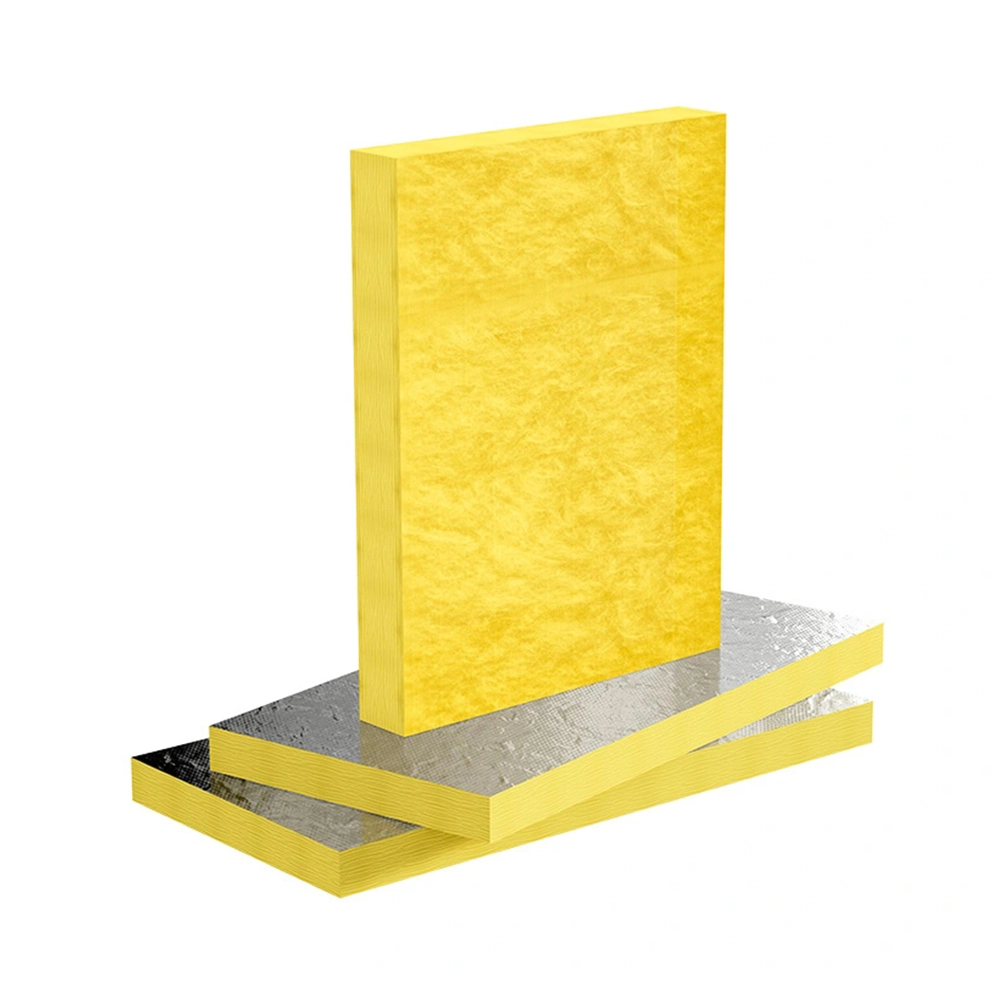
Wholesale Glass Wool Board Panel Sheet with or without aluminum foil
Premium glass wool board with excellent thermal insulation and sound absorption. Suitable for different construction needs.
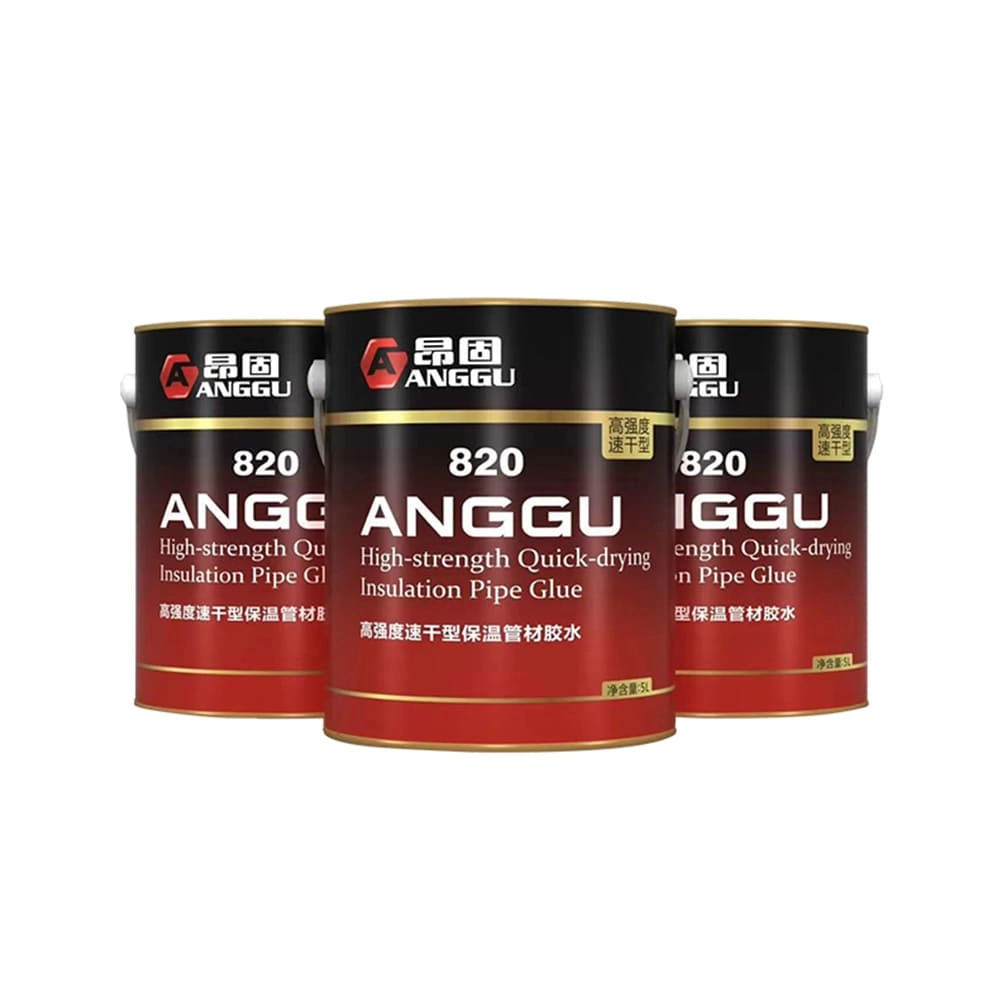
820 Pipe special adhesive
This product has passed the EU REACH non-toxic standard, ROHS non-toxic standard. (The product is black glue.)
Anggu 820glue is a low-odor, high-strength quick-drying glue; Fast drying speed, long bonding time, no powder, non-toxic.
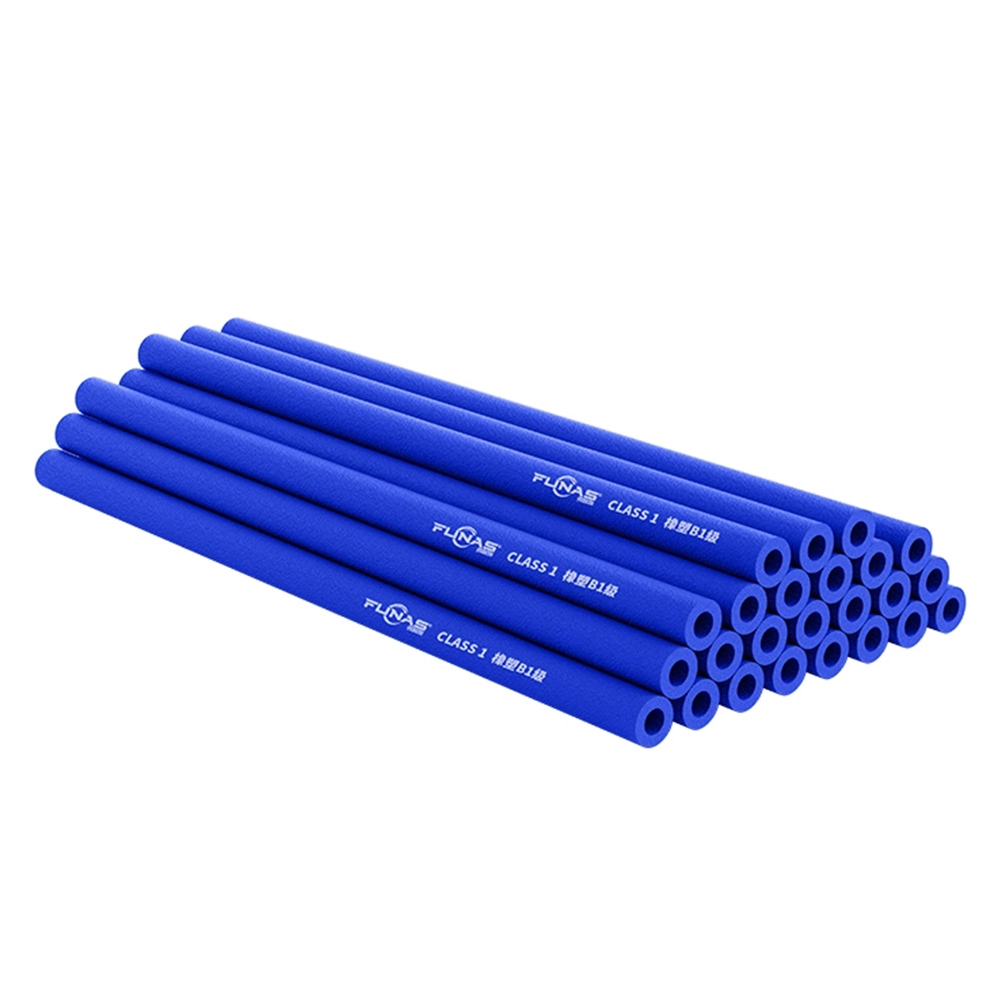
Blue Rubber-plastic Tube Rubber foam pipe wholesale
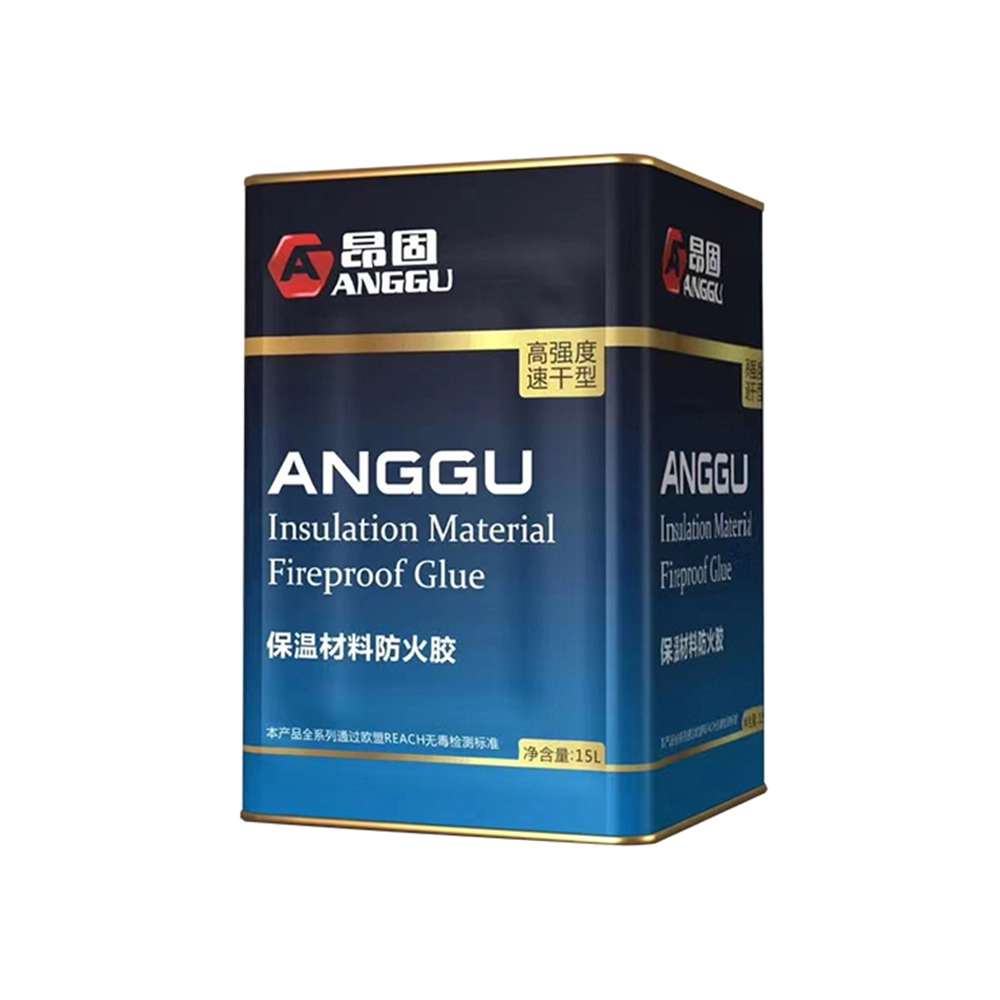
China Manufacturer ANGGU Rubber Foam Dedicated Adhesives & Sealants & Glue
Our high-performance adhesives ensure durability and excellent adhesion, guaranteeing optimal results for all your industrial needs. Specially formulated for precision and strength, Funas adhesives offer seamless application and long-lasting reliability. Trust in quality and innovation with our dedicated rubber foam adhesives. Perfect your projects with Funas, where excellence meets commitment.
Leave a message
Have any questions or concerns about our products? Please leave us a message here and our team will get back to you promptly.
Your queries, ideas, and collaboration opportunities are just a click away. Let’s start a conversation.
