

















































Why Glass Wool is the Secret to a 40% Lower Energy Bill: An Expert Deep Dive
Glass wool insulation offers a scientifically proven path to reducing HVAC costs by up to 40%. This expert guide explores its thermal physics, modern biosoluble safety standards, and 2026 cost-benefit analysis compared to rockwool and spray foam.
- Quick Summary: The Efficiency "Cheat Sheet"
- What Is Glass Wool? (And Why It Matters for Your Bills)
- The Physics of Efficiency
- Composition Breakdown
- The 40% Savings Claim: Breaking Down the Numbers
- Real-World ROI Analysis
- Glass Wool vs. The Competition: A Cost-Efficiency Battle
- 1. Glass Wool vs. Rockwool (Stone Wool)
- 2. Glass Wool vs. Spray Foam
- Expert Installation Tips: Don't Kill Your R-Value
- The "Compression" Mistake
- Vapor Barriers
- PPE Best Practices
- Health, Safety & The "Itch" Factor: Myths vs. Reality
- IARC Classification
- Indoor Air Quality
- Future Trends: Glass Wool Innovations (2026-2030)
- Frequently Asked Questions (FAQ)
- Is glass wool safe to breathe during installation?
- Does glass wool insulation lose its R-value over time?
- What happens if glass wool gets wet?
- Is glass wool fire resistant?
- Can I install glass wool over existing insulation?
- How does glass wool compare to rockwool for soundproofing?
- What is the typical R-value of glass wool?
- Is glass wool eco-friendly?
- References
Quick Summary: The Efficiency "Cheat Sheet"
Glass wool insulation is a cost-effective thermal barrier that can reduce residential heating and cooling loads by up to 40% when installed correctly.
· High ROI: Offers the best cost-to-performance ratio for residential retrofits, with payback periods often under 4 years.
· Modern Safety: Contemporary glass fiber wool is biosoluble and classified as non-carcinogenic by the IARC.
· Critical Installation: Compressing a 100mm batt into a 50 mm space can reduce its effectiveness by 50%, killing your savings.
· Versatility: It serves as both a thermal barrier and a soundproofing insulation material for walls and ceilings.
What Is Glass Wool? (And Why It Matters for Your Bills)
Glass wool is an insulating material composed of melted glass fibers arranged into a texture similar to wool, specifically engineered to trap millions of micro-air pockets that disrupt conductive heat transfer.
The Physics of Efficiency
Unlike solid materials that conduct heat, the air trapped within wool glass creates a thermal break. This resistance is measured as the R-value. The higher the R-value, the less your HVAC system has to work. According to 2025 data from the Global Building Thermal Insulation Market report, buildings equipped with high-performance mineral wools can achieve energy savings of 30% to 50% compared to uninsulated structures.
Composition Breakdown
· Recycled Content: Made primarily from up to 80% recycled glass (cullet) and silica sand.
· Binder: Modern manufacturers use plant-based, formaldehyde-free binders (like ECOSE technology) to hold fibers together.
· Differentiation: While often used interchangeably with standard fiberglass, glass mineral wool insulation specifically refers to the fibrous, wool-like structure that maximizes air retention.
The 40% Savings Claim: Breaking Down the Numbers
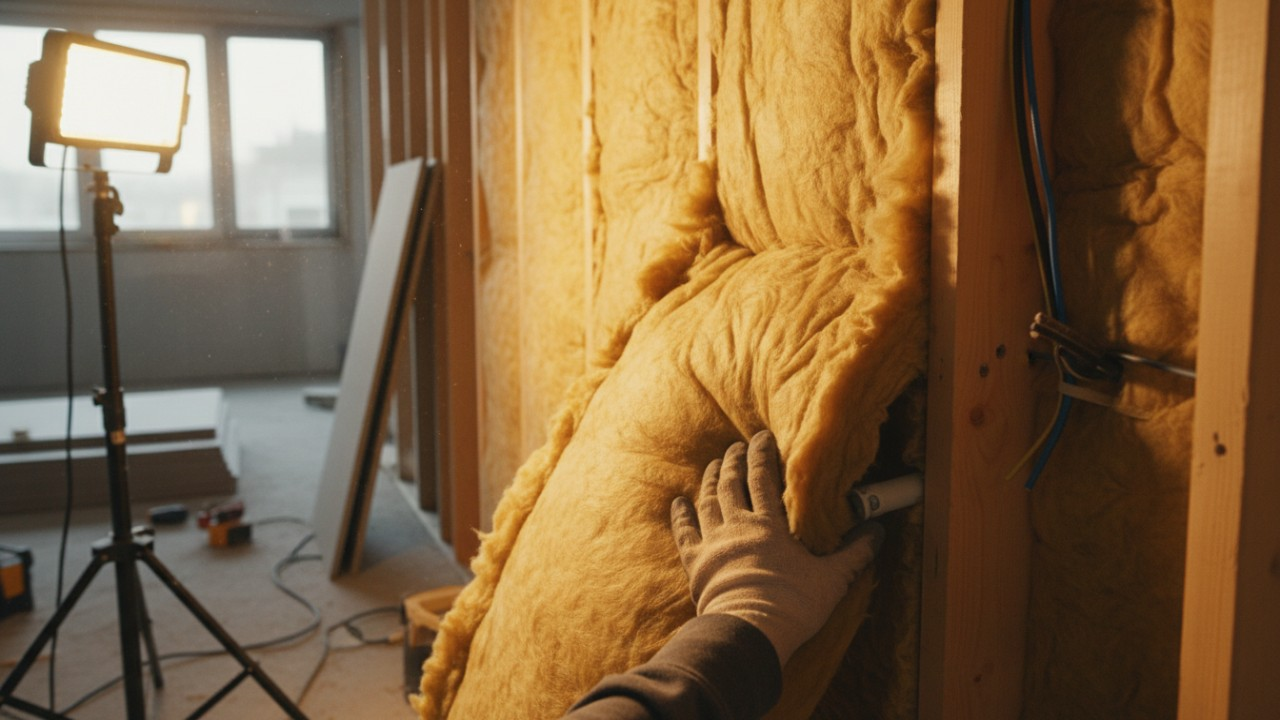
Glass wool for insulation generates a 40% reduction in energy bills by sealing the thermal envelope of a building, effectively stopping heat loss through roofs.
Real-World ROI Analysis
To understand the financial impact, consider a standard 2,000 sq. ft. home in a temperate climate (Zone 4):
1. Baseline Energy Cost: $2,400/year for heating/cooling.
2. Retrofit Cost: Installing R-38 fiberglass wool in the attic costs approximately $1.00 - $1.50 per sq. ft.
3. Projected Savings: Recent studies from Gordian (2024) indicate that insulation upgrades typically yield an ROI of over 100% over the home's lifespan.
4. Payback Period: With a monthly saving of roughly $80 (40% of the HVAC portion), the installation pays for itself in roughly 2-3 years.
Note: Actual savings depend on preventing "thermal bridging"—heat escaping through wood studs—which is why glass wool is often paired with continuous rigid foam.
Glass Wool vs. The Competition: A Cost-Efficiency Battle
Glass wool remains the best insulation material for budget-conscious homeowners who demand high R-values without the premium price tag of stone wool.
1. Glass Wool vs. Rockwool (Stone Wool)
· Cost: Glass wool is significantly cheaper ($0.30 - $1.50/sq ft) compared to Rockwool ($1.00 - $2.00/sq ft).
· Density: Rockwool is denser and offers slightly better fire resistance, but for pure thermal ROI in dry areas, glass wool wins.
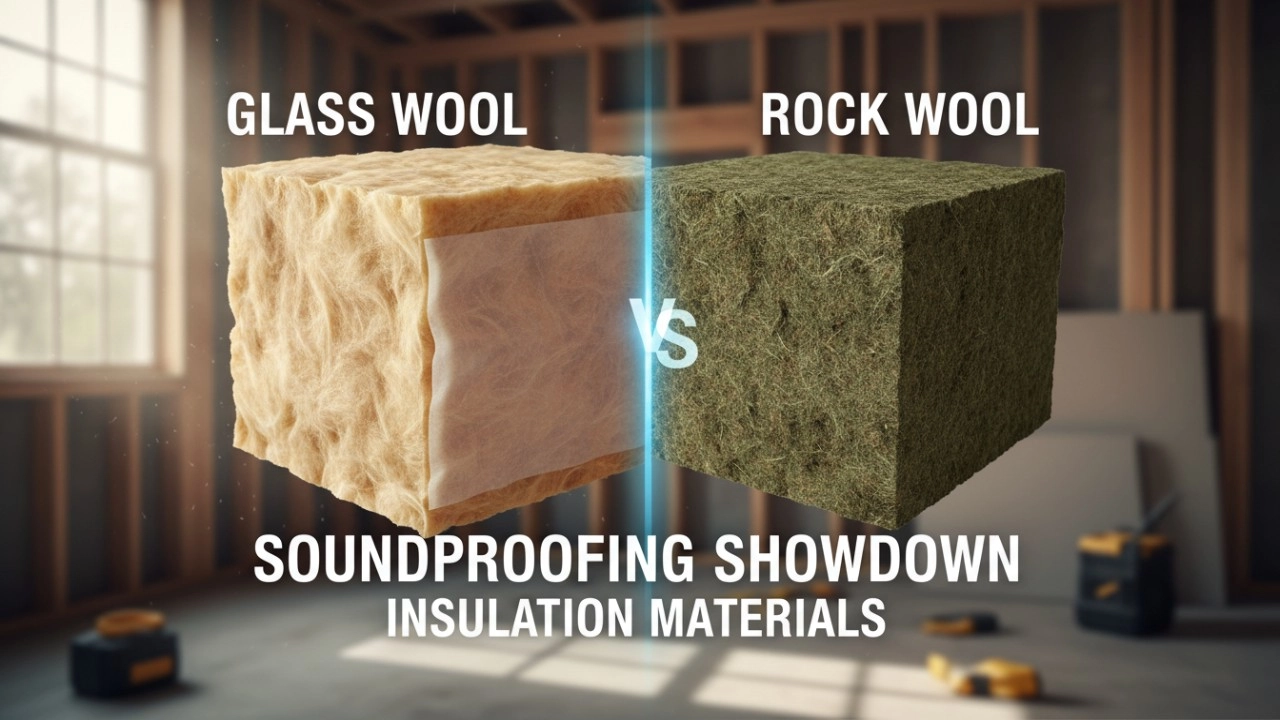
· Acoustics: While Rockwool blocks low frequencies better, glass wool is highly effective for mid-to-high frequencies, making it a viable car sound insulation material and home silencer.
2. Glass Wool vs. Spray Foam
· Upfront Cost: Spray foam can cost 3x-4x more than glass wool.
· Installation: Glass wool is DIY-friendly; spray foam requires professional equipment.
|
Feature |
Glass Wool |
Rockwool |
Spray Foam |
|
Cost per sq. ft. |
Low ($0.50-$1.50) |
Medium ($1.00-$2.00) |
High ($1.50-$4.00) |
|
R-Value per Inch |
R-2.2 to R-4.3 |
R-3.0 to R-3.3 |
R-3.5 to R-7.0 |
|
Fire Resistance |
Noncombustible |
Extreme Heat |
Flammable (needs barrier) |
|
DIY Friendly? |
Yes |
Yes |
No |
For a detailed look at the major players in this space, check out our review of the Top 10 Glass Wool Manufacturers and Supplier Brands.
Expert Installation Tips: Don't Kill Your R-Value
Glass wool insulation performance relies entirely on loft; compressing a 6-inch batt into a 3-inch cavity reduces its R-value by nearly half, destroying your energy efficiency.
The "Compression" Mistake
Many DIYers jam insulation behind pipes or wires. Instead, you must split the batt so it fits around the obstruction. Air pockets must remain fluffy to resist heat flow.
Vapor Barriers
· Warm Climates: Vapor barrier faces the exterior.
· Cold Climates: Vapor barrier (kraft paper) faces the warm interior.
· Mistake: Installing a second layer of faced insulation over an existing one traps moisture, leading to mold. Always use unfaced batts for "top-ups."
PPE Best Practices
Modern fibers are less irritating, but you should still:
· Wear a disposable coverall and N95 mask.
· Use cold water to wash fibers off skin (hot water opens pores).
Health, Safety & The "Itch" Factor: Myths vs. Reality
Modern glass wool is biosoluble, meaning if fibers are inhaled, they dissolve in the lung fluid and are cleared by the body, unlike asbestos or older fiberglass formulations.
IARC Classification
According to the International Agency for Research on Cancer (IARC) (reconfirmed in recent safety reviews), glass wool insulation is classified in Group 3, meaning it is "not classifiable as to its carcinogenicity to humans."
Indoor Air Quality
Once sealed behind drywall, fiberglass wool does not release fibers into the air. Concerns arise only during installation or demolition, which is why proper PPE is mandatory. Brands now use bio-based binders that eliminate added formaldehyde, improving indoor air quality significantly.
Future Trends: Glass Wool Innovations (2026-2030)
As we look toward 2026, the industry is shifting toward "smart insulation" and circular economy principles, ensuring glass wool remains a top contender.
1. Circular Economy: Manufacturers are pushing for 90%+ recycled glass content to meet net-zero carbon goals.
2. Vacuum Insulation Panels (VIPs): New composites use a glass wool core inside a vacuum-sealed bag, achieving R-values 5x higher than standard batts for ultra-thin applications.
3. Automotive Applications: Advanced, lightweight car insulation material derived from glass fibers is being used in EVs to reduce cabin noise without adding heavy mass.
For more on automotive trends, read our 2026 Guide to Car Noise Insulation.
Frequently Asked Questions (FAQ)
Is glass wool safe to breathe during installation?
Modern glass wool is biosoluble and safer than older variants, but mechanical irritation of the throat and lungs can occur. Always wear an N95 mask (respirator) to prevent temporary irritation. Long-term risk is considered minimal for products compliant with EU Note Q and IARC Group 3 standards.
Does glass wool insulation lose its R-value over time?
Glass wool generally maintains its R-value for the life of the building (50+ years) provided it stays dry and is not physically compressed. Loose-fill blown-in wool may settle slightly over decades, reducing efficiency by a small percentage, but batts are dimensionally stable.
What happens if glass wool gets wet?
Wet glass wool loses almost all its insulating ability because water conducts heat 25 times faster than air. If the water is clean and the wool dries out completely without matting or compacting, it may regain its R-value. However, if it becomes contaminated or moldy, it must be replaced.
Is glass wool fire resistant?
Yes, glass wool is non-combustible and typically rated Class A for fire resistance. It can withstand temperatures up to approximately 230°C (450°F) before the binder degrades, but the glass fibers themselves will not burn, acting as a fire barrier.
Can I install glass wool over existing insulation?
Yes, "topping up" with fresh glass wool is a highly effective way to boost energy efficiency. Ensure you use unfaced batts (no vapor barrier) on top of the existing layer to prevent trapping moisture between the two layers.
How does glass wool compare to rockwool for soundproofing?
Rockwool is denser and better for low-frequency bass blocking, but glass wool is a highly effective soundproofing insulation material for mid-to-high frequencies. For standard interior partition walls, glass wool offers a better price-to-performance ratio for noise reduction.
What is the typical R-value of glass wool?
The R-value typically ranges from R-2.2 to R-4.3 per inch, depending on density. Standard 2x4 walls usually take R-13 or R-15 batts, while 2x6 walls accommodate R-19 or R-21. High-density (HD) variants offer more insulation in the same thickness.
Is glass wool eco-friendly?
Yes, it is one of the most sustainable insulation options, typically containing up to 80% recycled glass. The energy saved by the insulation over its lifetime is hundreds of times greater than the energy required to manufacture it.
References
· Glass Wool Insulation Market: Insights & Trends 2025 to 2035

Does sound insulation foam Actually Work in 2026? Ultimate guide About Blocking vs. Absorbing Noise
Fiberglass vs. Rockwool: Which Soundproofing Insulation Material Wins for Acoustic Control?
Sound Insulation Foam vs. Acoustic Panels: Which One Actually Stops Noise? (2026 Guide)
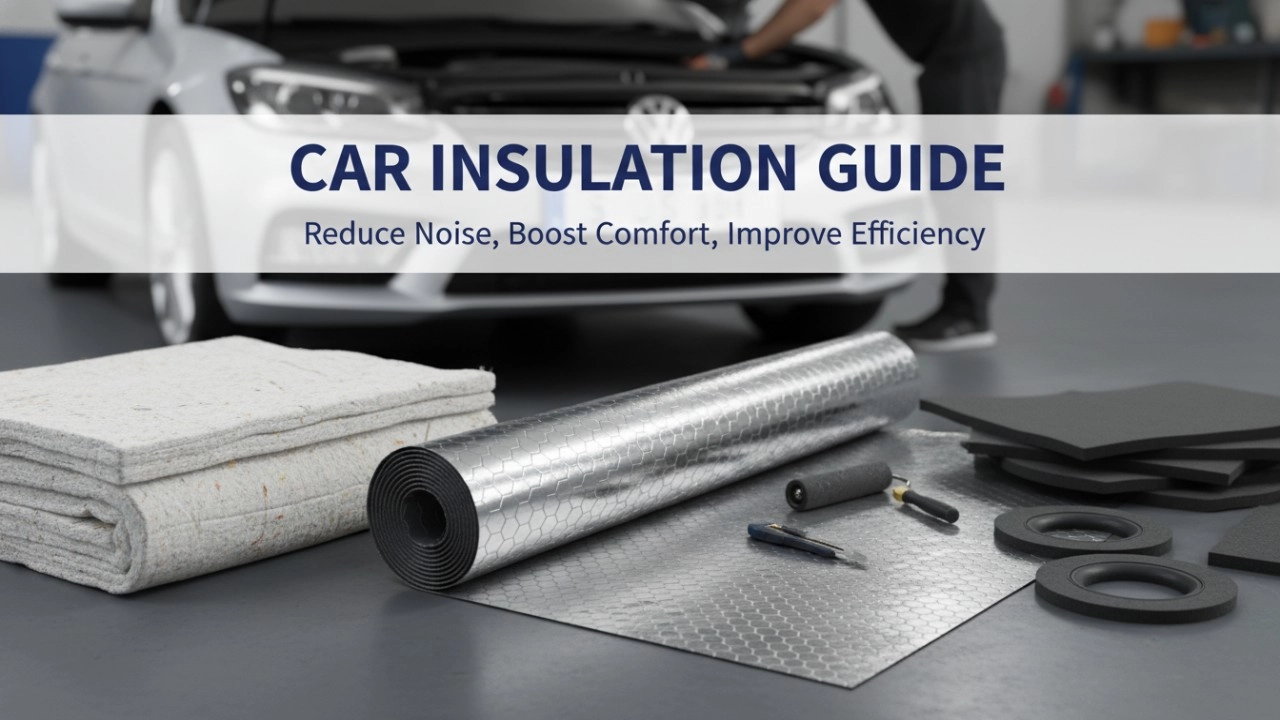
7 Dangerous Mistakes to Avoid When Selecting insulating materials for Your Car (2026 Guide)
service
What is your shipping and delivery process like?
We offer reliable logistics services for insulation material wholesale, both domestically and internationally. Our team ensures secure packaging, timely shipping, and real-time tracking so that your order reaches you in perfect condition and on schedule.
Are your rubber foam products environmentally friendly?
Yes, our insulation products are designed with sustainability in mind. They help reduce energy consumption by minimizing heat loss and gain, and they are made from durable materials that have a long life cycle, reducing the need for frequent replacement.
FAQ
What types of rubber foam insulation do you offer?
We offer a wide range of rubber foam insulation with different thicknesses and specifications. Thermal insulation material manufacturer FUNAS sleeves and sheets are suitable for different application scenarios.
Can your insulation products be customized?
Yes, we offer customized solutions for insulation material wholesale to meet the specifications of your project, including custom specifications, sizes, foils and adhesives, colors, etc.
You might also like
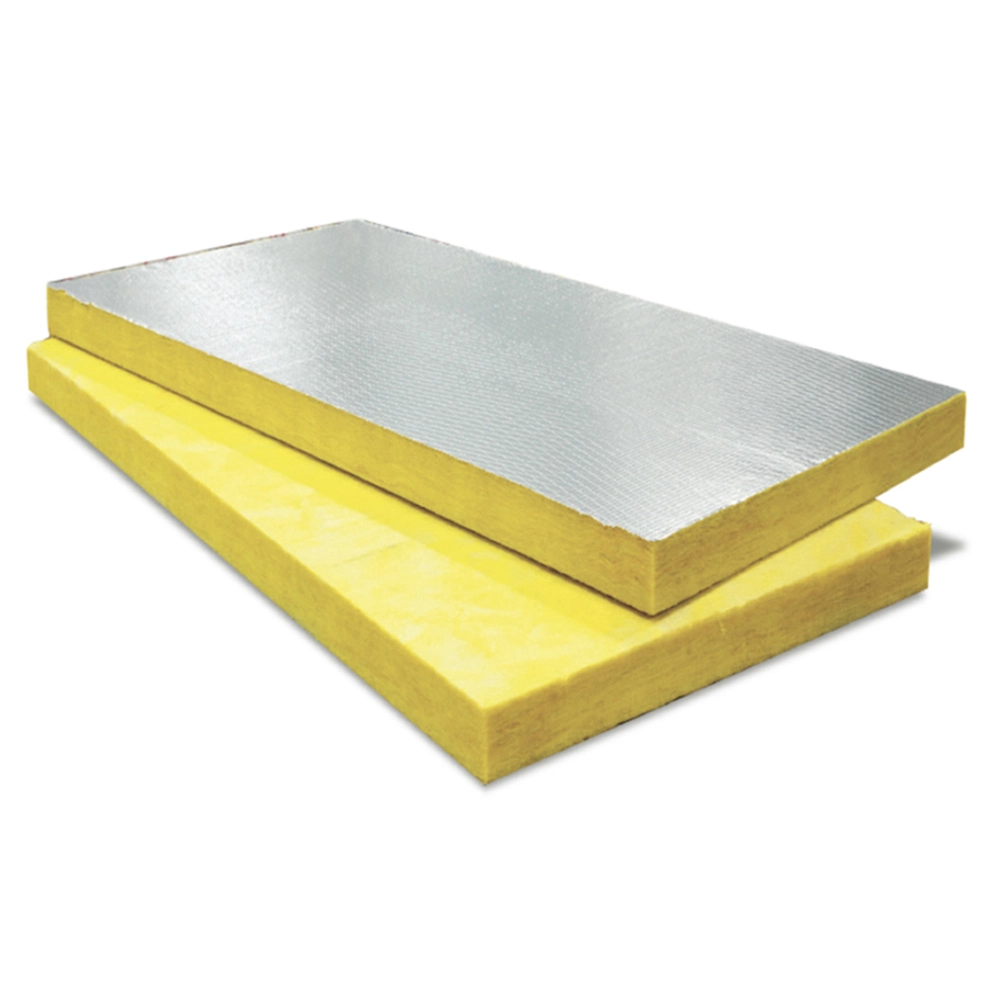
Wholesale Roof And Wall Thermal Heat Insulation 50mm Thickness Aluminum Foil Fiberglass Insulation Panel Board Glass Wool Price
Glass wool is the molten glass fiber, the formation of cotton-like material, chemical composition belongs to the glass category, is a kind of inorganic fiber. With good molding, small volume density, thermal conductivity both, thermal insulation, sound absorption performance is good, corrosion resistance, chemical stability and so on.
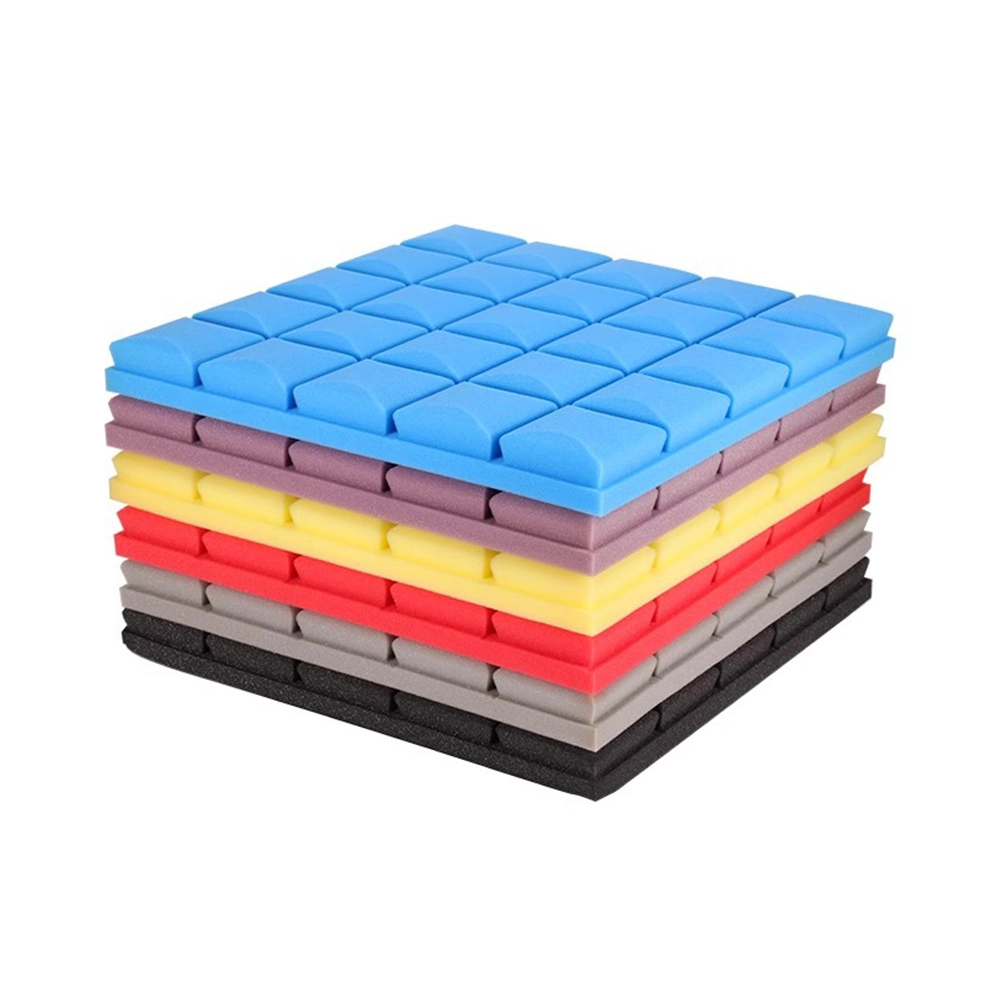
Wholesale High-Density Acoustic Foam Sound-absorbing Sponge Soundproof Cotton
Enhance sound clarity and reduce noise with FUNAS Wholesale High-Density Acoustic Foam Sound-absorbing Sponge. Polyurethane sponge is a low density PU with foam density less than 18 kg/m3. This premium soundproof cotton delivers superior sound absorption, perfect for studios, offices, and home theaters. Optimize your acoustic environment now!
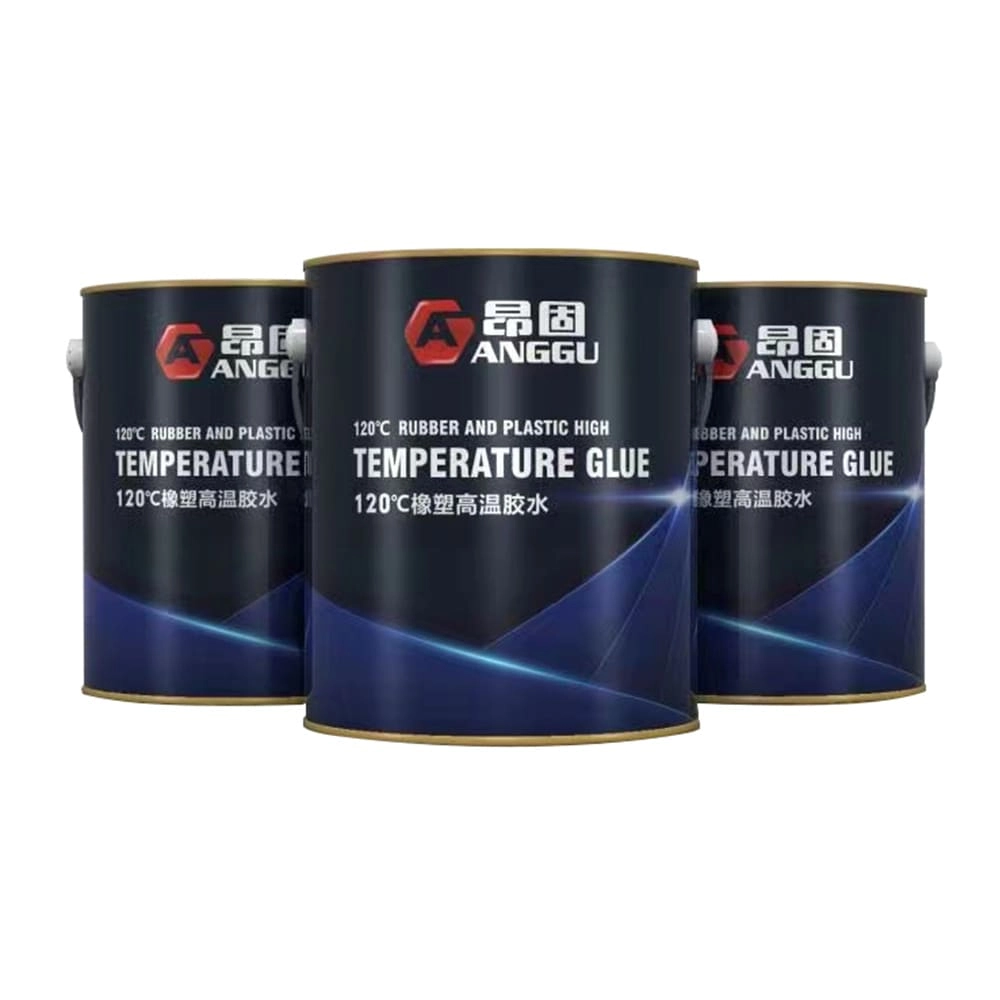
120°Rubber foam high-temperature adhesive
This product has passed the EU REACH non-toxic standard and the ROHS non-toxic standard. (The product is yellow glue.)
Anggu 120 ° rubber-plastic high-temperature glue is an extravagant product, mainly used for various intractable diseases, high temperatures, and harsh and demanding places. This product is a low-odor, high-strength quick-drying glue; table drying speed, long bonding time, no powder, non-toxic, wide range of applications, can be applied to most insulation materials.
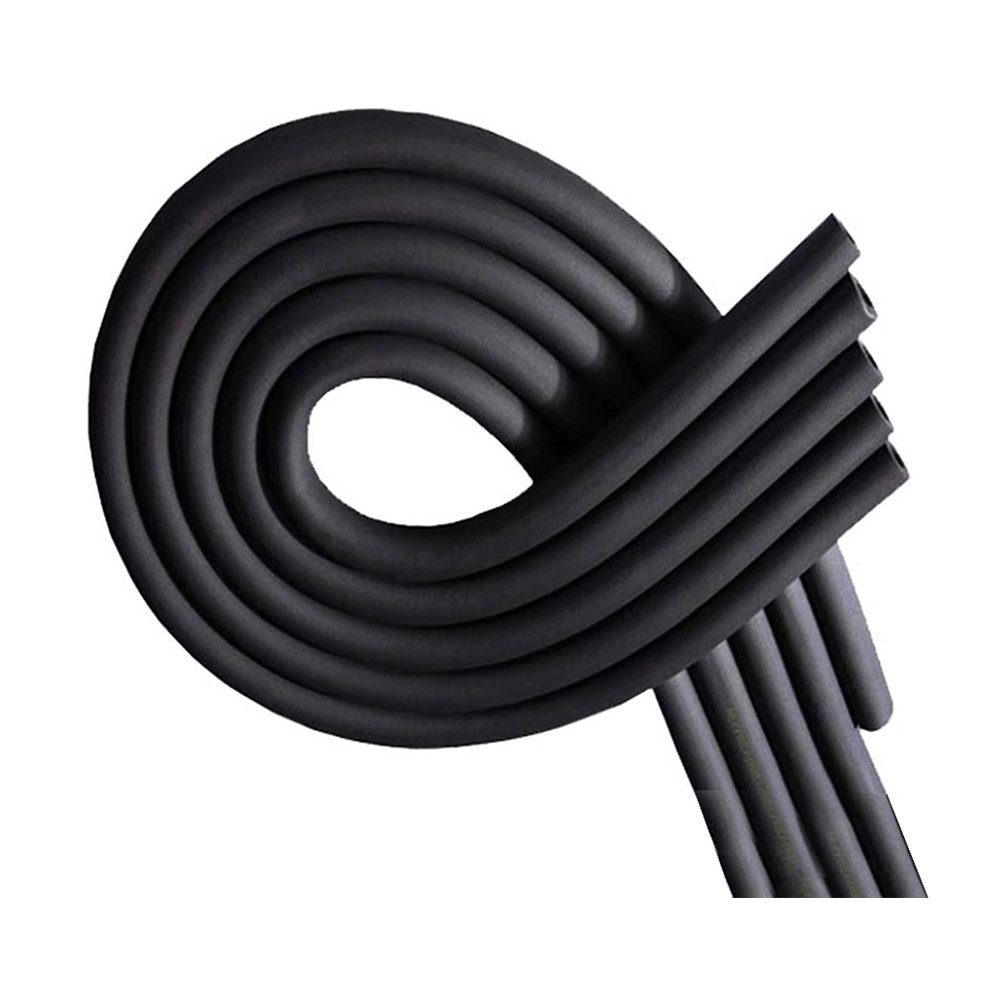
Wholesale Black nitrile rubber foam pipe rubber NBR foam tube rubber foam insulation tube for hvac system
Leave a message
Have any questions or concerns about our products? Please leave us a message here and our team will get back to you promptly.
Your queries, ideas, and collaboration opportunities are just a click away. Let’s start a conversation.
