


















































What testing standards will govern Foam Rubber Sheet in 2026?
Explore the key testing standards governing foam rubber sheets in 2026, including ASTM D1056-00, ISO 20632, and ASTM D6226, to ensure compliance and quality in thermal insulation materials.
- Understanding Foam Rubber Sheet Testing Standards in 2026
- 1. What are the primary testing standards for foam rubber sheets in 2026?
- 2. How do these standards impact the selection of foam rubber sheets?
- 3. Are there environmental and health considerations associated with foam rubber sheets?
- 4. How can I verify the compliance of foam rubber sheets with these standards?
- 5. What are the implications of non-compliance with these standards?
- 6. How can I ensure the quality of foam rubber sheets during procurement?
- 7. What role does FUNAS play in ensuring compliance with these standards?
Understanding Foam Rubber Sheet Testing Standards in 2026
As the demand for high-quality thermal insulation materials continues to rise, it's crucial for industry professionals to stay informed about the latest testing standards for foam rubber sheets. In 2026, several key standards will govern the performance, safety, and environmental compliance of these materials. This article addresses common questions and provides insights to assist in the procurement process.
1. What are the primary testing standards for foam rubber sheets in 2026?
In 2026, the following standards are pivotal:
ASTM D1056-00: This specification covers flexible cellular rubber products, including sponge and expanded rubber. It outlines requirements for physical properties such as density, compression-deflection, and low-temperature flexibility.
ISO 20632: This standard focuses on fire testing of insulating foams, detailing procedures to assess flammability, smoke density, and other fire-related properties.
ASTM D6226: This test method determines the open-cell content of rigid cellular plastics, which is essential for understanding the material's thermal insulation and moisture resistance properties.
2. How do these standards impact the selection of foam rubber sheets?
Adhering to these standards ensures that foam rubber sheets meet specific performance criteria:
ASTM D1056-00: Guarantees that the material possesses the necessary physical properties for its intended application.
ISO 20632: Ensures the material's fire safety, which is critical for building codes and safety regulations.
ASTM D6226: Provides insights into the material's thermal efficiency and moisture resistance, influencing energy efficiency and durability.
3. Are there environmental and health considerations associated with foam rubber sheets?
Yes, environmental and health factors are significant:
Chemical Composition: Materials like EVA (ethylene vinyl acetate) foam may contain formamide, a chemical of concern.
Regulatory Compliance: Ensure that the foam rubber sheets comply with environmental regulations such as REACH and RoHS, which restrict hazardous substances.
4. How can I verify the compliance of foam rubber sheets with these standards?
To verify compliance:
Request Certification: Obtain certificates from manufacturers confirming adherence to relevant standards.
Third-Party Testing: Engage accredited laboratories to perform independent tests on the materials.
Review Documentation: Examine technical datasheets and compliance reports provided by the manufacturer.
5. What are the implications of non-compliance with these standards?
Non-compliance can lead to:
Safety Hazards: Increased risk of fire or health issues due to hazardous substances.
Legal Consequences: Potential violations of building codes and environmental laws.
Operational Challenges: Reduced material performance, leading to higher energy costs and maintenance needs.
6. How can I ensure the quality of foam rubber sheets during procurement?
To ensure quality:
Supplier Selection: Choose reputable suppliers with a track record of quality and compliance.
Quality Assurance: Implement stringent quality control measures, including regular inspections and testing.
Documentation: Maintain thorough records of all compliance certifications and test results.
7. What role does FUNAS play in ensuring compliance with these standards?
FUNAS is committed to providing high-quality thermal insulation materials that adhere to international standards. Their products undergo rigorous testing to ensure compliance with ASTM D1056-00, ISO 20632, and ASTM D6226. Additionally, FUNAS ensures that their materials meet environmental and health regulations, offering products that are both safe and effective.
In conclusion, understanding and adhering to the relevant testing standards is essential for selecting foam rubber sheets that offer optimal performance, safety, and environmental compliance. By considering these factors, industry professionals can make informed decisions that align with both regulatory requirements and project specifications.
FUNAS's dedication to quality and compliance makes them a reliable partner in the procurement of thermal insulation materials.

Does sound insulation foam Actually Work in 2026? Ultimate guide About Blocking vs. Absorbing Noise
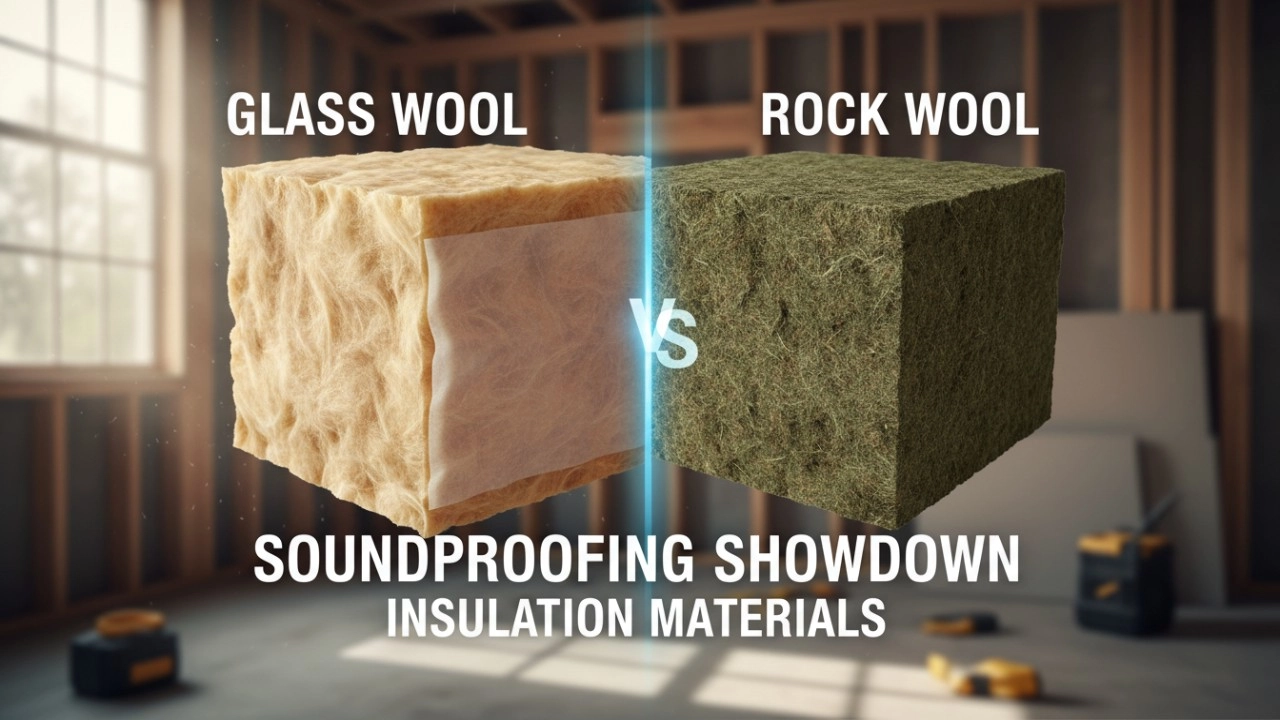
Fiberglass vs. Rockwool: Which Soundproofing Insulation Material Wins for Acoustic Control?
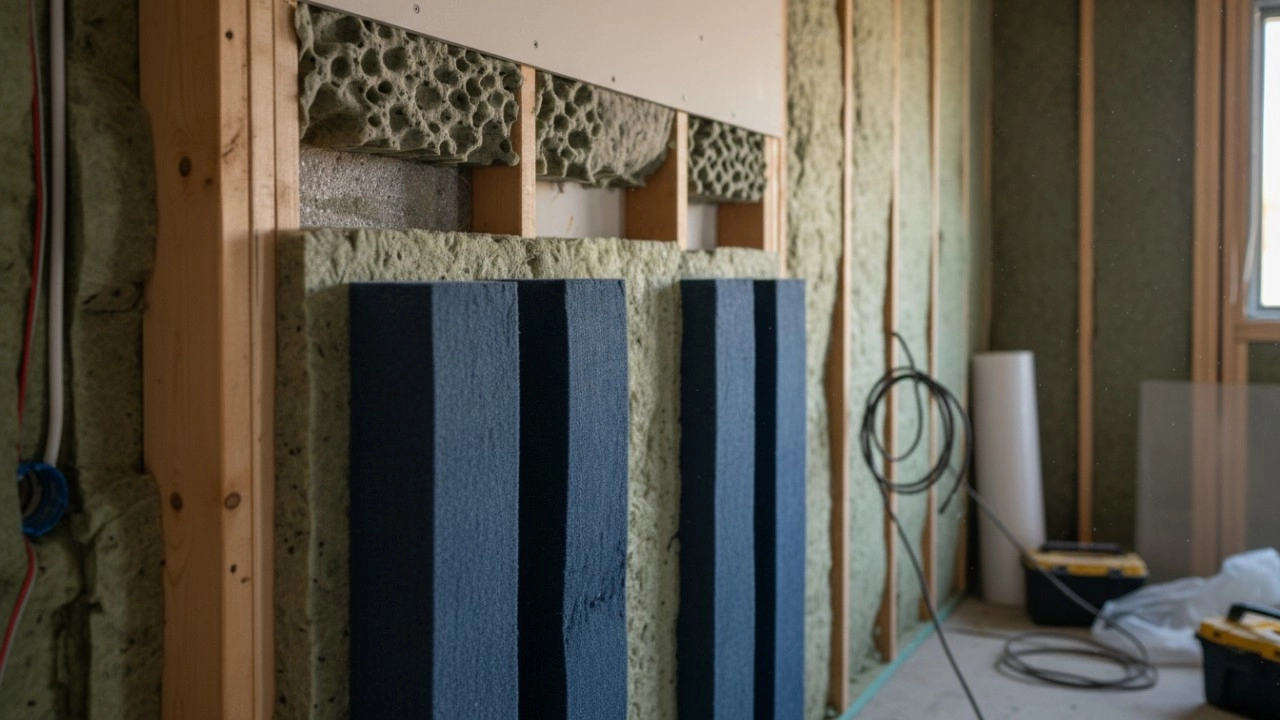
Sound Insulation Foam vs. Acoustic Panels: Which One Actually Stops Noise? (2026 Guide)
7 Dangerous Mistakes to Avoid When Selecting insulating materials for Your Car (2026 Guide)
service
Can I request custom dimensions or properties for my insulation needs?
Yes, we specialize in custom solutions. Whether you need specific dimensions, thicknesses, densities, or additional coatings, we can work with you to manufacture insulation products tailored to your exact requirements of good materials for heat insulation.
What is your shipping and delivery process like?
We offer reliable logistics services for insulation material wholesale, both domestically and internationally. Our team ensures secure packaging, timely shipping, and real-time tracking so that your order reaches you in perfect condition and on schedule.
Are your rubber foam products environmentally friendly?
Yes, our insulation products are designed with sustainability in mind. They help reduce energy consumption by minimizing heat loss and gain, and they are made from durable materials that have a long life cycle, reducing the need for frequent replacement.
FAQ
How to start a consultation?
You can contact us through our website, phone, or email. We will arrange a professional staff to discuss your needs about best thermal insulator and how we can help you.
You might also like
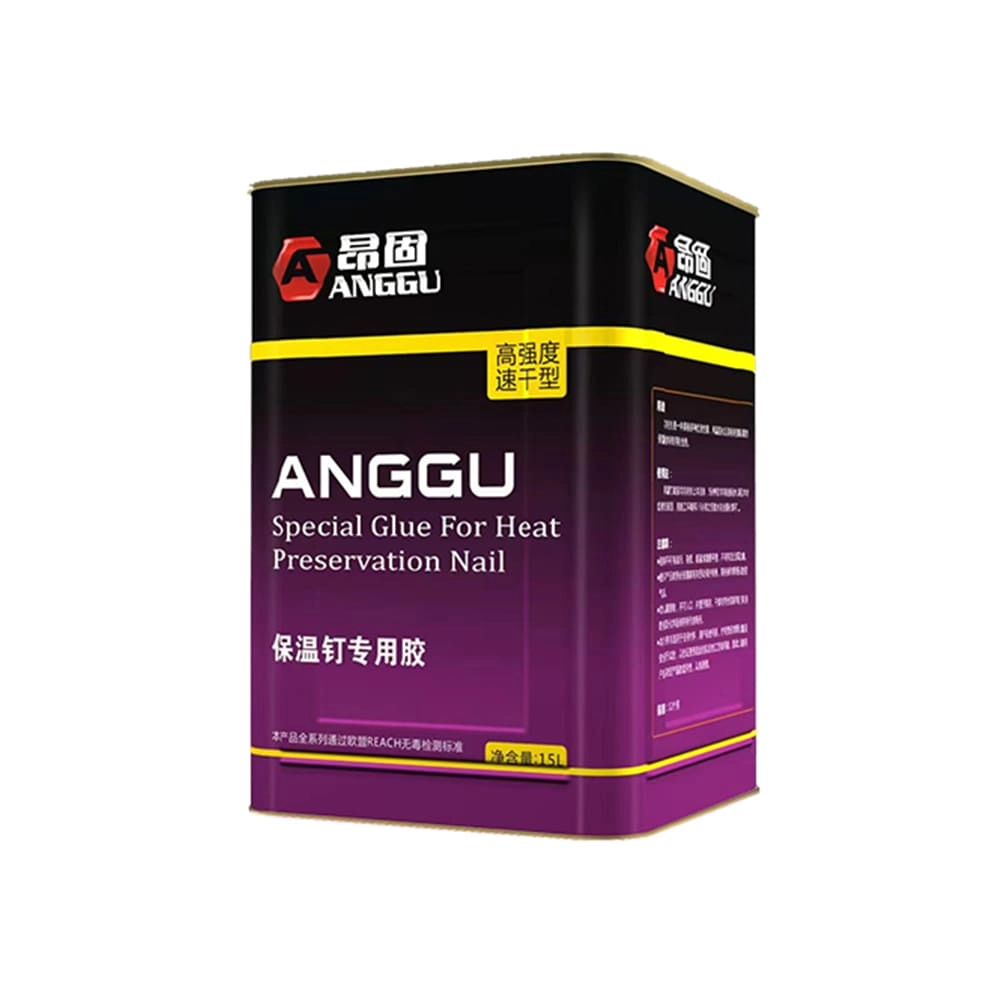
Special adhesive for insulation nail
This product has passed the EU REACH non-toxic standard and ROHS non-toxic standard. (This product is a yellow liquid).
Anggu insulation nail special adhesive is a adhesive with high viscosity, slow drying, aging resistance, high strength, and excellent brushing performance; The special adhesive for insulation nails has a slow drying speed and strong adhesion to the iron sheet. It can be flexibly moved during construction, and has a strong bonding force after curing, low odor.and is non-toxic.
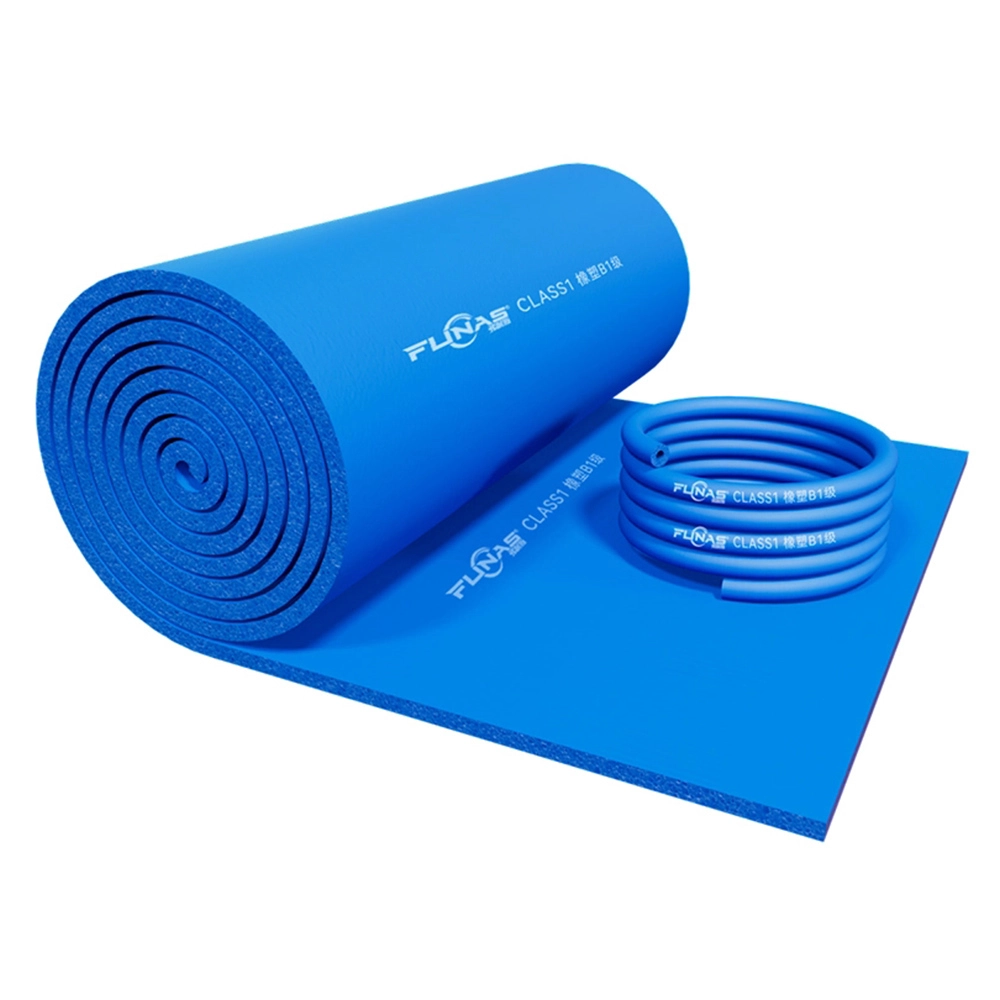
Wholesale blue Rubber-plastic Board Rubber foam panel sheet
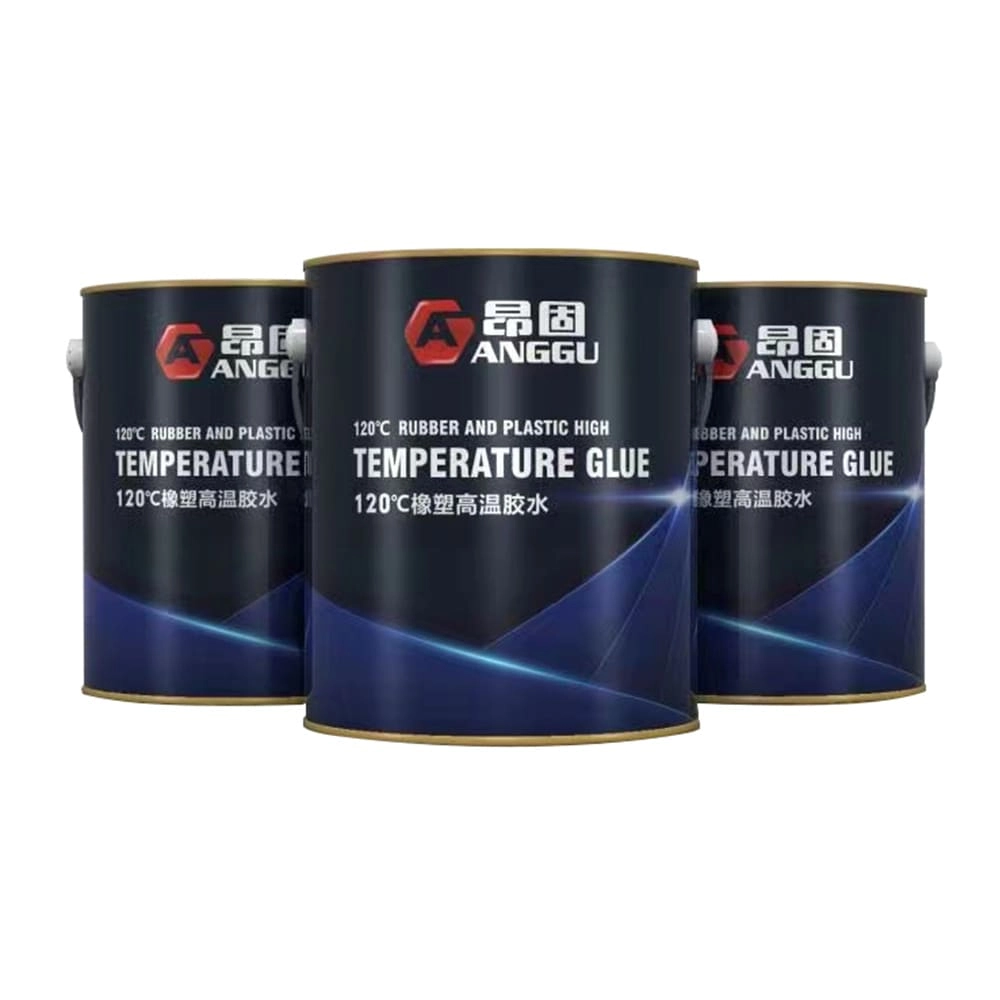
120°Rubber foam high-temperature adhesive
This product has passed the EU REACH non-toxic standard and the ROHS non-toxic standard. (The product is yellow glue.)
Anggu 120 ° rubber-plastic high-temperature glue is an extravagant product, mainly used for various intractable diseases, high temperatures, and harsh and demanding places. This product is a low-odor, high-strength quick-drying glue; table drying speed, long bonding time, no powder, non-toxic, wide range of applications, can be applied to most insulation materials.
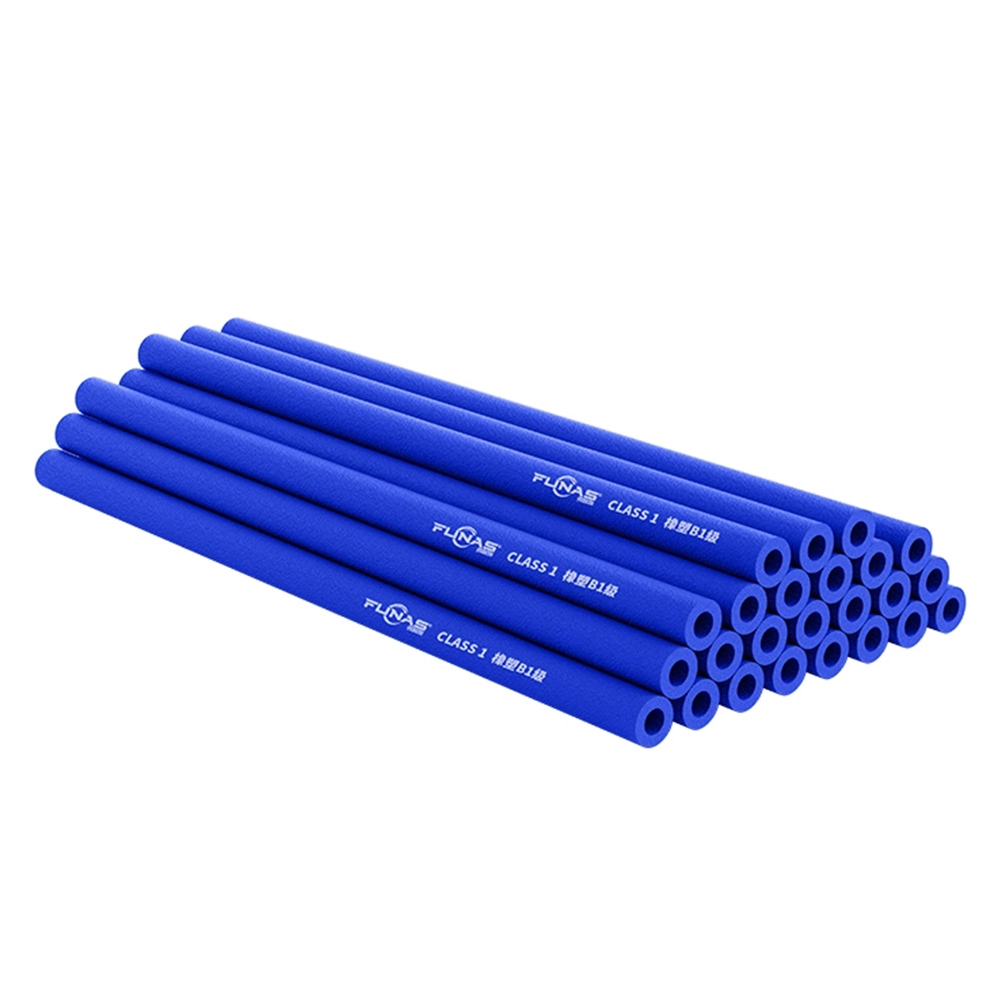
Blue Rubber-plastic Tube Rubber foam pipe wholesale
Leave a message
Have any questions or concerns about our products? Please leave us a message here and our team will get back to you promptly.
Your queries, ideas, and collaboration opportunities are just a click away. Let’s start a conversation.
