


















































What are the top manufacturing trends for Foam Rubber Sheet in 2026?
This article explores the latest manufacturing trends for foam rubber sheets in 2026, focusing on sustainability, technological advancements, and market growth projections, providing essential insights for professionals in the thermal insulation materials industry.
- Top Manufacturing Trends for Foam Rubber Sheets in 2026
- 1. What Are the Key Manufacturing Trends for Foam Rubber Sheets in 2026?
- 2. How Is the Foam Rubber Sheet Market Projected to Grow?
- 3. What Are the Challenges Facing Foam Rubber Sheet Manufacturers?
- 4. Which Regions Are Leading in Foam Rubber Sheet Production?
- 5. What Are the Emerging Applications for Foam Rubber Sheets?
- 6. How Are Manufacturers Addressing Sustainability in Foam Rubber Sheet Production?
- 7. What Technological Innovations Are Shaping Foam Rubber Sheet Manufacturing?
- 8. How Can Professionals in the Thermal Insulation Materials Industry Benefit from These Trends?
- Conclusion: Why Choose FUNAS for Your Foam Rubber Sheet Needs?
Top Manufacturing Trends for Foam Rubber Sheets in 2026
The foam rubber sheet industry is undergoing significant transformations as it adapts to evolving market demands and technological advancements. Understanding these trends is crucial for professionals in the thermal insulation materials sector to make informed procurement decisions.
1. What Are the Key Manufacturing Trends for Foam Rubber Sheets in 2026?
In 2026, the foam rubber sheet industry is expected to focus on:
Sustainability Initiatives: Manufacturers are increasingly adopting eco-friendly practices, such as using bio-based and recycled materials, to meet environmental regulations and consumer demand for sustainable products.
Technological Advancements: The integration of smart manufacturing processes utilizing IoT and AI-driven automation is enhancing product quality, consistency, and cost efficiency.
Customization Capabilities: There's a growing emphasis on producing customized foam solutions to meet specific application requirements, particularly in sectors like automotive and healthcare.
2. How Is the Foam Rubber Sheet Market Projected to Grow?
The global foam market is on an impressive growth trajectory, projected to expand from USD 115.1 billion in 2025 to USD 183.0 billion by 2035, reflecting a steady CAGR of 4.8%.
3. What Are the Challenges Facing Foam Rubber Sheet Manufacturers?
Manufacturers face several challenges, including:
Raw Material Price Volatility: Fluctuations in crude oil prices and global supply chain disruptions can impact production costs and profitability.
Environmental Regulations: Compliance with stringent environmental standards necessitates continuous investment in cleaner technologies and waste management systems.
Technological Adaptation: Keeping up with rapid technological advancements requires significant investment in research and development.
4. Which Regions Are Leading in Foam Rubber Sheet Production?
Asia-Pacific leads the market with a CAGR exceeding 6%, driven by expanding automotive manufacturing hubs and healthcare infrastructure.
5. What Are the Emerging Applications for Foam Rubber Sheets?
Emerging applications include:
Electric Vehicles: Foam rubber sheets are used for thermal insulation in electric vehicle battery packs, contributing to energy efficiency and safety.
Energy-Efficient Buildings: The demand for high-performance insulation materials in construction is increasing, with foam rubber sheets playing a significant role.
6. How Are Manufacturers Addressing Sustainability in Foam Rubber Sheet Production?
Manufacturers are adopting sustainable practices by:
Utilizing Bio-Based Materials: Incorporating renewable resources to reduce reliance on fossil fuels.
Enhancing Recyclability: Developing foam products that are easier to recycle, aligning with global environmental standards.
Reducing Emissions: Implementing processes that minimize volatile organic compound (VOC) emissions during production.
7. What Technological Innovations Are Shaping Foam Rubber Sheet Manufacturing?
Technological innovations include:
Advanced Molding Techniques: Utilizing state-of-the-art molding processes to achieve complex shapes and improved material properties.
Smart Manufacturing: Implementing IoT and AI technologies to monitor and optimize production processes in real-time.
Additive Manufacturing: Exploring 3D printing technologies to create customized foam products with intricate designs.
8. How Can Professionals in the Thermal Insulation Materials Industry Benefit from These Trends?
Professionals can benefit by:
Staying Informed: Keeping abreast of industry developments to make strategic procurement decisions.
Collaborating with Manufacturers: Engaging with suppliers who prioritize sustainability and technological innovation.
Investing in Training: Ensuring teams are equipped with the latest knowledge and skills to leverage new materials and technologies effectively.
Conclusion: Why Choose FUNAS for Your Foam Rubber Sheet Needs?
FUNAS stands out in the foam rubber sheet industry by offering:
Sustainable Products: Committed to eco-friendly manufacturing practices and materials.
Technological Excellence: Utilizing advanced production techniques to deliver high-quality, customized solutions.
Industry Expertise: A deep understanding of market trends and customer needs, ensuring tailored solutions that meet specific requirements.
By partnering with FUNAS, you gain access to innovative, reliable, and sustainable foam rubber sheet products that align with the latest industry trends and standards.

Does sound insulation foam Actually Work in 2026? Ultimate guide About Blocking vs. Absorbing Noise
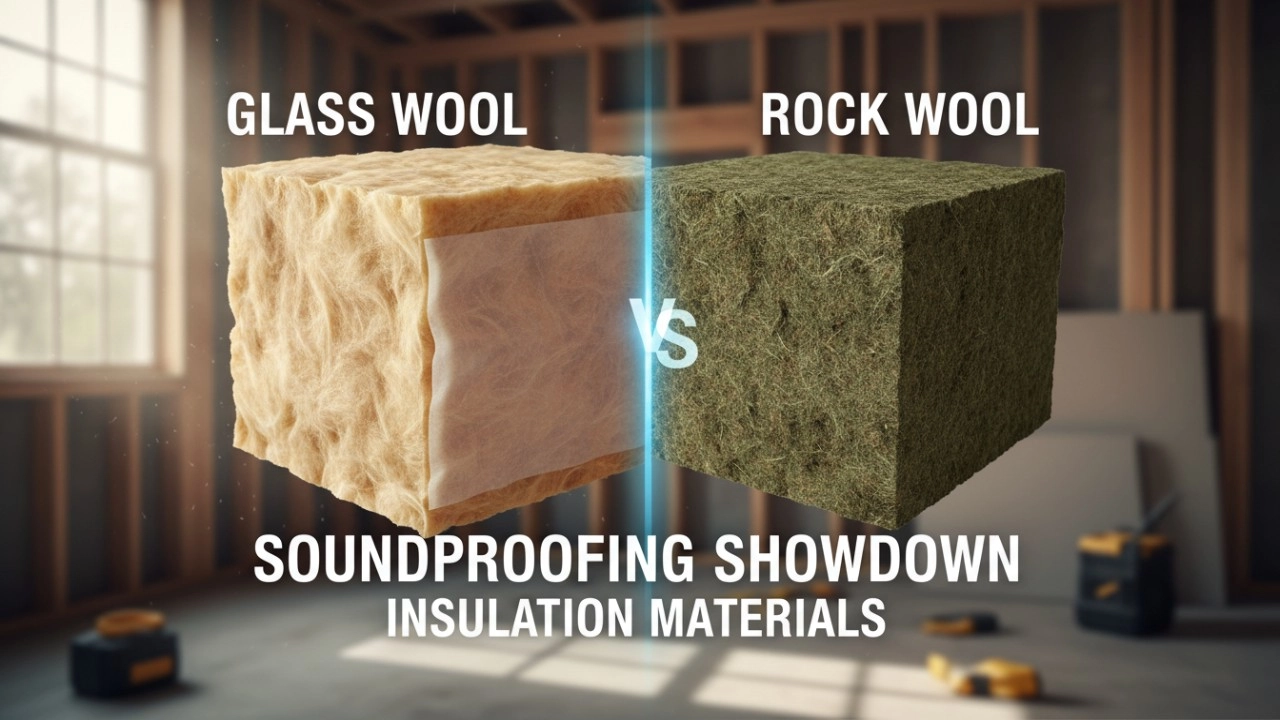
Fiberglass vs. Rockwool: Which Soundproofing Insulation Material Wins for Acoustic Control?
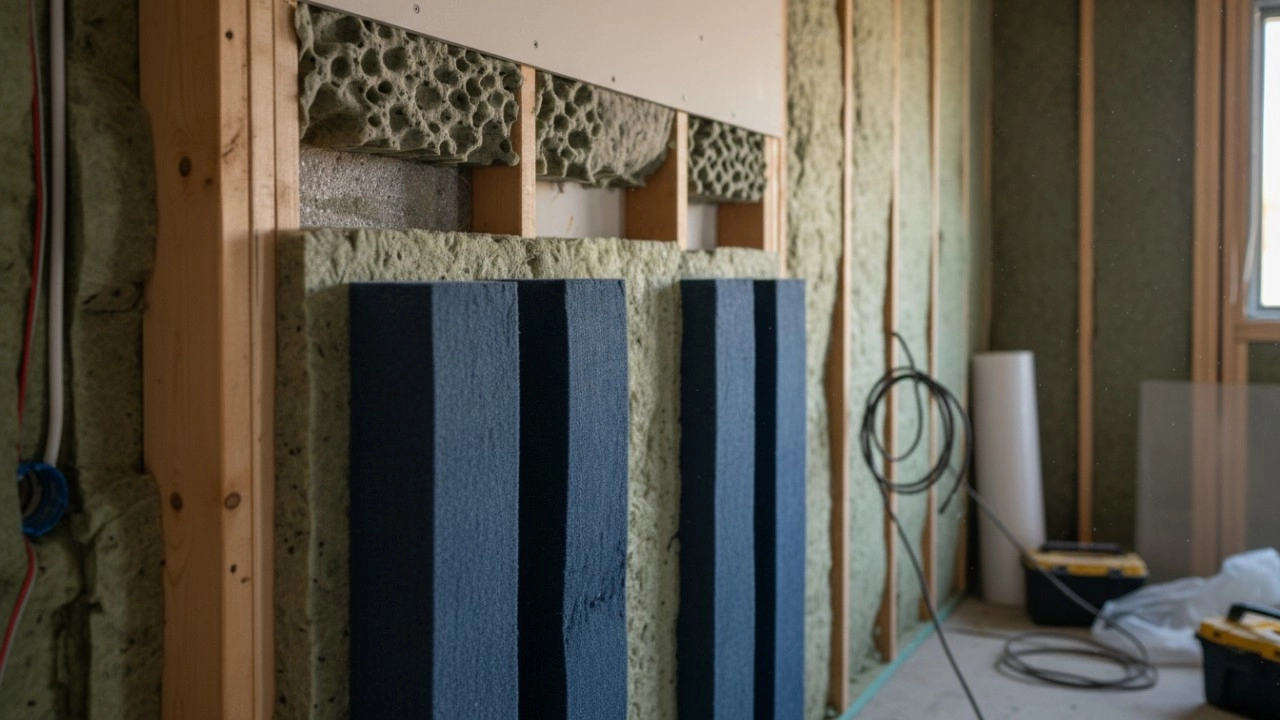
Sound Insulation Foam vs. Acoustic Panels: Which One Actually Stops Noise? (2026 Guide)
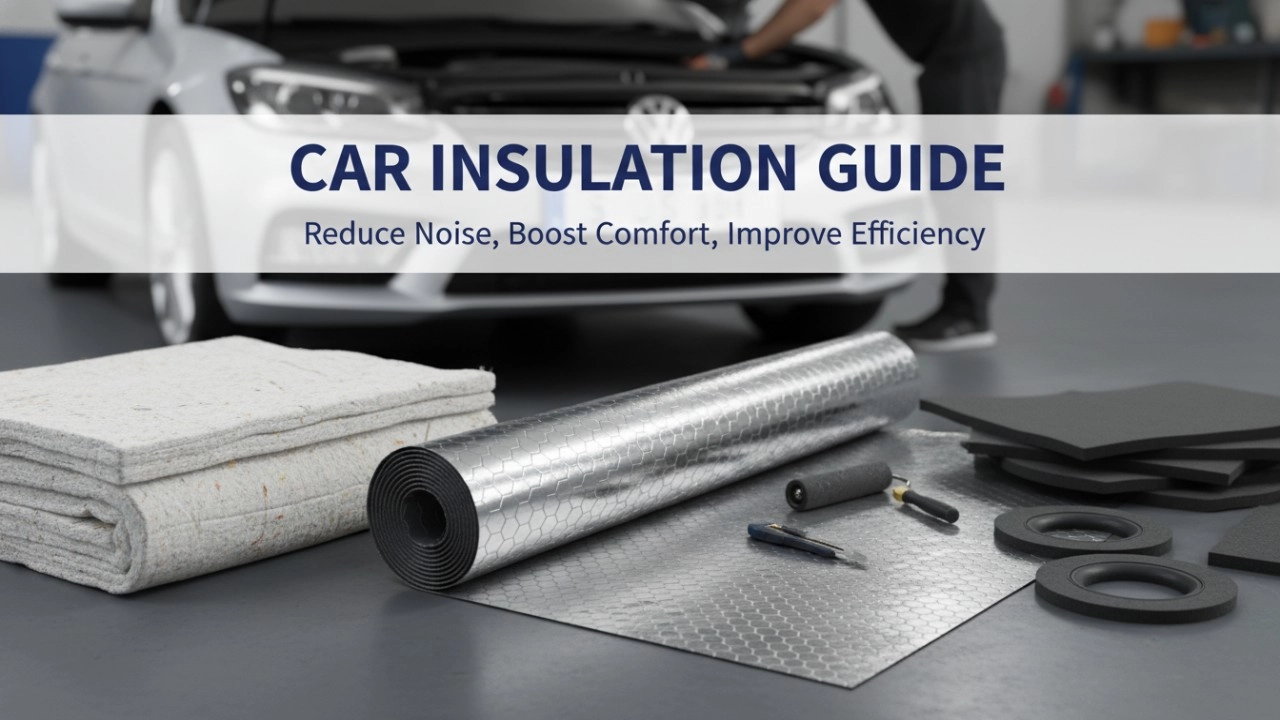
7 Dangerous Mistakes to Avoid When Selecting insulating materials for Your Car (2026 Guide)
FAQ
How do I choose the right insulation for my project?
Our team can help you choose the best material for heat insulation based on your specific needs, such as thermal resistance, acoustic properties, and environmental conditions.
What is the typical delivery time for custom orders?
Our daily production capacity is 800 cubic meters. Delivery time varies depending on the complexity of the insulation material wholesale order, but we can deliver large quantities of customized products within 4-6 weeks after the approval date, and small quantities can be delivered within 15 days.
How to start a consultation?
You can contact us through our website, phone, or email. We will arrange a professional staff to discuss your needs about best thermal insulator and how we can help you.
What types of rubber foam insulation do you offer?
We offer a wide range of rubber foam insulation with different thicknesses and specifications. Thermal insulation material manufacturer FUNAS sleeves and sheets are suitable for different application scenarios.
You might also like
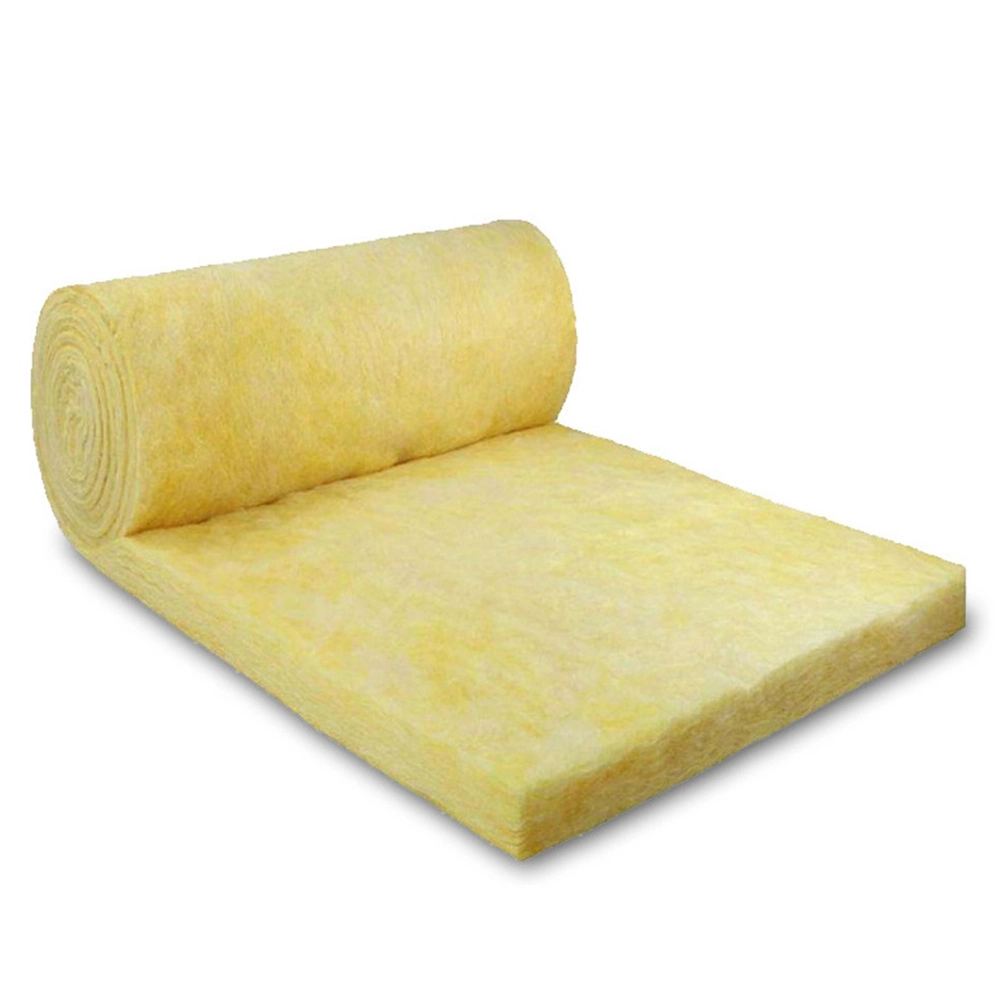
Wholesale Glass Wool Roll Blanket with or without aluminum foil
Convenient glass wool roll for easy installation. Provides effective insulation and noise reduction.
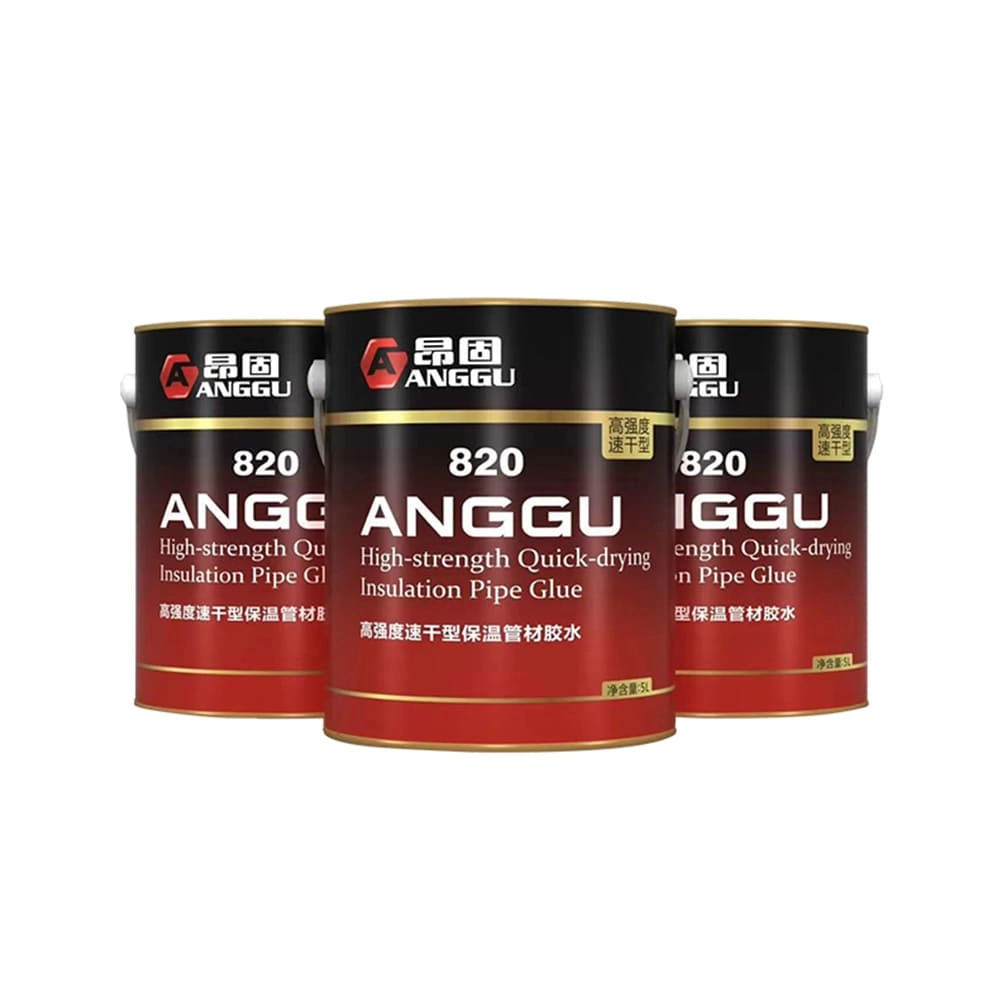
820 Pipe special adhesive
This product has passed the EU REACH non-toxic standard, ROHS non-toxic standard. (The product is black glue.)
Anggu 820glue is a low-odor, high-strength quick-drying glue; Fast drying speed, long bonding time, no powder, non-toxic.
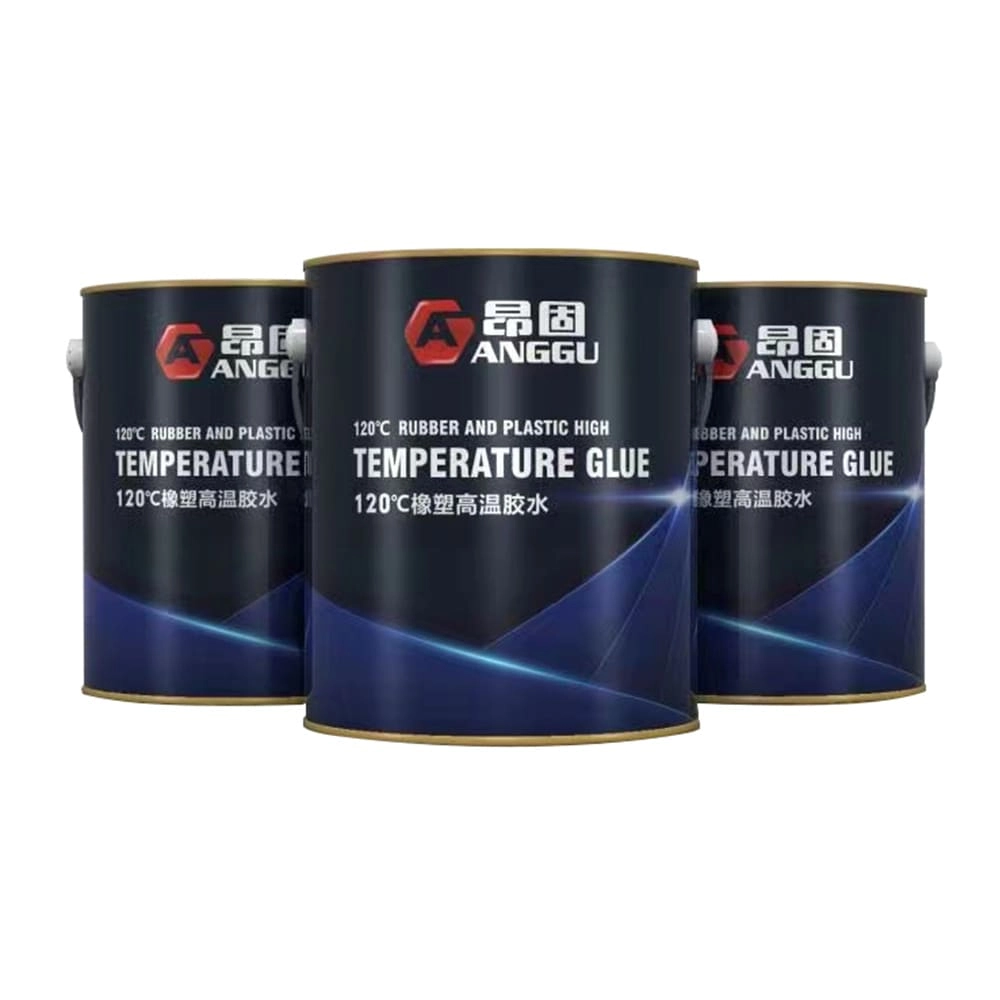
120°Rubber foam high-temperature adhesive
This product has passed the EU REACH non-toxic standard and the ROHS non-toxic standard. (The product is yellow glue.)
Anggu 120 ° rubber-plastic high-temperature glue is an extravagant product, mainly used for various intractable diseases, high temperatures, and harsh and demanding places. This product is a low-odor, high-strength quick-drying glue; table drying speed, long bonding time, no powder, non-toxic, wide range of applications, can be applied to most insulation materials.
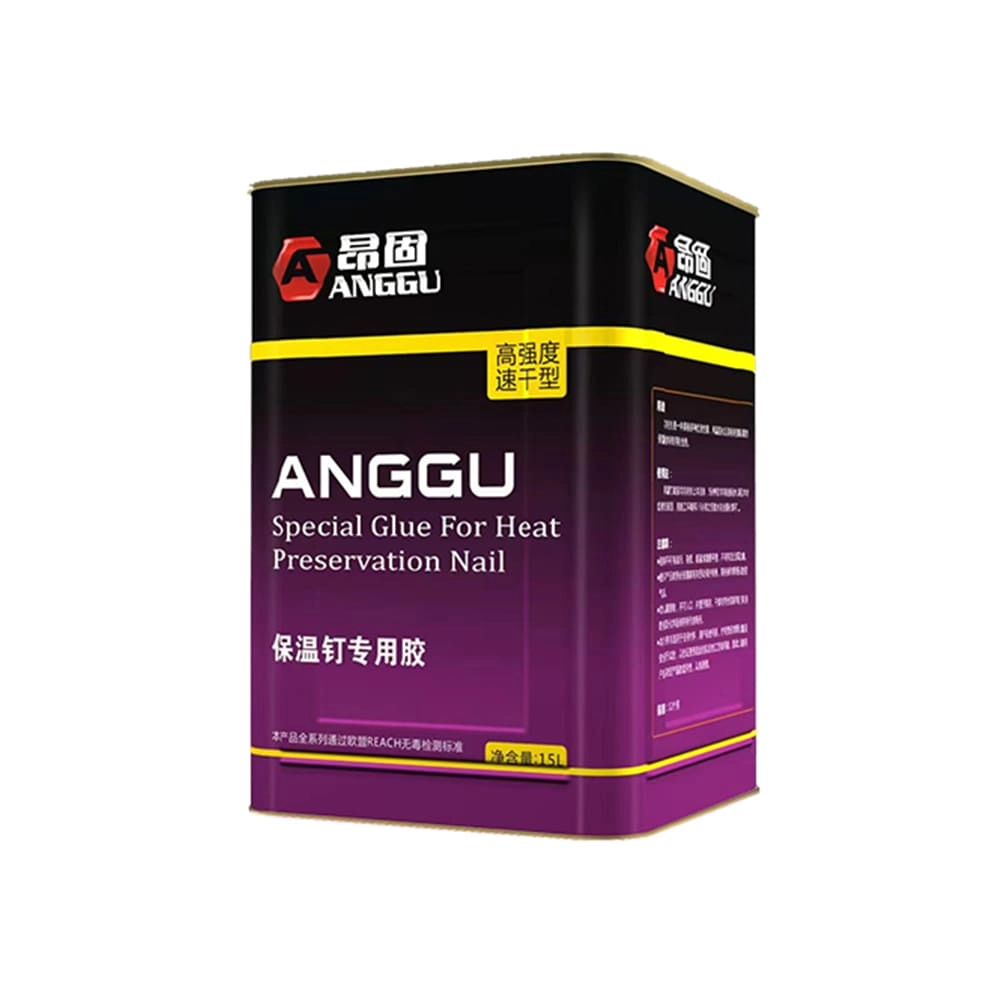
Special adhesive for insulation nail
This product has passed the EU REACH non-toxic standard and ROHS non-toxic standard. (This product is a yellow liquid).
Anggu insulation nail special adhesive is a adhesive with high viscosity, slow drying, aging resistance, high strength, and excellent brushing performance; The special adhesive for insulation nails has a slow drying speed and strong adhesion to the iron sheet. It can be flexibly moved during construction, and has a strong bonding force after curing, low odor.and is non-toxic.
Leave a message
Have any questions or concerns about our products? Please leave us a message here and our team will get back to you promptly.
Your queries, ideas, and collaboration opportunities are just a click away. Let’s start a conversation.
