


















































Are closed-cell Foam Rubber Sheet options superior in 2026?
Explore the key properties, applications, and advantages of foam rubber sheets in thermal insulation, including thermal performance, moisture resistance, mechanical properties, fire resistance, and environmental considerations.
Foam rubber sheets are integral to thermal insulation, offering a range of benefits that enhance energy efficiency and structural integrity. This guide delves into their key properties, applications, and advantages.
1. What are the thermal performance characteristics of foam rubber sheets?
Foam rubber sheets, especially those made from materials like rigid polyurethane foam, exhibit exceptional thermal insulation properties. For instance, Future Foams' Rigid Polyurethane Foam 35kg has a thermal conductivity of 0.0204 W/m·K at a mean temperature of 20°C, indicating low heat transfer rates. This low thermal conductivity ensures effective temperature control, reducing energy consumption in applications such as HVAC systems and building insulation. ((https://www.funasinsulations.com/foam-rubber-sheets-top-insulation-2026.html))
2. How do foam rubber sheets contribute to moisture resistance?
Moisture resistance is crucial in insulation materials to prevent issues like mold growth and material degradation. Molded polystyrene, a common foam rubber material, is unaffected by moisture exposure, does not swell, and does not support mold or mildew growth. This inherent moisture resistance makes foam rubber sheets suitable for environments with high humidity or potential water exposure. ((https://www.funasinsulations.com/foam-rubber-sheets-top-insulation-2026.html))
3. What are the mechanical properties of foam rubber sheets?
The mechanical properties of foam rubber sheets, such as compressive strength and dimensional stability, are essential for their performance in various applications. For example, Future Foams' Rigid Polyurethane Foam 35kg exhibits a compressive strength of 84 kPa parallel and 243 kPa perpendicular, indicating robust structural integrity. Additionally, the closed-cell structure of ThermaFoam R-Control insulation ensures that its R-value remains constant over time, as it does not suffer from R-value loss due to the absence of depleting blowing agents. ((https://www.funasinsulations.com/foam-rubber-sheets-top-insulation-2026.html))
4. How do foam rubber sheets perform in terms of fire resistance?
Fire resistance is a critical factor in insulation materials to ensure safety and compliance with building codes. In China, the GB 8624 standard classifies building materials' burning behavior into four main categories:
A (Non-combustible)
B1 (Difficult to burn)
B2 (Combustible)
B3 (Flammable)
High-quality rubber foam insulation typically achieves a B1 classification, indicating it is difficult to burn. This classification is determined through tests such as the oxygen index and vertical burning tests.
5. What are the environmental considerations for using foam rubber sheets?
Environmental considerations are increasingly important in material selection. The global elastomeric foam insulation market, valued at approximately $3.8 billion, is projected to grow at a CAGR of 6.5% through 2028. Stringent energy efficiency regulations like ASHRAE 90.1 and the EU’s Energy Performance of Buildings Directive (EPBD) are major growth drivers, pushing demand in HVAC, refrigeration, and industrial applications. Sustainability trends are accelerating adoption, with manufacturers focusing on low-GWP (Global Warming Potential) blowing agents and recyclable formulations.
Conclusion: The Advantages of Foam Rubber Sheets
Foam rubber sheets offer a combination of thermal efficiency, moisture resistance, mechanical strength, fire safety, and environmental sustainability, making them a preferred choice in thermal insulation applications.
About FUNAS
FUNAS is a leading provider of high-quality thermal insulation materials, including foam rubber sheets. Our products are designed to meet stringent industry standards, ensuring superior performance and durability. With a commitment to innovation and customer satisfaction, FUNAS continues to be a trusted partner in thermal insulation solutions.
References:
Future Foams' Rigid Polyurethane Foam 35kg thermal conductivity data.
Molded polystyrene moisture resistance properties.
ThermaFoam R-Control insulation R-value stability.
GB 8624 standard for building materials' burning behavior.
Global elastomeric foam insulation market growth projections.

Does sound insulation foam Actually Work in 2026? Ultimate guide About Blocking vs. Absorbing Noise
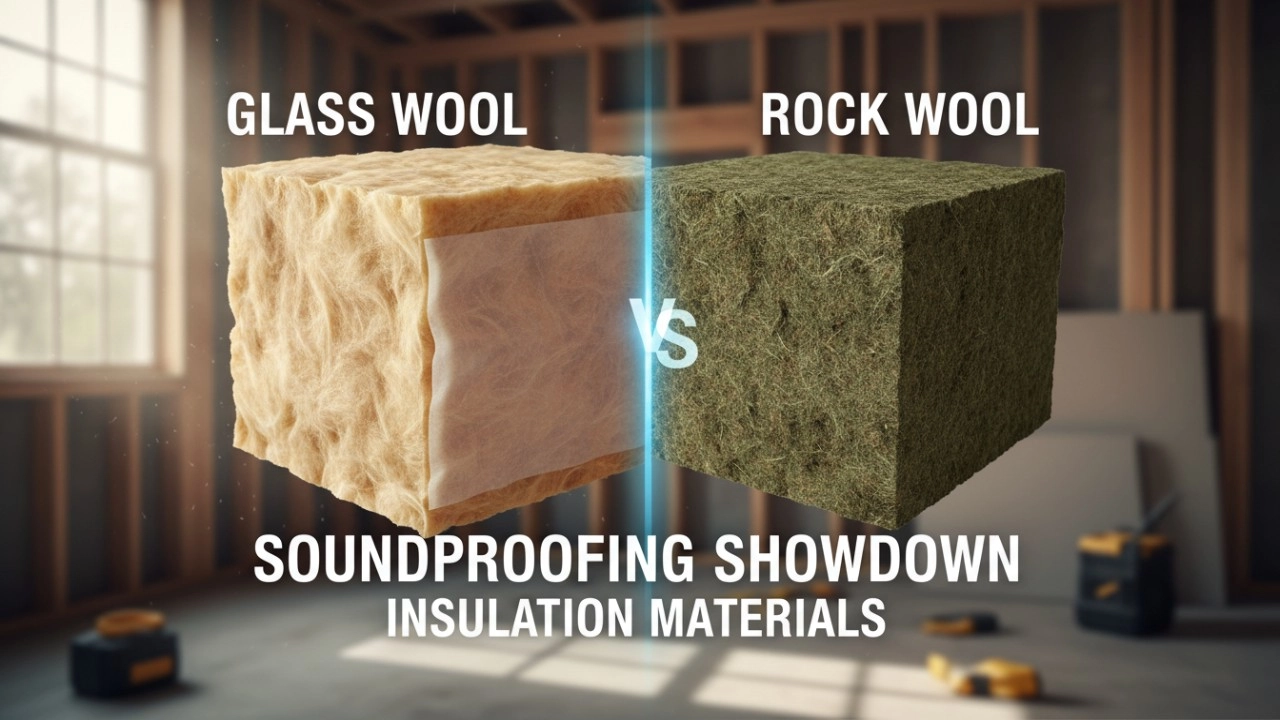
Fiberglass vs. Rockwool: Which Soundproofing Insulation Material Wins for Acoustic Control?
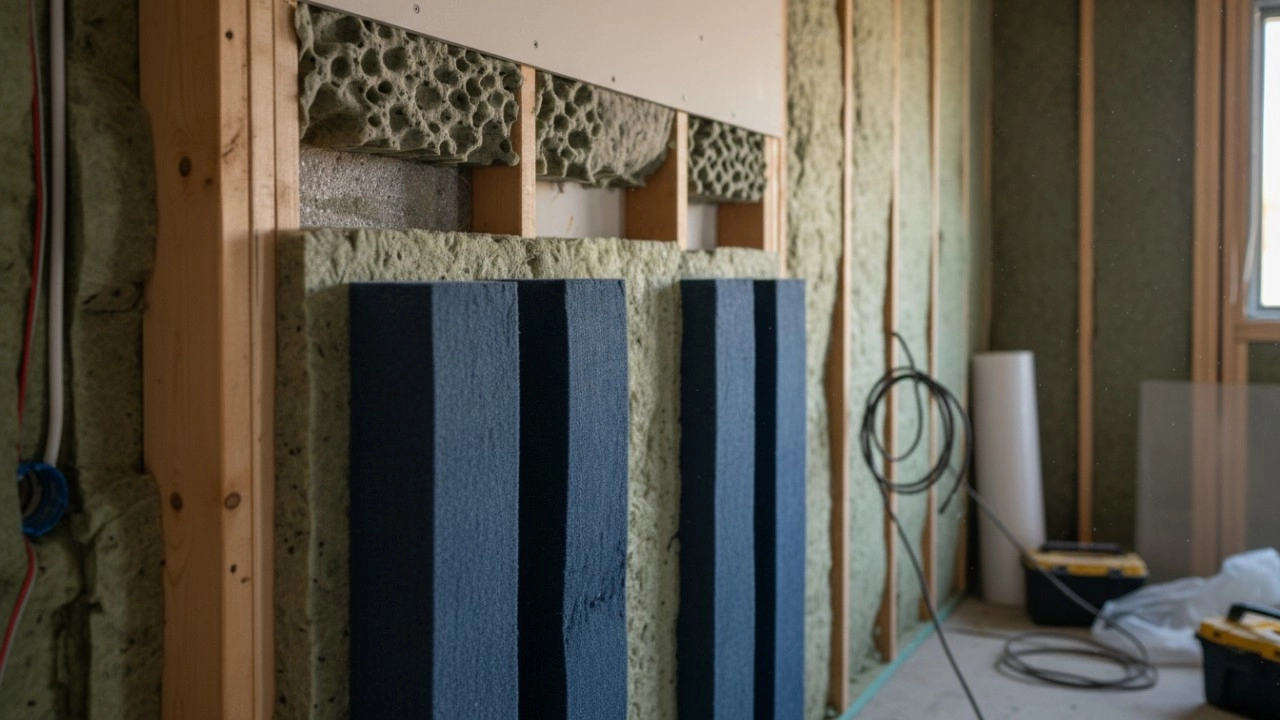
Sound Insulation Foam vs. Acoustic Panels: Which One Actually Stops Noise? (2026 Guide)
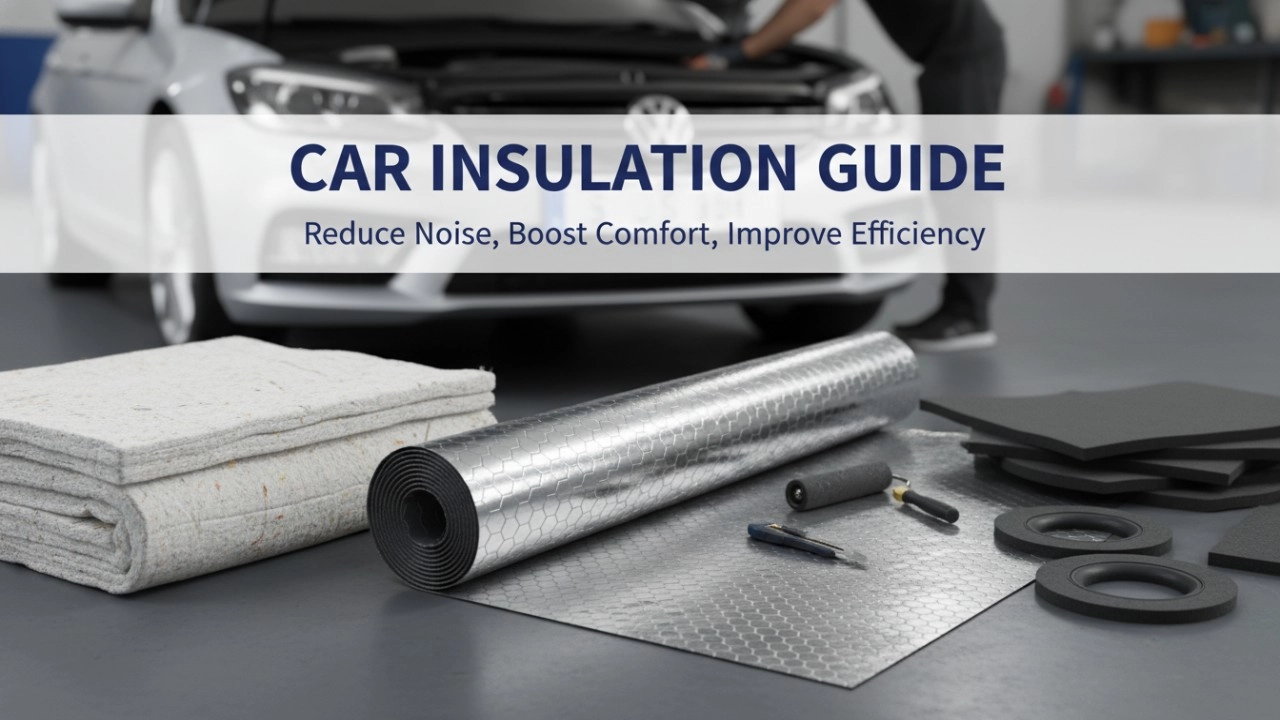
7 Dangerous Mistakes to Avoid When Selecting insulating materials for Your Car (2026 Guide)
FAQ
How to start a consultation?
You can contact us through our website, phone, or email. We will arrange a professional staff to discuss your needs about best thermal insulator and how we can help you.
How do I choose the right insulation for my project?
Our team can help you choose the best material for heat insulation based on your specific needs, such as thermal resistance, acoustic properties, and environmental conditions.
service
What types of rubber foam insulation products do you offer?
We offer a wide range of rubber foam insulation products, including custom shapes and sizes, thermal and acoustic insulation solutions, and options with specialized coatings such as flame retardancy and water resistance. Our products are suitable for applications in HVAC, automotive, construction, and more.
What is your shipping and delivery process like?
We offer reliable logistics services for insulation material wholesale, both domestically and internationally. Our team ensures secure packaging, timely shipping, and real-time tracking so that your order reaches you in perfect condition and on schedule.
You might also like
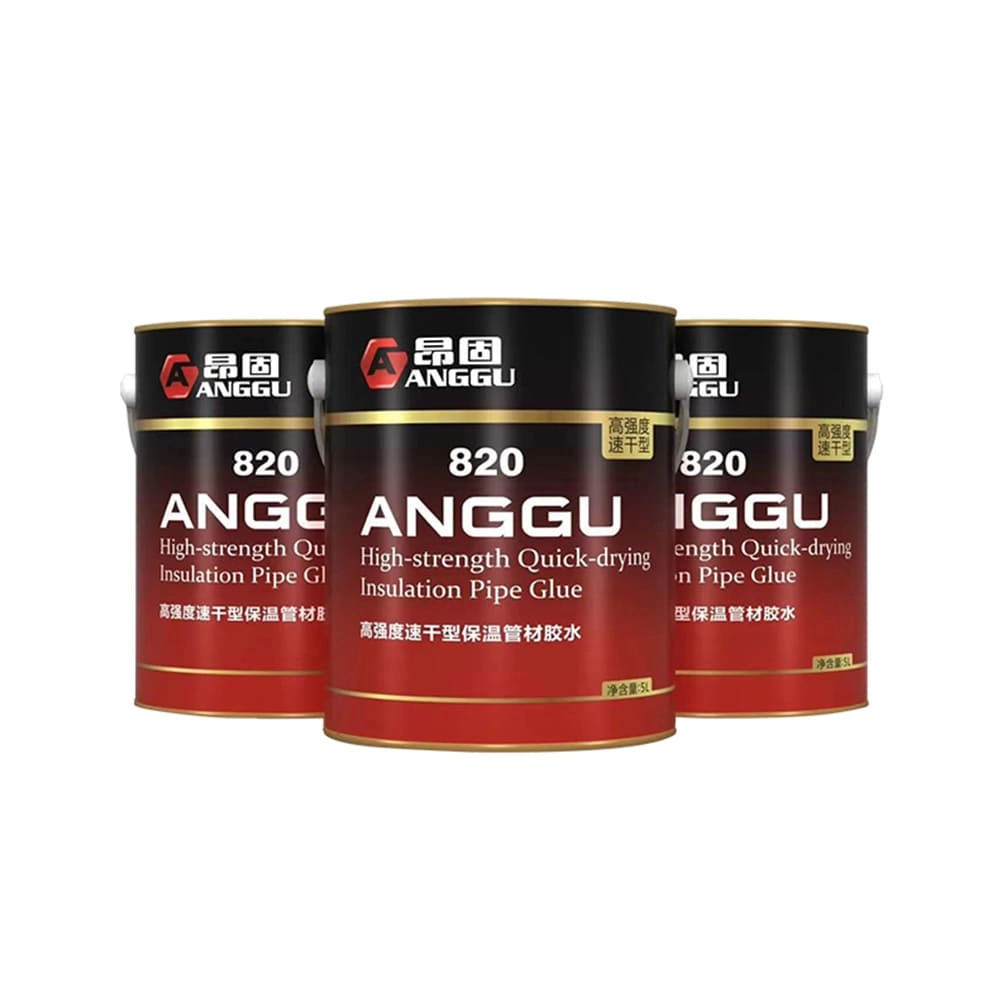
820 Pipe special adhesive
This product has passed the EU REACH non-toxic standard, ROHS non-toxic standard. (The product is black glue.)
Anggu 820glue is a low-odor, high-strength quick-drying glue; Fast drying speed, long bonding time, no powder, non-toxic.
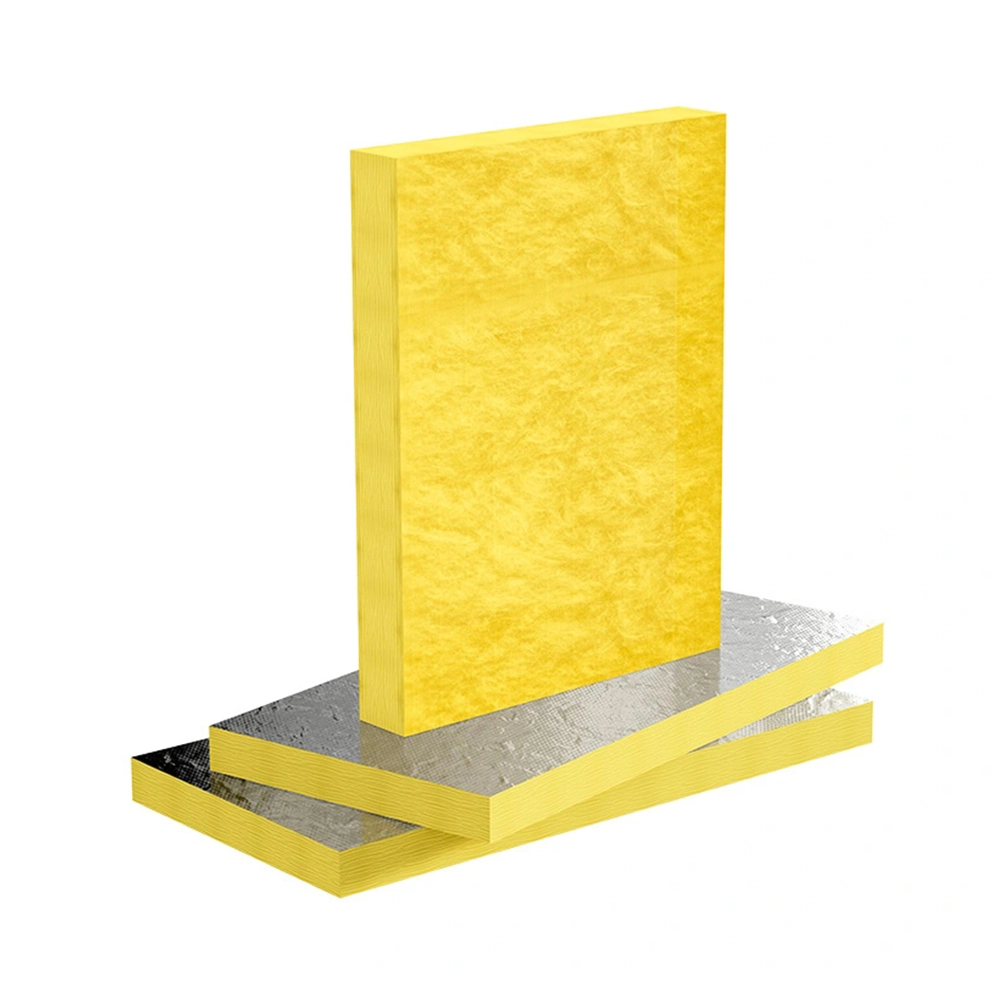
Wholesale Glass Wool Board Panel Sheet with or without aluminum foil
Premium glass wool board with excellent thermal insulation and sound absorption. Suitable for different construction needs.
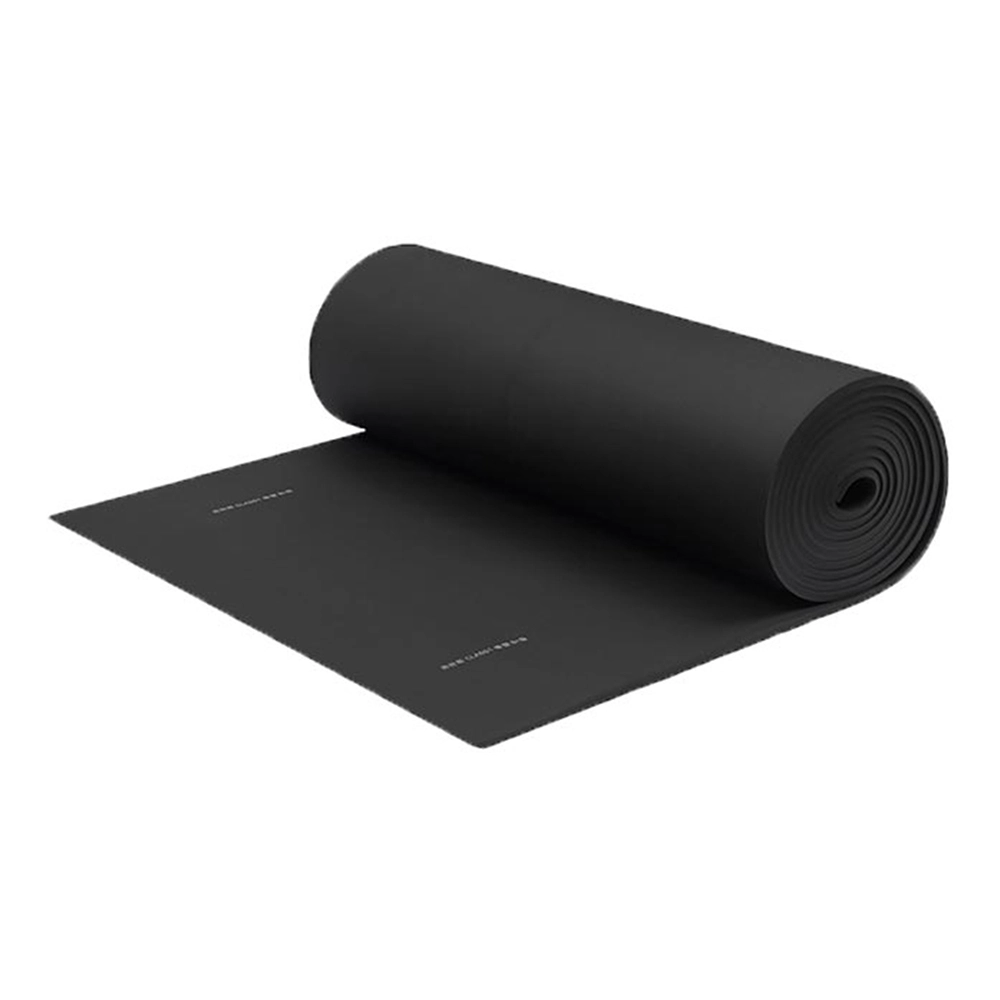
wholesale black nitrile rubber foam sheet rubber NBR foam sheet rubber foam insulation sheet for hvac system
NBR and PVC are the main raw materials, which are softthermal insulation and energy-saving materials foamedthrough special processes.
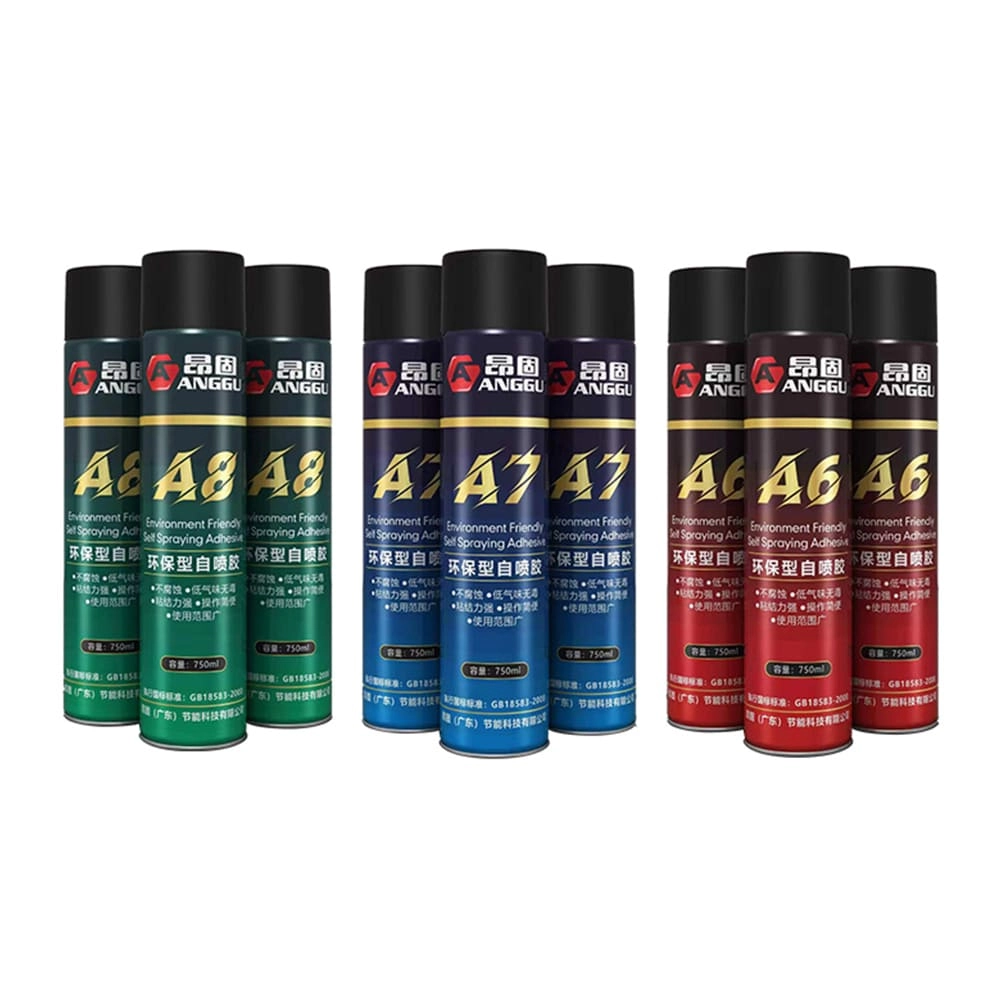
Environmentally friendly self spraying adhesive
This product has passed the national GB33372-2020 standard and GB18583-2008 standard. This product is a yellow liquid.
Anggu spray glue is a product with high cost performance and a wide application range. It is mainly used for home construction, engineering construction, and various construction defect repair places. This product is low odor, no formaldehyde, spray-convenient glue, table drying speed, long bonding time, no chalking.
Leave a message
Have any questions or concerns about our products? Please leave us a message here and our team will get back to you promptly.
Your queries, ideas, and collaboration opportunities are just a click away. Let’s start a conversation.
