
Can Foam Rubber Sheet reduce condensation in 2026 buildings?
Explore the benefits of foam rubber sheets in thermal insulation, including their thermal performance, moisture resistance, mechanical properties, fire resistance, and environmental considerations.
- 1. What are the thermal performance characteristics of foam rubber sheets?
- 2. How do foam rubber sheets contribute to moisture resistance?
- 3. What are the mechanical properties of foam rubber sheets?
- 4. How do foam rubber sheets perform in terms of fire resistance?
- 5. What are the environmental considerations for using foam rubber sheets?
- Conclusion: The Advantages of Foam Rubber Sheets
Foam rubber sheets have become a preferred choice for thermal insulation in modern buildings due to their exceptional properties. In this article, we will address common questions regarding their performance and advantages.
1. What are the thermal performance characteristics of foam rubber sheets?
Foam rubber sheets, especially those made from materials like rigid polyurethane foam, offer outstanding thermal insulation properties. For example, Future Foams' Rigid Polyurethane Foam 35kg has a thermal conductivity of 0.0204 W/m·K at a mean temperature of 20°C, indicating low heat transfer rates. This low thermal conductivity ensures effective temperature control, reducing energy consumption in applications such as HVAC systems and building insulation. ((https://www.funasinsulations.com/foam-rubber-sheets-top-insulation-2026.html))
2. How do foam rubber sheets contribute to moisture resistance?
Moisture resistance is a critical factor in insulation materials to prevent issues like mold growth and material degradation. Molded polystyrene, a common foam rubber material, is unaffected by moisture exposure, does not swell, and does not support mold or mildew growth. This inherent moisture resistance makes foam rubber sheets suitable for environments with high humidity or potential water exposure. ((https://www.funasinsulations.com/foam-rubber-sheets-top-insulation-2026.html))
3. What are the mechanical properties of foam rubber sheets?
The mechanical properties of foam rubber sheets, such as compressive strength and dimensional stability, are essential for their performance in various applications. For example, Future Foams' Rigid Polyurethane Foam 35kg exhibits a compressive strength of 84 kPa parallel and 243 kPa perpendicular, indicating robust structural integrity. Additionally, the closed-cell structure of ThermaFoam R-Control insulation ensures that its R-value remains constant over time, as it does not suffer from R-value loss due to the absence of depleting blowing agents. ((https://www.funasinsulations.com/foam-rubber-sheets-top-insulation-2026.html))
4. How do foam rubber sheets perform in terms of fire resistance?
Fire resistance is a crucial consideration for insulation materials. Rubber foam insulation materials are classified based on their fire performance. In China, the GB 8624 standard classifies building materials' burning behavior into four main categories:
A (Non-combustible)
B1 (Difficult to burn)
B2 (Combustible)
B3 (Flammable)
High-quality rubber foam insulation typically achieves a B1 classification, indicating it is difficult to burn. This classification is determined through tests such as the oxygen index and vertical burning tests.
5. What are the environmental considerations for using foam rubber sheets?
Environmental considerations are increasingly important in material selection. The global elastomeric foam insulation market, valued at approximately $3.8 billion, is projected to grow at a CAGR of 6.5% through 2028. Stringent energy efficiency regulations and sustainability trends are major growth drivers, pushing demand in HVAC, refrigeration, and industrial applications. Manufacturers are focusing on low-GWP (Global Warming Potential) blowing agents and recyclable formulations to meet these demands.
Conclusion: The Advantages of Foam Rubber Sheets
Foam rubber sheets offer a combination of thermal performance, moisture resistance, mechanical strength, fire resistance, and environmental sustainability, making them an excellent choice for modern building insulation.
When selecting insulation materials, it's essential to consider these properties to ensure optimal performance and compliance with building standards.
For high-quality foam rubber insulation solutions, consider FUNAS, a leading provider known for its superior products and commitment to customer satisfaction.
By choosing FUNAS, you can ensure your building projects benefit from top-tier thermal insulation materials that meet both performance and environmental standards.
Note: The information provided is based on current industry standards and may evolve with future advancements.
Data sources include Future Foams, The Rubber Company, and EcoIn Group.
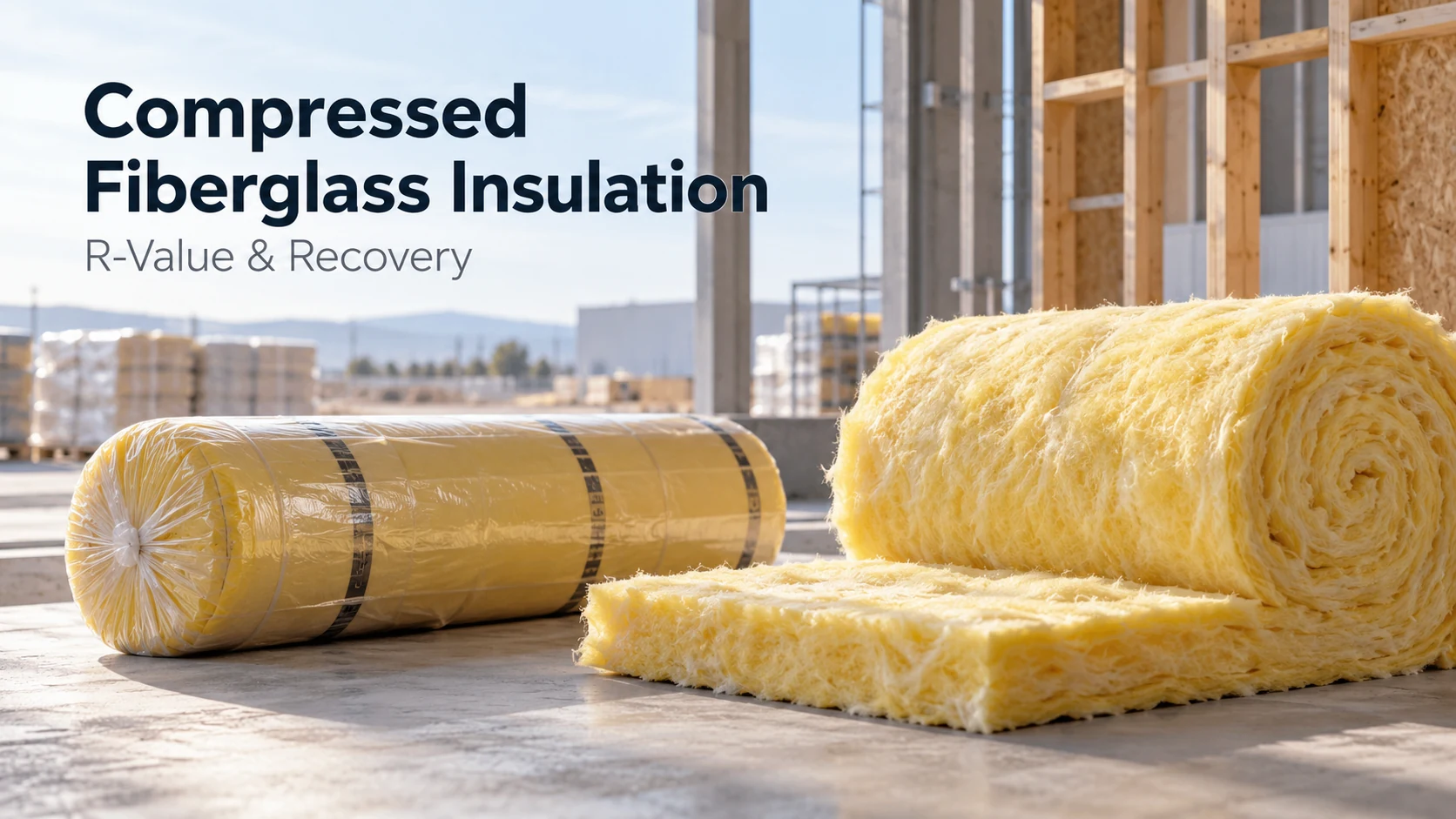
What Happens When Fiberglass (Glass Wool) Insulation Is Compressed?
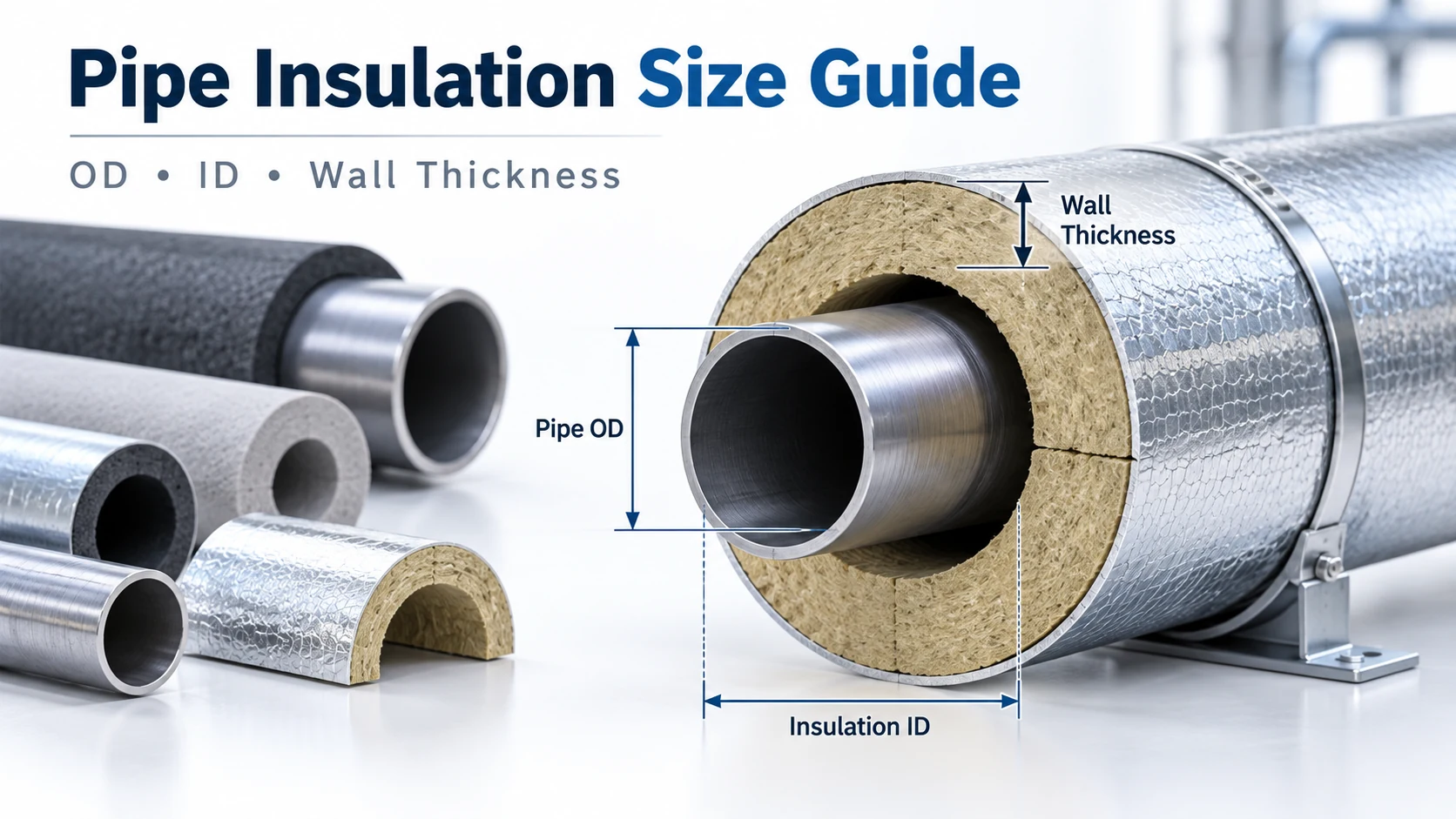
Pipe Insulation Size Guide: How to Match Pipe OD, Insulation ID and Wall Thickness
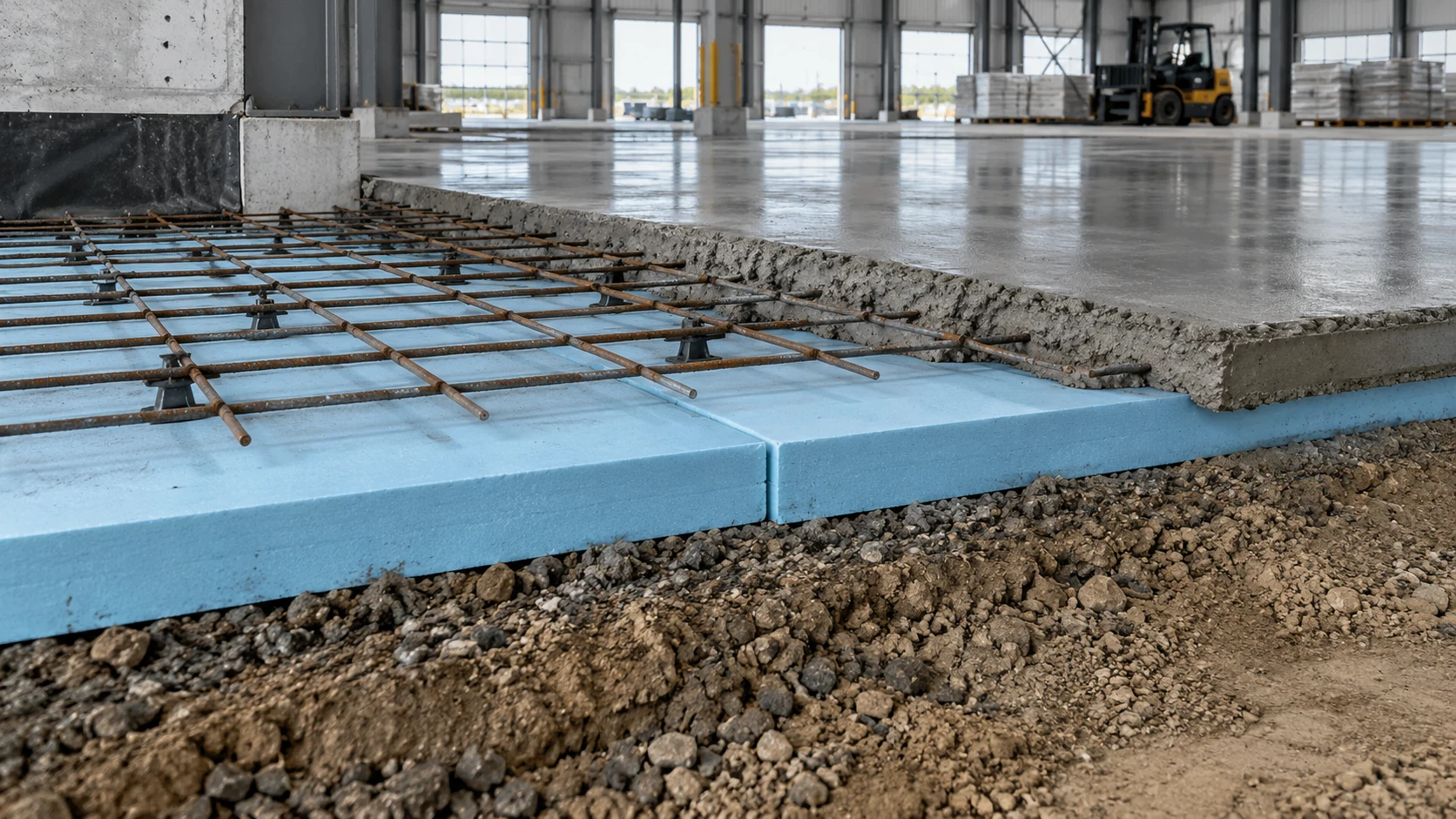
What XPS Compressive Strength Do I Need Under a Concrete Slab?
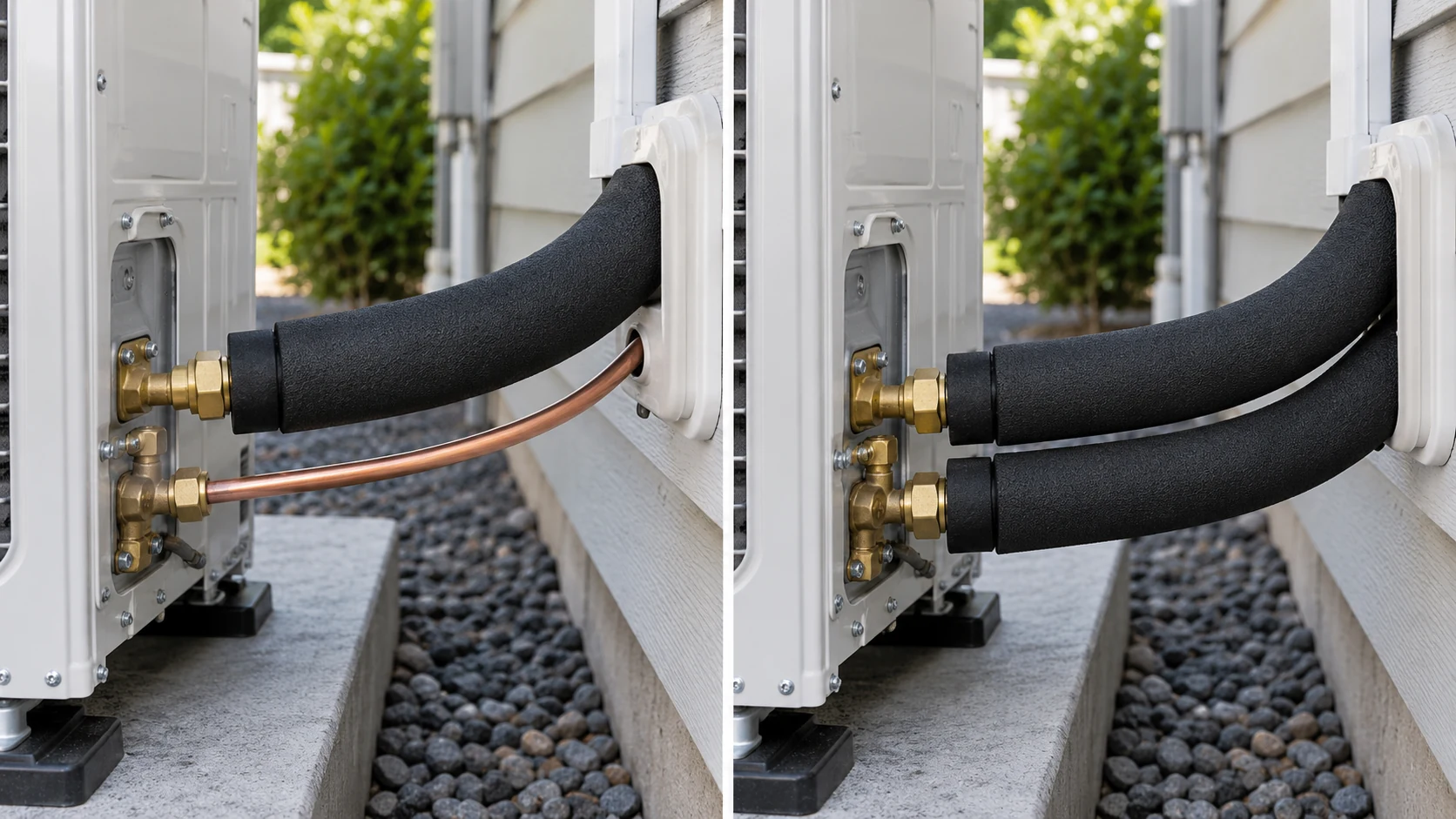
Do Both Refrigerant Lines Need Insulation?
service
How do you pack insulation products for export?
Products are packed according to material type and shipping requirements. Common options include plastic bags, cartons, woven bags, pallets, or customized export packaging to help protect the goods during transportation.
FAQ
Can you provide customized insulation products?
Yes. We can support customized sizes, thicknesses, densities, aluminum foil facing, adhesive backing, colors, packaging, and other project requirements depending on the product type and order quantity.
How do I choose the right insulation material for my project?
The right material depends on the application area, working temperature, fire rating requirements, thickness, density, moisture resistance, and acoustic or thermal performance needs. You can share your project use, size requirements, and installation environment, and our team will recommend suitable options.
What information should I provide to get a quotation?
To prepare an accurate quotation, please provide the product type, size, thickness, density or specification, quantity, application, destination port or country, and any special requirements such as fire rating, facing material, adhesive backing, or packaging.
Leave a message
Have any questions or concerns about our products? Please leave us a message here and our team will get back to you promptly.
Your queries, ideas, and collaboration opportunities are just a click away. Let’s start a conversation.


FUNAS Insulation Material
funasinsulation