
What sustainability gains come from Foam Rubber Sheet in 2026?
Explore key considerations for selecting foam rubber sheets in thermal insulation, including thermal performance, moisture resistance, mechanical properties, fire safety, and environmental impact.
- 1. What are the thermal performance characteristics of foam rubber sheets?
- 2. How do foam rubber sheets contribute to moisture resistance?
- 3. What are the mechanical properties of foam rubber sheets?
- 4. How do foam rubber sheets perform in terms of fire resistance?
- 5. What are the environmental considerations for using foam rubber sheets?
- Conclusion: The Advantages of Foam Rubber Sheets
When procuring thermal insulation materials, foam rubber sheets stand out due to their exceptional properties. Below are key considerations to guide your selection:
1. What are the thermal performance characteristics of foam rubber sheets?
Foam rubber sheets, especially those made from materials like rigid polyurethane foam, offer superior thermal insulation. For instance, Future Foams' Rigid Polyurethane Foam 35kg has a thermal conductivity of 0.0204 W/m·K at a mean temperature of 20°C, indicating low heat transfer rates. ((https://www.funasinsulations.com/foam-rubber-sheets-top-insulation-2026.html))
2. How do foam rubber sheets contribute to moisture resistance?
Moisture resistance is crucial in insulation materials to prevent issues like mold growth and material degradation. Molded polystyrene, a common foam rubber material, is unaffected by moisture exposure, does not swell, and does not support mold or mildew growth. ((https://www.funasinsulations.com/foam-rubber-sheets-top-insulation-2026.html))
3. What are the mechanical properties of foam rubber sheets?
The mechanical properties of foam rubber sheets, such as compressive strength and dimensional stability, are essential for their performance in various applications. For example, Future Foams' Rigid Polyurethane Foam 35kg exhibits a compressive strength of 84 kPa parallel and 243 kPa perpendicular, indicating robust structural integrity. ((https://www.funasinsulations.com/foam-rubber-sheets-top-insulation-2026.html))
4. How do foam rubber sheets perform in terms of fire resistance?
Fire resistance is a critical factor in insulation materials to ensure safety. Rubber foam insulation materials are classified based on their fire performance. In China, the GB 8624 standard classifies building materials' burning behavior into four main categories:
A (Non-combustible)
B1 (Difficult to burn)
B2 (Combustible)
B3 (Flammable)
Materials with higher oxygen index values (typically ≥32 for B1 classification) offer better flame resistance.
5. What are the environmental considerations for using foam rubber sheets?
Environmental impact is a growing concern in insulation material selection. Manufacturers are increasingly using bio-based feedstocks like soy, sugarcane, algae, and corn starch to create foams with lower carbon footprints. Innovations in chemical recycling are also making it possible to recycle complex foams like polyurethane and expanded polystyrene.
Conclusion: The Advantages of Foam Rubber Sheets
Foam rubber sheets offer a combination of excellent thermal performance, moisture resistance, mechanical strength, fire safety, and environmental sustainability. These attributes make them a preferred choice for thermal insulation applications.
When selecting foam rubber sheets, consider these factors to ensure optimal performance and compliance with industry standards.
For high-quality foam rubber insulation solutions, consider FUNAS, a leading provider known for its commitment to excellence and sustainability.
By choosing FUNAS, you benefit from top-tier products that meet rigorous standards, ensuring durability and efficiency in your thermal insulation projects.
For more information, visit (https://www.funasinsulations.com/).
Note: The information provided is based on available data as of November 29, 2025.
References:
Future Foams' Rigid Polyurethane Foam 35kg thermal conductivity data.
Molded polystyrene moisture resistance properties.
Rubber foam insulation fire performance classifications.
Environmental impact and recycling of foam materials.
FUNAS Insulations product offerings.
Data sourced from (https://www.funasinsulations.com/), (https://insulationecoin.com/), and (https://abmtrade.eu/).
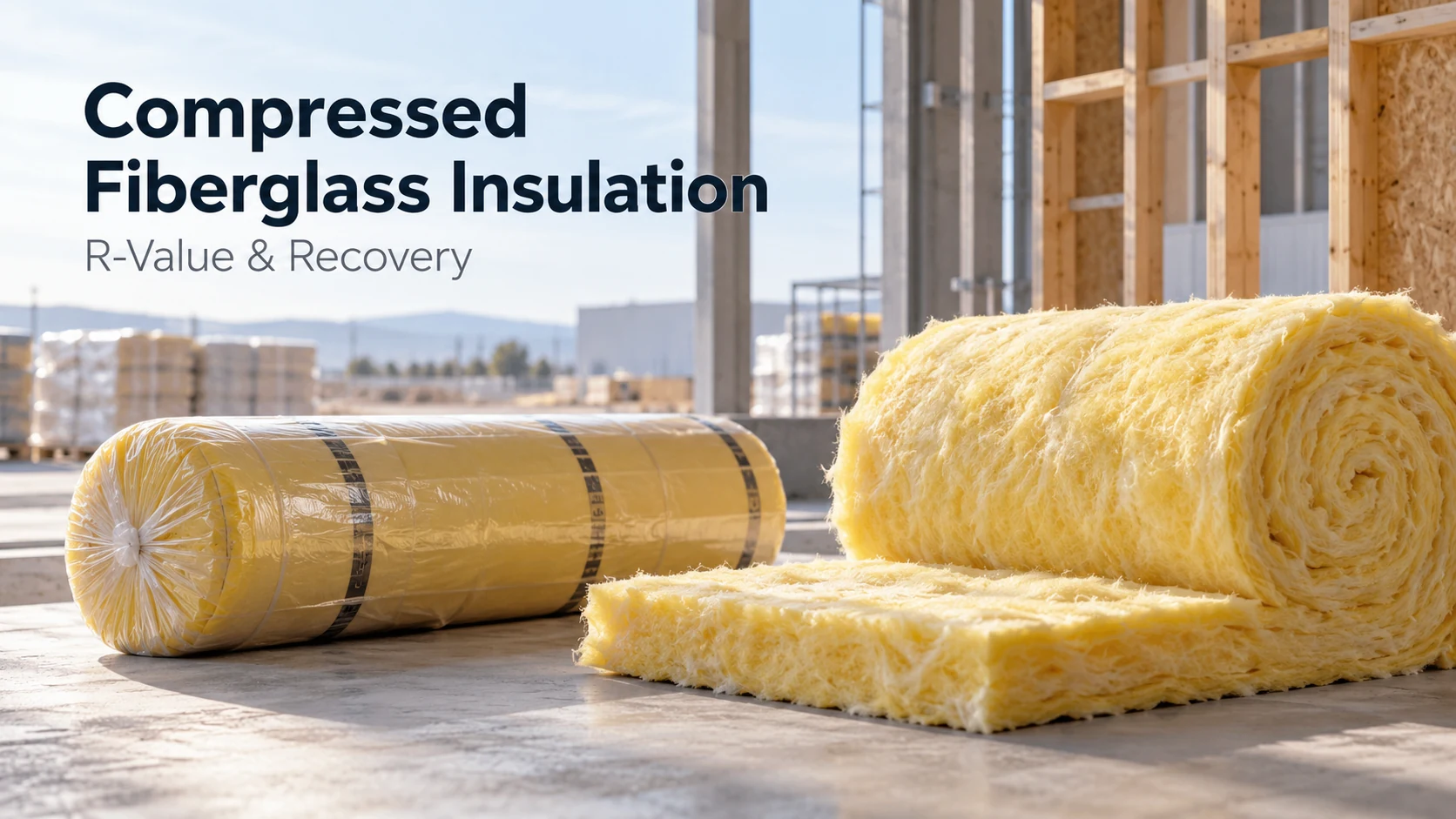
What Happens When Fiberglass (Glass Wool) Insulation Is Compressed?
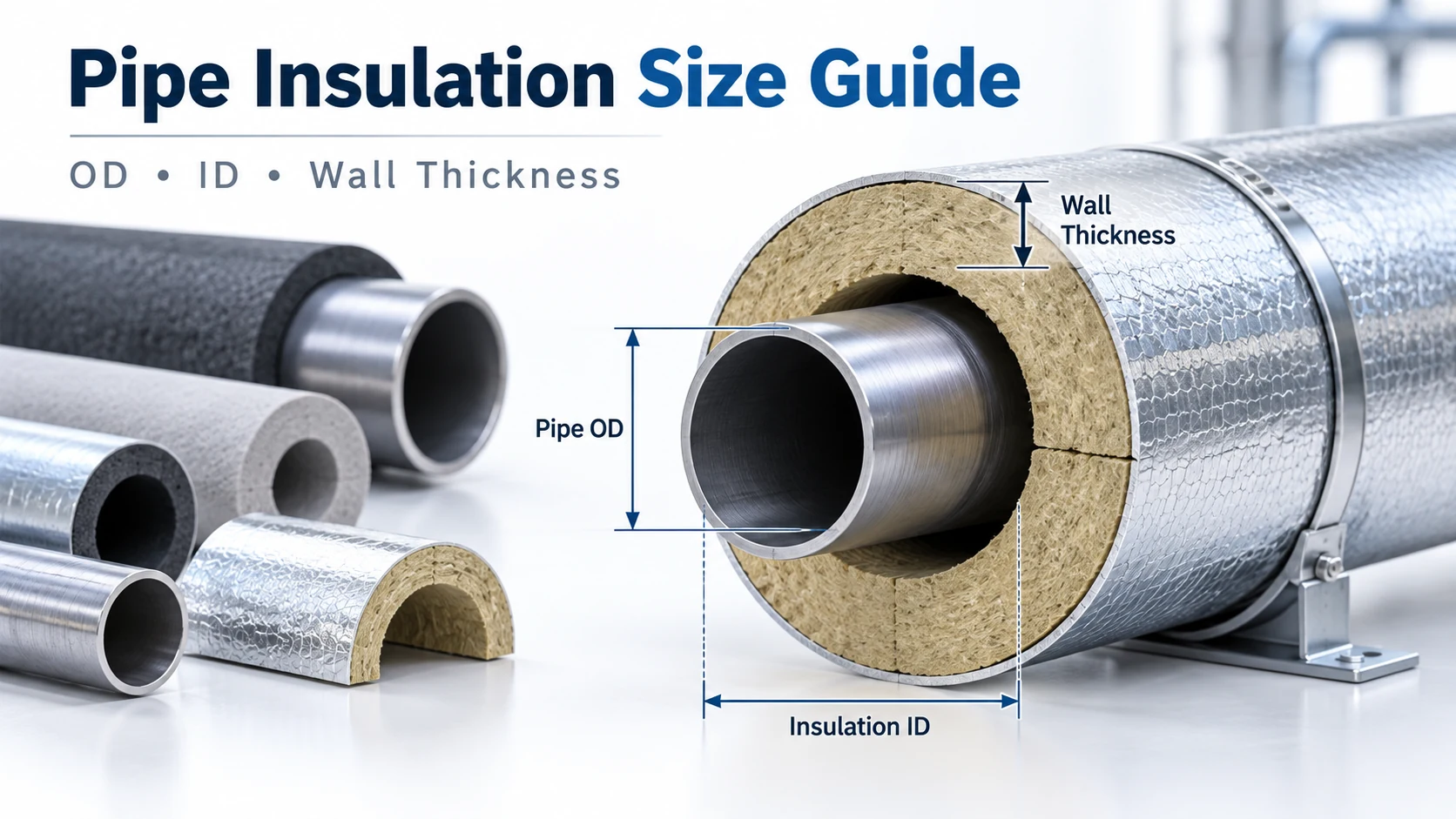
Pipe Insulation Size Guide: How to Match Pipe OD, Insulation ID and Wall Thickness
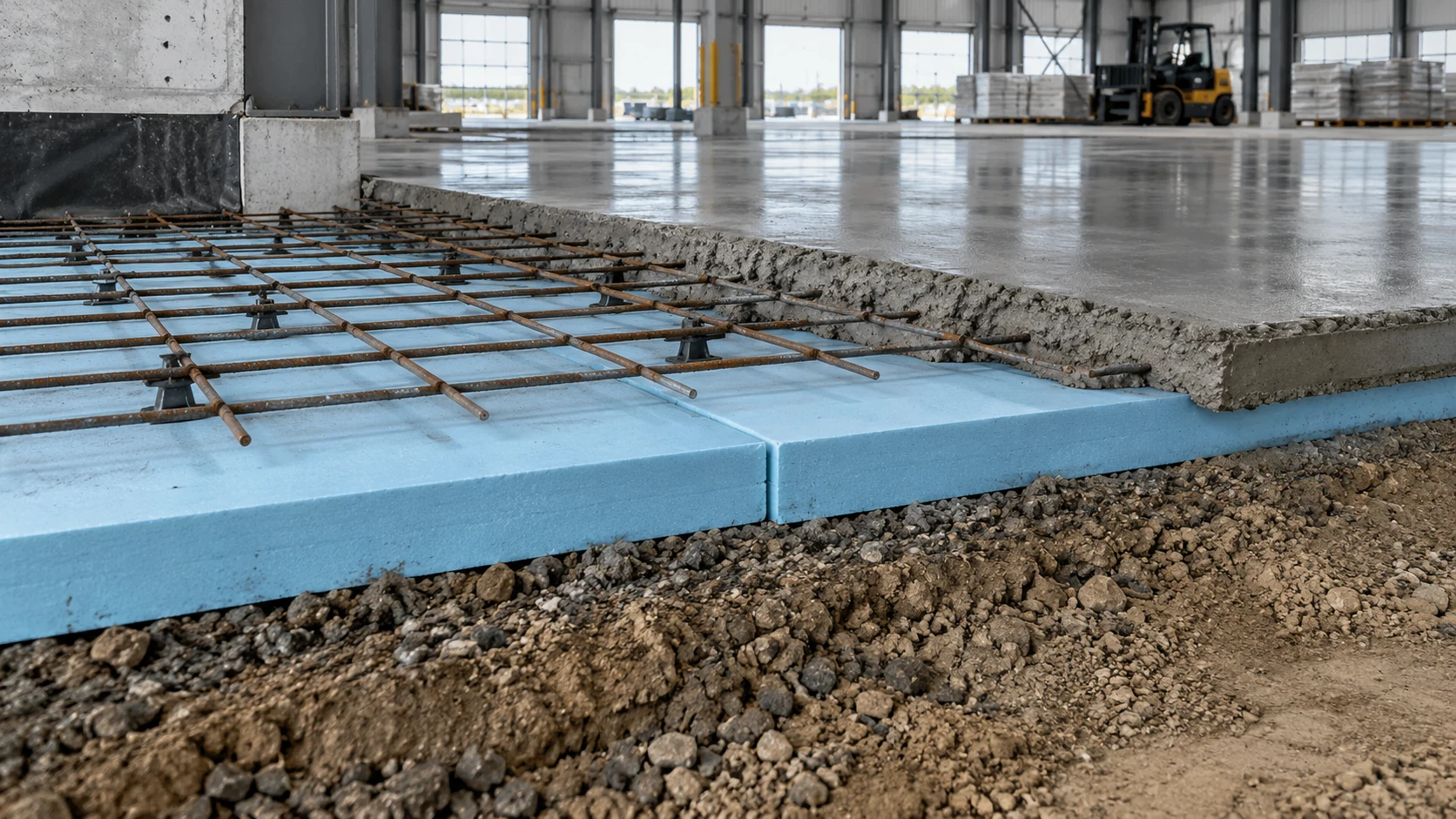
What XPS Compressive Strength Do I Need Under a Concrete Slab?
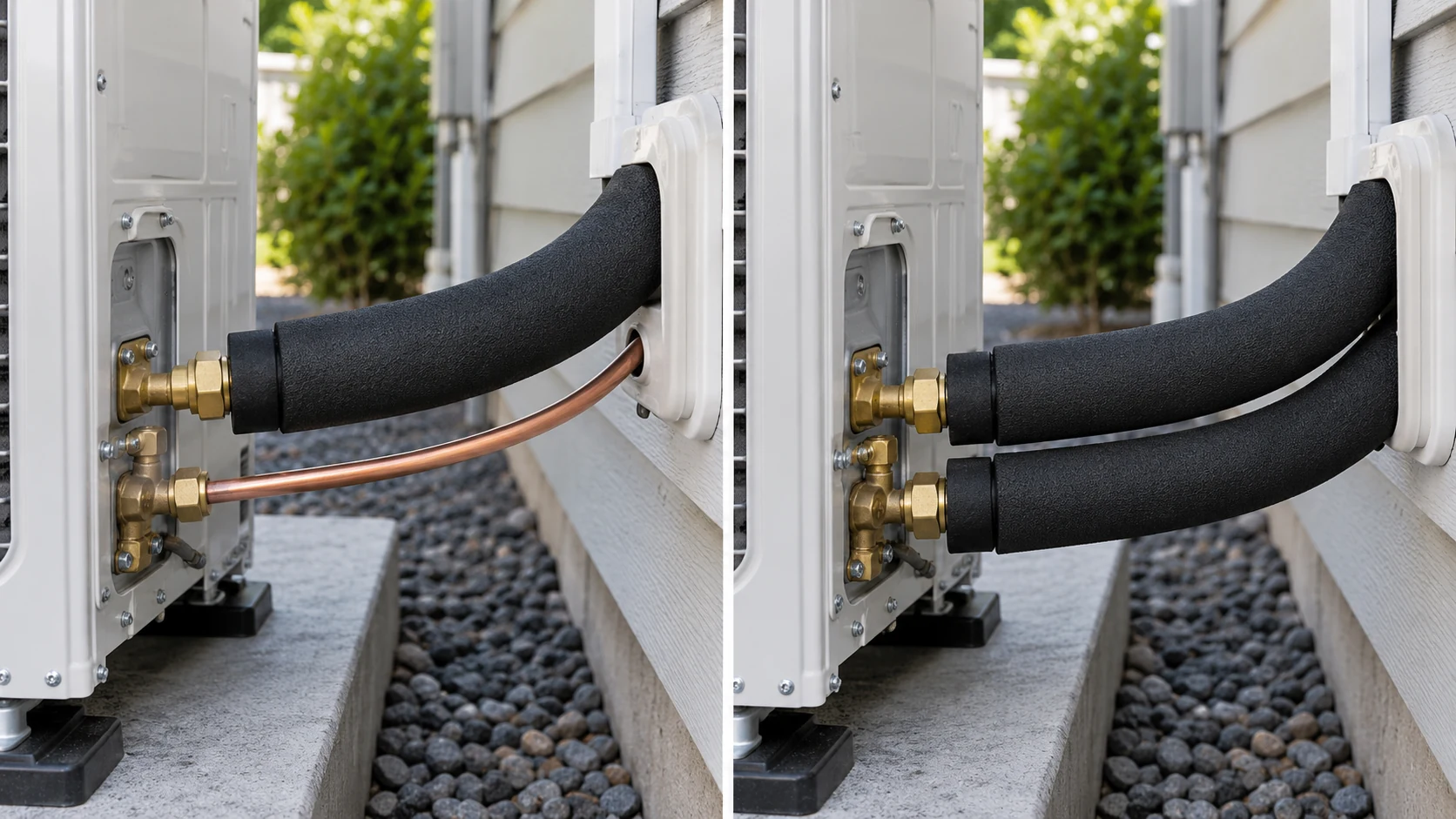
Do Both Refrigerant Lines Need Insulation?
FAQ
What insulation products do you supply?
We supply rubber foam insulation, glass wool insulation, rock wool insulation, XPS insulation boards, acoustic foam products, and thermal insulation adhesive. These products are commonly used in HVAC systems, construction projects, industrial equipment, and acoustic applications.
Do you provide samples before bulk orders?
Yes, samples can be provided for quality checking before bulk purchase. Sample availability, size, and delivery cost may vary depending on the product and destination.
service
Can you support OEM or private label orders?
Yes. We can support OEM and private label requirements such as customized packaging, labels, product specifications, and brand presentation for distributors, contractors, and project buyers.
How do you pack insulation products for export?
Products are packed according to material type and shipping requirements. Common options include plastic bags, cartons, woven bags, pallets, or customized export packaging to help protect the goods during transportation.
Leave a message
Have any questions or concerns about our products? Please leave us a message here and our team will get back to you promptly.
Your queries, ideas, and collaboration opportunities are just a click away. Let’s start a conversation.


FUNAS Insulation Material
funasinsulation