


















































how to cut foam pipe insulation | Insights by FUNAS
Learn effective methods for cutting foam pipe insulation, including tools, techniques, and safety precautions, to ensure precise and efficient installation.
- Comprehensive Guide to Cutting Foam Pipe Insulation: Techniques, Tools, and Best Practices
- 1. What Are the Best Tools for Cutting Foam Pipe Insulation?
- 2. How Do I Cut Foam Pipe Insulation to Fit Elbows and T-Joints?
- 3. What Safety Precautions Should I Take When Cutting Foam Insulation?
- 4. How Do I Achieve Clean and Precise Cuts in Foam Pipe Insulation?
- 5. What Are the Disposal Methods for Foam Pipe Insulation Waste?
- Conclusion: Why Choose FUNAS for Your Foam Pipe Insulation Needs?
Comprehensive Guide to Cutting Foam Pipe Insulation: Techniques, Tools, and Best Practices
Cutting foam pipe insulation accurately is essential for effective thermal insulation and energy efficiency. This guide addresses common questions and provides professional insights to assist you in selecting and cutting foam pipe insulation materials.
1. What Are the Best Tools for Cutting Foam Pipe Insulation?
Selecting the appropriate cutting tool is crucial for achieving clean and precise cuts. Here are some recommended tools:
Utility Knife: Ideal for straight cuts, especially on flexible foam insulation. Ensure the blade is sharp to prevent tearing. ((https://www.funasinsulations.com/how-to-install-pipe-insulation-foam-easy-guide.html?utm_source=openai))
Hot Knife: Utilizes heat to melt through foam, providing smooth cuts. Suitable for thicker or denser foam types.
Serrated Foam Cutting Knife: Designed specifically for foam, these knives offer better control and reduce the risk of fraying.
Oscillating Multi-Tool: Equipped with a foam-cutting blade, it allows for precise cuts in tight spaces.
2. How Do I Cut Foam Pipe Insulation to Fit Elbows and T-Joints?
Fitting foam insulation around elbows and T-joints requires careful measurement and cutting:
Elbows: Measure the angle and cut the insulation at the corresponding angle. For a 90-degree elbow, cut two pieces at 45 degrees and join them.
T-Joints: Make a wedge-shaped cut to fit the insulation snugly around the joint. Ensure the cut is precise to maintain thermal efficiency.
3. What Safety Precautions Should I Take When Cutting Foam Insulation?
Safety is paramount when cutting foam insulation:
Wear Protective Gear: Use gloves, safety glasses, and a dust mask to protect against debris and inhalation of particles.
Work in a Well-Ventilated Area: Ensure proper ventilation to disperse any fumes or dust generated during cutting.
Use Sharp Tools: Dull blades can cause uneven cuts and increase the risk of injury. Regularly replace blades to maintain sharpness.
4. How Do I Achieve Clean and Precise Cuts in Foam Pipe Insulation?
To ensure clean cuts:
Measure Accurately: Use a measuring tape and mark the insulation clearly before cutting.
Use a Straightedge: Guide your cutting tool along a straightedge to maintain a straight line.
Cut Slowly and Steadily: Apply even pressure and let the tool do the work to prevent jagged edges.
5. What Are the Disposal Methods for Foam Pipe Insulation Waste?
Proper disposal of foam insulation is essential:
Recycling: Some communities offer recycling programs for foam insulation. Check with local waste management services for availability.
Landfilling: If recycling isn't an option, dispose of foam insulation in a landfill. Ensure the landfill is properly lined to prevent environmental contamination.
Incineration: In some cases, incineration is used, but it must be done in facilities equipped to handle the emissions safely.
Conclusion: Why Choose FUNAS for Your Foam Pipe Insulation Needs?
When selecting foam pipe insulation, consider the following advantages of FUNAS products:
High-Quality Materials: FUNAS offers premium closed-cell foam tubing that provides superior thermal insulation and moisture resistance. ((https://www.funasinsulations.com/how-to-install-pipe-insulation-foam-easy-guide.html?utm_source=openai))
Comprehensive Support: From detailed installation guides to responsive customer service, FUNAS ensures a seamless experience.
Sustainability Commitment: FUNAS is dedicated to environmentally friendly practices, offering recycling options and guidance on responsible disposal.
By choosing FUNAS, you invest in quality, efficiency, and environmental responsibility for your insulation projects.

Does sound insulation foam Actually Work in 2026? Ultimate guide About Blocking vs. Absorbing Noise
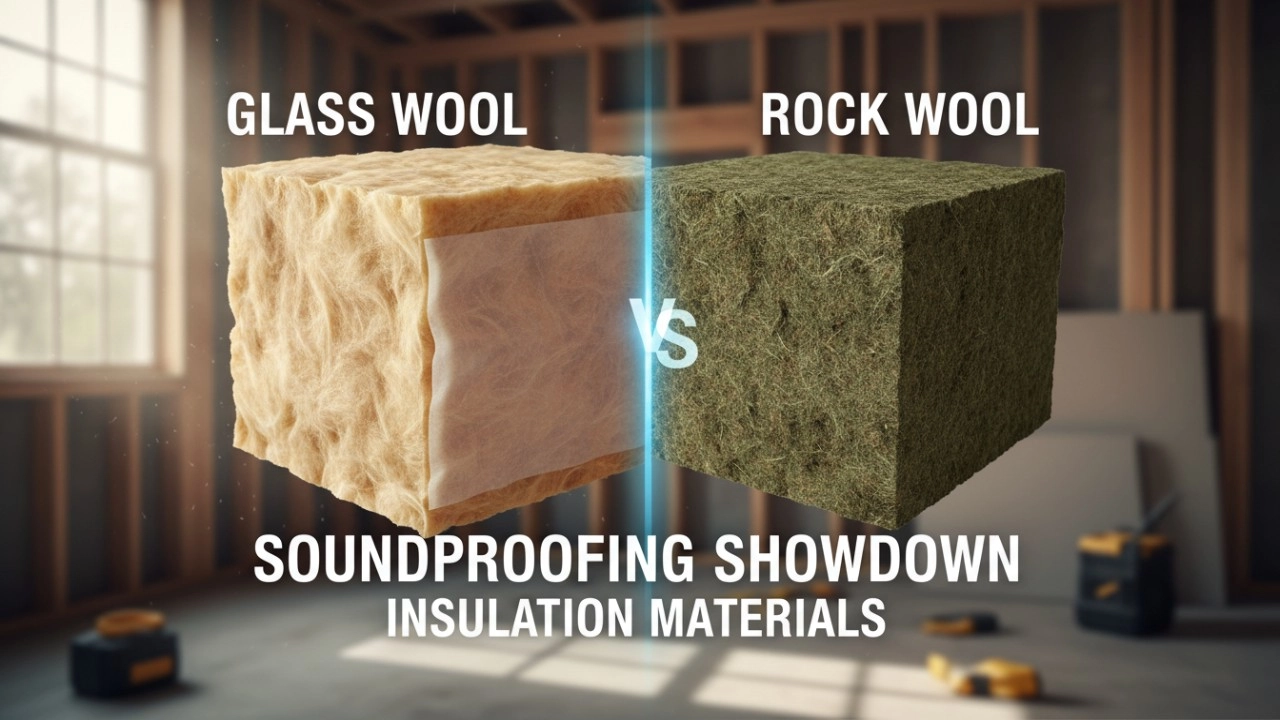
Fiberglass vs. Rockwool: Which Soundproofing Insulation Material Wins for Acoustic Control?
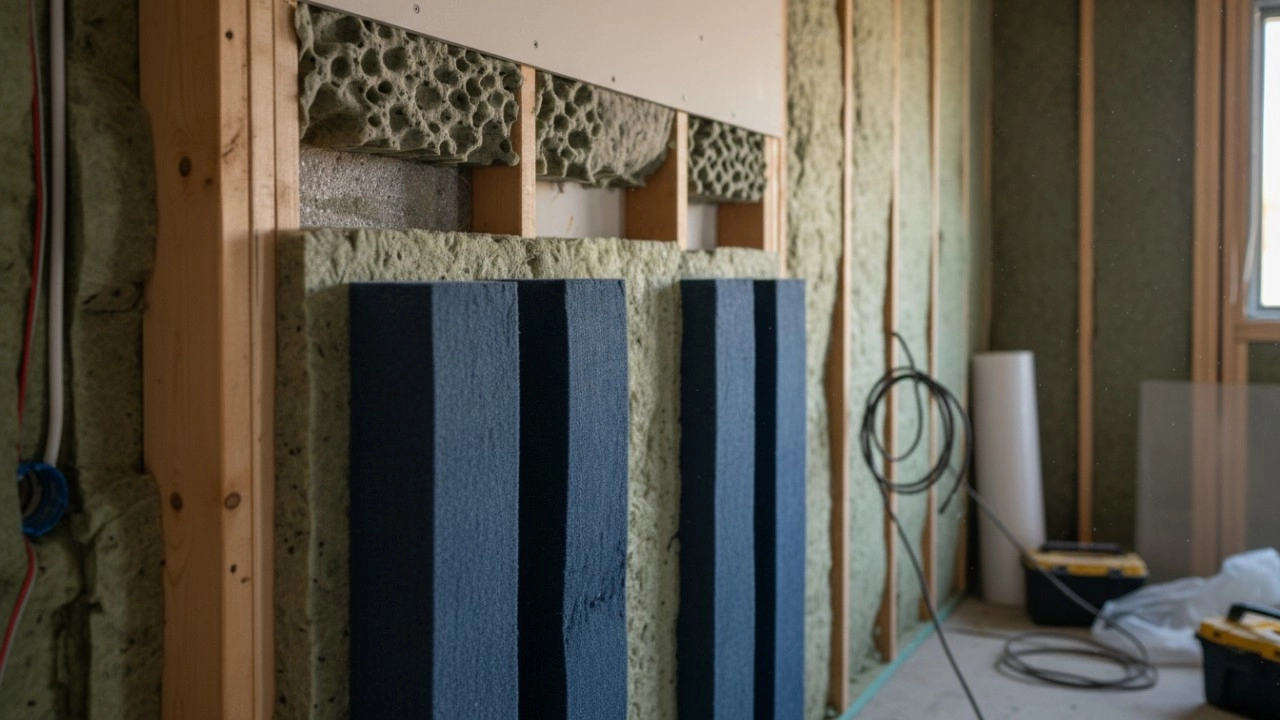
Sound Insulation Foam vs. Acoustic Panels: Which One Actually Stops Noise? (2026 Guide)
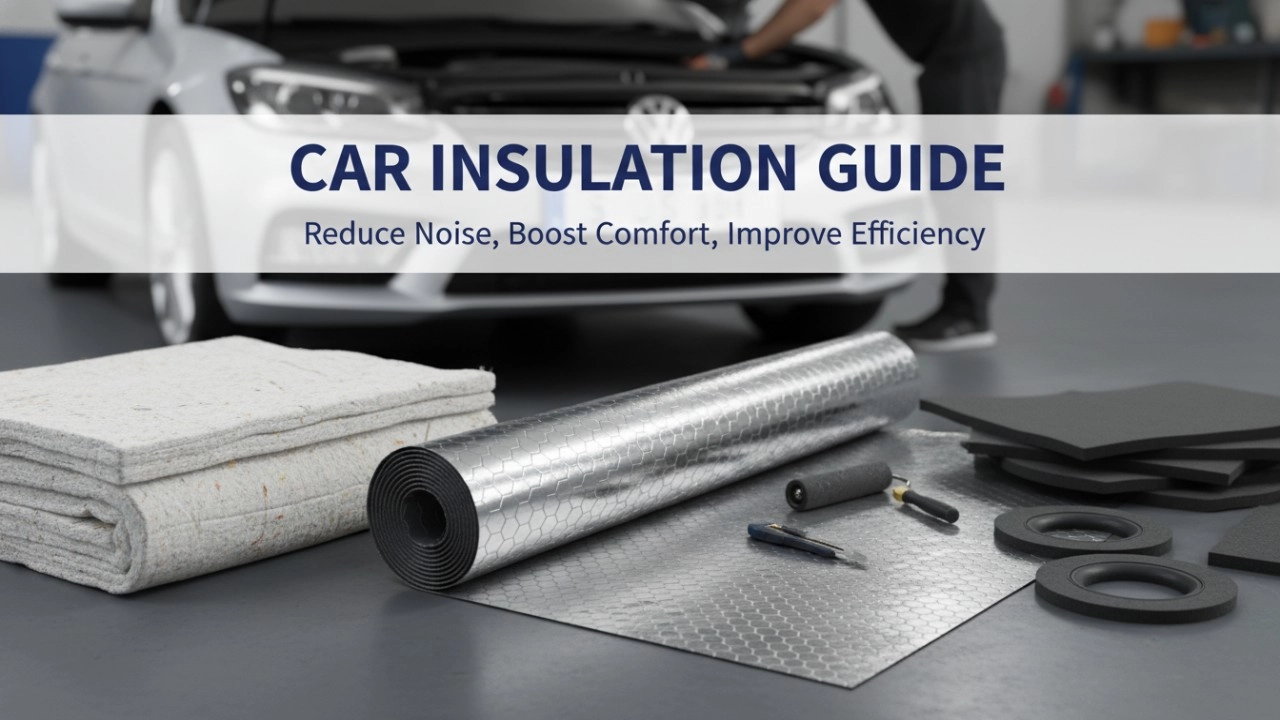
7 Dangerous Mistakes to Avoid When Selecting insulating materials for Your Car (2026 Guide)
service
What is your shipping and delivery process like?
We offer reliable logistics services for insulation material wholesale, both domestically and internationally. Our team ensures secure packaging, timely shipping, and real-time tracking so that your order reaches you in perfect condition and on schedule.
Are your rubber foam products environmentally friendly?
Yes, our insulation products are designed with sustainability in mind. They help reduce energy consumption by minimizing heat loss and gain, and they are made from durable materials that have a long life cycle, reducing the need for frequent replacement.
How does your technical support work?
Our technical support team is available to guide you through every stage of your project—from product selection and design to installation. We provide expert consultation to ensure that you get the best insulation solution for your needs and can assist with troubleshooting if needed.
FAQ
What types of rubber foam insulation do you offer?
We offer a wide range of rubber foam insulation with different thicknesses and specifications. Thermal insulation material manufacturer FUNAS sleeves and sheets are suitable for different application scenarios.
You might also like
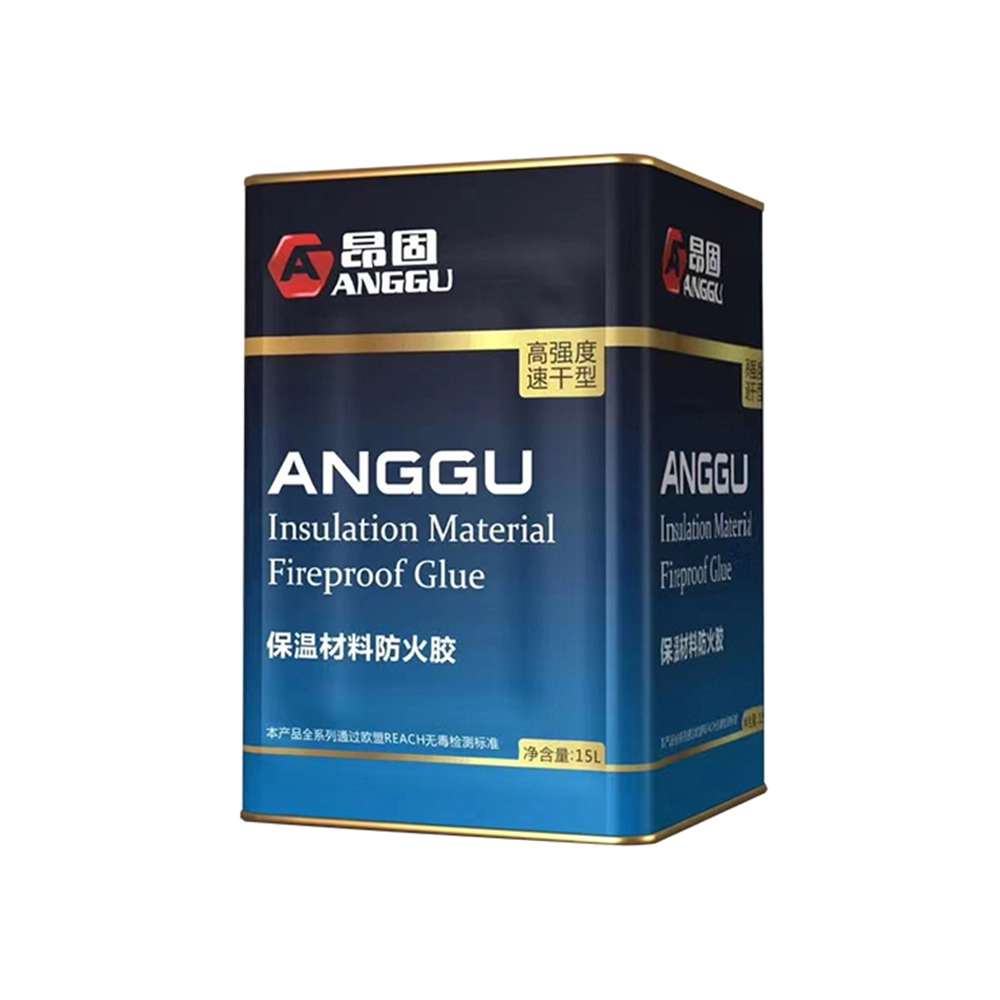
China Manufacturer ANGGU Rubber Foam Dedicated Adhesives & Sealants & Glue
Our high-performance adhesives ensure durability and excellent adhesion, guaranteeing optimal results for all your industrial needs. Specially formulated for precision and strength, Funas adhesives offer seamless application and long-lasting reliability. Trust in quality and innovation with our dedicated rubber foam adhesives. Perfect your projects with Funas, where excellence meets commitment.
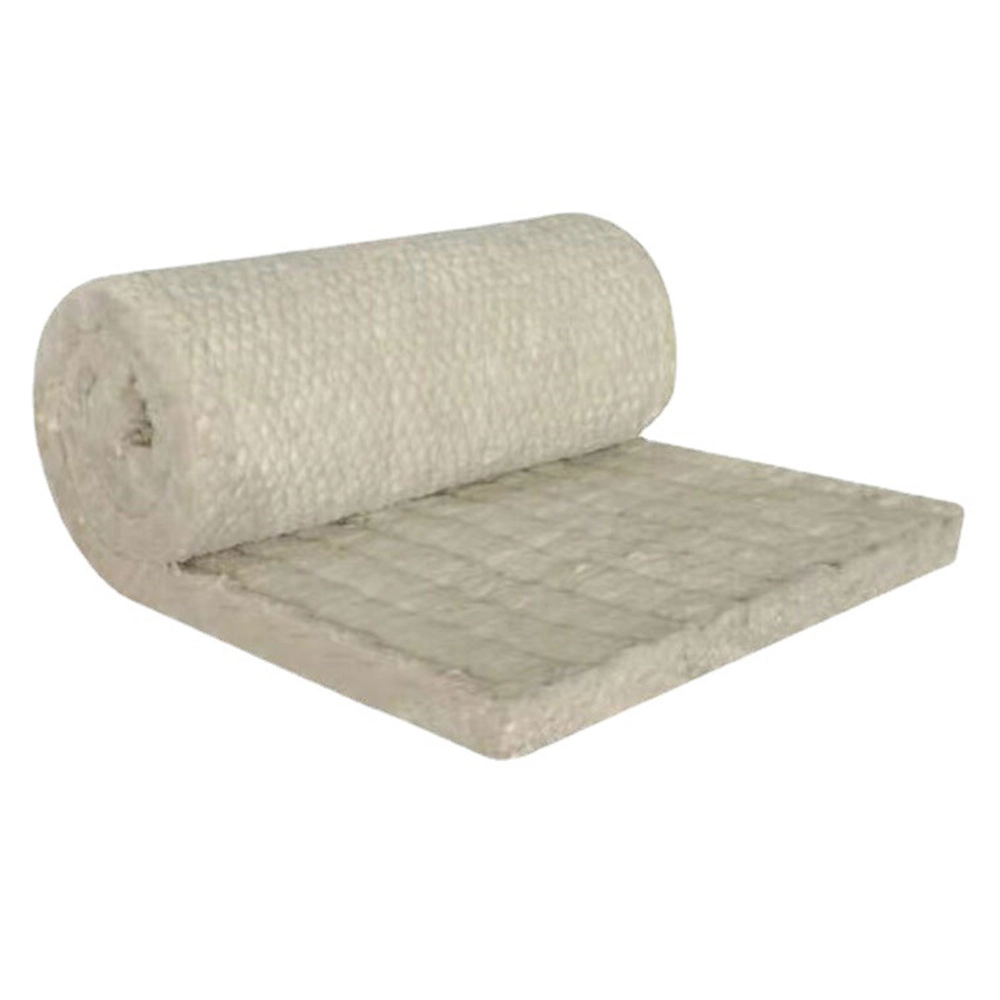
Wholesale Perfect Fire Resistant Performance High Strength Acoustic Mineral Wool Insulation Rock Wool Roll Panel Plain Slab
Rock wool, that is, a kind of exterior insulation material. When the market share of 90% of the organic thermal insulation materials in the stagnant wait-and-see, as a fire rating of A- class exterior insulation inorganic material rock wool has ushered in an unprecedented market opportunity.
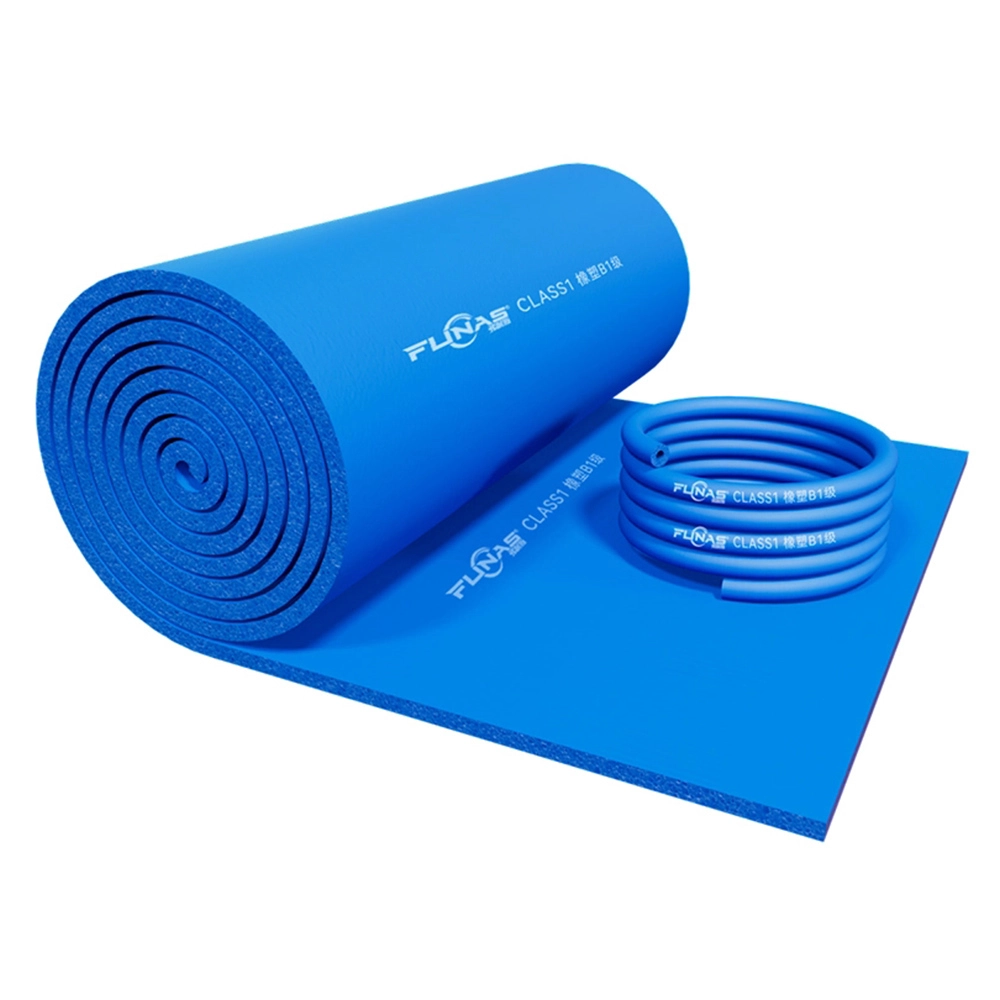
Wholesale blue Rubber-plastic Board Rubber foam panel sheet
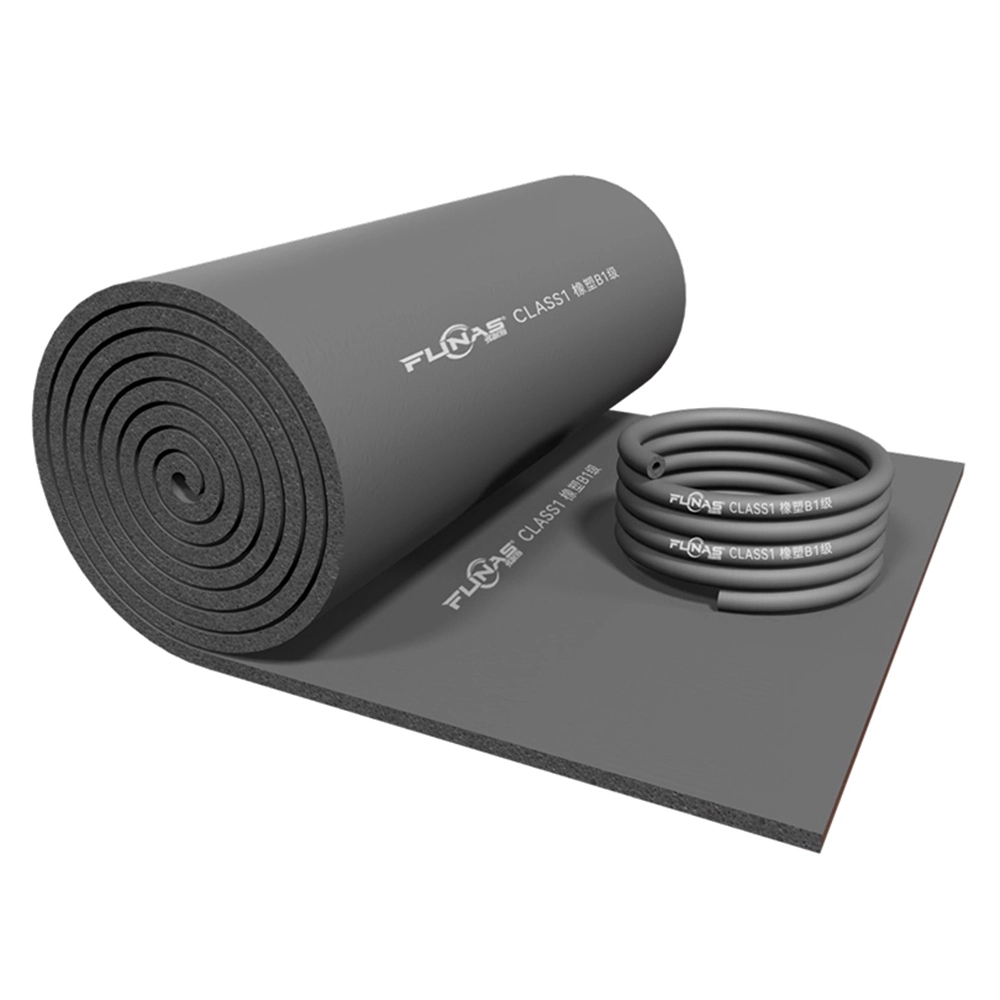
Wholesale black Rubber-plastic Board Rubber foam panel sheet
Leave a message
Have any questions or concerns about our products? Please leave us a message here and our team will get back to you promptly.
Your queries, ideas, and collaboration opportunities are just a click away. Let’s start a conversation.
