
















































Where to find suppliers for nitrile rubber insulation? | Insights by FUNAS
Explore essential considerations for sourcing nitrile rubber insulation, including supplier identification, quality assessment, cost factors, and industry trends, to make informed procurement decisions in the thermal insulation materials sector.
- Comprehensive Guide to Procuring Nitrile Rubber Insulation: Expert Insights for Thermal Insulation Materials
- 1. What are the primary applications of nitrile rubber insulation?
- 2. How do I identify reputable suppliers for nitrile rubber insulation?
- 3. What quality standards should nitrile rubber insulation meet?
- 4. What factors influence the cost of nitrile rubber insulation?
- 5. What are the current market trends in nitrile rubber insulation?
Comprehensive Guide to Procuring Nitrile Rubber Insulation: Expert Insights for Thermal Insulation Materials
When sourcing nitrile rubber insulation, it's crucial to address several key considerations to ensure optimal procurement decisions. Below are five pertinent questions and their detailed answers to guide you through the process:
1. What are the primary applications of nitrile rubber insulation?
Nitrile rubber insulation is predominantly utilized in the following sectors:
HVAC Systems: Its excellent thermal insulation properties help in reducing energy loss and improving system efficiency in both commercial and residential buildings.
Automotive Industry: Used for seals, gaskets, and insulation components due to its resistance to oils, fuels, and extreme temperatures.
Construction: Employed in building insulation, plumbing, and HVAC systems to enhance energy efficiency and comfort.
2. How do I identify reputable suppliers for nitrile rubber insulation?
To find reliable suppliers:
Industry Directories: Utilize online directories and trade platforms that list certified manufacturers and distributors.
Trade Shows and Expos: Attend industry-specific events to meet potential suppliers and assess their offerings firsthand.
Certifications and Standards: Ensure suppliers adhere to international quality standards and possess relevant certifications.
References and Reviews: Seek feedback from previous clients to gauge supplier reliability and product quality.
3. What quality standards should nitrile rubber insulation meet?
Quality standards for nitrile rubber insulation include:
Thermal Conductivity: Low thermal conductivity to ensure effective insulation.
Fire Resistance: Compliance with fire safety regulations to prevent hazards.
Chemical Resistance: Ability to withstand exposure to oils, fuels, and other chemicals.
Durability: Resistance to aging, ozone, and UV degradation.
Environmental Compliance: Adherence to environmental standards, such as low-VOC emissions.
4. What factors influence the cost of nitrile rubber insulation?
Cost determinants include:
Material Quality: Higher quality materials may cost more but offer better performance and longevity.
Thickness and Density: Thicker and denser insulation materials typically cost more due to increased material usage.
Customization: Tailored solutions or custom sizes can lead to higher costs.
Supplier Reputation: Established suppliers may charge a premium for their reliability and product quality.
Order Volume: Bulk purchases often qualify for discounts, reducing the per-unit cost.
5. What are the current market trends in nitrile rubber insulation?
Recent trends include:
Sustainability Focus: Growing demand for eco-friendly and sustainable insulation materials.
Technological Advancements: Innovations leading to improved performance characteristics, such as enhanced thermal conductivity and fire resistance.
Customization Demand: Shift towards customized solutions to meet specific end-user requirements, particularly in industries like HVAC and construction.
Regional Growth: Asia Pacific is projected to maintain robust growth in the nitrile rubber insulation market through 2030, driven by industrialization and infrastructure development.
In conclusion, when procuring nitrile rubber insulation, it's essential to assess supplier credibility, ensure adherence to quality standards, consider cost factors, and stay informed about market trends. By doing so, you can make informed decisions that align with your project's requirements and contribute to its success.
About FUNAS
FUNAS stands out in the thermal insulation materials industry by offering high-quality nitrile rubber insulation products that meet international standards. With a commitment to sustainability and innovation, FUNAS provides customized solutions tailored to diverse industry needs, ensuring optimal performance and customer satisfaction.

Does sound insulation foam Actually Work in 2026? Ultimate guide About Blocking vs. Absorbing Noise
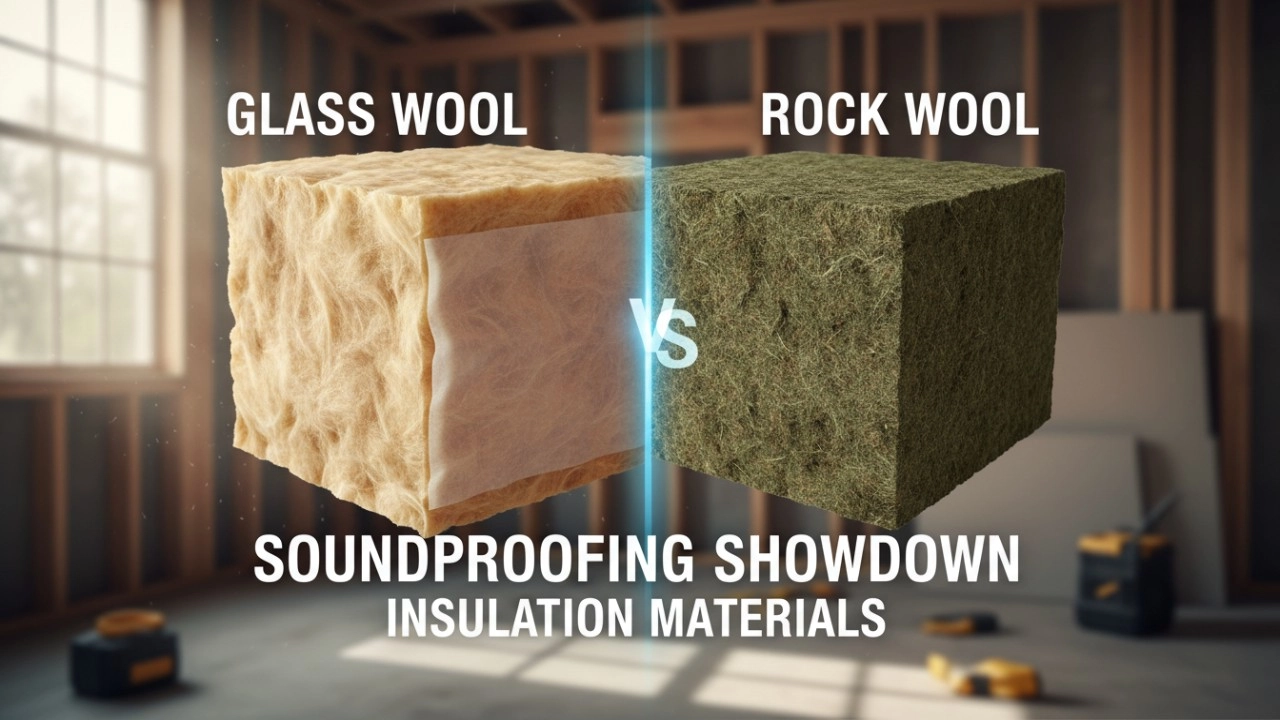
Fiberglass vs. Rockwool: Which Soundproofing Insulation Material Wins for Acoustic Control?
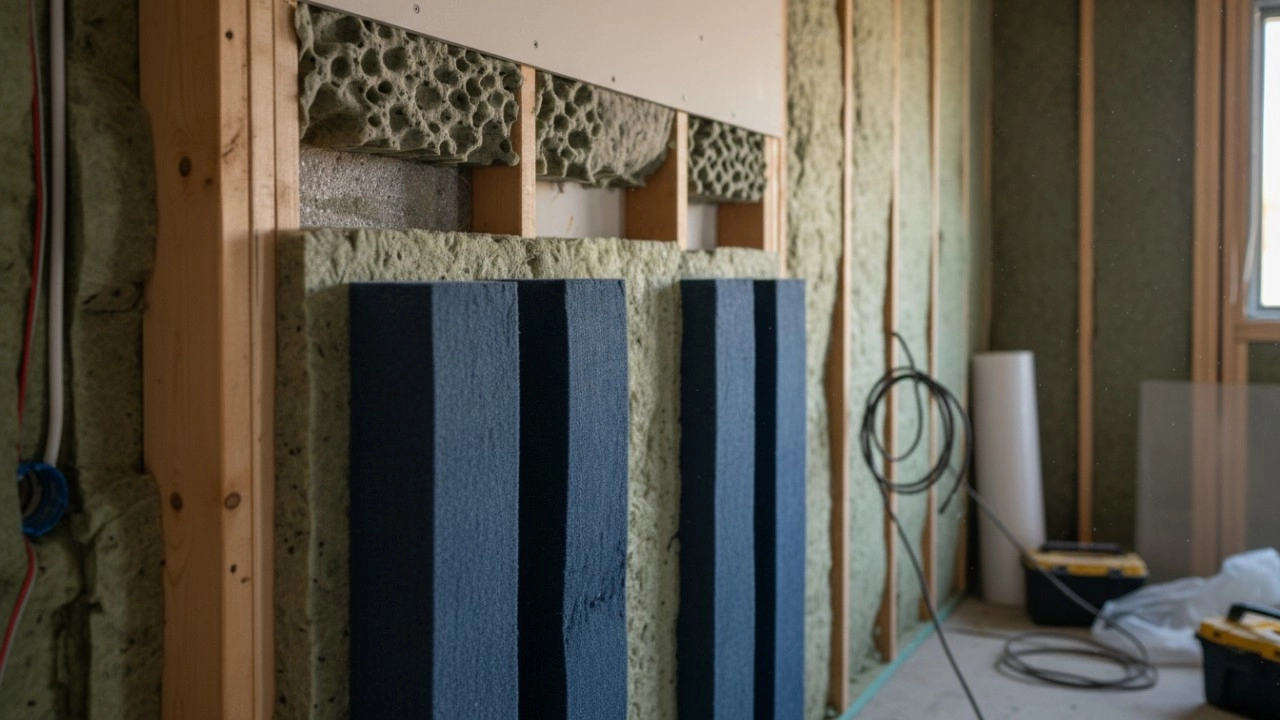
Sound Insulation Foam vs. Acoustic Panels: Which One Actually Stops Noise? (2026 Guide)
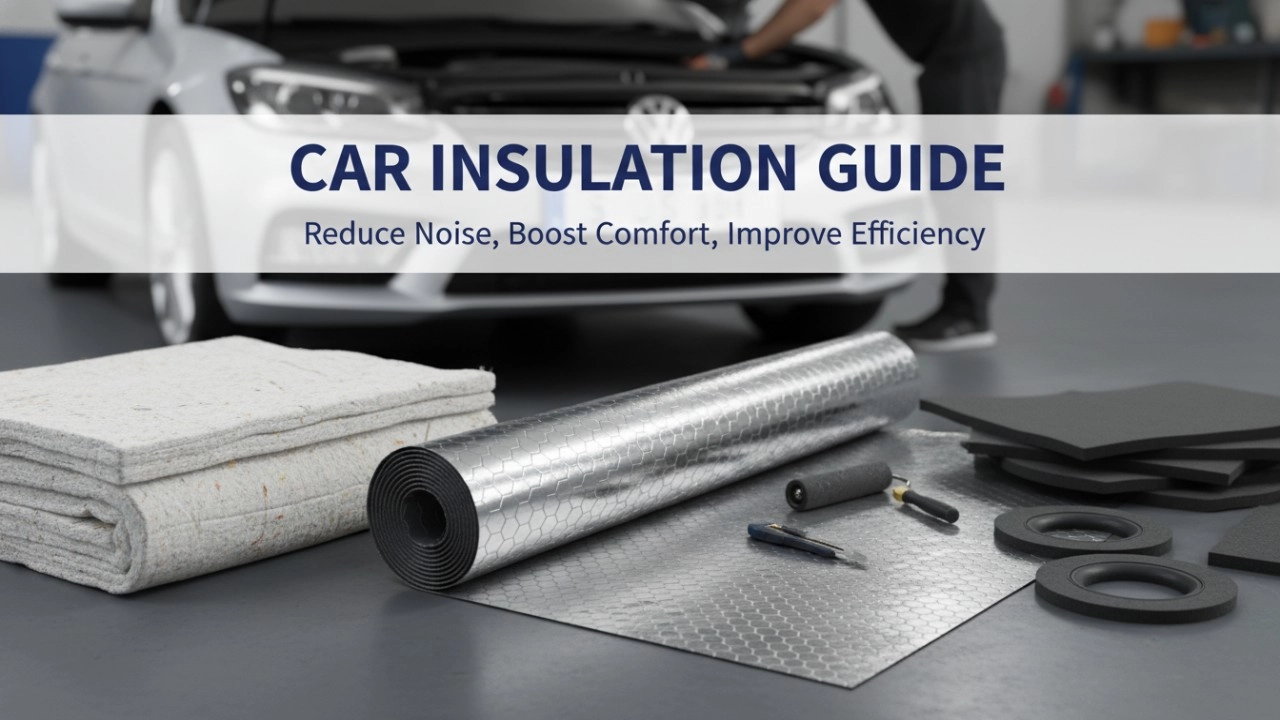
7 Dangerous Mistakes to Avoid When Selecting insulating materials for Your Car (2026 Guide)
FAQ
What types of rubber foam insulation do you offer?
We offer a wide range of rubber foam insulation with different thicknesses and specifications. Thermal insulation material manufacturer FUNAS sleeves and sheets are suitable for different application scenarios.
What is the typical delivery time for custom orders?
Our daily production capacity is 800 cubic meters. Delivery time varies depending on the complexity of the insulation material wholesale order, but we can deliver large quantities of customized products within 4-6 weeks after the approval date, and small quantities can be delivered within 15 days.
service
Can I request custom dimensions or properties for my insulation needs?
Yes, we specialize in custom solutions. Whether you need specific dimensions, thicknesses, densities, or additional coatings, we can work with you to manufacture insulation products tailored to your exact requirements of good materials for heat insulation.
What types of rubber foam insulation products do you offer?
We offer a wide range of rubber foam insulation products, including custom shapes and sizes, thermal and acoustic insulation solutions, and options with specialized coatings such as flame retardancy and water resistance. Our products are suitable for applications in HVAC, automotive, construction, and more.
You might also like
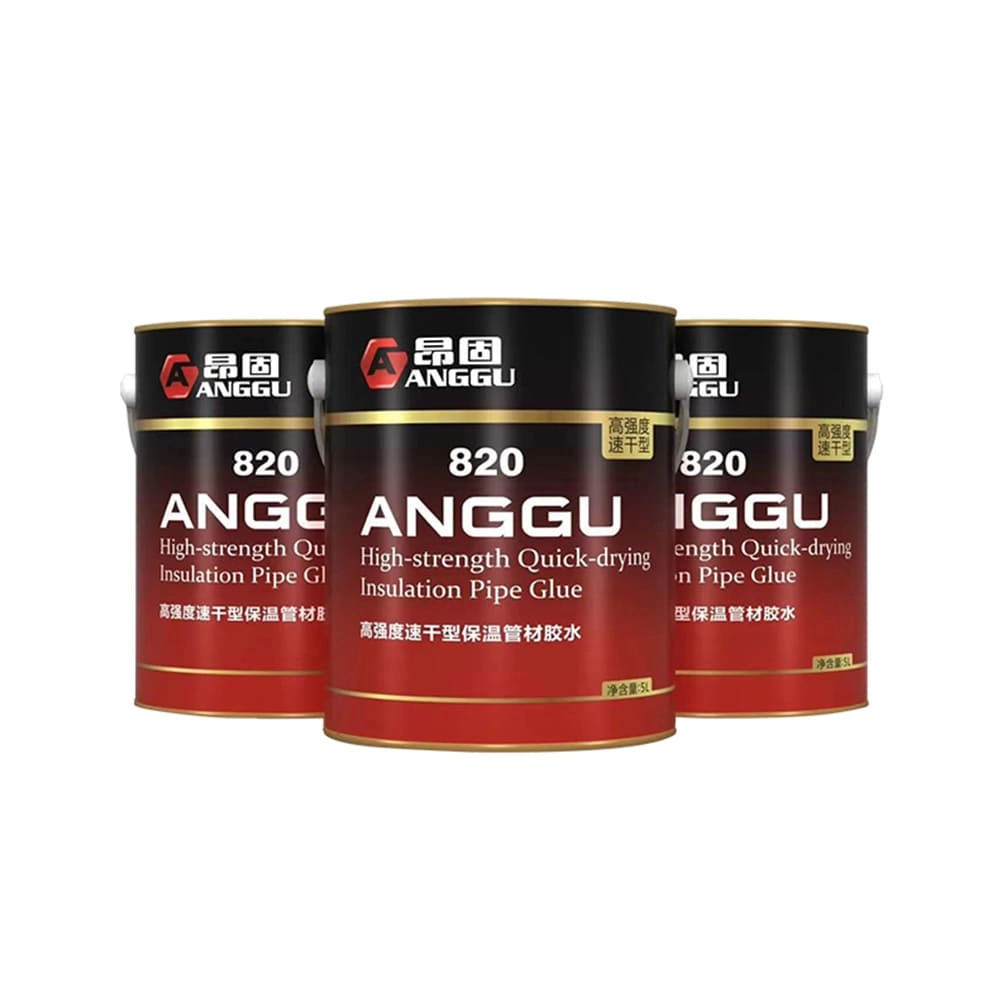
820 Pipe special adhesive
This product has passed the EU REACH non-toxic standard, ROHS non-toxic standard. (The product is black glue.)
Anggu 820glue is a low-odor, high-strength quick-drying glue; Fast drying speed, long bonding time, no powder, non-toxic.
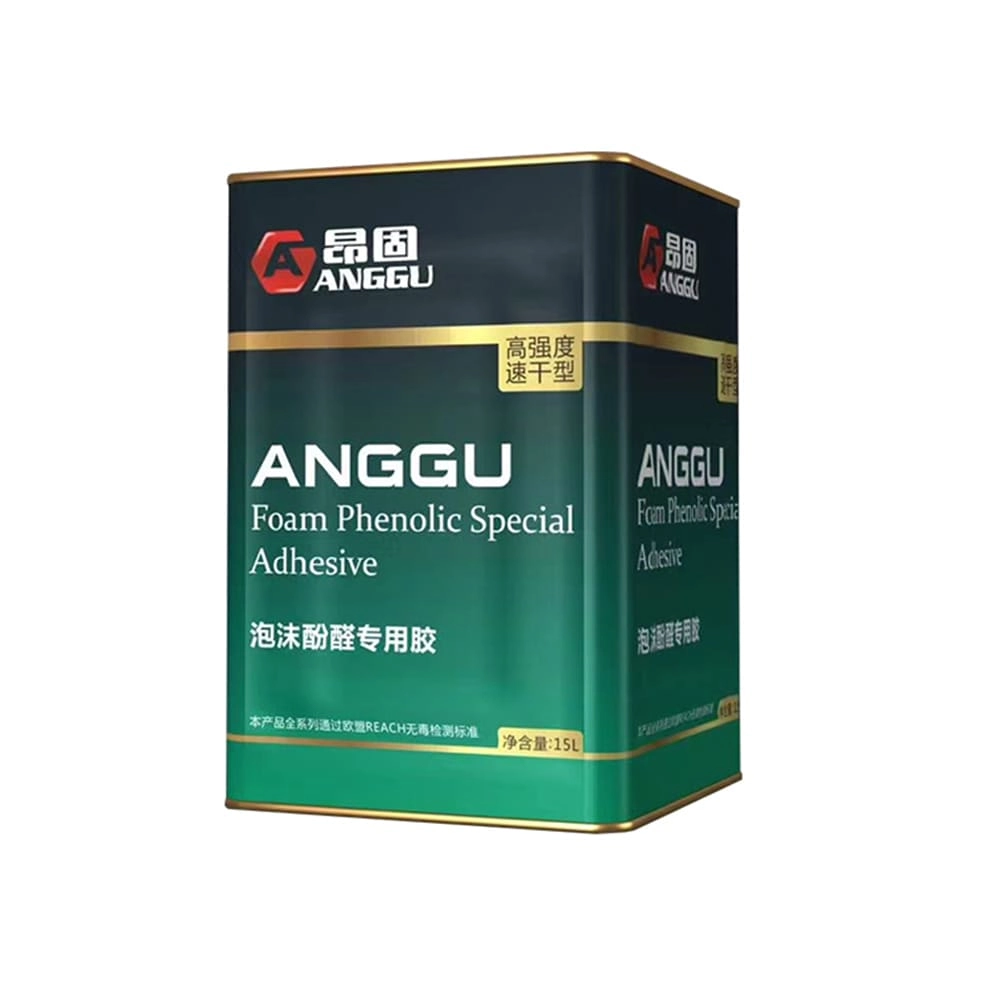
Foam Phenolic Adhesive
This product has passed the national GB33372-2020 standard and GB18583-2008 standard. (The product is a yellow liquid.)
Anggu foam phenolic glue is a kind of glue with corrosion resistance, low odor, high strength and excellent brushing property. Can be sprayed for construction with fast surface drying speed, long bonding time, no chalking and convenient operation.

Wholesale Perfect Fire Resistant Performance High Strength Acoustic Mineral Wool Insulation Rock Wool Board Panel Plain Slab
Rock wool board, that is, a kind of exterior insulation material. When the market share of 90% of the organic thermal insulation materials in the stagnant wait-and-see, as a fire rating of A-class exterior insulation inorganic material rock wool, has ushered in an unprecedented market opportunity.
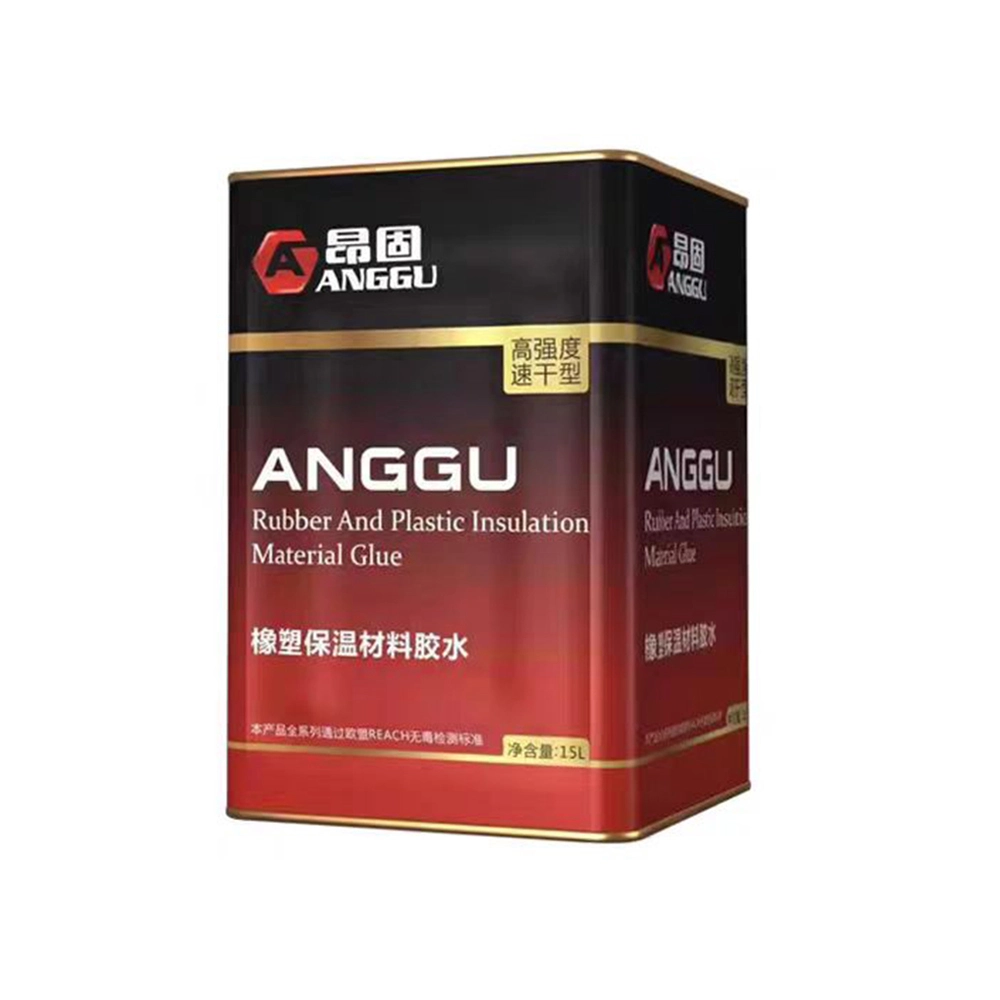
Rubber Plastic insulation Material Glue
Leave a message
Have any questions or concerns about our products? Please leave us a message here and our team will get back to you promptly.
Your queries, ideas, and collaboration opportunities are just a click away. Let’s start a conversation.
