
how much is wall insulation | Insights by FUNAS
Explore the essential aspects of wall insulation, including costs, material options, and installation methods, to make informed decisions for your home improvement projects.
- Understanding Wall Insulation: Costs, Materials, and Installation
- 1. What Are the Average Costs of Wall Insulation?
- 2. What Are the Different Types of Wall Insulation Materials?
- 3. How Do I Choose the Right Insulation Material for My Home?
- 4. What Are the Installation Methods for Wall Insulation?
- 5. How Do I Maintain and Inspect Wall Insulation?
- Conclusion: Why Choose FUNAS for Your Insulation Needs?
Understanding Wall Insulation: Costs, Materials, and Installation
When considering wall insulation, homeowners often have several key questions. Addressing these can help in making informed decisions that enhance energy efficiency and comfort. Below are five common inquiries and their detailed answers:
1. What Are the Average Costs of Wall Insulation?
The cost of wall insulation varies based on material choice, installation method, and regional labor rates. Here's a breakdown:
Fiberglass Insulation: Typically ranges from $0.30 to $1.50 per square foot.
Cellulose Insulation: Costs between $0.50 and $2.40 per square foot.
Mineral Wool Insulation: Priced at $1.40 to $2.10 per square foot.
Spray Foam Insulation: Ranges from $0.40 to $1.50 per square foot.
Labor costs can add an additional $0.25 to $0.50 per square foot, depending on the complexity of the installation.
2. What Are the Different Types of Wall Insulation Materials?
Several insulation materials are available, each with unique properties:
Fiberglass Insulation: Commonly used in batts or rolls, offering a balance between cost and performance.
Cellulose Insulation: Made from recycled paper products, it's an eco-friendly option with good thermal performance.
Mineral Wool Insulation: Provides excellent fire resistance and soundproofing qualities.
Spray Foam Insulation: Expands upon application, filling gaps and cracks for superior air sealing.
Rigid Foam Insulation: Offers high R-values per inch and is moisture-resistant, suitable for areas like basements.
3. How Do I Choose the Right Insulation Material for My Home?
Selecting the appropriate insulation depends on several factors:
Climate: In colder regions, materials with higher R-values are beneficial.
Budget: Evaluate both material and installation costs.
Installation Method: Some materials are DIY-friendly, while others require professional installation.
Environmental Impact: Consider eco-friendly options like cellulose or recycled materials.
Consulting with a professional can provide personalized recommendations based on your specific needs.
4. What Are the Installation Methods for Wall Insulation?
Installation methods vary by material:
Fiberglass and Mineral Wool: Installed between wall studs in batts or rolls.
Cellulose: Blown into wall cavities, suitable for existing homes.
Spray Foam: Applied as a liquid that expands to fill gaps, providing an air seal.
Rigid Foam: Cut to fit and installed between studs or on exterior walls.
Professional installation is recommended for most materials to ensure effectiveness and safety.
5. How Do I Maintain and Inspect Wall Insulation?
Regular maintenance ensures optimal performance:
Visual Inspections: Check for signs of moisture, mold, or pest infestations.
Air Leaks: Seal gaps around windows, doors, and outlets.
Professional Assessments: Schedule periodic evaluations to identify potential issues.
Proper maintenance extends the lifespan of your insulation and maintains energy efficiency.
Conclusion: Why Choose FUNAS for Your Insulation Needs?
When selecting an insulation provider, consider the following advantages of FUNAS:
Expertise: Years of experience in the insulation industry.
Quality Materials: Offering a range of high-performance insulation products.
Professional Installation: Skilled technicians ensuring optimal results.
Customer Satisfaction: Committed to delivering value and comfort to homeowners.
Choosing FUNAS ensures a reliable and efficient insulation solution tailored to your home's needs.
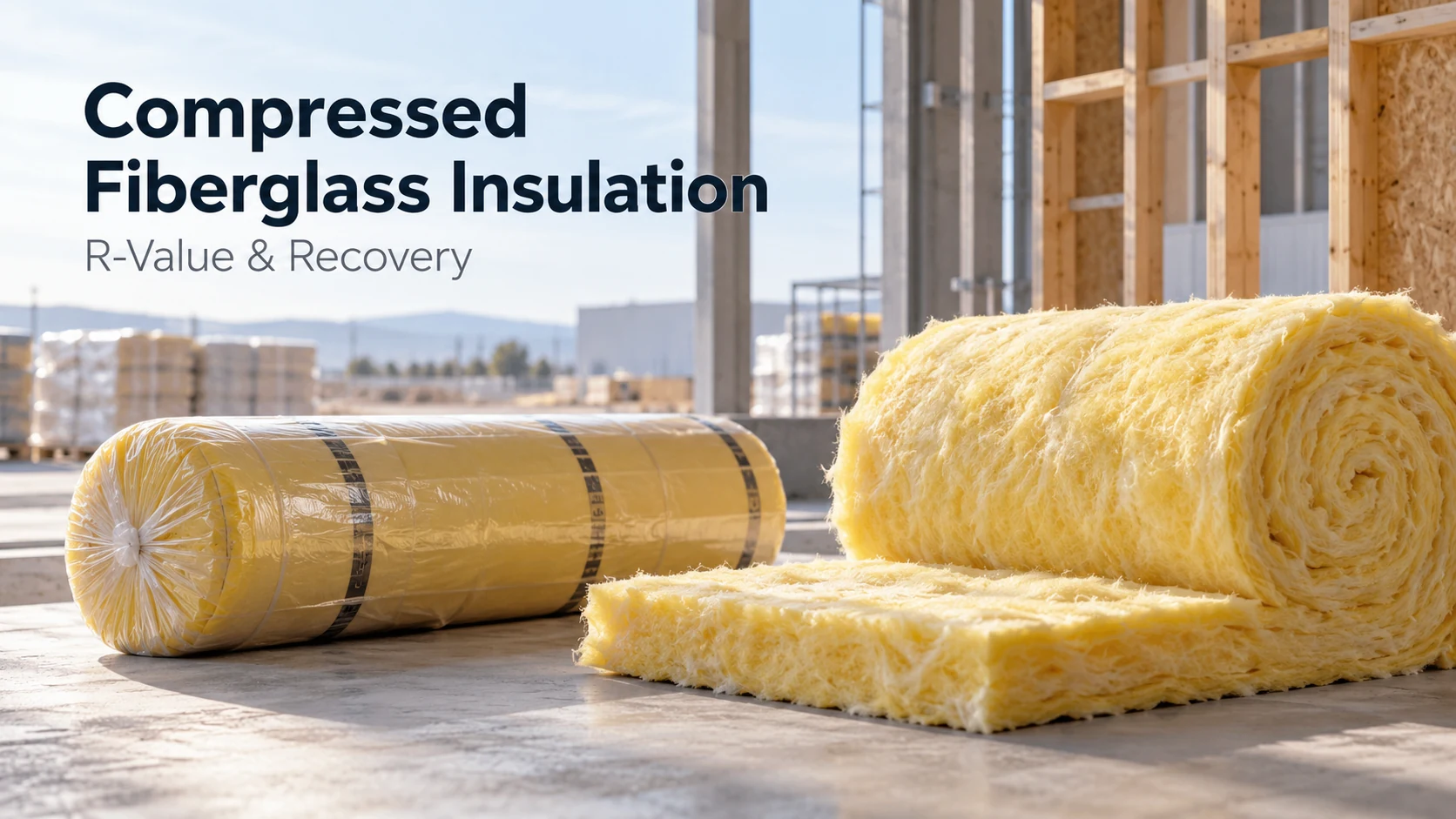
What Happens When Fiberglass (Glass Wool) Insulation Is Compressed?
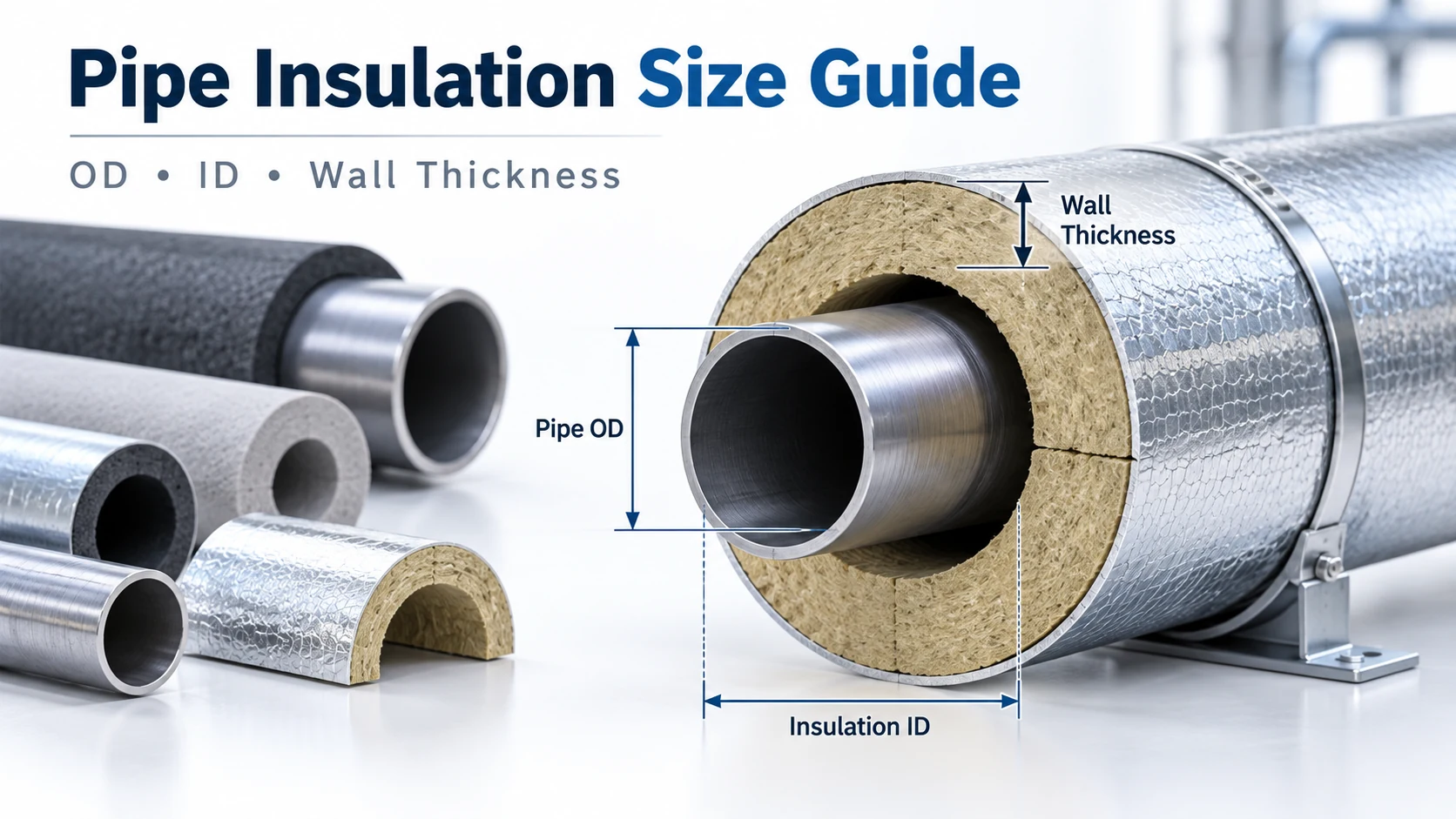
Pipe Insulation Size Guide: How to Match Pipe OD, Insulation ID and Wall Thickness
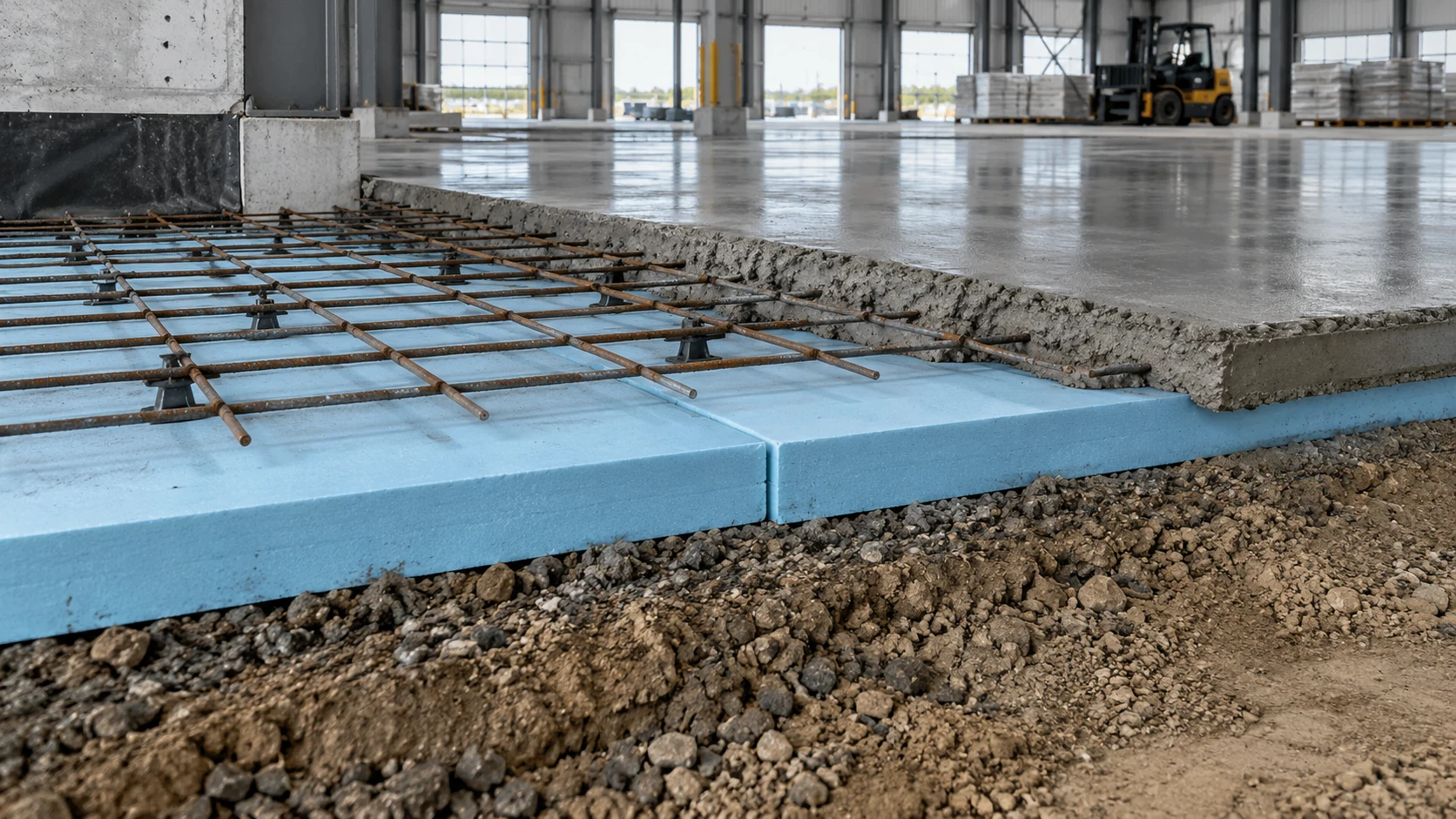
What XPS Compressive Strength Do I Need Under a Concrete Slab?
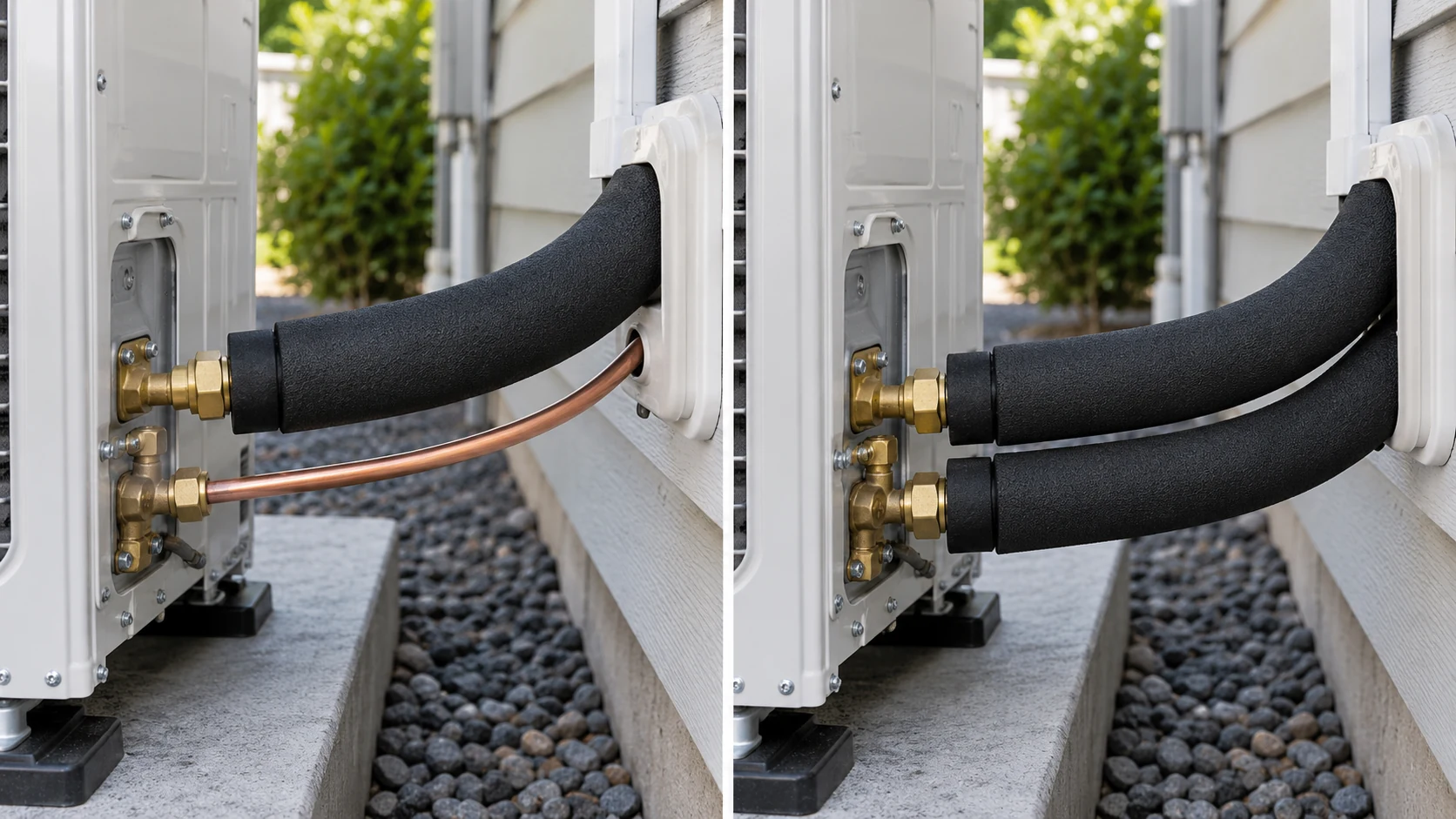
Do Both Refrigerant Lines Need Insulation?
How do you pack insulation products for export?
Products are packed according to material type and shipping requirements. Common options include plastic bags, cartons, woven bags, pallets, or customized export packaging to help protect the goods during transportation.
Can you support OEM or private label orders?
Yes. We can support OEM and private label requirements such as customized packaging, labels, product specifications, and brand presentation for distributors, contractors, and project buyers.
Can you arrange international shipping?
Yes. We can help arrange international shipping by sea, air, or express depending on the order volume and delivery needs. We can also work with your appointed freight forwarder if required.
Can you provide customized insulation products?
Yes. We can support customized sizes, thicknesses, densities, aluminum foil facing, adhesive backing, colors, packaging, and other project requirements depending on the product type and order quantity.
Leave a message
Have any questions or concerns about our products? Please leave us a message here and our team will get back to you promptly.
Your queries, ideas, and collaboration opportunities are just a click away. Let’s start a conversation.



















































FUNAS Insulation Material
funasinsulation
funasinsulation
Guangdong FUNAS Insulation Material Co.Ltd