


















































how much does foam pipe insulation help | FUNAS Expert Guide
Learn about the benefits of foam pipe insulation, including energy savings and freeze protection. This guide covers R-values, types of foam insulation, installation tips, and considerations for different climates to help thermal insulation material buyers make informed decisions. Discover how to reduce heat loss, prevent condensation, and protect your pipes effectively.
Understanding the Benefits of Foam Pipe Insulation
Foam pipe insulation is a crucial component in maintaining energy efficiency and preventing costly damage in both residential and commercial plumbing systems. This guide addresses common questions and provides essential knowledge for thermal insulation material buyers.
How Much Does Foam Pipe Insulation Actually Help?
The effectiveness of foam pipe insulation is primarily measured by its R-value, which indicates its resistance to heat flow. Higher R-values offer better insulation. According to the U.S. Department of Energy, insulating hot water pipes can reduce heat loss by up to 80%. This translates to significant energy savings, potentially reducing water heating costs by 2% to 4% (Source: U.S. Department of Energy). For example, a pipe with an R-value of 4 will lose significantly less heat than an uninsulated pipe. The actual savings depend on factors like pipe length, water temperature, and ambient temperature.
What R-Value Should I Choose for Pipe Insulation?
The recommended R-value for pipe insulation depends on your climate and the pipe's location. For indoor pipes in moderate climates, an R-value of 3 to 4 is typically sufficient. In colder climates or for pipes located in unheated areas like basements or crawl spaces, an R-value of 4 or higher is recommended. Some areas may even require higher R-values to meet local building codes. Consult with a local HVAC professional or building inspector to determine the specific requirements for your area. The North American Insulation Manufacturers Association (NAIMA) provides detailed guidance on selecting appropriate R-values.
What Types of Foam Pipe Insulation Are Available?
Several types of foam pipe insulation are available, each with its own properties and applications:
- Polyethylene Foam: Cost-effective and suitable for both hot and cold water pipes.
- Elastomeric Rubber (e.g., Nitrile Rubber): Offers excellent flexibility and moisture resistance, ideal for preventing condensation on cold water pipes and HVAC systems.
- Fiberglass: While not technically foam, fiberglass insulation is a common alternative. It's effective for high-temperature applications but requires careful handling due to potential skin irritation.
- Polyurethane Foam: Provides high R-values and is often used in more demanding industrial applications.
How Do I Install Foam Pipe Insulation?
Installation is generally straightforward. Most foam pipe insulation comes pre-slit with an adhesive closure. Simply wrap the insulation around the pipe, ensuring a snug fit, and seal the closure. For longer runs, use insulation tape to secure the seams and prevent gaps. Make sure the pipe surface is clean and dry before applying the insulation. For more complex installations, such as around bends or valves, pre-formed fittings or specialized cutting tools may be required.
Does Foam Pipe Insulation Prevent Freezing?
While foam pipe insulation significantly reduces the risk of freezing, it doesn't eliminate it entirely. Insulation slows down the rate of heat loss, giving you more time to react during freezing temperatures. In extremely cold conditions, additional measures like heat tracing (heating cables) may be necessary to prevent pipes from freezing. The effectiveness of insulation in preventing freezing depends on factors such as the severity of the cold, the length of exposed pipe, and the pipe's water flow rate.

Does sound insulation foam Actually Work in 2026? Ultimate guide About Blocking vs. Absorbing Noise
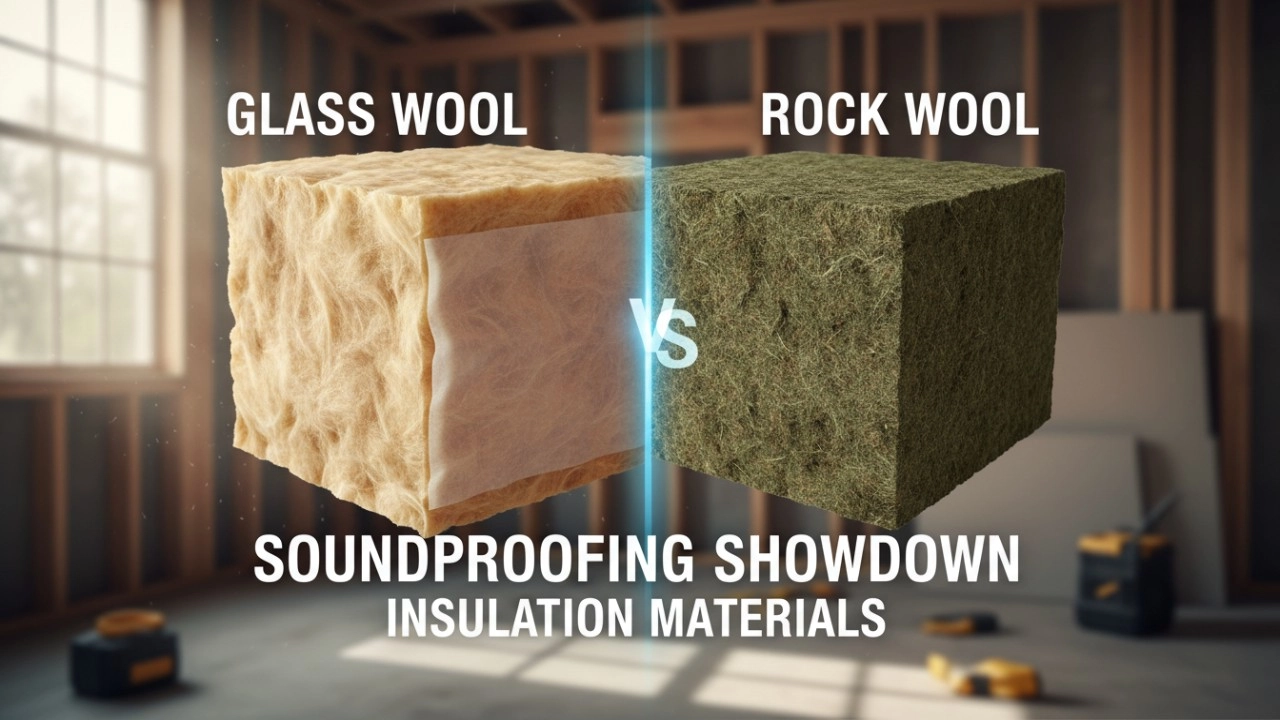
Fiberglass vs. Rockwool: Which Soundproofing Insulation Material Wins for Acoustic Control?
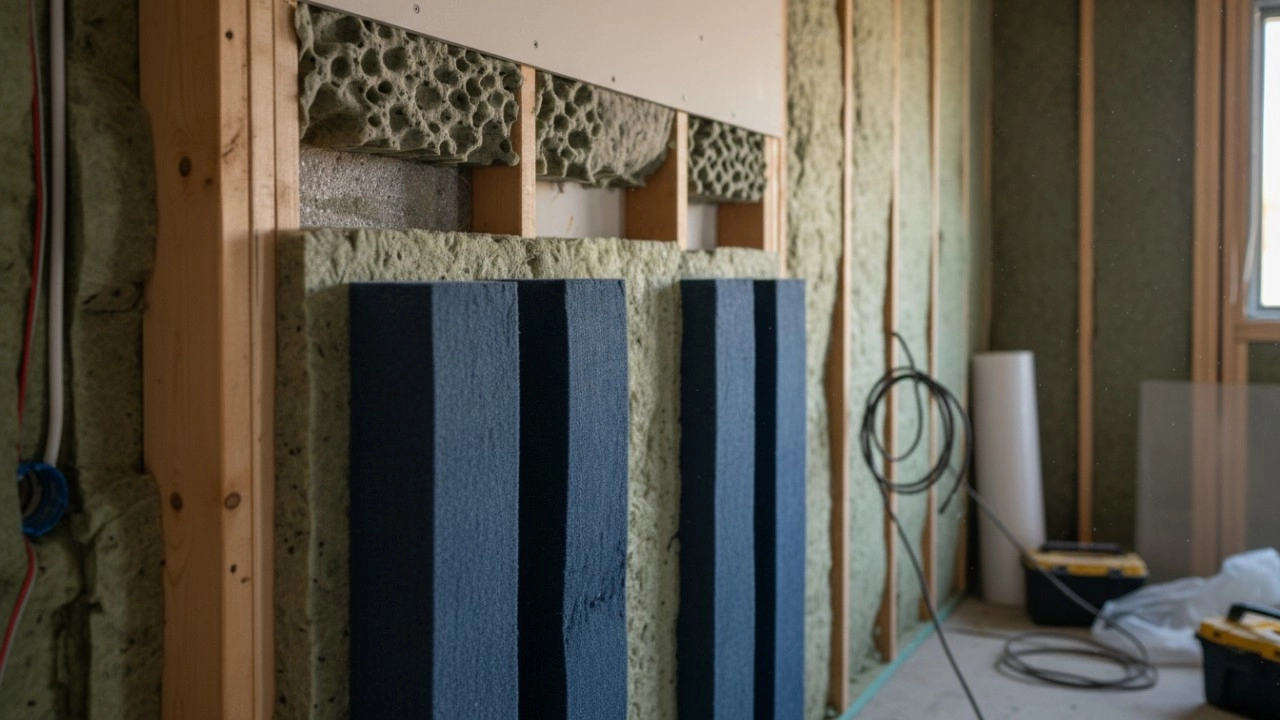
Sound Insulation Foam vs. Acoustic Panels: Which One Actually Stops Noise? (2026 Guide)
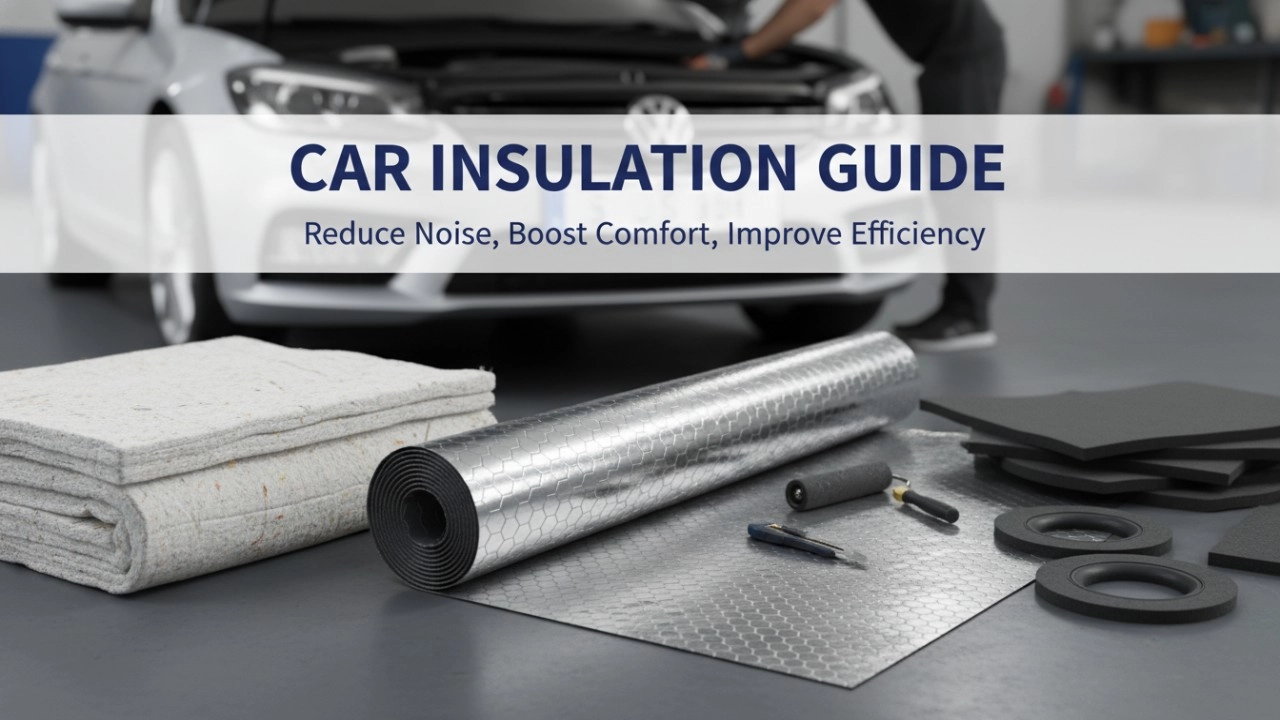
7 Dangerous Mistakes to Avoid When Selecting insulating materials for Your Car (2026 Guide)
FAQ
Can your insulation products be customized?
Yes, we offer customized solutions for insulation material wholesale to meet the specifications of your project, including custom specifications, sizes, foils and adhesives, colors, etc.
How do I choose the right insulation for my project?
Our team can help you choose the best material for heat insulation based on your specific needs, such as thermal resistance, acoustic properties, and environmental conditions.
service
What is your shipping and delivery process like?
We offer reliable logistics services for insulation material wholesale, both domestically and internationally. Our team ensures secure packaging, timely shipping, and real-time tracking so that your order reaches you in perfect condition and on schedule.
What types of rubber foam insulation products do you offer?
We offer a wide range of rubber foam insulation products, including custom shapes and sizes, thermal and acoustic insulation solutions, and options with specialized coatings such as flame retardancy and water resistance. Our products are suitable for applications in HVAC, automotive, construction, and more.
You might also like

Wholesale Rock Wool Mineral Wool Board Panel Sheet
High-performance rock wool board for superior thermal and acoustic insulation. A reliable choice for building projects.
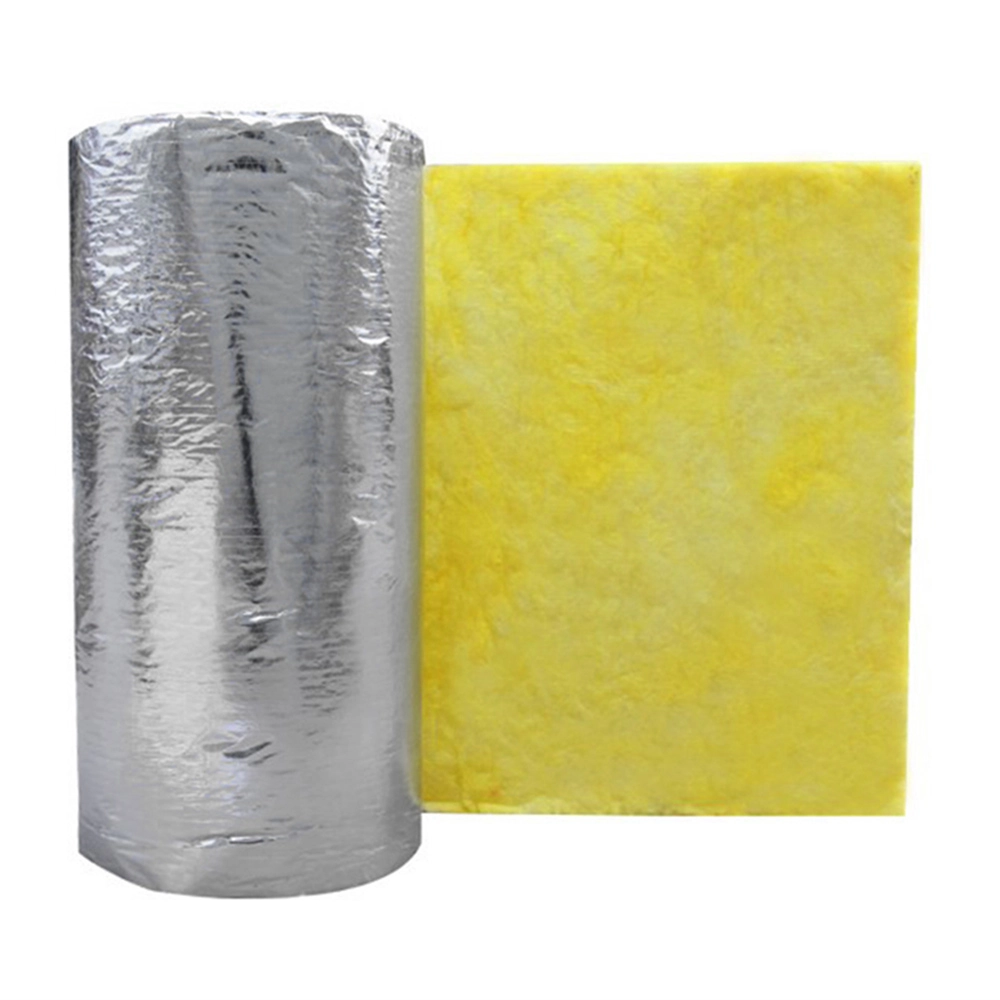
Wholesale Roof And Wall Thermal Heat Insulation 50mm Thickness Aluminum Foil Fiberglass Insulation Roll Glass Wool
Glass wool is the molten glass fiber, the formation of cotton-like material, chemical composition belongs to the glass category, is a kind of inorganic fiber. With good molding, small volume density, thermal conductivity both, thermal insulation, sound absorption performance is good, corrosion resistance, chemical stability and so on.
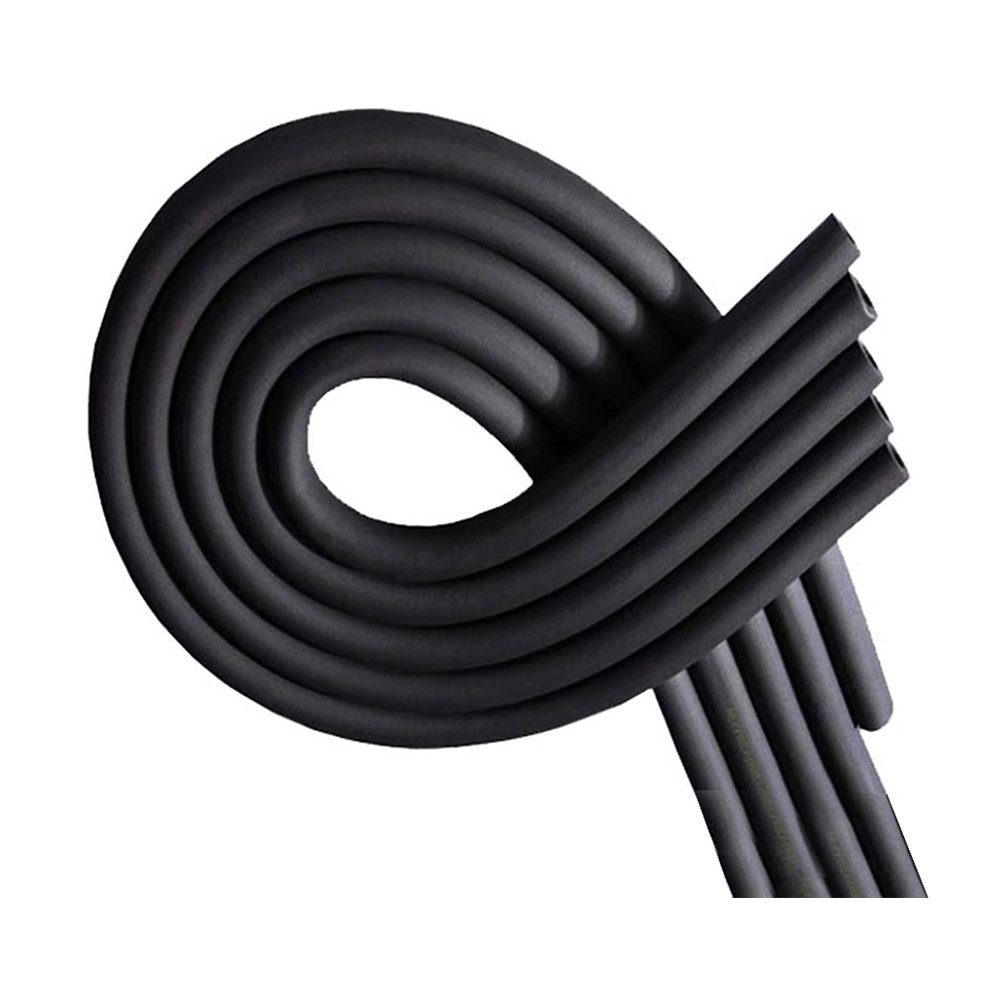
Wholesale Black nitrile rubber foam pipe rubber NBR foam tube rubber foam insulation tube for hvac system
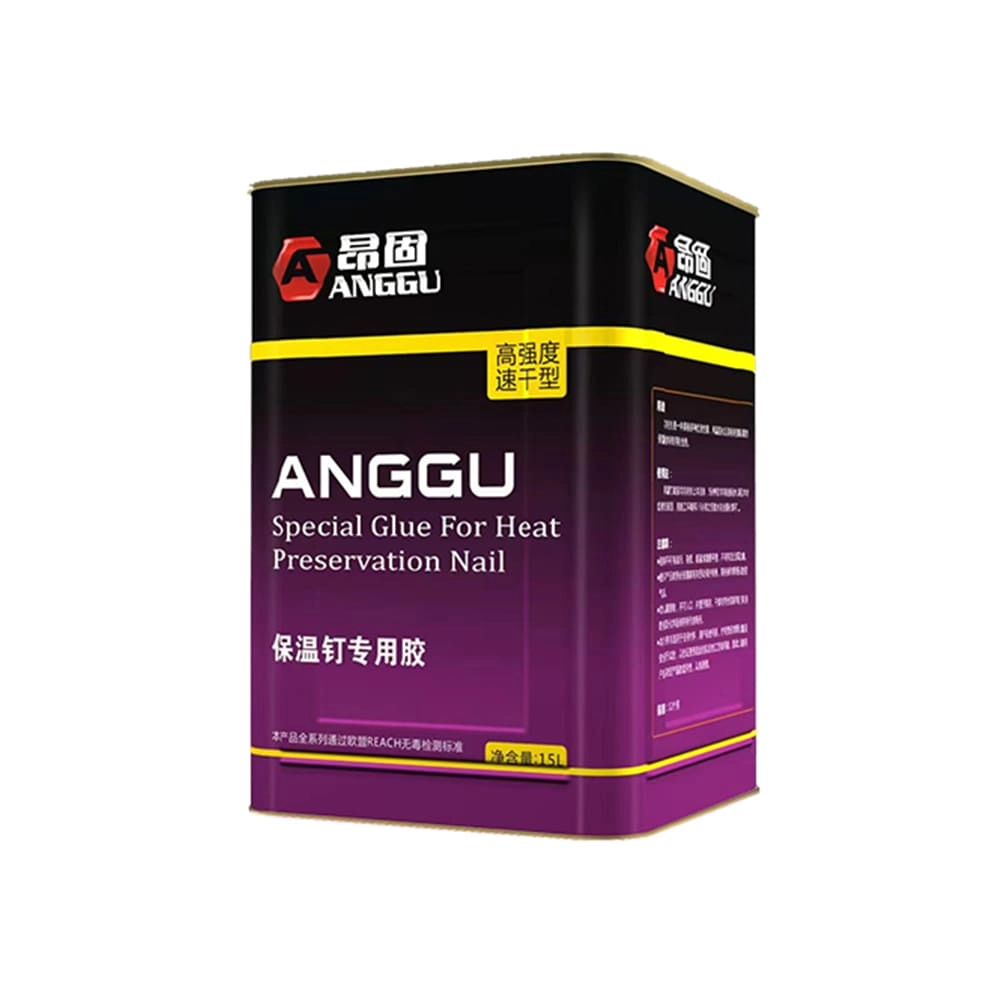
Special adhesive for insulation nail
This product has passed the EU REACH non-toxic standard and ROHS non-toxic standard. (This product is a yellow liquid).
Anggu insulation nail special adhesive is a adhesive with high viscosity, slow drying, aging resistance, high strength, and excellent brushing performance; The special adhesive for insulation nails has a slow drying speed and strong adhesion to the iron sheet. It can be flexibly moved during construction, and has a strong bonding force after curing, low odor.and is non-toxic.
Leave a message
Have any questions or concerns about our products? Please leave us a message here and our team will get back to you promptly.
Your queries, ideas, and collaboration opportunities are just a click away. Let’s start a conversation.
