
















































Which are the best glass wool insulation R-values to pick in 2026?
Explore the key factors influencing the selection of glass wool insulation in 2026, including R-values, environmental impact, cost-effectiveness, installation methods, and more.
- 1. What Are the Optimal R-Values for Glass Wool Insulation in 2026?
- 2. How Does Glass Wool Insulation Impact Energy Efficiency?
- 3. What Are the Environmental Considerations of Using Glass Wool Insulation?
- 4. How Does Glass Wool Insulation Perform in Terms of Fire Safety?
- 5. What Are the Cost Implications of Installing Glass Wool Insulation?
- 6. How Does Glass Wool Insulation Compare to Other Insulation Materials?
- 7. What Are the Installation Best Practices for Glass Wool Insulation?
- 8. How Does Glass Wool Insulation Contribute to Sustainable Building Practices?
- FUNAS Advantages
- Data Sources
1. What Are the Optimal R-Values for Glass Wool Insulation in 2026?
In 2026, selecting glass wool insulation with higher R-values is crucial for enhanced thermal performance. R-values indicate a material's resistance to heat flow; the higher the R-value, the better the insulation. For instance, fiberglass insulation typically offers an R-value of approximately 2.5 to 4 per inch of thickness. Therefore, opting for thicker glass wool batts or boards can significantly improve energy efficiency.
2. How Does Glass Wool Insulation Impact Energy Efficiency?
Glass wool insulation plays a pivotal role in reducing energy consumption by minimizing heat transfer. By maintaining consistent indoor temperatures, it lessens the reliance on heating and cooling systems, leading to substantial energy savings. This efficiency not only lowers utility bills but also contributes to environmental sustainability by reducing carbon footprints.
3. What Are the Environmental Considerations of Using Glass Wool Insulation?
Glass wool insulation is generally considered environmentally friendly due to its composition of recycled glass materials. Its production process has a lower environmental impact compared to some other insulation materials. Additionally, glass wool is non-toxic and does not emit harmful gases, making it a safe choice for both occupants and the environment.
4. How Does Glass Wool Insulation Perform in Terms of Fire Safety?
Glass wool insulation is inherently fire-resistant, as it is made from non-combustible materials. It can withstand high temperatures without melting or emitting toxic fumes, providing an added layer of safety in buildings. This property is particularly beneficial in areas requiring stringent fire safety standards.
5. What Are the Cost Implications of Installing Glass Wool Insulation?
The initial cost of glass wool insulation can vary based on factors such as thickness, density, and brand. While it may have a higher upfront cost compared to some alternatives, the long-term energy savings and durability often justify the investment. Additionally, the ease of installation can reduce labor costs, making it a cost-effective choice over time.
6. How Does Glass Wool Insulation Compare to Other Insulation Materials?
Compared to materials like mineral wool, glass wool insulation offers a lighter weight, which can simplify handling and installation. However, mineral wool may provide slightly better fire resistance and soundproofing qualities. The choice between the two depends on specific project requirements, including thermal performance, fire safety, and acoustic needs.
7. What Are the Installation Best Practices for Glass Wool Insulation?
Proper installation of glass wool insulation is essential to achieve optimal performance. It should be installed without compression to maintain its R-value and prevent gaps that could lead to heat loss. Using appropriate protective gear during installation is also important to avoid skin irritation from the glass fibers.
8. How Does Glass Wool Insulation Contribute to Sustainable Building Practices?
Glass wool insulation supports sustainable building practices by enhancing energy efficiency, reducing greenhouse gas emissions, and utilizing recycled materials in its production. Its durability and recyclability further contribute to the sustainability of construction projects.
FUNAS Advantages
FUNAS offers high-quality glass wool insulation products that meet international standards, ensuring superior thermal performance and durability. Their products are designed for easy installation and are available in various densities and thicknesses to suit different applications. Additionally, FUNAS emphasizes environmental responsibility by using recycled materials in their manufacturing process.
Data Sources
- National Renewable Energy Laboratory, 2013
- U.S. Environmental Protection Agency, 1995
- LearnMetrics, 2022
- National Insulation Association, 2025

Does sound insulation foam Actually Work in 2026? Ultimate guide About Blocking vs. Absorbing Noise
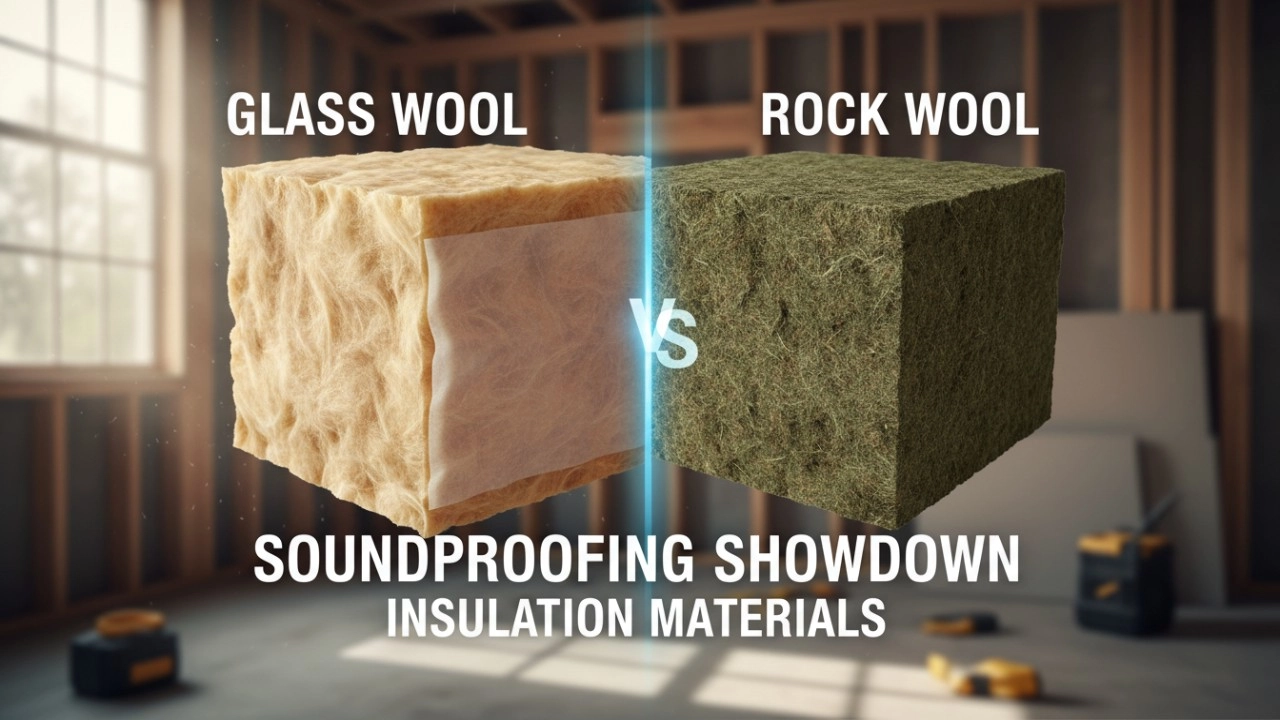
Fiberglass vs. Rockwool: Which Soundproofing Insulation Material Wins for Acoustic Control?
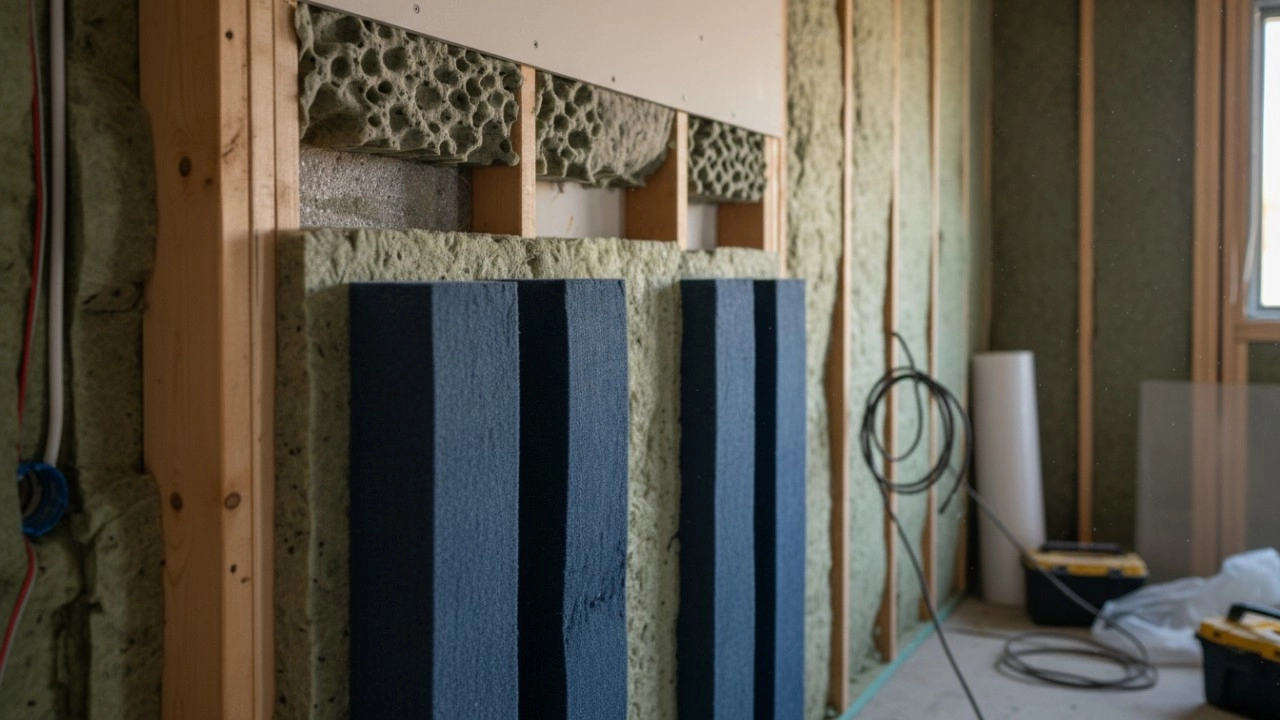
Sound Insulation Foam vs. Acoustic Panels: Which One Actually Stops Noise? (2026 Guide)
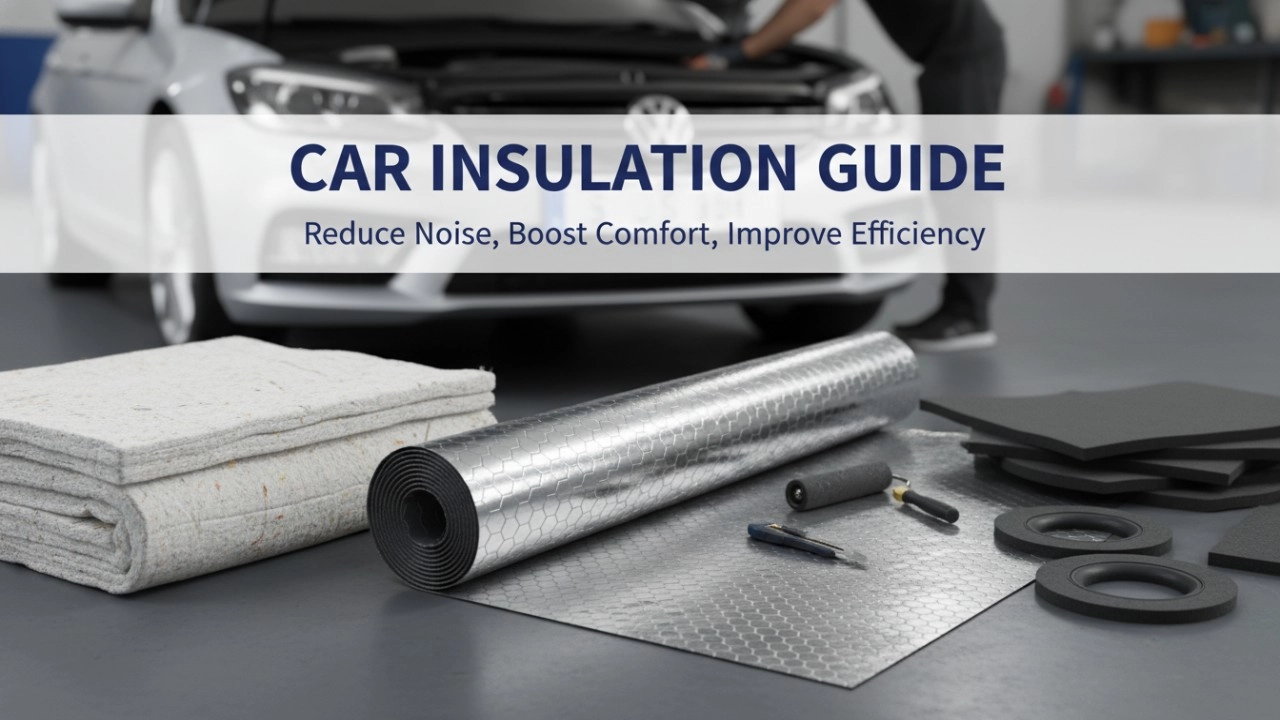
7 Dangerous Mistakes to Avoid When Selecting insulating materials for Your Car (2026 Guide)
FAQ
What is the typical delivery time for custom orders?
Our daily production capacity is 800 cubic meters. Delivery time varies depending on the complexity of the insulation material wholesale order, but we can deliver large quantities of customized products within 4-6 weeks after the approval date, and small quantities can be delivered within 15 days.
Can your insulation products be customized?
Yes, we offer customized solutions for insulation material wholesale to meet the specifications of your project, including custom specifications, sizes, foils and adhesives, colors, etc.
service
Are your rubber foam products environmentally friendly?
Yes, our insulation products are designed with sustainability in mind. They help reduce energy consumption by minimizing heat loss and gain, and they are made from durable materials that have a long life cycle, reducing the need for frequent replacement.
How does your technical support work?
Our technical support team is available to guide you through every stage of your project—from product selection and design to installation. We provide expert consultation to ensure that you get the best insulation solution for your needs and can assist with troubleshooting if needed.
You might also like
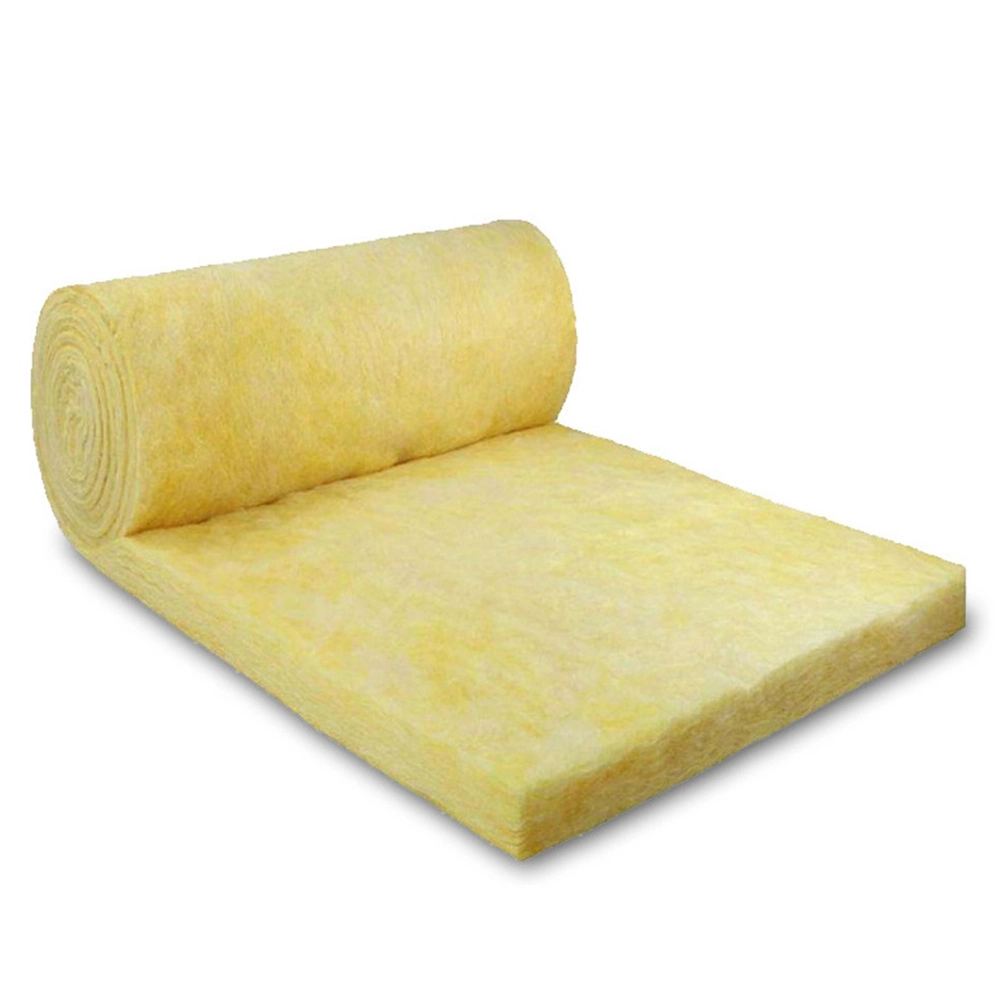
Wholesale Glass Wool Roll Blanket with or without aluminum foil
Convenient glass wool roll for easy installation. Provides effective insulation and noise reduction.
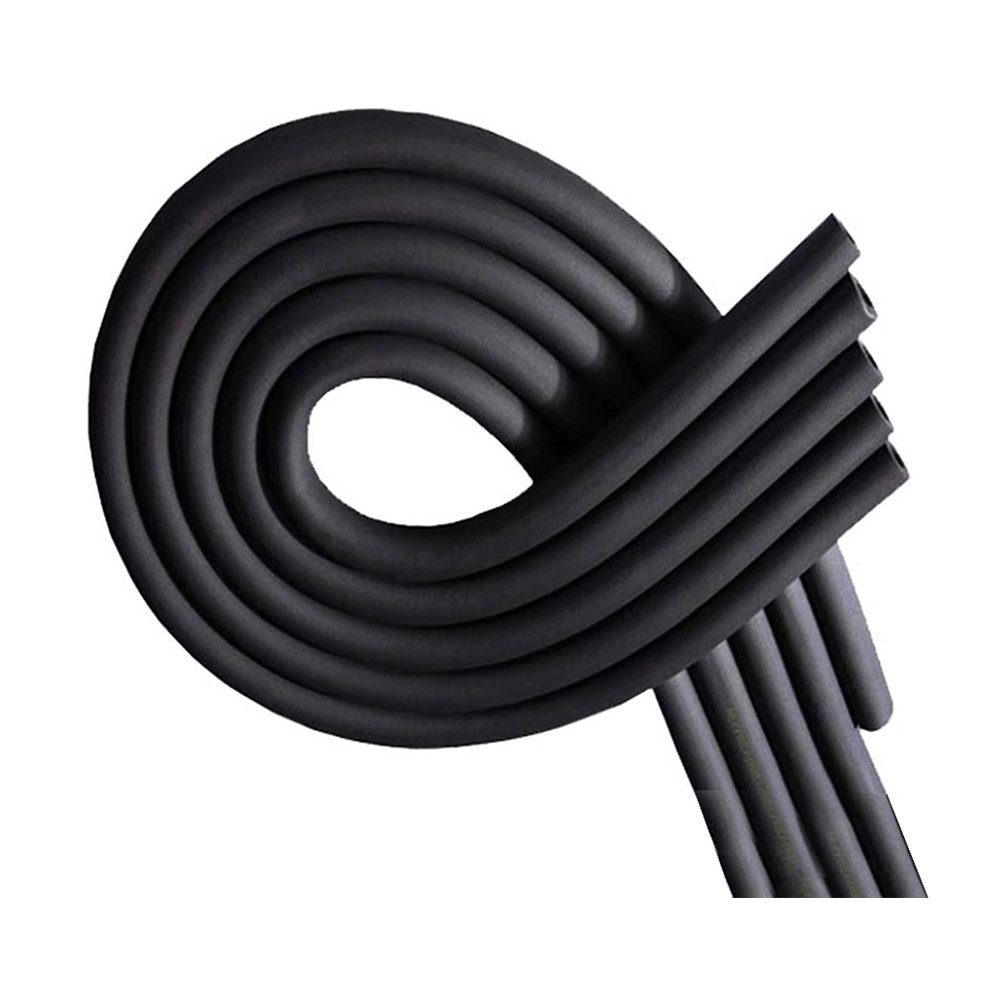
Wholesale Black nitrile rubber foam pipe rubber NBR foam tube rubber foam insulation tube for hvac system
Rubber Plastic insulation Material Glue
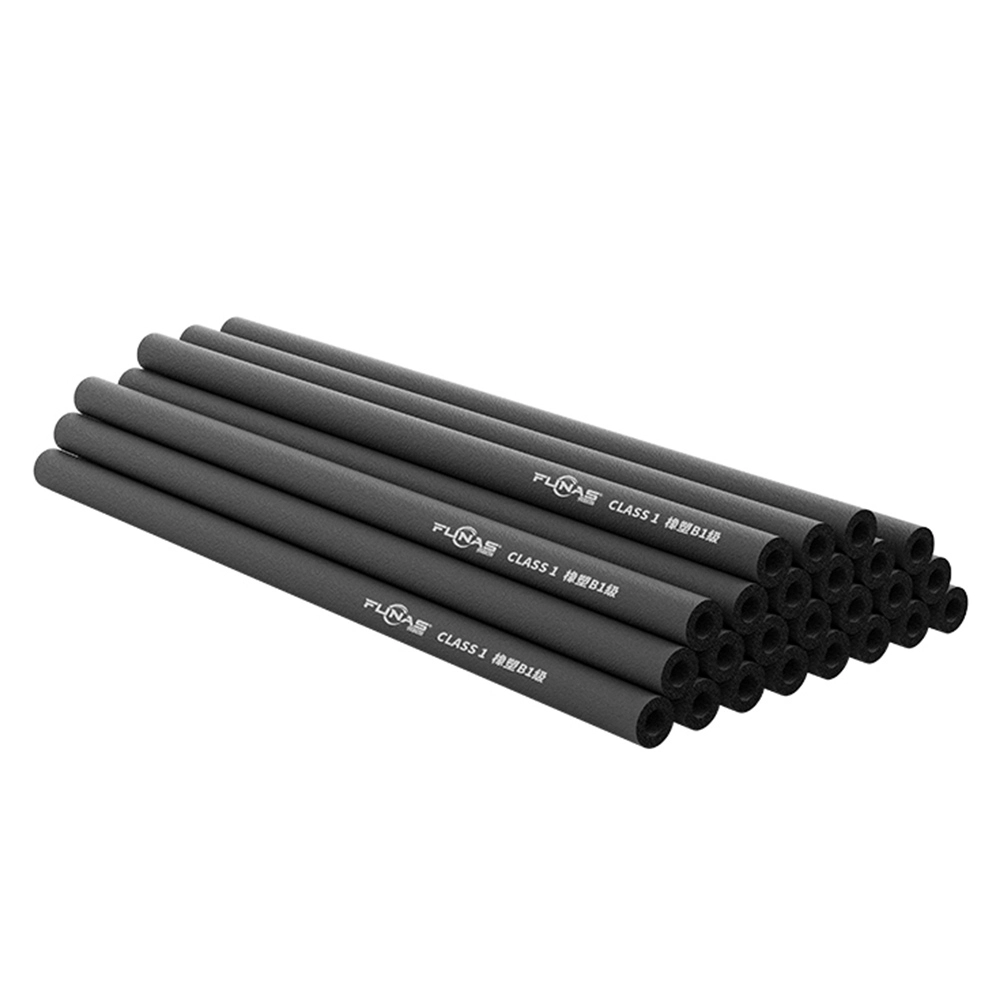
Black Rubber-plastic Tube Rubber foam pipe wholesale
Leave a message
Have any questions or concerns about our products? Please leave us a message here and our team will get back to you promptly.
Your queries, ideas, and collaboration opportunities are just a click away. Let’s start a conversation.
