


















































What are the disadvantages of glass wool insulation? | Insights by FUNAS
Explore the key disadvantages of glass wool insulation, including health risks, moisture sensitivity, environmental impact, and installation challenges. This comprehensive guide provides data-driven insights to assist procurement decisions in the thermal insulation industry.
- 1. Health Risks Associated with Glass Wool Insulation
- 2. Moisture Sensitivity and Potential Degradation
- 3. Environmental Impact and Sustainability Concerns
- 4. Installation Challenges and Safety Precautions
- 5. Limited Sound Insulation Capabilities
- 6. Potential Carcinogenic Concerns
- 7. Durability and Longevity Issues
- 8. Limited Thermal Performance in Certain Applications
- Advantages of Choosing FUNAS Insulation Solutions
- Data Sources
1. Health Risks Associated with Glass Wool Insulation
Glass wool insulation can cause irritation to the eyes, skin, and respiratory system. Inhalation of fine fibers may lead to coughing and breathing difficulties.
2. Moisture Sensitivity and Potential Degradation
Glass wool is sensitive to moisture, which can compromise its insulating properties and lead to material degradation.
3. Environmental Impact and Sustainability Concerns
The production of glass wool involves non-renewable resources, raising ecological balance concerns. Additionally, recycling glass wool waste is challenging due to the presence of phenolic resin, which can deteriorate glass quality and complicate recycling processes.
4. Installation Challenges and Safety Precautions
Installing glass wool insulation requires protective gear to prevent skin and eye irritation. Proper installation is crucial to avoid health risks and ensure optimal performance.
5. Limited Sound Insulation Capabilities
While glass wool provides some sound insulation, its effectiveness is limited compared to other materials specifically designed for acoustic applications.
6. Potential Carcinogenic Concerns
Studies have shown that inhaling fine glass fibers can be a potent carcinogen.
7. Durability and Longevity Issues
Glass wool insulation may degrade over time, especially when exposed to moisture, leading to reduced effectiveness and potential health hazards.
8. Limited Thermal Performance in Certain Applications
In specific applications, glass wool may not provide the desired thermal performance, necessitating the use of alternative materials.
Advantages of Choosing FUNAS Insulation Solutions
FUNAS offers advanced insulation materials that address the common disadvantages of glass wool. Our products are designed for enhanced durability, superior thermal performance, and improved safety, ensuring optimal energy efficiency and occupant comfort.
Data Sources
- International Agency for Research on Cancer (IARC), October 2002
- U.S. Department of Health and Human Services, August 2006
- Expert Civil, 2022
- Wajima, T., et al., 2019
- ECOIN Insulations, 2022
- Wikipedia: Glass Wool, 2022
- Wikipedia: Fiberglass, 2022
- Wikipedia: Glass Fiber, 2022

Does sound insulation foam Actually Work in 2026? Ultimate guide About Blocking vs. Absorbing Noise
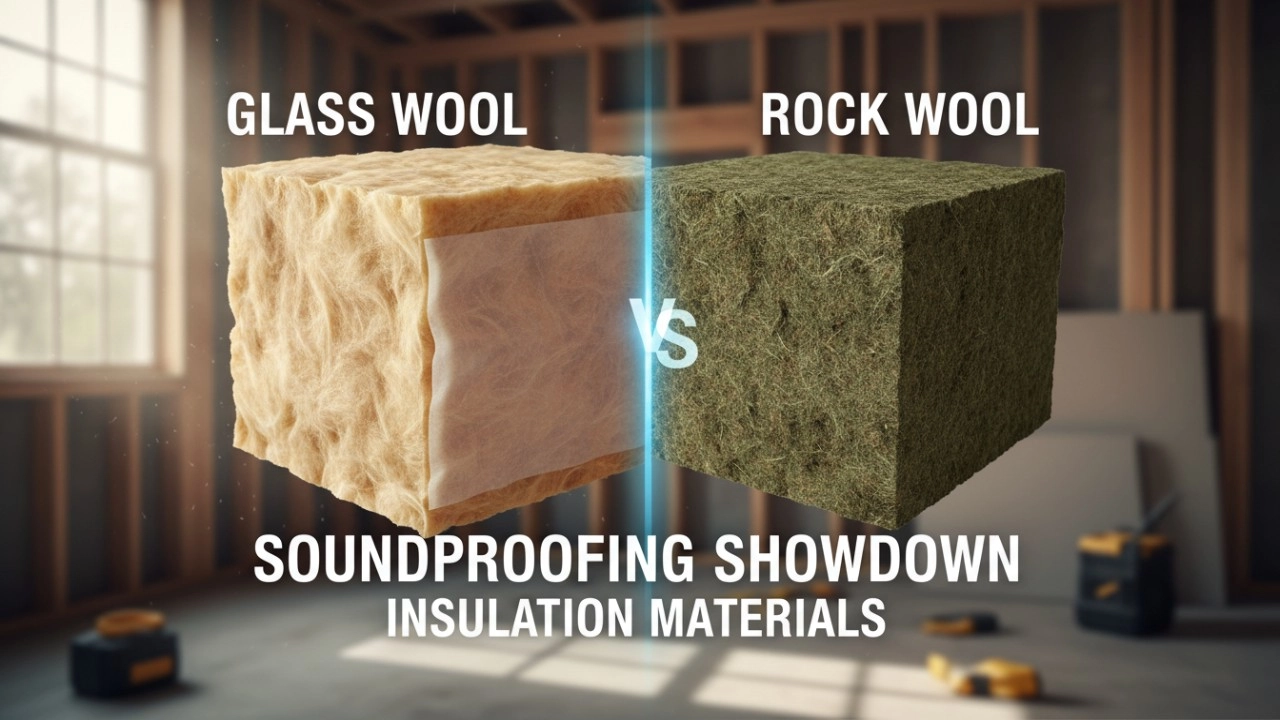
Fiberglass vs. Rockwool: Which Soundproofing Insulation Material Wins for Acoustic Control?
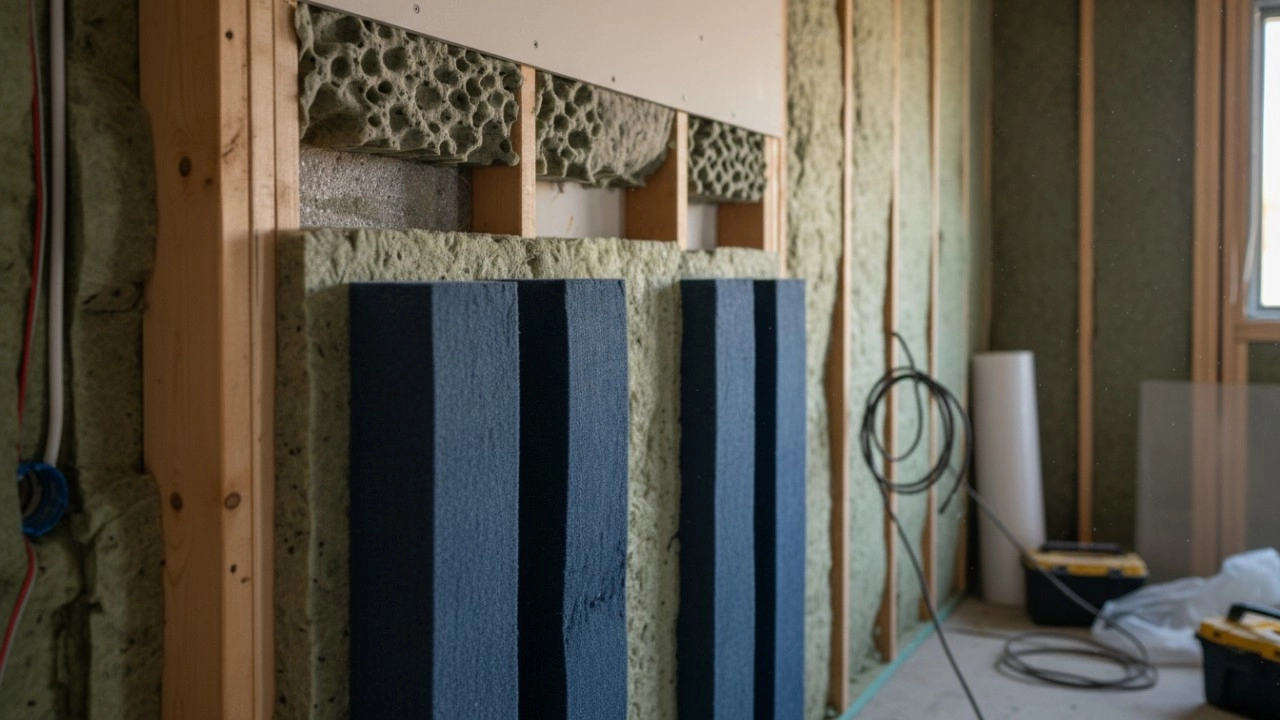
Sound Insulation Foam vs. Acoustic Panels: Which One Actually Stops Noise? (2026 Guide)
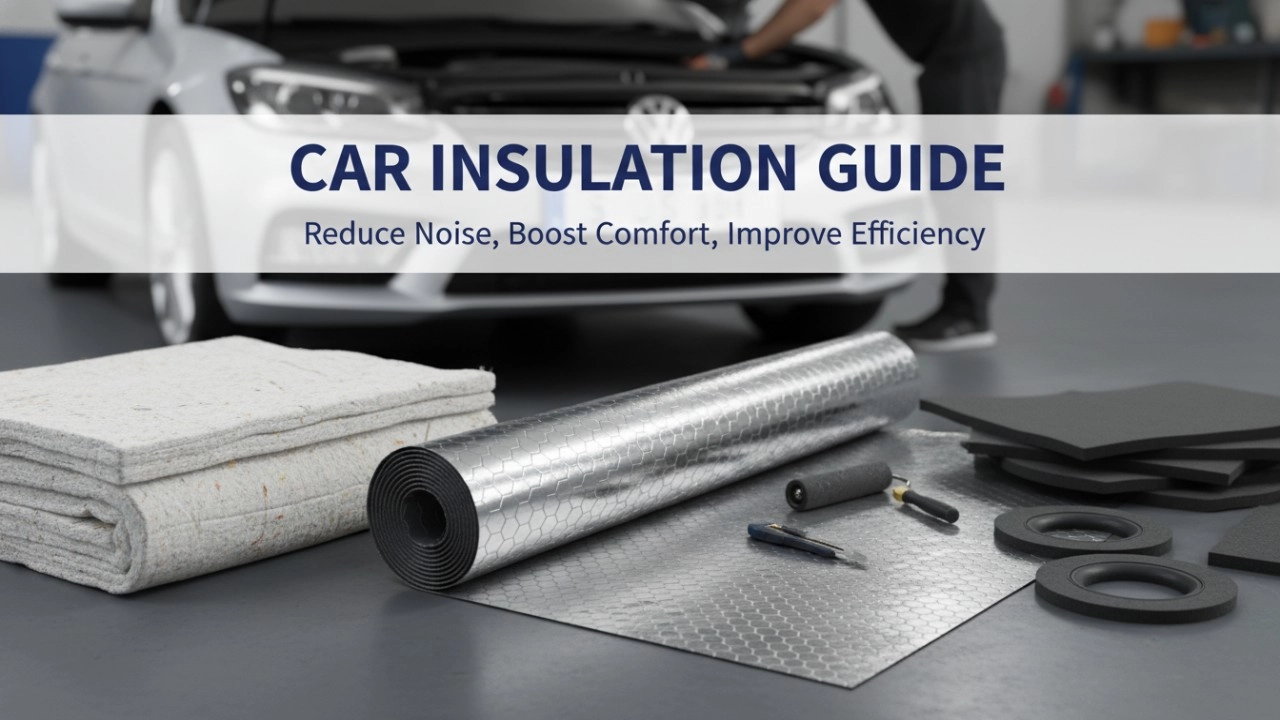
7 Dangerous Mistakes to Avoid When Selecting insulating materials for Your Car (2026 Guide)
service
What is your shipping and delivery process like?
We offer reliable logistics services for insulation material wholesale, both domestically and internationally. Our team ensures secure packaging, timely shipping, and real-time tracking so that your order reaches you in perfect condition and on schedule.
Can I request custom dimensions or properties for my insulation needs?
Yes, we specialize in custom solutions. Whether you need specific dimensions, thicknesses, densities, or additional coatings, we can work with you to manufacture insulation products tailored to your exact requirements of good materials for heat insulation.
What types of rubber foam insulation products do you offer?
We offer a wide range of rubber foam insulation products, including custom shapes and sizes, thermal and acoustic insulation solutions, and options with specialized coatings such as flame retardancy and water resistance. Our products are suitable for applications in HVAC, automotive, construction, and more.
How does your technical support work?
Our technical support team is available to guide you through every stage of your project—from product selection and design to installation. We provide expert consultation to ensure that you get the best insulation solution for your needs and can assist with troubleshooting if needed.
You might also like
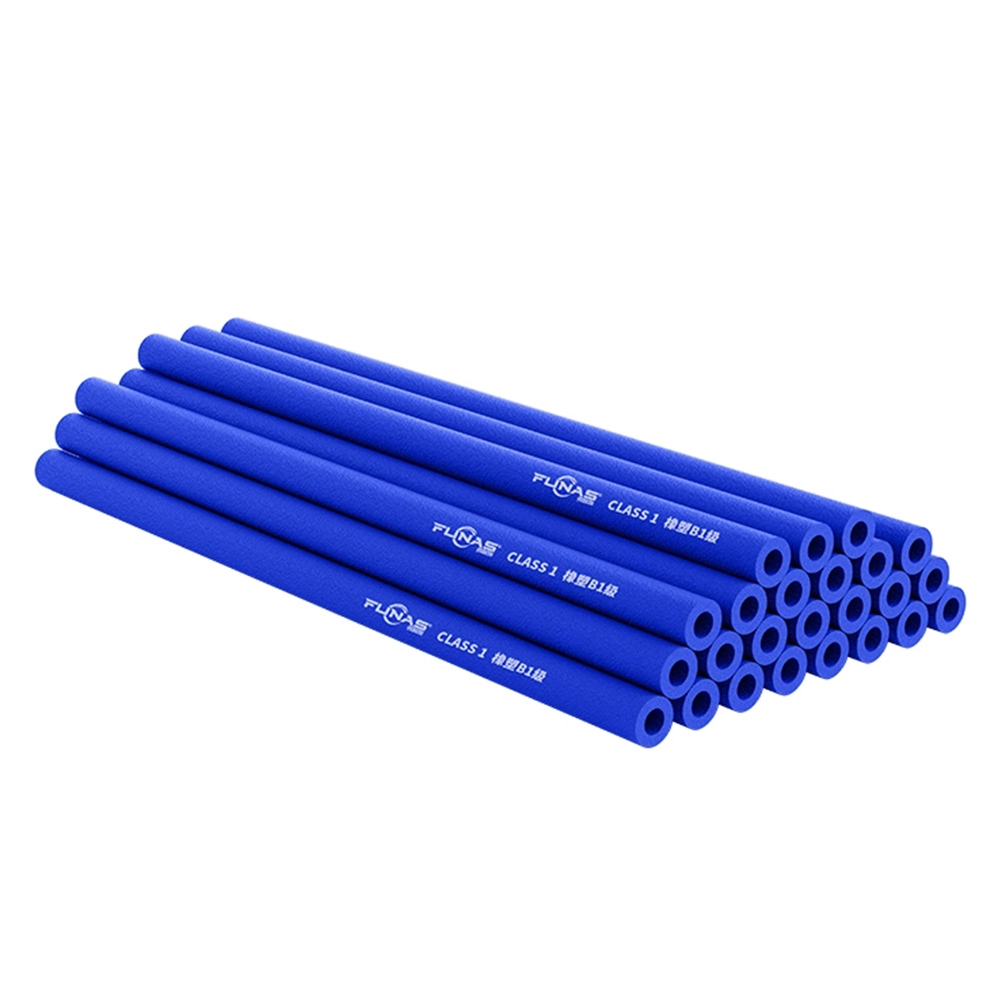
Blue Rubber-plastic Tube Rubber foam pipe wholesale
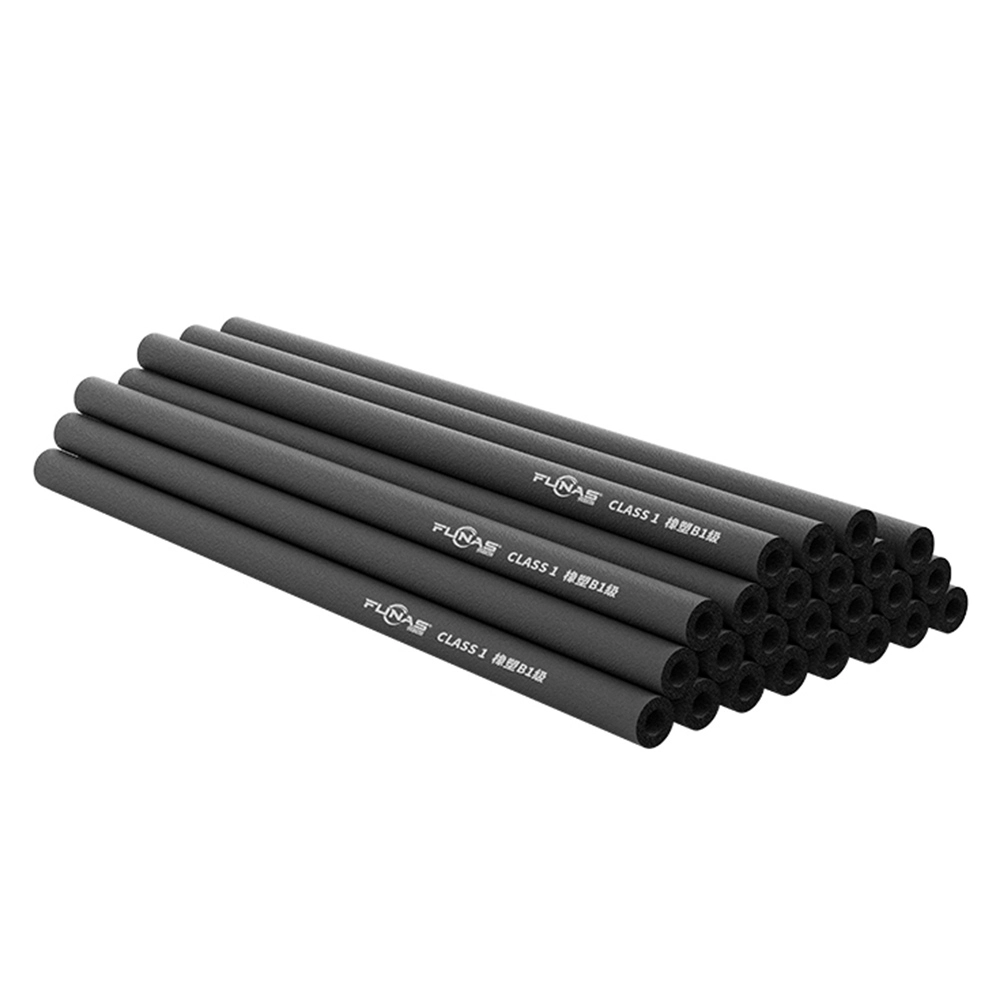
Black Rubber-plastic Tube Rubber foam pipe wholesale
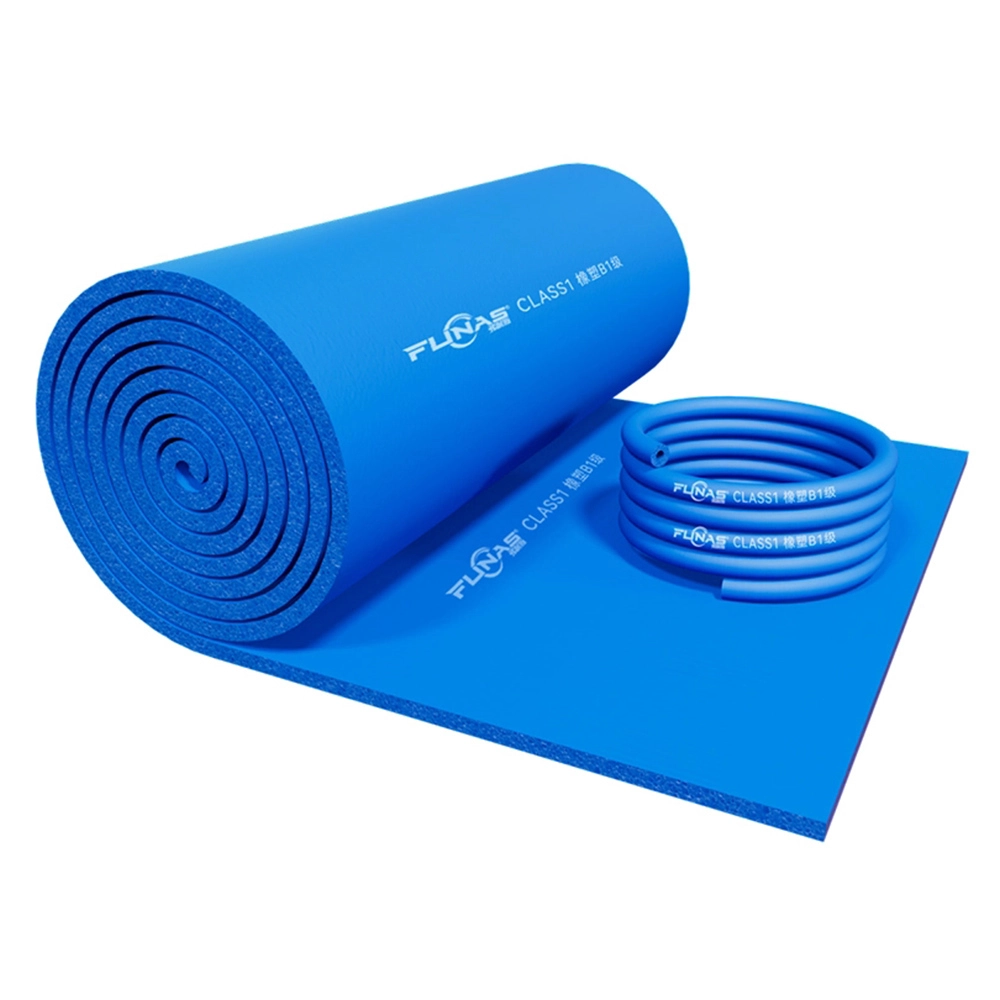
Wholesale blue Rubber-plastic Board Rubber foam panel sheet
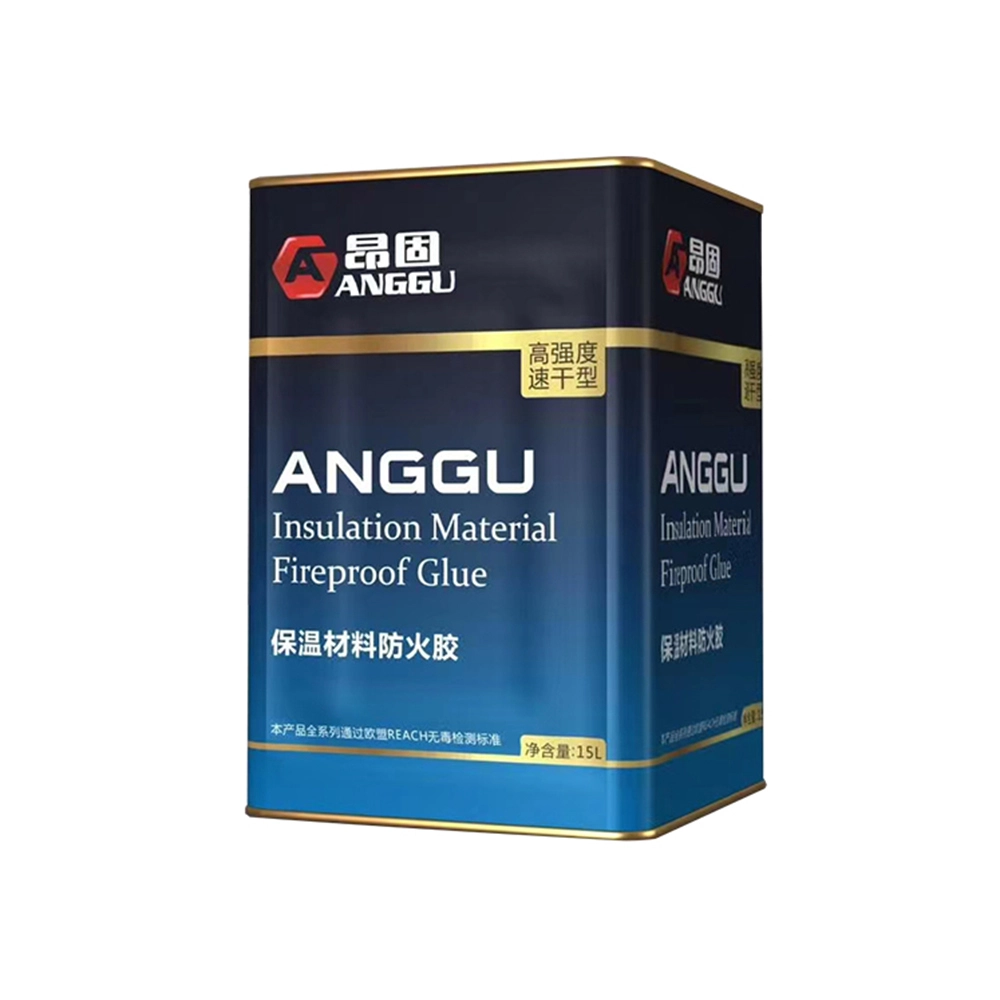
Thermal insulation material fireproof adhesive
Leave a message
Have any questions or concerns about our products? Please leave us a message here and our team will get back to you promptly.
Your queries, ideas, and collaboration opportunities are just a click away. Let’s start a conversation.
