What are Glass Wool Rolls??
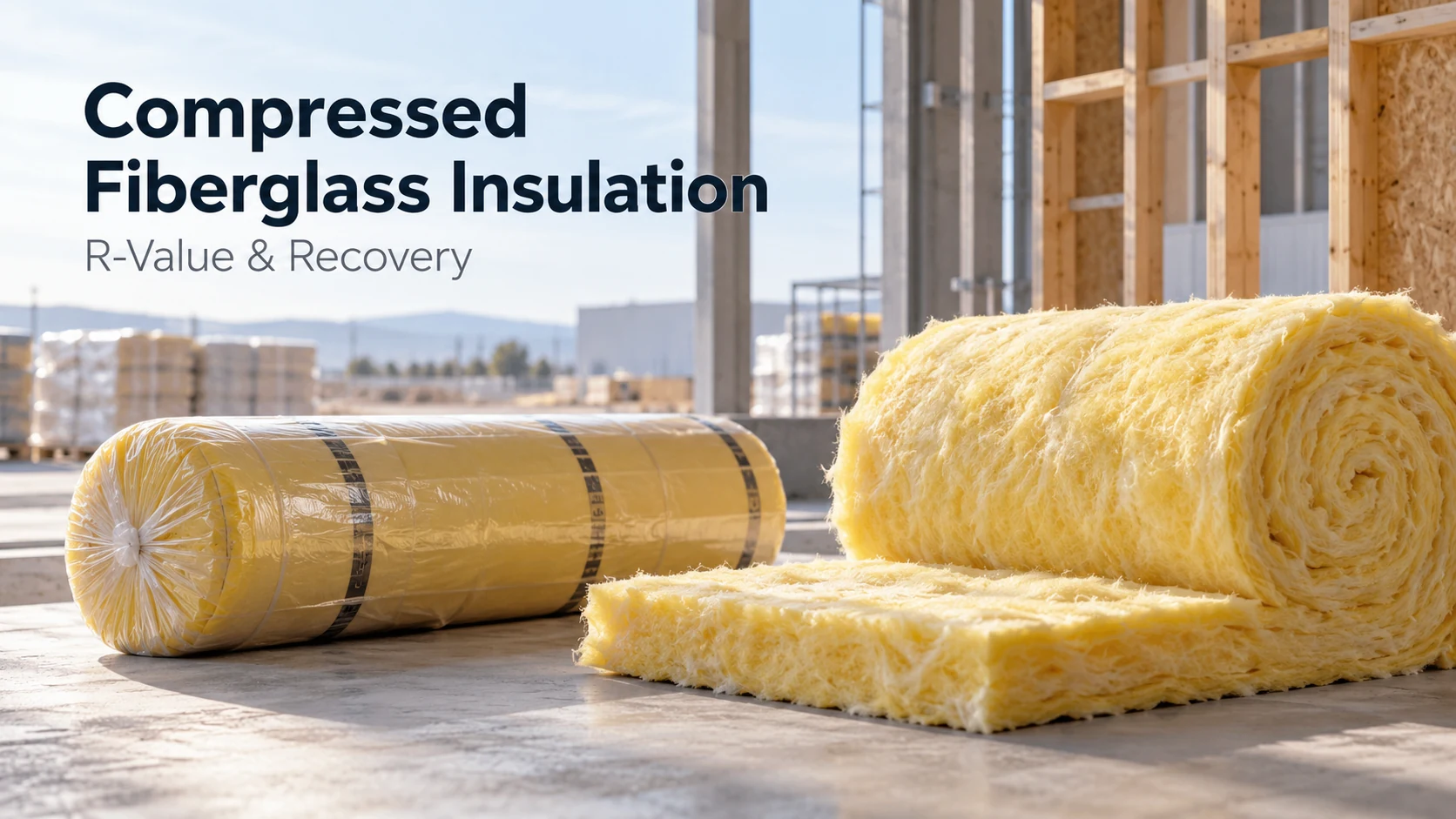
Glass wool rolls are a popular insulation material known for their thermal and acoustic properties. Made from recycled glass and sand, they are lightweight, easy to install, and highly effective in reducing heat transfer. These rolls are widely used in residential, commercial, and industrial settings to improve energy efficiency and soundproofing.
When selecting glass wool rolls, understanding their size and dimensions is crucial. The right size ensures optimal performance, whether you're insulating a small attic or a large industrial facility. This guide will help you navigate the various sizes available and choose the best option for your project.
Benefits of Using Glass Wool Rolls
Glass wool rolls offer numerous benefits, including excellent thermal efficiency, soundproofing capabilities, and fire resistance. They are also environmentally friendly, as they are made from recycled materials.
Applications of Glass Wool Rolls
Glass wool rolls are versatile and used in various settings, from homes to industrial facilities. Their ability to provide both thermal and acoustic insulation makes them a preferred choice for many projects.
Residential Insulation
In homes, glass wool rolls are commonly used for insulating attics, walls, and floors. They help maintain indoor temperatures, reduce energy costs, and minimize noise from outside or between rooms.
Commercial and Industrial Uses
In commercial and industrial settings, glass wool rolls are used to insulate HVAC systems, pipelines, and large buildings. Their fire-resistant properties make them a safe choice for high-temperature environments.
Standard Sizes of Glass Wool Rolls
Glass wool rolls come in a range of sizes to meet diverse insulation needs. The most common dimensions include thicknesses of 50 mm to 200 mm, widths of 400 mm to 1200 mm, and lengths of 5 meters to 20 meters. These variations allow flexibility in installation and application.
Common Thickness Options
The thickness of glass wool rolls directly impacts their thermal performance. Thicker rolls, such as 150 mm or 200 mm, provide higher R-values, making them ideal for colder climates or areas requiring superior insulation. Thinner rolls, like 50 mm or 75 mm, are suitable for milder climates or spaces with limited room for insulation.
Width and Length Variations
The width and length of glass wool rolls determine how much area they can cover. Standard widths range from 400 mm to 1200 mm, while lengths vary between 5 meters and 20 meters. For large projects, longer rolls reduce the number of seams, ensuring better insulation continuity.
Factors to Consider When Choosing Glass Wool Roll Size
Selecting the right size of glass wool roll involves evaluating several factors, including thermal performance, space constraints, and specific application requirements.
R-Value and Thermal Performance
The R-value measures the thermal resistance of insulation materials. Higher R-values indicate better insulation performance. When choosing glass wool rolls, consider the required R-value for your project and select a thickness that meets or exceeds this standard.
Space Constraints and Installation
The size of the glass wool roll must align with the space being insulated. For example, narrower rolls are easier to handle in tight spaces, while wider rolls are more efficient for large, open areas. Accurate measurements are essential to ensure a proper fit and optimal performance.
Conclusion
Choosing the right size of glass wool roll is essential for achieving optimal insulation performance. By understanding the standard sizes, key factors, and applications, you can make an informed decision for your project. For high-quality glass wool rolls and expert advice, consider glass wool manufacturers like FUNAS. With a commitment to sustainability and innovation, FUNAS offers reliable insulation solutions tailored to your needs. Contact FUNAS today to enhance your insulation performance and achieve energy efficiency.
FAQs About Glass Wool Roll Size
What is the standard size of a glass wool roll?
The standard size of a glass wool roll varies, but common dimensions include a thickness of 50 mm to 200 mm, a width of 400 mm to 1200 mm, and a length of 5 meters to 20 meters.
How do I choose the right thickness for my project?
The right thickness depends on the desired R-value and the specific insulation requirements of your project. Thicker rolls provide higher thermal resistance.
Can glass wool rolls be cut to fit specific spaces?
Yes, glass wool rolls can be easily cut to fit specific spaces, making them a flexible option for various insulation needs.
Are glass wool rolls suitable for soundproofing?
Yes, glass wool rolls are excellent for soundproofing due to their dense fiber structure, which absorbs sound waves effectively.
Where can I buy high-quality glass wool rolls?
High-quality glass wool rolls are available from trusted suppliers like FUNAS, a leading provider of insulation solutions. Visit
FUNAS to explore their range of products and find the perfect solution for your project.





















































FUNAS Insulation Material
funasinsulation
funasinsulation
Guangdong FUNAS Insulation Material Co.Ltd