













































How to Install Fiberglass Pipe Insulation: A Step-by-Step Guide

Tuesday, 06/3/2025

Discover how to install fiberglass pipe insulation with FUNAS. Our step-by-step guide makes it easy to improve energy efficiency and protect pipes. Learn best practices for a successful installation. Start your project with expert tips from FUNAS today!

Introduction

Whether you’re working on a home improvement project or need to upgrade the insulation in your commercial building, fiberglass pipe insulation is an effective solution. It helps to prevent energy loss, reduce noise, and protect pipes from freezing or damage due to temperature fluctuations. This guide will walk you through the steps on how to install fiberglass pipe insulation correctly, ensuring your pipes are well-protected and energy-efficient.

What is Fiberglass Pipe Insulation?

Fiberglass pipe insulation is made from a flexible fiberglass material that is used to wrap around pipes. It serves as an effective barrier against heat loss or gain and minimizes the risks of freezing pipes in cold climates. The material comes in pre-formed shapes and is available in various thicknesses, making it suitable for residential and industrial applications.
Benefits of fiberglass pipe insulation include
  • Energy Efficiency: Reduces heat loss or gain.
  • Protection: Prevents pipes from freezing in cold weather.
  • Noise Reduction: Minimizes the sound of running water in pipes.
  • Mold and Mildew Resistance: A durable option for high-moisture areas.

Tools and Materials Needed

Before you begin installing fiberglass pipe insulation, gather the necessary tools and materials:
Fiberglass pipe insulation (appropriate size for your pipes)
Measuring tape
Utility knife
Duct tape or foil tape
Pipe supports and hangers
Safety gloves
Safety goggles
Scissors (for cutting tape or insulation material)
Thermal sealant (optional, for joints)

Step-by-Step Guide: How to Install Fiberglass Pipe Insulation

A construction worker in an orange jumpsuit and hard hat uses metallic tape to seal insulation around a duct in an attic.
 
Step 1: Measure the Pipes
Start by measuring the length and diameter of the pipes that need insulation. Make sure you buy the right amount of insulation to cover all the pipes you intend to insulate. The insulation should fit snugly around the pipes, but be sure to leave enough space to handle any necessary tape or overlapping seams.
Step 2: Cut the Insulation to Size
Once you have your measurements, use a utility knife to cut the fiberglass insulation to the appropriate lengths. If the insulation is in a roll, carefully measure and cut off sections to fit around each pipe. Be sure to leave a little extra length to ensure full coverage and easy installation.
Step 3: Apply Insulation to Pipes
Start at one end of the pipe and wrap the insulation around the pipe, securing it in place. Fiberglass pipe insulation is designed to fit tightly, so make sure there are no gaps between the pipe and the insulation. If you’re insulating a long pipe, you may need to apply multiple sections of insulation and overlap the edges.
Step 4: Secure Insulation
To keep the insulation in place, use duct tape or foil tape to secure the edges. Make sure the tape is tightly applied, sealing all seams and ensuring there is no air or moisture leakage. This will help improve the insulation’s effectiveness and prevent the material from shifting over time.
For areas where there are pipe joints or bends, use thermal sealant to ensure a tight fit. You can also use pipe supports or hangers to help secure the insulation along the length of the pipe.
Step 5: Cover the Joints and Seams
For additional protection, cover the joints and seams with an extra layer of foil tape or duct tape. Ensure all connections are sealed tightly, as these areas are vulnerable to air leaks. Pay special attention to elbows, tees, and other pipe fittings.
Step 6: Inspect the Installation
Once the fiberglass insulation is in place, give everything a final inspection. Check to ensure that the insulation is snugly secured around the pipes, and there are no exposed areas. Make sure the insulation is fully covering all parts of the pipes that require protection.

Tips for Effective Fiberglass Pipe Insulation Installation

Wear Protective Gear: Fiberglass can irritate your skin and eyes. Always wear gloves and safety goggles when handling the material.
Consider Insulating All Pipes: For maximum efficiency, consider insulating both hot and cold water pipes, as well as pipes in areas prone to freezing.
Check for Gaps: Ensure there are no gaps where moisture could enter, which could lead to mold or mildew buildup.
Use Quality Insulation: Ensure you’re using high-quality fiberglass insulation with a suitable R-value for your specific application.
Properly Insulate Pipe Fittings: Pay special attention to elbows, joints, and tees, as these areas are prone to heat loss.

Common Mistakes to Avoid

Not Measuring Properly: Incorrect measurements can result in gaps or improperly fitting insulation. Always double-check your measurements.
Poor Sealing of Seams: Gaps in seams can reduce the effectiveness of the insulation and cause energy loss. Be diligent in sealing all seams tightly.
Not Wearing Protective Gear: Fiberglass insulation can be irritating to your skin, so never skip wearing gloves and goggles.

Conclusion

Installing fiberglass pipe insulation is a great way to enhance the efficiency of your plumbing system, reduce energy costs, and protect your pipes from damage. With the right materials, tools, and a bit of time, you can install insulation around your pipes and enjoy the benefits of a more energy-efficient and protected home or commercial space. By following this step-by-step guide, you’ll have your pipes insulated in no time.
Remember to always check for gaps, use quality materials, and wear proper protective gear during installation to ensure the best results. If you're unsure or dealing with complex piping systems, consider consulting a professional for assistance.

FAQs

How long does fiberglass pipe insulation last?
Fiberglass pipe insulation can last up to 20 years or more, depending on the conditions and the quality of the insulation material.
Can I install fiberglass pipe insulation on existing pipes?
Yes, fiberglass insulation can be installed on both new and existing pipes.
Is fiberglass pipe insulation safe to use around hot pipes?
Yes, fiberglass insulation is fire-resistant and safe to use around hot water pipes, as long as it is properly installed.
Do I need a professional to install fiberglass pipe insulation?
While you can install fiberglass pipe insulation yourself, hiring a professional can be a good idea for complex installations or if you're unsure about the process.
How do I maintain fiberglass pipe insulation?
Fiberglass pipe insulation requires minimal maintenance. However, it's essential to periodically check for any damage or wear and tear and replace or repair any affected areas.
Tags
sound deadening insulation car
rockwool fireproof insulation wholsale in UK
best auto sound deadening material
best sound deadening mat
rockwool fireproof insulation wholsale in Boston
sound deadening mat
sound deadening mat
Recommended for you
2026 Rubber Sheets Guide - FUNAS

Does sound insulation foam Actually Work in 2026? Ultimate guide About Blocking vs. Absorbing Noise
Does sound insulation foam Actually Work in 2026? Ultimate guide About Blocking vs. Absorbing Noise
69a28e98098b7 - FUNAS

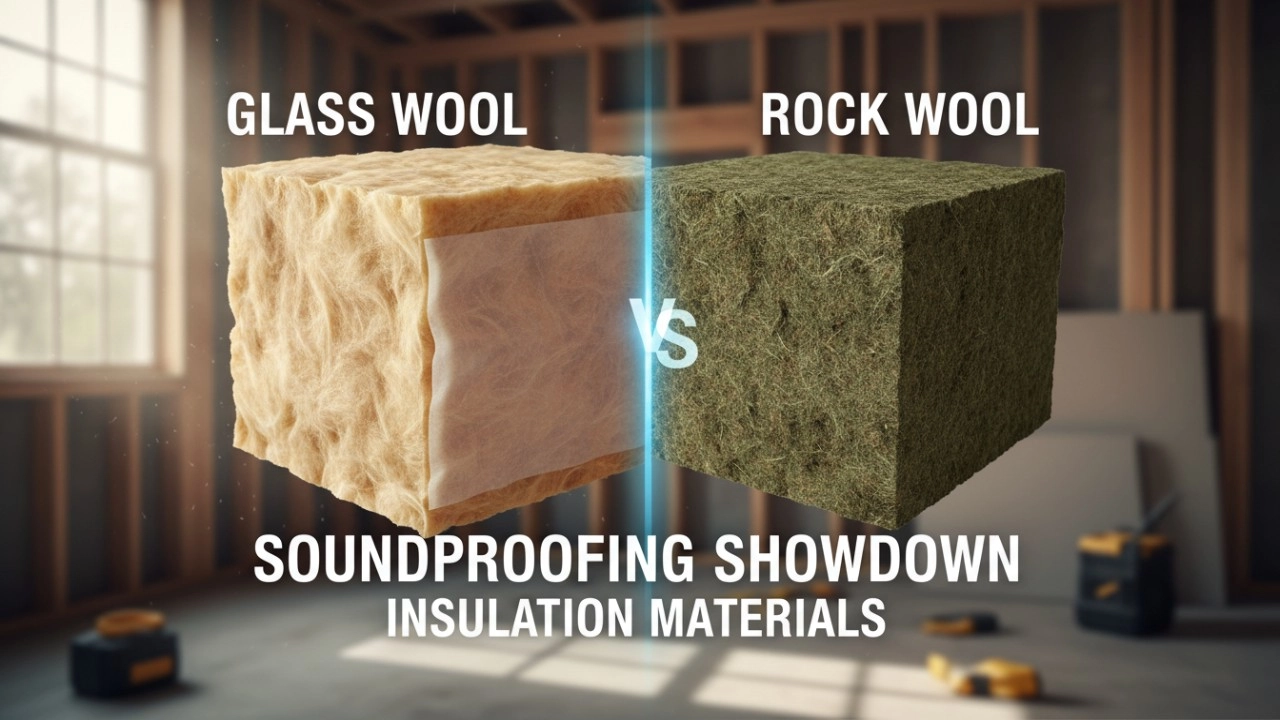
Fiberglass vs. Rockwool: Which Soundproofing Insulation Material Wins for Acoustic Control?
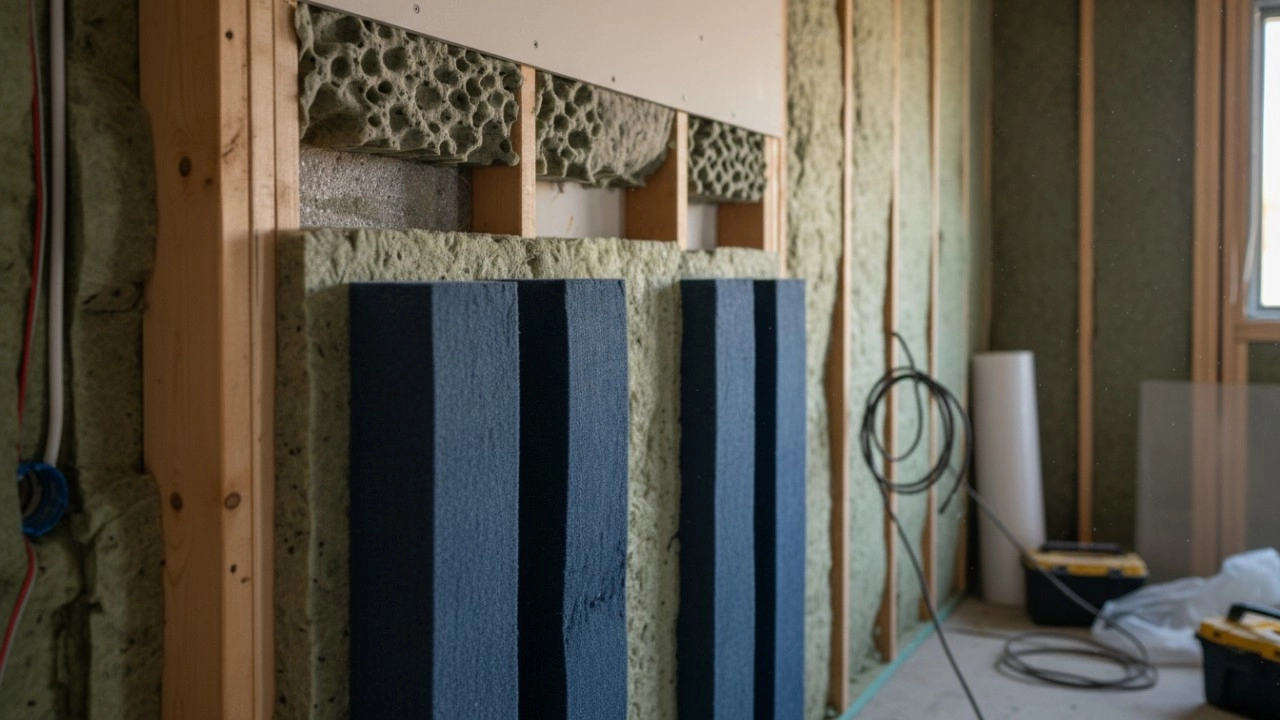
Fiberglass vs. Rockwool: Which Soundproofing Insulation Material Wins for Acoustic Control?
699ebb3ad98f9 - FUNAS

Sound Insulation Foam vs. Acoustic Panels: Which One Actually Stops Noise? (2026 Guide)
Sound Insulation Foam vs. Acoustic Panels: Which One Actually Stops Noise? (2026 Guide)
7 Dangerous Mistakes to Avoid When Selecting insulating materials for Your Car (2026 Guide) - FUNAS

7 Dangerous Mistakes to Avoid When Selecting insulating materials for Your Car (2026 Guide)

7 Dangerous Mistakes to Avoid When Selecting insulating materials for Your Car (2026 Guide)
Prdoucts Categories
FAQ
service
How does your technical support work?

Our technical support team is available to guide you through every stage of your project—from product selection and design to installation. We provide expert consultation to ensure that you get the best insulation solution for your needs and can assist with troubleshooting if needed.

What is your shipping and delivery process like?

We offer reliable logistics services for insulation material wholesale, both domestically and internationally. Our team ensures secure packaging, timely shipping, and real-time tracking so that your order reaches you in perfect condition and on schedule.

FAQ
How to start a consultation?

You can contact us through our website, phone, or email. We will arrange a professional staff to discuss your needs about best thermal insulator and how we can help you.

How do I choose the right insulation for my project?

Our team can help you choose the best material for heat insulation based on your specific needs, such as thermal resistance, acoustic properties, and environmental conditions.

You might also like

rock wool comfort board - FUNAS

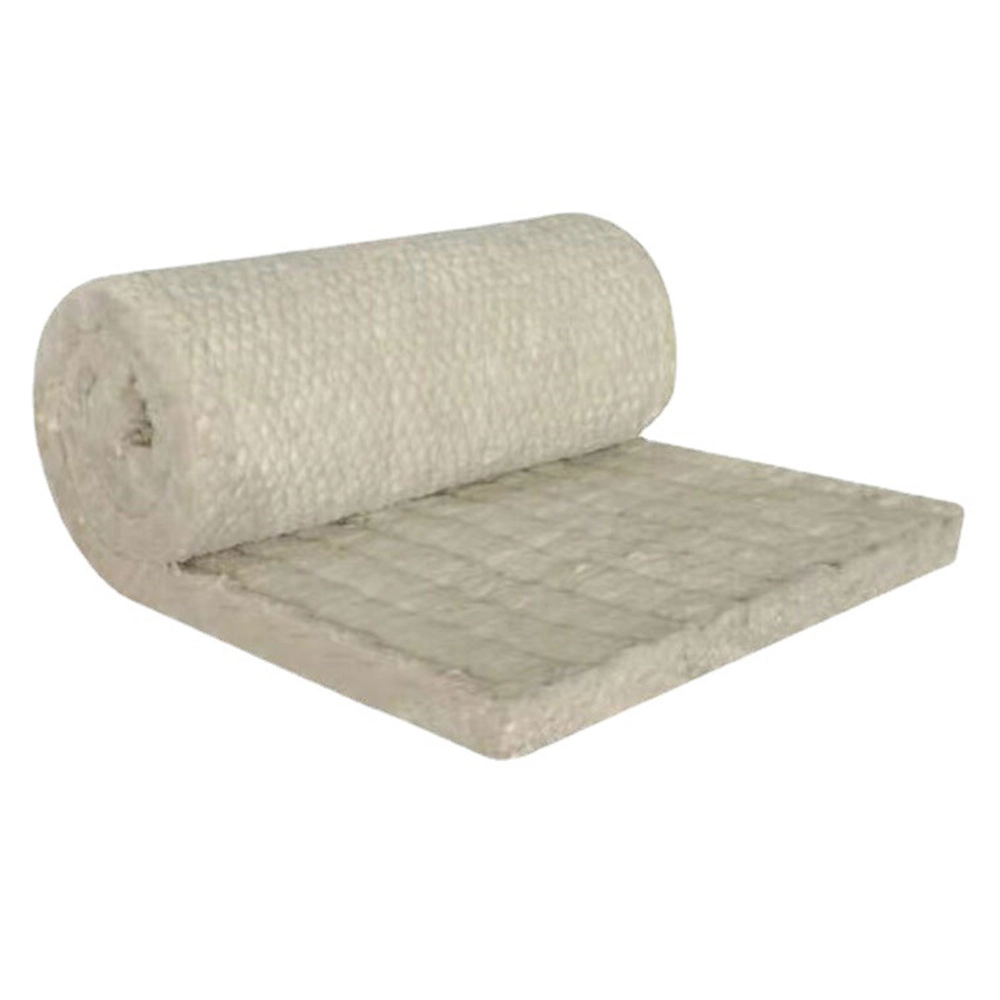
Rock Wool Blanket Roll for Thermal and Acoustic Insulation

FUNAS Rock Wool Blanket Roll is a flexible mineral wool insulation roll designed for thermal insulation, acoustic control and fire-resistant building applications. The roll form makes it suitable for roofs, walls, steel structures and large-area industrial insulation projects where easy cutting, handling and coverage are required. Density, thickness, length and width can be customized according to project requirements. It is suitable for contractors, distributors and B2B buyers looking for bulk mineral wool blanket roll supply. Specific fire rating, acoustic performance and technical data should be confirmed before quotation.

Rock Wool Blanket Roll for Thermal and Acoustic Insulation
rock wool - FUNAS

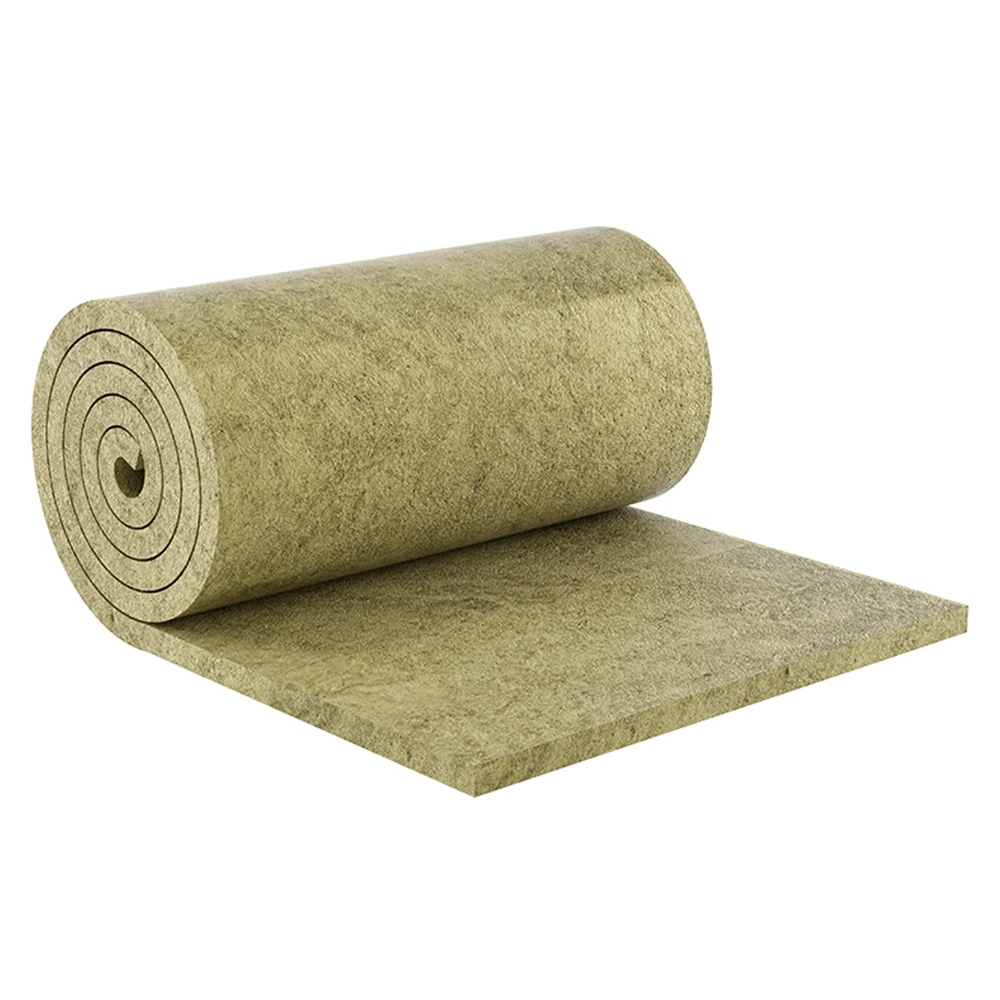
Rock Wool Insulation Board for Thermal and Acoustic Insulation

FUNAS Rock Wool Insulation Board is a semi-rigid mineral wool slab designed for thermal insulation, acoustic control and fire-resistant building applications. The board form provides stable coverage for walls, roofs, partitions, equipment rooms, HVAC duct areas and industrial insulation projects where flat, easy-to-install panels are preferred. Available in multiple density options, the rock wool board helps support heat insulation and sound absorption for commercial and industrial buildings. Aluminum foil facing can be added upon request. It is suitable for contractors, distributors and project buyers looking for bulk mineral wool board supply. Specific fire rating and acoustic data should be confirmed before quotation.

Rock Wool Insulation Board for Thermal and Acoustic Insulation
insulation foam - FUNAS

NBR Rubber Foam Pipe Insulation for HVAC Systems

FUNAS NBR Rubber Foam Pipe Insulation is a flexible closed-cell insulation tube designed for HVAC, air conditioning, chilled water and industrial piping systems. The rubber foam structure helps reduce heat loss, control condensation and support stable thermal performance in commercial and industrial projects. Available in multiple inner diameter and thickness options, this black rubber foam pipe can be supplied for wholesale orders, project procurement and customized insulation requirements.

NBR Rubber Foam Pipe Insulation for HVAC Systems
rubber foam - FUNAS

Custom NBR/PVC Rubber Foam Sheet for HVAC Duct Insulation

FUNAS NBR/PVC Rubber Foam Sheet is a flexible closed-cell elastomeric insulation material designed for HVAC ducts, cooling pipelines, large pipe surfaces and industrial equipment insulation. Produced through FUNAS factory production lines, the sheet helps reduce heat transfer, support condensation control and improve installation efficiency for commercial and industrial projects. Sizes, thicknesses and roll dimensions can be customized for different project requirements, with adhesive backing or aluminum foil facing options available upon request. It is suitable for contractors, distributors and B2B buyers looking for factory-direct rubber foam insulation sheet supply.

Custom NBR/PVC Rubber Foam Sheet for HVAC Duct Insulation
Thursday, 12/18/2025
How long does rubber foam insulation last?
Explore the properties, applications, and benefits of rubber foam insulation to make informed procurement decisions in the thermal insulation industry. Learn about its thermal conductivity, types, and advantages over traditional materials.
How long does rubber foam insulation last?
Wednesday, 12/17/2025
What affects rubber foam's thermal conductivity?
Explore the factors influencing rubber foam's thermal conductivity, its benefits, and how to select the right material for thermal insulation applications.
What affects rubber foam's thermal conductivity?
Tuesday, 12/16/2025
Is rubber foam suitable for HVAC duct insulation?
Explore the benefits, considerations, and applications of rubber foam insulation in HVAC ductwork, providing essential knowledge for professionals in the thermal insulation materials industry.
Is rubber foam suitable for HVAC duct insulation?
Monday, 12/15/2025
Why choose rubber foam over fiberglass insulation?
Explore the key differences between rubber foam and fiberglass insulation, including thermal performance, moisture resistance, cost, and installation considerations, to make informed decisions in thermal insulation procurement.
Why choose rubber foam over fiberglass insulation?

Leave a message

Have any questions or concerns about our products? Please leave us a message here and our team will get back to you promptly.

Your queries, ideas, and collaboration opportunities are just a click away. Let’s start a conversation.

Name must not exceed 100 characters.
Invalid email format or length exceeds 100 characters. Please re-enter.
Please enter a valid phone number!
Company Name must not exceed 150 characters.
Content must not exceed 3000 characters.
Contact customer service

How can we help?

Hi,

If you are interested in our products / thermal insulation solutions or have any doubts, please be sure to let us know so that we can help you better.

Name must not exceed 100 characters.
Invalid email format or length exceeds 100 characters. Please re-enter.
Please enter a valid phone number!
Company Name must not exceed 150 characters.
Content must not exceed 3000 characters.
×

Get a Free Quote

Hi,

If you are interested in our products / thermal insulation solutions or have any doubts, please be sure to let us know so that we can help you better.

Name must not exceed 100 characters.
Invalid email format or length exceeds 100 characters. Please re-enter.
Please enter a valid phone number!
Company Name must not exceed 150 characters.
Content must not exceed 3000 characters.
×

Send my request

Hi,

If you are interested in our products / thermal insulation solutions or have any doubts, please be sure to let us know so that we can help you better.

Name must not exceed 100 characters.
Invalid email format or length exceeds 100 characters. Please re-enter.
Please enter a valid phone number!
Company Name must not exceed 150 characters.
Content must not exceed 3000 characters.
×
English
English
Spanish
Spanish
Portuguese
Portuguese
Russian
Russian
French
French
Japanese
Japanese
German
German
Italian
Italian
Dutch
Dutch
Thai
Thai
Polish
Polish
Korean
Korean
Swedish
Swedish
Hungarian
Hungarian
Malay
Malay
Bengali
Bengali
Danish
Danish
Finnish
Finnish
Filipino
Filipino
Irish
Irish
Arabic
Arabic
Norwegian
Norwegian
Urdu
Urdu
Czech
Czech
Greek
Greek
Ukrainian
Ukrainian
Persian
Persian
Nepali
Nepali
Myanmar (Burmese)
Myanmar (Burmese)
Bulgarian
Bulgarian
Lao
Lao
Latin
Latin
Kazakh
Kazakh
Basque
Basque
Azerbaijani
Azerbaijani
Slovak
Slovak
Macedonian
Macedonian
Lithuanian
Lithuanian
Estonian
Estonian
Romanian
Romanian
Slovenian
Slovenian
Marathi
Marathi
Serbian
Serbian
Belarusian
Belarusian
Vietnamese
Vietnamese
Kyrgyz
Kyrgyz
Mongolian
Mongolian
Tajik
Tajik
Uzbek
Uzbek
Hawaiian
Hawaiian
Current language: