
Why is mineral wool popular in industrial applications? | Insights by FUNAS
Explore the key benefits of mineral wool in industrial thermal insulation, including its thermal efficiency, fire resistance, acoustic properties, environmental sustainability, and cost-effectiveness. Learn how these attributes make it a preferred choice for various industrial applications.
- Why Mineral Wool is Essential in Industrial Thermal Insulation
- What is Mineral Wool?
- What Are the Thermal Insulation Properties of Mineral Wool?
- How Does Mineral Wool Contribute to Fire Safety?
- What Are the Acoustic Insulation Benefits of Mineral Wool?
- Is Mineral Wool Environmentally Sustainable?
- What Are the Cost Implications of Using Mineral Wool?
- Why Choose FUNAS for Your Mineral Wool Insulation Needs?
Why Mineral Wool is Essential in Industrial Thermal Insulation
What is Mineral Wool?
Mineral wool, also known as rock wool or slag wool, is an insulation material produced by melting natural rocks or industrial by-products at high temperatures and spinning them into fibers. This process results in a versatile material with exceptional thermal and acoustic properties, as well as inherent fire resistance.
What Are the Thermal Insulation Properties of Mineral Wool?
Mineral wool is renowned for its excellent thermal insulation capabilities. Its fibrous structure traps air, reducing heat transfer and enhancing energy efficiency. The thermal conductivity of mineral wool typically ranges between 0.034 W/m·K and 0.040 W/m·K, making it an effective insulator for various industrial applications.
How Does Mineral Wool Contribute to Fire Safety?
One of the standout features of mineral wool is its fire resistance. It can withstand temperatures exceeding 1,000°C without melting, providing a non-combustible barrier that helps prevent the spread of flames. This property is crucial in industrial settings where fire safety is paramount.
What Are the Acoustic Insulation Benefits of Mineral Wool?
In addition to thermal and fire-resistant properties, mineral wool offers excellent acoustic insulation. Its dense, fibrous structure effectively absorbs sound waves, reducing noise pollution and enhancing acoustic comfort in industrial environments. This makes it ideal for applications requiring noise control, such as machinery enclosures and HVAC systems.
Is Mineral Wool Environmentally Sustainable?
Mineral wool is considered environmentally friendly due to its recyclability and the use of industrial waste materials in its production. By repurposing by-products like steel slag, mineral wool contributes to waste reduction and promotes resource efficiency. Additionally, its durability and long lifespan reduce the need for frequent replacements, further minimizing environmental impact.
What Are the Cost Implications of Using Mineral Wool?
While the initial cost of mineral wool insulation may be higher compared to some alternatives, its superior thermal efficiency and durability lead to significant long-term savings. Reduced energy consumption and lower maintenance costs make mineral wool a cost-effective choice for industrial thermal insulation.
Why Choose FUNAS for Your Mineral Wool Insulation Needs?
FUNAS offers high-quality mineral wool insulation products that combine thermal efficiency, fire resistance, and acoustic performance. Our products are manufactured using sustainable practices, ensuring minimal environmental impact. With a focus on durability and cost-effectiveness, FUNAS provides insulation solutions that meet the rigorous demands of industrial applications, helping you achieve optimal energy efficiency and safety in your operations.
For more information on our mineral wool insulation products, visit our website or contact our sales team today.
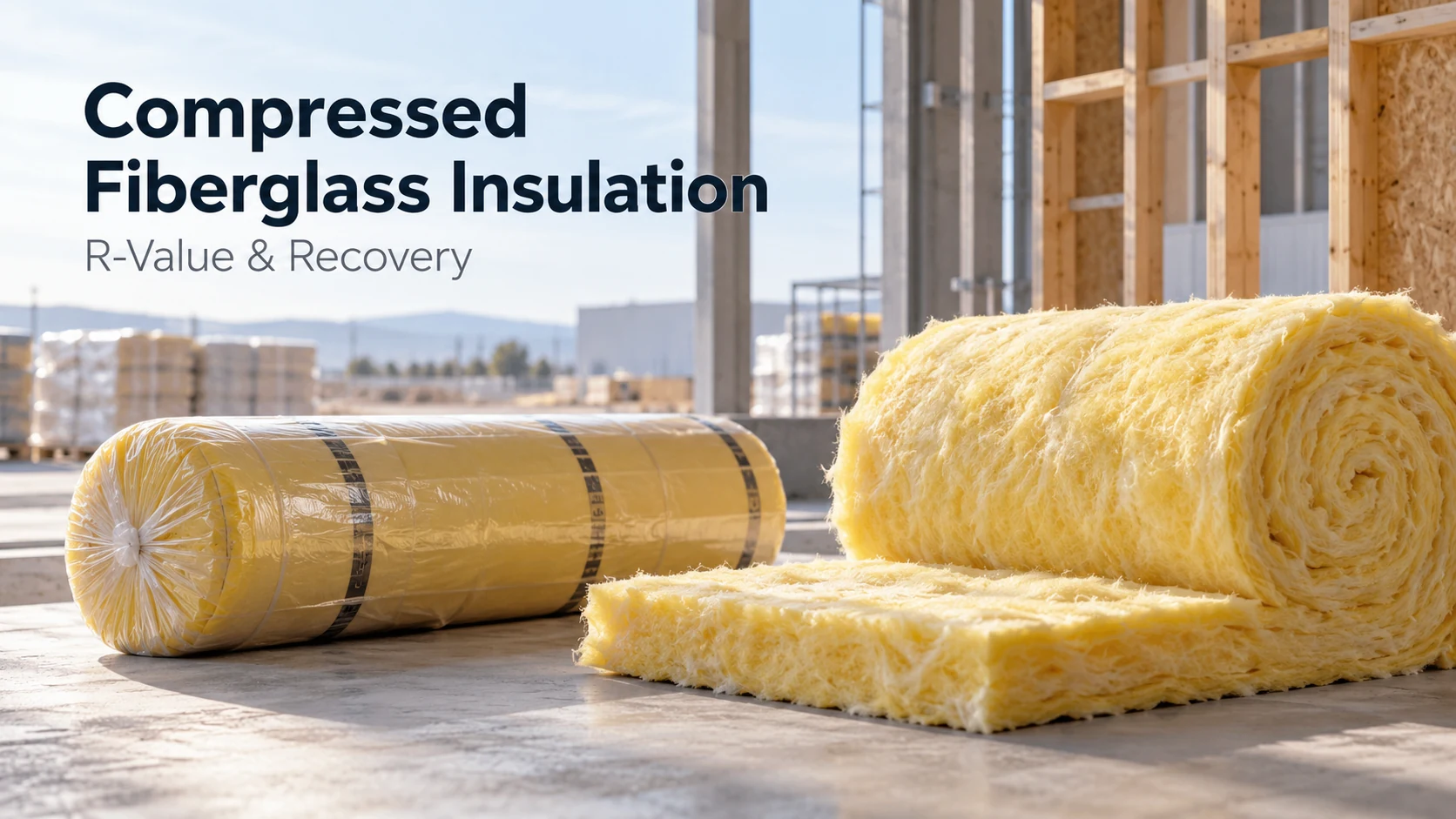
What Happens When Fiberglass (Glass Wool) Insulation Is Compressed?
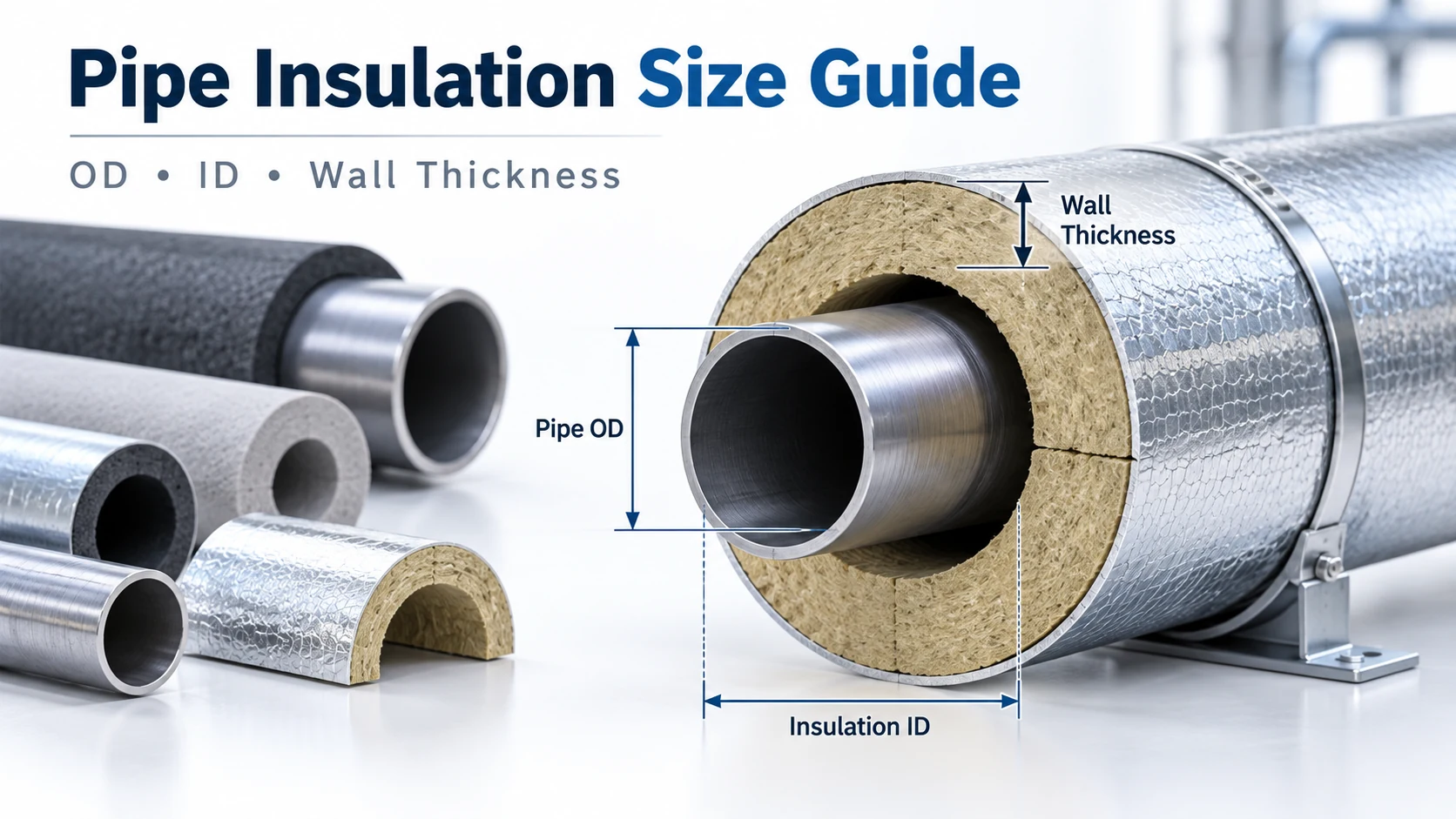
Pipe Insulation Size Guide: How to Match Pipe OD, Insulation ID and Wall Thickness
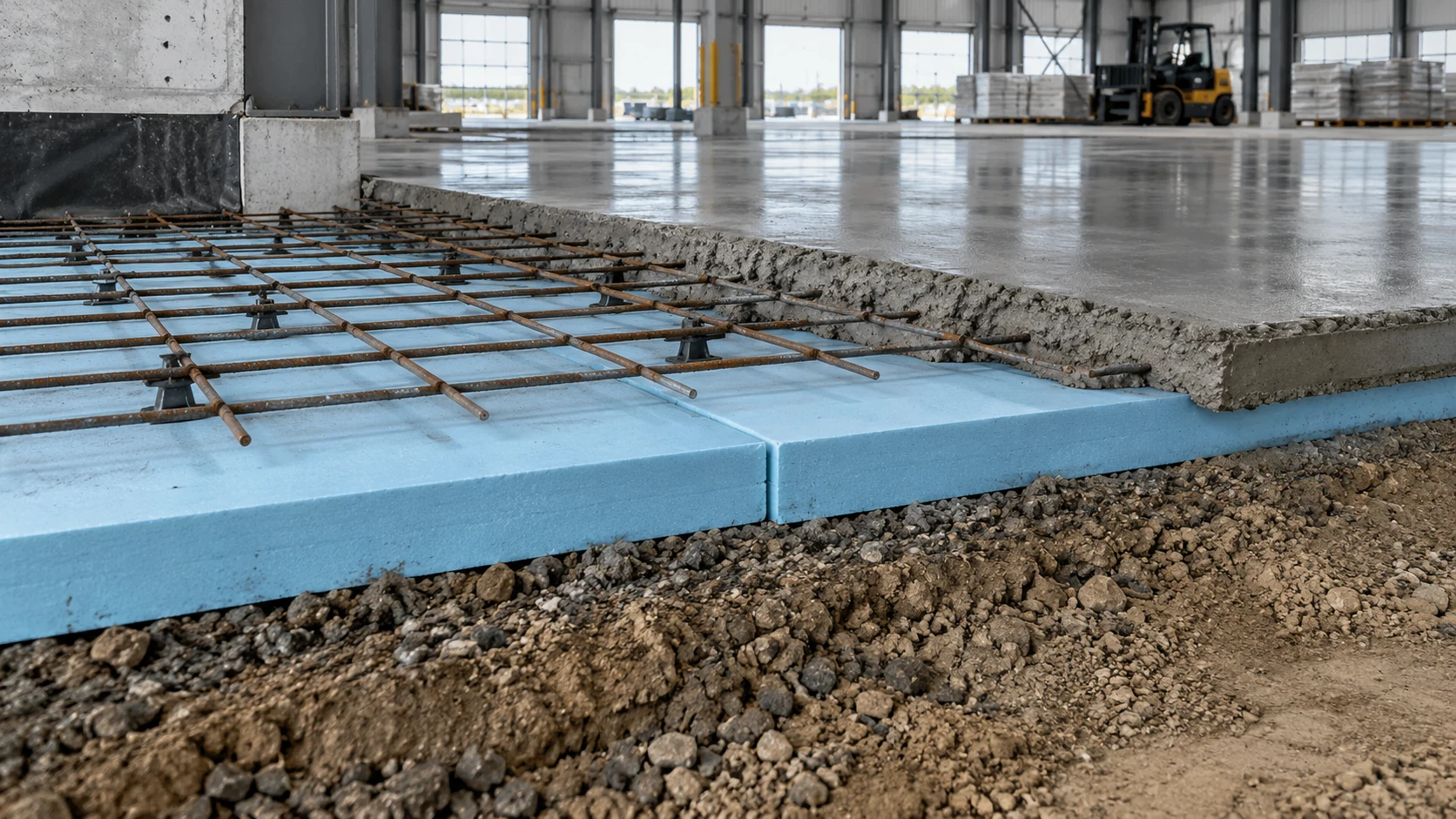
What XPS Compressive Strength Do I Need Under a Concrete Slab?
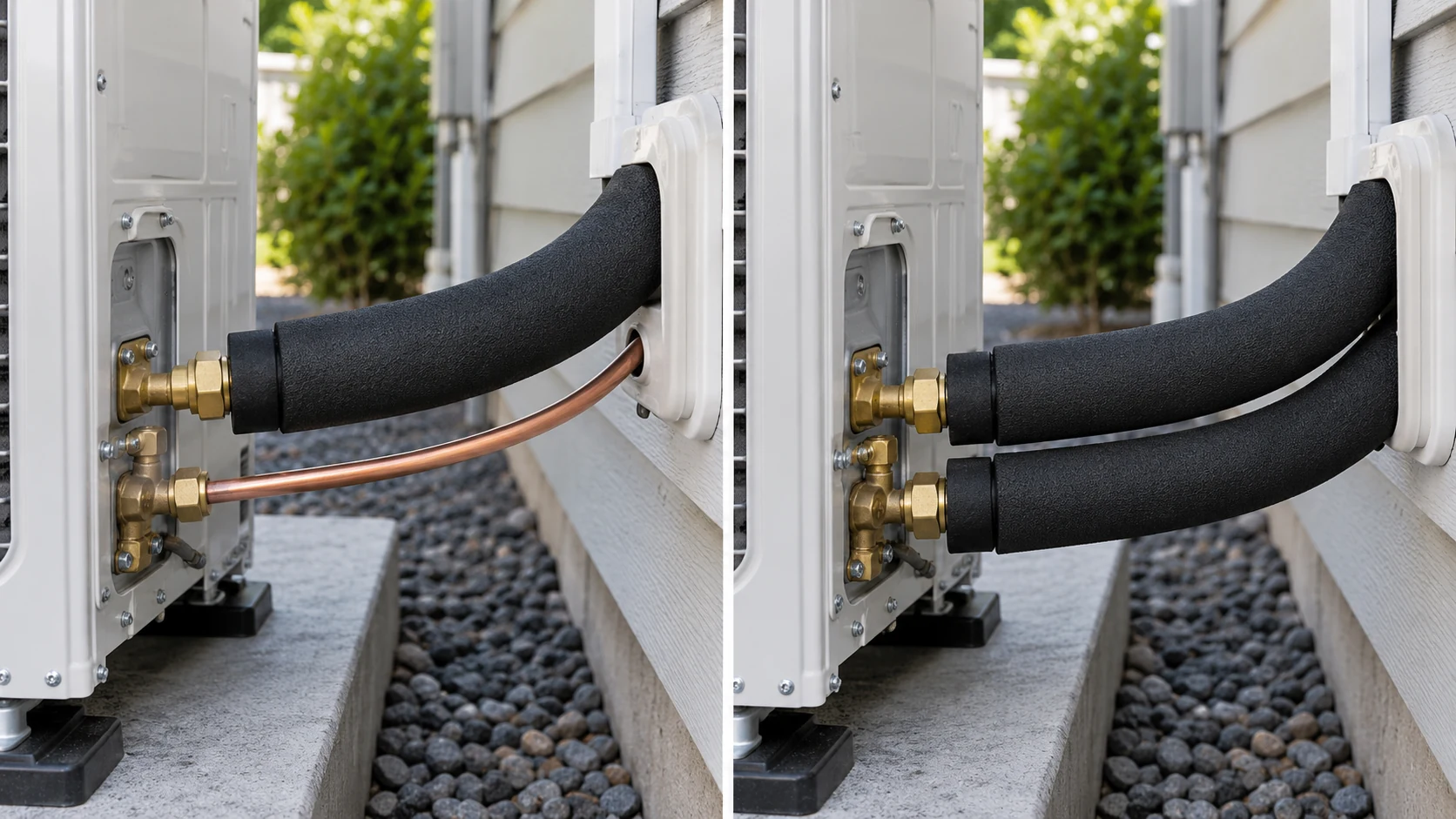
Do Both Refrigerant Lines Need Insulation?
How do you pack insulation products for export?
Products are packed according to material type and shipping requirements. Common options include plastic bags, cartons, woven bags, pallets, or customized export packaging to help protect the goods during transportation.
What certificates or test reports can you provide?
We can provide available certificates, test reports, and product documents according to the product type and project requirements. If your project requires a specific standard, please confirm with us before ordering.
What is your usual production and delivery time?
Delivery time depends on the product type, order quantity, customization requirements, and shipping destination. Standard products are usually faster to arrange, while customized or large-volume orders may require longer production time.
What information should I provide to get a quotation?
To prepare an accurate quotation, please provide the product type, size, thickness, density or specification, quantity, application, destination port or country, and any special requirements such as fire rating, facing material, adhesive backing, or packaging.
Leave a message
Have any questions or concerns about our products? Please leave us a message here and our team will get back to you promptly.
Your queries, ideas, and collaboration opportunities are just a click away. Let’s start a conversation.

















































FUNAS Insulation Material
funasinsulation
funasinsulation
Guangdong FUNAS Insulation Material Co.Ltd