
Where is mineral wool most commonly applied? | Insights by FUNAS
Explore the diverse applications and advantages of mineral wool insulation in thermal insulation materials, including its use in residential, commercial, and industrial settings, as well as its thermal, acoustic, and fire-resistant properties.
- Understanding Mineral Wool Insulation: Applications and Benefits
- 1. What are the primary applications of mineral wool insulation?
- 2. How does mineral wool insulation contribute to energy efficiency?
- 3. What are the fire-resistant properties of mineral wool insulation?
- 4. How does mineral wool insulation improve acoustic comfort?
- 5. What are the environmental benefits of using mineral wool insulation?
- Conclusion: Why Choose FUNAS for Your Insulation Needs?
Understanding Mineral Wool Insulation: Applications and Benefits
Mineral wool insulation, derived from natural minerals such as basalt and dolomite, is renowned for its exceptional thermal, acoustic, and fire-resistant properties. This versatile material is widely utilized across various sectors to enhance energy efficiency, comfort, and safety. Below, we address five common questions regarding its applications and benefits.
1. What are the primary applications of mineral wool insulation?
Mineral wool insulation is employed in numerous applications, including:
Residential Buildings: Installed in walls, roofs, and floors to improve energy efficiency and indoor comfort.
Commercial Buildings: Used in offices, schools, and hospitals to reduce energy consumption and enhance acoustic comfort.
Industrial Applications: Applied in insulating equipment such as boilers, ovens, and furnaces to protect against extreme temperatures and fire.
Fire Safety: Incorporated into fire doors, partitions, and structural fire protection systems due to its non-combustible nature.
Acoustic Solutions: Installed in theaters, recording studios, and offices to improve sound quality and reduce noise levels.
2. How does mineral wool insulation contribute to energy efficiency?
Mineral wool insulation enhances energy efficiency by providing a barrier to heat flow, reducing the need for heating and cooling. Its thermal conductivity ranges between 0.034 W/m·K and 0.040 W/m·K, effectively minimizing heat transfer. Proper installation can lead to substantial energy savings and reduced carbon emissions over the building's lifespan.
3. What are the fire-resistant properties of mineral wool insulation?
Mineral wool insulation is non-combustible and can withstand temperatures exceeding 1,000°C without melting or releasing toxic fumes. This makes it an ideal choice for fire-rated applications, providing an effective fire barrier and enhancing overall building safety during emergencies.
4. How does mineral wool insulation improve acoustic comfort?
The dense, fibrous structure of mineral wool effectively absorbs sound waves, reducing noise transmission between rooms and from external sources. This property is particularly beneficial in settings such as studios, offices, and residential areas where noise reduction is crucial.
5. What are the environmental benefits of using mineral wool insulation?
Mineral wool insulation is considered environmentally friendly due to its recyclable nature and the use of industrial waste in its production. By recycling steel slag and other waste products, its production contributes to waste reduction and promotes resource efficiency. Additionally, its durability and long lifespan reduce the environmental impact associated with frequent replacements.
Conclusion: Why Choose FUNAS for Your Insulation Needs?
When selecting insulation materials, it's essential to consider factors such as thermal performance, fire resistance, acoustic properties, and environmental impact. FUNAS offers high-quality mineral wool insulation products that meet these criteria, ensuring optimal performance and sustainability. By choosing FUNAS, you invest in a solution that enhances comfort, safety, and energy efficiency in your building projects.
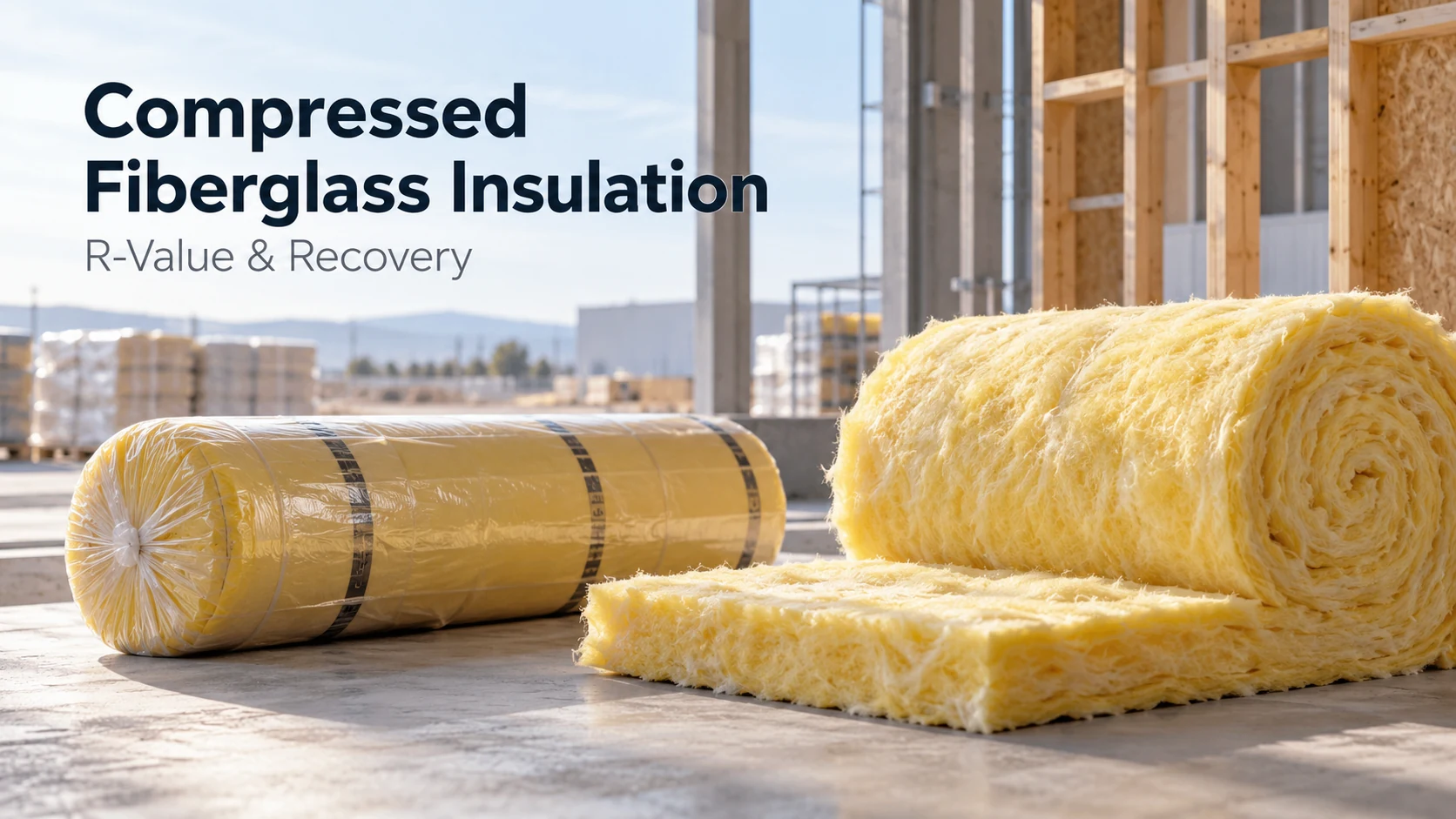
What Happens When Fiberglass (Glass Wool) Insulation Is Compressed?
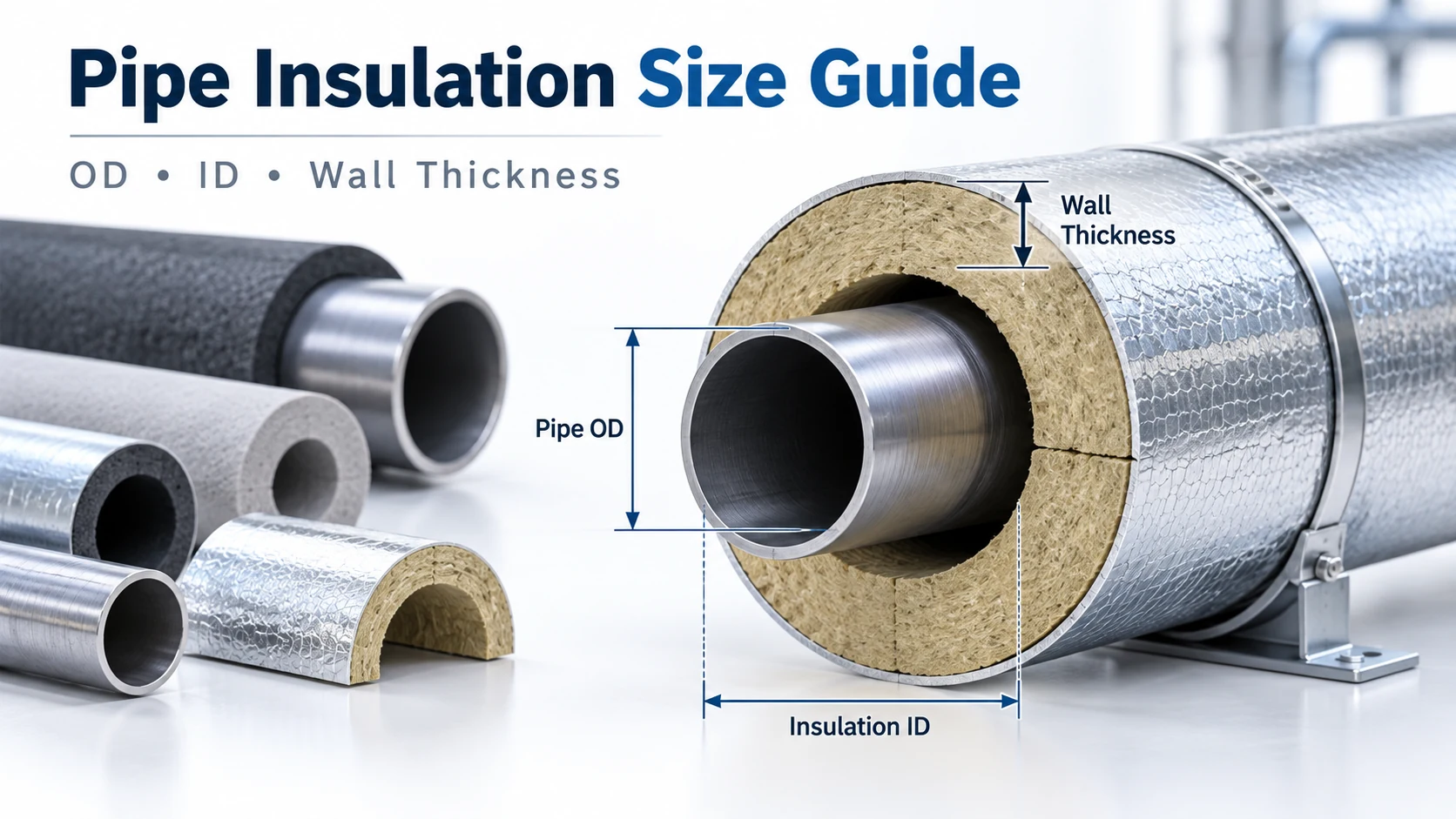
Pipe Insulation Size Guide: How to Match Pipe OD, Insulation ID and Wall Thickness
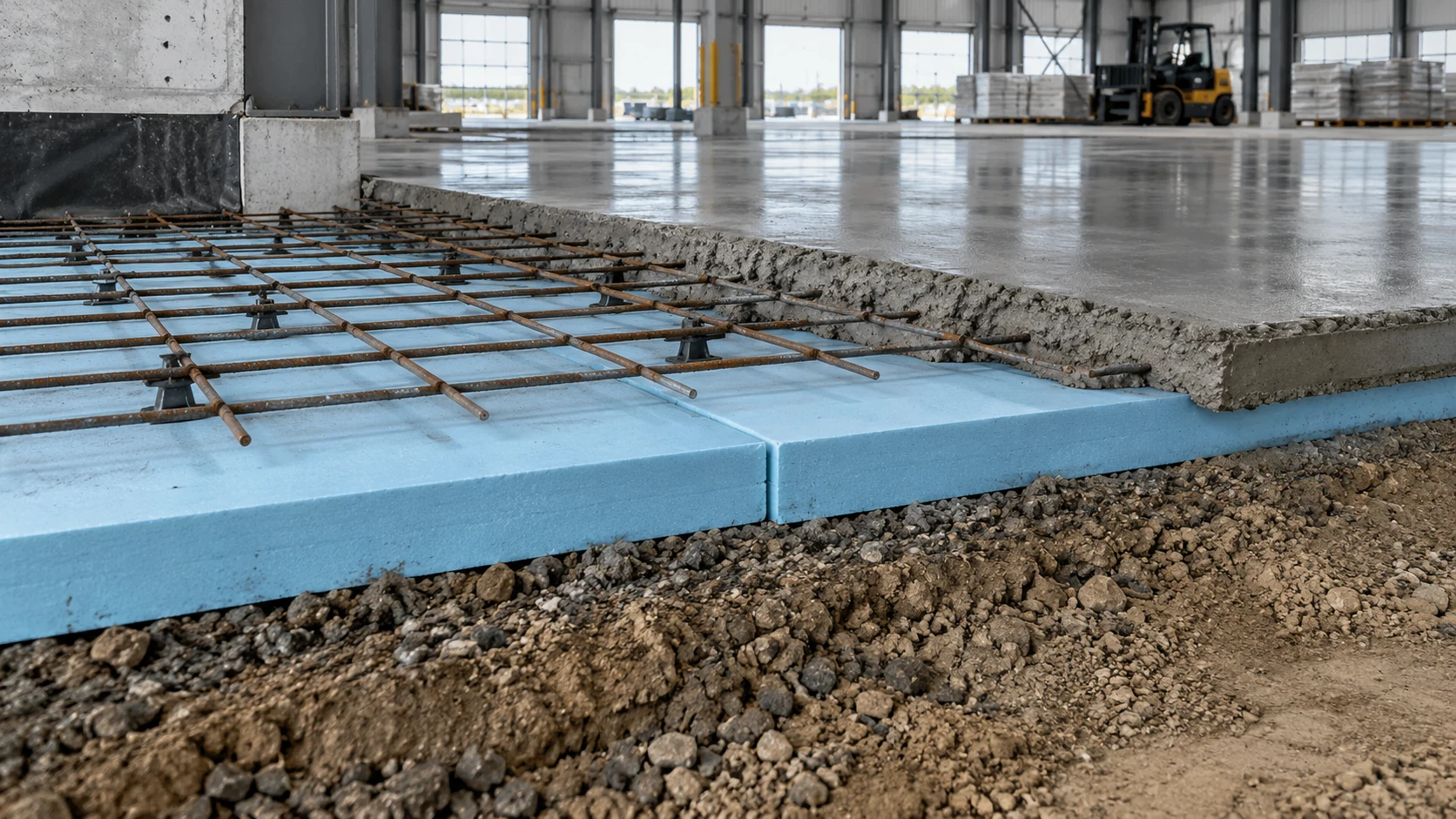
What XPS Compressive Strength Do I Need Under a Concrete Slab?
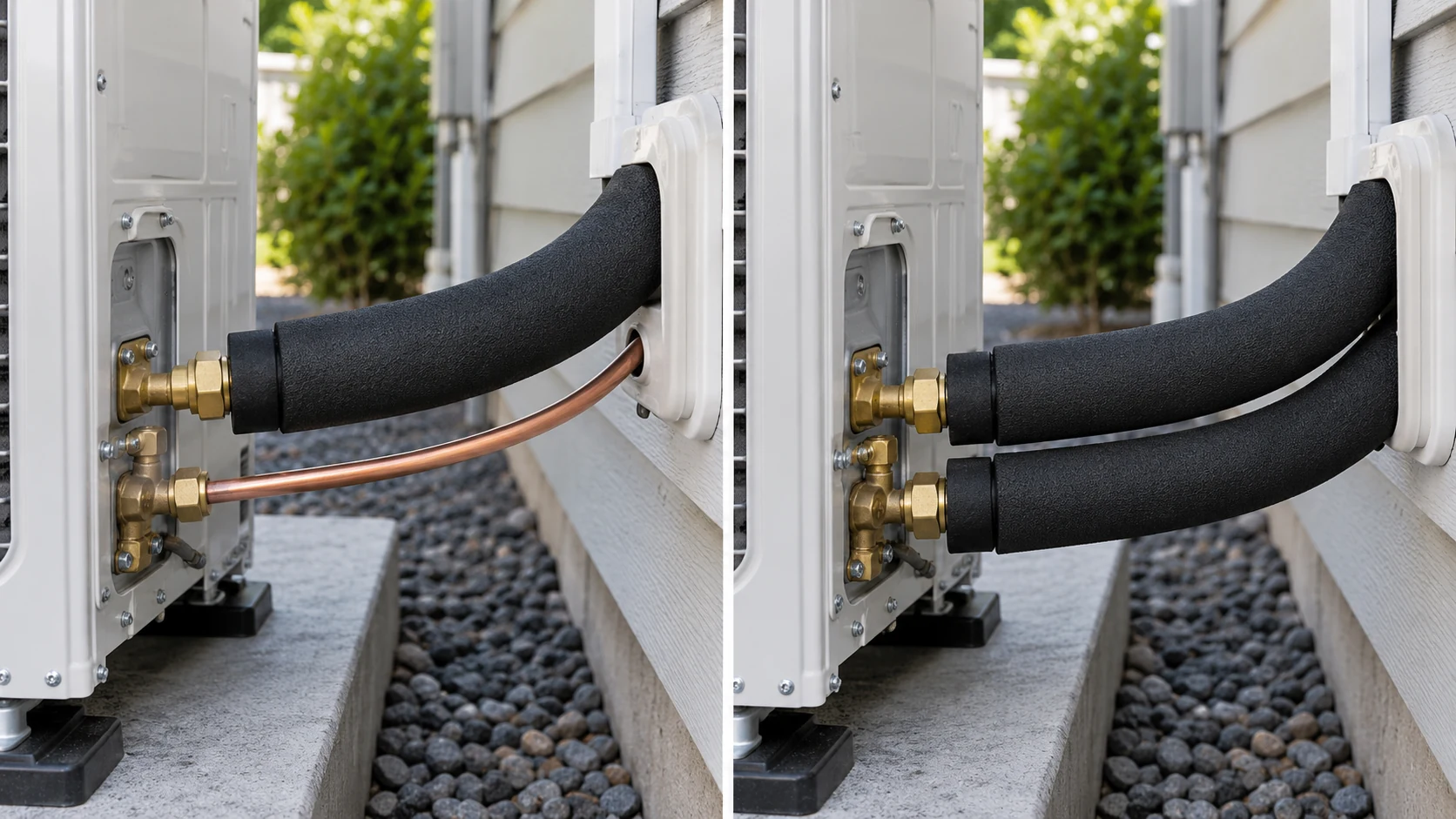
Do Both Refrigerant Lines Need Insulation?
service
Can you support OEM or private label orders?
Yes. We can support OEM and private label requirements such as customized packaging, labels, product specifications, and brand presentation for distributors, contractors, and project buyers.
How do you pack insulation products for export?
Products are packed according to material type and shipping requirements. Common options include plastic bags, cartons, woven bags, pallets, or customized export packaging to help protect the goods during transportation.
What is your usual production and delivery time?
Delivery time depends on the product type, order quantity, customization requirements, and shipping destination. Standard products are usually faster to arrange, while customized or large-volume orders may require longer production time.
FAQ
Do you provide samples before bulk orders?
Yes, samples can be provided for quality checking before bulk purchase. Sample availability, size, and delivery cost may vary depending on the product and destination.
Leave a message
Have any questions or concerns about our products? Please leave us a message here and our team will get back to you promptly.
Your queries, ideas, and collaboration opportunities are just a click away. Let’s start a conversation.


FUNAS Insulation Material
funasinsulation
funasinsulation
Guangdong FUNAS Insulation Material Co.Ltd